

Photo by Raph_PH , licensed under CC BY 2.0 · Wikimedia Commons
Rank #191
David Gilmour
From Wikipedia
David Jon Gilmour is an English musician best known for being the lead guitarist of the English rock band Pink Floyd. He joined in 1967, shortly before the departure of founding member Syd Barrett. By the early 1980s, Pink Floyd had become one of the highest-selling and most acclaimed acts in music history. Following the departure of Roger Waters in 1985, Pink Floyd continued under Gilmour's leadership and released the studio albums A Momentary Lapse of Reason (1987), The Division Bell (1994) and The Endless River (2014).
Discography & Previews
Browse through and click an album to open and play 30-second previews streamed from Apple Music.


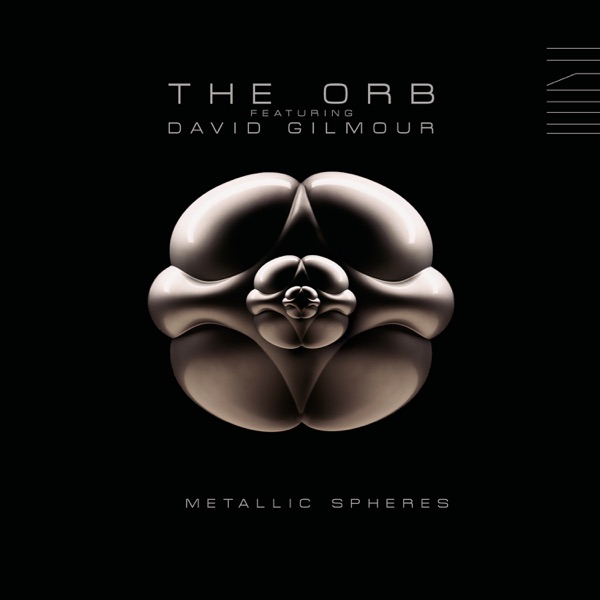
Metallic Spheres
2010 · 2 tracks


Luck and Strange
2024 · 13 tracks
- 1 Black Cat ↗ 1:32
- 2 Luck and Strange ↗ 6:57
- 3 The Piper's Call ↗ 5:15
- 4 A Single Spark ↗ 6:04
- 5 Vita Brevis ↗ 0:46
- 6 Between Two Points ↗ 5:47
- 7 Dark and Velvet Nights ↗ 4:45
- 8 Sings ↗ 5:14
- 9 Scattered ↗ 7:34
- 10 Yes, I Have Ghosts ↗ 3:50
- 11 Luck and Strange (original Barn Jam) ↗ 14:00
- 12 A Single Spark (Orchestral) ↗ 5:49
- 13 Scattered (Orchestral) ↗ 7:34
-
 David GilmourDavid Gilmour19789 tracks
 -
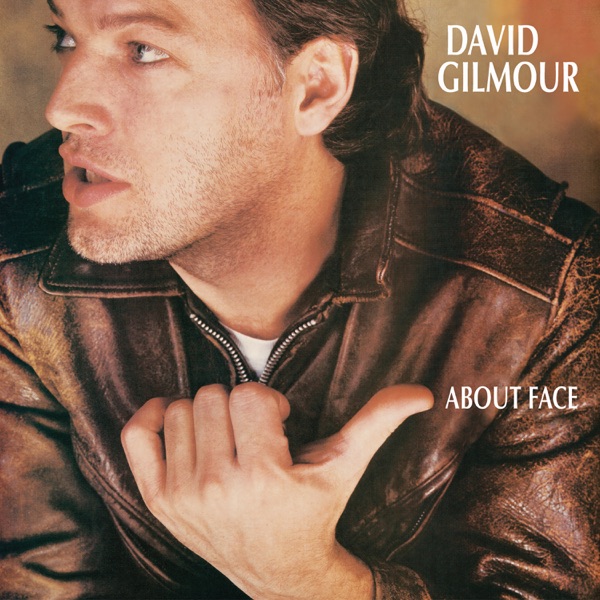
 About FaceDavid Gilmour198410 tracks
 -
 On an IslandDavid Gilmour200610 tracks
 -
 Metallic SpheresDavid Gilmour20102 tracks
 -
 Rattle That LockDavid Gilmour201510 tracks
 -
 Luck and StrangeDavid Gilmour202413 tracks
Deep Dive
Overview
David Gilmour is an English musician and guitarist best known for his work as lead guitarist of Pink Floyd, one of the highest-selling and most acclaimed rock acts in music history. Born in 1946, Gilmour joined the Cambridge-based band in 1967, arriving at a pivotal moment when founding member Syd Barrett was departing. Over five decades, he became synonymous with Pink Floyd’s sound—a blend of psychedelic rock, art rock, and progressive elements defined by his distinctive guitar tone, restrained phrasing, and emotional depth. Beyond his work with the band, Gilmour maintained an intermittent solo career, releasing five studio albums between 1978 and 2024, each exploring ambient, blues-rock, and experimental territories.
Formation Story
David Jon Gilmour was born in 1946 in the United Kingdom, coming of age during the emergence of British rock and the blues-rock boom of the mid-1960s. He grew up in a musical environment in Cambridge, absorbing the influences of American blues, British Invasion guitar craft, and the experimental rock being pioneered by London bands. Gilmour’s path into rock music was gradual, shaped by the post-Beatles landscape and the psychedelic movement then taking root in Britain. His early exposure to blues and rock guitar laid the foundation for the playing style that would define his career—economical, melodic, and emotionally resonant rather than technically showy.
Breakthrough Moment
Gilmour’s entry into Pink Floyd came in 1967, shortly before the band would undergo a major shift. The departure of Syd Barrett, the band’s founder and original creative force, left Pink Floyd in need of a guitarist who could both fill a crucial role and help the group evolve. Gilmour’s arrival coincided with a period of rapid development for the band, and his guitar work became integral to Pink Floyd’s most celebrated albums of the early 1970s. Though specific album titles and years detailing Gilmour’s earliest contributions with the band are not detailed in the supplied sources, his presence during this era established him as a central figure in one of rock’s most important ensembles. His solo debut, David Gilmour (1978), announced Gilmour as a recording artist in his own right, demonstrating his ability to craft introspective, guitar-driven songs outside the Pink Floyd framework.
Peak Era
The period from the late 1970s through the early 1990s represents Gilmour’s most prolific and publicly visible phase as both a solo artist and Pink Floyd member. His solo album About Face (1984) came during a time when Pink Floyd continued to evolve and expand its commercial reach. By the early 1980s, Pink Floyd had solidified its position as one of the world’s best-selling rock acts. Following the departure of bassist and songwriter Roger Waters in 1985, Gilmour became the primary creative force and leader of Pink Floyd, steering the band through a new chapter. Under his direction, the band released A Momentary Lapse of Reason (1987), The Division Bell (1994), and later The Endless River (2014), each reflecting Gilmour’s evolving approach to composition and production while maintaining the band’s sonic identity.
Musical Style
Gilmour’s guitar playing is defined by clarity, restraint, and emotional expression rather than technical virtuosity. His tone—crystalline yet warm, achieved through carefully chosen amplification and effects—became one of rock’s most recognizable sounds. He favors legato bending, sustained notes, and melodic phrasing that often function as a second voice in songs, rather than serving merely rhythmic or decorative purposes. His blues-rock foundation is evident in his command of minor-key soloing and his ability to convey emotion through minimal note selection. Over his career, Gilmour’s style has incorporated ambient textures, electronic processing, and atmospheric soundscaping, reflecting the broader evolution of progressive and art rock. His songwriting—both solo and within Pink Floyd—tends toward introspection and lyrical depth, with themes of loss, disconnection, and memory recurring across his work. The genres he has explored—psychedelic rock, art rock, progressive rock, blues rock, and ambient music—have all left traces in his overall artistic approach, creating a body of work that privileges atmosphere and emotional resonance over speed or technical display.
Major Albums
David Gilmour (1978)
Gilmour’s debut solo album established him as a capable songwriter and bandleader, featuring guitar-forward arrangements and collaborations with notable session musicians. The album marked the beginning of his intermittent solo career, demonstrating that his talents extended beyond his role in Pink Floyd.
About Face (1984)
Released while Pink Floyd was at the height of its commercial success, About Face showed Gilmour’s continued ability to balance intricate production and memorable songwriting with his signature guitar tone. The album reflected the sonic experimentation and production sophistication of its era.
On an Island (2006)
A return to solo work after a 22-year gap, On an Island featured guest appearances and a focus on intimate, guitar-centered compositions. The album demonstrated Gilmour’s sustained relevance as a recording artist and his ongoing creative engagement with solo material.
Rattle That Lock (2015)
Gilmour’s fourth solo album continued his exploration of melodic rock and blues-influenced material, balancing acoustic and electric instrumentation with his characteristic restrained approach to guitar soloing.
Luck and Strange (2024)
Released when Gilmour was in his late seventies, this album represents his most recent solo work, indicating his continued creative activity and engagement with recording.
Signature Songs
- “Shine On You Crazy Diamond” — A Pink Floyd composition that serves as an extended guitar meditation and emotional centerpiece, showcasing Gilmour’s ability to convey narrative through instrumental passages.
- “Comfortably Numb” — Features one of rock’s most celebrated guitar solos, demonstrating Gilmour’s gift for melodic invention and emotional articulation within the context of a structured song.
- “Time” — A Pink Floyd composition that exemplifies Gilmour’s restrained yet expressive approach to rhythm guitar and his ability to serve the song’s emotional arc rather than dominate it.
- “Run Like Hell” — Highlights his work with synthesizers and electronic production while maintaining his blues-rock sensibility.
Influence on Rock
Gilmour’s influence on rock music operates at multiple levels. As Pink Floyd’s lead guitarist and later creative leader, he shaped the sound of progressive rock and art rock for decades, establishing a template for emotionally sophisticated, atmosphere-driven rock music that valued mood and restraint over technical excess. His guitar tone and approach to soloing influenced generations of rock and alternative guitarists who prioritized melodic content and emotional expression. The broader sound Pink Floyd developed under Gilmour’s influence—expansive, introspective, and often autobiographical—informed the direction of alternative rock, post-punk, and progressive metal. His work demonstrated that rock music could encompass ambient textures, experimental production, and literary lyrical content while maintaining mass commercial appeal. Guitarists across multiple genres have cited Gilmour as a primary influence, particularly those working in psychedelic, progressive, and blues-rock contexts.
Legacy
David Gilmour stands as one of rock music’s most important and enduring figures. His tenure with Pink Floyd placed him among the most successful musicians in history, with the band’s albums reaching hundreds of millions of listeners worldwide. Though he stepped back from Pink Floyd’s touring activities in recent years, his foundational contributions to the band’s most celebrated work—albums released during the 1970s and 1980s that defined progressive rock—remain central to his legacy. His solo career, though sporadic, demonstrates his capabilities as an independent artist and his willingness to experiment beyond Pink Floyd’s parameters. His influence extends across rock’s many subgenres and continues to resonate with musicians and listeners decades after his most commercially dominant period. The sustained interest in Pink Floyd’s catalog on streaming platforms and the ongoing recognition of his work ensure his place as a defining voice in late-twentieth-century rock music.
Fun Facts
- Gilmour joined Pink Floyd in 1967 while the band was still centered in Cambridge, a period when psychedelic rock was rapidly evolving across Britain.
- His first solo album arrived in 1978, during Pink Floyd’s continued commercial ascent, demonstrating his ability to balance solo and band commitments.
- Following Roger Waters’s departure from Pink Floyd in 1985, Gilmour assumed creative leadership of the band, making him one of rock’s rare examples of a guitarist stepping into the primary compositional and directional role.
- His solo discography spans nearly five decades, from David Gilmour in 1978 to Luck and Strange in 2024, marking unusual longevity for a musician of secondary prominence to a larger ensemble.