
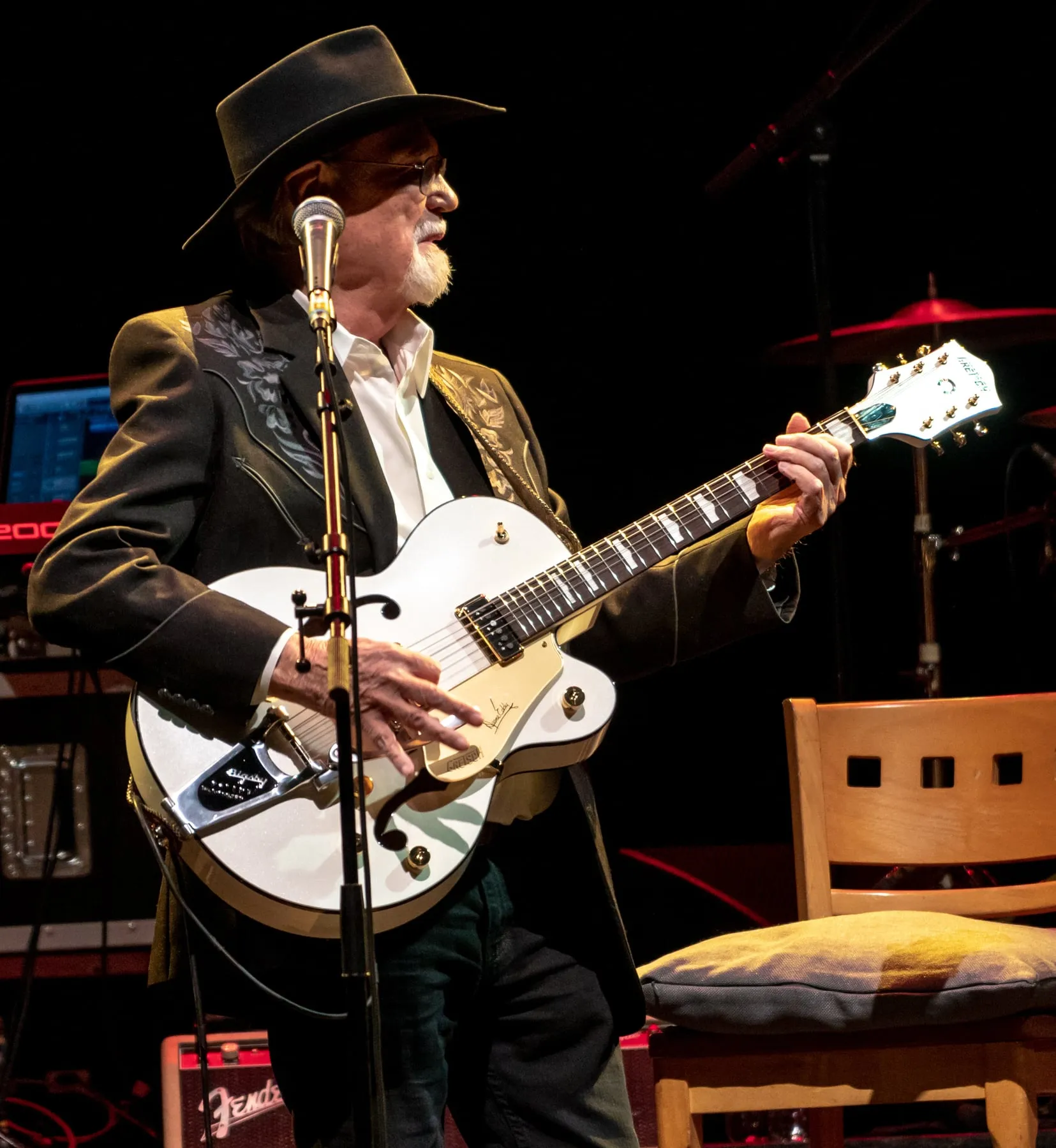
Photo by Raph_PH , licensed under CC BY 2.0 · Wikimedia Commons
Rank #366
Duane Eddy
From Wikipedia
Duane Eddy was an American guitarist. In the late 1950s and early 1960s, he had a string of hit records produced by Lee Hazlewood which were noted for their characteristically "twangy" guitar sound, including "Rebel-'Rouser", "Peter Gunn", and "Because They're Young". He had sold 12 million records by 1963. His guitar style influenced the Ventures, the Shadows, the Beatles, Bruce Springsteen, Steve Earle, and Marty Stuart.
Discography & Previews
Browse through and click an album to open and play 30-second previews streamed from Apple Music.

Have ‘Twangy’ Guitar Will Travel
1958 · 12 tracks
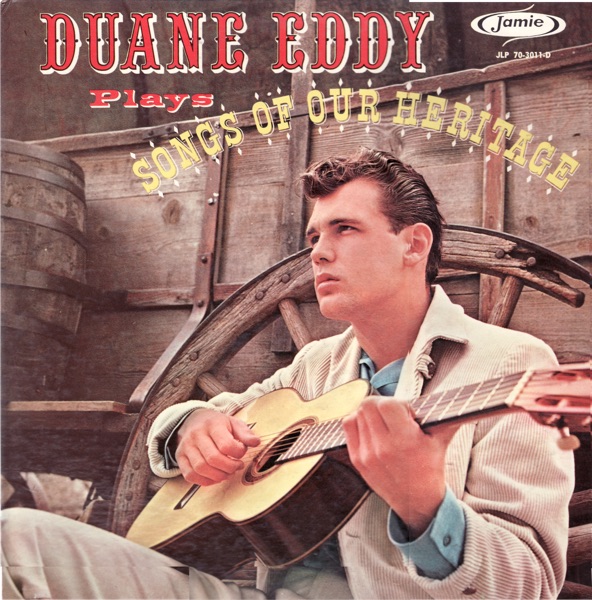
Songs of Our Heritage
1960 · 11 tracks
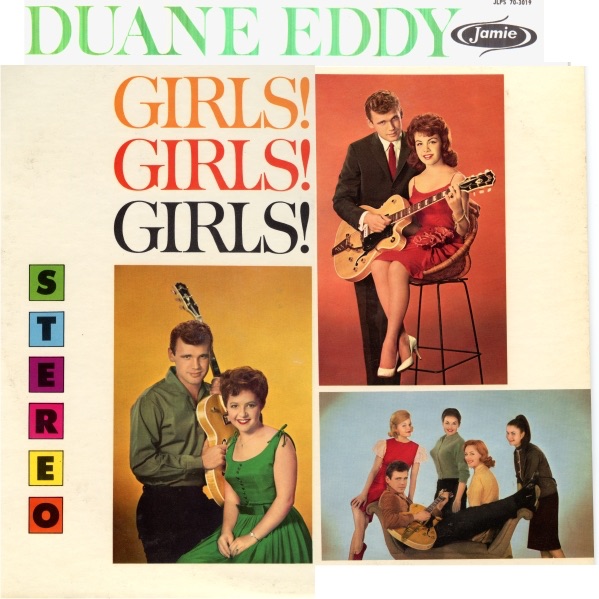
Girls! Girls! Girls!
1961 · 17 tracks
- 1 Brenda ↗ 2:19
- 2 Sioux City Sue ↗ 2:26
- 3 Tammy ↗ 2:07
- 4 Big 'Liza ↗ 2:22
- 5 Mary Ann ↗ 2:32
- 6 Annette ↗ 3:32
- 7 Tuesday ↗ 3:08
- 8 Sweet Cindy ↗ 2:23
- 9 Patricia ↗ 2:29
- 10 Mona Lisa ↗ 2:41
- 11 Connie ↗ 3:02
- 12 Carol ↗ 2:27
- 13 Runaway Pony ↗ 2:35
- 14 Annette (Undubbed) ↗ 3:33
- 15 Connie (Undubbed) ↗ 3:08
- 16 Runaway Pony (Undubbed) ↗ 2:47
- 17 Drivin' Home (Undubbed) ↗ 2:48
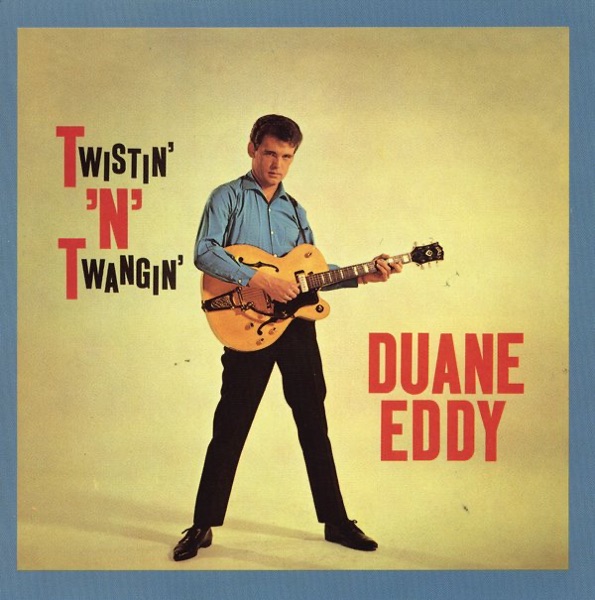
Twistin' 'N' Twangin'
1962 · 15 tracks
- 1 Peppermint Twist ↗ 1:37
- 2 Twistin' 'n' Twangin' ↗ 2:14
- 3 Let's Twist Again ↗ 2:04
- 4 Miss Twist ↗ 2:28
- 5 Sugartime Twist ↗ 1:53
- 6 Exactly Like You ↗ 2:02
- 7 Walkin' 'n' Twistin' (I'm Walkin') ↗ 2:03
- 8 Dear Lady Twist ↗ 2:12
- 9 Moanin' 'n' Twistin' ↗ 3:39
- 10 Country Twist ↗ 2:15
- 11 The Twist ↗ 2:04
- 12 Twistin' Off a Cliff ↗ 1:38
- 13 Some Blues (Stretchin' Out) ↗ 2:06
- 14 The Wild Westerners ↗ 2:19
- 15 The Desert Rat ↗ 2:59
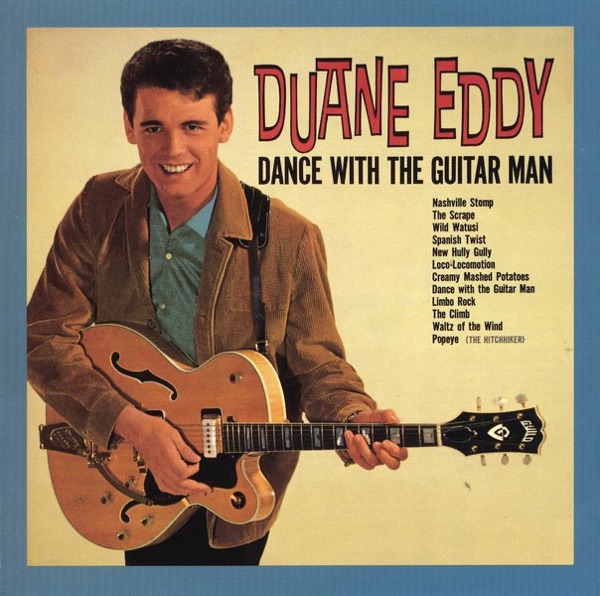
Dance With The Guitar Man
1962 · 12 tracks
- 1 (Dance With the) Guitar Man ↗ 2:41
- 2 Limbo Rock ↗ 2:01
- 3 Wild Watusi ↗ 2:24
- 4 The Scrape ↗ 2:26
- 5 New Hully Gully ↗ 3:14
- 6 Popeye (The Hitchhiker) ↗ 2:17
- 7 Spanish Twist ↗ 2:46
- 8 The Climb ↗ 2:30
- 9 Loco-Locomotion ↗ 2:45
- 10 Nashville Stomp ↗ 2:12
- 11 Creamy Mashed Potatoes ↗ 2:28
- 12 Waltz of the Wind ↗ 2:51
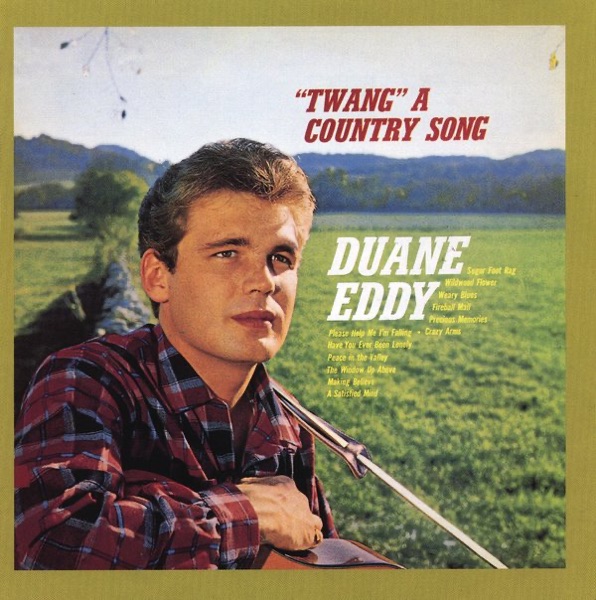
"Twang" a Country Song
1963 · 14 tracks
- 1 Sugar Foot Rag ↗ 1:49
- 2 Weary Blues (From Waiting) ↗ 3:01
- 3 Fireball Mail ↗ 2:13
- 4 Please Help Me I'm Falling ↗ 2:48
- 5 Wildwood Flower ↗ 2:17
- 6 Precious Memories ↗ 2:49
- 7 Crazy Arms ↗ 2:25
- 8 Have You Ever Been Lonely (Have You Ever Been Blue) ↗ 3:22
- 9 The Window Up Above ↗ 2:45
- 10 A Satisfied Mind ↗ 3:06
- 11 Making Believe ↗ 3:41
- 12 Peace In the Valley ↗ 3:23
- 13 The Son of Rebel Rouser ↗ 2:38
- 14 The Story of Three Loves (The 18th Variation from Rapsodie On a Theme of Paganini) ↗ 2:10

"Twangin'" Up a Storm!
1963 · 14 tracks
- 1 Guitar Child ↗ 2:34
- 2 All You Gave to Me ↗ 2:39
- 3 Giddy Goose ↗ 2:13
- 4 Walk Right In ↗ 2:01
- 5 He's So Fine ↗ 2:03
- 6 Beach Bound ↗ 2:13
- 7 Mr. Guitar Man ↗ 2:28
- 8 Blowin' Up a Storm ↗ 2:35
- 9 My Baby Plays the Same Old Song on His Guitar All Night Long ↗ 2:25
- 10 Guitar'd and Feathered ↗ 1:57
- 11 Soldier Boy ↗ 2:31
- 12 Soul Twist ↗ 2:34
- 13 Moon Shot ↗ 2:08
- 14 Roughneck ↗ 1:50
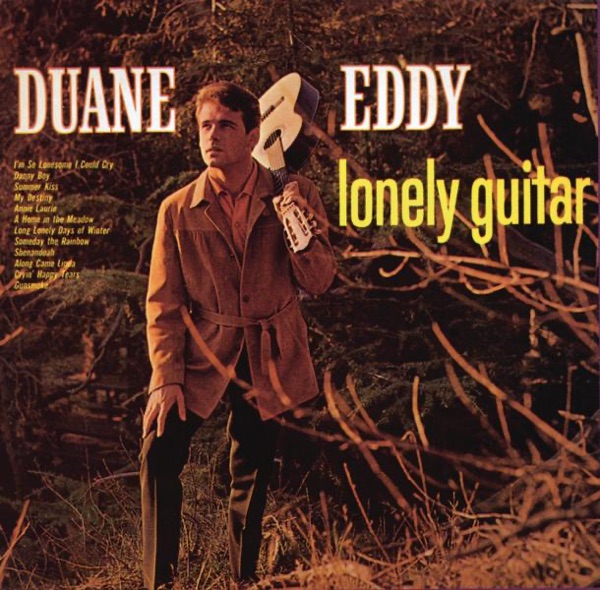
Lonely Guitar
1964 · 14 tracks
- 1 I'm So Lonesome I Could Cry ↗ 3:02
- 2 Long Lonely Days of Winter ↗ 2:35
- 3 Along Came Linda ↗ 3:26
- 4 Someday the Rainbow ↗ 3:00
- 5 Gunsmoke ↗ 3:49
- 6 A Home In the Meadow -(From the MGM Cinerama Production "How the West Was Won") ↗ 4:50
- 7 Danny Boy ↗ 3:50
- 8 Shenandoah ↗ 2:54
- 9 Summer Kiss ↗ 3:17
- 10 My Destiny ↗ 3:26
- 11 Cryin' Happy Tears ↗ 2:22
- 12 Annie Laurie ↗ 3:08
- 13 Joshin' ↗ 2:44
- 14 Saints and Sinners ↗ 2:14
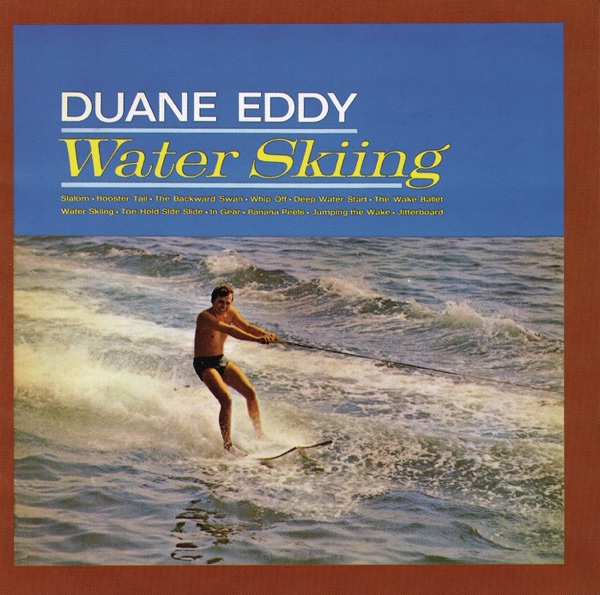
Water Skiing
1964 · 15 tracks
- 1 Water Skiing ↗ 3:00
- 2 Slalom ↗ 2:07
- 3 Rooster Tail ↗ 2:03
- 4 The Backward Swan ↗ 2:34
- 5 Whip Off ↗ 2:10
- 6 Jetterboard ↗ 3:06
- 7 Deep-Water Start ↗ 2:14
- 8 The Wake Ballet ↗ 2:10
- 9 Toe-Hold Side Slide ↗ 2:24
- 10 Banana Peels ↗ 1:57
- 11 In Gear ↗ 2:26
- 12 Jumping the Wake ↗ 2:24
- 13 Shuckin' ↗ 3:56
- 14 Guitar Star ↗ 2:14
- 15 The Iguana ↗ 2:37

Twangsville
1965 · 12 tracks
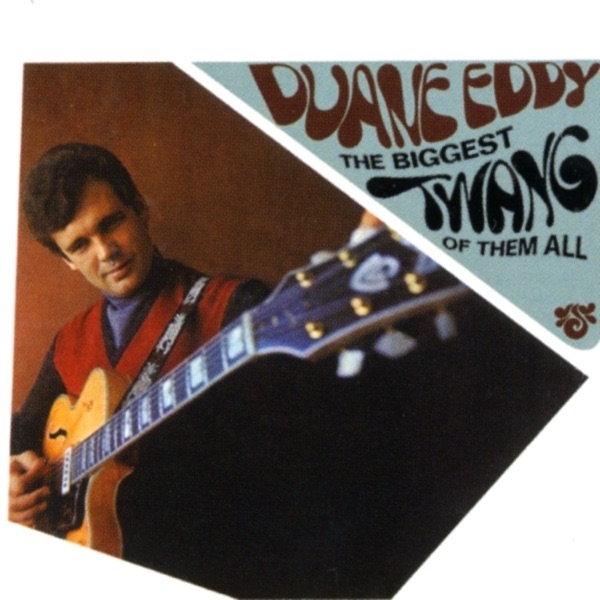
The Biggest Twang of Them All
1966 · 12 tracks
- 1 This Guitar Was Made for Twangin' ↗ 2:49
- 2 Batman ↗ 2:46
- 3 Monday, Monday ↗ 3:10
- 4 Strangers In the Night ↗ 2:16
- 5 Night Train ↗ 3:13
- 6 The Ballad of the Green Berets ↗ 2:10
- 7 Daydream ↗ 2:51
- 8 What Now My Love ↗ 3:21
- 9 Younger Girl ↗ 2:35
- 10 Where Were You When I Needed You ↗ 3:15
- 11 A Groovy Kind of Love ↗ 1:51
- 12 Mame ↗ 3:05
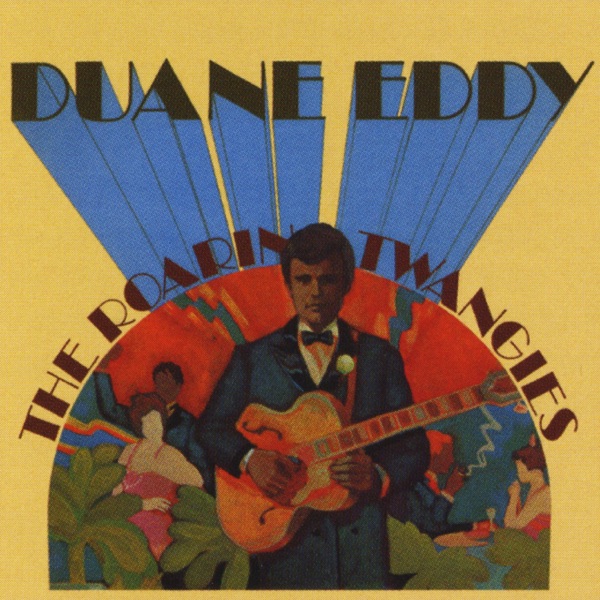
The Roaring Twangies
1967 · 12 tracks
- 1 Bye Bye Blues (Album Version) ↗ 2:36
- 2 Roarin' (Album Version) ↗ 2:42
- 3 A Happy Girl (Album Version) ↗ 2:54
- 4 Goofus (Album Version) ↗ 2:05
- 5 American Patrol (Album Version) ↗ 2:38
- 6 Out On the Town (Album Version) ↗ 2:58
- 7 Undecided (Album Version) ↗ 2:53
- 8 Born Free (Album Version) ↗ 2:57
- 9 St. Louis Blues March (Album Version) ↗ 3:18
- 10 Hello, Dolly (Album Version) ↗ 2:24
- 11 A String of Pearls (Album Version) ↗ 2:53
- 12 Wicked Woman From Wickenburg (Album Version) ↗ 3:11
Guitar Man
1975 · 12 tracks
- 1 (Dance With the) Guitar Man ↗ 2:41
- 2 Limbo Rock ↗ 2:01
- 3 Wild Watusi ↗ 2:24
- 4 The Scrape ↗ 2:26
- 5 New Hully Gully ↗ 3:14
- 6 Popeye (The Hitchhiker) ↗ 2:17
- 7 Spanish Twist ↗ 2:46
- 8 The Climb ↗ 2:30
- 9 Loco-Locomotion ↗ 2:45
- 10 Nashville Stomp ↗ 2:12
- 11 Creamy Mashed Potatoes ↗ 2:28
- 12 Waltz of the Wind ↗ 2:51

Duane Eddy
1987 · 12 tracks
- 1 Your Baby's Gone Surfin' ↗ 2:25
- 2 Rebel Rouser ↗ 2:34
- 3 Boss Guitar ↗ 2:25
- 4 My Baby Plays the Same Old Song On His Guitar All Night Long ↗ 2:26
- 5 Fireball Mail ↗ 2:12
- 6 High Noon ↗ 3:09
- 7 (Dance With the) Guitar Man ↗ 2:42
- 8 The Ballad of Paladin ↗ 1:55
- 9 Deep In the Heart of Texas ↗ 1:59
- 10 Lonely Boy, Lonely Guitar ↗ 2:19
- 11 Limbo Rock ↗ 2:00
- 12 Wildwood Flower ↗ 2:16
-
 Have ‘Twangy’ Guitar Will TravelDuane Eddy195812 tracks
 -
 Songs of Our HeritageDuane Eddy196011 tracks
 -
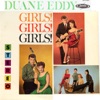 Girls! Girls! Girls!Duane Eddy196117 tracks
 -
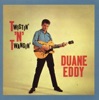 Twistin' 'N' Twangin'Duane Eddy196215 tracks
 -
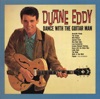 Dance With The Guitar ManDuane Eddy196212 tracks
 -
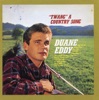 "Twang" a Country SongDuane Eddy196314 tracks
 -
 "Twangin'" Up a Storm!Duane Eddy196314 tracks
 -
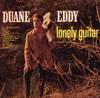 Lonely GuitarDuane Eddy196414 tracks
 -
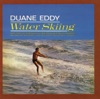 Water SkiingDuane Eddy196415 tracks
 -
 TwangsvilleDuane Eddy196512 tracks
 -
 The Biggest Twang of Them AllDuane Eddy196612 tracks
 -
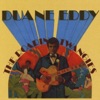 The Roaring TwangiesDuane Eddy196712 tracks
 - Guitar ManDuane Eddy197512 tracks
-
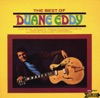 Duane EddyDuane Eddy198712 tracks
Deep Dive
Overview
Duane Eddy stands as one of the most commercially successful and sonically distinctive instrumentalists in rock music history. Between the late 1950s and early 1960s, he engineered a string of hit records whose tremolo-drenched, heavily echoed guitar tone—dubbed “twangy”—became instantly recognizable and widely imitated. His collaboration with producer Lee Hazlewood yielded a formula that proved durable enough to sustain a decades-long recording career and sell 12 million records by 1963 alone. Eddy’s work bridged country, rock and roll, instrumental rock, and surf idioms, creating a sound that influenced the Ventures, the Shadows, the Beatles, Bruce Springsteen, Steve Earle, and Marty Stuart.
Formation Story
Born in 1938, Duane Eddy came of age during the early postwar rock and roll boom. He picked up guitar in childhood and developed his craft through the 1950s, drawing on country, western swing, and emerging rock influences. By the late 1950s, Eddy had begun to forge a distinctive approach to the instrument that foregrounded echo and tremolo effects, departing from the cleaner tones favored by earlier country guitarists. His meeting with producer and multi-instrumentalist Lee Hazlewood proved transformative. Hazlewood, working in the Phoenix, Arizona region, recognized the commercial and artistic potential in Eddy’s visceral, heavily processed guitar attack and engineered the technical and sonic framework that would define the artist’s breakthrough period.
Breakthrough Moment
Eddy’s debut album, Have ‘Twangy’ Guitar Will Travel, arrived in 1958 and immediately established his signature sound in the marketplace. The record and its follow-up singles—particularly “Rebel-‘Rouser,” “Peter Gunn,” and “Because They’re Young”—climbed the charts and introduced millions of listeners to his characteristically thick, echoing guitar tone. These instrumental compositions showcased Eddy’s ability to craft memorable melodic hooks on the guitar itself, pushing the instrument forward as a lead voice capable of carrying entire records without vocals. The commercial success was swift and substantial; by the early 1960s, Eddy had become one of the most sought-after recording artists in America, with his twangy sound dominating jukeboxes and radio playlists.
Peak Era
From 1958 through the mid-1960s, Eddy maintained a prolific and commercially successful recording schedule. Albums such as Songs of Our Heritage (1960), Girls! Girls! Girls! (1961), Twangy Guitar Silky Strings (1962), and Dance With The Guitar Man (1962) demonstrated the flexibility of his approach, applying the characteristic echo-laden twang to diverse material ranging from pop standards to country numbers to covers of contemporary hits. Even as the British Invasion and shifts in popular music toward vocal-driven rock and soul reshaped the industry in the mid-1960s, Eddy continued recording, as evidenced by releases such as Duane Eddy Does Bob Dylan (1965), which saw him reinterpreting the folk-rock pioneer’s material through his twangy lens. His prolific output during these years—sometimes releasing multiple albums annually—underscored both his market appeal and the studio-driven efficiency of his working method.
Musical Style
Eddy’s sound was defined by the heavily echoed and tremolo-treated electric guitar, played with a strong melodic sensibility and a preference for the lower registers of the instrument. Rather than employing the fast, intricate finger-work of jazz or bebop-influenced guitarists, Eddy favored relatively simple, memorable single-note melodies enhanced through production techniques. Lee Hazlewood’s production philosophy amplified this approach, layering the guitar with orchestral strings, backing vocals, and studio effects that created a lush, dramatic texture. The “twangy” descriptor, while sometimes dismissed as gimmicky, captured a genuine aesthetic: the guitar’s tone was bright and metallic, yet stretched across echo chambers that made it sound distant and vast simultaneously. This tonal palette drew equally from country and western traditions, early rock and roll’s rawness, and the emerging instrumental surf and teen-pop idioms of the late 1950s. Over his career, Eddy’s style remained fundamentally consistent, though album concepts and thematic arrangements shifted—sometimes emphasizing rock covers, sometimes country material, sometimes regional themes.
Major Albums
Have ‘Twangy’ Guitar Will Travel (1958)
Eddy’s debut album and the one that established his commercial breakthrough, featuring signature hits “Rebel-‘Rouser” and “Peter Gunn” that codified the twangy guitar sound for millions of listeners.
Twangy Guitar Silky Strings (1962)
A showcase of Eddy’s formula at its commercial peak, combining his echo-drenched guitar with orchestral string arrangements that expanded the textural palette while preserving the core melodic appeal.
Dance With The Guitar Man (1962)
One of several prolific releases from 1962, demonstrating Eddy’s capacity to sustain hit output and audience engagement across multiple album releases in a single year.
Duane Eddy Does Bob Dylan (1965)
A reinterpretation of contemporary folk-rock material filtered through Eddy’s twangy guitar sound, illustrating his attempt to stay relevant as popular music shifted toward singer-songwriters.
Road Trip (2011)
Eddy’s final studio album, released nearly five decades into his recording career and demonstrating his continued engagement with contemporary music technology and production sensibilities.
Signature Songs
- “Rebel-‘Rouser” (1958) — One of Eddy’s most recognizable compositions, featuring a simple but indelible melody that showcased the full potential of his twangy sound.
- “Peter Gunn” (1959) — An instrumental cover of the television theme that became a rock and roll standard through Eddy’s distinctive arrangement.
- “Because They’re Young” (1960) — A title track from a film, demonstrating Eddy’s success in translating his guitar sound into wider pop and cinema contexts.
- “Shazam!” (1960) — A brief, punchy instrumental that became one of his most immediately identifiable recordings.
- “The Lonely Guitar” (1964) — A slower, more introspective piece that revealed the emotional range possible within his established sound.
Influence on Rock
Eddy’s twangy guitar tone and melodic instrumental approach directly shaped the sound of the Ventures and the Shadows, both instrumental groups who built large followings in the early 1960s. The Beatles, despite their revolutionary vocal and compositional approach, drew from the polished production aesthetics and guitar-forward arrangements that Eddy had pioneered. Rock guitarists in subsequent decades—from Bruce Springsteen’s lyrical sensibility to Steve Earle’s country-rock fusion to Marty Stuart’s traditionalist country work—traced elements of their approach back through Eddy’s influence. His success demonstrated that instrumental rock records could achieve mass-market appeal and chart success, opening pathways for subsequent generations of lead guitarists who sought to carry songs on guitar alone rather than as accompaniment to vocals.
Legacy
Duane Eddy’s 12 million records sold by 1963 marked him as one of the era’s major commercial forces, and his influence on rock and popular music extended far beyond his peak years. His career spanned from 1958 until his death in 2024, encompassing numerous studio releases, tours, and recordings that documented shifts in production technology and popular taste. Though his commercial prominence waned after the mid-1960s, Eddy’s foundational recordings remained in circulation through reissues and streaming platforms, ensuring that new generations of musicians and listeners encountered his characteristically twangy sound. His impact on guitar tone, production technique, and the viability of instrumental rock music remains a touchstone in the history of the instrument and popular music more broadly.
Fun Facts
- Eddy recorded at an exceptionally prolific rate during his peak years, sometimes releasing multiple albums annually between 1960 and 1965, demonstrating the studio-driven efficiency of his approach and Lee Hazlewood’s productive partnership.
- His collaboration with Hazlewood extended Eddy’s reach beyond the American market, with recordings that achieved international chart success and influenced musicians across Europe, Australia, and beyond.
- The echo and tremolo effects that defined Eddy’s signature sound were not electronic post-processing in the modern sense but rather physical studio techniques, including echo chambers and mechanical effects units that shaped the character of every recording.