
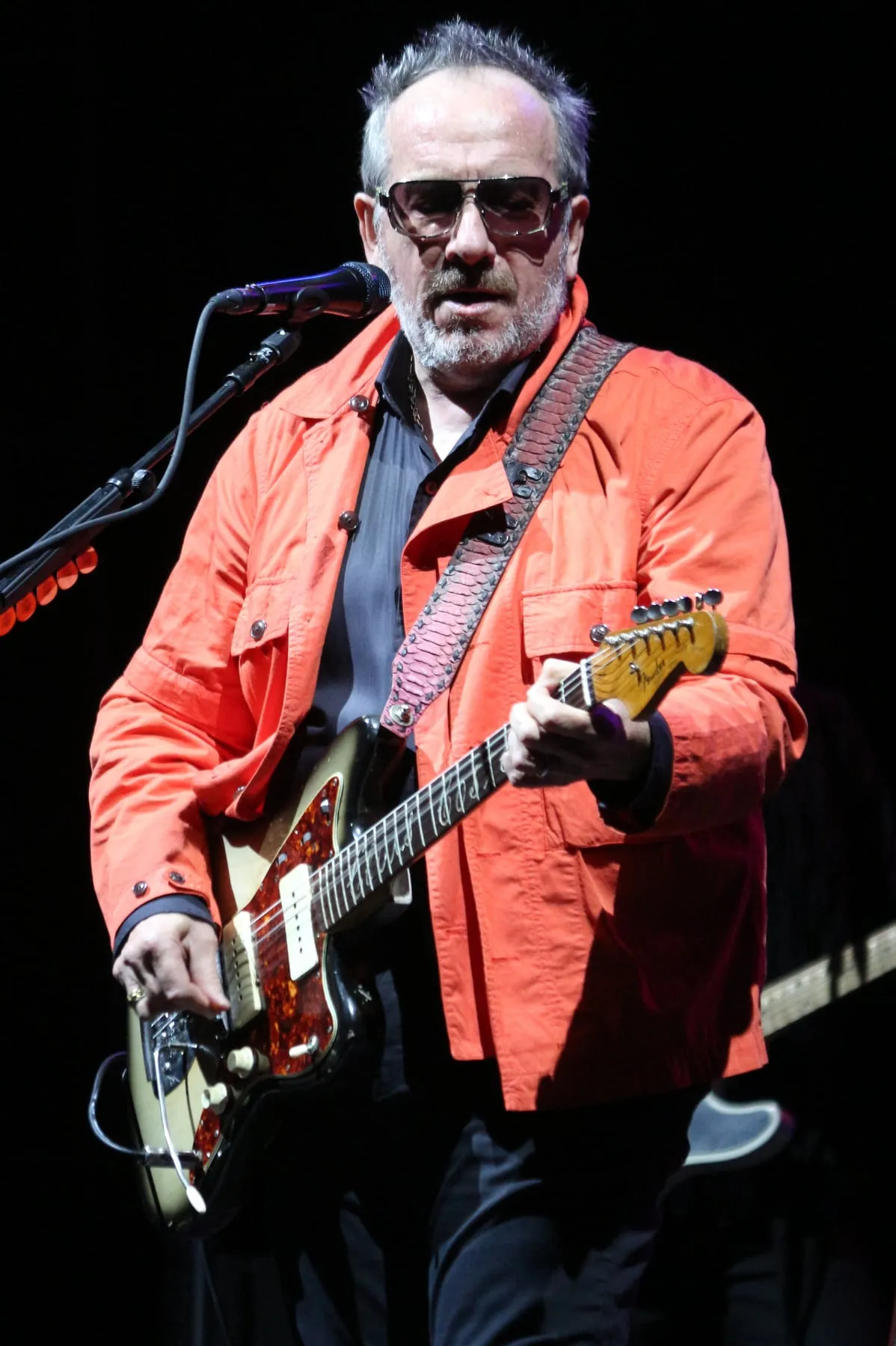
Photo by Matt Johnson from Omaha, Nebraska, United States , licensed under CC BY 2.0 · Wikimedia Commons
Rank #53
Elvis Costello
From Wikipedia
Declan Patrick MacManus, known professionally as Elvis Costello, is an English singer, songwriter, record producer, author and television host. According to Rolling Stone, Costello "reinvigorated the literate, lyrical traditions of Bob Dylan and Van Morrison with the raw energy and sass that were principal ethics of punk", noting the "construction of his songs, which set densely layered wordplay in an ever-expanding repertoire of styles". He is the recipient of numerous accolades, including two Grammy Awards and two Ivor Novello Awards, and was inducted into the Rock and Roll Hall of Fame in 2003 and into the Songwriters Hall of Fame in 2016.
Discography & Previews
Browse through and click an album to open and play 30-second previews streamed from Apple Music.

My Aim Is True
1977 · 13 tracks
- 1 Welcome to the Working Week ↗ 1:23
- 2 Miracle Man ↗ 3:32
- 3 No Dancing ↗ 2:40
- 4 Blame It On Cain ↗ 2:50
- 5 Alison ↗ 3:24
- 6 Sneaky Feelings ↗ 2:10
- 7 (The Angels Wanna Wear My) Red Shoes ↗ 2:46
- 8 Less Than Zero ↗ 3:15
- 9 Mystery Dance ↗ 1:37
- 10 Pay It Back ↗ 2:33
- 11 I'm Not Angry ↗ 3:00
- 12 Waiting for the End of the World ↗ 3:23
- 13 Watching the Detectives ↗ 3:45

King of America
1986 · 15 tracks
- 1 Brilliant Mistake ↗ 3:44
- 2 Lovable ↗ 2:52
- 3 Our Little Angel ↗ 4:05
- 4 Don't Let Me Be Misunderstood ↗ 3:21
- 5 Glitter Gulch ↗ 3:17
- 6 Indoor Fireworks ↗ 4:09
- 7 Little Palaces ↗ 3:49
- 8 I'll Wear It Proudly ↗ 4:25
- 9 American Without Tears ↗ 4:34
- 10 Eisenhower Blues ↗ 3:46
- 11 Poisoned Rose ↗ 4:07
- 12 The Big Light ↗ 2:33
- 13 Jack of All Parades ↗ 5:17
- 14 Suit of Lights ↗ 4:06
- 15 Sleep of the Just ↗ 3:52
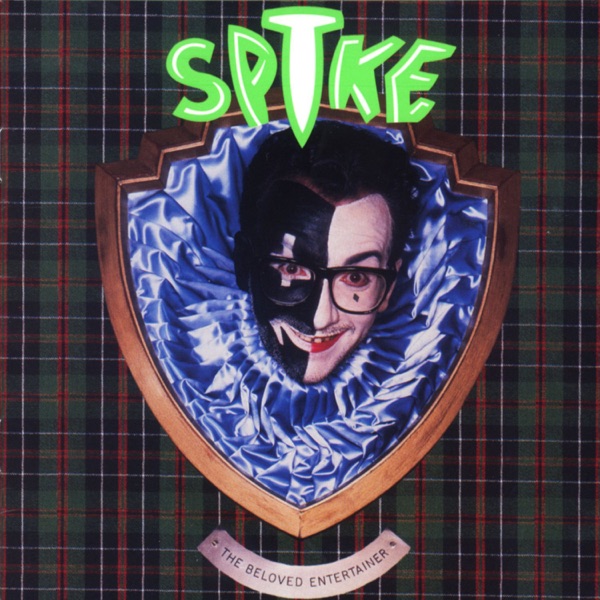
Spike
1989 · 15 tracks
- 1 ...This Town... ↗ 4:30
- 2 Let Him Dangle ↗ 4:45
- 3 Deep Dark Truthful Mirror ↗ 4:03
- 4 Veronica ↗ 3:09
- 5 God's Comic ↗ 5:31
- 6 Chewing Gum ↗ 3:44
- 7 Tramp the Dirt Down ↗ 5:41
- 8 Stalin Malone ↗ 4:09
- 9 Satellite ↗ 5:45
- 10 Pads, Paws and Claws ↗ 2:55
- 11 Baby Plays Around ↗ 2:47
- 12 Miss Macbeth ↗ 4:23
- 13 Any King's Shilling ↗ 6:06
- 14 Coal-Train Robberies ↗ 3:17
- 15 Last Boat Leaving ↗ 3:31
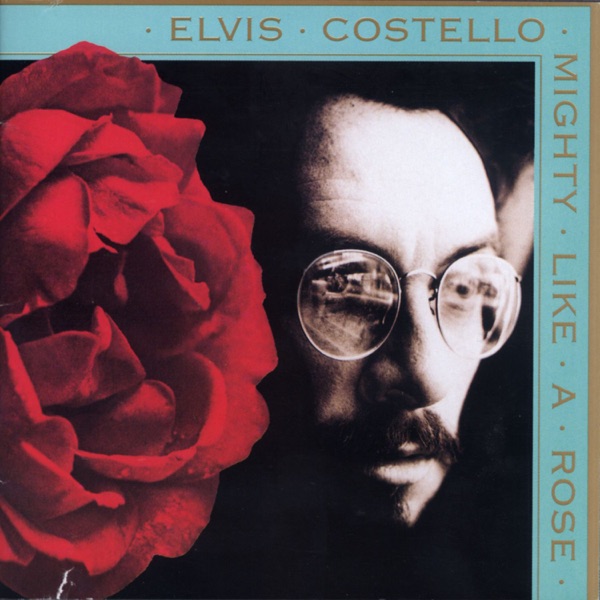
Mighty Like a Rose
1991 · 14 tracks
- 1 The Other Side of Summer ↗ 3:56
- 2 Hurry Down Doomsday (The Bugs Are Taking Over) ↗ 4:05
- 3 How to Be Dumb ↗ 5:14
- 4 All Grown Up ↗ 4:16
- 5 Invasion Hit Parade ↗ 5:34
- 6 Harpies Bizarre ↗ 3:44
- 7 After the Fall ↗ 4:38
- 8 Georgia and Her Rival ↗ 3:38
- 9 So Like Candy ↗ 4:36
- 10 Interlude: Couldn't Call It Unexpected No. 2 (Instrumental) ↗ 0:22
- 11 Playboy to a Man ↗ 3:20
- 12 Sweet Pear ↗ 3:36
- 13 Broken ↗ 3:37
- 14 Couldn't Call It Unexpected No. 4 ↗ 3:49
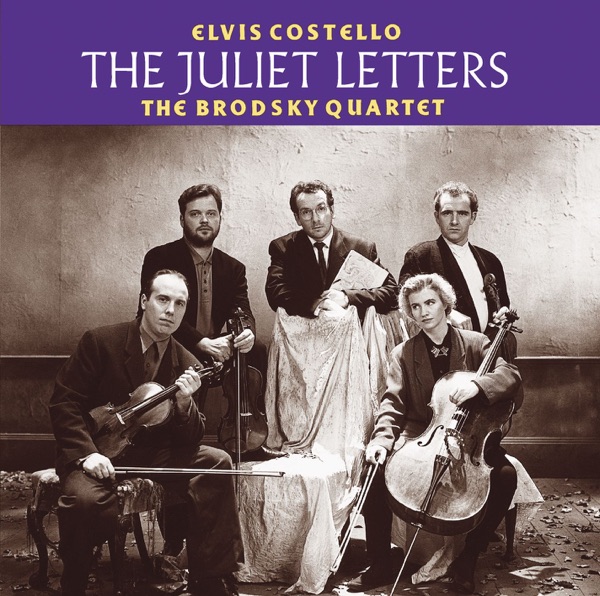
The Juliet Letters
1993 · 20 tracks
- 1 Deliver Us ↗ 0:51
- 2 For Other Eyes ↗ 2:55
- 3 Swine ↗ 2:09
- 4 Expert Rites ↗ 2:23
- 5 Dead Letter ↗ 2:19
- 6 I Almost Had a Weakness ↗ 3:53
- 7 Why? ↗ 1:26
- 8 Who Do You Think You Are? ↗ 3:29
- 9 Taking My Life In Your Hands ↗ 3:20
- 10 This Offer Is Unrepeatable ↗ 3:13
- 11 Dear Sweet Filthy World ↗ 4:18
- 12 The Letter Home ↗ 3:11
- 13 Jacksons, Monk and Rowe ↗ 3:43
- 14 This Sad Burlesque ↗ 2:47
- 15 Romeo's Seance ↗ 3:33
- 16 I Thought I'd Write to Juliet ↗ 4:08
- 17 Last Post ↗ 2:24
- 18 The First to Leave ↗ 5:00
- 19 Damnation's Cellar ↗ 3:25
- 20 The Birds Will Still Be Singing ↗ 4:27
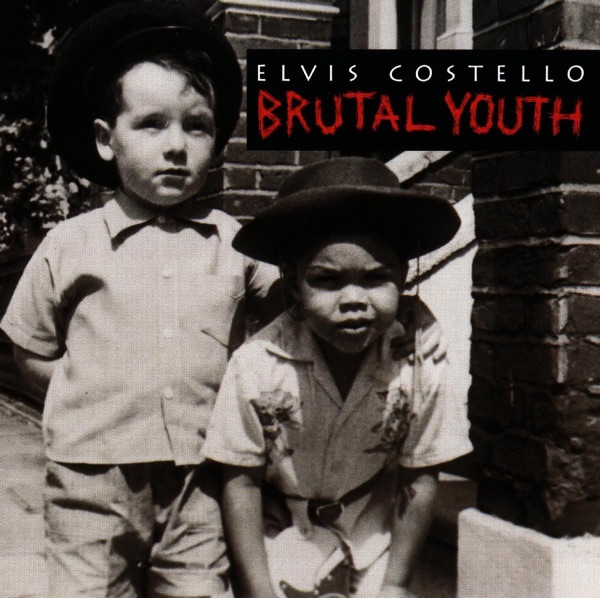
Brutal Youth
1994 · 15 tracks
- 1 Pony St. ↗ 3:24
- 2 Kinder Murder ↗ 3:25
- 3 13 Steps Lead Down ↗ 3:18
- 4 This Is Hell ↗ 4:27
- 5 Clown Strike ↗ 4:05
- 6 You Tripped At Every Step ↗ 4:11
- 7 Still Too Soon to Know ↗ 2:22
- 8 20% Amnesia ↗ 3:26
- 9 Sulky Girl ↗ 5:06
- 10 London's Brilliant Parade ↗ 4:23
- 11 My Science Fiction Twin ↗ 4:11
- 12 Rocking Horse Road ↗ 4:04
- 13 Just About Glad ↗ 3:15
- 14 All the Rage ↗ 3:53
- 15 Favourite Hour ↗ 3:31
Kojak Variety
1995 · 15 tracks
- 1 Strange ↗ 2:40
- 2 Hidden Charms ↗ 3:29
- 3 Remove This Doubt ↗ 3:52
- 4 I Threw It All Away ↗ 3:24
- 5 Leave My Kitten Alone ↗ 3:10
- 6 Everybody's Crying Mercy ↗ 4:06
- 7 I've Been Wrong Before ↗ 3:02
- 8 Bama Lama Bama Loo ↗ 2:46
- 9 Must You Throw Dirt In My Face ↗ 3:49
- 10 Pouring Water On a Drowning Man ↗ 3:40
- 11 The Very Thought of You ↗ 3:42
- 12 Payday ↗ 2:58
- 13 Please Stay ↗ 4:49
- 14 Running Out of Fools ↗ 3:04
- 15 Days ↗ 4:57
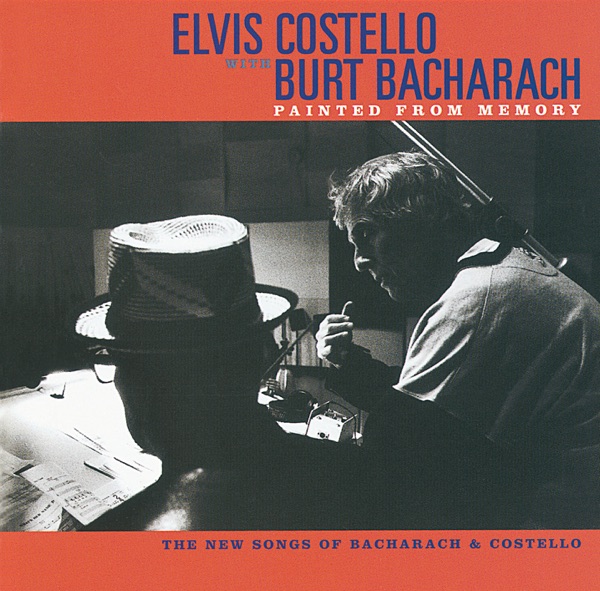
Painted From Memory
1998 · 12 tracks
- 1 In the Darkest Place ↗ 4:19
- 2 Toledo ↗ 4:34
- 3 I Still Have That Other Girl ↗ 2:46
- 4 This House Is Empty Now ↗ 5:09
- 5 Tears at the Birthday Party ↗ 4:38
- 6 Such Unlikely Lovers ↗ 3:24
- 7 My Thief ↗ 4:20
- 8 The Long Division ↗ 4:14
- 9 Painted from Memory ↗ 4:12
- 10 The Sweetest Punch ↗ 4:09
- 11 What's Her Name Today? ↗ 4:08
- 12 God Give Me Strength ↗ 6:11

For the Stars
2001 · 18 tracks
- 1 No. Wonder ↗ 3:35
- 2 Baby Plays Around ↗ 3:11
- 3 Go Leave ↗ 2:49
- 4 Rope ↗ 3:55
- 5 Don't Talk (Put Your Head On My Shoulder) ↗ 3:10
- 6 Broken Bicycles (Waits) . Junk (McCartney) ↗ 4:06
- 7 The Other Woman ↗ 3:33
- 8 Like an Angel ↗ 4:58
- 9 Green Song Based On a Solo Cello Piece By the Cps. ↗ 4:36
- 10 April After All ↗ 2:50
- 11 You Still Believe in Me ↗ 3:07
- 12 I Want to Vanish ↗ 2:38
- 13 For No. One ↗ 1:58
- 14 Shamed Into Love ↗ 3:45
- 15 Just a Curio ↗ 4:17
- 16 This House Is Empty Now ↗ 4:37
- 17 Take It With Me ↗ 3:16
- 18 For the Stars ↗ 2:46

When I Was Cruel
2002 · 15 tracks
- 1 45 ↗ 3:32
- 2 Spooky Girlfriend ↗ 4:23
- 3 Tear Off Your Own Head (It's a Doll Revolution) ↗ 3:32
- 4 When I Was Cruel, No. 2 ↗ 7:07
- 5 Soul for Hire ↗ 3:56
- 6 15 Petals ↗ 4:01
- 7 Tart ↗ 4:04
- 8 Dust 2... ↗ 3:22
- 9 Dissolve ↗ 2:23
- 10 Alibi ↗ 6:42
- 11 ...Dust ↗ 3:04
- 12 Daddy Can I Turn This? ↗ 3:42
- 13 My Little Blue Window ↗ 3:11
- 14 Episode of Blonde ↗ 5:02
- 15 Radio Silence ↗ 4:59
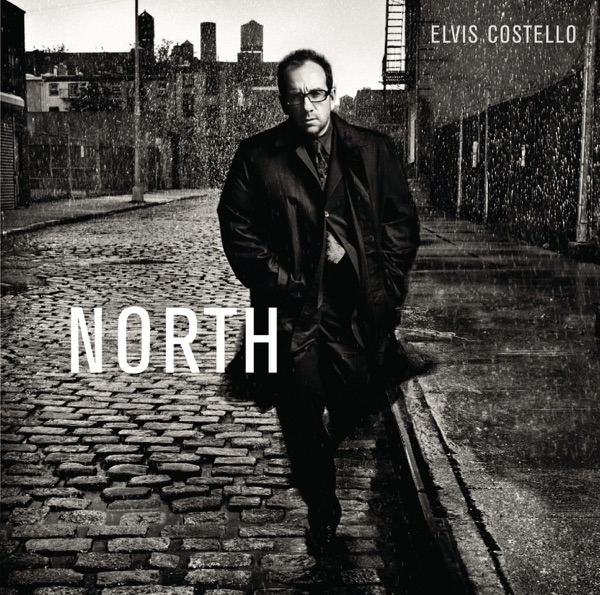
North
2003 · 11 tracks
- 1 You Left Me In the Dark ↗ 3:26
- 2 Someone Took the Words Away ↗ 4:35
- 3 When Did I Stop Dreaming ↗ 5:21
- 4 You Turned to Me ↗ 2:30
- 5 Fallen ↗ 3:11
- 6 When It Sings ↗ 3:55
- 7 Still (feat. Brodsky Quartet) ↗ 2:24
- 8 Let Me Tell You About Her ↗ 4:22
- 9 Can You Be True? ↗ 3:45
- 10 When Green Eyes Turn Blue ↗ 4:16
- 11 I'm In the Mood Again ↗ 2:35

Marian McPartland’s Piano Jazz
2005 · 17 tracks
- 1 Conversation (Part 1) ↗ 2:47
- 2 At Last ↗ 3:57
- 3 Conversation (Part 2) ↗ 4:04
- 4 My Funny Valentine ↗ 3:44
- 5 Conversation (Part 3) ↗ 4:39
- 6 Almost Blue ↗ 2:49
- 7 Conversation (Part 4) ↗ 2:36
- 8 The Very Thought Of You ↗ 3:50
- 9 Conversation (Part 5) ↗ 2:38
- 10 Gloomy Sunday ↗ 3:25
- 11 Conversation (Part 6) ↗ 2:11
- 12 You Don't Know What Love Is ↗ 4:59
- 13 Conversation (Part 7) ↗ 3:33
- 14 They Didn't Believe Me ↗ 3:54
- 15 Conversation (Part 8) ↗ 1:47
- 16 I'm In The Mood Again ↗ 2:42
- 17 Conversation (Part 10) ↗ 0:06
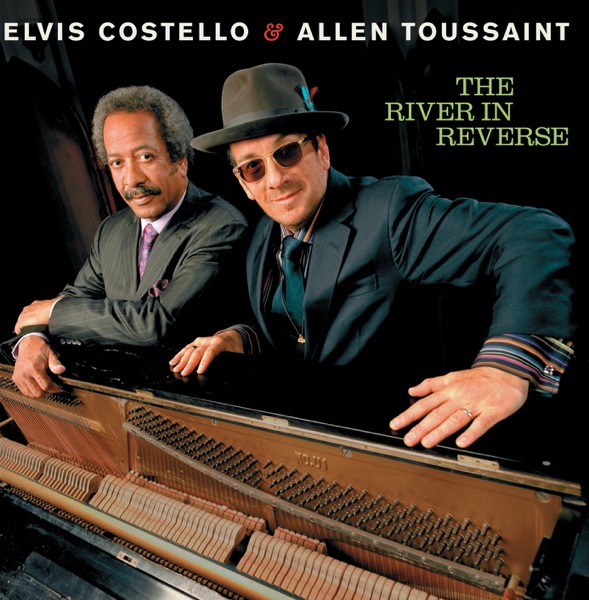
The River in Reverse
2006 · 14 tracks
- 1 On Your Way Down ↗ 4:55
- 2 Nearer to You ↗ 3:32
- 3 Tears, Tears and More Tears ↗ 3:30
- 4 The Sharpest Thorn ↗ 4:16
- 5 Who's Gonna Help Brother Get Further ↗ 5:04
- 6 The River In Reverse ↗ 4:32
- 7 Freedom for the Stallion ↗ 2:58
- 8 Broken Promise Land ↗ 4:34
- 9 Ascension Day ↗ 2:58
- 10 International Echo ↗ 4:59
- 11 All These Things ↗ 4:07
- 12 Wonder Woman ↗ 3:08
- 13 Six-Fingered Man ↗ 4:32
- 14 Where Is the Love ↗ 3:54

Secret, Profane & Sugarcane
2009 · 13 tracks
- 1 Down Among the Wines and Spirits ↗ 3:12
- 2 Complicated Shadows ↗ 2:53
- 3 I Felt the Chill Before the Winter Came ↗ 4:00
- 4 My All Time Doll ↗ 4:09
- 5 Hidden Shame ↗ 4:15
- 6 She Handed Me a Mirror ↗ 4:05
- 7 I Dreamed of My Old Lover ↗ 2:36
- 8 How Deep Is the Red ↗ 3:48
- 9 She Was No Good ↗ 3:47
- 10 Sulphur to Sugarcane ↗ 6:00
- 11 Red Cotton ↗ 5:44
- 12 The Crooked Line ↗ 3:49
- 13 Changing Partners ↗ 2:40
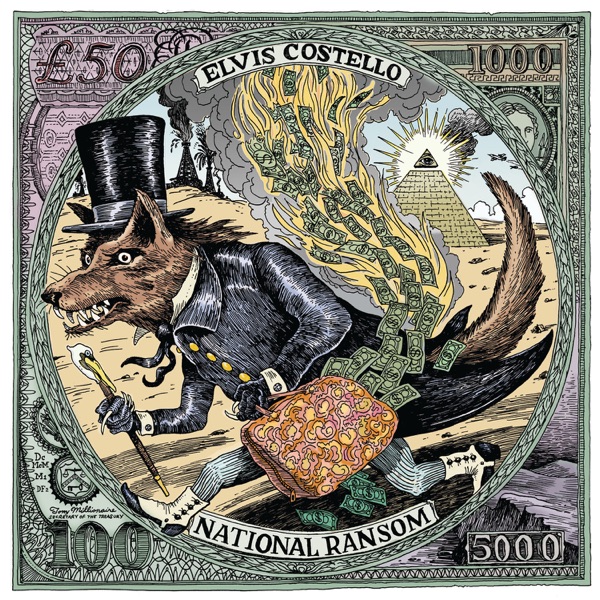
National Ransom
2010 · 17 tracks
- 1 National Ransom ↗ 4:05
- 2 Jimmie Standing In the Rain ↗ 4:15
- 3 Stations of the Cross ↗ 4:58
- 4 A Slow Drag With Josephine ↗ 2:43
- 5 Five Small Words ↗ 4:45
- 6 Church Underground ↗ 5:02
- 7 You Hung the Moon ↗ 3:55
- 8 Bullets for the New-Born King ↗ 3:35
- 9 I Lost You ↗ 2:56
- 10 Dr. Watson, I Presume ↗ 3:40
- 11 One Bell Ringing ↗ 3:37
- 12 The Spell That You Cast ↗ 2:31
- 13 That's Not the Part of Him You're Leaving ↗ 4:43
- 14 My Lovely Jezebel ↗ 2:31
- 15 All These Strangers ↗ 5:54
- 16 A Voice In the Dark ↗ 3:34
- 17 I Hope ↗ 3:33
Wise Up Ghost
2013 · 12 tracks
- 1 Walk Us Uptown ↗ 3:23
- 2 Sugar Won’t Work ↗ 3:31
- 3 Refuse to Be Saved ↗ 4:26
- 4 Wake Me Up ↗ 5:54
- 5 Tripwire ↗ 4:28
- 6 Stick Out Your Tongue ↗ 5:28
- 7 Come the Meantimes ↗ 3:53
- 8 (She Might Be a) Grenade ↗ 4:36
- 9 Cinco Minutos Con Vos ↗ 5:01
- 10 Viceroy's Row ↗ 5:01
- 11 Wise Up host ↗ 6:27
- 12 If I Could BELIEVE ↗ 3:58
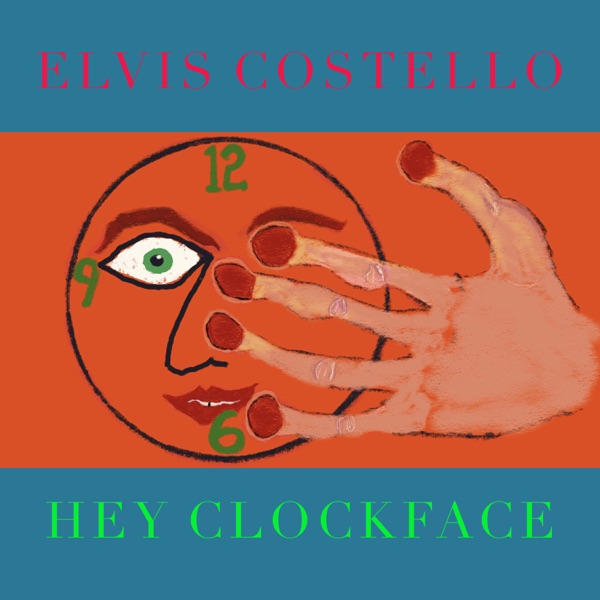
Hey Clockface
2020 · 14 tracks
- 1 Revolution #49 ↗ 2:41
- 2 No Flag ↗ 3:57
- 3 They’re Not Laughing At Me Now ↗ 4:26
- 4 Newspaper Pane ↗ 4:10
- 5 I Do (Zula’s Song) ↗ 3:49
- 6 We Are All Cowards Now ↗ 3:36
- 7 Hey Clockface / How Can You Face Me? ↗ 2:56
- 8 The Whirlwind ↗ 3:18
- 9 Hetty O'Hara Confidential ↗ 4:14
- 10 The Last Confession Of Vivian Whip ↗ 3:00
- 11 What Is It That I Need That I Don’t Already Have? ↗ 3:47
- 12 Radio Is Everything ↗ 4:26
- 13 I Can’t Say Her Name ↗ 2:58
- 14 Byline ↗ 2:40
-
 My Aim Is TrueElvis Costello197713 tracks
 -
 King of AmericaElvis Costello198615 tracks
 -
 SpikeElvis Costello198915 tracks
 -
 Mighty Like a RoseElvis Costello199114 tracks
 -
 The Juliet LettersElvis Costello199320 tracks
 -
 Brutal YouthElvis Costello199415 tracks
 -
 Kojak VarietyElvis Costello199515 tracks
 -
 Painted From MemoryElvis Costello199812 tracks
 -
 For the StarsElvis Costello200118 tracks
 -
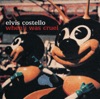 When I Was CruelElvis Costello200215 tracks
 -
 NorthElvis Costello200311 tracks
 -
 Marian McPartland’s Piano JazzElvis Costello200517 tracks
 -
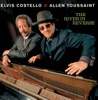 The River in ReverseElvis Costello200614 tracks
 -
 Secret, Profane & SugarcaneElvis Costello200913 tracks
 -
 National RansomElvis Costello201017 tracks
 -
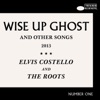 Wise Up GhostElvis Costello201312 tracks
 -
 Hey ClockfaceElvis Costello202014 tracks
Deep Dive
Overview
Elvis Costello, born Declan Patrick MacManus in 1954, is an English singer, songwriter, record producer, author, and television host who has sustained a restless creative career spanning nearly five decades. He emerged from the late-1970s punk and new wave ferment and became one of rock music’s foremost craftsmen of language, merging the literate, narrative songwriting traditions of Bob Dylan and Van Morrison with the raw velocity and provocative attitude of punk. His body of work spans not only rock and new wave but also soul, country, classical, and pop idioms, executed with consistent technical command and emotional nuance. Inducted into the Rock and Roll Hall of Fame in 2003 and the Songwriters Hall of Fame in 2016, Costello has received two Grammy Awards and two Ivor Novello Awards, cementing his standing as both a popular artist and a serious composer.
Formation Story
Declan MacManus grew up in Liverpool and later London during a period of cultural ferment in the British Isles. The son of a jazz musician, he inherited an early familiarity with melody and harmonic sophistication. By the mid-1970s, as punk rock was reshaping the commercial and artistic landscape of rock music, MacManus began writing songs that fused punk’s minimalist energy and three-chord aggression with densely layered wordplay and complex harmonic structures inherited from earlier singer-songwriter traditions. His decision to adopt the stage name Elvis Costello — a homage both to Elvis Presley and to his father’s surname — marked a deliberate recasting of his identity as a performer. He secured a recording contract with Stiff Records, a small independent label known for nurturing new wave and punk acts, positioning himself at the intersection of punk’s cultural moment and a more intellectually rigorous approach to rock songwriting.
Breakthrough Moment
Costello’s debut album, My Aim Is True (1977), announced the arrival of a fully formed songwriter and provocative performer. Released on Stiff Records when he was 23 years old, the album’s sharp melodies, aggressive guitar work, and cutting lyrics immediately distinguished him from both the straightforward punk acts and the singer-songwriters of the previous generation. His follow-up, This Year’s Model (1978), deepened his commercial and critical impact, showcasing a band-based approach that would define his early period. These back-to-back releases positioned Costello as a major new voice in rock music and established the foundation for his influence across generations of songwriters and performers.
Peak Era
The period from 1977 through the mid-1980s represented Costello’s most concentrated burst of artistic innovation and commercial momentum. Imperial Bedroom (1982), his most elaborate studio work to that point, expanded his harmonic and instrumental palette while maintaining the lyrical density and emotional complexity for which he had become known. King of America (1986) signaled a shift toward Americana and country influences, produced by T Bone Burnett and drawing on a broader range of American musical idioms. Throughout this period, Costello was establishing himself not merely as a rock performer but as a serious composer capable of working across genres and collaborating with musicians from jazz, soul, and classical traditions. His work demonstrated that punk’s energy and accessibility need not exclude intellectual rigor or harmonic sophistication.
Musical Style
Costello’s sound, from its inception, has resisted easy categorization. My Aim Is True and This Year’s Model combined the stripped-down electric guitar attack and raw vocal delivery of punk rock with the verse-chorus-bridge architecture and melodic hooks of pop songwriting. His lyrics distinguished him immediately: they exhibited internal rhyme schemes, double meanings, and layered imagery drawn from folk and soul music traditions, yet delivered with the contempt and urgency of punk. Over subsequent decades, his palette expanded to encompass country music, soul, funk, orchestral arrangements, and chamber pop. What remained consistent was his commitment to dense, intelligent lyrical construction — wordplay, oblique narrative, emotional precision — paired with an uncanny melodic gift. His vocal delivery, whether in its early snarl or in more mature interpretations, always prioritized clarity of intention over technical virtuosity. Albums like Spike (1989), Mighty Like a Rose (1991), and When I Was Cruel (2002) showcased his willingness to reinvent his production approach and sonic environment while maintaining his fundamental identity as a lyricist-first songwriter.
Major Albums
My Aim Is True (1977)
Costello’s debut announced a writer of considerable wit and technical command, blending punk’s energy with pop hooks and demonstrating that the new wave movement was capable of literary ambition and melodic sophistication.
This Year’s Model (1978)
His second album solidified his status as a major voice, delivering a band-based sound that was both immediately catchy and lyrically complex, establishing the template for his most celebrated early work.
Imperial Bedroom (1982)
Costello’s most elaborate and ornate recording up to its release, Imperial Bedroom expanded his harmonic range and orchestral ambitions while maintaining the emotional intensity and lyrical density his audience had come to expect.
King of America (1986)
Produced by T Bone Burnett, this album marked a significant pivot toward Americana, country, and soul influences, demonstrating Costello’s range and his ability to work authentically within multiple American musical traditions.
Spike (1989)
Released on a major label, Spike showcased a more polished production approach while continuing Costello’s exploration of funk, soul, and orchestral arrangements, proving his commercial and artistic relevance into a new decade.
When I Was Cruel (2002)
A more stripped-down and direct recording that returned to the energy of his early work while maintaining the sophistication and genre fluidity of his mature period, When I Was Cruel demonstrated his continued ability to refresh his sound.
Signature Songs
- Featuring sharp social commentary and a memorable hook, this early single established Costello as a lyricist with something meaningful to say about contemporary life.
- A showcase for his ability to combine pop accessibility with genuine emotional vulnerability, revealing the sensitivity beneath the punk facade.
- A demonstration of Costello’s harmonic sophistication and his talent for crafting melodies that lodge in the listener’s memory across multiple hearings.
- His work across multiple genres and with diverse collaborators proved his versatility and his standing as a songwriter that other musicians sought out for collaboration.
Influence on Rock
Costello’s emergence in the mid-1970s helped reshape how rock music thought about language and lyrical ambition. While punk rock initially positioned itself against the virtuosity and complexity of earlier singer-songwriters, Costello demonstrated that punk’s energy and directness were not incompatible with literary sophistication, harmonic complexity, and emotional depth. He reinvigorated the traditions of Dylan and Van Morrison not by pastiche but by absorbing their lessons and filtering them through the raw power and cultural urgency of punk and new wave. Subsequent generations of alternative rock, indie rock, and singer-songwriter artists have drawn from the template Costello established: that commercial accessibility and artistic seriousness need not exclude one another, and that rock music could accommodate wordplay, allusion, and emotional nuance alongside hooks and energy.
Legacy
Elvis Costello’s induction into the Rock and Roll Hall of Fame in 2003 and the Songwriters Hall of Fame in 2016 acknowledged his status as not merely a popular artist but a foundational figure in rock music’s evolution. His Grammy Awards and Ivor Novello Awards recognized both his commercial reach and his craft. Beyond awards and institutional recognition, Costello’s legacy resides in his sustained creative output and his refusal to be confined by a single genre or approach. His work as a record producer, his television hosting, and his contributions as an author have extended his influence beyond songwriting and performance. The breadth and consistency of his catalog — from punk energy to orchestral ambition to soul and country inflections — demonstrates that an artist could achieve both popular success and critical respect while maintaining artistic autonomy. In the streaming age, his catalog remains actively consumed, and his influence on contemporary singer-songwriters and alternative rock performers continues to be felt.
Fun Facts
- Costello’s real name, Declan Patrick MacManus, connects him to Irish heritage on his mother’s side and English traditions through his father, a professional musician, giving him a bicultural musical inheritance.
- His prolific output includes not only studio albums but also live recordings, soundtrack contributions, and television appearances, reflecting his standing as a sought-after collaborator across multiple media.
- Costello has collaborated with composers and orchestras on classical and art music projects, including work with Deutsche Grammophon, demonstrating his range beyond the traditional rock album format.
- His work as a television host and author has positioned him as a public intellectual and cultural commentator, expanding his influence beyond music proper into broader conversations about art and culture.