

Photo by Arnielee , licensed under CC BY-SA 3.0 · Wikimedia Commons
Rank #405
Gordon Lightfoot
From Wikipedia
Gordon Meredith Lightfoot Jr. was a Canadian singer-songwriter who achieved worldwide success and helped define the singer-songwriter era of the 1970s. Widely considered one of Canada's greatest songwriters, he had numerous gold and platinum albums, and his songs have been covered by many of the world's most renowned musical artists. Lightfoot's biographer Nicholas Jennings wrote, "His name is synonymous with timeless songs about trains and shipwrecks, rivers and highways, lovers and loneliness."
Discography & Previews
Browse through and click an album to open and play 30-second previews streamed from Apple Music.

Lightfoot!
1966 · 14 tracks
- 1 Rich Man's Spiritual ↗ 2:47
- 2 Long River ↗ 2:49
- 3 The Way I Feel ↗ 3:45
- 4 For Lovin' Me ↗ 2:28
- 5 The First Time Ever I Saw Your Face ↗ 3:13
- 6 Changes ↗ 2:33
- 7 Early Morning Rain ↗ 3:08
- 8 Steel Rail Blues ↗ 2:53
- 9 Sixteen Miles (To Seven Lakes) ↗ 2:08
- 10 I'm Not Sayin' ↗ 2:31
- 11 Pride of Man ↗ 2:44
- 12 Ribbon of Darkness ↗ 2:42
- 13 Oh, Linda ↗ 3:12
- 14 Peaceful Waters ↗ 2:07

The Way I Feel
1967 · 12 tracks

Back Here on Earth
1968 · 11 tracks
- 1 Long Way Back Home ↗ 3:05
- 2 Unsettled Ways ↗ 1:54
- 3 Long Thin Dawn ↗ 3:00
- 4 Bitter Green ↗ 2:45
- 5 The Circle Is Small (I Can See It In Your Eyes) ↗ 3:29
- 6 Marie Christine ↗ 2:58
- 7 Cold Hands from New York ↗ 5:19
- 8 Affair On 8th Avenue ↗ 3:28
- 9 Don't Beat Me Down ↗ 3:21
- 10 The Gypsy ↗ 2:47
- 11 If I Could ↗ 4:03

Did She Mention My Name?
1968 · 12 tracks
- 1 Wherefore & Why ↗ 2:53
- 2 The Last Time I Saw Her ↗ 5:13
- 3 Black Day In July ↗ 4:14
- 4 May I ↗ 2:22
- 5 Magnificent Outpouring ↗ 2:22
- 6 Does Your Mother Know ↗ 3:37
- 7 The Mountain and Maryann ↗ 3:38
- 8 Pussywillows, Cat-Tails ↗ 2:51
- 9 I Want to Hear It from You ↗ 2:25
- 10 Something Very Special ↗ 3:22
- 11 Boss Man ↗ 2:13
- 12 Did She Mention My Name ↗ 2:33
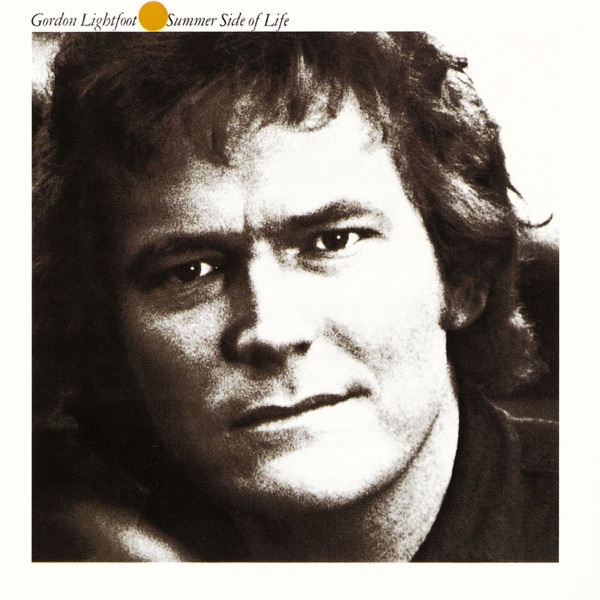
Summer Side of Life
1971 · 11 tracks
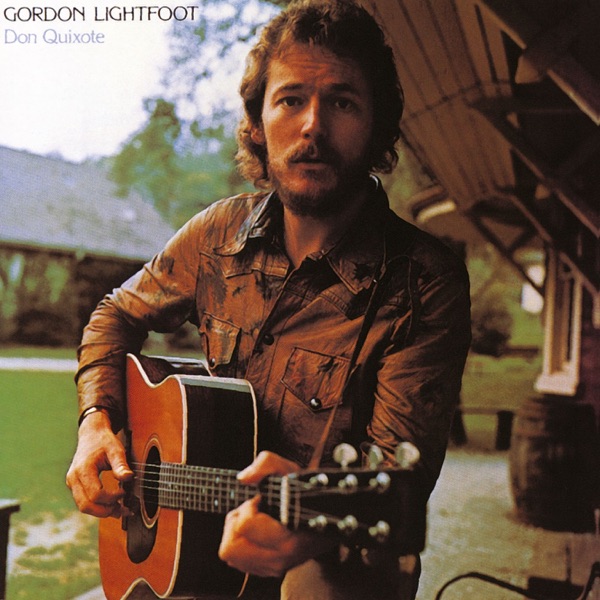
Don Quixote
1972 · 11 tracks

Old Dan’s Records
1972 · 10 tracks

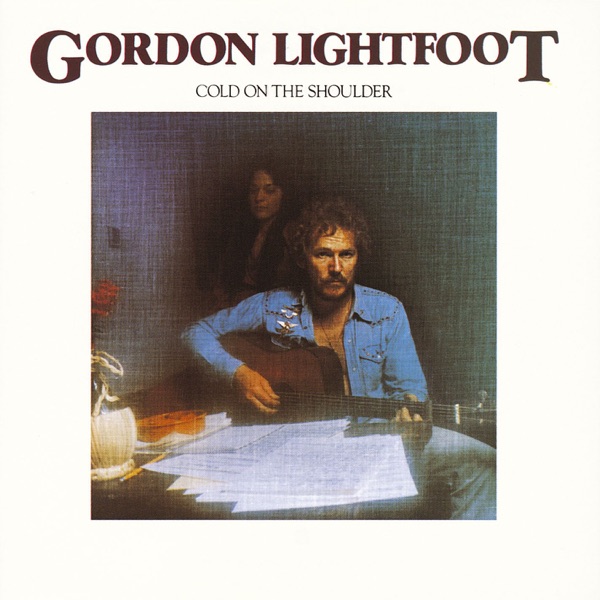
Cold on the Shoulder
1975 · 12 tracks
- 1 Bend In the Water ↗ 3:00
- 2 Rainy Day People ↗ 2:49
- 3 Cold On the Shoulder ↗ 3:00
- 4 The Soul Is the Rock ↗ 5:52
- 5 Bells of the Evening ↗ 3:57
- 6 Rainbow Trout ↗ 2:52
- 7 A Tree Too Weak to Stand ↗ 3:25
- 8 All the Lovely Ladies ↗ 3:37
- 9 Fine As Fine Can Be ↗ 2:59
- 10 Cherokee Bend ↗ 5:03
- 11 Now and Then ↗ 3:10
- 12 Slide On Over ↗ 3:43

Summertime Dream
1976 · 10 tracks
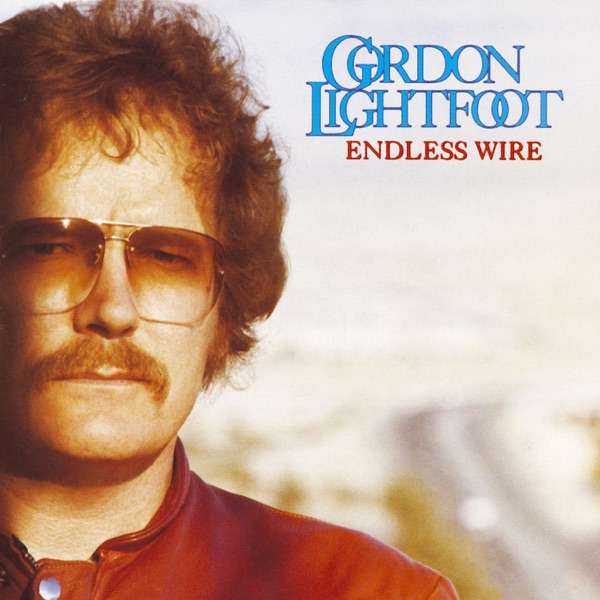
Endless Wire
1978 · 10 tracks
- 1 Daylight Katy ↗ 4:21
- 2 Sweet Guinevere ↗ 3:19
- 3 Hangdog Hotel Room ↗ 2:39
- 4 If There's a Reason ↗ 4:56
- 5 Endless Wire ↗ 4:05
- 6 Dreamland ↗ 2:55
- 7 Songs the Minstrel Sang ↗ 2:50
- 8 Sometimes I Don't Mind ↗ 2:54
- 9 If Children Had Wings ↗ 3:53
- 10 The Circle Is Small (I Can See It In Your Eyes) [1978 Version] ↗ 4:02
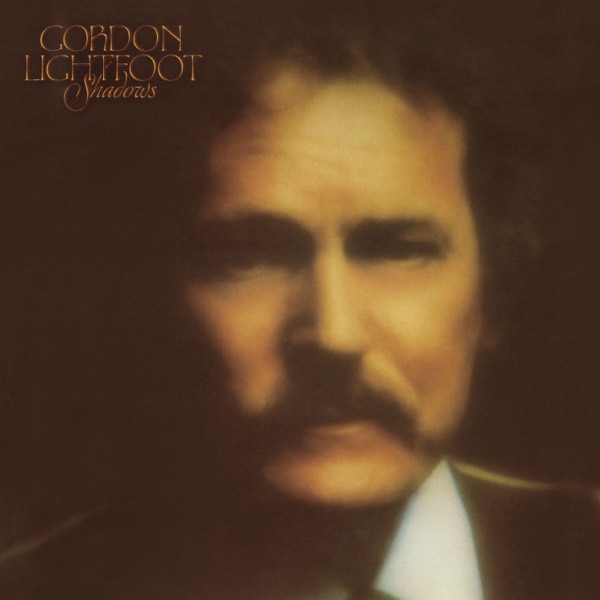
Shadows
1982 · 11 tracks

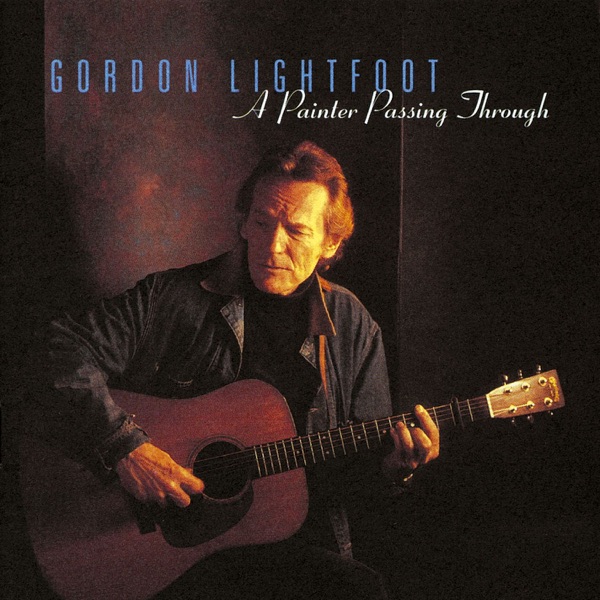
A Painter Passing Through
1998 · 10 tracks


-
 Lightfoot!Gordon Lightfoot196614 tracks
 -
 The Way I FeelGordon Lightfoot196712 tracks
 -
 Back Here on EarthGordon Lightfoot196811 tracks
 -
 Did She Mention My Name?Gordon Lightfoot196812 tracks
 -
 Summer Side of LifeGordon Lightfoot197111 tracks
 -
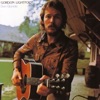 Don QuixoteGordon Lightfoot197211 tracks
 -
 Old Dan’s RecordsGordon Lightfoot197210 tracks
 -
 SundownGordon Lightfoot197410 tracks
 -
 Cold on the ShoulderGordon Lightfoot197512 tracks
 -
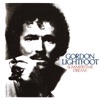 Summertime DreamGordon Lightfoot197610 tracks
 -
 Endless WireGordon Lightfoot197810 tracks
 -
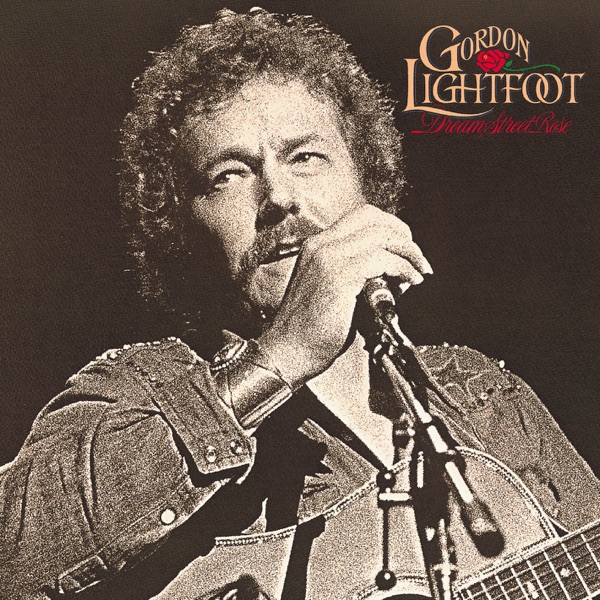
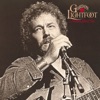 Dream Street RoseGordon Lightfoot198010 tracks
 -
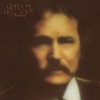 ShadowsGordon Lightfoot198211 tracks
 -
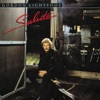 SaluteGordon Lightfoot198310 tracks
 -
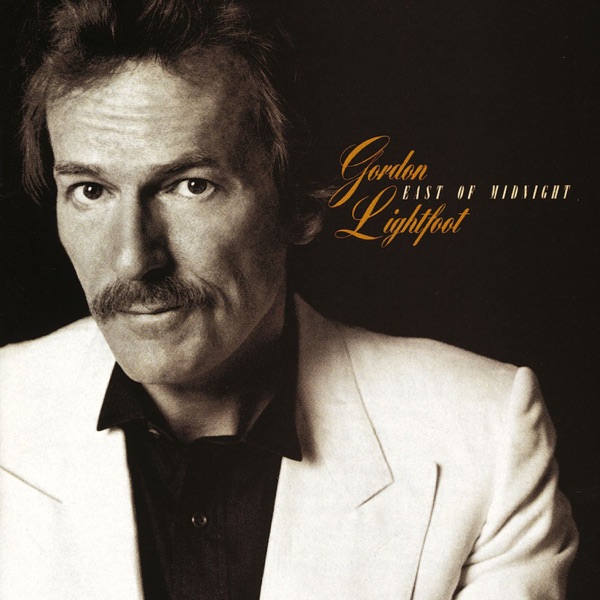
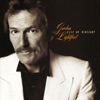 East of MidnightGordon Lightfoot198610 tracks
 -
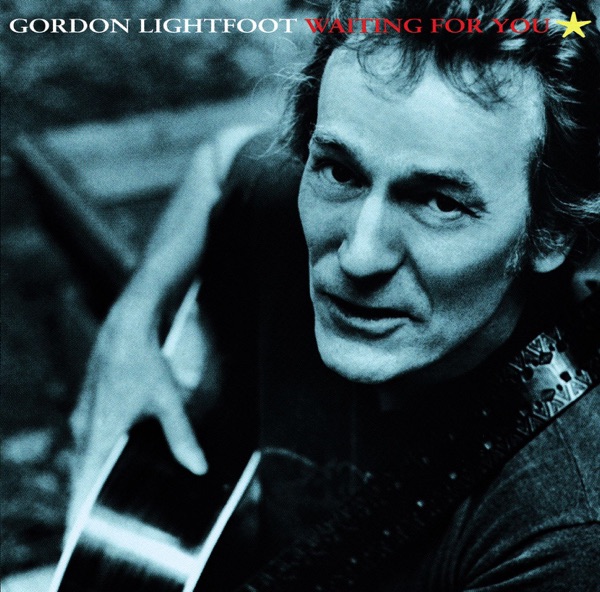
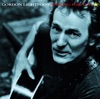 Waiting for YouGordon Lightfoot199310 tracks
 -
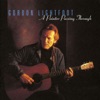 A Painter Passing ThroughGordon Lightfoot199810 tracks
 -
 HarmonyGordon Lightfoot200411 tracks
 -
 SoloGordon Lightfoot202010 tracks
Deep Dive
Overview
Gordon Meredith Lightfoot Jr. was a Canadian singer-songwriter whose career spanned nearly six decades and helped define the singer-songwriter era of the 1970s. Born in 1938, Lightfoot emerged as one of Canada’s greatest songwriters, achieving worldwide success through a catalog of meticulously crafted songs that explored themes of transportation, natural disaster, heartbreak, and solitude. His influence extended far beyond his own substantial album sales—his work was covered by many of the world’s most renowned musical artists, cementing his position as a foundational figure in folk rock and popular music.
Formation Story
Gordon Lightfoot grew up in Ontario, Canada, during the 1940s and 1950s, a period when folk music and country traditions were establishing themselves as central to North American popular culture. The post-war folk revival and the emerging singer-songwriter movement provided the cultural landscape into which Lightfoot stepped. He began his music career in the late 1950s and early 1960s, honing his craft as both a performer and songwriter during the folk music boom. By the mid-1960s, as rock music began to absorb folk instrumentation and lyrical sensibilities, Lightfoot positioned himself at that intersection, developing the folk-rock sound that would define his artistic identity. His early approach combined the lyrical storytelling tradition of folk music with the accessibility and production values of popular rock, establishing the template he would refine throughout his career.
Breakthrough Moment
Lightfoot’s initial recordings emerged in 1966 with the album Lightfoot!, but his major breakthrough arrived with the 1970 release If You Could Read My Mind / Sit Down Young Stranger. The album’s centerpiece, “If You Could Read My Mind,” became an international hit and remains his signature composition—a deeply personal ballad that showcased his gift for melodic storytelling. The song’s success established Lightfoot as more than a regional Canadian talent and opened doors to broader commercial recognition. This period marked the transition from steady album sales and critical respect to genuine mainstream success, validating his approach of marrying poetic narrative lyrics with memorable melodies and sophisticated arrangements.
Peak Era
The years from 1970 to 1976 represent Lightfoot’s creative and commercial apex. Following the breakthrough of If You Could Read My Mind, he released Summer Side of Life (1971), Don Quixote (1972), and Sundown (1974), each building on his reputation as a master craftsman of the song form. Sundown became his biggest commercial success, with the title track achieving significant radio play and chart performance in North America. The album Cold on the Shoulder (1975) and Summertime Dream (1976) followed in quick succession, maintaining his creative momentum and commercial viability. During this period, Lightfoot was recording frequently, exploring variations on his folk-rock foundation while maintaining the lyrical precision and melodic strength that defined his work. These six years saw him transition from cult artist to established mainstream performer, yet without compromising the artistic integrity that had drawn listeners to his music in the first place.
Musical Style
Lightfoot’s musical approach was rooted in the folk tradition but informed by pop songwriting sensibility and rock instrumentation. His arrangements typically centered on acoustic guitar, often layered with orchestral elements—strings, horns, and piano—that lent sophistication and emotional weight to his compositions. His vocal delivery was restrained and narrative, prioritizing clarity and emotional authenticity over technical display. Lyrically, Lightfoot worked in the tradition of folk storytelling, crafting extended narratives often set in specific places and times: railway lines, shipwrecks, highways, and small towns peopled with characters defined by loneliness, wanderlust, or romantic loss. His songs rarely relied on chorus repetition or hook-driven construction; instead, they unfolded like short stories set to music. This approach placed him in dialogue with the broader singer-songwriter movement of the 1970s, yet his Canadian perspective and particular emphasis on transportation and natural themes—trains, ships, rivers—gave his work a distinctive character. His evolution moved gradually from purely acoustic folk toward fuller production and orchestration, particularly during his peak years in the early-to-mid 1970s.
Major Albums
If You Could Read My Mind (1970)
The album that transformed Lightfoot from respected folk artist to mainstream success, featuring the title track that became his signature song and an international hit.
Summer Side of Life (1971)
An immediate follow-up that consolidated his breakthrough, demonstrating his ability to write consistently strong material and establishing his commercial momentum.
Sundown (1974)
His commercial peak, featuring the radio-friendly title track and showcasing a more polished production approach while maintaining his lyrical sophistication.
Cold on the Shoulder (1975)
A continuation of his mid-1970s success, further refining the balance between commercial accessibility and artistic depth that defined his peak era.
Summertime Dream (1976)
Capturing Lightfoot at the height of his powers, with refined arrangements and mature songwriting that reinforced his position as one of North America’s finest contemporary songwriters.
Signature Songs
- “If You Could Read My Mind” — His most famous composition, an introspective ballad that became an international hit and defined his artistic reputation.
- “Sundown” — A radio-friendly track from his best-selling album, demonstrating his ability to craft commercially successful yet artistically serious work.
- “The Way I Feel” — A foundational work from his early catalog, establishing the emotional intimacy central to his approach.
- “Did She Mention My Name?” — A song from his 1968 album of the same name, showcasing his gift for narrative-driven compositions about romantic disappointment.
Influence on Rock
Gordon Lightfoot’s role in shaping the singer-songwriter era extended beyond his own substantial output. His success in the early 1970s helped legitimize the singer-songwriter movement as commercially viable, proving that poetic, narrative-driven folk-rock could reach mainstream audiences without sacrificing artistic integrity. His meticulous approach to songwriting and arrangement influenced subsequent generations of folk-rock and country-rock artists. The breadth of covers of his material—by artists across genres and generations—speaks to the quality and durability of his compositions. His particular approach to storytelling within song form, blending folk narrative tradition with pop melody and rock production, established a template that would influence Canadian and international songwriters. Lightfoot’s success also elevated Canadian popular music internationally during a period when the country was developing a distinct voice in rock and popular music.
Legacy
Gordon Lightfoot’s death in 2023 marked the end of one of the longest and most consistent careers in Canadian popular music. His 54 years of active recording—from 1966’s Lightfoot! through 2020’s Solo—represent an extraordinary sustained artistic presence. His numerous gold and platinum albums stand as testament to both his commercial success and the enduring appeal of his material. Beyond certifications and sales figures, Lightfoot’s legacy rests in the quality of his songwriting and the emotional authenticity that defined his work. His compositions have remained in circulation through constant radio play, streaming, and covers by major artists, ensuring that new generations encounter his music. The consistency of his artistic vision—his fidelity to storytelling, melody, and arrangement craft—positions him as a central figure in the North American singer-songwriter tradition. As streaming platforms and reissues keep his catalog in active circulation, Lightfoot’s reputation as one of Canada’s greatest songwriters continues to deepen, with his work serving as a benchmark for song craft and emotional directness.
Fun Facts
- Lightfoot maintained an active recording career across more than five decades, releasing studio albums from 1966 through 2020, demonstrating remarkable longevity and creative consistency.
- His 1970 album If You Could Read My Mind marked a pivotal shift in his career, transforming him from a respected regional artist into an international success story.
- Lightfoot recorded for multiple major labels throughout his career, including Warner Bros. Records, Reprise Records, and United Artists Records, reflecting his sustained commercial importance.
- The thematic consistency of his songwriting—recurring imagery of trains, ships, rivers, and highways—created a distinctive artistic world that distinguished him from contemporaries in the singer-songwriter movement.