
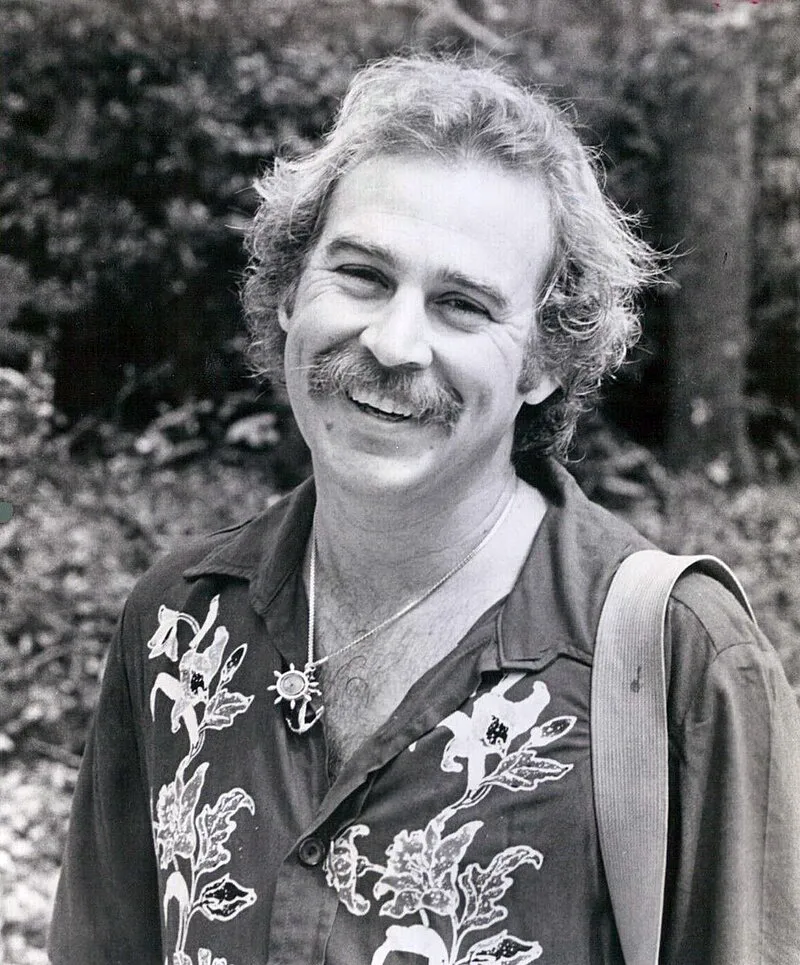
Photo by Tom Corcoran; Distributed by Front Line Management Company Inc. , licensed under Public domain · Wikimedia Commons
Rank #245
Jimmy Buffett
From Wikipedia
James William Buffett was an American singer-songwriter, author, and businessperson. He was known for his tropical music sound blending country, rock, folk, and calypso, and persona, which often portrayed a lifestyle described as "island escapism" and promoted enjoying life and following passions. Buffett recorded many hit songs, including those known as "The Big 8": "Margaritaville" (1977), which is ranked 234th on the Recording Industry Association of America's list of "Songs of the Century"; "Come Monday" (1974); "Fins" (1979); "Volcano" (1979); "A Pirate Looks at Forty" (1974); "Cheeseburger in Paradise" (1978); "Why Don't We Get Drunk" (1973); and "Changes in Latitudes, Changes in Attitudes" (1977). His other popular songs include "Son of a Son of a Sailor" (1978), "One Particular Harbour" (1983), and "It's Five O'Clock Somewhere" with Alan Jackson (2003). Buffett formed the Coral Reefer Band in 1975.
Discography & Previews
Browse through and click an album to open and play 30-second previews streamed from Apple Music.

Down to Earth
1970 · 11 tracks
- 1 The Christian ↗ 3:54
- 2 Ellis Dee ↗ 2:50
- 3 The Missionary ↗ 3:34
- 4 A Mile High In Denver ↗ 3:07
- 5 The Captain and the Kid ↗ 3:18
- 6 Captain America ↗ 3:20
- 7 Ain't He a Genius ↗ 2:44
- 8 Turnabout ↗ 4:20
- 9 There's Nothing Soft About Hard Times ↗ 3:23
- 10 I Can't Be Your Hero Today ↗ 2:58
- 11 Truckstop Salvation ↗ 5:48

A White Sport Coat and a Pink Crustacean
1973 · 11 tracks
- 1 The Great Filling Station Holdup ↗ 3:03
- 2 Railroad Lady ↗ 2:47
- 3 He Went To Paris ↗ 3:30
- 4 Grapefruit - Juicy Fruit ↗ 2:57
- 5 Cuban Crime Of Passion ↗ 3:42
- 6 Why Don't We Get Drunk ↗ 2:44
- 7 Peanut Butter Conspiracy ↗ 3:43
- 8 They Don't Dance Like Carmen No More ↗ 2:58
- 9 I Have Found Me A Home ↗ 3:57
- 10 My Lovely Lady ↗ 3:11
- 11 Death Of An Unpopular Poet ↗ 3:40

A1A
1974 · 11 tracks
- 1 Makin' Music for Money ↗ 4:02
- 2 Door Number Three ↗ 3:08
- 3 Dallas ↗ 3:26
- 4 Presents to Send You ↗ 2:43
- 5 Stories We Could Tell ↗ 3:22
- 6 Life Is Just a Tire Swing ↗ 3:05
- 7 A Pirate Looks at Forty ↗ 3:55
- 8 Migration ↗ 4:16
- 9 Trying to Reason with Hurricane Season ↗ 4:23
- 10 Nautical Wheelers ↗ 3:38
- 11 Tin Cup Chalice ↗ 3:42

Havaña Daydreamin’
1975 · 10 tracks
- 1 Woman Goin' Crazy On Caroline Street ↗ 4:08
- 2 My Head Hurts, My Feet Stink And I Don't Love Jesus ↗ 2:36
- 3 The Captain And The Kid ↗ 3:16
- 4 Big Rig ↗ 3:30
- 5 Defying Gravity ↗ 2:44
- 6 Havana Daydreamin' ↗ 3:38
- 7 Cliches ↗ 2:45
- 8 Something So Feminine About A Mandolin ↗ 3:33
- 9 Kick It In Second Wind ↗ 3:56
- 10 This Hotel Room ↗ 3:08

High Cumberland Jubilee
1976 · 11 tracks
- 1 Ace ↗ 3:15
- 2 Rockefeller Square ↗ 2:19
- 3 Bend a Little ↗ 2:59
- 4 In the Shelter ↗ 3:36
- 5 Death Valley Lives ↗ 3:41
- 6 Livingston's Gone To Texas ↗ 3:50
- 7 England ↗ 2:54
- 8 Travelin' Clean ↗ 3:07
- 9 The Hangout Gang ↗ 3:40
- 10 God Don't Own a Car ↗ 2:03
- 11 High Cumberland Jubilee / Comin' Down Slow ↗ 5:09

Changes in Latitudes, Changes in Attitudes
1977 · 10 tracks

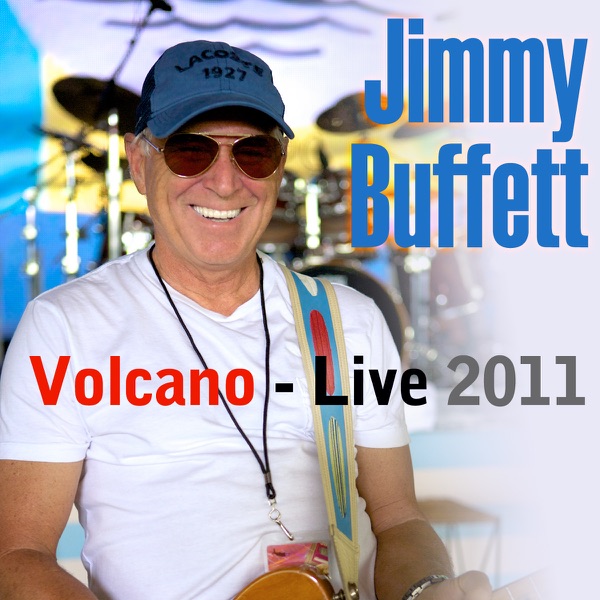
Volcano
1979 · 10 tracks
- 1 Fins (Live) ↗ 4:23
- 2 Volcano (Live) ↗ 3:42
- 3 Treat Her Like a Lady (Live) ↗ 3:55
- 4 Stranded On a Sandbar (Live) ↗ 3:05
- 5 Chanson pour les petits enfants (Live) ↗ 4:16
- 6 Survive (Live) ↗ 4:05
- 7 Lady I Can't Explain (Live) ↗ 2:45
- 8 Boat Drinks (Live) ↗ 3:36
- 9 Dreamsicle (Live) ↗ 2:34
- 10 Sending the Old Man Home (Live) ↗ 3:14


Somewhere Over China
1981 · 9 tracks

One Particular Harbour
1983 · 11 tracks
- 1 Stars On The Water ↗ 3:16
- 2 I Used To Have Money One Time ↗ 3:24
- 3 Livin' It Up ↗ 3:00
- 4 California Promises ↗ 3:41
- 5 One Particular Harbour ↗ 5:43
- 6 Why You Wanna Hurt My Heart ↗ 2:41
- 7 Honey Do ↗ 4:32
- 8 We Are The People Our Parents Warned Us About ↗ 3:22
- 9 Twelve Volt Man ↗ 4:00
- 10 Brown Eyed Girl ↗ 3:55
- 11 Distantly In Love ↗ 2:51

Riddles in the Sand
1984 · 10 tracks

Last Mango in Paris
1985 · 10 tracks
- 1 Everybody's on the Run ↗ 3:27
- 2 Frank and Lola ↗ 3:18
- 3 Perfect Partner ↗ 3:07
- 4 Please Bypass This Heart ↗ 3:20
- 5 Gypsies in the Palace ↗ 5:07
- 6 Desperation Samba (Halloween in Tijuana) ↗ 3:34
- 7 If the Phone Doesn't Ring, It's Me ↗ 3:28
- 8 Last Mango in Paris ↗ 3:16
- 9 Jolly Mon Sing ↗ 3:18
- 10 Beyond the End ↗ 4:52

Floridays
1986 · 10 tracks

Hot Water
1988 · 11 tracks
- 1 Homemade Music ↗ 3:35
- 2 Baby's Gone Shoppin' ↗ 4:05
- 3 Bring Back the Magic ↗ 4:18
- 4 My Barracuda ↗ 3:40
- 5 L'air de la Louisiane ↗ 3:01
- 6 Prince of Tides ↗ 5:34
- 7 Pre-You ↗ 5:23
- 8 King of Somewhere Hot ↗ 5:07
- 9 Great Heart ↗ 5:07
- 10 Smart Woman (In a Real Short Skirt) ↗ 2:52
- 11 That's What Living Is to Me ↗ 4:36

Off to See the Lizard
1989 · 12 tracks
- 1 Carnival World ↗ 4:00
- 2 Take Another Road ↗ 3:41
- 3 That's My Story and I'm Stickin' to It ↗ 4:25
- 4 Why the Things We Do ↗ 3:59
- 5 Gravity Storm ↗ 2:51
- 6 Off to See the Lizard ↗ 4:14
- 7 Boomerang Love ↗ 5:19
- 8 Strange Bird ↗ 4:20
- 9 I Wish Lunch Could Last Forever ↗ 5:19
- 10 The Pascagoula Run ↗ 3:19
- 11 Mermaid in the Night ↗ 2:29
- 12 Changing Channels ↗ 3:32

Fruitcakes
1994 · 13 tracks
- 1 Everybody's Got A Cousin In Miami ↗ 7:17
- 2 Fruitcakes ↗ 7:41
- 3 Lone Palm ↗ 4:28
- 4 Six String Music ↗ 3:24
- 5 Uncle John's Band ↗ 4:29
- 6 Love In The Library ↗ 4:40
- 7 Quietly Making Noise ↗ 5:50
- 8 Frenchman For The Night ↗ 4:30
- 9 Sunny Afternoon ↗ 4:12
- 10 Vampires, Mummies And The Holy Ghost ↗ 4:53
- 11 She's Got You ↗ 2:45
- 12 Delaney Talks To Statues ↗ 3:40
- 13 Apocalypso ↗ 3:54

Barometer Soup
1995 · 12 tracks
- 1 Barometer Soup ↗ 4:58
- 2 Barefoot Children ↗ 4:54
- 3 Bank Of Bad Habits ↗ 3:54
- 4 Remittance Man ↗ 5:57
- 5 Diamond As Big As The Ritz ↗ 5:19
- 6 Blue Heaven Rendezvous ↗ 4:03
- 7 Jimmy Dreams ↗ 3:41
- 8 Lage Nom Ai ↗ 3:43
- 9 Don't Chu-Know ↗ 3:49
- 10 Ballad Of Skip Wiley ↗ 4:35
- 11 The Night I Painted The Sky ↗ 5:30
- 12 Mexico ↗ 4:07

Christmas Island
1996 · 10 tracks

Banana Wind
1996 · 12 tracks
- 1 Only Time Will Tell ↗ 4:11
- 2 Jamaica Mistaica ↗ 5:53
- 3 School Boy Heart ↗ 4:34
- 4 Banana Wind ↗ 3:57
- 5 Holiday ↗ 5:05
- 6 Bob Robert's Society Band ↗ 3:44
- 7 Overkill ↗ 4:53
- 8 Desdemona's Building A Rocket Ship ↗ 7:09
- 9 Mental Floss ↗ 4:02
- 10 Cultural Infidel ↗ 3:59
- 11 Happily Ever After (Now And Then) ↗ 4:18
- 12 False Echoes (Havana 1921) / Treetop Flier ↗ 15:41

Don't Stop the Carnival
1998 · 20 tracks
- 1 Intro - The Legend of Norman Paperman/Kinja ↗ 7:02
- 2 Public Relations ↗ 3:57
- 3 Calaloo ↗ 3:15
- 4 Island Fever ↗ 4:34
- 5 Sheila Says ↗ 3:55
- 6 Just an Old Truth Teller ↗ 3:34
- 7 Henny's Song: The Key to My Man ↗ 3:11
- 8 Kinja Rules ↗ 3:49
- 9 A Thousand Steps to Nowhere ↗ 5:25
- 10 It's All About the Water ↗ 2:22
- 11 Champagne Si, Agua No ↗ 1:44
- 12 Public Relations (Reprise) ↗ 1:25
- 13 The Handiest Frenchman In the Caribbean ↗ 0:50
- 14 Hippolyte's Habitat (Qui Moun' Qui) ↗ 3:11
- 15 Who Are We Trying to Fool? ↗ 4:35
- 16 Fat Person Man ↗ 3:29
- 17 Up On the Hill ↗ 4:10
- 18 Domicile ↗ 0:37
- 19 Funeral Dance ↗ 0:51
- 20 Time to Go Home ↗ 3:31

Beach House on the Moon
1999 · 13 tracks
- 1 Beach House On the Moon ↗ 6:07
- 2 Permanent Reminder of a Temporary Feeling ↗ 4:43
- 3 Waiting for the Next Explosion ↗ 5:00
- 4 Pacing the Cage ↗ 4:43
- 5 You Call It Jogging ↗ 3:53
- 6 Flesh and Bone ↗ 5:43
- 7 I Will Play for Gumbo ↗ 4:06
- 8 Math Suks ↗ 4:30
- 9 Spending Money ↗ 2:55
- 10 Semi-True Story ↗ 3:15
- 11 Lucky Stars ↗ 3:47
- 12 I Don't Know and I Don't Care ↗ 3:44
- 13 Oysters and Pearls ↗ 3:28

Far Side of the World
2002 · 12 tracks
- 1 Blue Guitar ↗ 4:28
- 2 Mademoiselle (Voulez Vous Danser) ↗ 4:07
- 3 Autour du rocher ↗ 8:05
- 4 Savannah Fare You Well ↗ 4:28
- 5 All the Ways I Want You ↗ 4:17
- 6 Last Man Standing ↗ 3:45
- 7 What If the Hokey Pokey Is All It Really Is About? ↗ 4:24
- 8 Altered Boy ↗ 7:18
- 9 U.S.S. Zydec Oldsmobile ↗ 4:55
- 10 Someday I Will ↗ 3:13
- 11 Far Side of the World ↗ 5:48
- 12 Tonight I Just Need My Guitar ↗ 2:52

License to Chill
2004 · 16 tracks
- 1 Hey Good Lookin' (feat. Clint Black, Kenny Chesney, Alan Jackson, Toby Keith & George Strait) ↗ 3:03
- 2 Boats to Build ↗ 2:55
- 3 License to Chill ↗ 3:57
- 4 Coast of Carolina ↗ 3:42
- 5 Piece of Work ↗ 3:21
- 6 Anything Anytime Anywhere ↗ 3:26
- 7 Trip Around the Sun ↗ 3:19
- 8 Simply Complicated ↗ 2:16
- 9 Coastal Confessions ↗ 5:28
- 10 Sea of Heartbreak ↗ 4:02
- 11 Conky Tonkin' ↗ 3:48
- 12 Playin' the Loser Again ↗ 3:05
- 13 Window on the World ↗ 3:36
- 14 Someone I Used to Love ↗ 3:28
- 15 Scarlet Begonias ↗ 4:33
- 16 Back to the Island ↗ 3:22

Take the Weather With You
2006 · 14 tracks
- 1 Bama Breeze ↗ 3:11
- 2 Party at the End of the World ↗ 3:46
- 3 Weather with You ↗ 3:44
- 4 Everybody's on the Phone ↗ 4:27
- 5 Whoop De Doo ↗ 3:42
- 6 Nothin' but a Breeze ↗ 4:17
- 7 Cinco de Mayo in Memphis ↗ 3:28
- 8 Reggabilly Hill ↗ 3:52
- 9 Elvis Presley Blues ↗ 3:24
- 10 Hula Girl at Heart ↗ 3:41
- 11 Wheel Inside the Wheel ↗ 7:01
- 12 Silver Wings ↗ 3:44
- 13 Breathe In, Breathe Out, Move On ↗ 3:17
- 14 Duke's On Sunday ↗ 4:36
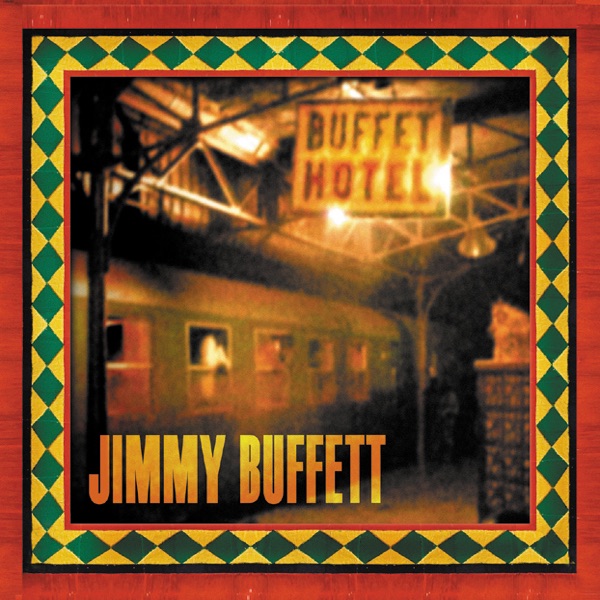
Buffet Hotel
2009 · 12 tracks
- 1 Nobody from Nowhere ↗ 5:07
- 2 Wings ↗ 3:46
- 3 Big Top ↗ 4:31
- 4 Beautiful Swimmers ↗ 5:21
- 5 Turn Up the Heat and Chill the Rosé ↗ 3:50
- 6 Summerzcool ↗ 3:15
- 7 Rhumba Man ↗ 4:10
- 8 We Learned to Be Cool from You ↗ 5:55
- 9 Surfing In a Hurricane ↗ 4:26
- 10 Life Short Call Now ↗ 4:08
- 11 Buffet Hotel ↗ 6:00
- 12 A Lot to Drink About ↗ 3:29
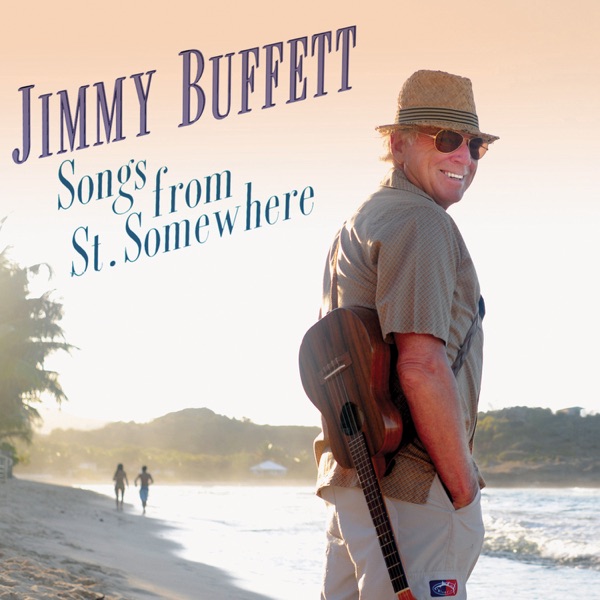
Songs From St. Somewhere
2013 · 16 tracks
- 1 Somethin' 'Bout a Boat ↗ 2:44
- 2 Einstein Was a Surfer ↗ 4:42
- 3 Earl's Dead - Cadillac For Sale ↗ 5:42
- 4 Too Drunk To Karaoke ↗ 4:03
- 5 Serpentine ↗ 4:44
- 6 Useless But Important Information ↗ 4:12
- 7 I Want To Go Back To Cartagena ↗ 3:15
- 8 Soulfully ↗ 3:17
- 9 Rue de la Guitare ↗ 3:24
- 10 I'm No Russian ↗ 6:40
- 11 Tides ↗ 4:12
- 12 The Rocket That Grandpa Rode ↗ 4:03
- 13 I Wave Bye Bye ↗ 3:20
- 14 Colour of the Sun ↗ 3:48
- 15 Oldest Surfer On the Beach ↗ 4:18
- 16 I Want To Go Back To Cartagena (Bonus Track) [with Fanny Lu] [Spanish Version] ↗ 3:13

’tis the SeaSon
2016 · 13 tracks
- 1 Wonderful Christmastime ↗ 4:00
- 2 Jingle Bell Rock ↗ 2:10
- 3 All I Want for Christmas Is My Two Front Teeth ↗ 2:39
- 4 Drivin' the Pig (Manejando el Cerdo) ↗ 3:47
- 5 The Twelve Days of Christmas (Parrothead Version) ↗ 3:50
- 6 What I Didn't Get for Christmas ↗ 2:36
- 7 Rockin' Around the Christmas Tree ↗ 2:04
- 8 Rudolph the Red Nosed Reindeer ↗ 3:32
- 9 Santa Stole Thanksgiving ↗ 2:35
- 10 Mele Kalikimaka (feat. Jake Shimabukuro) ↗ 2:39
- 11 Winter Wonderland (feat. Robert Greenidge) ↗ 3:20
- 12 Baby, It's Cold Outside (feat. Nadirah Shakoor) ↗ 2:54
- 13 White Christmas ↗ 3:10

Songs You Don’t Know by Heart
2020 · 15 tracks
- 1 I Have Found Me a Home ↗ 3:45
- 2 Woman Goin' Crazy on Caroline Street ↗ 4:09
- 3 The Captain and the Kid ↗ 3:31
- 4 Delaney Talks to Statues ↗ 3:20
- 5 Twelve Volt Man ↗ 3:40
- 6 Peanut Butter Conspiracy ↗ 4:07
- 7 Something So Feminine About a Mandolin ↗ 3:35
- 8 Love in the Library ↗ 4:30
- 9 Chanson Pour Les Petits Enfants ↗ 3:57
- 10 The Night I Painted the Sky ↗ 5:19
- 11 Cowboy in the Jungle ↗ 5:13
- 12 Little Miss Magic ↗ 4:02
- 13 Tin Cup Chalice ↗ 3:13
- 14 Tonight I Just Need My Guitar ↗ 2:42
- 15 Death of an Unpopular Poet ↗ 4:16
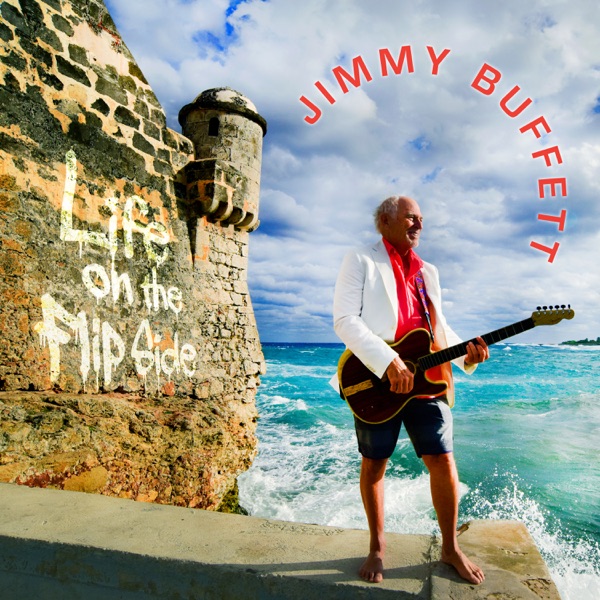
Life on the Flip Side
2020 · 14 tracks
- 1 Down at the Lah De Dah ↗ 3:19
- 2 Who Gets to Live Like This ↗ 3:03
- 3 The Devil I Know ↗ 2:59
- 4 The Slow Lane ↗ 4:11
- 5 Cussin' Island ↗ 4:55
- 6 Oceans of Time ↗ 3:32
- 7 Hey, That's My Wave ↗ 4:26
- 8 The World is What You Make It ↗ 3:44
- 9 Half Drunk ↗ 3:53
- 10 Mailbox Money ↗ 4:19
- 11 Slack Tide ↗ 4:16
- 12 Live, Like It's Your Last Day ↗ 3:58
- 13 15 Cuban Minutes ↗ 5:15
- 14 Book on the Shelf ↗ 3:23

Equal Strain on All Parts
2023 · 14 tracks
- 1 University of Bourbon Street (feat. Preservation Hall Jazz Band) ↗ 4:20
- 2 Bubbles Up ↗ 4:47
- 3 Audience of One ↗ 3:23
- 4 My Gummie Just Kicked In ↗ 3:27
- 5 Close Calls ↗ 3:06
- 6 Equal Strain On All Parts ↗ 3:25
- 7 Like My Dog ↗ 2:37
- 8 Ti Punch Café (feat. Angelique Kidjo) ↗ 3:57
- 9 Portugal or PEI (feat. Lennie Gallant & Will Kimbrough) ↗ 4:06
- 10 Nobody Works On Friday ↗ 3:38
- 11 Fish Porn ↗ 4:21
- 12 Johnny's Rhum ↗ 4:23
- 13 Columbus ↗ 4:21
- 14 Mozambique ↗ 3:16
-
 Down to EarthJimmy Buffett197011 tracks
 -
 A White Sport Coat and a Pink CrustaceanJimmy Buffett197311 tracks
 -
 A1AJimmy Buffett197411 tracks
 -
 Havaña Daydreamin’Jimmy Buffett197510 tracks
 -
 High Cumberland JubileeJimmy Buffett197611 tracks
 -
 Changes in Latitudes, Changes in AttitudesJimmy Buffett197710 tracks
 -
 Son of a Son of a SailorJimmy Buffett19789 tracks
 -
 VolcanoJimmy Buffett197910 tracks
 -
 Coconut TelegraphJimmy Buffett19809 tracks
 -
 Somewhere Over ChinaJimmy Buffett19819 tracks
 -
 One Particular HarbourJimmy Buffett198311 tracks
 -
 Riddles in the SandJimmy Buffett198410 tracks
 -
 Last Mango in ParisJimmy Buffett198510 tracks
 -
 FloridaysJimmy Buffett198610 tracks
 -
 Hot WaterJimmy Buffett198811 tracks
 -
 Off to See the LizardJimmy Buffett198912 tracks
 -
 FruitcakesJimmy Buffett199413 tracks
 -
 Barometer SoupJimmy Buffett199512 tracks
 -
 Christmas IslandJimmy Buffett199610 tracks
 -
 Banana WindJimmy Buffett199612 tracks
 -
 Don't Stop the CarnivalJimmy Buffett199820 tracks
 -
 Beach House on the MoonJimmy Buffett199913 tracks
 -
 Far Side of the WorldJimmy Buffett200212 tracks
 -
 License to ChillJimmy Buffett200416 tracks
 -
 Take the Weather With YouJimmy Buffett200614 tracks
 -
 Buffet HotelJimmy Buffett200912 tracks
 -
 Songs From St. SomewhereJimmy Buffett201316 tracks
 -
 ’tis the SeaSonJimmy Buffett201613 tracks
 -
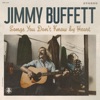 Songs You Don’t Know by HeartJimmy Buffett202015 tracks
 -
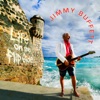 Life on the Flip SideJimmy Buffett202014 tracks
 -
 Equal Strain on All PartsJimmy Buffett202314 tracks
Deep Dive
Overview
Jimmy Buffett was an American singer-songwriter whose blend of country, rock, folk, and calypso created a distinct musical identity centered on themes of island life, escapism, and unburdened living. Over a career spanning from 1970 to 2023, Buffett transformed from a regional folk-country performer into a global cultural phenomenon whose influence extended far beyond music into lifestyle branding and hospitality. His songs achieved mainstream commercial success, with “Margaritaville” ascending to iconic status as a cultural shorthand for leisure and tropical fantasy, while his broader catalog of hit singles defined a genre of music that merged Caribbean and American popular traditions.
Formation Story
James William Buffett was born in 1946 and came of age during the folk-rock and country-rock convergence of the late 1960s. After working as a musician and performer in Nashville and the Gulf Coast music scenes, Buffett entered the recording industry in 1970 with his debut album Down to Earth on Barnaby Records. The early 1970s saw him navigating multiple record labels—Dunhill and ABC Records among them—while developing the musical template that would define his career: conversational songwriting rooted in American vernacular, set against arrangements that drew as readily from Caribbean rhythms and steel drums as from country-rock instrumentation. By the middle of the decade, having found a label home with PolyGram/ABC that gave him creative space to experiment, Buffett began assembling the constellation of musicians and producers who would become the Coral Reefer Band in 1975, solidifying his sound and live presentation.
Breakthrough Moment
Buffett’s commercial breakthrough arrived in 1973 with A White Sport Coat and a Pink Crustacean, an album that introduced audiences to his distinctive lyrical voice—storytelling that mixed humor, maritime imagery, and everyday American detail with an irrepressible humor. The album spawned “Why Don’t We Get Drunk,” which became a signature song and proved that radio would embrace his irreverent tone. However, his breakthrough into genuine superstardom came with the 1974 album Living and Dying in ¾ Time and the follow-up A1A, which included “Come Monday,” a hit single that brought him to national radio play. These mid-1970s releases established Buffett as more than a novelty act; they demonstrated his ability to craft genuine emotional depth alongside comic sensibility.
Peak Era
Buffett’s peak commercial and creative period ran from 1977 through 1980, anchored by four consecutive albums of substantial cultural impact. Changes in Latitudes, Changes in Attitudes (1977) included both “Changes in Latitudes, Changes in Attitudes” and “Margaritaville,” the latter becoming not merely a hit song but a cultural phenomenon—ranked 234th on the Recording Industry Association of America’s list of “Songs of the Century.” Son of a Son of a Sailor (1978) consolidated this success with “Son of a Son of a Sailor” and “Cheeseburger in Paradise,” establishing Buffett’s catalog of “The Big 8” signature recordings. Volcano (1979) extended the streak with the title track and “Fins,” while Coconut Telegraph (1980) maintained commercial momentum even as radio and listener attention began to shift. During these four years, Buffett had effectively created and inhabited an entirely new commercial niche—tropical rock as aspirational lifestyle—that no previous artist had fully occupied.
Musical Style
Buffett’s sound merged country-rock and folk traditions with Caribbean instrumentation and lyrical sensibility. His vocals—warm, conversational, and unmarked by technical virtuosity—functioned more as a storytelling device than as a demonstration of range or power. Harmonicas, steel drums, and acoustic guitars frequently anchored his arrangements, which typically incorporated full rock and roll rhythm sections and vocal harmonies that owed as much to 1970s soft rock as to country traditions. His songwriting emphasized narrative and humor over abstract lyricism; songs often featured specific place names (Key West, Montego Bay, Paris) and American leisure activities (sailing, drinking, cooking) as anchors for meditation on freedom and the pursuit of happiness. The production style, particularly from the mid-1970s onward, leaned toward warmth and accessibility rather than darkness or aggression, making his music suitable for radio play across adult contemporary, country, and rock formats simultaneously. This stylistic flexibility—the ability to appeal simultaneously to country, rock, and easy-listening audiences—was central to Buffett’s commercial dominance in his peak era.
Major Albums
Changes in Latitudes, Changes in Attitudes (1977)
The album that established Buffett’s international profile, featuring “Margaritaville” and “Changes in Latitudes, Changes in Attitudes,” both of which became signature recordings and demonstrated his capacity to write songs that functioned simultaneously as entertainment, philosophy, and cultural commentary.
Son of a Son of a Sailor (1978)
A commercial peak that proved the success of Changes in Latitudes was not a one-off, introducing “Cheeseburger in Paradise” and “Son of a Son of a Sailor” to his catalog of essential recordings and solidifying his status as a consistent hitmaker.
Volcano (1979)
Another strong commercial effort featuring the title track “Volcano” and “Fins,” demonstrating Buffett’s ability to sustain creative relevance and radio presence throughout an entire era.
One Particular Harbour (1983)
A notable entry from the early 1980s that kept Buffett’s profile visible after his initial commercial peak, showing his continued evolution as a songwriter and bandleader.
License to Chill (2004)
A 21st-century album that proved Buffett remained a viable recording artist decades into his career, appealing to both longtime fans and new audiences discovering his tropical rock template.
Signature Songs
- “Margaritaville” (1977) — A cultural institution in its own right, ranking among the Recording Industry Association of America’s definitive recordings of the century and embodying Buffett’s “island escapism” philosophy.
- “Come Monday” (1974) — An emotionally grounded rock-pop confection that demonstrated his ability to write beyond novelty and humor.
- “Cheeseburger in Paradise” (1978) — A quintessential Buffett recording that converted everyday American leisure into lyrical subject matter with infectious charm.
- “A Pirate Looks at Forty” (1974) — A introspective narrative song that showcased his storytelling gifts and proved his music could carry genuine philosophical weight.
- “Fins” (1979) — A playful yet driving song that became a live staple and FM radio fixture throughout the early 1980s.
- “Son of a Son of a Sailor” (1978) — A biographical anthem that became central to Buffett’s identity as performer and persona.
- “Why Don’t We Get Drunk” (1973) — His breakthrough novelty hit that established his comedic irreverence and proved audiences would embrace his unpolished charm.
- “It’s Five O’Clock Somewhere” with Alan Jackson (2003) — A late-career crossover hit that brought Buffett’s tropical sensibility into the country music mainstream.
Influence on Rock
Buffett created and essentially single-handedly inhabited the “tropical rock” or “island rock” subgenre throughout the 1970s and 1980s, establishing a template that influenced subsequent artists working in leisure-centered, lifestyle-affiliated rock and pop music. His demonstration that rock and roll could be funny, conversational, and overtly commercial without sacrificing artistic credibility opened space for alternative approaches to rock musicianship. The aesthetic he developed—combining Caribbean and American folk traditions, emphasizing narrative clarity and accessibility, and positioning music as part of a broader lifestyle brand—influenced how subsequent artists marketed themselves and conceived of their relationship to audiences. His use of humor and everyday subject matter helped legitimize folk-influenced songwriting in an era dominated by harder rock and progressive experimentation, proving that rock radio and audiences would embrace music centered on simple pleasures and uncomplicated joy.
Legacy
Jimmy Buffett’s death in 2023 ended a recording and touring career that had persisted for over five decades with minimal significant decline in commercial activity. His discography—33 studio albums between 1970 and 2023, with major label support from Barnaby Records, MCA Records, Island Records, and others—represents one of the longest and most consistently visible careers in popular music. “Margaritaville” remains a ubiquitous cultural reference point, and his broader catalog continues to generate substantial streaming revenue and radio play. Buffett’s influence on lifestyle branding in music proved as significant as his musical output; the Coral Reefer Band and the aesthetic it represented became a template for how artists could convert musical identity into hospitality, merchandise, and cultural identity. His late-career collaborations, including “It’s Five O’Clock Somewhere” with Alan Jackson in 2003, demonstrated his continued relevance across generational and genre boundaries. The sustained popularity of his recordings, the persistence of his concert tours, and the cultural resonance of his most famous songs ensure that tropical rock remains a distinct and recognizable presence in American popular music.
Fun Facts
- Buffett formed the Coral Reefer Band in 1975 as a formalized backing ensemble, creating not simply a touring group but a brand identity that extended to merchandise, albums, and eventually hospitality ventures.
- The title “A Pirate Looks at Forty” prefigured Buffett’s career longevity; released in 1974, the song became more resonant as Buffett himself aged and continued performing for decades.
- “Margaritaville” achieved such cultural ubiquity that the lyric “wasting away again in Margaritaville” became shorthand for tropical vacation fantasy across generations, influencing tourism marketing and resort branding.
- Buffett recorded a Christmas album, Christmas Island (1996), demonstrating his ability to extend his tropical aesthetic into seasonal music while maintaining commercial viability.