
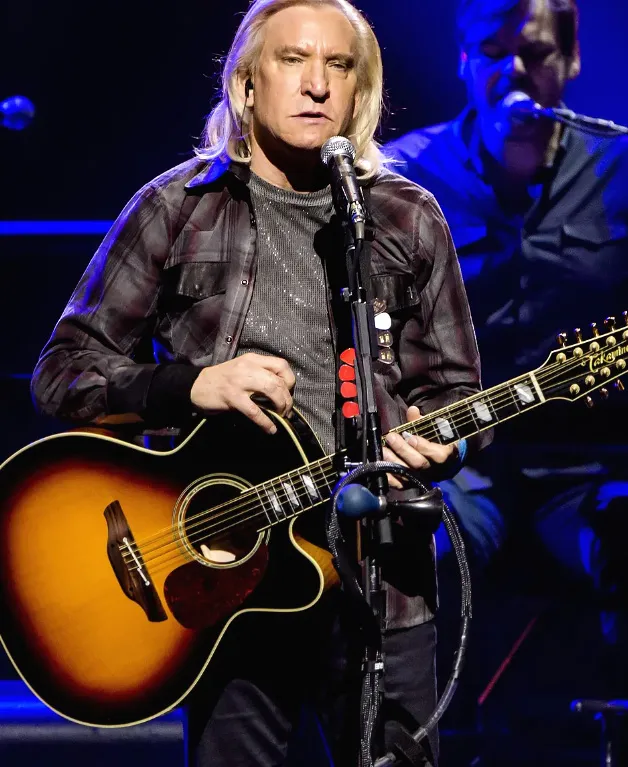
Photo by Derek Russell , licensed under CC BY-SA 2.0 · Wikimedia Commons
Rank #322
Joe Walsh
From Wikipedia
Joseph Fidler Walsh is an American guitarist, singer, and songwriter. Best known as a member of the rock band Eagles, his six-decade career includes solo work and stints in other bands: the James Gang, Ringo Starr & His All-Starr Band, and New Zealand's Herbs. He was part of the supergroup The Best and had success as a solo artist and prolific session musician, appearing on other artists' recordings. In 2011, Rolling Stone ranked him No. 54 on its list of "100 Greatest Guitarists of All Time".
Discography & Previews
Browse through and click an album to open and play 30-second previews streamed from Apple Music.





Ordinary Average Guy
1991 · 11 tracks
- 1 Two Sides to Every Story ↗ 3:22
- 2 Ordinary Average Guy ↗ 4:12
- 3 The Gamma Goochee ↗ 2:49
- 4 All of a Sudden ↗ 4:56
- 5 Alphabetical Order ↗ 4:58
- 6 Look At Us Now ↗ 4:46
- 7 I'm Actin' Different ↗ 4:30
- 8 Up All Night ↗ 3:54
- 9 You Might Need Somebody ↗ 4:29
- 10 Where I Grew Up (Prelude to School Days) ↗ 2:37
- 11 School Days ↗ 5:18

Songs for a Dying Planet
1992 · 12 tracks
- 1 Shut Up ↗ 3:20
- 2 Fairbanks Alaska ↗ 3:27
- 3 Coyote Love ↗ 4:43
- 4 I Know ↗ 1:45
- 5 Certain Situations ↗ 4:34
- 6 Vote For Me ↗ 4:22
- 7 Theme From Baroque Weirdos ↗ 1:34
- 8 The Friend Song ↗ 3:33
- 9 It's All Right ↗ 3:25
- 10 Will You Still Love Me Tomorrow ↗ 3:59
- 11 Decades ↗ 12:03
- 12 Song For a Dying Planet ↗ 2:01

-
 BarnstormJoe Walsh197210 tracks
 -
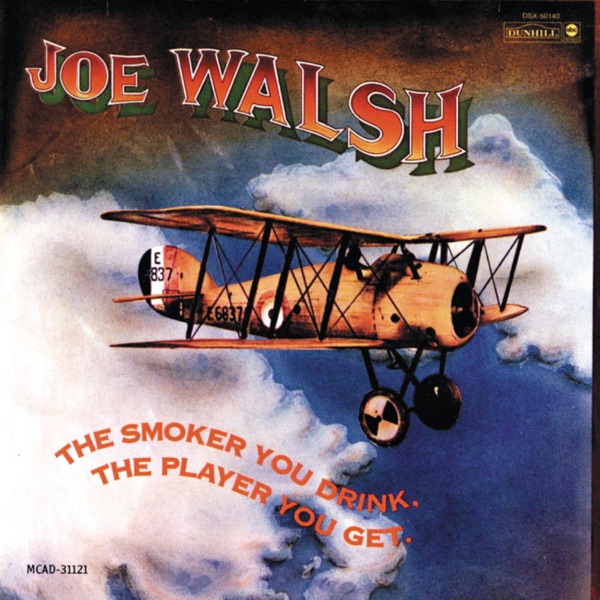
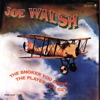 The Smoker You Drink, the Player You GetJoe Walsh19739 tracks
 -
 So WhatJoe Walsh19749 tracks
 -
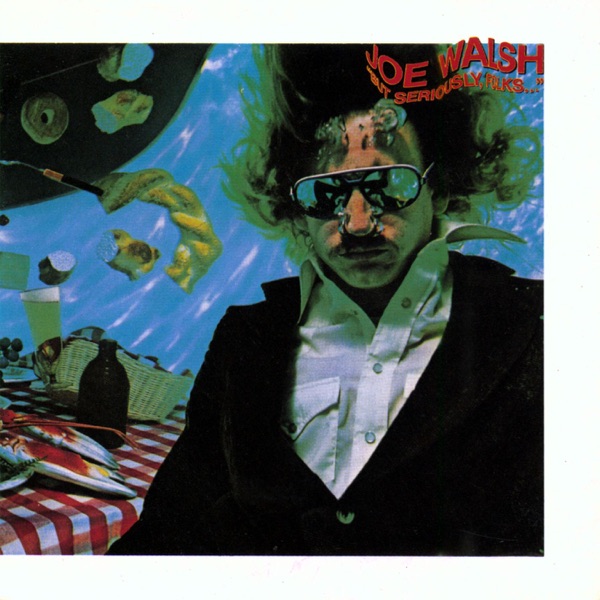
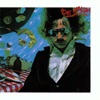 “But Seriously, Folks…”Joe Walsh19788 tracks
 -
 There Goes the NeighborhoodJoe Walsh19818 tracks
 -
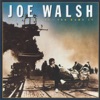 You Bought It—You Name ItJoe Walsh198310 tracks
 -
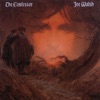 The ConfessorJoe Walsh19859 tracks
 -
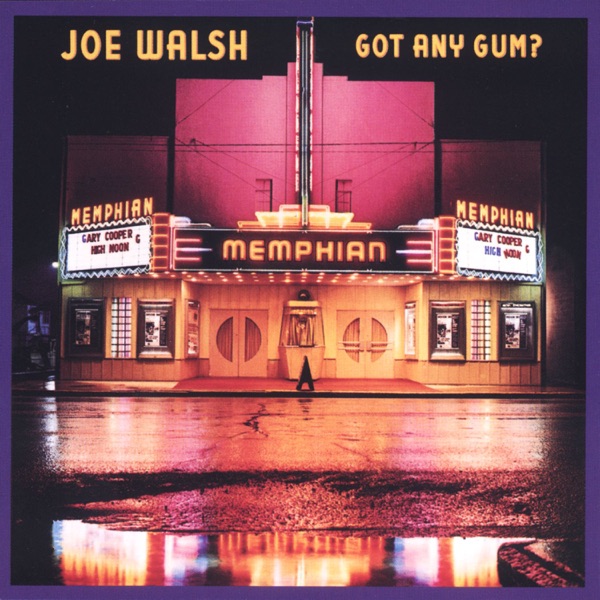
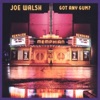 Got Any Gum?Joe Walsh198710 tracks
 -
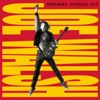 Ordinary Average GuyJoe Walsh199111 tracks
 -
 Songs for a Dying PlanetJoe Walsh199212 tracks
 -
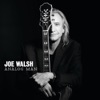 Analog ManJoe Walsh201210 tracks
Deep Dive
Overview
Joe Walsh is an American guitarist, singer, and songwriter whose six-decade career has made him one of rock music’s most distinctive and adaptable voices. Born in 1947, Walsh became best known as a member of the Eagles, the defining soft-rock institution of the 1970s, yet his legacy extends far beyond that band. A prolific solo artist, session musician, and collaborator, Walsh has appeared on recordings across genres and collaborated with artists ranging from Ringo Starr to New Zealand’s Herbs. In 2011, Rolling Stone ranked him No. 54 on its list of “100 Greatest Guitarists of All Time,” a measure of the technical mastery and musical innovation he has sustained across nearly sixty years of professional work.
Formation Story
Walsh emerged as a musician in the post-war American rock landscape, coming of age during the 1960s explosion of rock and roll. Before his turn to solo recording in the early 1970s, he had already established himself as a guitarist and bandleader in the James Gang, where he honed the hybrid approach—part rock aggression, part pop sensibility, part country-rock feel—that would define his artistic identity. By the early 1970s, Walsh was ready to chart his own course as a recording artist while maintaining his ability to work within collaborative frameworks, a flexibility that would become his professional trademark.
Breakthrough Moment
Walsh’s solo career began in earnest with the release of Barnstorm in 1972, which introduced listeners to his distinctive blend of rock guitar work, melodic songwriting, and genre-crossing production. The album announced him as a solo force and demonstrated that his appeal extended beyond the ensemble setting of the James Gang. Two years later, in 1973, he released The Smoker You Drink, the Player You Get, consolidating his foothold in the solo marketplace. The following year brought So What in 1974, keeping his name in rotation on radio and in record stores during the mid-1970s ascent of album-oriented rock. These early solo efforts, released on Dunhill Records, positioned him as a serious recording artist independent of any single band affiliation—a standing that would only deepen when he later joined the Eagles and became integral to their commercial dominance.
Peak Era
While Walsh’s work with the Eagles (beginning in the mid-1970s) became his most commercially prominent outlet, his solo career never ceased. In 1978, he released “But Seriously, Folks…” on Asylum Records, demonstrating his ability to sustain momentum as a solo artist even while committed to one of rock’s biggest bands. His prolific output continued through the 1980s with There Goes the Neighborhood (1981), You Bought It—You Name It (1983), and The Confessor (1985), followed by Got Any Gum? in 1987. This period saw Walsh balancing band commitments with solo ambitions, a juggling act made possible by his status as both a bandleader and a deeply collaborative musician willing to serve in supporting roles—including as a session player on other artists’ records.
Musical Style
Walsh’s musical voice combines technical guitar mastery with an eclectic approach to songwriting and arrangement. His playing style draws on rock’s foundational vocabulary—blues-based lead work, clean fingerstyle passages, and textured rhythm parts—but is distinguished by his willingness to integrate country, pop, and folk influences into a cohesive whole. His production sensibilities, evident across his solo work, favor clarity and accessibility without sacrificing instrumental depth. Vocally, Walsh brings a conversational, often wry tone to his singing, a departure from the more soaring vocal traditions of much 1970s rock. His songwriting tends toward the personal and observational, grounded in specific detail and character rather than abstraction. Across his solo albums, Walsh’s sound evolved from the rock-forward approach of his early 1970s work toward more pop-conscious arrangements and studio-craft sophistication, reflecting broader industry trends while maintaining his core identity as a guitarist’s guitarist.
Major Albums
Barnstorm (1972)
Walsh’s debut solo album announced his arrival as an independent artist with guitar-driven rock songs and studio sophistication that set the template for his subsequent solo work.
The Smoker You Drink, the Player You Get (1973)
A follow-up that consolidated his solo presence with strong songwriting and his signature blend of rock edge and pop accessibility.
So What (1974)
Released as his commercial profile was rising, this album maintained his momentum in the competitive mid-1970s album market.
But Seriously, Folks… (1978)
A significant solo statement recorded during his period with the Eagles, demonstrating his ability to maintain a solo career alongside major band commitments.
Ordinary Average Guy (1991)
Walsh’s 1991 release on Atlantic Records marked a return to consistent solo output after a fallow period, reestablishing his presence as a recording artist.
Signature Songs
- “Life in the Fast Lane” — The Eagles co-write that became one of rock radio’s most enduring staples, showcasing Walsh’s gift for memorable hooks and guitar riffs.
- “The Radar Station” — A Walsh composition that exemplifies his ability to craft character-driven rock narratives.
- “All Night Long” — A song that captures Walsh’s pop-rock sensibility and vocal personality.
Influence on Rock
Walsh’s influence on rock music flows through two principal channels: his work as a member of the Eagles, which shaped the sound and commercial possibilities of stadium rock and soft rock in the 1970s, and his example as a solo artist willing to blend genres and resist narrow categorization. His technical approach to guitar—precise, inventive, and deeply musical rather than virtuosic for its own sake—influenced generations of rock guitarists who valued song-serving musicianship over technical display. His willingness to work as a session player and collaborative presence (evident in his participation in Ringo Starr & His All-Starr Band and other projects) also established a model of professional flexibility and artistic generosity that shaped how later rock musicians approached their careers. His integration of country, pop, and rock elements into a unified artistic vision helped legitimize genre-blending in rock during an era when strict genre boundaries were the norm.
Legacy
Walsh’s six-decade career represents one of rock music’s most sustained and adaptable professional lives. His ranking by Rolling Stone among the greatest guitarists speaks to the enduring recognition of his technical contributions and artistic innovation. Though the Eagles remain his most commercially dominant project, his solo discography—spanning from 1972’s Barnstorm to 2012’s Analog Man—demonstrates a commitment to recording and performing that has never wavered. His continued presence on the touring circuit, including appearances with the Eagles and in other collaborative settings like Ringo Starr & His All-Starr Band, has kept him before audiences across multiple generations. In the streaming era, Walsh’s catalog remains consistently accessed by both longtime fans and younger listeners discovering classic rock, ensuring that his influence continues to circulate through contemporary rock culture.
Fun Facts
- Walsh has maintained an official web presence at joewalsh.com, one of the early official artist sites in rock music’s transition to the internet era.
- His eclectic collaborations, ranging from work with Ringo Starr to appearances on recordings by artists in different genres, reflect a philosophy of musical openness unusual among rock artists of comparable stature.
- The title The Smoker You Drink, the Player You Get (1973) remains one of rock’s most quotable and memorable album titles, capturing the era’s hedonistic spirit in four words.