
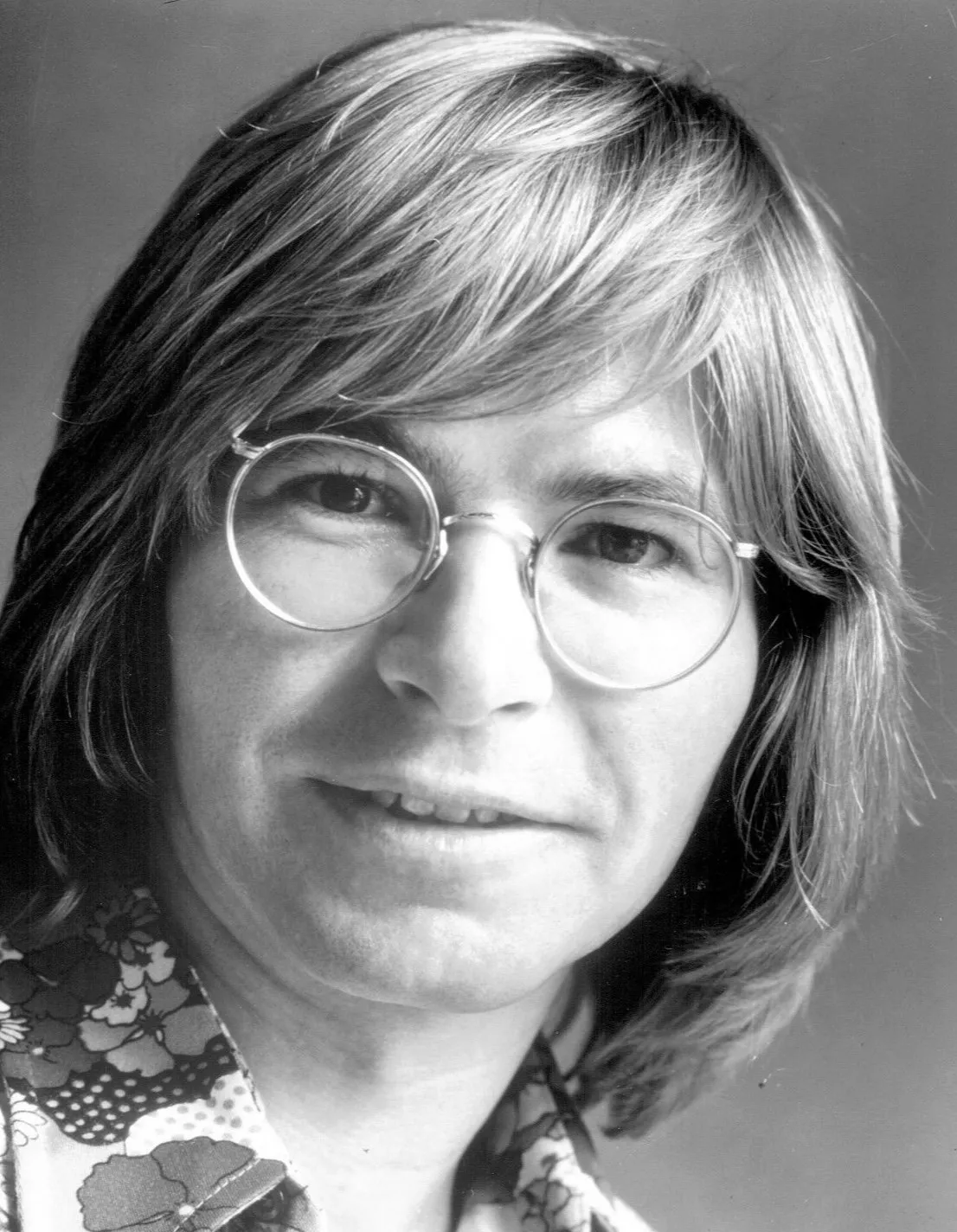
Photo by RCA Records , licensed under Public domain · Wikimedia Commons
Rank #456
John Denver
From Wikipedia
Henry John Deutschendorf Jr., known professionally as John Denver, was an American country and folk singer, songwriter, and actor. He was one of the most popular acoustic artists of the 1970s and one of the best-selling artists overall in that decade. AllMusic has called Denver "among the most beloved entertainers of his era".
Discography & Previews
Browse through and click an album to open and play 30-second previews streamed from Apple Music.

John Denver Sings
1966 · 13 tracks
- 1 Here, There & Everywhere ↗ 2:38
- 2 Ann ↗ 2:23
- 3 Babe, I Hate to Go ↗ 3:14
- 4 When I Was a Cowboy ↗ 1:49
- 5 Yesterday ↗ 2:18
- 6 Blues My Naughty Baby Taught Me ↗ 2:40
- 7 What's That I Hear Now? ↗ 3:09
- 8 And I Love Her ↗ 3:13
- 9 When Will I Be Loved? ↗ 1:52
- 10 Darcy Farrow ↗ 3:35
- 11 Minor Swing ↗ 2:17
- 12 In My Life ↗ 1:54
- 13 Farewell Party ↗ 1:57

Rhymes & Reasons
1969 · 14 tracks
- 1 The Love of the Common People ↗ 4:06
- 2 Catch Another Butterfly ↗ 2:31
- 3 Daydreams ↗ 2:55
- 4 The Ballad of Spiro Agnew ↗ 0:16
- 5 Circus ↗ 2:38
- 6 When I'm Sixty-Four ↗ 2:03
- 7 The Ballad of Richard Nixon ↗ 0:05
- 8 Rhymes and Reasons ↗ 3:16
- 9 Yellow Cat ↗ 2:52
- 10 Leaving on a Jet Plane ↗ 3:37
- 11 (You Dun Stomped) My Heart ↗ 2:42
- 12 My Old Man ↗ 4:35
- 13 I Wish I Knew How It Would Feel to Be Free ↗ 3:49
- 14 Today Is the First Day of the Rest of My Life (Sugacity) ↗ 2:10


Whose Garden Was This
1970 · 11 tracks
- 1 Tremble If You Must ↗ 1:25
- 2 Sail Away Home ↗ 4:39
- 3 The Night They Drove Old Dixie Down ↗ 3:58
- 4 Mr. Bojangles ↗ 4:40
- 5 I Wish I Could Have Been There (Woodstock) ↗ 2:31
- 6 Whose Garden Was This ↗ 3:49
- 7 The Game Is Over ↗ 2:27
- 8 Eleanor Rigby ↗ 3:13
- 9 Old Folks ↗ 5:02
- 10 Golden Slumbers / Sweet Sweet Life / Tremble If You Must (Version II) ↗ 4:32
- 11 Jingle Bells ↗ 1:07

Poems, Prayers & Promises
1971 · 12 tracks
- 1 Poems, Prayers and Promises ↗ 4:08
- 2 Let It Be ↗ 3:41
- 3 My Sweet Lady ↗ 4:27
- 4 Wooden Indian ↗ 1:42
- 5 Junk ↗ 1:46
- 6 Gospel Changes ↗ 3:30
- 7 Take Me Home, Country Roads (Original Version) ↗ 3:14
- 8 I Guess He'd Rather Be in Colorado ↗ 2:10
- 9 Sunshine On My Shoulders ↗ 5:16
- 10 Around and Around ↗ 2:22
- 11 Fire and Rain ↗ 3:48
- 12 The Box ↗ 2:48

Aerie
1971 · 12 tracks
- 1 Starwood in Aspen ↗ 3:09
- 2 Everyday ↗ 3:17
- 3 Casey's Last Ride ↗ 4:59
- 4 City of New Orleans ↗ 3:20
- 5 Friends with You ↗ 3:26
- 6 60 Second Song for a Bank, with the Phrase "May We Help You Today?" ↗ 1:13
- 7 Blow up Your TV (Spanish Pipe Dream) ↗ 2:23
- 8 All of My Memories ↗ 5:01
- 9 She Won't Let Me Fly Away ↗ 3:46
- 10 Readjustment Blues ↗ 4:55
- 11 The Eagle and the Hawk ↗ 2:07
- 12 Tools ↗ 1:39
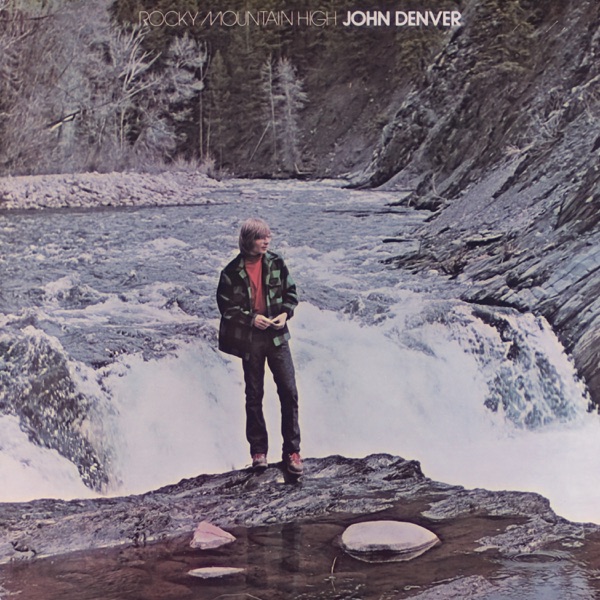
Rocky Mountain High
1972 · 12 tracks
- 1 Rocky Mountain High ↗ 4:46
- 2 Mother Nature's Son ↗ 2:32
- 3 Paradise ↗ 2:18
- 4 For Baby (For Bobbie) ↗ 3:00
- 5 Darcy Farrow ↗ 4:26
- 6 Prisoners ↗ 3:41
- 7 Goodbye Again ↗ 3:41
- 8 Season Suite: Summer ↗ 2:51
- 9 Season Suite: Fall ↗ 1:38
- 10 Season Suite: Winter ↗ 1:35
- 11 Season Suite: Late Winter, Early Spring (When Everybody Goes to Mexico) ↗ 4:00
- 12 Season Suite: Spring ↗ 3:00

Farewell Andromeda
1973 · 11 tracks
- 1 I'd Rather Be a Cowboy (Lady's Chains) ↗ 4:28
- 2 Berkeley Woman ↗ 3:38
- 3 Please Daddy ↗ 3:00
- 4 Angels from Montgomery ↗ 4:52
- 5 River of Love ↗ 3:38
- 6 Rocky Mountain Suite (Cold Nights in Canada) ↗ 3:07
- 7 Whiskey Basin Blues ↗ 2:51
- 8 Sweet Misery ↗ 3:38
- 9 Zachary and Jennifer ↗ 2:03
- 10 We Don't Live Here No More ↗ 4:06
- 11 Farewell Andromeda (Welcome to My Morning) ↗ 4:03

Back Home Again
1974 · 14 tracks
- 1 Back Home Again ↗ 4:45
- 2 On the Road ↗ 2:37
- 3 Grandma's Feather Bed ↗ 2:18
- 4 Matthew ↗ 3:48
- 5 Thank God I'm a Country Boy ↗ 3:13
- 6 The Music Is You ↗ 1:30
- 7 Annie's Song ↗ 3:01
- 8 It's up to You ↗ 2:30
- 9 Cool an' Green an' Shady ↗ 3:10
- 10 Eclipse ↗ 3:45
- 11 Sweet Surrender ↗ 5:29
- 12 This Old Guitar ↗ 2:51
- 13 Matthew (Alternate Version) ↗ 3:50
- 14 This Old Guitar (Alternate Take) ↗ 2:36


Rocky Mountain Christmas
1975 · 12 tracks
- 1 Aspenglow ↗ 2:20
- 2 The Christmas Song (Chestnuts Roasting On an Open Fire) ↗ 3:16
- 3 Rudolph the Red Nosed Reindeer ↗ 1:47
- 4 Silver Bells ↗ 2:11
- 5 Please, Daddy (Don't Get Drunk This Christmas) ↗ 2:36
- 6 Christmas for Cowboys ↗ 2:28
- 7 Away in a Manger ↗ 2:05
- 8 What Child Is This ↗ 2:35
- 9 Coventry Carol ↗ 2:19
- 10 Oh Holy Night ↗ 2:54
- 11 Silent Night, Holy Night ↗ 3:28
- 12 A Baby Just Like You ↗ 2:42

Spirit
1976 · 12 tracks
- 1 Come and Let Me Look in Your Eyes ↗ 3:48
- 2 Eli's Song ↗ 3:59
- 3 Wrangle Mountain Song ↗ 3:10
- 4 Hitchhiker ↗ 3:12
- 5 In the Grand Way ↗ 3:41
- 6 Polka Dots and Moonbeams ↗ 3:09
- 7 It Makes Me Giggle ↗ 3:16
- 8 Baby, You Look Good to Me Tonight ↗ 2:47
- 9 Like a Sad Song ↗ 3:42
- 10 San Antonio Rose ↗ 2:42
- 11 Pegasus ↗ 3:20
- 12 The Wings That Fly Us Home ↗ 4:11

A Christmas Together
1979 · 13 tracks
- 1 Twelve Days of Christmas ↗ 4:24
- 2 Have Yourself a Merry Little Christmas ↗ 1:51
- 3 The Peace Carol ↗ 2:47
- 4 Christmas Is Coming ↗ 1:15
- 5 A Baby Just Like You ↗ 2:54
- 6 Deck the Halls ↗ 1:37
- 7 When the River Meets the Sea ↗ 2:44
- 8 Little Saint Nick ↗ 2:24
- 9 Noel: Christmas Eve, 1913 ↗ 2:54
- 10 The Christmas Wish ↗ 3:29
- 11 Medley: Alfie, The Christmas Tree/ Carol For a Christmas Tree/It's In Every One of Us ↗ 4:37
- 12 Silent Night ↗ 3:11
- 13 We Wish You a Merry Christmas ↗ 1:05
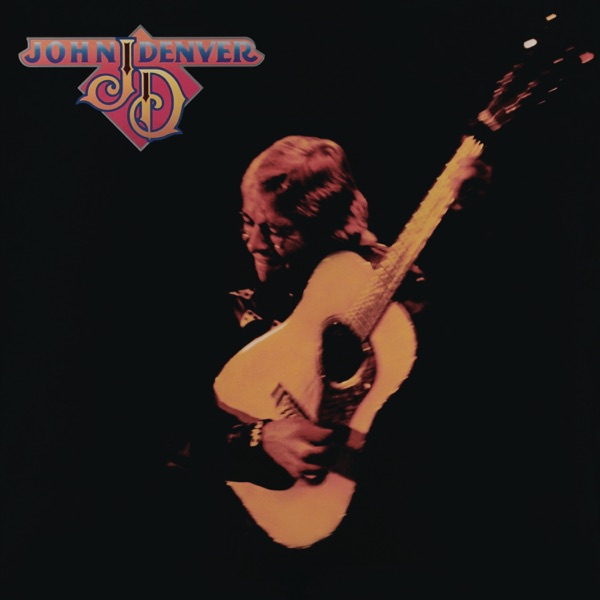

Autograph
1980 · 11 tracks
- 1 Dancing with the Mountains ↗ 3:54
- 2 The Mountain Song ↗ 4:43
- 3 How Mountain Girls Can Love ↗ 2:17
- 4 Song for the Life ↗ 3:48
- 5 The Ballad of St. Anne's Reel ↗ 3:26
- 6 In My Heart ↗ 3:49
- 7 The Wrangell Mountain Song ↗ 3:00
- 8 Whalebones and Crosses ↗ 4:41
- 9 American Child ↗ 3:22
- 10 You Say That the Battle Is Over ↗ 2:45
- 11 Autograph ↗ 3:40

Some Days Are Diamonds
1981 · 10 tracks
- 1 Some Days Are Diamonds (Some Days Are Stone) ↗ 4:00
- 2 Gravel on the Ground ↗ 2:29
- 3 San Francisco Mabel Joy ↗ 4:04
- 4 Sleepin' Alone ↗ 3:32
- 5 Easy, on Easy Street ↗ 3:23
- 6 The Cowboy and the Lady ↗ 4:40
- 7 Country Love ↗ 3:09
- 8 Till You Opened My Eyes ↗ 3:10
- 9 Wild Flowers in a Mason Jar (The Farm) ↗ 3:13
- 10 Boy from the Country ↗ 4:51

Seasons of the Heart
1982 · 11 tracks

It's About Time
1983 · 10 tracks

Dreamland Express
1985 · 11 tracks
- 1 Dreamland Express ↗ 4:06
- 2 Claudette ↗ 3:44
- 3 Gimme Your Love ↗ 3:45
- 4 Got My Heart Set on You ↗ 3:51
- 5 If Ever ↗ 5:22
- 6 The Harder They Fall ↗ 3:35
- 7 Don't Close Your Eyes, Tonight ↗ 4:15
- 8 A Wild Heart Looking for Home ↗ 5:06
- 9 I'm in the Mood to Be Desired Tonight ↗ 3:26
- 10 Trail of Tears ↗ 3:59
- 11 African Sunrise ↗ 3:46

One World
1986 · 11 tracks
- 1 Love Is the Master ↗ 2:43
- 2 Love Again ↗ 2:52
- 3 I Remember You ↗ 2:45
- 4 Hey There, Mr. Lonely Heart ↗ 4:04
- 5 Let Us Begin (What Are We Making Weapons For) ↗ 5:58
- 6 Flying for Me ↗ 5:40
- 7 Along for the Ride ('56 T-Bird) ↗ 4:51
- 8 I Can't Escape ↗ 3:39
- 9 True Love Takes Time ↗ 4:10
- 10 One World ↗ 4:13
- 11 It's a Possibility ↗ 3:14

I Want to Live
1987 · 11 tracks

Higher Ground
1988 · 12 tracks
- 1 Higher Ground ↗ 3:36
- 2 Homegrown Tomatoes ↗ 3:20
- 3 Whispering Jesse ↗ 3:03
- 4 Never a Doubt ↗ 3:43
- 5 Deal With the Ladies ↗ 1:38
- 6 Sing Australia ↗ 4:39
- 7 A Country Girl In Paris ↗ 3:48
- 8 For You ↗ 3:21
- 9 All This Joy ↗ 4:33
- 10 Falling Leaves (The Refugees) ↗ 3:39
- 11 Bread and Roses ↗ 4:02
- 12 Alaska and Me ↗ 2:44

The Flower That Shattered the Stone
1990 · 12 tracks
- 1 The Flower That Shattered the Stone ↗ 2:55
- 2 Thanks To You ↗ 4:00
- 3 Postcard From Paris ↗ 3:30
- 4 High, Wide and Handsome ↗ 3:22
- 5 Eagles and Horses ↗ 4:46
- 6 A Little Further North ↗ 6:09
- 7 Raven's Child ↗ 4:14
- 8 Ancient Rhymes ↗ 3:06
- 9 The Gift You Are ↗ 4:47
- 10 I Watch You Sleeping ↗ 4:58
- 11 Stonehaven Sunset ↗ 5:54
- 12 The Flower That Shattered the Stone (Reprise) ↗ 2:53
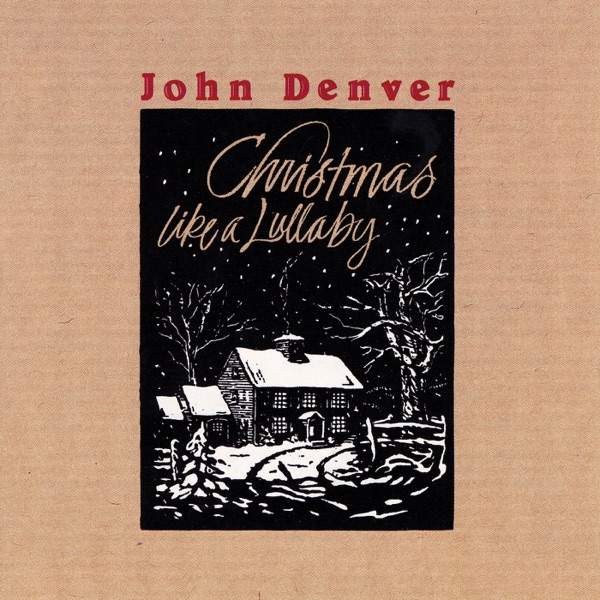
Christmas Like a Lullaby
1990 · 13 tracks
- 1 Christmas Like a Lullaby ↗ 3:52
- 2 The First Noel ↗ 2:15
- 3 Away In a Manger ↗ 2:35
- 4 The Children of Bethlehem ↗ 3:30
- 5 Jingle Bells ↗ 2:42
- 6 White Christmas ↗ 2:36
- 7 Marvelous Toy ↗ 2:50
- 8 Blue Christmas ↗ 3:24
- 9 Rudolph the Red Nosed Reindeer ↗ 3:12
- 10 Little Drummer Boy ↗ 3:20
- 11 Mary's Little Boy Child ↗ 3:20
- 12 The Christmas Song (Chestnuts Roasting on an Open Fire) ↗ 4:05
- 13 Have Yourself a Merry Little Christmas ↗ 2:13

Earth Songs
1990 · 14 tracks
- 1 Windsong (1990 Re-Recording) ↗ 3:59
- 2 Rocky Mountain Suite (Cold Nights In Canada) [1990 Re-Recording] ↗ 3:28
- 3 Rocky Mountain High (1990 Re-Recording) ↗ 4:11
- 4 Sunshine On My Shoulders (1990 Re-Recording) ↗ 5:06
- 5 The Eagle and the Hawk (1990 Re-Recording) ↗ 2:16
- 6 Eclipse (1990 Re-Recording) ↗ 4:33
- 7 The Flower That Shattered the Stone ↗ 2:54
- 8 Raven's Child ↗ 4:14
- 9 Children of the Universe (1990 Re-Recording) ↗ 3:45
- 10 To the Wild Country (1990 Re-Recording) ↗ 4:15
- 11 American Child (1990 Re-Recording) ↗ 2:52
- 12 Calypso (1990 Re-Recording) ↗ 3:49
- 13 Islands (1990 Re-Recording) ↗ 4:10
- 14 Earth Day Every Day (Celebrate) ↗ 4:34


All Aboard!
1997 · 15 tracks
- 1 Jenny Dreamed of Trains ↗ 4:36
- 2 Freight Train Boogie/Choo Choo Ch'Boogie ↗ 2:43
- 3 Steel Rails ↗ 2:15
- 4 Waiting For a Train ↗ 2:38
- 5 I've Been Working on the Railroad ↗ 1:04
- 6 On the Atchison, Topeka and the Santa Fe ↗ 2:09
- 7 Old Train ↗ 2:16
- 8 Daddy, What's a Train? ↗ 3:11
- 9 The Little Engine That Could ↗ 2:35
- 10 Last Train Done Gone Down ↗ 2:54
- 11 Last Hobo ↗ 3:20
- 12 People Get Ready ↗ 2:32
- 13 Lining Track ↗ 1:37
- 14 City of New Orleans ↗ 4:13
- 15 Jessie Dreamed of Trains ↗ 1:54
-
 John Denver SingsJohn Denver196613 tracks
 -
 Rhymes & ReasonsJohn Denver196914 tracks
 -
 Take Me to TomorrowJohn Denver197011 tracks
 -
 Whose Garden Was ThisJohn Denver197011 tracks
 -
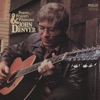 Poems, Prayers & PromisesJohn Denver197112 tracks
 -
 AerieJohn Denver197112 tracks
 -
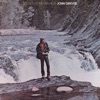 Rocky Mountain HighJohn Denver197212 tracks
 -
 Farewell AndromedaJohn Denver197311 tracks
 -
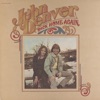 Back Home AgainJohn Denver197414 tracks
 -
 WindsongJohn Denver197512 tracks
 -
 Rocky Mountain ChristmasJohn Denver197512 tracks
 -
 SpiritJohn Denver197612 tracks
 -
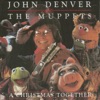 A Christmas TogetherJohn Denver197913 tracks
 -
 John DenverJohn Denver197911 tracks
 -
 AutographJohn Denver198011 tracks
 -
 Some Days Are DiamondsJohn Denver198110 tracks
 -
 Seasons of the HeartJohn Denver198211 tracks
 -
 It's About TimeJohn Denver198310 tracks
 -
 Dreamland ExpressJohn Denver198511 tracks
 -
 One WorldJohn Denver198611 tracks
 -
 I Want to LiveJohn Denver198711 tracks
 -
 Higher GroundJohn Denver198812 tracks
 -
 The Flower That Shattered the StoneJohn Denver199012 tracks
 -
 Christmas Like a LullabyJohn Denver199013 tracks
 -
 Earth SongsJohn Denver199014 tracks
 -
 Different DirectionsJohn Denver19919 tracks
 -
 All Aboard!John Denver199715 tracks
Deep Dive
Overview
John Denver, born Henry John Deutschendorf Jr., stands as one of the most recognizable acoustic artists to emerge from the American folk-rock tradition. Active from 1966 until his death in 1997, Denver became one of the 1970s’ best-selling artists and one of the era’s most beloved entertainers. His catalog blended folk-pop sensibilities with country and traditional folk music elements, creating a sound that transcended genre boundaries and appealed to a remarkably broad audience across multiple decades.
Formation Story
Denver’s path to music began in the 1960s amid the broader folk-rock movement reshaping American popular music. He emerged from the folk-music tradition but brought a distinctly accessible, melodic sensibility that distinguished his work from the more electric experimentalism occurring elsewhere. His early recordings—beginning with John Denver Sings in 1966 and followed by Rhymes & Reasons in 1969—established the foundational approach he would refine throughout his career: intimate acoustic arrangements, clear tenor vocals, and songwriting rooted in storytelling and personal reflection rather than protest or avant-garde provocation.
Breakthrough Moment
Denver’s transition from promising folk artist to major commercial force crystallized in 1971 with the release of Poems, Prayers & Promises. The album’s success marked a decisive shift in his career trajectory, establishing him as a crossover artist capable of reaching both folk-music enthusiasts and mainstream pop audiences. Building on this momentum, Rocky Mountain High arrived in 1972 and solidified his position as a major recording artist. These albums demonstrated that acoustic folk-rock could achieve both critical respect and massive commercial success, a formula Denver would continue to exploit across the 1970s with Back Home Again (1974) and Windsong (1975).
Peak Era
Denver’s commercial and creative zenith extended from 1971 through the mid-1970s, encompassing the release of Poems, Prayers & Promises, Aerie (1971), Rocky Mountain High (1972), Back Home Again (1974), and Windsong (1975). During this period, he refined a songwriting approach centered on themes of nature, home, family, and personal introspection. His records sold in quantities few acoustic artists had achieved, and his ability to balance commercial appeal with genuine musical substance made him a fixture in both AM radio and album-oriented rock radio formats. This era established Denver as more than a novelty artist—he had become a genuinely significant figure in 1970s popular music.
Musical Style
John Denver’s musical identity rested on acoustic guitar as his primary instrument and his unusually clear, untrained-sounding tenor voice as his signature vocal instrument. His approach derived from folk and country traditions but occupied a more pop-accessible position than either parent genre alone. The songs typically featured straightforward melodic hooks, relatively simple chord progressions, and lyrics that emphasized accessibility and emotional directness over literary complexity or irony. His record labels—including RCA, Windstar Records, and Mercury Records—packaged him for mass consumption, yet the essential DNA of his work remained rooted in folk music’s storytelling traditions. His production aesthetic favored clean, uncluttered arrangements that allowed the guitar and voice to dominate, though he incorporated orchestral and ensemble elements on many later recordings. Thematically, Denver gravitated toward nature imagery, celebrations of landscape and geography, and meditations on domestic life and relationships. This combination of musical simplicity and thematic earnestness created an aesthetic distinct from both the ironic detachment of rock artists and the production-heavy opulence of mainstream pop, carving out a unique niche in 1970s popular music.
Major Albums
Poems, Prayers & Promises (1971)
Denver’s breakthrough album introduced his signature blend of acoustic folk-rock and pop sensibility to a mass audience, establishing the thematic and sonic template he would refine for the remainder of the decade.
Rocky Mountain High (1972)
This release showcased Denver at peak commercial confidence, with polished production that maintained acoustic intimacy while expanding his sonic palette and solidifying his status as a major recording artist.
Back Home Again (1974)
Denver continued his commercial dominance with an album that exemplified his mature approach to songwriting and arrangement, balancing introspection with accessibility.
Windsong (1975)
This record represented Denver’s artistic achievements during his peak commercial period, demonstrating his consistency in producing engaging acoustic material.
Perhaps Love (1981)
A collaboration album that showed Denver’s versatility and willingness to explore new musical territories while maintaining his fundamental artistic identity.
One World (1986)
Late-career effort that reflected Denver’s continued recording activity and his ability to sustain a career across multiple decades of shifting popular music tastes.
Signature Songs
- A driving force in acoustic folk-rock that defined 1970s singer-songwriter culture through accessible, melodic material rooted in folk traditions.
- Known for consistently clear vocal delivery and emphasis on guitar-based arrangements in an era of increasing production complexity.
- Achieved mainstream commercial success unusual for acoustic folk-rock artists, demonstrating that the genre could reach beyond collegiate and bohemian audiences.
- Produced a catalog spanning three decades, from his mid-1960s beginnings through 1997, showing remarkable longevity in a volatile popular music landscape.
Influence on Rock
John Denver’s primary influence lay in demonstrating that folk-rock could achieve massive popular success without compromising acoustic authenticity or lyrical directness. His ability to sell millions of records while maintaining guitar-based arrangements and folk-music roots opened pathways for subsequent generations of acoustic singer-songwriters. While his aesthetic stood apart from the guitar virtuosity of rock music proper, his commercial success validated folk-pop as a viable mainstream format and proved that audiences remained receptive to acoustic music alongside rock’s electric innovations. His work established a template for accessible folk-rock that influenced how record labels approached artist development in these genres throughout subsequent decades.
Legacy
John Denver remains one of the 1970s’ defining popular artists, a figure whose commercial success and critical respect coexist in rare balance. His death in 1997 marked the end of an active career spanning over three decades. The breadth of his catalog—including studio albums, Christmas recordings, and multiple projects across different labels—demonstrates sustained creative engagement across an unusually long recording career. Denver’s ability to maintain relevance across changing musical fashions, from the early 1970s folk-rock dominance through the 1980s and 1990s, speaks to the fundamental appeal of his musical approach and the durability of his compositional voice. His recordings continue to circulate widely on streaming platforms and represent a significant portion of 1970s acoustic-music listening.
Fun Facts
- Denver maintained his own record label, Windstar Records, underscoring his independence and continued artistic control throughout his later career.
- His recording career produced albums across multiple genre-specific categories, including Christmas records—Rocky Mountain Christmas (1975) and A Christmas Together (1979)—that demonstrated the commercial breadth of his appeal.
- The span between his earliest studio work and his final released album—All Aboard! in 1997—represented thirty-one years of continuous recording activity.
- Denver’s catalog encompassed both self-titled recordings and concept albums such as Farewell Andromeda (1973), showing willingness to experiment with thematic album structures alongside his more straightforward song collections.