
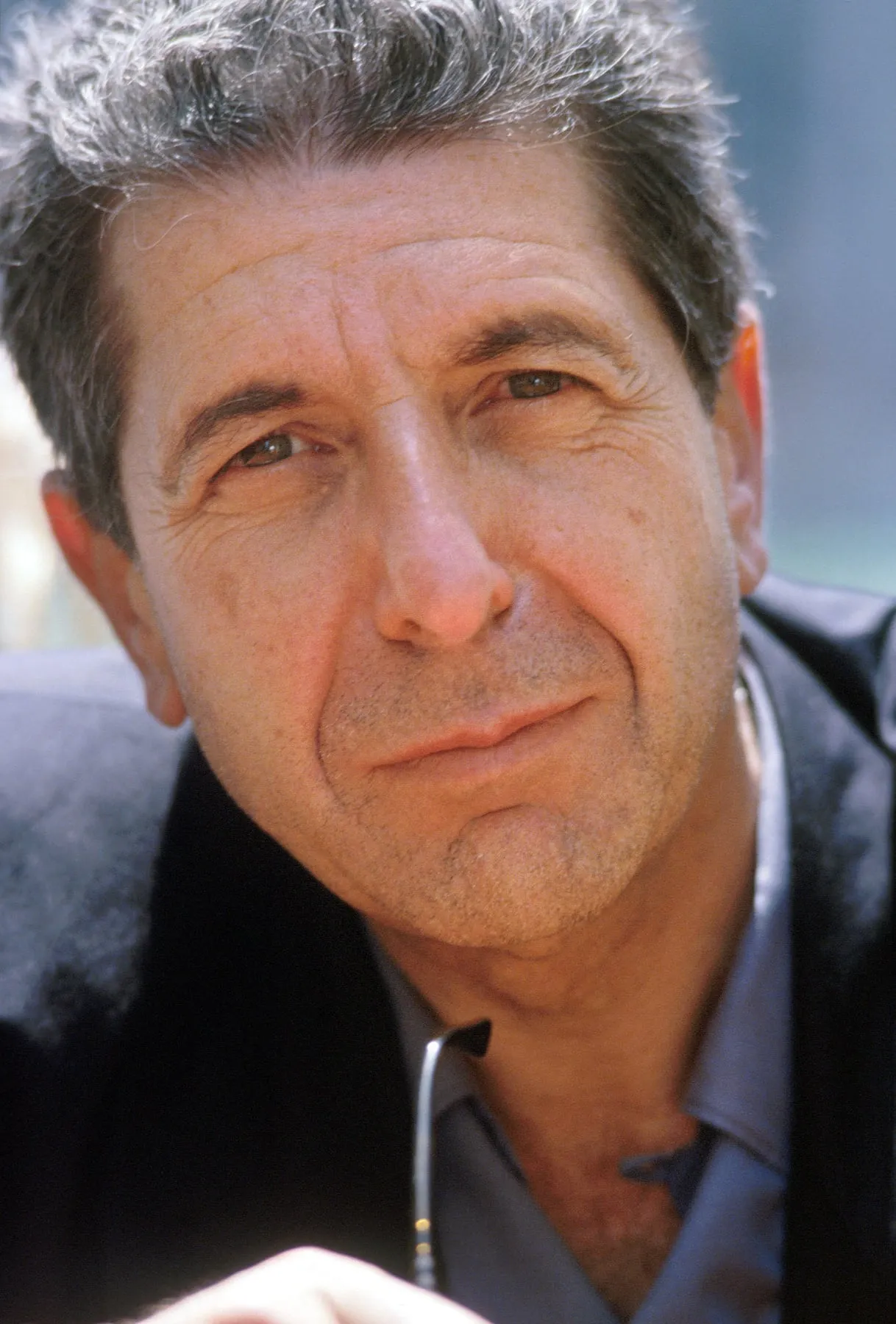
Photo by Gorupdebesanez , licensed under CC BY-SA 3.0 · Wikimedia Commons
Rank #50
Leonard Cohen
From Wikipedia
Leonard Norman Cohen was a Canadian songwriter, singer, poet, and novelist. Themes commonly explored throughout his work include faith and mortality, isolation and depression, betrayal and redemption, social and political conflict, sexual and romantic love, desire, regret, and loss. He was inducted into the Canadian Music Hall of Fame, the Canadian Songwriters Hall of Fame, and the Rock and Roll Hall of Fame. He was invested as a Companion of the Order of Canada, the nation's highest civilian honour. In 2011, he received one of the Prince of Asturias Awards for literature and the ninth Glenn Gould Prize. In 2023, Rolling Stone named Cohen the 103rd-greatest singer of all time.
Discography & Previews
Browse through and click an album to open and play 30-second previews streamed from Apple Music.

Songs of Leonard Cohen
1967 · 10 tracks

Songs From a Room
1969 · 10 tracks


New Skin for the Old Ceremony
1974 · 11 tracks
- 1 Is This What You Wanted ↗ 4:19
- 2 Chelsea Hotel #2 ↗ 3:09
- 3 Lover Lover Lover ↗ 3:24
- 4 Field Commander Cohen ↗ 4:04
- 5 Why Don't You Try ↗ 3:55
- 6 There Is a War ↗ 3:05
- 7 A Singer Must Die ↗ 3:22
- 8 I Tried to Leave You ↗ 2:43
- 9 Who By Fire ↗ 2:37
- 10 Take This Longing ↗ 4:11
- 11 Leaving Green Sleeves ↗ 2:39

Recent Songs
1979 · 10 tracks


Ten New Songs
2001 · 10 tracks
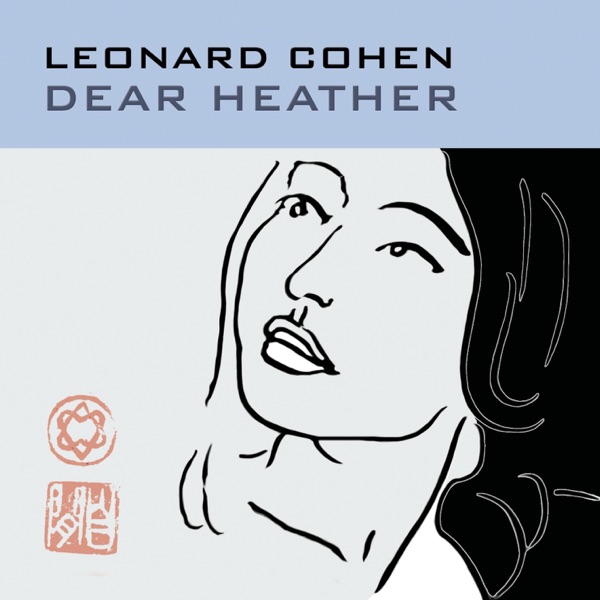
Dear Heather
2004 · 13 tracks
- 1 Go No More A-Roving ↗ 3:41
- 2 Because Of ↗ 3:01
- 3 The Letters ↗ 4:45
- 4 Undertow ↗ 4:20
- 5 Morning Glory ↗ 3:29
- 6 On That Day ↗ 2:05
- 7 Villanelle For Our Time ↗ 5:56
- 8 There For You ↗ 4:37
- 9 Dear Heather ↗ 3:41
- 10 Nightingale ↗ 2:28
- 11 To A Teacher ↗ 2:33
- 12 The Faith ↗ 4:17
- 13 Tennessee Waltz (live version) ↗ 4:04


-
 Songs of Leonard CohenLeonard Cohen196710 tracks
 -
 Songs From a RoomLeonard Cohen196910 tracks
 -
 Songs of Love and HateLeonard Cohen19718 tracks
 -
 New Skin for the Old CeremonyLeonard Cohen197411 tracks
 -
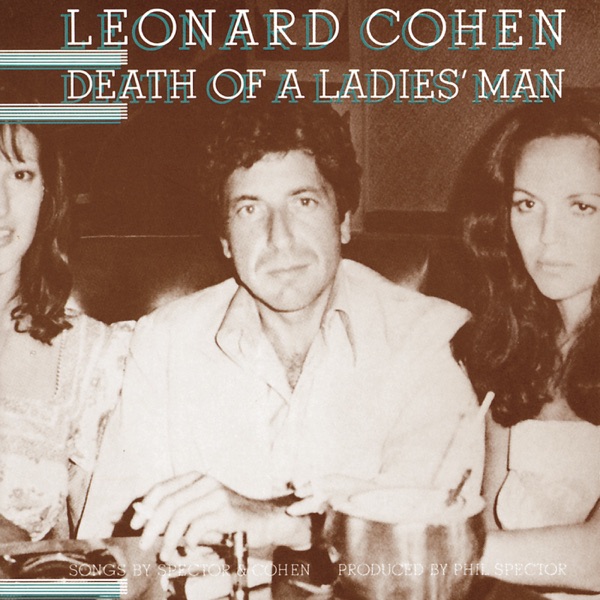
 Death of a Ladies’ ManLeonard Cohen19778 tracks
 -
 Recent SongsLeonard Cohen197910 tracks
 -
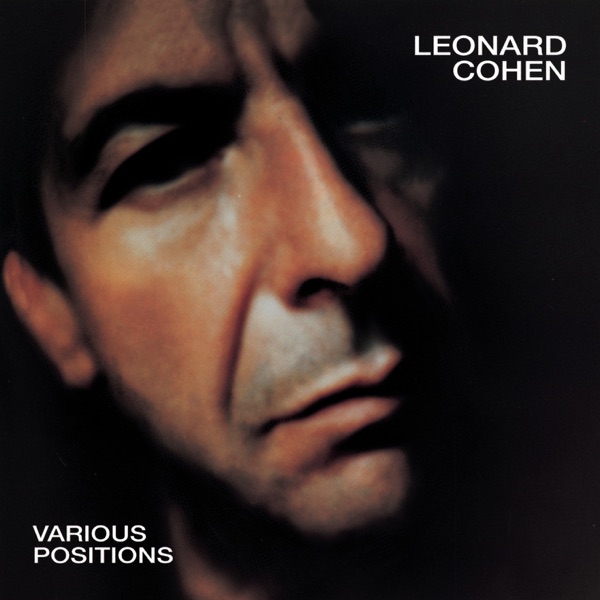
 Various PositionsLeonard Cohen19849 tracks
 -
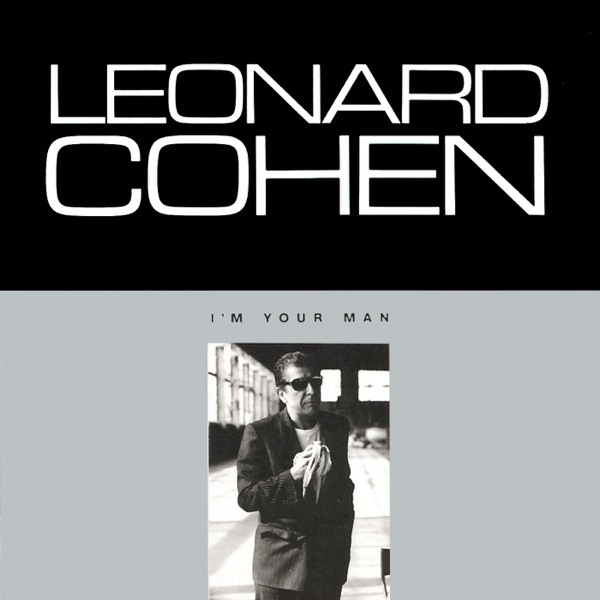
 I’m Your ManLeonard Cohen19888 tracks
 -
 The FutureLeonard Cohen19929 tracks
 -
 Ten New SongsLeonard Cohen200110 tracks
 -
 Dear HeatherLeonard Cohen200413 tracks
 -
 Old IdeasLeonard Cohen201210 tracks
 -
 Popular ProblemsLeonard Cohen20149 tracks
 -
 You Want It DarkerLeonard Cohen20169 tracks
 -
 Thanks for the DanceLeonard Cohen20199 tracks
Deep Dive
Overview
Leonard Cohen (1934–2016) was a Canadian songwriter, singer, poet, and novelist who bridged folk tradition, popular song, and literary sophistication in ways that few artists in rock history have managed. Working across five decades—from his debut in 1967 to posthumous releases in 2019—Cohen created a body of work defined by unflinching examinations of faith, mortality, desire, loss, and redemption. His influence reaches far beyond rock and folk circles into spoken word, electronic music, and popular culture more broadly. He was inducted into the Rock and Roll Hall of Fame, the Canadian Music Hall of Fame, and the Canadian Songwriters Hall of Fame, and was invested as a Companion of the Order of Canada, the nation’s highest civilian honor.
Formation Story
Cohen’s path to music was unconventional. Born and raised in Montreal, Quebec, he first established himself as a poet and novelist before turning to songwriting as his primary creative outlet. His early work was rooted in Canadian literary circles and Jewish cultural tradition, but as the 1960s unfolded and folk-music revival swept North America, Cohen found in the acoustic guitar and the singer-songwriter format a vehicle for the introspective, myth-laden verse he had been developing in print. Unlike many folk musicians of the era who came from working-class or rural backgrounds, Cohen arrived at rock and folk music as a university-educated writer already fluent in modernist poetics, religious philosophy, and narrative complexity. This literary foundation would define everything he recorded.
Breakthrough Moment
Cohen’s debut album, Songs of Leonard Cohen (1967), introduced a fully formed artistic vision. The record’s sparse arrangements—mostly Cohen’s own guitar, spare strings, and his distinctive baritone—set him apart from both the psychedelic rock of the moment and the commercial folk-pop that dominated radio. The album’s mixture of erotic imagery, spiritual questioning, and formal songcraft attracted immediate critical attention and a devoted audience, even though commercial success came more slowly. His second record, Songs From a Room (1969), deepened this recognition and cemented his reputation as a songwriter of unusual literary weight. By the early 1970s, Cohen had moved beyond cult status to become a recognized figure in both music and letters.
Peak Era
The period from 1971 to 1977 saw Cohen at his most artistically ambitious. Songs of Love and Hate (1971) introduced harder, more distorted instrumentation alongside his traditional acoustic work, expanding the emotional and sonic palette he had established on his first two records. New Skin for the Old Ceremony (1974) continued this evolution, integrating orchestral arrangements and exploring production techniques that contemporary artists like David Bowie and Lou Reed were investigating. Death of a Ladies’ Man (1977), produced by Phil Spector, represented an unexpected pivot toward dense, dramatic arrangements, though it was a commercial disappointment. Despite the commercial ups and downs, these years established Cohen as a serious artist uninterested in repeating formulas or chasing trends—a position that would define his entire career.
Musical Style
Cohen’s sound was built on his voice—a low, spoken baritone that operated somewhere between singing and recitation—and lyrics of dense, image-driven poetry that often challenged conventional song structure. Early albums featured minimal instrumentation: Cohen’s own fingerpicked guitar, occasionally joined by sparse strings, creating an aesthetic of deliberate restraint that foregrounded lyrical content. Over time, especially from the 1970s onward, his arrangements grew more elaborate, incorporating orchestration, electronic elements, and production techniques borrowed from contemporary popular and experimental music. His harmonic language, while often simple, was deployed for emotional effect rather than technical display. Thematically, his songs consistently mined the intersection of sacred and profane, exploring desire, faith, betrayal, and loss in language that echoed both biblical tradition and twentieth-century modernist literature. His approach to melody was conversational and naturalistic, designed to serve the words rather than overshadow them.
Major Albums
Songs of Leonard Cohen (1967)
Cohen’s debut established the template for his later work: spare acoustic arrangements, literary sophistication, and exploration of erotic and spiritual themes that had no clear parallel in popular music at the time.
Songs From a Room (1969)
The second album deepened his artistic vision while maintaining the restraint and clarity of the debut, confirming that his first record was not a one-off but the foundation of a sustained practice.
New Skin for the Old Ceremony (1974)
This record introduced fuller orchestration and more complex production while retaining Cohen’s lyrical density, showing his willingness to expand sonically without compromising artistic integrity.
I’m Your Man (1988)
After a decade of relative commercial invisibility, Cohen returned with synthesizers, drum machines, and a more contemporary production sound, reaching a broader audience while maintaining his core artistic identity.
The Future (1992)
Cohens’ darkest and most politically engaged work, exploring themes of apocalypse, social collapse, and spiritual exhaustion with unprecedented bluntness and sonic ambition.
You Want It Darker (2016)
Released just weeks before Cohen’s death, this album served as a final artistic statement, revisiting his major themes with the wisdom and acceptance of a man confronting mortality.
Signature Songs
- “Suzanne” — A narrative song of ambiguous spiritual and romantic longing that became one of Cohen’s most recorded and reinterpreted works.
- “So Long, Marianne” — A meditation on lost love that balances intimate detail with universal themes of separation and change.
- “Bird on a Wire” — A confession of failure and resilience that became anthemic for audiences across generations.
- “Chelsea Hotel #2” — A detailed, explicit account of a past love affair that exemplified Cohen’s refusal to sentimentalize romantic memory.
- “Hallelujah” — A song about desire, faith, and the inadequacy of language that became Cohen’s most covered composition and entered global popular culture.
- “In My Secret Life” — A meditation on hidden identity and spiritual contradiction that appeared late in Cohen’s catalog but expressed themes central to his entire work.
Influence on Rock
Cohen fundamentally altered what was possible in rock and popular song by proving that intellectual rigor, literary complexity, and emotional vulnerability could coexist with commercial and artistic legitimacy. His insistence on treating the song as a form capable of expressing philosophical and theological ideas—not just romantic sentiment or social commentary—opened pathways for artists working in folk, art-rock, indie, and experimental music. His specific influence is traceable through numerous singer-songwriters of the 1970s onward, and his work proved generative for musicians across genres, from rock to electronic music to hip-hop. His uncompromising approach to artistic integrity, his refusal to court fashion, and his ability to evolve sonically while maintaining a coherent vision established a template for longevity in popular music that transcends genre.
Legacy
Leonard Cohen died on November 7, 2016, leaving behind a catalog of studio albums, numerous live recordings, and a body of literary work that continues to influence writers and musicians worldwide. Posthumous releases including Thanks for the Dance (2019) and Songs From The Old World (2019) extended his presence, allowing new audiences to encounter his work and established listeners to revisit it. Rolling Stone’s 2023 ranking of Cohen as the 103rd-greatest singer of all time reflects his secure position in rock history, though such rankings capture only a fraction of his cultural footprint. His songs have been recorded by artists across rock, jazz, country, and electronic music, and “Hallelujah” alone has become a standard, covered by hundreds of performers. The breadth of his influence—extending into contemporary indie rock, art-rock, and singer-songwriter traditions—testifies to the durability of his artistic vision and the inexhaustibility of his lyrics.
Fun Facts
- Cohen spent years in Buddhist monasteries and maintained a serious contemplative practice throughout his life, which directly influenced the spiritual themes woven through his songwriting.
- Phil Spector’s 1977 production of Death of a Ladies’ Man resulted in an unusually dense, dramatic sound that Cohen initially resisted but later accepted as a legitimate artistic statement from his collaborator.
- “Hallelujah,” first recorded for the 1984 album Various Positions, remained relatively obscure until the 1990s, when it began appearing in films and television and eventually became a global pop standard covered by artists from Jeff Buckley to Shrek.
- Cohen’s final studio album, You Want It Darker, was released on October 21, 2016, just seventeen days before his death on November 7, allowing him to deliver a final artistic statement contemporaneous with his passing.