
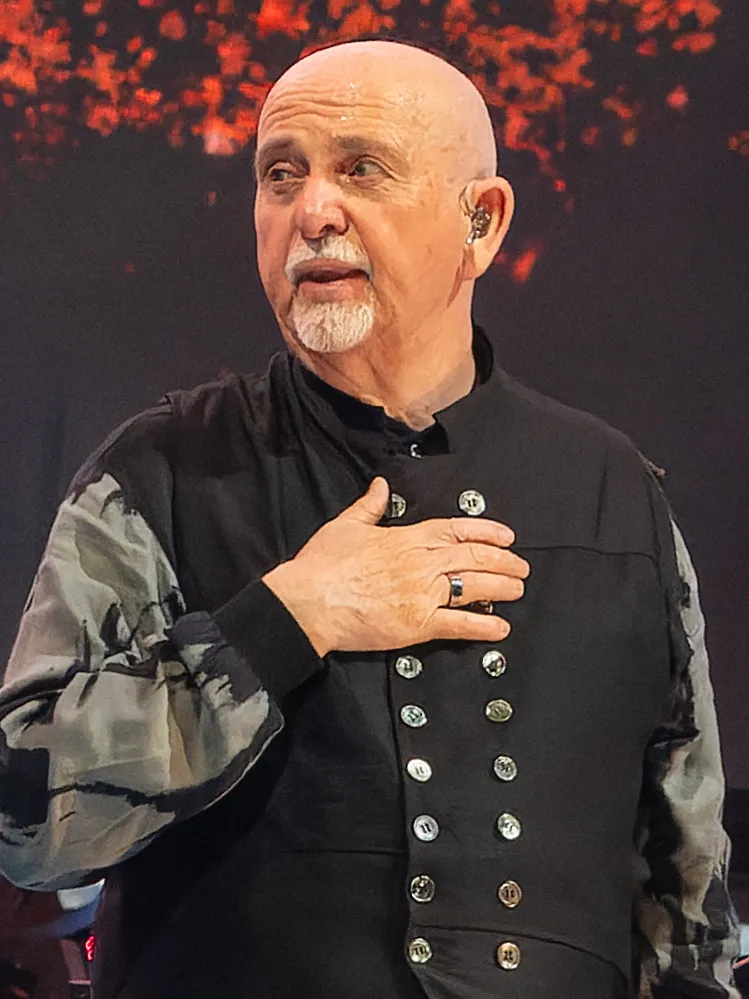
Photo by Raph_PH , licensed under CC BY 2.0 · Wikimedia Commons
Rank #96
Peter Gabriel
From Wikipedia
Peter Brian Gabriel is an English singer, songwriter, musician, and human rights activist. He came to prominence as the original frontman of the rock band Genesis. He left the band in 1975 and launched his solo career with a hit debut single entitled "Solsbury Hill". After Gabriel released four successful studio albums, his fifth studio album, So (1986), became his best-selling release; it is certified triple platinum in the UK and five times platinum in the US. The album's most successful single, "Sledgehammer", won a record nine MTV Awards at the 1987 MTV Video Music Awards. A 2011 Time report said "Sledgehammer" was the most played music video of all time on MTV.
Discography & Previews
Browse through and click an album to open and play 30-second previews streamed from Apple Music.



Scratch My Back
2010 · 12 tracks
- 1 Heroes ↗ 4:09
- 2 The Boy In the Bubble ↗ 4:25
- 3 Mirrorball ↗ 4:48
- 4 Flume ↗ 3:01
- 5 Listening Wind ↗ 4:23
- 6 The Power of the Heart ↗ 5:52
- 7 My Body Is a Cage ↗ 6:13
- 8 The Book of Love ↗ 3:53
- 9 I Think It's Going to Rain Today ↗ 2:34
- 10 Après Moi ↗ 5:13
- 11 Philadelphia ↗ 3:46
- 12 Street Spirit (Fade Out) ↗ 5:06
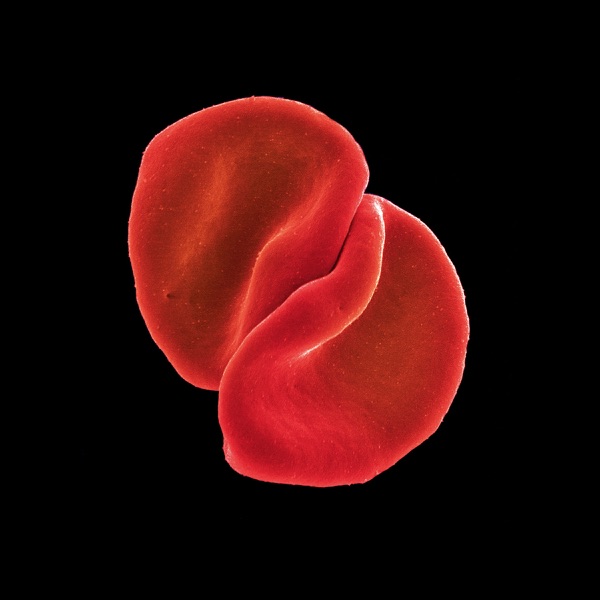
New Blood
2011 · 15 tracks
- 1 The Rhythm of the Heat (New Blood Version) ↗ 5:41
- 2 Downside-Up (feat. Melanie Gabriel) [New Blood Version] ↗ 3:52
- 3 San Jacinto (New Blood Version) ↗ 6:59
- 4 Intruder (New Blood Version) ↗ 5:08
- 5 Wallflower (New Blood Version) ↗ 6:26
- 6 In Your Eyes (New Blood Version) ↗ 7:13
- 7 Mercy Street (New Blood Version) ↗ 6:00
- 8 Red Rain (New Blood Version) ↗ 5:16
- 9 Darkness (New Blood Version) ↗ 6:11
- 10 Don't Give Up (feat. Ane Brun) [New Blood Version] ↗ 6:40
- 11 Digging In the Dirt (New Blood Version) ↗ 4:58
- 12 The Nest That Sailed the Sky (New Blood Version) ↗ 3:54
- 13 A Quiet Moment (New Blood Version) ↗ 4:48
- 14 Solsbury Hill (New Blood Version) ↗ 4:37
- 15 Signal to Noise (New Blood Version) ↗ 7:41
-
 Peter GabrielPeter Gabriel19779 tracks
 -
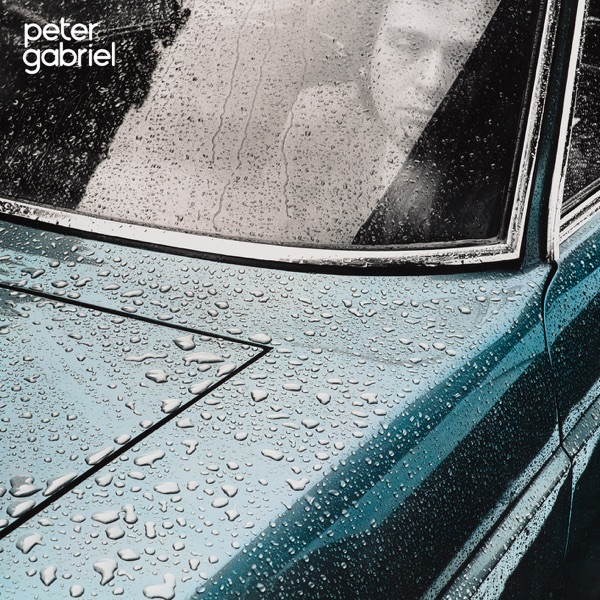
 Peter GabrielPeter Gabriel197811 tracks
 -
 Peter GabrielPeter Gabriel198010 tracks
 -
 Peter GabrielPeter Gabriel19828 tracks
 -
 SoPeter Gabriel19869 tracks
 -
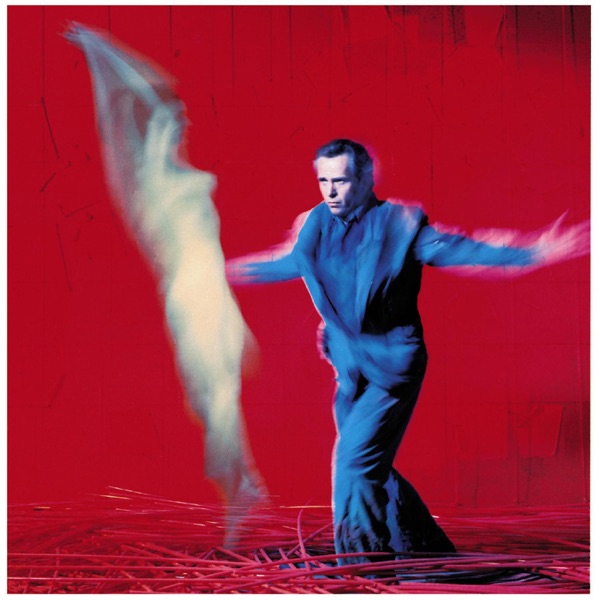
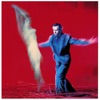 UsPeter Gabriel199210 tracks
 -
 UpPeter Gabriel200210 tracks
 -
 Scratch My BackPeter Gabriel201012 tracks
 -
 New BloodPeter Gabriel201115 tracks
Deep Dive
Overview
Peter Gabriel is a British singer, songwriter, and musician who emerged as a defining figure in rock music through his tenure as the original frontman of Genesis before establishing himself as a commercially successful and artistically ambitious solo artist. Born in 1950, Gabriel shaped the sound of progressive rock in the 1970s and later became a major force in pop music during the 1980s and beyond. His solo career, which began in 1975, has spanned nearly five decades and produced some of rock’s most distinctive recordings, from the art-rock experimentation of his early solo work to the worldwide commercial breakthrough of So in 1986.
Formation Story
Peter Gabriel was born in the United Kingdom in 1950, coming of age during the rise of progressive rock and the countercultural ferment of the 1960s. After establishing himself as the vocalist and creative force behind Genesis—one of the era’s most ambitious and technically accomplished bands—Gabriel decided to pursue an independent musical path. In 1975, he made the decisive break from Genesis to launch a solo career, a move that would ultimately establish him as one of rock music’s most innovative and commercially successful artists outside of any traditional ensemble context.
Breakthrough Moment
Gabriel’s transition to solo work was announced with immediate commercial impact. His debut single, “Solsbury Hill,” became a hit upon release in 1977, introducing Gabriel to audiences beyond Genesis’s progressive-rock fanbase. The song’s success established him as a viable solo commercial entity and marked the beginning of a prolific recording period. Over the next decade, Gabriel released four successive studio albums—Peter Gabriel (1977), Peter Gabriel (1978), Peter Gabriel (1980), and Peter Gabriel (1982)—each building his reputation as an experimentalist willing to blend art-rock sensibilities with broader pop appeal.
Peak Era
Gabriel’s creative and commercial apex arrived with the release of So in 1986, an album that redefined his public profile and cemented his status as a major pop artist. So became his best-selling release and achieved unprecedented global success, certified triple platinum in the United Kingdom and five times platinum in the United States. The album’s lead single, “Sledgehammer,” became a phenomenon, winning a record nine MTV Awards at the 1987 MTV Video Music Awards and establishing itself as one of the most iconic music videos in the medium’s history. According to a 2011 Time report, “Sledgehammer” held the distinction of being the most played music video of all time on MTV. This period marked Gabriel’s transition from cult progressive-rock figure to mainstream international superstar, with So demonstrating that experimental production and ambitious arrangement could coexist with massive popular appeal.
Musical Style
Gabriel’s musical approach draws from progressive rock’s complexity and art rock’s conceptual ambition while incorporating elements of new wave, pop, and world music traditions. His solo work shifted progressively toward accessibility without abandoning innovation; where his Genesis material trafficked in extended instrumental passages and mythic storytelling, his solo albums blended those sensibilities with concise songwriting, strong rhythmic elements, and sophisticated production. The late 1970s and early 1980s saw him experiment with synthesizers, drum machines, and layered vocal overdubs, creating dense but focused arrangements. By the time of So, Gabriel had mastered the art of marrying world-music influences—particularly African and Latin percussion and instrumentation—with contemporary pop production techniques. His vocal delivery ranges from intimate and confessional to dramatically performative, often shifting within single songs to convey emotional complexity.
Major Albums
Peter Gabriel (1977)
Gabriel’s debut solo work introduced his post-Genesis aesthetic, balancing experimental production with accessible songwriting and establishing “Solsbury Hill” as an immediate calling card for his solo ambitions.
Peter Gabriel (1980)
The third album bearing his name showcased deepening production sophistication and a move toward more rhythmically driven arrangements, demonstrating his growing command of studio technology.
So (1986)
His fifth and best-selling studio album, So achieved triple-platinum status in the UK and five-times platinum in the US, driven by the global phenomenon “Sledgehammer” and representing Gabriel’s definitive mainstream breakthrough.
Us (1992)
Released six years after So, Us continued Gabriel’s exploration of intricate production and emotional specificity, maintaining his commercial prominence while sustaining artistic credibility.
Up (2002)
This album demonstrated Gabriel’s continued evolution as both a recording artist and conceptualist, arriving after a significant gap and reinforcing his status as an enduring creative force.
Scratch My Back (2010)
Gabriel’s later work maintained his commitment to innovation and the unexpected, showcasing his ability to sustain artistic relevance across multiple decades.
Signature Songs
- “Solsbury Hill” — The hit debut single that launched his solo career and remains his calling card, combining folk melody with new-wave production.
- “Sledgehammer” — The defining commercial success that dominated MTV and became one of popular music’s most iconic moments.
- “In Your Eyes” — A major hit from So that showcased Gabriel’s gift for emotional directness within sophisticated arrangements.
- “Don’t Give Up” — A deeply personal song demonstrating Gabriel’s skill at intimate lyrical vulnerability and vocal control.
- “Steam” — A sexually charged track from So that proved Gabriel could be provocative and playful within mainstream contexts.
Influence on Rock
Gabriel’s solo career extended progressive rock’s conceptual ambitions into the pop mainstream at a time when the genre was widely dismissed as over-indulgent. His willingness to embrace world-music traditions and non-Western instrumentation helped legitimize global sonic influences within rock and pop contexts, paving the way for subsequent artists to draw from diverse cultural sources. The production sophistication and music-video ambition he pioneered with So established new standards for how pop artists could operate at the intersection of art and commerce. His example demonstrated that artists could transition from cult prog-rock contexts to mainstream international success without surrendering artistic integrity or experimental instincts.
Legacy
Peter Gabriel remains one of rock music’s most respected figures, with a career spanning nearly five decades and multiple phases of creative and commercial achievement. The continued streaming and cultural circulation of So and “Sledgehammer” testifies to the album’s enduring reach and influence. Beyond music, Gabriel has established himself as a human rights activist, using his platform and resources to advocate for social justice causes, adding another dimension to his cultural legacy. His ability to sustain both artistic relevance and commercial viability across changing musical landscapes—from the art-rock movements of the 1970s through the synth-pop and digital eras—marks him as one of rock’s most durable and intellectually engaged performers.
Fun Facts
- Gabriel founded Real World Records, an independent label dedicated to releasing world music and experimental recordings, reflecting his commitment to cultural exchange and musical innovation beyond his own releases.
- His 1987 MTV Video Music Awards sweep for “Sledgehammer,” winning nine awards, remains one of the most dominant performances by a single artist in that ceremony’s history.
- Gabriel has maintained an active recording and touring presence well into the 2020s, with the release of i/o in 2023 proving his continued creative engagement decades after his commercial breakthrough.