
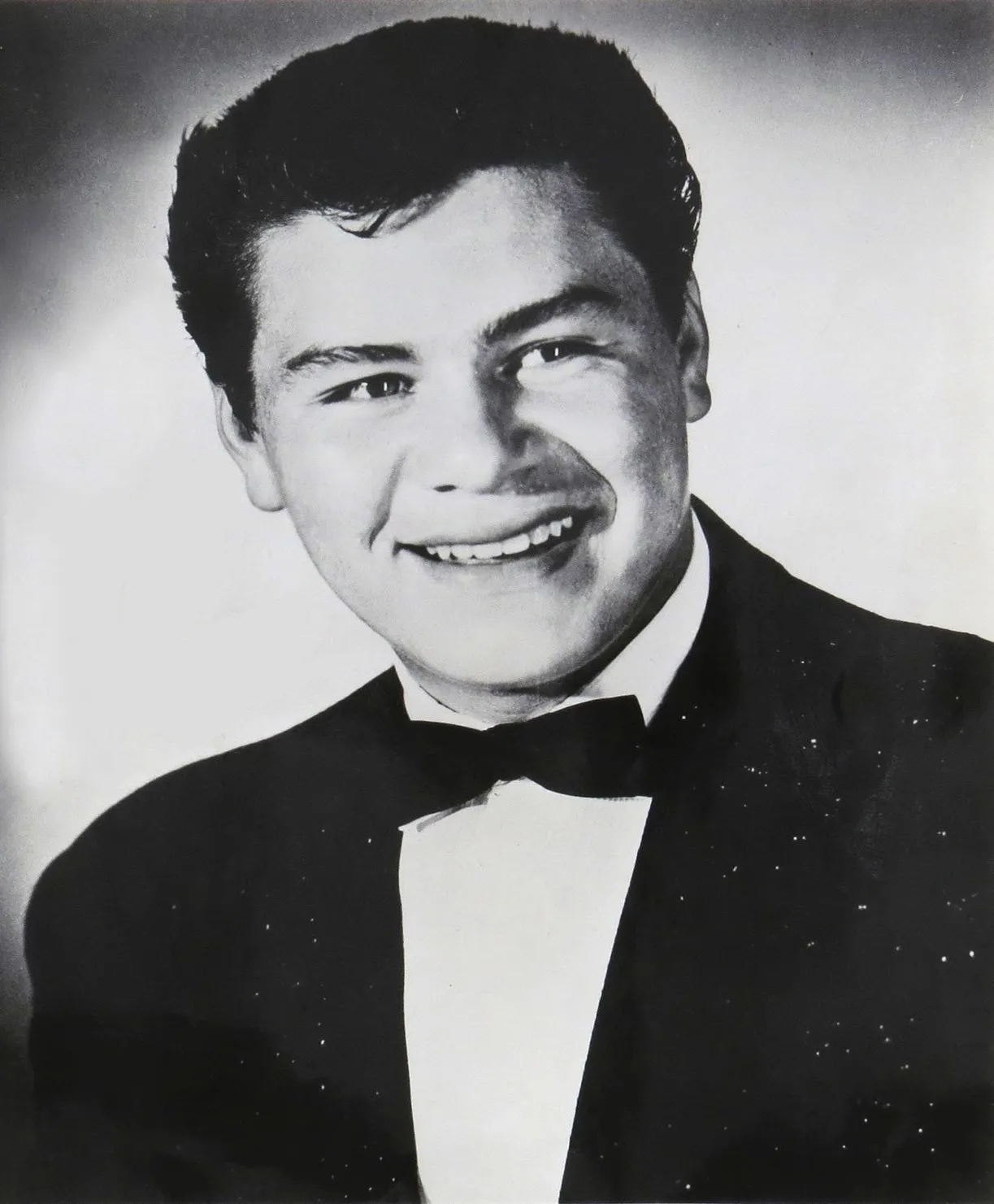
Photo by Distributed by General Artists Corportation , licensed under Public domain · Wikimedia Commons
Rank #325
Ritchie Valens
From Wikipedia
Richard Steven Valenzuela, better known by his stage name Ritchie Valens, was an American guitarist, singer and songwriter. A rock and roll pioneer and a forefather of the Chicano rock movement, Valens died in a plane crash just eight months after his breakthrough.
Discography & Previews
Browse through and click an album to open and play 30-second previews streamed from Apple Music.

Ritchie Valens
1959 · 12 tracks
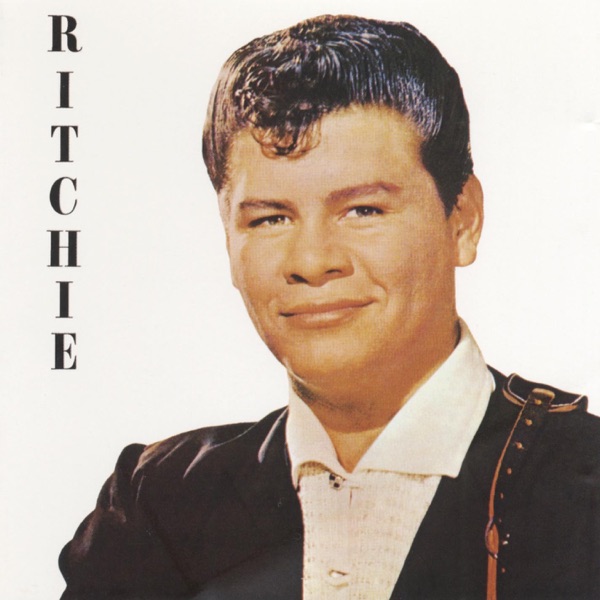
Ritchie
1959 · 11 tracks
-
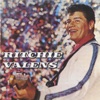 Ritchie ValensRitchie Valens195912 tracks
 -
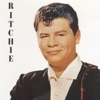 RitchieRitchie Valens195911 tracks
 -
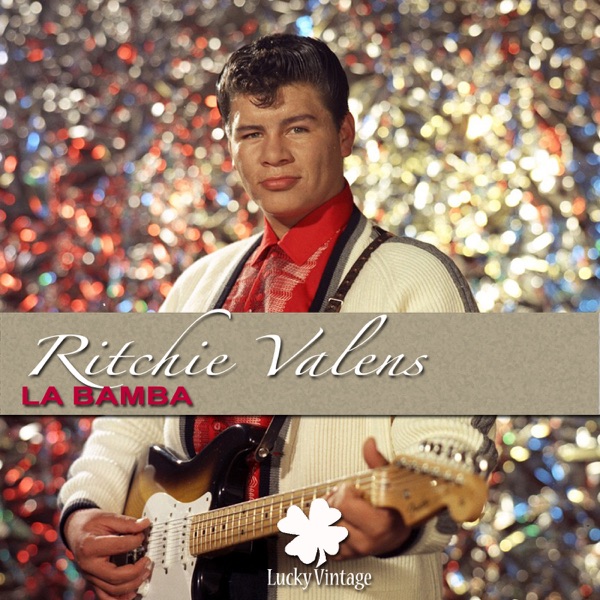
 La BambaRitchie Valens20101 track
 -
 Ritchie ValensRitchie Valens20135 tracks
Deep Dive
Overview
Ritchie Valens was an American rock and roll pioneer whose eight-month recording career left an outsized mark on popular music and helped establish the Chicano rock movement. Born Richard Steven Valenzuela, Valens burst onto the scene in 1959 with infectious, guitar-driven rock songs that bridged Latin rhythms and American rock and roll. Though his life was cut tragically short by a plane crash in February 1959, his recordings and pioneering presence continue to define an essential chapter in rock’s foundational era.
Formation Story
Ritchie Valens emerged from the post-war American music landscape, a period when rock and roll was still young and regional scenes were producing the idiom’s earliest stars. Growing up in a Mexican-American household, Valens brought his cultural heritage directly into his music—a rare and significant move at a time when rock and roll was largely dominated by white artists, and when assimilation pressures ran high. His decision to incorporate Latin rhythms and instruments into the rock and roll template was not merely a musical choice; it was a statement of identity and representation. He signed with Del-Fi Records, a Los Angeles-based independent label, in 1958, positioning himself in the vibrant Southern California music scene where early rock, rhythm and blues, and Latin influences collided.
Breakthrough Moment
Valens’ breakthrough came swiftly and dramatically. His debut single, released in 1959, featured the song “La Bamba”—a reworking of a Mexican folk standard into an urgent, electrified rock number. The track became an immediate hit, establishing Valens as a crossover phenomenon and demonstrating that rock and roll could authentically incorporate non-English language material and Latin sensibilities without dilution. The success of “La Bamba” opened doors across mainstream radio and television, introducing national audiences to an artist who represented a new possibility in rock music. Within months, Valens released his debut studio album, Ritchie Valens, in 1959, capturing the momentum of his initial commercial success and solidifying his arrival as a legitimate recording artist.
Peak Era
Valens’ peak era, brief as it was, occurred in the final months of 1958 and early 1959. During this concentrated window, he released two studio albums—Ritchie Valens and Ritchie, both issued in 1959—while simultaneously gaining traction on radio, in concert venues, and on television variety shows. The combination of his distinctive guitar work, youthful charisma, and the cultural novelty of a Chicano rock and roller meant that he was actively building momentum toward what could have been a sustained career. On February 3, 1959, Valens died in a small-plane crash near Clear Lake, Iowa, alongside musicians Buddy Holly and The Big Bopper J. P. Richardson. The tragedy, later commemorated as “The Day the Music Died” in Don McLean’s 1971 song, abruptly ended his career at age seventeen.
Musical Style
Valens’ sound combined the energy and electric guitar of American rock and roll with the rhythmic and melodic signatures of Latin music. His guitar playing was both rhythmically propulsive and melodically inventive, driving songs forward with a clarity and precision that made them instantly memorable. On recordings like “La Bamba,” he layered Latin percussion and the mambo rhythm over amplified guitar and rock and roll vocal delivery, creating a fusion that felt natural rather than gimmicky. His vocal approach was direct and youthful, without excessive ornament; the songs themselves carried the weight. Valens worked within the three-minute, single-oriented framework of late-1950s rock and roll, crafting compact, radio-friendly tracks that nonetheless possessed distinctive character. The incorporation of Spanish-language material and Latin instrumentation was not superficial but integral to his artistic identity, making him a genuine bridge between cultures at a moment when rock and roll was overwhelmingly segregated by race, ethnicity, and geography.
Major Albums
Ritchie Valens (1959)
Valens’ self-titled debut, released in 1959, introduced his signature sound to a national audience and included the hit “La Bamba,” establishing him as both a rock and roll performer and a pioneer of Chicano rock.
Ritchie (1959)
Released later the same year, this album further showcased Valens’ guitar work and songwriting, cementing his presence on record before his untimely death.
Signature Songs
- La Bamba — A reworked Mexican folk standard transformed into electrified rock and roll, the song became Valens’ defining hit and a bridge between Latin and American rock traditions.
- Come On, Let’s Go — An energetic rock and roll number that demonstrated Valens’ ability to craft catchy, radio-friendly rock songs with distinctive rhythm and guitar work.
Influence on Rock
Ritchie Valens’ brief but catalytic career established the template for Chicano rock and demonstrated to the music industry that rock and roll was not solely the property of any single ethnic or racial group. His incorporation of Latin rhythms, Spanish-language lyrics, and traditional Mexican musical forms into the rock and roll framework opened possibilities for subsequent generations of Latin and Chicano musicians. Though Valens himself did not live long enough to see the full flowering of the movement, his early work was foundational. Later Chicano rock and Latin rock artists looked back to Valens as a pioneer who had claimed space in rock music when such space was narrow. His influence rippled outward through decades of rock history, affecting not only Latin rock but also the broader principle that rock and roll could be authentically multicultural without losing its essential character.
Legacy
Ritchie Valens occupies a unique position in rock history as both a tragic figure and a permanent fixture in the genre’s foundational mythology. His association with “The Day the Music Died”—the February 3, 1959, plane crash that also claimed Buddy Holly and J. P. Richardson—has secured his place in popular memory, but his artistic legacy extends well beyond that tragic event. The song “La Bamba” remains a standard, covered by countless artists across generations and continuing to introduce new listeners to Valens’ original rendition. His records have remained continuously available and streamed in the decades since his death, and his role as a Chicano rock pioneer has been increasingly recognized and celebrated by music historians and cultural scholars. Valens’ brief career serves as a reminder of how much artistic and cultural ground can be broken in a short time, and how a young musician working at the intersection of cultures could reshape the possibilities of an entire genre.
Fun Facts
- Valens was only seventeen years old when he died in the plane crash that also killed Buddy Holly, making his eight-month recording career one of rock and roll’s most compressed and tragic trajectories.
- “La Bamba,” which Valens transformed from a traditional Mexican folk song, became an international standard and has been recorded by artists across multiple genres, ensuring Valens’ name remains connected to the song decades later.
- The 1987 film La Bamba dramatized Valens’ life and career, introducing his story to a new generation and reestablishing his cultural significance beyond his immediate contemporaries.