
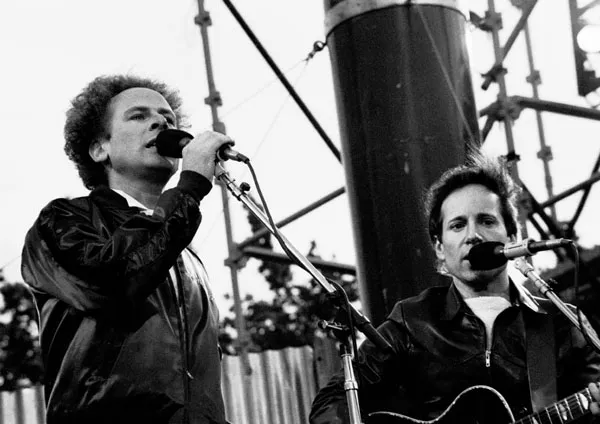
Photo by Eddie Mallin , licensed under CC BY-SA 2.0 · Wikimedia Commons
Rank #23
Simon & Garfunkel
From Wikipedia
Simon & Garfunkel were an American musical duo comprising the singer-songwriter Paul Simon and the singer Art Garfunkel. They were one of the best-selling musical acts of the 1960s. Their recordings include three U.S. number-one singles—"The Sound of Silence" and the two Record of the Year Grammy winners "Mrs. Robinson" and "Bridge over Troubled Water"—as well as "Homeward Bound", "I Am a Rock", "Scarborough Fair/Canticle", "A Hazy Shade of Winter", "America", "The Boxer" and "Cecilia".
Members
- Art Garfunkel
- Paul Simon
Discography & Previews
Browse through and click an album to open and play 30-second previews streamed from Apple Music.
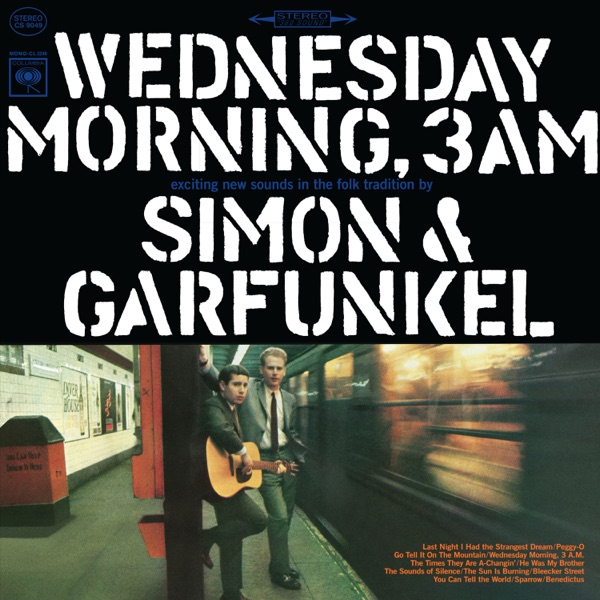
Wednesday Morning, 3 A.M.
1964 · 12 tracks
- 1 You Can Tell the World ↗ 2:50
- 2 Last Night I Had the Strangest Dream ↗ 2:14
- 3 Bleecker Street ↗ 2:48
- 4 Sparrow ↗ 2:51
- 5 Benedictus ↗ 2:42
- 6 The Sounds of Silence ↗ 3:09
- 7 He Was My Brother ↗ 2:53
- 8 Peggy-O ↗ 2:29
- 9 Go Tell It On the Mountain ↗ 2:09
- 10 The Sun Is Burning ↗ 2:52
- 11 The Times They Are A-Changin' ↗ 2:55
- 12 Wednesday Morning, 3 A.M. ↗ 2:13
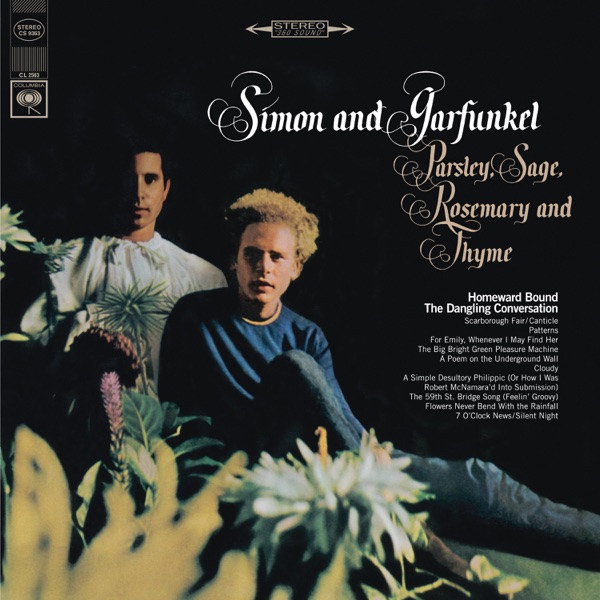
Parsley, Sage, Rosemary and Thyme
1966 · 12 tracks
- 1 Scarborough Fair / Canticle ↗ 3:14
- 2 Patterns ↗ 2:46
- 3 Cloudy ↗ 2:18
- 4 Homeward Bound ↗ 2:33
- 5 The Big Bright Green Pleasure Machine ↗ 2:46
- 6 The 59th Street Bridge Song (Feelin' Groovy) ↗ 1:47
- 7 The Dangling Conversation ↗ 2:42
- 8 Flowers Never Bend with the Rainfall ↗ 2:15
- 9 A Simple Desultory Philippic (Or How I Was Robert McNamara'd Into Submission) ↗ 2:18
- 10 For Emily, Whenever I May Find Her ↗ 2:11
- 11 A Poem On the Underground Wall ↗ 1:57
- 12 7 O'Clock News / Silent Night ↗ 2:01
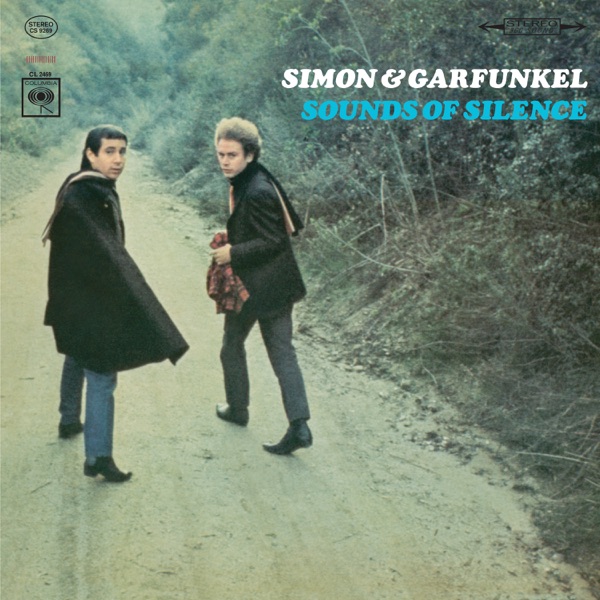
Sounds of Silence
1966 · 11 tracks

Bookends
1968 · 12 tracks
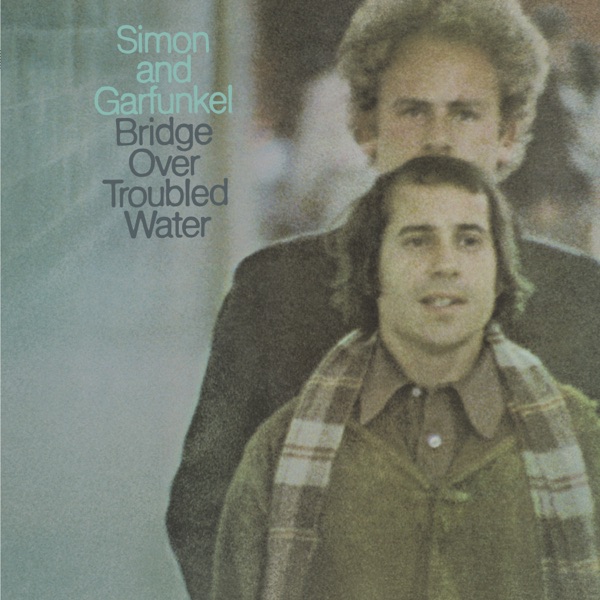
Bridge Over Troubled Water
1970 · 11 tracks
- 1 Bridge Over Troubled Water ↗ 4:56
- 2 El Condor Pasa (If I Could) ↗ 3:09
- 3 Cecilia ↗ 2:55
- 4 Keep the Customer Satisfied ↗ 2:38
- 5 So Long, Frank Lloyd Wright ↗ 3:43
- 6 The Boxer ↗ 5:13
- 7 Baby Driver ↗ 3:17
- 8 The Only Living Boy In New York ↗ 4:02
- 9 Why Don't You Write Me ↗ 2:46
- 10 Bye Bye Love (Live) ↗ 2:53
- 11 Song for the Asking ↗ 1:51
-
 Wednesday Morning, 3 A.M.Simon & Garfunkel196412 tracks
 -
 Parsley, Sage, Rosemary and ThymeSimon & Garfunkel196612 tracks
 -
 Sounds of SilenceSimon & Garfunkel196611 tracks
 -
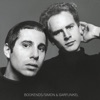 BookendsSimon & Garfunkel196812 tracks
 -
 Bridge Over Troubled WaterSimon & Garfunkel197011 tracks
Deep Dive
Overview
Simon & Garfunkel were an American musical duo comprising singer-songwriter Paul Simon and vocalist Art Garfunkel. Emerging in the mid-1960s, they became one of the best-selling musical acts of the decade, defining the sound of folk-rock during an era when rock music was deepening its engagement with acoustic instrumentation and introspective songwriting. Their polished harmonies, melodic sophistication, and literary sensibility set them apart from both the raw energy of rock and the traditional folk establishment, positioning them at the intersection of popular music and artistic ambition.
Formation Story
Simon and Garfunkel began their partnership in 1957, initially performing together as part of the evolving folk scene in the United States. The duo emerged during a pivotal moment in American popular music, when rock and roll was beginning to absorb influences from folk tradition and singer-songwriters were gaining prominence alongside guitar-driven ensembles. Their early work reflected the acoustic-based sensibilities of the folk revival, but Paul Simon’s compositional instinct pushed the partnership toward a hybrid sound that would eventually incorporate electric instrumentation and pop production values. By the mid-1960s, they had refined their approach into a distinctive voice that would resonate across the American mainstream.
Breakthrough Moment
Simon & Garfunkel’s major breakthrough came with the 1966 release of Sounds of Silence, which featured the title track—a recording that had originally appeared on their 1964 debut Wednesday Morning, 3 A.M. but gained new life when overdubbed with electric instrumentation. “The Sound of Silence” became one of three U.S. number-one singles in their catalog and crystallized their appeal: intricate vocal arrangements, thoughtful lyrics addressing modern alienation, and sophisticated production. The success of that album established them as more than a folk duo—they were interpreters of contemporary anxiety and seekers of artistic legitimacy within the commercial sphere. The momentum carried forward as they released Parsley, Sage, Rosemary and Thyme the same year, consolidating their position in the folk-rock mainstream.
Peak Era
Their most successful period extended from 1968 through 1970, encompassing Bookends and culminating in Bridge Over Troubled Water. The latter album, released in 1970, stands as their commercial and artistic apex. It spawned two Record of the Year Grammy winners—the title track “Bridge Over Troubled Water” and “Mrs. Robinson”—and demonstrated their mastery of arrangement, orchestration, and emotional directness. The album’s success was worldwide; it remained on the Billboard 200 chart for over 300 weeks and established Simon & Garfunkel as one of the defining acts of their generation. During this period, their music achieved a polish and cultural penetration that few rock acts managed, combining radio accessibility with critical respect.
Musical Style
Simon & Garfunkel’s sound merged folk-rock foundations with soft rock sensibilities and pop craftsmanship. Paul Simon’s compositions typically featured clever, conversational lyrics that often addressed themes of communication breakdown, nostalgia, and contemporary American life. Art Garfunkel’s tenor voice provided a counterpoint—clear, soaring, and capable of profound emotional restraint. Their arrangements moved from acoustic guitar and harmony vocals to fuller orchestral accompaniment, including strings, horns, and layered production. The duo’s approach was distinctly cerebral; their records did not rely on guitar heroics or rhythmic intensity but rather on the marriage of melody, harmony, and textural sophistication. Influences ranged across folk tradition, Tin Pan Alley songwriting, and the emerging singer-songwriter movement, all filtered through a sensibility that valued clarity and accessibility without sacrificing depth.
Major Albums
Wednesday Morning, 3 A.M. (1964)
Their debut album established the foundational sound of the partnership, featuring primarily acoustic arrangements and introducing early versions of songs that would later become signature pieces.
Parsley, Sage, Rosemary and Thyme (1966)
Released alongside Sounds of Silence, this album showcased Simon’s increasingly sophisticated compositions and the duo’s expanding arrangements, including the memorable “Scarborough Fair/Canticle” and “Homeward Bound.”
Sounds of Silence (1966)
The album that transformed them into mainstream stars, featuring the iconic title track in its electric arrangement, alongside “The Boxer” and other introspective compositions that defined their artistic vision.
Bookends (1968)
A more experimental effort that found the duo exploring orchestral arrangements and conceptual structures, demonstrating their willingness to evolve beyond strict folk-rock formulas.
Bridge Over Troubled Water (1970)
Their commercial and critical zenith, this album featured lush orchestrations, some of their most memorable melodies, and the dual Grammy-winning title track and “Mrs. Robinson,” alongside other signatures like “Cecilia” and “The Only Living Boy in New York.”
Signature Songs
- “The Sound of Silence” — Their breakthrough hit, a meditation on urban alienation and failed communication that became emblematic of 1960s introspection.
- “Mrs. Robinson” — Featured in the The Graduate soundtrack, this upbeat, horn-driven number became a cultural touchstone and Grammy Record of the Year winner.
- “Bridge Over Troubled Water” — The duo’s most celebrated composition, a soaring ballad that became a standard of emotional comfort and endured as one of rock’s definitive songs.
- “The Boxer” — A narrative-driven song of struggle and resilience, built on a distinctive folk-style arrangement and Simon’s precise storytelling.
- “Scarborough Fair/Canticle” — A reinterpretation of traditional material enhanced by baroque orchestration and layered vocal arrangements.
- “America” — An acoustic-driven song capturing youthful restlessness and movement across the American landscape.
- “Homeward Bound” — A lyrical reflection on touring life and the desire for home, showcasing the duo’s gift for melodic accessibility.
- “Cecilia” — An uptempo, rhythmically playful track that demonstrated their range beyond introspective ballads.
Influence on Rock
Simon & Garfunkel’s influence on rock and popular music extended far beyond their own catalog. They proved that folk-rock could achieve massive commercial success without abandoning sophistication, lyrical intelligence, or artistic ambition. Their model of the singer-songwriter duo—built on vocal harmony, literary composition, and contemporary relevance—influenced countless artists in the 1970s and beyond. Their work demonstrated that rock could accommodate orchestral arrangement, that pop radio could engage with complex emotions, and that acoustic instruments remained vital in an electric age. The production standards they established, particularly the lush orchestrations of Bridge Over Troubled Water, became a reference point for soft rock and influenced how producers approached vocal-centered material throughout the decade.
Legacy
Simon & Garfunkel remain among the best-selling musical acts in rock history, with their records continuing to stream billions of times across digital platforms. Bridge Over Troubled Water stands as one of the most successful albums ever released, and their catalog has been inducted into the Grammy Hall of Fame, with multiple recordings achieving that honor. The duo, while not continuously active, has reunited for performances and special projects, including a 1994 studio album Feelin’ Groovy. Their influence persists not only in direct stylistic descendants—artists who have adopted their vocal harmony model and folk-pop sensibilities—but in the broader legitimization of introspective, melody-centered songwriting within the rock tradition. In the context of 1960s popular music, they occupy a unique position: simultaneously mainstream and artistically serious, commercially enormous and creatively substantial.
Fun Facts
- Paul Simon and Art Garfunkel’s partnership began in 1957, but their major commercial success did not arrive until nearly a decade later, when “The Sound of Silence” unexpectedly became a hit in 1965–1966.
- “Mrs. Robinson” was commissioned for the The Graduate soundtrack, making Simon & Garfunkel central to one of cinema’s most culturally significant films of the 1960s.
- The duo was signed to Columbia Records, one of the major labels, and their relationship with the label remained stable throughout their most productive period, allowing for the kind of sustained, album-focused career that defined major 1960s acts.