
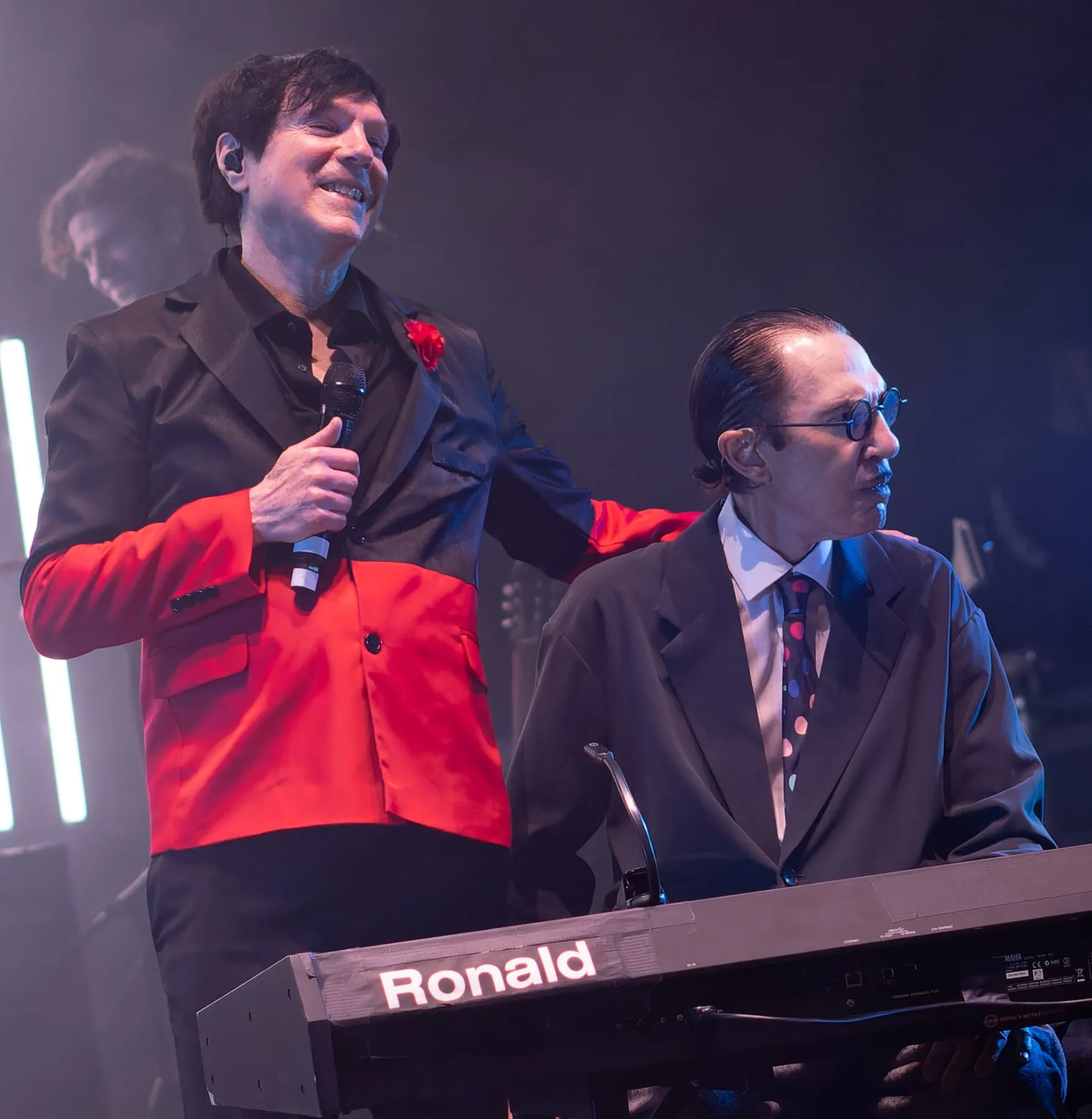
Photo by Raph_PH , licensed under CC BY 2.0 · Wikimedia Commons
Rank #440
Sparks
From Wikipedia
Sparks is an American pop and rock duo consisting of brothers Ron (keyboards) and Russell Mael (vocals), formed in 1968 in the Pacific Palisades, Los Angeles as the band Halfnelson. The duo is noted for their quirky approach to songwriting; their music is often accompanied by sophisticated and acerbic lyrics—sometimes containing literary or cinematic references—and an idiosyncratic, theatrical stage presence, typified by the contrast between Russell's animated, hyperactive front-man antics and Ron's deadpan scowling. Russell Mael has a distinctive wide-ranging voice, while Ron Mael plays keyboards in an intricate and rhythmic style. Their frequently changing styles and visual presentations have kept the band at the forefront of modern, artful pop music.
Members
- Ron Mael
- Russell Mael
Discography & Previews
Browse through and click an album to open and play 30-second previews streamed from Apple Music.
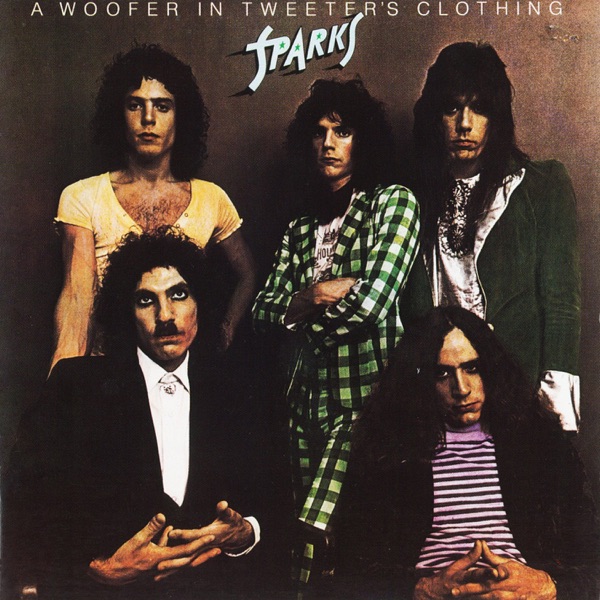
A Woofer in Tweeter’s Clothing
1973 · 11 tracks
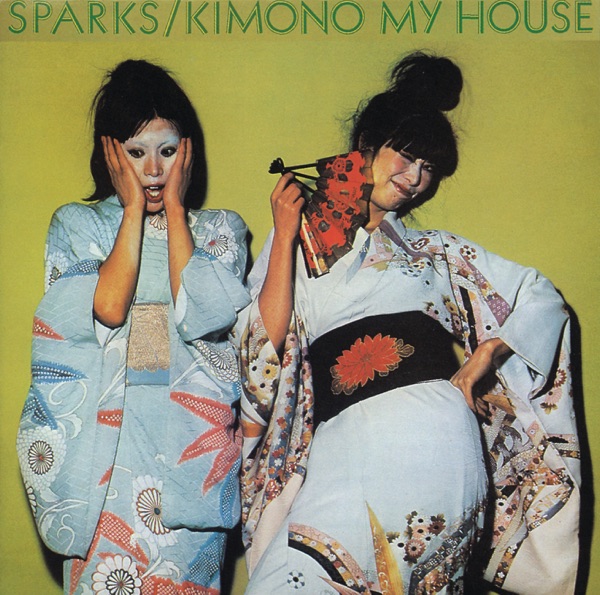
Kimono My House
1974 · 13 tracks
- 1 This Town Ain't Big Enough for the Both of Us ↗ 3:05
- 2 Amateur Hour ↗ 3:37
- 3 Falling In Love With Myself Again ↗ 3:03
- 4 Here In Heaven ↗ 2:47
- 5 Thank God It's Not Christmas ↗ 5:07
- 6 Hasta Mañana, Monsieur ↗ 3:52
- 7 Talent Is an Asset ↗ 3:21
- 8 Complaints ↗ 2:50
- 9 In My Family ↗ 3:48
- 10 Equator ↗ 4:42
- 11 Barbecutie ↗ 3:07
- 12 Lost and Found ↗ 3:19
- 13 Amateur Hour (Live at Fairfield Halls 09/11/75) ↗ 4:45
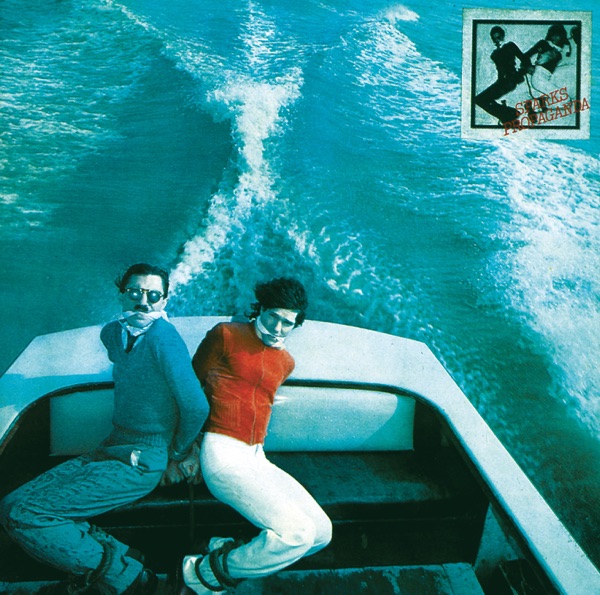
Propaganda
1974 · 14 tracks
- 1 Propaganda ↗ 0:23
- 2 At Home, at Work, at Play ↗ 3:06
- 3 Reinforcements ↗ 3:53
- 4 B.C. ↗ 2:11
- 5 Thanks But No Thanks ↗ 4:13
- 6 Don't Leave Me Alone with Her ↗ 3:01
- 7 Never Turn Your Back On Mother Earth ↗ 2:28
- 8 Something for the Girl with Everything ↗ 2:16
- 9 Achoo ↗ 3:32
- 10 Who Don't Like Kids ↗ 3:35
- 11 Bon Voyage ↗ 4:53
- 12 Alabamy Right ↗ 2:10
- 13 Marry Me ↗ 2:45
- 14 Interview (Saturday Scene 08/11/74) ↗ 7:17

Indiscreet
1975 · 16 tracks
- 1 Hospitality On Parade ↗ 3:59
- 2 Happy Hunting Ground ↗ 3:44
- 3 Without Using Hands ↗ 3:19
- 4 Get In the Swing ↗ 4:08
- 5 Under the Table with Her ↗ 2:19
- 6 How Are You Getting Home? ↗ 2:56
- 7 Pineapple ↗ 2:44
- 8 T**s ↗ 4:56
- 9 It Ain't 1918 ↗ 2:07
- 10 The Lady Is Lingering ↗ 3:40
- 11 In the Future ↗ 2:12
- 12 Looks, Looks, Looks ↗ 2:35
- 13 Miss the Start, Miss the End ↗ 2:46
- 14 Profile ↗ 3:30
- 15 The Wedding of Jacqueline Kennedy to Russell Mael ↗ 1:36
- 16 Looks, Looks, Looks (Live at Fairfield Halls 09/11/75) ↗ 4:03

Big Beat
1976 · 17 tracks
- 1 Big Boy ↗ 3:29
- 2 I Want to Be Like Everybody Else ↗ 2:55
- 3 Nothing to Do ↗ 3:07
- 4 I Bought the Mississippi River ↗ 2:28
- 5 Fill-Er-Up ↗ 2:19
- 6 Everybody's Stupid ↗ 3:40
- 7 Throw Her Away (And Get a New One) ↗ 3:13
- 8 Confusion ↗ 3:26
- 9 Screwed Up ↗ 4:18
- 10 White Woman ↗ 3:22
- 11 I Like Girls ↗ 2:56
- 12 I Want to Hold Your Hand ↗ 2:55
- 13 England ↗ 3:16
- 14 Gone with the Wind ↗ 3:06
- 15 Intrusion/Confusion ↗ 2:43
- 16 Looks Aren't Everything ↗ 3:27
- 17 Tearing the Place Apart ↗ 3:38

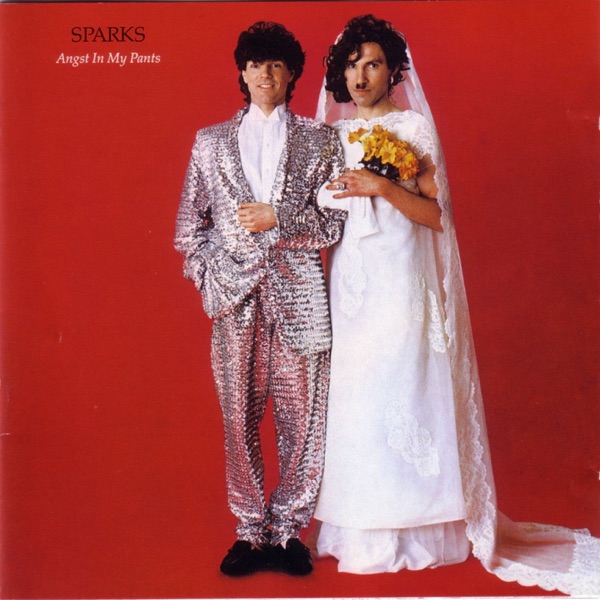
Angst in My Pants
1982 · 11 tracks
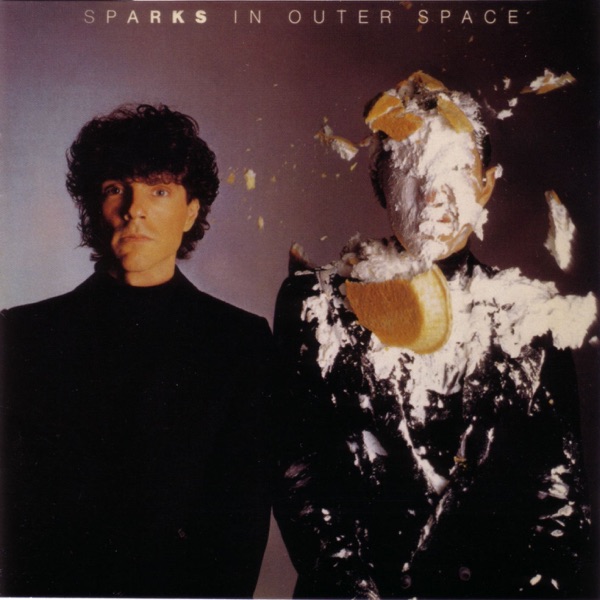
In Outer Space
1983 · 10 tracks
- 1 Cool Places (feat. Jane Wiedlin) ↗ 3:25
- 2 Popularity ↗ 3:54
- 3 Prayin' for a Party ↗ 3:03
- 4 All You Ever Think About Is Sex ↗ 4:10
- 5 Please Baby Please ↗ 3:43
- 6 Rockin' Girls ↗ 4:47
- 7 I Wish I Looked a Little Better ↗ 2:59
- 8 Lucky Me, Lucky You ↗ 3:38
- 9 A Fun Bunch of Guys from Outer Space ↗ 4:02
- 10 Dance Godammit ↗ 3:23
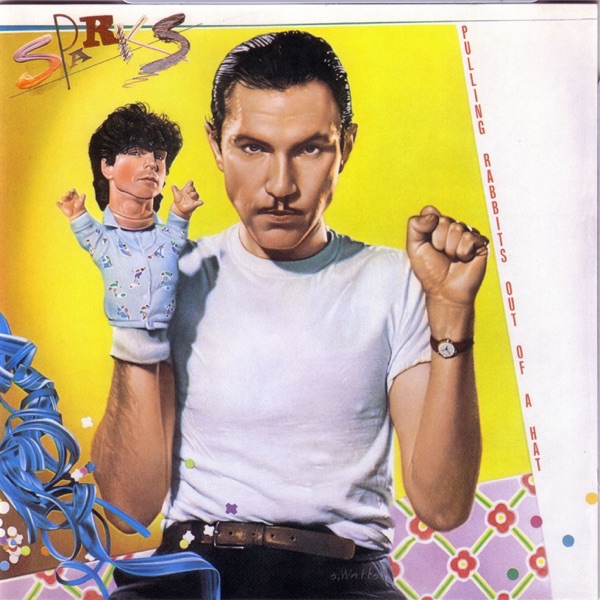
Pulling Rabbits Out of a Hat
1984 · 11 tracks
- 1 Pulling Rabbits Out of a Hat ↗ 4:07
- 2 Love Scenes ↗ 4:07
- 3 Pretending to Be Drunk ↗ 3:41
- 4 Progress ↗ 4:45
- 5 With All My Might ↗ 3:42
- 6 Sparks In the Dark, Pt. 1 ↗ 0:29
- 7 Everybody Move ↗ 3:02
- 8 A Song That Sings Itself ↗ 4:27
- 9 Sisters ↗ 3:56
- 10 Kiss Me Quick ↗ 4:06
- 11 Sparks In the Dark, Pt. 2 ↗ 2:59
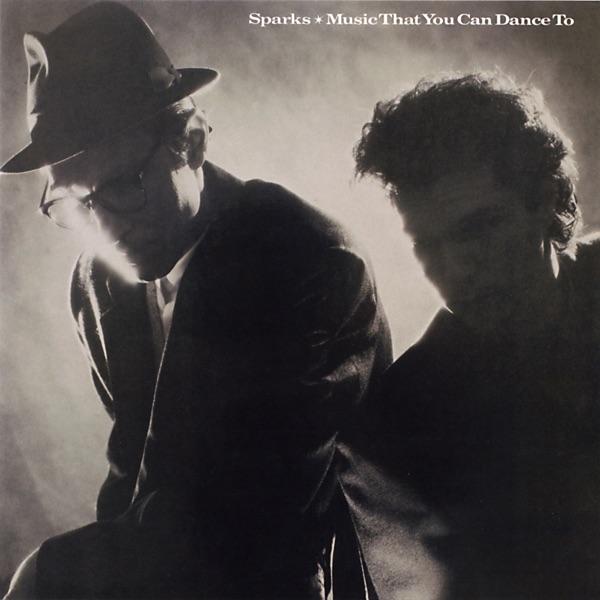

Interior Design
1988 · 15 tracks
- 1 So Important ↗ 4:33
- 2 Just Got Back from Heaven ↗ 4:10
- 3 Lots of Reasons ↗ 3:46
- 4 You Got a Hold of My Heart ↗ 4:58
- 5 Love-O-Rama ↗ 4:44
- 6 The Toughest Girl in Town ↗ 4:15
- 7 Lets Make Love ↗ 4:45
- 8 Stop Me If You've Heard This Before ↗ 3:41
- 9 A Walk Down Memory Lane ↗ 4:53
- 10 Madonna ↗ 4:38
- 11 Madonna (French Version) ↗ 4:39
- 12 Madonna (German Version) ↗ 4:38
- 13 Madonna (Spanish Version) ↗ 4:38
- 14 The Big Brass Ring ↗ 2:20
- 15 So Important (Extremely Important Remix) ↗ 7:05
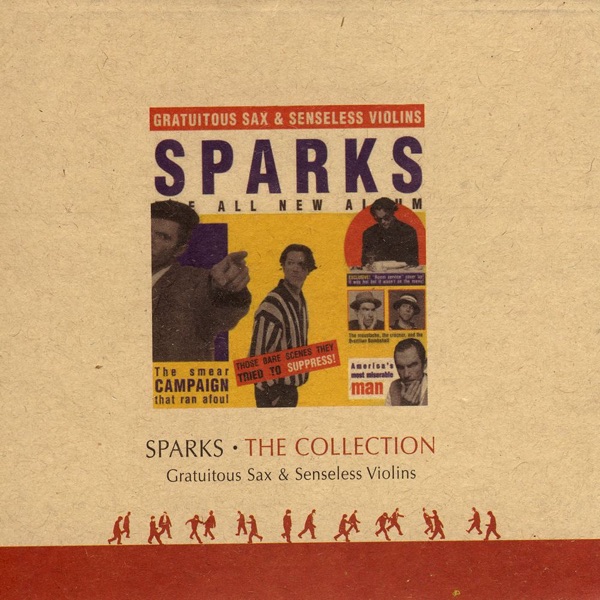
Gratuitous Sax & Senseless Violins
1994 · 11 tracks
- 1 Gratuitous Sax ↗ 0:31
- 2 When Do I Get to Sing "My Way" ↗ 4:37
- 3 (When I Kiss You) I Hear Charlie Parker Playing ↗ 5:13
- 4 Frankly, Scarlett, I Don't Give a Damn ↗ 5:03
- 5 I Thought I Told You to Wait In the Car ↗ 4:20
- 6 Hear No Evil, See No Evil, Speak No Evil ↗ 5:37
- 7 Now That I Own the BBC ↗ 4:59
- 8 Tsui Hark (feat. Tsui Hark & Bill Kong) ↗ 4:31
- 9 The Ghost of Liberace ↗ 4:16
- 10 Let's Go Surfing ↗ 5:03
- 11 Senseless Violins ↗ 0:50

Plagiarism
1997 · 19 tracks
- 1 Pulling Rabbits Out of a Hat ↗ 3:36
- 2 This Town Aint Big Enough for Both of Us ↗ 4:03
- 3 The No. 1 Song in Heaven, Pt. 2 ↗ 4:07
- 4 Funny Face ↗ 5:11
- 5 When Do I Get to Sing 'My Way' ↗ 5:45
- 6 Angst in My Pants ↗ 5:19
- 7 Change ↗ 5:27
- 8 Popularity ↗ 4:22
- 9 Something for the Girl With Everything ↗ 2:52
- 10 This Town Ain't Big Enough for Both of Us (feat. Faith No More) ↗ 3:00
- 11 Beat the Clock ↗ 4:31
- 12 Big Brass Ring ↗ 4:21
- 13 Amateur Hour (feat. Erasure) ↗ 3:35
- 14 Propaganda ↗ 2:36
- 15 When I'm With You ↗ 4:07
- 16 Something for the Girl With Everything (feat. Faith No More) ↗ 3:14
- 17 Orchestral Collage ↗ 0:26
- 18 The No. 1 Song in Heaven (feat. Jimmy Somerville) ↗ 5:21
- 19 Never Turn Your Back On Mother Earth ↗ 2:34

Balls
2000 · 13 tracks
- 1 Balls ↗ 4:24
- 2 More Than a Sex Machine ↗ 5:04
- 3 Scheherazade ↗ 4:29
- 4 Aeroflot ↗ 4:28
- 5 The Calm Before the Storm ↗ 4:03
- 6 How to Get Your Ass Kicked ↗ 4:19
- 7 Bullet Train ↗ 4:20
- 8 It's a Knockoff ↗ 3:42
- 9 Irreplaceable ↗ 5:06
- 10 It's Educational ↗ 4:02
- 11 The Angels ↗ 4:48
- 12 The Calm Before the Opera ↗ 3:09
- 13 The Calm Before the Storm (Full Length Instrumental) ↗ 5:03

Lil’ Beethoven
2002 · 14 tracks
- 1 The Rhythm Thief ↗ 5:18
- 2 How Do I Get to Carnegie Hall? ↗ 3:52
- 3 What Are All These Bands So Angry About? ↗ 3:31
- 4 I Married Myself ↗ 4:59
- 5 Ride 'Em Cowboy ↗ 4:21
- 6 My Baby's Taking Me Home ↗ 4:43
- 7 Your Call's Very Important to Us. Please Hold ↗ 4:12
- 8 Ugly Guys With Beautiful Girls ↗ 7:08
- 9 Suburban Homeboy ↗ 2:58
- 10 The Legend of Lil' Beethoven ↗ 2:06
- 11 Wunderbar (Concerto In Kock Minor) ↗ 3:49
- 12 Kakadu Kantata ↗ 5:19
- 13 Suburban Homeboy (Extended "Ron Speaks" Version) ↗ 3:50
- 14 The Rhythm Thief (Instrumental Version) ↗ 5:21

Hello Young Lovers
2006 · 10 tracks
- 1 Dick Around ↗ 6:35
- 2 Perfume ↗ 5:00
- 3 The Very Next Fight ↗ 5:18
- 4 (Baby, Baby) Can I Invade Your Country ↗ 5:56
- 5 Rock, Rock, Rock ↗ 5:11
- 6 Metaphor ↗ 4:03
- 7 Waterproof ↗ 4:18
- 8 Here Kitty ↗ 4:26
- 9 There's No Such Thing as Aliens ↗ 2:54
- 10 As I Sit Down to Play the Organ at the Notre Dame Cathedral ↗ 7:04

Exotic Creatures of the Deep
2008 · 13 tracks
- 1 Intro ↗ 1:02
- 2 Good Morning ↗ 3:53
- 3 Strange Animal ↗ 5:46
- 4 I Can’t Believe That You Would Fall for All the Crap In This Song ↗ 3:54
- 5 Let the Monkey Drive ↗ 4:10
- 6 Intro Reprise ↗ 0:24
- 7 I've Never Been High ↗ 4:31
- 8 (She Got Me) Pregnant ↗ 4:14
- 9 Lighten Up, Morrissey ↗ 4:15
- 10 This Is the Renaissance ↗ 3:46
- 11 The Director Never Yelled 'Cut' ↗ 3:54
- 12 Photoshop ↗ 4:02
- 13 Likeable ↗ 6:14
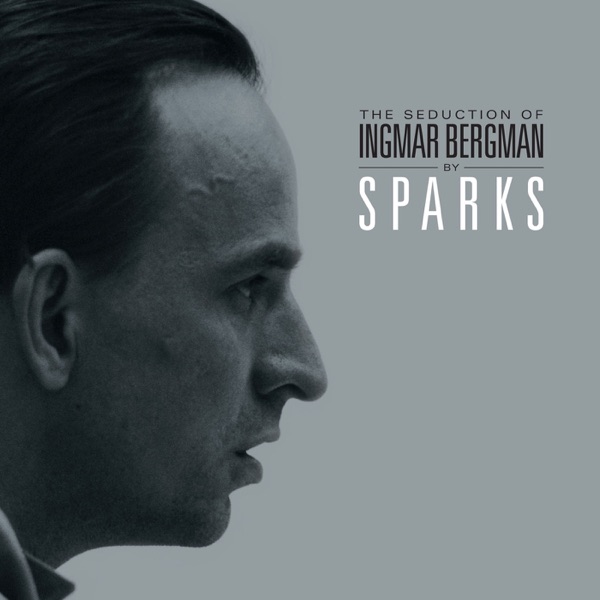
The Seduction of Ingmar Bergman
2009 · 1 track
- 1 The Seduction of Ingmar Bergman ↗ 64:33

Hippopotamus
2017 · 15 tracks
- 1 Probably Nothing ↗ 1:21
- 2 Missionary Position ↗ 4:18
- 3 Edith Piaf (Said It Better Than Me) ↗ 4:32
- 4 Scandinavian Design ↗ 4:11
- 5 Giddy Giddy ↗ 3:10
- 6 What the Hell Is It This Time? ↗ 4:03
- 7 Unaware ↗ 3:54
- 8 Hippopotamus ↗ 3:48
- 9 Bummer ↗ 3:58
- 10 I Wish You Were Fun ↗ 4:04
- 11 So Tell Me Mrs. Lincoln Aside From That How Was the Play? ↗ 4:00
- 12 When You're a French Director (feat. Leos Carax) ↗ 2:46
- 13 The Amazing Mr. Repeat ↗ 3:00
- 14 A Little Bit Like Fun ↗ 3:58
- 15 Life With the Macbeths ↗ 4:13

A Steady Drip, Drip, Drip
2020 · 14 tracks
- 1 All That ↗ 4:44
- 2 I'm Toast ↗ 3:32
- 3 Lawnmower ↗ 3:39
- 4 Sainthood Is Not in Your Future ↗ 4:13
- 5 Pacific Standard Time ↗ 4:23
- 6 Stravinsky's Only Hit ↗ 4:10
- 7 Left Out in the Cold ↗ 4:18
- 8 Self-Effacing ↗ 3:42
- 9 One for the Ages ↗ 3:49
- 10 Onomato Pia ↗ 2:52
- 11 iPhone ↗ 4:01
- 12 The Existential Threat ↗ 3:24
- 13 Nothing Travels Faster Than the Speed of Light ↗ 4:25
- 14 Please Don't F**k Up My World ↗ 3:14

The Girl Is Crying in Her Latte
2023 · 14 tracks
- 1 The Girl Is Crying In Her Latte ↗ 2:57
- 2 Veronica Lake ↗ 3:03
- 3 Nothing Is As Good As They Say It Is ↗ 3:13
- 4 Escalator ↗ 2:57
- 5 The Mona Lisa's Packing, Leaving Late Tonight ↗ 3:34
- 6 You Were Meant For Me ↗ 4:16
- 7 Not That Well-Defined ↗ 3:29
- 8 We Go Dancing ↗ 3:07
- 9 When You Leave ↗ 4:19
- 10 Take Me For A Ride ↗ 4:08
- 11 It's Sunny Today ↗ 2:39
- 12 A Love Story ↗ 3:18
- 13 It Doesn’t Have To Be That Way ↗ 3:41
- 14 Gee, That Was Fun ↗ 3:02

MAD!
2025 · 12 tracks
- 1 Do Things My Own Way ↗ 3:41
- 2 JanSport Backpack ↗ 4:13
- 3 Hit Me, Baby ↗ 3:45
- 4 Running Up A Tab At The Hotel For The Fab ↗ 4:22
- 5 My Devotion ↗ 4:19
- 6 Don't Dog It ↗ 3:19
- 7 In Daylight ↗ 4:12
- 8 I-405 Rules ↗ 3:22
- 9 A Long Red Light ↗ 3:04
- 10 Drowned In A Sea Of Tears ↗ 3:22
- 11 A Little Bit Of Light Banter ↗ 3:31
- 12 Lord Have Mercy ↗ 4:43
A Woofer in Tweeter's Clothing
— · 11 tracks
-
 A Woofer in Tweeter’s ClothingSparks197311 tracks
 -
 Kimono My HouseSparks197413 tracks
 -
 PropagandaSparks197414 tracks
 -
 IndiscreetSparks197516 tracks
 -
 Big BeatSparks197617 tracks
 -
 Introducing SparksSparks19779 tracks
 -
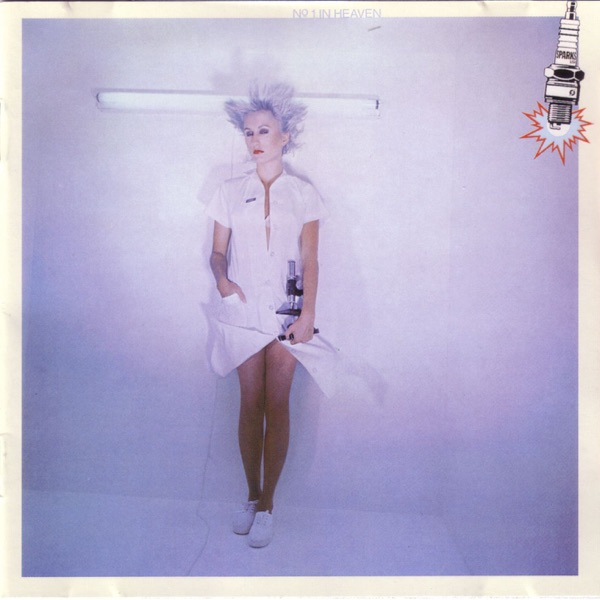
 No. 1 in HeavenSparks19796 tracks
 -
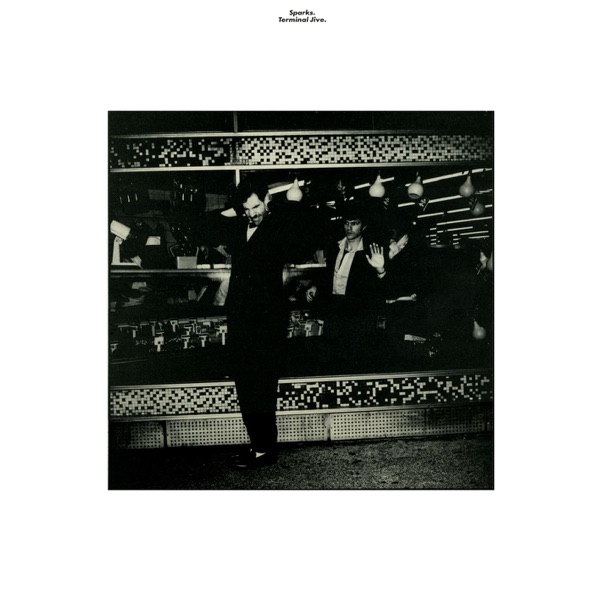
 Terminal JiveSparks19808 tracks
 -
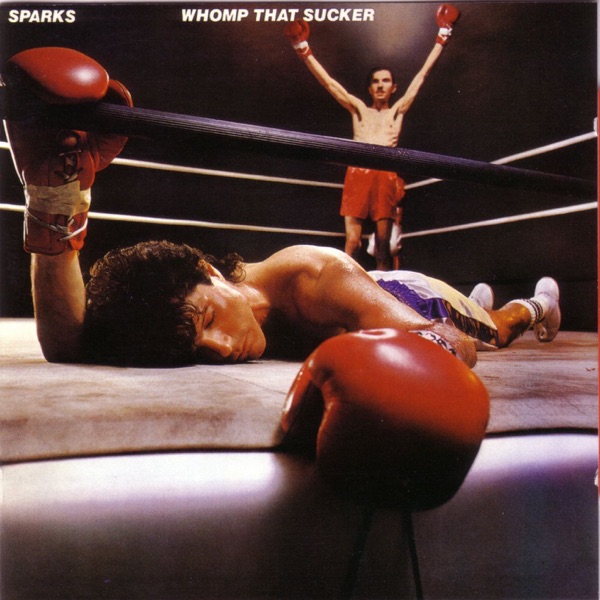
 Whomp That SuckerSparks198110 tracks
 -
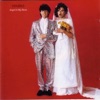 Angst in My PantsSparks198211 tracks
 -
 In Outer SpaceSparks198310 tracks
 -
 Pulling Rabbits Out of a HatSparks198411 tracks
 -
 Music That You Can Dance ToSparks19868 tracks
 -
 Interior DesignSparks198815 tracks
 -
 Gratuitous Sax & Senseless ViolinsSparks199411 tracks
 -
 PlagiarismSparks199719 tracks
 -
 BallsSparks200013 tracks
 -
 Lil’ BeethovenSparks200214 tracks
 -
 Hello Young LoversSparks200610 tracks
 -
 Exotic Creatures of the DeepSparks200813 tracks
 -
 The Seduction of Ingmar BergmanSparks20091 track
 -
 HippopotamusSparks201715 tracks
 -
 A Steady Drip, Drip, DripSparks202014 tracks
 -
 The Girl Is Crying in Her LatteSparks202314 tracks
 -
 MAD!Sparks202512 tracks
 - A Woofer in Tweeter's ClothingSparks—11 tracks
Deep Dive
Overview
Sparks is an American pop and rock duo consisting of brothers Ron (keyboards) and Russell Mael (vocals), formed in Los Angeles in 1971. The band emerged from the Pacific Palisades under the initial moniker Halfnelson before adopting the Sparks name in the early 1970s. Over more than five decades, they have remained a fixture in art rock and electronic pop music, defined by their theatrical presentation, quirky songwriting sensibility, and refusal to adopt a stable sonic identity. Their music draws from synth-pop, glam rock, new wave, and disco while maintaining a consistent artistic vision rooted in wit, literary sophistication, and the deliberate contrast between Ron’s rigid keyboard work and Russell’s hyperactive, animated stage presence.
Formation Story
Ron and Russell Mael grew up in Pacific Palisades, a coastal Los Angeles neighborhood, and began their recording career in 1968 as Halfnelson, a proto-punk outfit that would become Sparks by 1971. The early incarnation emerged during a period of California rock experimentation, when psychedelic and glam rock influences were reshaping mainstream pop. From the start, the brothers established their signature dynamic: Ron at the keyboard, his expressions deadpan and his playing intricate; Russell as vocalist, his range wide and his stage demeanor deliberately chaotic. The contrast became their trademark, a visual and sonic embodiment of complementary opposites that would sustain the band across stylistic transformations that might have fragmented a less cohesive unit.
Breakthrough Moment
Sparks’ shift from cult act to international attention arrived with the release of Kimono My House in 1974, an album that married glam rock aesthetics to synth-driven arrangements and acerbic, referential lyrics. The album showcased the brothers’ willingness to court both commercial appeal and artistic complexity, and it marked the beginning of their most prolific and stylistically adventurous period. Subsequent albums in the mid-1970s, including Propaganda and Indiscreet (both 1974 and 1975), solidified their reputation as inventive studio craftsmen capable of reinvention without losing their essential identity. By the mid-1970s, Sparks had moved beyond regional California recognition to become a band with a devoted international following, particularly in Europe, where their theatrical approach and sophisticated pop sensibility found an enthusiastic audience.
Peak Era
The late 1970s and early 1980s represented Sparks’ most commercially significant period. No. 1 in Heaven (1979), recorded in collaboration with producer Giorgio Moroder, marked their entry into the synth-pop mainstream, blending disco rhythms with electronic production and establishing a sonic template that influenced the broader electropop landscape. The early 1980s saw the release of Whomp That Sucker (1981) and Angst in My Pants (1982), albums that balanced accessibility with the band’s inherent eccentricity. Throughout this era, Sparks maintained a high rate of output while continuing to refine their theatrical live performances, establishing a reputation for unpredictability that became central to their cultural identity. This period cemented their status not merely as pop craftsmen but as art-rock intellectuals operating within mainstream commercial frameworks.
Musical Style
Sparks’ sound is defined by Ron Mael’s inventive keyboard arrangements—ranging from intricate synth patterns to classical-influenced flourishes—combined with Russell Mael’s distinctive, wide-ranging tenor vocals, which shift between deadpan delivery and dramatic crescendo depending on compositional demand. The band’s instrumentation has evolved dramatically across their catalog: early albums incorporated live rock instrumentation; the late 1970s and 1980s embraced synthesizers and disco production; later work has revisited guitar-based rock while maintaining electronic elements. What remained constant was their refusal to settle into a single sonic category. Their lyrics frequently reference literature, cinema, and high culture, delivered with an ironic distance and sophistication rare in pop music. The band’s approach to stagecraft—Russell’s hyperkinetic energy against Ron’s impassive presence—extends their musical philosophy into visual language, making Sparks a complete theatrical statement rather than a standard rock performance.
Major Albums
Kimono My House (1974)
A watershed moment that combined glam rock sensibility with synth-driven production and literary pretension, establishing Sparks as more than a novelty act and introducing their core aesthetic to a broader audience.
No. 1 in Heaven (1979)
A collaboration with producer Giorgio Moroder that brought Sparks into the synth-pop mainstream, merging disco production with the band’s theatrical sensibility and demonstrating their ability to work within commercial electronic music frameworks.
Angst in My Pants (1982)
A commercially successful album that refined the synth-pop approach of the late 1970s, balancing accessibility with characteristic wit and establishing Sparks as mainstays of early 1980s electronic pop.
Lil’ Beethoven (2002)
A critically acclaimed late-career resurgence that reintroduced Sparks to contemporary audiences, featuring refined songwriting and production that drew on the band’s entire catalog while remaining firmly rooted in their art-rock principles.
Signature Songs
- “This Town Ain’t Big Enough for Both of Us” — The glam-rock anthem that brought Sparks international recognition and exemplifies Russell’s vocal range and Ron’s theatrical keyboard work.
- “No. 1 in Heaven” — A synth-pop signature that demonstrates the band’s mastery of electronic production and dance-floor accessibility without sacrificing their idiosyncratic sensibility.
- “When I’m with You” — A showcase for the band’s ability to craft infectious pop hooks while maintaining sophisticated arranging and conceptual depth.
- “Angst in My Pants” — An early 1980s staple that balances commercial accessibility with the band’s trademark theatrical presentation.
- “The Number One Song in Heaven” — A defining late-1970s moment that exemplifies their synth-pop evolution and Giorgio Moroder collaboration.
Influence on Rock
Sparks’ influence on rock and pop music extends across multiple genres and generations. Their willingness to embrace electronic production at a time when rock traditionalists resisted synthesizers helped legitimize electronic instrumentation within art rock and mainstream pop. The band’s theatrical approach—particularly the stark visual contrast between Russell and Ron—influenced new wave and post-punk performers who understood rock as a complete multimedia statement. Their sophisticated approach to pop songwriting, treating mainstream formats as vehicles for literary and cinematic reference rather than simplistic sentiment, demonstrated that commercial accessibility and artistic ambition need not be opposed. The band’s constant stylistic evolution provided a model for art-rock sustainability, proving that reinvention could extend a career across multiple decades without sacrificing essential identity. Their influence appears across synth-pop, new wave, alternative rock, and contemporary electronic pop.
Legacy
More than 50 years after their formation, Sparks remain active recording and performing artists, a rare achievement in rock music. Their 2017 album Hippopotamus and subsequent releases including A Steady Drip, Drip, Drip (2020) and The Girl Is Crying in Her Latte (2023) demonstrate their continued creative engagement. The brothers’ refusal to retire or adopt a heritage-act touring model has kept them relevant across multiple generations of listeners. Sparks have served as cultural touchstones for artists in electronic pop, art rock, and alternative music, with their influence evident in contemporary acts that similarly blend theatrical presentation with sophisticated production. Their extensive catalog and evolving discography have ensured streaming-era accessibility, introducing their work to audiences unfamiliar with their 1970s and 1980s commercial peak. The band’s longevity and uncompromising artistic vision have secured their position as one of rock’s most durable and inventive acts.
Fun Facts
- The band was originally formed as Halfnelson in 1968 before adopting the Sparks name, with the shift marking their stylistic evolution and recorded debut in 1971.
- Ron Mael’s deadpan keyboard demeanor and deliberate lack of emotional expression onstage contrasts so sharply with Russell’s animated antics that the two brothers have become visual icons of complementary opposites in rock performance.
- Sparks recorded with Giorgio Moroder, one of disco’s most influential producers, on No. 1 in Heaven (1979), a collaboration that brought the band into mainstream electronic pop without compromising their art-rock principles.
- The band has released albums across five decades with remarkably consistent creative momentum, continuing to record and perform into the 2020s alongside younger artists influenced by their early work.