

Photo by Jesper Sandström , licensed under CC BY 4.0 · Wikimedia Commons
Rank #369
Status Quo
From Wikipedia
Status Quo are a British rock band formed in London in 1962. Beginning with "Pictures of Matchstick Men" in 1968, they have had over 60 chart hits in the UK – more than any other band – with further hits including "Caroline", "Down Down", "Rain", "Rockin' All Over the World", "Whatever You Want" and "What You're Proposing". 22 of these reached the Top 10 in the UK singles chart, and 57 reached the Top 40. They have released over 100 singles and 33 studio albums. Since reaching number five on the UK albums chart in 1972 with Piledriver, Status Quo have placed 29 consecutive studio albums on the UK charts, including 20 Top 10 studio albums. In 2012, they were announced as the tenth best-selling group of all time on the UK singles chart with 7.2 million singles sales in their homeland alone. As of 2015, they were one of only 50 artists to have achieved more than 500 total weeks on the UK Albums Chart.
Members
- Francis Rossi (1962–present)
- Roy Lynes (1965–1970)
- Rick Parfitt (1967–2016)
- Andy Bown (1976–present)
- Pete Kircher (1982–1985)
- Jeff Rich (1985–2000)
- John Edwards (1985–present)
- Matt Letley (2000–2013)
- Leon Cave (2013–present)
- Richie Malone (2016–present)
- Alan Lancaster
- John Coghlan
Discography & Previews
Browse through and click an album to open and play 30-second previews streamed from Apple Music.
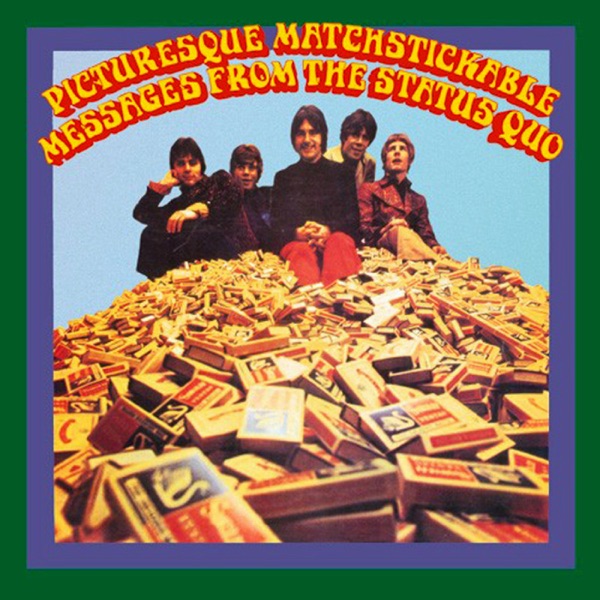
Picturesque Matchstickable Messages From the Status Quo
1968 · 46 tracks
- 1 Black Veils of Melancholy (Mono Version) ↗ 3:17
- 1 Black Veils of Melancholy (Stereo Remixed 'Proper') ↗ 3:15
- 2 When My Mind Is Not Live (Mono Version) ↗ 2:50
- 2 When My Mind Is Not Live (Stereo Version) ↗ 3:01
- 3 Ice in the Sun (Mono Version) ↗ 2:13
- 3 Ice in the Sun ↗ 2:12
- 4 Elizabeth Dreams (Mono Version) ↗ 3:28
- 4 Elizabeth Dreams (Stereo Version) ↗ 3:49
- 5 Gentleman Joe's Sidewalk Cafe (Mono Version) ↗ 3:01
- 5 Gentleman Joe's Sidewalk Cafe (Stereo Version) ↗ 3:01
- 6 Paradise Flat (Mono Version) ↗ 3:13
- 6 Paradise Flat ↗ 3:15
- 7 Technicolor Dreams (Mono Version) ↗ 2:54
- 7 Technicolor Dreams (Stereo Version) ↗ 3:18
- 8 Sheila (Mono Version) ↗ 1:56
- 8 Sheila ↗ 1:57
- 9 Spicks and Specks (Mono Version) ↗ 2:45
- 9 Spicks and Specks ↗ 2:54
- 10 Sunny Cellophane Skies (Mono Version) ↗ 2:46
- 10 Sunny Cellophane Skies ↗ 2:48
- 11 Green Tambourine (Mono Version) ↗ 2:18
- 11 Green Tambourine (Stereo Version) ↗ 2:19
- 12 Pictures of Matchstick Men (Mono Version) ↗ 3:11
- 12 Pictures of Matchstick Men ↗ 3:16
- 13 To Be Free (B-Side Version) ↗ 2:37
- 13 Auntie Nellie (Stereo Version) ↗ 3:32
- 14 Make Me Stay a Little Bit Longer (A-Side Version) ↗ 2:55
- 14 Gloria (BBC Sessions Saturday Club 10/9/1966) ↗ 2:47
- 15 Auntie Nellie (B-Side Version) ↗ 3:21
- 15 Interview with Francis Rossi (BBC Live Recording) ↗ 0:49
- 16 Interview with Brian Matthew (BBC Sessions Saturday Club 7/2/1968) ↗ 1:08
- 16 I (Who Have Nothing) [BBC Live Recording] ↗ 3:02
- 17 Pictures of Matchstick Men (Live at the BBC) ↗ 3:13
- 17 Neighbour Neighbour (BBC Live Recording) ↗ 2:38
- 18 Things Get Better (BBC Saturday Club 17/2/1968) ↗ 2:11
- 18 I Don't Want You (BBC Session) ↗ 2:33
- 19 Spicks and Specks (Live at the BBC) ↗ 2:48
- 19 Almost But Not Quite There (BBC Session) ↗ 2:38
- 20 Judy in Disguise (BBC Saturday Club 17/2/1968) ↗ 2:45
- 20 Spicks and Specks (Saturday Club BBC Session 24/6/67) ↗ 2:46
- 21 Interview with Status Quo (BBC Sessions Saturday Club 17/2/1968) ↗ 1:19
- 21 Gloria (BBC David Symonds Show) ↗ 2:43
- 22 Make Me Stay a Little Bit Longer (Live at the BBC) ↗ 2:48
- 22 Interview with Alan Lancaster (BBC the David Symonds Show April 1968) ↗ 1:01
- 23 Black Veils of Melancholy (BBC David Symonds Show April 1968) ↗ 3:14
- 24 Bloodhound (BBC David Symonds Show April 1968) ↗ 2:05

Spare Parts
1969 · 28 tracks
- 1 Face Without a Soul ↗ 3:07
- 1 Face Without a Soul (Mono Version) ↗ 3:09
- 2 You're Just What I Was Looking for Today ↗ 3:49
- 2 You're Just What I Was Looking for Today (Mono Version) ↗ 3:51
- 3 Are You Growing Tired of My Love ↗ 3:38
- 3 Are You Growing Tired of My Love (Mono) ↗ 3:39
- 4 Antique Angelique ↗ 3:23
- 4 Antique Angelique (Mono Version) ↗ 3:24
- 5 So Ends Another Life ↗ 3:12
- 5 So Ends Another Life (Mono Version) ↗ 3:13
- 6 Poor Old Man ↗ 3:37
- 6 Poor Old Man (Mono Version) ↗ 3:41
- 7 Mr. Mind Detector ↗ 4:01
- 7 Mr. Mind Detector (Mono) ↗ 4:02
- 8 The Clown ↗ 3:24
- 8 The Clown (Mono Version) ↗ 3:25
- 9 Velvet Curtains ↗ 2:59
- 9 Velvet Curtains (Mono) ↗ 3:01
- 10 Little Miss Nothing ↗ 3:02
- 10 Little Miss Nothing (Mono) ↗ 3:03
- 11 When I Awake ↗ 3:52
- 11 When I Awake (Mono Version) ↗ 3:54
- 12 Nothing at All ↗ 3:54
- 12 Nothing At All (Mono Version) ↗ 3:56
- 13 Josie (Out-Take Version) ↗ 3:36
- 13 Nothing At All (Part of Demo - Mono) ↗ 2:22
- 14 Do You Live In Fire (Stereo) ↗ 2:17
- 14 The Price of Love ↗ 3:41

Ma Kelly’s Greasy Spoon
1970 · 20 tracks
- 1 Spinning Wheel Blues ↗ 3:18
- 2 Daughter ↗ 3:01
- 3 Everything ↗ 2:36
- 4 Shy Fly ↗ 3:48
- 5 (April) Spring, Summer & Wednesdays ↗ 4:10
- 6 Junior's Wailing ↗ 3:32
- 7 Lakky Lady ↗ 3:13
- 8 Need Your Love ↗ 4:45
- 9 Lazy Poker Blues ↗ 3:36
- 10 Is It Really Me / Gotta Go Home ↗ 9:30
- 11 Is It Really Me / Gotta Go Home (Early Rough Mix) ↗ 6:53
- 12 Daughter (Early Working Mix) ↗ 2:55
- 13 Down the Dustpipe ↗ 2:03
- 14 In My Chair ↗ 3:17
- 15 Gerdundula (7" Version) ↗ 3:22
- 16 Down the Dustpipe (Live at the BBC) ↗ 1:50
- 17 Junior's Wailing (Live at the BBC) ↗ 2:58
- 18 Spinning Wheel Blues (Live at the BBC) ↗ 2:14
- 19 Need Your Love (Live at the BBC) ↗ 2:27
- 20 In My Chair (1979 Pye Promo Flexidisc) ↗ 1:37

Dog of Two Head
1971 · 14 tracks
- 1 Umleitung ↗ 7:11
- 2 Nanana (Extraction) ↗ 0:52
- 3 Something's Going On In My Head ↗ 4:45
- 4 Mean Girl ↗ 3:53
- 5 Nanana (Extract) ↗ 1:12
- 6 Gerdundula ↗ 3:49
- 7 Railroad ↗ 5:31
- 8 Someone's Learning ↗ 7:08
- 9 Nanana ↗ 2:24
- 10 Mean Girl (Early Rough Alternative Mix) ↗ 3:49
- 11 Tune to the Music (7'' Single Version) ↗ 3:07
- 12 Good Thinking ↗ 3:41
- 13 Mean Girl (Live at the BBC) ↗ 3:07
- 14 Railroad (Live at the BBC) ↗ 5:32


Quo
1974 · 24 tracks
- 1 Pictures of Matchstick Men (Mono Version) ↗ 3:11
- 2 Green Tambourine (Mono Version) ↗ 2:15
- 3 Mean Girl ↗ 3:55
- 4 Ice In the Sun (Mono) ↗ 2:11
- 5 Something's Going On In My Head ↗ 4:44
- 6 Lazy Poker Blues ↗ 3:34
- 7 Down the Dustpipe ↗ 2:04
- 8 Little Miss Nothing ↗ 3:00
- 9 Make Me Stay a Little Bit Longer (A-Side Version) ↗ 2:55
- 10 Auntie Nellie (B-Side Version) ↗ 3:21
- 11 Do You Live In Fire (Stereo) ↗ 2:16
- 12 Daughter ↗ 3:02
- 13 Are You Growing Tired of My Love ↗ 3:35
- 14 Elizabeth Dreams (Mono Version) ↗ 3:26
- 15 Face Without a Soul (Stereo) ↗ 3:06
- 16 Everything ↗ 2:37
- 17 Gentleman Joe's Sidewalk Cafe (Stereo Version) ↗ 3:00
- 18 Gerdundula (7" Version) ↗ 3:49
- 19 Need Your Love ↗ 4:47
- 20 Spinning Wheel Blues (Live at the BBC) ↗ 3:19
- 21 Is It Really Me ↗ 2:45
- 22 Josie (Out-Take Version) ↗ 3:37
- 23 Good Thinking ↗ 3:40
- 24 In My Chair ↗ 3:14

On the Level
1975 · 15 tracks
- 1 Little Lady ↗ 3:03
- 2 Most of the Time ↗ 3:22
- 3 I Saw the Light ↗ 3:40
- 4 Over and Done ↗ 3:55
- 5 Nightride ↗ 3:54
- 6 Down Down ↗ 5:25
- 7 Broken Man ↗ 4:14
- 8 What to Do ↗ 3:07
- 9 Where I Am ↗ 2:45
- 10 Bye Bye Johnny ↗ 5:21
- 11 Down Down (Single Edit) ↗ 3:50
- 12 Roll Over Lay Down (Live At the N.E.C.) ↗ 5:41
- 13 Gerdundula (Live At Shepherds Bush Empire) ↗ 2:35
- 14 Junior's Wailing (Live) ↗ 3:57
- 15 Roadhouse Blues (Live) ↗ 12:24

Rockin’ All Over the World
1977 · 13 tracks
- 1 Hard Time ↗ 4:46
- 2 Can't Give You More ↗ 4:17
- 3 Let's Ride ↗ 3:05
- 4 Baby Boy ↗ 3:13
- 5 You Don't Own Me ↗ 3:05
- 6 Rockers Rollin' ↗ 4:19
- 7 Rockin' All Over the World ↗ 3:37
- 8 Who Am I? ↗ 4:32
- 9 Too Far Gone ↗ 3:09
- 10 For You ↗ 3:02
- 11 Dirty Water ↗ 3:53
- 12 Hold You Back ↗ 4:31
- 13 Getting Better ↗ 2:23
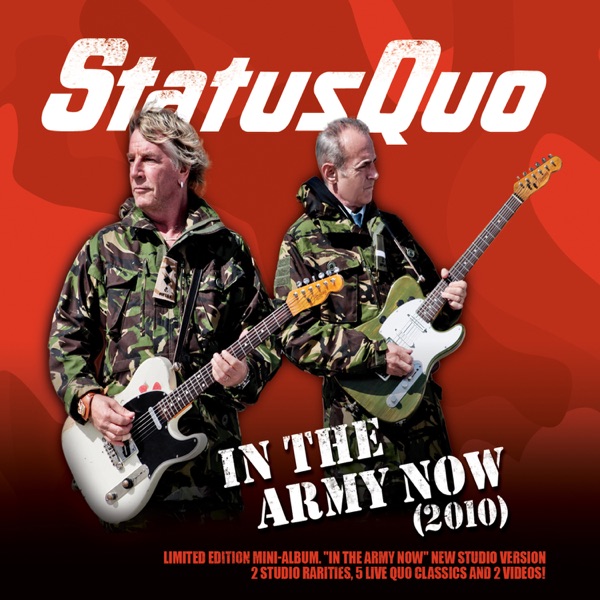
In the Army Now
1986 · 9 tracks
- 1 In the Army Now 2010 ↗ 4:22
- 2 Caroline (Live from Ipswich Regent Theatre 17/02/09) ↗ 5:18
- 3 Beginning of the End (Live from Ipswich Regent Theatre 17/02/09) ↗ 4:22
- 4 Down Down (Live from Oxford New Theatre 04/10/08) ↗ 6:02
- 5 Whatever You Want (Live from Brighton Centre 12/12/08) ↗ 5:27
- 6 Burning Bridges (Live from Birmingham Mec 22/12/08) ↗ 3:50
- 7 I Ain't Wasting My Time ↗ 3:38
- 8 One by One ↗ 4:14
- 9 In the Army Now (2010) [Radio Edit] ↗ 3:52


Under the Influence
1999 · 16 tracks
- 1 Twenty Wild Horses ↗ 4:59
- 2 Under the Influence ↗ 4:06
- 3 Round and Round ↗ 3:24
- 4 Shine On ↗ 4:48
- 5 Little White Lies ↗ 4:21
- 6 Keep 'Em Coming ↗ 3:28
- 7 Little Me and You ↗ 3:50
- 8 Making Waves ↗ 3:59
- 9 Blessed Are the Meek ↗ 4:22
- 10 Roll the Dice ↗ 4:06
- 11 Not Fade Away ↗ 3:11
- 12 The Way It Goes ↗ 3:59
- 13 Sea Cruise (Bonus Track) ↗ 3:13
- 14 I Knew the Bride (Bonus Track) ↗ 3:35
- 15 Twenty Wild Horses (Bonus Track) [Live] ↗ 4:54
- 16 Pictures of Matchstick Men (1999 Version) ↗ 3:23

Heavy Traffic
2002 · 13 tracks
- 1 Blues and Rhythm ↗ 4:30
- 2 All Stand Up (Never Say Never) ↗ 4:08
- 3 The Oriental ↗ 4:30
- 4 Creepin Up on You ↗ 5:01
- 5 Heavy Traffic ↗ 4:24
- 6 Solid Gold ↗ 4:13
- 7 Green ↗ 3:35
- 8 Jam Side Down ↗ 3:27
- 9 Diggin' Burt Bacharach ↗ 2:32
- 10 Do It Again ↗ 3:40
- 11 Another Day ↗ 3:48
- 12 I Don't Remember Anymore ↗ 3:39
- 13 Rhythm of Life ↗ 5:05

The Party Ain’t Over Yet
2005 · 13 tracks
- 1 The Party Ain't over Yet ↗ 3:50
- 2 Gotta Get up and Go ↗ 4:18
- 3 All That Counts Is Love ↗ 3:41
- 4 Familiar Blues ↗ 5:09
- 5 The Bubble ↗ 5:37
- 6 Belavista Man ↗ 4:22
- 7 Nevashooda ↗ 3:52
- 8 Velvet Train ↗ 3:34
- 9 Goodbye Baby ↗ 4:08
- 10 You Never Stop ↗ 4:34
- 11 Kick Me When I'm Down ↗ 3:17
- 12 Cupid Stupid ↗ 3:51
- 13 This Is Me ↗ 4:48
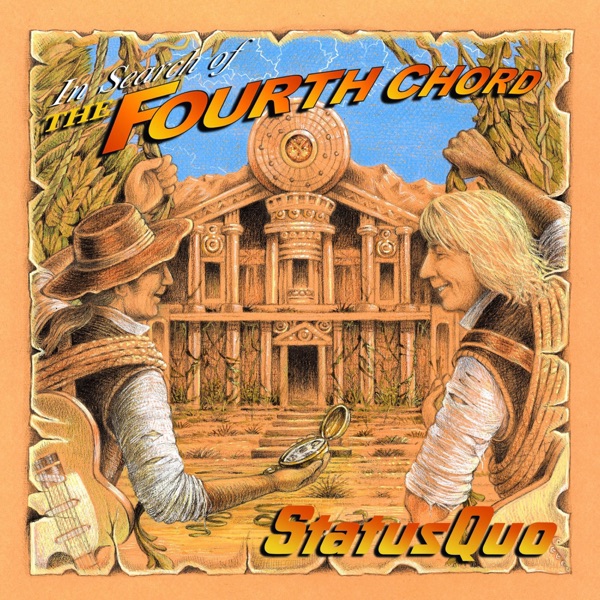
In Search of the Fourth Chord
2007 · 14 tracks
- 1 Beginning of the End ↗ 4:28
- 2 Alright ↗ 4:12
- 3 Pennsylvania Blues Tonight ↗ 3:42
- 4 I Don't Wanna Hurt You Anymore ↗ 4:00
- 5 Electric Arena ↗ 5:23
- 6 Gravy Train ↗ 3:23
- 7 Figure of Eight ↗ 4:08
- 8 You're the One for Me ↗ 3:32
- 9 My Little Heartbreaker ↗ 3:50
- 10 Hold Me ↗ 4:35
- 11 Saddling Up ↗ 3:42
- 12 Bad News ↗ 5:05
- 13 Tongue Tied ↗ 4:25
- 14 One by One ↗ 4:14
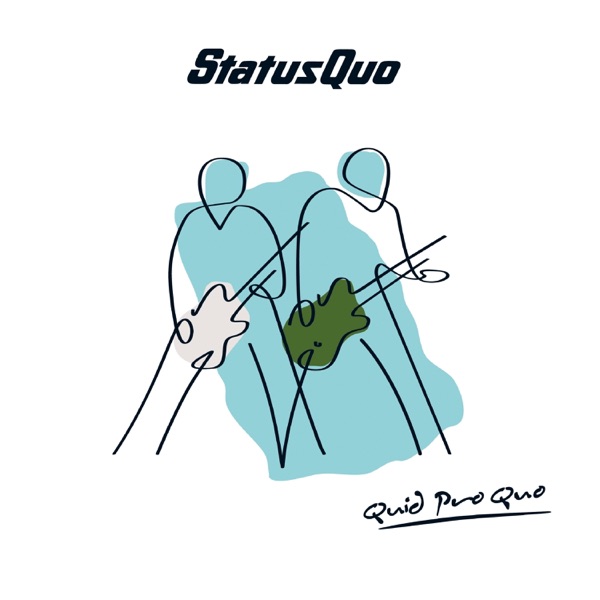
Quid Pro Quo
2011 · 15 tracks
- 1 Two Way Traffic ↗ 3:59
- 2 Rock 'n' Roll 'n' You ↗ 3:27
- 3 Dust to Gold ↗ 4:51
- 4 Let's Rock ↗ 4:28
- 5 Can't See for Looking ↗ 3:54
- 6 Better Than That ↗ 3:18
- 7 Movin' On ↗ 4:07
- 8 Leave a Little Light On ↗ 4:04
- 9 Any Way You Like It ↗ 3:17
- 10 Frozen Hero ↗ 4:20
- 11 Reality Cheque ↗ 4:06
- 12 The Winner ↗ 3:18
- 13 It's All About You ↗ 2:53
- 14 My Old Ways ↗ 3:04
- 15 In the Army Now (2010) ↗ 4:22
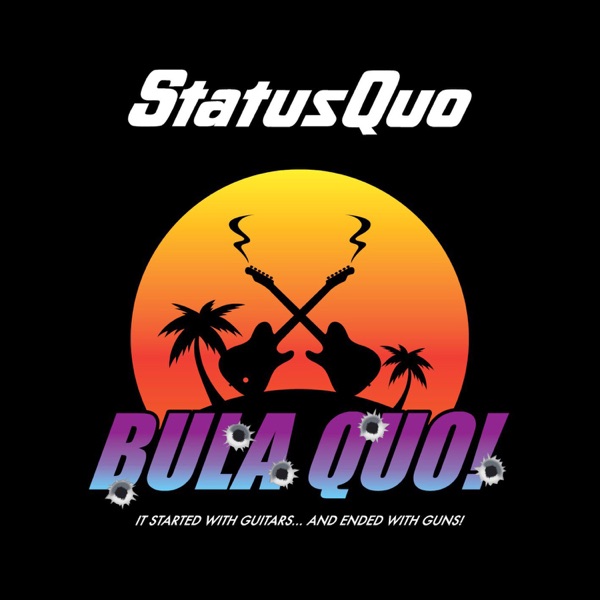
Bula Quo!
2013 · 19 tracks
- 1 Looking out for Caroline ↗ 4:00
- 2 Gogogo ↗ 4:16
- 3 Run and Hide (The Gun Song) ↗ 4:13
- 4 Running Inside My Head ↗ 3:42
- 5 Mystery Island ↗ 4:22
- 6 All That Money ↗ 3:14
- 7 Never Leave a Friend Behind ↗ 2:51
- 8 Fiji Time ↗ 3:15
- 9 Bula Bula Quo (Kua Ni Lega) ↗ 3:51
- 10 Living on an Island (Fiji Style) ↗ 3:46
- 11 Frozen Hero ↗ 4:20
- 12 Reality Cheque ↗ 4:06
- 13 Rockin' All over the World (Bula Edit) ↗ 4:28
- 14 Caroline (Recorded Live at Montreux) ↗ 5:06
- 15 Beginning of the End (Live 2010) ↗ 4:28
- 16 Don't Drive My Car (Live 2010) ↗ 3:52
- 17 Pictures of Matchstick Men (Recorded Live at Montreux) ↗ 2:30
- 18 Whatever You Want (Live 2010) ↗ 5:12
- 19 Down Down (Live 2010) ↗ 5:06

Aquostic II: That's a Fact!
2016 · 14 tracks
- 1 That's a Fact ↗ 3:35
- 2 Roll over Lay Down ↗ 4:28
- 3 Dear John ↗ 3:29
- 4 In the Army Now ↗ 4:03
- 5 Hold You Back ↗ 4:10
- 6 One for the Road ↗ 3:34
- 7 Backwater ↗ 4:52
- 8 One of Everything ↗ 3:48
- 9 Belavista Man ↗ 3:52
- 10 Lover of the Human Race ↗ 3:45
- 11 Ice in the Sun ↗ 2:20
- 12 Mess of the Blues ↗ 2:32
- 13 Jam Side Down ↗ 3:13
- 14 Resurrection ↗ 3:12

Backbone
2019 · 11 tracks
- 1 Waiting for a Woman ↗ 4:28
- 2 Cut Me Some Slack ↗ 4:21
- 3 Liberty Lane ↗ 3:42
- 4 I See You're in Some Trouble ↗ 3:46
- 5 Backing Off ↗ 4:12
- 6 I Wanna Run Away with You ↗ 3:23
- 7 Backbone ↗ 3:03
- 8 Better Take Care ↗ 3:34
- 9 Falling off the World ↗ 3:29
- 10 Get out of My Head ↗ 3:24
- 11 Running out of Time ↗ 3:29
-
 Picturesque Matchstickable Messages From the Status QuoStatus Quo196846 tracks
 -
 Spare PartsStatus Quo196928 tracks
 -
 Ma Kelly’s Greasy SpoonStatus Quo197020 tracks
 -
 Dog of Two HeadStatus Quo197114 tracks
 -
 Hello!Status Quo19739 tracks
 -
 QuoStatus Quo197424 tracks
 -
 On the LevelStatus Quo197515 tracks
 -
 Rockin’ All Over the WorldStatus Quo197713 tracks
 -
 In the Army NowStatus Quo19869 tracks
 -
 Don’t StopStatus Quo19964 tracks
 -
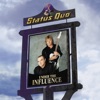 Under the InfluenceStatus Quo199916 tracks
 -
 Heavy TrafficStatus Quo200213 tracks
 -
 The Party Ain’t Over YetStatus Quo200513 tracks
 -
 In Search of the Fourth ChordStatus Quo200714 tracks
 -
 Quid Pro QuoStatus Quo201115 tracks
 -
 Bula Quo!Status Quo201319 tracks
 -
 Aquostic II: That's a Fact!Status Quo201614 tracks
 -
 BackboneStatus Quo201911 tracks
Deep Dive
Overview
Status Quo are a British rock band that have maintained an unbroken presence in popular music for over six decades since their formation in London in 1962. With more than 60 UK chart hits—a tally unmatched by any other band—and 33 studio albums released across their career, Status Quo represent one of the most prolific and consistently charting acts in British rock history. Their sound combines hard rock with boogie rhythms, delivered through a straightforward, riff-driven approach that proved both commercially resilient and creatively sustainable across changing musical tastes.
Formation Story
Status Quo emerged from London in 1962, taking shape during an era when British rock was rapidly evolving beyond its American blues and early rock and roll foundations. The band’s core founding lineup included Francis Rossi, Alan Lancaster, and John Coghlan—musicians drawn together by a shared affinity for rock’s raw energy. Roy Lynes joined early, contributing to the band’s sound during their formative years from 1965 to 1970. The outfit began as a group working within the prevailing styles of the day, but over their first years they gradually developed a distinctive identity centered on rhythm-driven rock underpinned by boogie sensibilities and tight ensemble playing.
Breakthrough Moment
Status Quo’s breakthrough came with “Pictures of Matchstick Men” in 1968, a song that announced their arrival to the wider British public and established them as a commercial force. The success of this track, coupled with their debut album Picturesque Matchstickable Messages From the Status Quo released the same year, created the momentum that would define the decade ahead. The early 1970s saw the band consolidate this success, and by 1972—just ten years after their formation—they achieved a significant chart milestone with Piledriver, which reached number five on the UK albums chart. This achievement signaled that Status Quo had transcended novelty-hit status and were now established as a serious, album-selling rock band.
Peak Era
Status Quo’s peak era extended through the 1970s and into the early 1980s, a period marked by remarkable consistency and prolific output. Following Piledriver, they released a string of successful albums including Hello! (1973), Quo (1974), On the Level (1975), and Blue for You (1976). The watershed moment came with Rockin’ All Over the World (1977), which supplied the title track that became emblematic of the band’s entire identity—a driving, celebratory anthem that has endured as their signature song. The momentum continued unabated: Whatever You Want (1979) and Just Supposin’ (1980) both demonstrated their ability to produce new hits while maintaining the core sound that had become their trademark. By the early 1980s, Status Quo had achieved a status rare in rock music: they were simultaneously a stadium draw, a consistent chart presence, and a reliable album seller, with 29 consecutive studio albums reaching the UK charts and 20 of those reaching the Top 10.
Musical Style
Status Quo’s musical foundation rests on a deceptively simple formula executed with disciplined precision: prominent, melodic guitar riffs layered over a propulsive rhythm section built on boogie patterns. Their sound draws from hard rock lineage while incorporating blues-based groove elements that give their music a swing and momentum distinct from heavier metal contemporaries. Vocally, the band’s approach remained direct and unpretentious, prioritizing clarity and enthusiasm over technical display. The instrumentation—typically built around dual guitars, bass, and drums—creates a wall of riff-based sound that remains fundamentally consistent whether examining their 1970s records or later output. This stylistic coherence, rather than adventurous reinvention, became their greatest strength: the band proved that rock music need not constantly transform to remain vital and commercially successful.
Major Albums
Piledriver (1972)
A watershed moment that elevated Status Quo from singles act to album-chart presence, reaching number five on the UK charts and establishing the template for their sustained success.
Rockin’ All Over the World (1977)
Delivering the title track that would define the band’s entire legacy, this album solidified their status as one of Britain’s most consistent rock acts and demonstrated their ability to craft stadium-sized anthems.
Whatever You Want (1979)
A peak-era effort capturing the band at the height of their creative and commercial powers, with material that would rank among their most enduring and frequently played songs.
In the Army Now (1986)
Marking a resurgence after a period of relative chart quietude, this album proved that Status Quo remained capable of generating new hits and adapting to contemporary production while retaining their core identity.
Aquostic: Stripped Bare (2014)
A late-career reimagining of classic songs in acoustic arrangement, demonstrating the band’s willingness to revisit their catalog from unexpected angles and maintain relevance through reinterpretation.
Signature Songs
- “Pictures of Matchstick Men” (1968) — The breakthrough hit that announced Status Quo’s arrival and established their commercial viability.
- “Rockin’ All Over the World” (1977) — The defining anthem that encapsulates the band’s celebratory, riff-driven rock sound and has become synonymous with their entire legacy.
- “Down Down” (1974) — A showcase for their boogie-rock approach and ability to craft hooks that lodge in popular memory.
- “Caroline” (1973) — An early chart success that demonstrated the band’s ability to balance melodic accessibility with rhythmic drive.
- “Whatever You Want” (1979) — A late-1970s hit exemplifying their sustained ability to produce radio-friendly yet substantive rock songs.
- “What You’re Proposing” (1980) — A crowd-pleasing track from their most commercially successful period that remains a setlist staple.
- “In the Army Now” (1986) — A late-career chart resurgence proving the band could still connect with contemporary audiences.
Influence on Rock
Status Quo’s influence on rock music operates through longevity and consistency rather than stylistic innovation. They demonstrated that a band could thrive commercially over decades without radical reinvention, building instead on a recognizable sonic foundation refined across multiple albums. Their approach—centered on riff-based songwriting, boogie-rock rhythmic frameworks, and straightforward production values—provided a template that influenced numerous hard rock and classic rock acts working in similar territory. The band’s commercial success, particularly in Britain, also established a precedent for how an act could sustain career momentum through relentless touring and steady album release, building a devoted fanbase less dependent on radio novelty or critical favor than on consistent delivery of recognizable product. In this sense, Status Quo functioned as the working-class heroes of rock music: unpretentious, reliable, and deeply embedded in their audience’s affections through sheer sustained presence.
Legacy
Status Quo’s legacy rests on the extraordinary achievement of over 60 UK chart hits—more than any other band—and the placement of 29 consecutive studio albums on the UK charts, with 20 reaching the Top 10. In 2012, they were recognized as the tenth best-selling group of all time on the UK singles chart with 7.2 million singles sold in their homeland alone. By 2015, they had achieved more than 500 total weeks on the UK Albums Chart, a distinction shared with only approximately 50 artists globally. Their sustained presence across seven decades—continuing to record and perform into the 2020s with releases including Backbone (2019) and Driving to Glory (2024)—underscores their enduring appeal. Status Quo became not merely a band but an institution within British popular culture, their name synonymous with reliable, unpretentious rock music that valued the audience’s desire for celebration and recognition over critical approval. For generations of rock listeners, particularly in Britain, Status Quo represented rock music at its most authentic and accessible.
Fun Facts
- Status Quo have released over 100 singles and 33 studio albums, demonstrating an output scale rarely achieved in rock music history.
- The band has maintained remarkable lineup continuity through their original principal songwriter and member Francis Rossi, who has remained with the band continuously from their 1962 formation through the present day.
- Status Quo’s career spans from the late Beatles era through the digital streaming age, encompassing more than six decades of continuous professional activity and cultural relevance.
- The band’s two-guitarist configuration and emphasis on riff-based composition created a template of rock musicianship that proved durable across multiple generations and changing production technologies.