
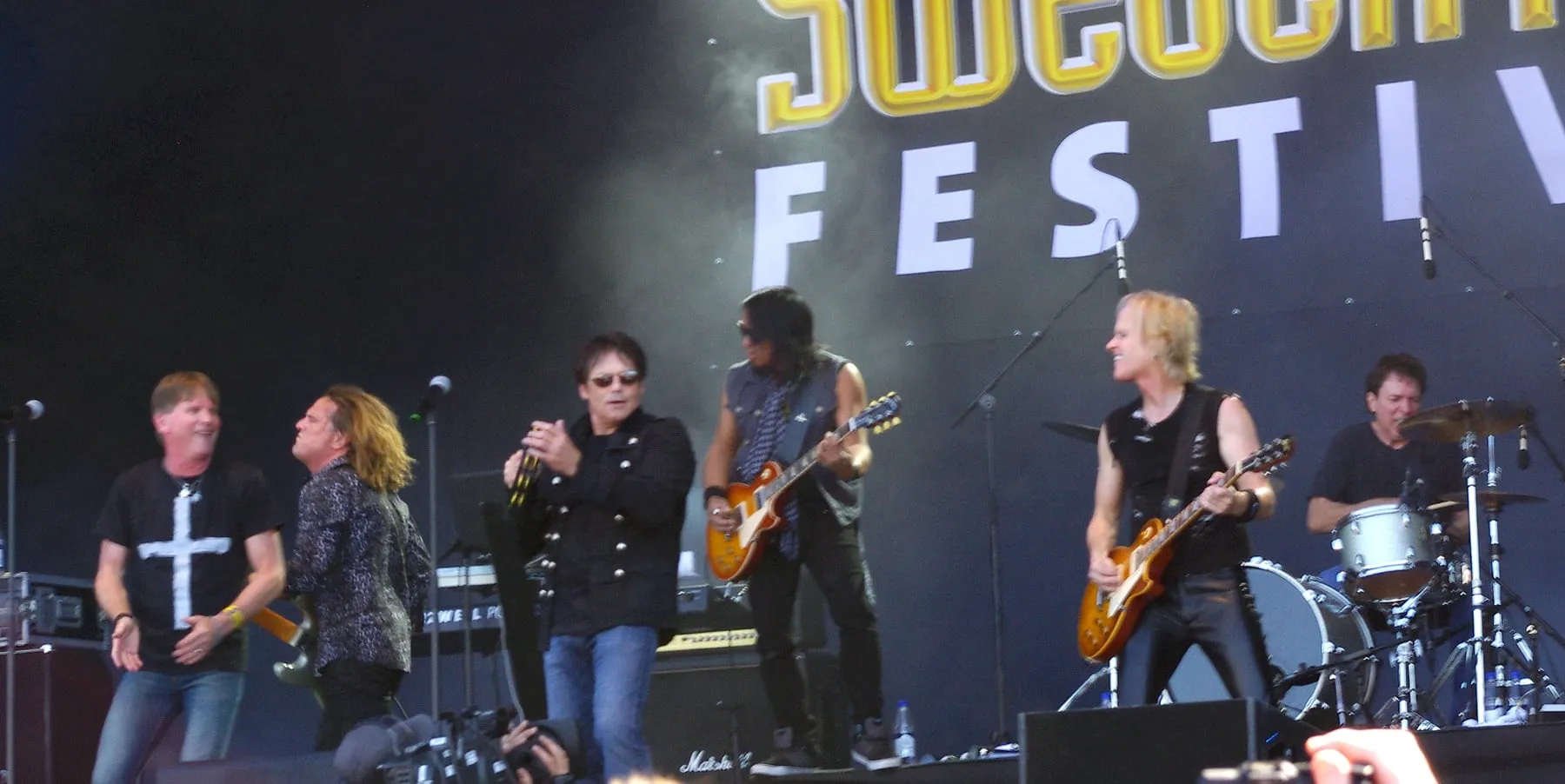
Photo by Staffan Vilcans , licensed under CC BY-SA 2.0 · Wikimedia Commons
Rank #243
Survivor
From Wikipedia
Survivor was an American rock band formed in Chicago in 1978 by Jim Peterik and Frankie Sullivan. The band achieved commercial success in the 1980s with five top ten singles in the United States. They are best known for their 1982 hit "Eye of the Tiger", the theme song for the film Rocky III which spent six weeks at number one in the US.
Members
- Gary Smith (1978–1981)
- Dave Bickler
- Frankie Sullivan
- Jim Peterik
- Jimi Jamison
Discography & Previews
Browse through and click an album to open and play 30-second previews streamed from Apple Music.
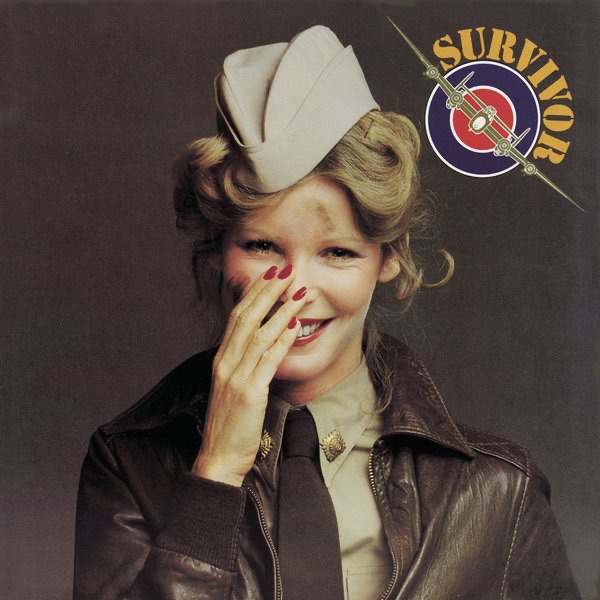
Survivor
1979 · 11 tracks
- 1 Somewhere In America ↗ 5:12
- 2 Can't Getcha Offa My Mind ↗ 2:59
- 3 Let It Be Now ↗ 3:38
- 4 As Soon As Love Finds Me ↗ 2:51
- 5 Youngblood ↗ 3:31
- 6 Love Has Got Me ↗ 3:36
- 7 Whole Town's Talkin' ↗ 3:30
- 8 20/20 ↗ 3:23
- 9 Freelance ↗ 3:36
- 10 Nothing Can Shake Me (From Your Love) ↗ 4:08
- 11 Whatever It Takes ↗ 3:47


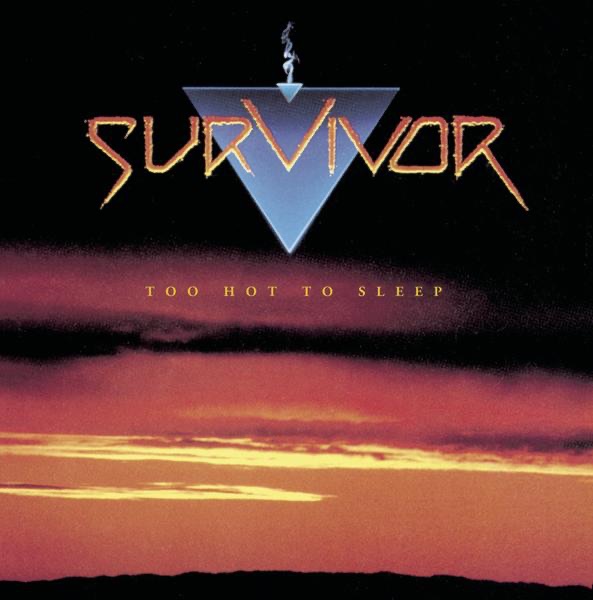
Too Hot to Sleep
1988 · 10 tracks
-
 SurvivorSurvivor197911 tracks
 -
 PremonitionSurvivor19818 tracks
 -
 Eye of the TigerSurvivor19823 tracks
 -
 Caught in the GameSurvivor19839 tracks
 -
 Vital SignsSurvivor19849 tracks
 -
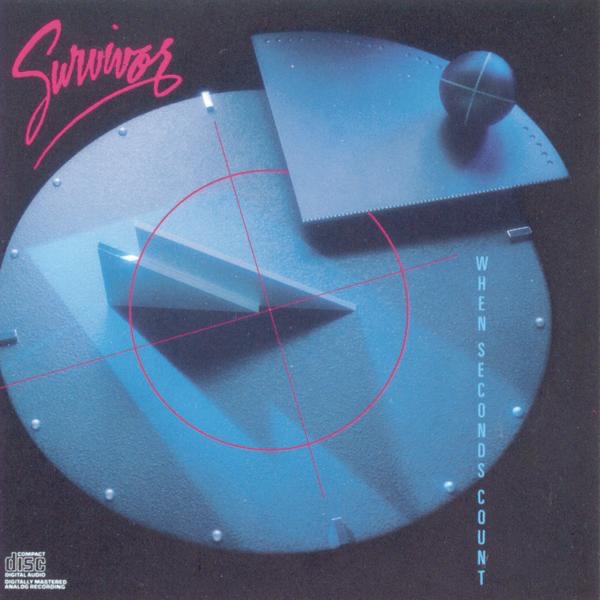
 When Seconds CountSurvivor198610 tracks
 -
 Too Hot to SleepSurvivor198810 tracks
Deep Dive
Overview
Survivor is an American rock band that emerged from Chicago in 1978, built on the songwriting and production foundation of Jim Peterik and Frankie Sullivan. The group achieved substantial commercial success throughout the 1980s, landing five top-ten singles on the US charts and becoming synonymous with the arena rock sound of that decade. While they recorded several albums and toured extensively, Survivor’s cultural footprint is forever anchored to a single recording: “Eye of the Tiger,” the 1982 theme for Rocky III, which became one of the most recognizable rock songs in cinema history.
Formation Story
Survivor was established in Chicago in 1978 by guitarist and songwriter Frankie Sullivan and keyboardist and vocalist Jim Peterik. The pair brought together a lineup that included vocalist Dave Bickler and drummer Gary Smith, setting the template for the band’s initial run. Sullivan and Peterik became the primary creative drivers, crafting material that blended hard rock edge with pop-oriented structures and arena rock sensibilities. This combination aligned Survivor with the broader 1970s shift toward stadium-sized rock acts whose songs could appeal to both FM radio and live concert audiences.
Breakthrough Moment
Survivor’s breakthrough came swiftly with the 1982 release of the album Eye of the Tiger. The title track, written as the theme for Rocky III, transcended typical movie-tie-in status; it spent six consecutive weeks at number one on the US charts and became a staple of rock radio. The song’s combination of muscular guitar riffs, propulsive drum patterns, and an instantly memorable vocal hook made it a crossover hit that reached audiences far beyond traditional rock listeners. The album itself capitalized on this momentum, establishing Survivor as a commercially viable act poised to sustain success beyond a single hit.
Peak Era
Survivor’s peak commercial period spanned the early-to-mid 1980s, roughly from 1982 through 1985. In addition to Eye of the Tiger, the band released Caught in the Game in 1983 and Vital Signs in 1984, both of which generated charting singles and maintained the group’s radio presence. This four-year window saw Survivor accumulate five top-ten singles in the United States, a testament to their ability to craft radio-friendly rock songs with strong production values and polished arrangements. The band toured extensively during this period, playing arenas and festival dates across North America. Jimi Jamison, who took over vocal duties, became the face of the group during these years of maximum visibility.
Musical Style
Survivor’s sound occupied the intersection of hard rock and pop rock, with clear allegiance to the arena rock paradigm of the 1970s and 1980s. Frankie Sullivan’s guitar work provided crunch and melodic soloing, while Jim Peterik’s keyboard arrangements and production sensibility shaped the band’s polished, radio-ready sheen. The rhythm section locked into a straightforward, power-driven approach designed to propel stadium-sized arrangements. Vocally, the band prioritized anthemic, singalong qualities over technical display, with lyrics that often traded in themes of perseverance, triumph, and personal struggle—qualities that naturally aligned with the Rocky III connection. The band’s production choices reflected the era’s embrace of drum machines, synthesizer layers, and multi-tracked harmonies, lending their recordings a glossy, engineered quality that distinguished them from grittier hard rock contemporaries.
Major Albums
Survivor (1979)
The band’s debut introduced the Peterik-Sullivan songwriting axis and established the template for their commercial approach, drawing on hard rock and pop influences that would define the group’s career.
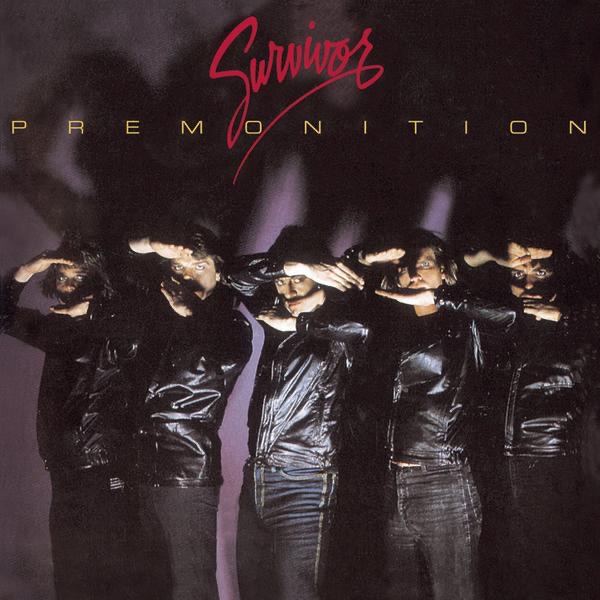
Premonition (1981)
The second album continued the band’s development before their major breakthrough, refining the arena rock formula that would pay dividends the following year.
Eye of the Tiger (1982)
The album that transformed Survivor from a working band into chart-dominating figures, anchored by one of rock’s most culturally pervasive songs and supported by additional charting singles that validated the group’s broader commercial appeal.
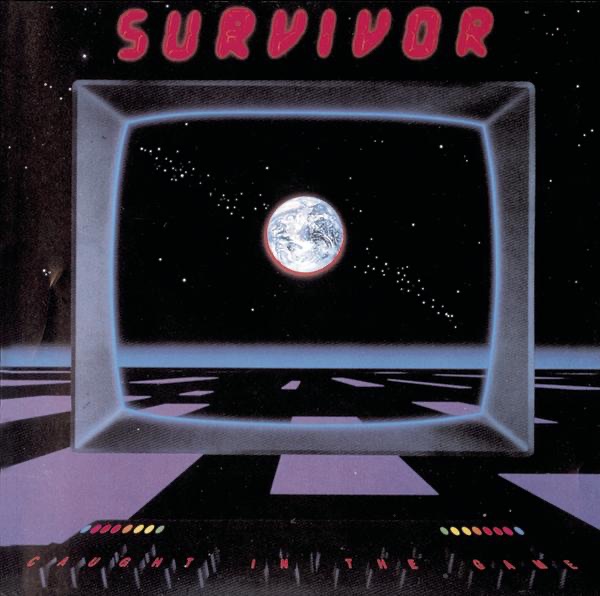
Caught in the Game (1983)
Released at the height of their popularity, this album maintained the band’s momentum in the charts and on radio, sustaining their presence as one of the decade’s most visible rock acts.
Vital Signs (1984)
The final album of their peak era, Vital Signs continued the proven formula of catchy, well-produced rock songs designed for arena consumption and radio rotation, extending their streak of commercial success.
When Seconds Count (1986)
Released after their commercial peak, this album represented the band’s attempt to sustain relevance in a rock landscape shifting toward new sounds and priorities.
Signature Songs
- “Eye of the Tiger” — The 1982 single that transcended its Rocky III origins to become one of the most recognizable rock songs ever recorded, spending six weeks at number one and defining the band’s legacy.
- “Burning Heart” — A signature power ballad that showcased the band’s ability to craft emotionally resonant, stadium-ready material beyond their most famous hit.
- “High Time” — An early charting single that demonstrated the band’s melodic rock credentials and established their presence in the commercial marketplace.
- “The Moment of Truth” — A mid-1980s single that exemplified the band’s continued success with anthemic, motivational rock material.
Influence on Rock
Survivor represented a particular strain of 1980s rock that married hard rock instrumentation with pop sensibilities and arena rock scale. While they were not genre innovators in a strict sense, they were among the most commercially successful practitioners of this crossover approach, proving that rock music could achieve massive mainstream success without sacrificing instrumental credibility. “Eye of the Tiger” in particular established the template for how rock songs could function as cinematic themes, influencing subsequent filmmakers’ approach to rock-based soundtrack placement. The band’s success demonstrated the viability of synthesizer-enriched hard rock for stadium consumption, a approach that would influence numerous acts navigating the mainstream rock landscape throughout the 1980s and beyond.
Legacy
Survivor’s long-term cultural presence is largely defined by “Eye of the Tiger,” which has become a permanent fixture of sports arenas, fitness facilities, and popular culture more broadly. The song’s association with triumph and determination has kept it in constant circulation decades after its initial release, ensuring that Survivor’s music reaches new audiences through film, television, advertising, and streaming platforms. While the band’s other work from the 1980s received substantial airplay and commercial success during its era, the broader catalog has not achieved the same enduring penetration. The band has remained active across subsequent decades, continuing to tour and occasionally record, maintaining a presence within rock touring circuits. Their commercial peak in the early 1980s established them as one of that decade’s most successful rock acts, a status reflected in their continued recognition among rock audiences and their sustained catalog sales.
Fun Facts
- “Eye of the Tiger” was rejected by Queen, who declined to write the Rocky III theme before Sullivan and Peterik composed it; the song became far more successful than any Queen track recorded during that period.
- Gary Smith served as the band’s drummer during the formative 1978–1981 period but departed before Survivor achieved their major commercial breakthrough.
- The song’s iconic main guitar riff was composed as a simple, instantly memorable hook designed to work as a film theme, resulting in one of rock’s most instantly recognizable opening sequences.
- Survivor’s five top-ten singles in the US during the 1980s placed them among the most commercially successful rock acts of that decade, despite their catalog being dominated by a single defining hit.