
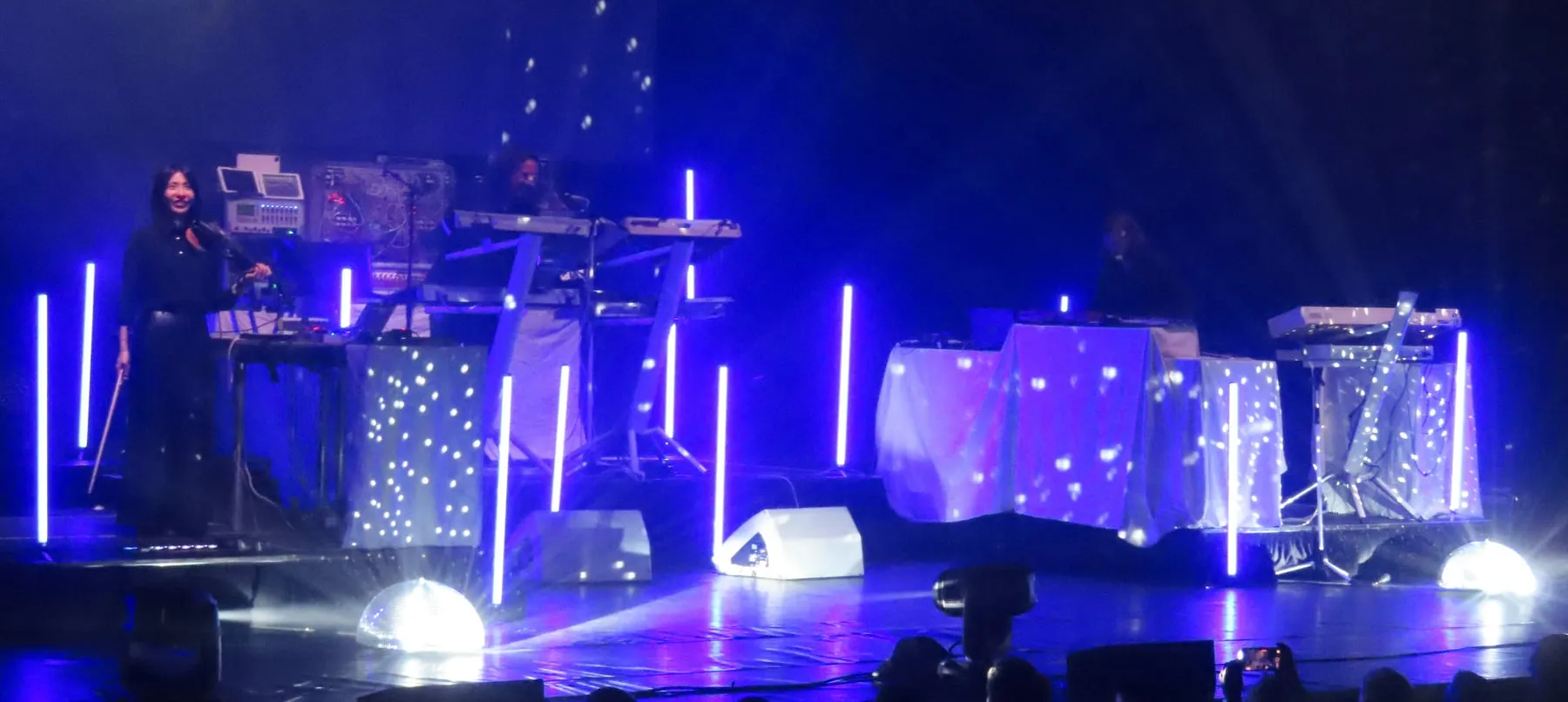
Photo by Steve Knight from Halstead, United Kingdom , licensed under CC BY 2.0 · Wikimedia Commons
Rank #474
Tangerine Dream
From Wikipedia
Tangerine Dream is a German electronic music band founded in 1967 by Edgar Froese. The group has seen many personnel changes over the years, with Froese the only constant member until his death in January 2015. The best-known lineup of the group was its mid-1970s trio of Froese, Christopher Franke, and Peter Baumann. In 1979, Johannes Schmoelling replaced Baumann until his own departure in 1985. This lineup was notable for composing many movie soundtracks. Since Froese's death in 2015, the group has been under the leadership of Thorsten Quaeschning. Quaeschning is Froese's chosen successor and is currently the longest-serving band member, having joined in 2005. Quaeschning is currently joined by violinist Hoshiko Yamane who joined in 2011 and Paul Frick who joined in 2020. Prior to this Quaeschning and Yamane performed with Ulrich Schnauss from 2014 to 2020. Schnauss only played two shows with Froese in November 2014 before Froese's passing.
Members
- Edgar Froese (1967–2015)
- Thorsten Quaeschning (2005–present)
- Hoshiko Yamane (2011–present)
- Ulrich Schnauss (2014–present)
- Klaus Schulze
Discography & Previews
Browse through and click an album to open and play 30-second previews streamed from Apple Music.


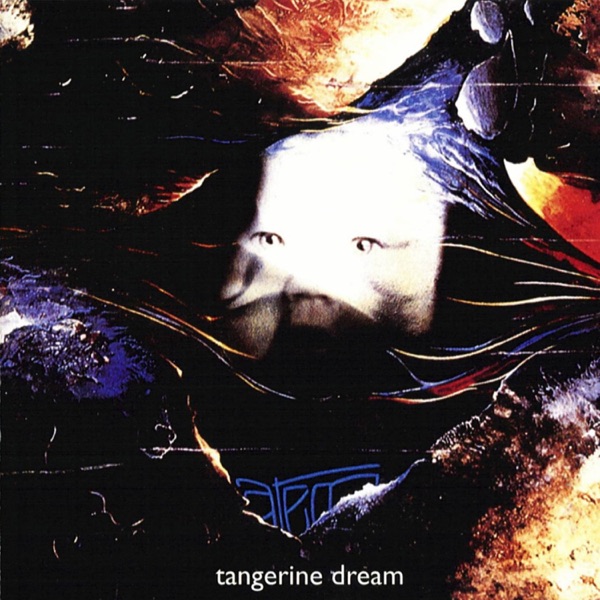
Atem
1973 · 4 tracks


Rubycon
1975 · 2 tracks

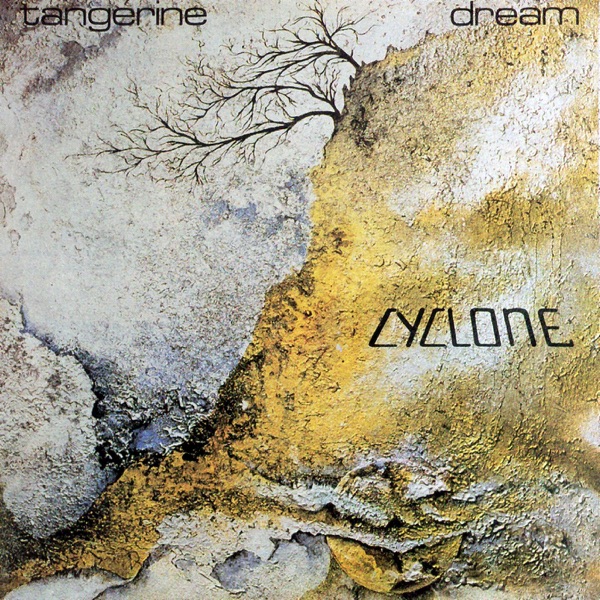

Force Majeure
1979 · 3 tracks

Tangram
1980 · 2 tracks

White Eagle
1982 · 4 tracks

Hyperborea
1983 · 4 tracks

Le Parc
1985 · 9 tracks
- 1 Bois de Boulogne (Paris) ↗ 5:25
- 2 Central Park (New York) ↗ 3:41
- 3 Gaudi Park (Guell Garden Barcelona) ↗ 5:14
- 4 Tiergarten (Berlin) ↗ 3:11
- 5 Zen Garden (Ryōan-ji Temple Kyoto) ↗ 4:52
- 6 Le Parc (L.A. - Streethawk) ↗ 3:21
- 7 Hyde Park (London) ↗ 4:01
- 8 The Cliffs of Sydney (Sydney) ↗ 5:45
- 9 Yellowstone Park (Rocky Mountains) ↗ 6:12


Green Desert
1986 · 4 tracks



Autumn in Hiroshima
2008 · 14 tracks
- 1 Trauma ↗ 9:25
- 2 Reset ↗ 4:00
- 3 Awareness (1st Teaching) ↗ 4:59
- 4 Novice (2nd Teaching) ↗ 4:46
- 5 Strange Voices ↗ 1:08
- 6 Fathom (3rd Teaching) ↗ 4:10
- 7 Oracular World (4th Teaching) ↗ 2:48
- 8 Remembering Ayumi ↗ 2:43
- 9 Mellow Submersion (5th Teaching) ↗ 2:27
- 10 Answers (6th Teaching) ↗ 5:38
- 11 Touching Truth ↗ 1:21
- 12 Insight (7th Teaching) ↗ 5:33
- 13 Omniscience (8th Teaching) ↗ 5:57
- 14 Nothing and All ↗ 2:11
Views From a Red Train
2008 · 10 tracks
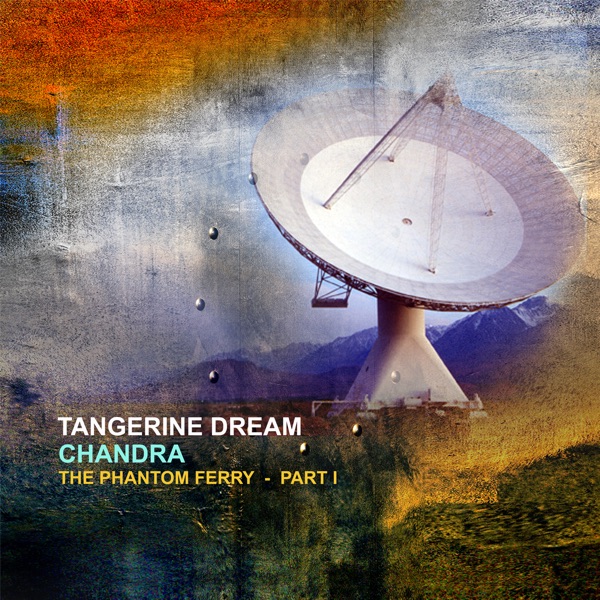
Chandra: The Phantom Ferry, Part I
2009 · 9 tracks
- 1 Approaching Greenland at 7 P.M. ↗ 7:49
- 2 The Moondog Connection ↗ 3:59
- 3 Screaming of the Dreamless Sleeper ↗ 6:56
- 4 The Unknown Is the Truth ↗ 7:31
- 5 The Dance Without Dancers ↗ 5:41
- 6 Child Lost In Wilderness ↗ 7:07
- 7 Sailor of the Lost Arch ↗ 7:53
- 8 Verses of a Sisong ↗ 7:37
- 9 Silence On a Crawler Lane ↗ 4:05


Edgar Allan Poe’s The Island of the Fay
2011 · 8 tracks

The Angel of the West Window
2011 · 9 tracks
- 1 The Mysterious Gift to Mankind ↗ 10:30
- 2 The Evening Before Easter ↗ 5:51
- 3 Living In Eternity ↗ 3:58
- 4 The Silver Boots of Bartlett Green ↗ 7:23
- 5 Hosanna of the Damned ↗ 7:51
- 6 Dream Phantom of the Common Man ↗ 6:38
- 7 The Strange Idol of Baphomet ↗ 6:31
- 8 Hoël Dhat the Alchemist ↗ 7:11
- 9 The Invisible Seal of the Holy Tribe ↗ 9:36

Franz Kafka: The Castle
2013 · 10 tracks
- 1 Approaching Snowy Village ↗ 8:16
- 2 Odd Welcome ↗ 6:29
- 3 The Untouchable Castle ↗ 5:51
- 4 The Apparently Lunatic Hierarchy ↗ 4:36
- 5 Barnabas the Messenger ↗ 7:42
- 6 Irredeemable Entity ↗ 7:51
- 7 The Implicit Will to Meet Klamm ↗ 7:09
- 8 Desperate Neverending Longing ↗ 7:33
- 9 Surrender and Adaption ↗ 7:12
- 10 A Place of Mercy ↗ 6:09

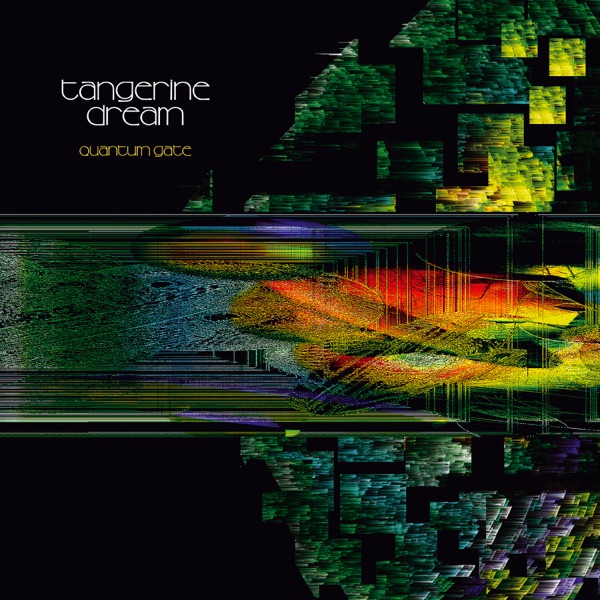
Quantum Gate
2017 · 9 tracks
- 1 Sensing Elements ↗ 13:34
- 2 Roll the Seven Twice ↗ 6:26
- 3 Granular Blankets ↗ 5:03
- 4 It Is Time to Leave When Everyone Is Dancing ↗ 6:37
- 5 Identity Proven Matrix ↗ 5:19
- 6 Non-Locality Destination ↗ 10:00
- 7 Proton Bonfire ↗ 8:25
- 8 Tear Down the Grey Skies ↗ 6:18
- 9 Genesis of Precious Thoughts ↗ 9:11

Recurring Dreams
2019 · 11 tracks
- 1 Sequent C' (2019 Version) ↗ 2:27
- 2 Monolight (Yellow Part) [2019 Version] ↗ 7:40
- 3 Tangram Set 1 (2019) [Excerpt] ↗ 5:44
- 4 Horizon (2019), Pt. 1 ↗ 6:46
- 5 Horizon (2019), Pt. 2 ↗ 7:15
- 6 Phaedra (2014) ↗ 8:16
- 7 Los Santos City Map ↗ 7:25
- 8 The Claymore Mine / Stalking (2019 Version) ↗ 5:41
- 9 Yellowstone Park (2019 Version) ↗ 6:35
- 10 Stratosfear (2019 Version) ↗ 11:36
- 11 Der Mond ist aufgegangen, Pts. 1 & 2 ↗ 9:07

-
 Electronic MeditationTangerine Dream19705 tracks
 -
 Alpha CentauriTangerine Dream19714 tracks
 -
 ZeitTangerine Dream19724 tracks
 -
 AtemTangerine Dream19734 tracks
 -
 PhaedraTangerine Dream19744 tracks
 -
 RubyconTangerine Dream19752 tracks
 -
 StratosfearTangerine Dream19764 tracks
 -
 CycloneTangerine Dream19783 tracks
 -
 Force MajeureTangerine Dream19793 tracks
 -
 TangramTangerine Dream19802 tracks
 -
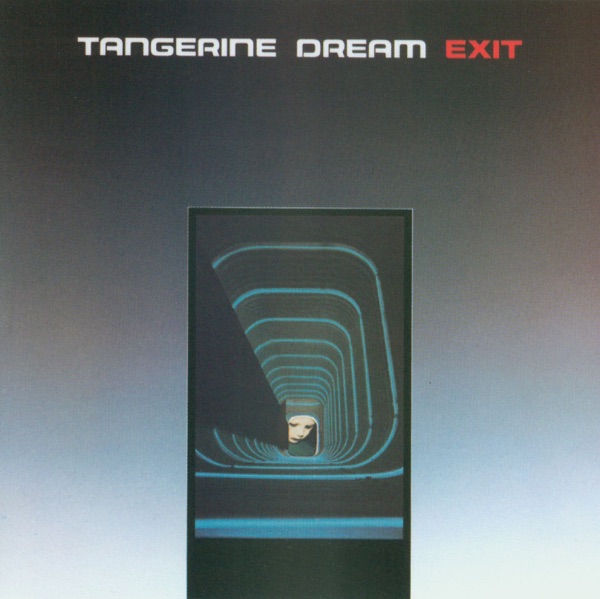
 ExitTangerine Dream19816 tracks
 -
 White EagleTangerine Dream19824 tracks
 -
 HyperboreaTangerine Dream19834 tracks
 -
 Le ParcTangerine Dream19859 tracks
 -
 Underwater SunlightTangerine Dream19866 tracks
 -
 Green DesertTangerine Dream19864 tracks
 -
 TygerTangerine Dream19876 tracks
 -
 Summer in NagasakiTangerine Dream20077 tracks
 -
 Springtime in NagasakiTangerine Dream20076 tracks
 -
 Tangram 2008Tangerine Dream20087 tracks
 -
 Hyperborea 2008Tangerine Dream20085 tracks
 -
 Autumn in HiroshimaTangerine Dream200814 tracks
 -
 Views From a Red TrainTangerine Dream200810 tracks
 -
 Chandra: The Phantom Ferry, Part ITangerine Dream20099 tracks
 -
 Winter in HiroshimaTangerine Dream20099 tracks
 -
 Edgar Allan Poe’s The Island of the FayTangerine Dream20118 tracks
 -
 The Angel of the West WindowTangerine Dream20119 tracks
 -
 Franz Kafka: The CastleTangerine Dream201310 tracks
 -
 Light FluxTangerine Dream20176 tracks
 -
 Quantum GateTangerine Dream20179 tracks
 -
 Recurring DreamsTangerine Dream201911 tracks
 -
 RaumTangerine Dream20227 tracks
Deep Dive
Overview
Tangerine Dream stands as one of the most prolific and influential electronic music ensembles in rock history. Formed in Berlin in 1967 by Edgar Froese, the band pioneered the fusion of synthesizer-driven soundscapes with the exploratory ethos of krautrock, creating a template for both progressive rock and ambient music that would echo through decades of popular and experimental culture. The group’s evolution from avant-garde studio experiments to internationally recognized film composers established them as architects of a distinctly European approach to rock—one rooted in electronic exploration rather than traditional song structures.
Formation Story
Edgar Froese founded Tangerine Dream in Berlin during a period of profound cultural and musical ferment in Germany. The late 1960s saw a generation of musicians rejecting both Anglo-American rock orthodoxy and the shadow of their nation’s immediate past, instead forging experimental paths through synthesizers, tape manipulation, and compositional freedom. Froese, who had studied at the Berlin Conservatory, assembled a rotating group of collaborators around his compositional vision. The band’s earliest incarnation was fluid, but by the early 1970s, a core lineup began to solidify. The group’s name itself—drawn from the vivid imagery of fruit and dream—reflected their ambition to create music that transcended literal representation, existing instead in the realm of pure electronic texture and emotion.
Breakthrough Moment
Tangerine Dream’s rise to international recognition accelerated with their mid-1970s albums and the remarkable mid-seventies lineup of Edgar Froese, Christopher Franke, and Peter Baumann. The 1974 release of Phaedra marked a watershed moment, establishing the group’s signature sound of layered synthesizers, sequencers, and rhythmic pulse. This period of 1974–1976, encompassing Phaedra, Rubycon, and Stratosfear, solidified their reputation as electronic music masters and attracted a devoted international following. Their acceptance into rock’s mainstream was cemented by their willingness to compose film soundtracks, a path that would define much of their later output and broaden their cultural footprint far beyond the concert hall.
Peak Era
The late 1970s and early 1980s represented Tangerine Dream’s commercial and creative zenith. Following Franke and Baumann’s core period, Johannes Schmoelling joined in 1979, anchoring the group through releases including Force Majeure (1979), Tangram (1980), and Exit (1981). This era saw the band at maximum productive power, balancing intricate electronic composition with an underlying pulse that made their music both cerebral and emotionally resonant. The band maintained a relentless recording schedule while Froese’s leadership ensured conceptual coherence across an expanding discography. Their film soundtrack work, particularly their score compositions, expanded their reach into cinema while maintaining the band’s artistic integrity.
Musical Style
Tangerine Dream’s sound emerged at the intersection of several streams: the avant-garde electronics pioneered by figures like Karlheinz Stockhausen, the progressive rock structures of their krautrock contemporaries, and the minimal-music aesthetics beginning to influence experimental composers. The band’s foundation rested on electronic synthesizers—Moog, ARP, and later digital instruments—layered in dense, evolving tapestries. Froese’s compositional approach favored extended instrumental passages organized around repeating sequences and gradual timbral shifts rather than verse-chorus-verse song architecture. The effect was hypnotic, immersive, and frequently untethered from harmonic expectations; instead of traditional melody, Tangerine Dream offered textural journeys. Franke’s keyboard work and later contributions from other members brought both rhythmic precision (via sequencers) and human warmth to what might otherwise have felt mechanical. The band’s music rarely featured vocals, instead treating the synthesizer itself as an expressive instrument capable of singing, breathing, and sustaining emotion through pure electronic tone.
Major Albums
Phaedra (1974)
A landmark synthesis of sequencer-driven rhythms with lush harmonic layers, Phaedra defined the group’s mature sound and earned them international recognition beyond the German rock underground.
Rubycon (1975)
Following Phaedra’s success, Rubycon expanded the band’s sonic palette while maintaining their hypnotic, slowly evolving compositional approach across extended instrumental pieces.
Stratosfear (1976)
This album cemented the mid-seventies trio’s creative partnership at its peak, showcasing their mastery of synthesizer orchestration and harmonic sophistication.
Force Majeure (1979)
Marking the addition of Johannes Schmoelling, Force Majeure brought renewed energy to the classic lineup and demonstrated the band’s capacity to refresh their formula while maintaining their essential character.
Tangram (1980)
One of the band’s most cohesive later works, Tangram balanced the electronic sophistication the group had perfected with increased accessibility and emotional directness.
Signature Songs
- Phaedra (track) — The title piece from their breakthrough album, a 15-minute journey through synthesizer layers and sequencer-driven hypnosis that exemplifies the band’s command of extended instrumental form.
- Rubycon (Part One) — An exploratory piece showcasing the layered, evolving textures that became Tangerine Dream’s calling card.
- Force Majeure (track) — The opening piece from their 1979 album, demonstrating how the addition of Schmoelling reinvigorated the band’s rhythmic momentum.
- Tangram (Part One) — A showcase for the band’s later-period ability to blend electronic precision with lyrical sensibility.
Influence on Rock
Tangerine Dream’s impact on electronic music and rock cannot be overstated. They demonstrated that synthesizers and electronic instruments could be the primary expressive vehicle for rock music rather than novel accessories, a realization that would enable entire genres of synth-pop, industrial, and electronic dance music. Their approach to composition—patient, developmental, and unafraid of the unheroic—influenced progressive rock, ambient music, and film scoring conventions. Klaus Schulze, a frequent associate, would go on to establish his own parallel trajectory in electronic exploration. The band’s decision to embrace film soundtracks elevated the artistic standing of that work within rock culture and proved that electronic compositions could serve narrative cinema without diluting their artistic integrity. Generations of electronic musicians, from ambient pioneers to contemporary electronic composers, trace conceptual lineage through Tangerine Dream’s early work.
Legacy
Edgar Froese’s death in January 2015 marked the end of an era, yet Tangerine Dream persisted under the stewardship of Thorsten Quaeschning, who had joined the band in 2005 and was Froese’s chosen successor. Quaeschning’s continued leadership alongside violinist Hoshiko Yamane (joined 2011) and Paul Frick (joined 2020) ensured the band’s name remained active, though the post-Froese period represented a new chapter rather than a continuation of the founding era. The band’s prolific output—visible in the extensive discography spanning film scores, reinterpretations of their classic works, and new compositions—has kept them in the cultural conversation. Reissues and remastering projects have introduced their mid-seventies masterpieces to new generations through digital platforms, while their influence on contemporary electronic and ambient composers remains evident. Tangerine Dream’s transformation from Berlin avant-garde experimenters into globally recognized architects of synthesizer music stands as one of rock’s most significant artistic trajectories.
Fun Facts
- The band recorded their 2005 album Phaedra 2005 as a re-interpretation of their 1974 breakthrough, demonstrating their ongoing relationship with their foundational material across three decades.
- Tangerine Dream’s prolific output intensified dramatically in the 2000s and 2010s, with multiple releases per year becoming standard practice, reflecting both the band’s creative energy and the changing economics of digital distribution.
- The band’s film score work extended their reach far beyond rock audiences, establishing them as legitimate contributors to cinema’s emotional and narrative landscape.