
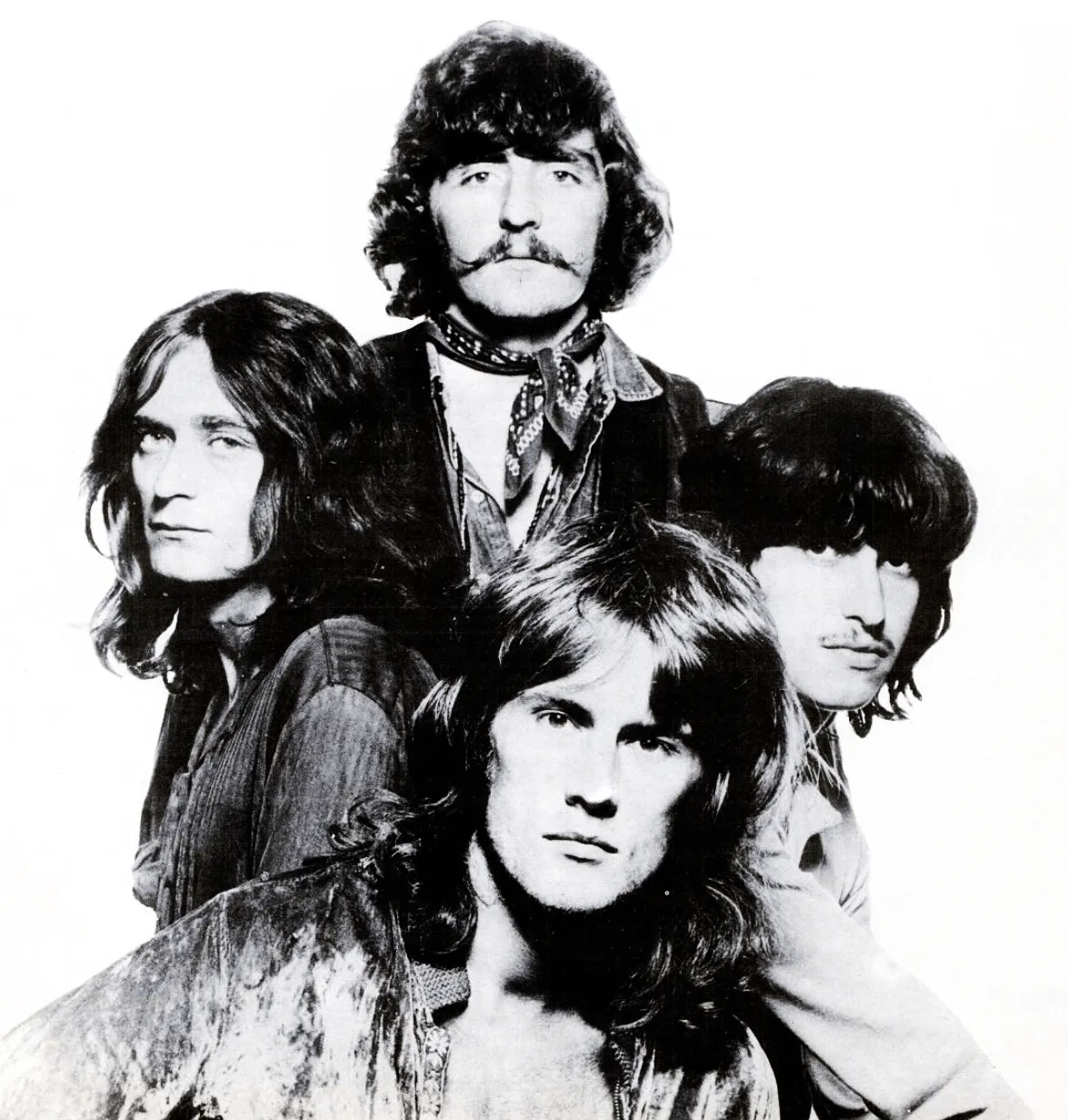
Photo by Deram / London Records , licensed under Public domain · Wikimedia Commons
Rank #456
Ten Years After
From Wikipedia
Ten Years After are an English blues rock group formed in Nottingham in 1966. They had eight consecutive albums in the Top 40 on the UK Albums Chart between 1968 and 1973. They also had twelve albums enter the US Billboard 200. The band are best known for tracks such as "I'm Going Home", "Hear Me Calling", "I'd Love to Change the World" and "Love Like a Man".
Members
- Ric Lee (1966–1974)
- Alvin Lee (1988–2003)
- Chick Churchill (1988–2024)
- Leo Lyons (1988–2014)
- Joe Gooch (2003–2014)
- Colin Hodgkinson (2014–2024)
- Marcus Bonfanti (2014–2024)
Discography & Previews
Browse through and click an album to open and play 30-second previews streamed from Apple Music.

Ten Years After
1967 · 15 tracks
- 1 I Want to Know ↗ 2:10
- 2 I Can't Keep from Crying, Sometimes ↗ 5:23
- 3 Adventures of a Young Organ ↗ 2:33
- 4 Spoonful ↗ 6:03
- 5 Losing the Dogs ↗ 3:02
- 6 Feel It for Me ↗ 2:39
- 7 Love Until I Die ↗ 2:05
- 8 Don't Want You Woman ↗ 2:36
- 9 Help Me ↗ 9:49
- 10 Portable People (Mono Single Version) ↗ 2:15
- 11 The Sounds (Mono Single Version) ↗ 4:28
- 12 Rock Your Mama ↗ 2:58
- 13 Spider In My Web (Single Version) ↗ 7:08
- 14 Hold Me Tight ↗ 2:16
- 15 At the Woodchoppers Ball (Live "Undead" Version) ↗ 7:45
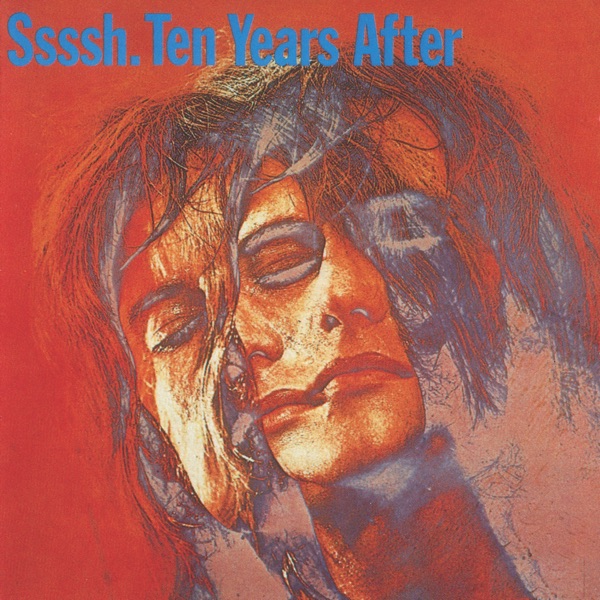
Ssssh.
1969 · 8 tracks
- 1 Bad Scene (2017 Remaster) ↗ 3:30
- 2 Two Time Mama (2017 Remaster) ↗ 2:01
- 3 Stoned Woman (2017 Remaster) ↗ 3:20
- 4 Good Morning Little Schoolgirl (2017 Remaster) ↗ 7:10
- 5 If You Should Love Me (2017 Remaster) ↗ 5:23
- 6 I Don't Know That You Don't Know My Name (2017 Remaster) ↗ 2:06
- 7 The Stomp (2017 Remaster) ↗ 4:31
- 8 I Woke up This Morning (2017 Remaster) ↗ 5:33

Stonedhenge
1969 · 14 tracks
- 1 Going to Try ↗ 4:52
- 2 I Can't Live Without Lydia ↗ 1:24
- 3 Woman Trouble ↗ 4:37
- 4 Skoobly-Oobly-Doobob ↗ 1:42
- 5 Hear Me Calling ↗ 5:44
- 6 A Sad Song ↗ 3:23
- 7 Three Blind Mice ↗ 0:59
- 8 No Title ↗ 8:13
- 9 Faro ↗ 1:11
- 10 Speed Kills ↗ 3:41
- 11 Hear Me Calling (Mono Single Version) ↗ 3:44
- 12 Woman Trouble (US Version) ↗ 4:50
- 13 I'm Going Home (Live "Undead" Single-Edit Version) ↗ 3:37
- 14 Boogie On ↗ 14:26

Cricklewood Green
1970 · 8 tracks
- 1 Sugar the Road (2017 Remaster) ↗ 4:08
- 2 Working on the Road (2017 Remaster) ↗ 4:18
- 3 50,000 Miles Beneath My Brain (2017 Remaster) ↗ 7:37
- 4 Year 3,000 Blues (2017 Remaster) ↗ 2:25
- 5 Me and My Baby (2017 Remaster) ↗ 4:10
- 6 Love Like a Man (2017 Remaster) ↗ 7:38
- 7 Circles (2017 Remaster) ↗ 3:59
- 8 As the Sun Still Burns Away (2017 Remaster) ↗ 4:46

Watt
1970 · 8 tracks
- 1 I'm Coming On (2017 Remaster) ↗ 3:49
- 2 My Baby Left Me (2017 Remaster) ↗ 5:24
- 3 Think About the Times (2017 Remaster) ↗ 4:44
- 4 I Say Yeah (2017 Remaster) ↗ 5:18
- 5 The Band with No Name (2017 Remaster) ↗ 1:38
- 6 Gonna Run (2017 Remaster) ↗ 6:03
- 7 She Lies in the Morning (2017 Remaster) ↗ 7:26
- 8 Sweet Little Sixteen (2017 Remaster) ↗ 4:12

A Space in Time
1971 · 10 tracks
- 1 One of These Days (2017 Remaster) ↗ 5:59
- 2 Here They Come (2017 Remaster) ↗ 4:36
- 3 I'd Love to Change the World (2017 Remaster) ↗ 3:45
- 4 Over the Hill (2017 Remaster) ↗ 2:29
- 5 Baby Won't You Let Me Rock N' Roll You (2017 Remaster) ↗ 2:17
- 6 Once There Was a Time (2017 Remaster) ↗ 3:23
- 7 Let the Sky Fall (2017 Remaster) ↗ 4:20
- 8 Hard Monkeys (2017 Remaster) ↗ 3:12
- 9 I've Been There Too (2017 Remaster) ↗ 5:45
- 10 Uncle Jam (2017 Remaster) ↗ 2:00
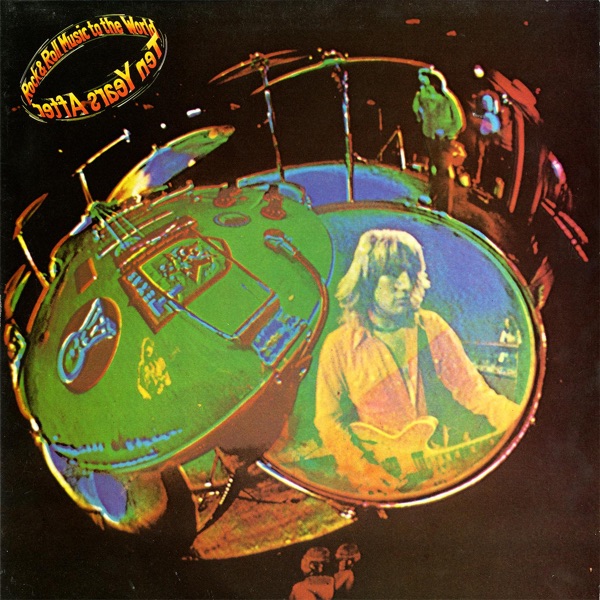
Rock & Roll Music to the World
1972 · 9 tracks

Positive Vibrations
1974 · 10 tracks
- 1 Nowhere to Run (2017 Remaster) ↗ 4:01
- 2 Positive Vibrations (2017 Remaster) ↗ 4:18
- 3 Stone Me (2017 Remaster) ↗ 4:55
- 4 Without You (2017 Remaster) ↗ 3:59
- 5 Going Back to Birmingham (2017 Remaster) ↗ 2:39
- 6 It's Getting Harder (2017 Remaster) ↗ 4:25
- 7 You're Driving Me Crazy (2017 Remaster) ↗ 2:25
- 8 Look into My Life (2017 Remaster) ↗ 4:17
- 9 Look Me Straight into the Eyes (2017 Remaster) ↗ 6:19
- 10 I Wanted to Boogie (2017 Remaster) ↗ 3:37

About Time
1989 · 11 tracks
- 1 Highway of Love ↗ 5:12
- 2 Let's Shake It Up ↗ 5:23
- 3 I Get All Shook Up ↗ 4:42
- 4 Victim of Circumstance ↗ 4:32
- 5 Going to Chicago ↗ 4:28
- 6 Saturday Night ↗ 4:09
- 7 Bad Blood ↗ 7:13
- 8 Working in a Parking Lot ↗ 4:57
- 9 Wild Is the River ↗ 3:58
- 10 Outside My Window ↗ 5:49
- 11 Waiting for the Judgement Day ↗ 4:34
Evolution
2008 · 10 tracks

A Sting in the Tale
2017 · 12 tracks
-
 Ten Years AfterTen Years After196715 tracks
 -
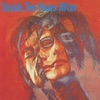 Ssssh.Ten Years After19698 tracks
 -
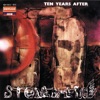 StonedhengeTen Years After196914 tracks
 -
 Cricklewood GreenTen Years After19708 tracks
 -
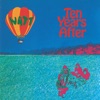 WattTen Years After19708 tracks
 -
 A Space in TimeTen Years After197110 tracks
 -
 Rock & Roll Music to the WorldTen Years After19729 tracks
 -
 Positive VibrationsTen Years After197410 tracks
 -
 About TimeTen Years After198911 tracks
 -
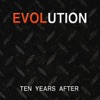 EvolutionTen Years After200810 tracks
 -
 A Sting in the TaleTen Years After201712 tracks
Deep Dive
Overview
Ten Years After are an English blues rock group that emerged from Nottingham in 1966 and became one of the most commercially successful British blues-rock acts of their era. Over a career spanning multiple decades, the band achieved sustained chart success in both the United Kingdom and North America, accumulating eight consecutive Top 40 UK albums between 1968 and 1973 and placing twelve albums on the US Billboard 200. Their catalogue includes several enduring rock radio staples, among them “I’m Going Home,” “Hear Me Calling,” “I’d Love to Change the World,” and “Love Like a Man.”
Formation Story
Ten Years After coalesced in Nottingham in 1966, drawing on the explosive growth of British blues rock that had galvanized the UK musical landscape in the preceding years. The band’s early lineup, anchored by Ric Lee on drums, built their identity on the intersection of American blues traditions and the high-energy rock sensibility that defined their Midlands peers. Operating out of Nottingham, a city already steeped in rock and blues culture, the group positioned themselves within a landscape being reshaped by blues-obsessed British guitarists and bands hungry to both honor and electrify American blues forms.
Breakthrough Moment
Ten Years After’s transition from regional act to national prominence occurred across the late 1960s as their album output began accumulating chart presence. Their 1969 releases Ssssh. and Stonedhenge signaled growing commercial traction, and by 1970, with Cricklewood Green and Watt, the band had secured a firm foothold in both UK and North American markets. The consistency of their album-chart presence—eight straight Top 40 entries on the UK chart between 1968 and 1973—testified to a fanbase that reliably purchased their work and a production schedule that kept them perpetually visible in record shops and radio playlists.
Peak Era
The band’s most commercially potent period ran from roughly 1968 through 1973, a five-year window during which they released their most celebrated work and achieved their deepest chart penetration. Albums such as A Space in Time (1971) and Rock & Roll Music to the World (1972) represented the creative and commercial apex, with the group operating at maximum visibility across radio, television, and live touring. During this stretch, their signature songs became staples of rock radio, and their live performances—typically lengthy, showcase-style sets—cemented their reputation as energetic practitioners of British blues rock. By 1974, with Positive Vibrations, the era had begun to wind down, though the group remained active and toured sporadically through the 1970s and beyond.
Musical Style
Ten Years After anchored their sound in a blues-rock idiom that privileged tight ensemble interplay, straightforward song structures, and raw emotional directness. The band’s rhythm section—particularly Ric Lee’s drumming in the foundational lineup—provided a propulsive backbone that drove even mid-tempo blues numbers into a rock context. Their approach to blues material emphasized energy and accessibility rather than deep stylistic complexity; they rendered their American blues sources through a specifically British sensibility, with the vocal delivery and guitar textures bearing the imprint of the UK rock scene rather than attempts at blues authenticity. Throughout the early 1970s, their production aesthetic favored clarity and separation of instruments, allowing individual voices—especially the lead guitar—to cut through while preserving the band’s cohesive punch.
Major Albums
Ssssh. (1969)
Marked a significant leap in commercial profile and established the band’s signature sound; the album captured their live energy in studio form and yielded several radio-friendly tracks that would become career cornerstones.
Cricklewood Green (1970)
Continued their ascent with a confident, focused set of blues-rock material that balanced virtuosity with immediate appeal, solidifying their foothold in the North American market.
A Space in Time (1971)
Represented the creative and commercial peak of the band’s initial run, combining their blues roots with increasingly polished production and some of their most memorable songwriting.
Rock & Roll Music to the World (1972)
Demonstrated the band’s vitality as they moved deeper into the 1970s, maintaining chart presence and continuing to tour heavily across North America and the UK.
Signature Songs
- “I’m Going Home” — The band’s most recognizable track and a staple of rock radio and classic-rock programming; a blues-based showcase for extended instrumental passages.
- “I’d Love to Change the World” — A vocal-driven piece that achieved wider cultural penetration than many of their album tracks, combining blues sensibility with accessible melody.
- “Hear Me Calling” — An early signature cut that established the band’s ability to merge blues traditions with contemporary rock energy.
- “Love Like a Man” — A blues-rock standard from their peak era that exemplified their approach to interpreting and reimagining traditional blues material.
Influence on Rock
Ten Years After occupied an important position within the broader British blues-rock movement, helping to sustain and popularize blues-derived rock music during the early 1970s at a moment when progressive rock, glam rock, and singer-songwriter idioms were fragmenting the rock audience. While they did not pioneer the British blues-rock sound—that lineage traces through earlier acts—they demonstrated that consistent, unpretentious commitment to blues-rock forms could sustain a major recording and touring career across multiple territories. Their influence extended to rock bands that followed who recognized the durability of blues-rock as a foundation for sustained commercial success. The band’s emphasis on live performance and extended instrumental passages presaged the arena-rock touring model that would come to dominate rock music in the late 1970s and beyond.
Legacy
Ten Years After’s cultural footprint remains most evident in the enduring radio presence of “I’m Going Home” and their other signature tracks, which continue to circulate on classic-rock and rock-radio formats worldwide. The band reunited periodically across the 1980s and 1990s and continued to record, releasing About Time in 1989 after an absence from the studio. Their later albums—Now (2004), Evolution (2008), A Sting in the Tale (2017), and Top Ten From Ten Years After (2020)—demonstrated their commitment to ongoing activity and recording, though with significantly reduced commercial visibility compared to their 1970s heyday. The band’s longevity and their position as reliable practitioners of blues-rock historiography have secured them a role in the collective memory of British rock music and the broader blues-rock canon.
Fun Facts
- Ten Years After recorded The Lost BBC Sessions in 1968, capturing their performances for the BBC during the era before major commercial breakthrough, providing a valuable historical record of the band’s early evolution.
- The band maintained a touring schedule heavy enough that by the early 1970s they were among the most active rock acts on the live circuit, building a devoted fanbase through relentless live performance across North America and Europe.
- Their 2020 release, Top Ten From Ten Years After, served as a career retrospective, reflecting the band’s continued engagement with their catalogue and legacy after more than five decades of existence.