
Photo by Capitol Records , licensed under Public domain · Wikimedia Commons
Rank #11
The Beach Boys
From Wikipedia
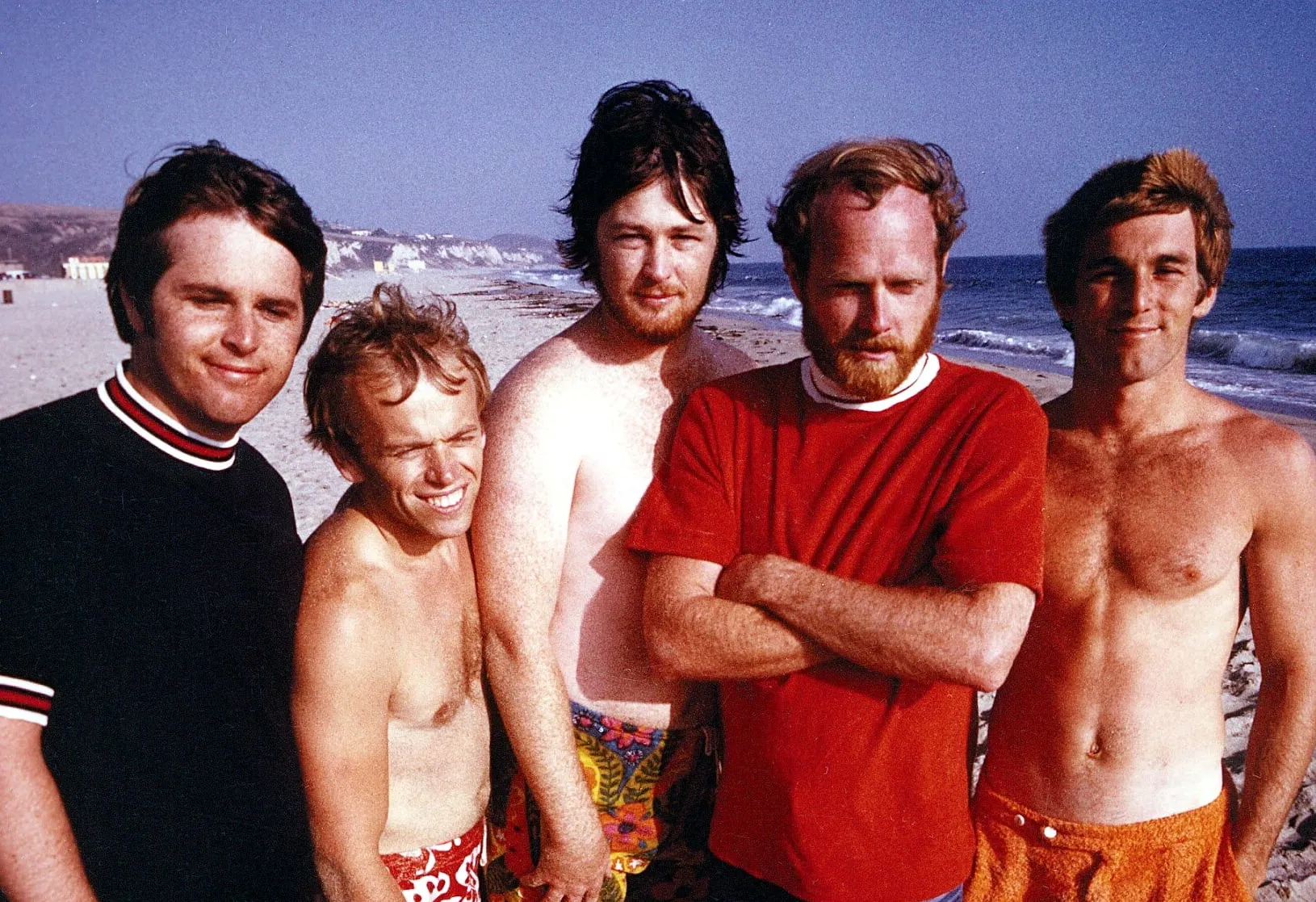
The Beach Boys are an American rock band formed in Hawthorne, California, in 1961. The group's founding members consisted of brothers Brian, Dennis, and Carl Wilson, their cousin Mike Love, and their friend Al Jardine. One of the most influential acts of the rock era, they are known for their musical ingenuity, vocal harmonies, and lyrics initially reflecting a southern California youth culture of surfing, cars, and romance dubbed the "California sound". The group drew on the music of 1950s rock and roll, black R&B, and pre-rock and roll pop vocal groups to create their sound. Under Brian's leadership, they often incorporated classical or jazz elements and unconventional recording techniques in innovative ways.
Members
- Al Jardine
- Blondie Chaplin
- Brian Wilson
- Bruce Johnston
- Carl Wilson
- David Marks
- Dennis Wilson
- Ed Carter
- Glen Campbell
- Mike Love
- Ricky Fataar
Discography & Previews
Browse through and click an album to open and play 30-second previews streamed from Apple Music.
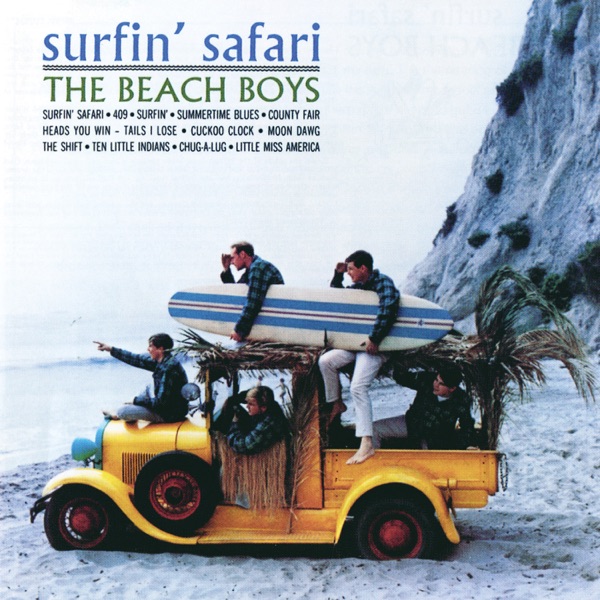
Surfin’ Safari
1962 · 12 tracks

Surfer Girl
1963 · 12 tracks

Little Deuce Coupe
1963 · 12 tracks
- 1 Little Deuce Coupe ↗ 1:40
- 2 Ballad of Ole' Betsy ↗ 2:16
- 3 Be True to Your School ↗ 2:07
- 4 Car Crazy Cutie ↗ 2:49
- 5 Cherry, Cherry Coupe ↗ 1:49
- 6 409 ↗ 1:59
- 7 Shut Down ↗ 1:50
- 8 Spirit of America ↗ 2:24
- 9 Our Car Club ↗ 2:23
- 10 No-Go Showboat ↗ 1:54
- 11 A Young Man Is Gone ↗ 2:16
- 12 Custom Machine ↗ 1:40

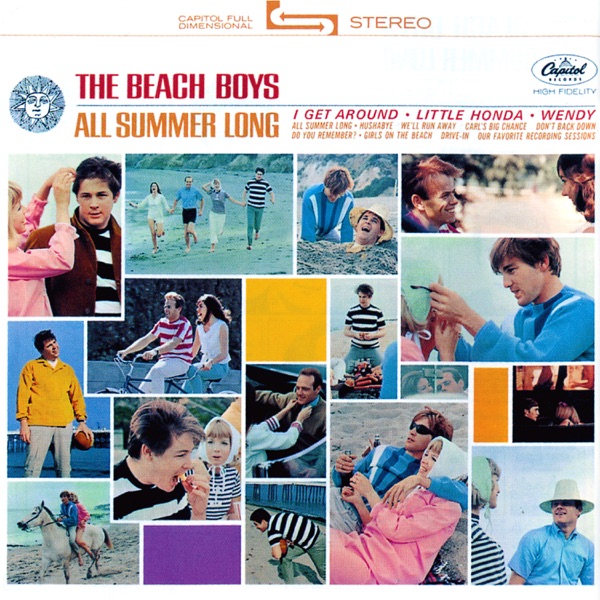
All Summer Long
1964 · 12 tracks
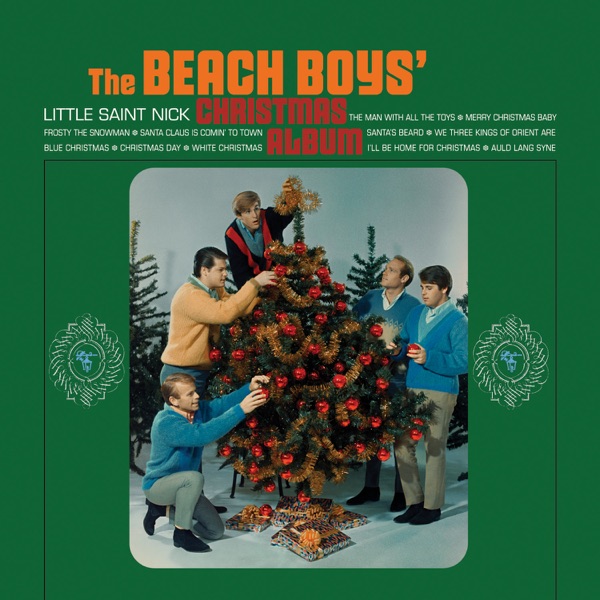
The Beach Boys’ Christmas Album
1964 · 12 tracks
- 1 Little Saint Nick ↗ 2:02
- 2 The Man With All the Toys ↗ 1:34
- 3 Santa's Beard ↗ 2:02
- 4 Merry Christmas, Baby ↗ 2:21
- 5 Christmas Day ↗ 1:48
- 6 Frosty the Snowman ↗ 1:54
- 7 We Three Kings of Orient Are ↗ 4:05
- 8 Blue Christmas ↗ 3:11
- 9 Santa Claus Is Comin' to Town ↗ 2:21
- 10 White Christmas ↗ 2:30
- 11 I'll Be Home for Christmas ↗ 2:45
- 12 Auld Lang Syne ↗ 1:19
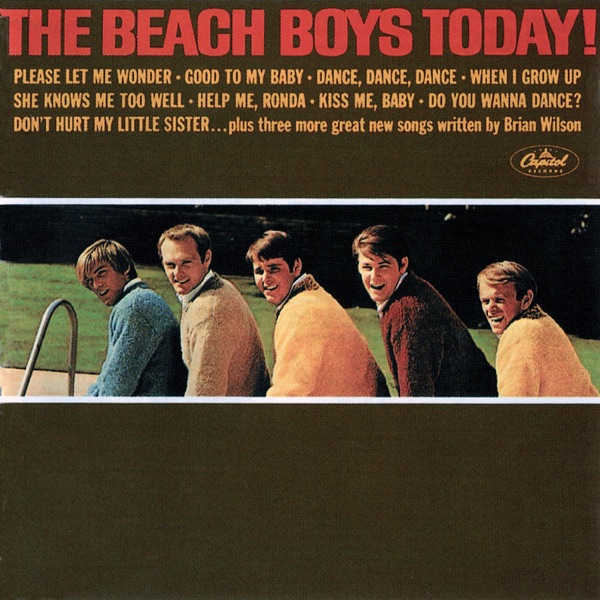
The Beach Boys Today!
1965 · 12 tracks
- 1 Do You Wanna Dance? ↗ 2:38
- 2 Good to My Baby ↗ 2:18
- 3 Don't Hurt My Little Sister ↗ 2:07
- 4 When I Grow Up (To Be a Man) ↗ 2:03
- 5 Help Me, Rhonda ↗ 3:06
- 6 Dance, Dance, Dance ↗ 1:59
- 7 Please Let Me Wonder ↗ 2:49
- 8 I'm So Young ↗ 2:33
- 9 Kiss Me, Baby ↗ 2:42
- 10 She Knows Me Too Well ↗ 2:29
- 11 In the Back of My Mind ↗ 2:09
- 12 Bull Session With "Big Daddy" ↗ 2:12

Summer Days (and Summer Nights!!)
1965 · 12 tracks
- 1 The Girl from New York City ↗ 1:52
- 2 Amusement Parks U.S.A. ↗ 2:34
- 3 Then I Kissed Her ↗ 2:14
- 4 Salt Lake City ↗ 2:03
- 5 Girl Don't Tell Me ↗ 2:18
- 6 Help Me, Rhonda ↗ 2:46
- 7 California Girls ↗ 2:44
- 8 Let Him Run Wild ↗ 2:19
- 9 You're So Good to Me ↗ 2:13
- 10 Summer Means New Love ↗ 2:00
- 11 I'm Bugged At My Ol' Man ↗ 2:21
- 12 And Your Dream Comes True ↗ 1:05

Beach Boys’ Party!
1965 · 12 tracks
- 1 Hully Gully ↗ 2:22
- 2 I Should Have Known Better ↗ 1:40
- 3 Tell Me Why ↗ 1:47
- 4 Papa-Oom-Mow-Mow ↗ 2:18
- 5 Mountain of Love ↗ 2:51
- 6 You've Got to Hide Your Love Away ↗ 2:51
- 7 Devoted to You ↗ 2:19
- 8 Alley Oop ↗ 2:56
- 9 There's No Other Like My Baby ↗ 3:04
- 10 I Get Around / Little Deuce Coupe ↗ 3:12
- 11 The Times They Are A-Changin' ↗ 2:23
- 12 Barbara Ann ↗ 3:24

Pet Sounds
1966 · 13 tracks
- 1 Wouldn't It Be Nice ↗ 2:35
- 2 You Still Believe In Me ↗ 2:36
- 3 That's Not Me ↗ 2:31
- 4 Don't Talk (Put Your Head On My Shoulder) ↗ 2:58
- 5 I'm Waiting for the Day ↗ 3:07
- 6 Let's Go Away for Awhile ↗ 2:26
- 7 Sloop John B ↗ 3:01
- 8 God Only Knows ↗ 2:56
- 9 I Know There's an Answer ↗ 3:19
- 10 Here Today ↗ 3:09
- 11 I Just Wasn't Made for These Times ↗ 3:22
- 12 Pet Sounds ↗ 2:37
- 13 Caroline, No ↗ 2:54
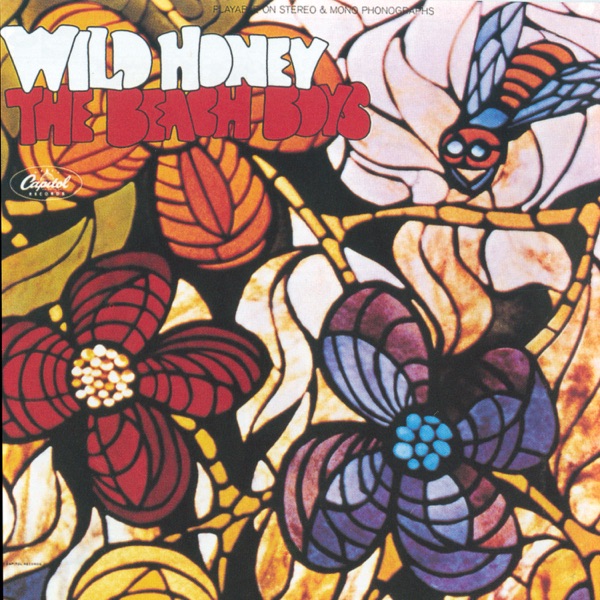
Wild Honey
1967 · 11 tracks
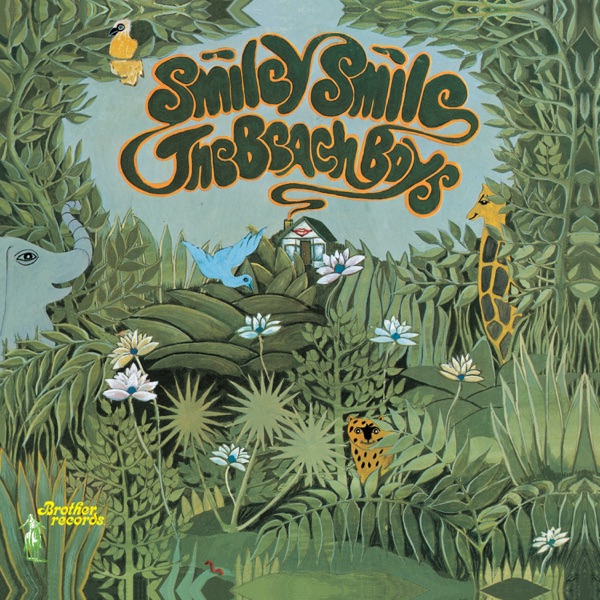
Smiley Smile
1967 · 11 tracks
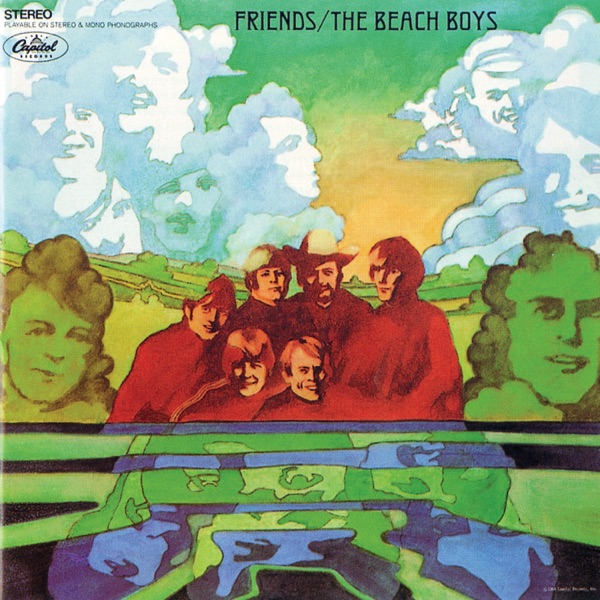
Friends
1968 · 12 tracks
- 1 Meant for You ↗ 0:40
- 2 Friends ↗ 2:33
- 3 Wake the World ↗ 1:31
- 4 Be Here In the Mornin' ↗ 2:19
- 5 When a Man Needs a Woman ↗ 2:09
- 6 Passing By ↗ 2:28
- 7 Anna Lee, the Healer ↗ 1:55
- 8 Little Bird ↗ 2:01
- 9 Be Still ↗ 1:25
- 10 Busy Doin' Nothin' ↗ 3:06
- 11 Diamond Head ↗ 3:42
- 12 Transcendental Meditation ↗ 1:52
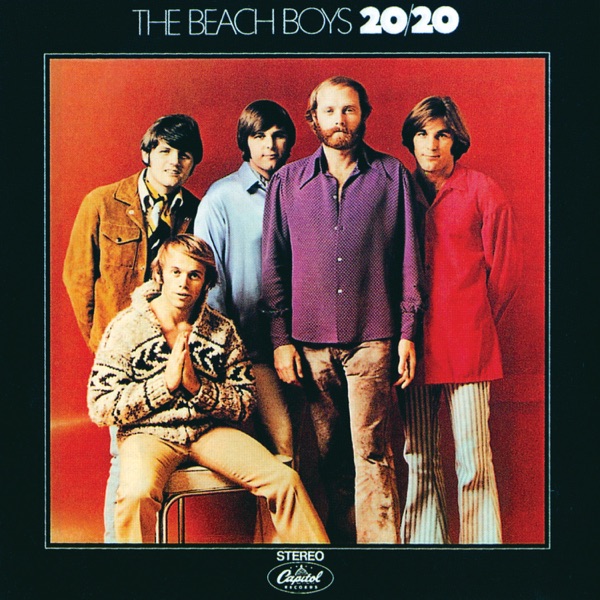
20/20
1969 · 12 tracks
- 1 Do It Again ↗ 2:29
- 2 I Can Hear Music ↗ 2:38
- 3 Bluebirds Over the Mountain ↗ 2:53
- 4 Be With Me ↗ 3:16
- 5 All I Want to Do ↗ 2:05
- 6 The Nearest Faraway Place ↗ 2:42
- 7 Cotton Fields (The Cotton Song) ↗ 2:25
- 8 I Went to Sleep ↗ 1:39
- 9 Time to Get Alone ↗ 2:44
- 10 Never Learn Not to Love ↗ 2:34
- 11 Our Prayer ↗ 1:09
- 12 Cabinessence ↗ 3:38
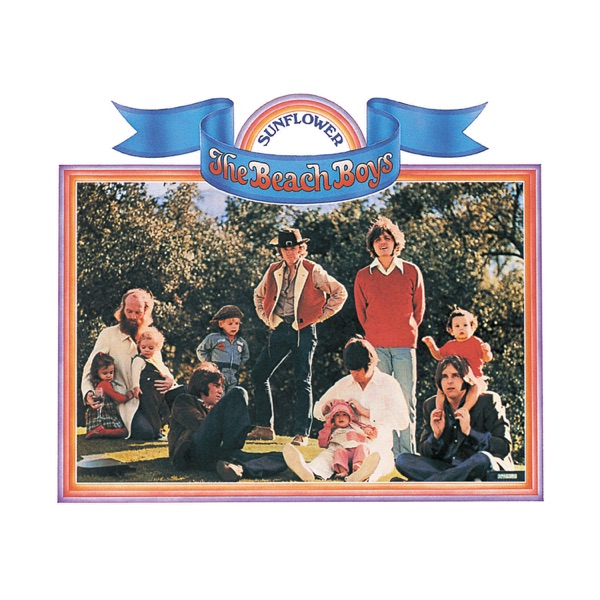
Sunflower
1970 · 12 tracks
- 1 Slip On Through ↗ 2:16
- 2 This Whole World ↗ 1:56
- 3 Add Some Music to Your Day ↗ 3:34
- 4 Got to Know the Woman ↗ 2:41
- 5 Deirdre ↗ 3:28
- 6 It's About Time ↗ 2:56
- 7 Tears In the Morning ↗ 4:10
- 8 All I Wanna Do ↗ 2:34
- 9 Forever ↗ 2:41
- 10 Our Sweet Love ↗ 2:38
- 11 At My Window ↗ 2:30
- 12 Cool, Cool Water ↗ 5:04
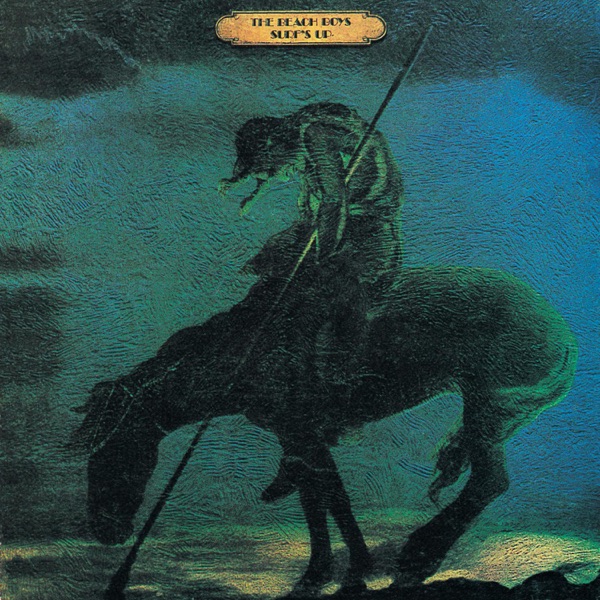
Surf’s Up
1971 · 10 tracks
- 1 Don't Go Near the Water ↗ 2:40
- 2 Long Promised Road ↗ 3:32
- 3 Take a Load Off Your Feet ↗ 2:29
- 4 Disney Girls (1957) ↗ 4:09
- 5 Student Demonstration Time ↗ 3:57
- 6 Feel Flows ↗ 4:48
- 7 Lookin' At Tomorrow (A Welfare Song) ↗ 1:56
- 8 A Day In the Life of a Tree ↗ 3:08
- 9 'Til I Die ↗ 2:33
- 10 Surf's Up ↗ 4:16
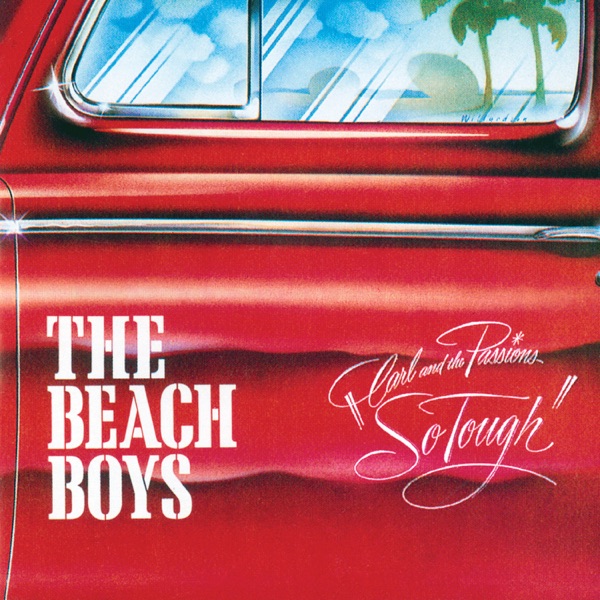
Holland
1973 · 16 tracks
- 1 Sail On, Sailor ↗ 3:18
- 2 Steamboat ↗ 4:34
- 3 California Saga: Big Sur ↗ 2:56
- 4 California Saga: The Beaks of Eagles ↗ 3:49
- 5 California Saga: California ↗ 3:21
- 6 The Trader ↗ 5:05
- 7 Leaving This Town ↗ 5:50
- 8 Only With You ↗ 3:01
- 9 Funky Pretty ↗ 4:10
- 10 Mt. Vernon and Fairway (Theme) ↗ 1:34
- 11 I'm the Pied Piper (Instrumental) ↗ 2:20
- 12 Better Get Back In Bed ↗ 1:39
- 13 Magic Transistor Radio ↗ 1:43
- 14 I'm the Pied Piper ↗ 2:09
- 15 Radio King Dom ↗ 2:38
- 16 We Got Love ↗ 5:56
15 Big Ones
1976 · 15 tracks
- 1 Rock and Roll Music ↗ 2:31
- 2 It's O.K. ↗ 2:15
- 3 Had to Phone Ya ↗ 1:46
- 4 Chapel of Love ↗ 2:36
- 5 Everyone's In Love With You ↗ 2:44
- 6 Talk to Me / Tallahassee Lassie ↗ 2:17
- 7 That Same Song ↗ 2:19
- 8 TM Song ↗ 1:36
- 9 Palisades Park ↗ 2:29
- 10 Susie Cincinnati ↗ 3:00
- 11 A Casual Look ↗ 2:48
- 12 Blueberry Hill ↗ 3:04
- 13 Back Home ↗ 2:52
- 14 In the Still of the Night ↗ 3:05
- 15 Just Once In My Life ↗ 3:46

Love You
1977 · 14 tracks
- 1 Let Us Go On This Way ↗ 2:00
- 2 Roller Skating Child ↗ 2:18
- 3 Mona ↗ 2:09
- 4 Johnny Carson ↗ 2:48
- 5 Good Time ↗ 2:51
- 6 Honkin' Down the Highway ↗ 2:48
- 7 Ding Dang ↗ 0:56
- 8 Solar System ↗ 2:48
- 9 The Night Was So Young ↗ 2:15
- 10 I'll Bet He's Nice ↗ 2:39
- 11 Let's Put Our Hearts Together ↗ 2:15
- 12 I Wanna Pick You Up ↗ 2:46
- 13 Airplane ↗ 3:02
- 14 Love Is a Woman ↗ 2:53

M.I.U. Album
1978 · 12 tracks
- 1 She's Got Rhythm ↗ 2:29
- 2 Come Go With Me ↗ 2:08
- 3 Hey, Little Tomboy ↗ 2:27
- 4 Kona Coast ↗ 2:33
- 5 Peggy Sue ↗ 2:16
- 6 Wontcha Come Out Tonight? ↗ 2:32
- 7 Sweet Sunday Kinda Love ↗ 2:45
- 8 Belles of Paris ↗ 2:30
- 9 Pitter Patter ↗ 3:17
- 10 My Diane ↗ 2:38
- 11 Match Point of Our Love ↗ 3:33
- 12 Winds of Change ↗ 3:18


Keepin’ the Summer Alive
1980 · 10 tracks
The Beach Boys
1985 · 12 tracks
- 1 Getcha Back ↗ 3:02
- 2 It's Gettin' Late ↗ 3:27
- 3 Crack At Your Love ↗ 3:39
- 4 Maybe I Don't Know ↗ 3:54
- 5 She Believes In Love Again ↗ 3:31
- 6 California Calling ↗ 2:52
- 7 Passing Friend ↗ 4:59
- 8 I'm So Lonely ↗ 2:52
- 9 Where I Belong ↗ 2:58
- 10 I Do Love You ↗ 4:20
- 11 It's Just a Matter of Time ↗ 2:25
- 12 Male Ego ↗ 2:31


That’s Why God Made the Radio
2012 · 12 tracks
- 1 Think About the Days ↗ 1:27
- 2 That's Why God Made the Radio ↗ 3:19
- 3 Isn't It Time ↗ 3:45
- 4 Spring Vacation ↗ 3:07
- 5 The Private Life of Bill and Sue ↗ 4:17
- 6 Shelter ↗ 3:02
- 7 Daybreak Over the Ocean ↗ 4:20
- 8 Beaches In Mind ↗ 2:38
- 9 Strange World ↗ 3:03
- 10 From There to Back Again ↗ 3:24
- 11 Pacific Coast Highway ↗ 1:47
- 12 Summer's Gone ↗ 4:40
-
 Surfin’ SafariThe Beach Boys196212 tracks
 -
 Surfer GirlThe Beach Boys196312 tracks
 -
 Little Deuce CoupeThe Beach Boys196312 tracks
 -
 Surfin’ USAThe Beach Boys196312 tracks
 -
 All Summer LongThe Beach Boys196412 tracks
 -
 The Beach Boys’ Christmas AlbumThe Beach Boys196412 tracks
 -
 The Beach Boys Today!The Beach Boys196512 tracks
 -
 Summer Days (and Summer Nights!!)The Beach Boys196512 tracks
 -
 Beach Boys’ Party!The Beach Boys196512 tracks
 -
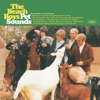 Pet SoundsThe Beach Boys196613 tracks
 -
 Wild HoneyThe Beach Boys196711 tracks
 -
 Smiley SmileThe Beach Boys196711 tracks
 -
 FriendsThe Beach Boys196812 tracks
 -
 20/20The Beach Boys196912 tracks
 -
 SunflowerThe Beach Boys197012 tracks
 -
 Surf’s UpThe Beach Boys197110 tracks
 -
 Carl and the Passions: “So Tough”The Beach Boys19728 tracks
 -
 HollandThe Beach Boys197316 tracks
 -
 15 Big OnesThe Beach Boys197615 tracks
 -
 Love YouThe Beach Boys197714 tracks
 -
 M.I.U. AlbumThe Beach Boys197812 tracks
 -
 L.A. (Light Album)The Beach Boys197910 tracks
 -
 Keepin’ the Summer AliveThe Beach Boys198010 tracks
 -
 The Beach BoysThe Beach Boys198512 tracks
 -
 GOOD VIBRATIONSThe Beach Boys19976 tracks
 -
 That’s Why God Made the RadioThe Beach Boys201212 tracks
Deep Dive
Overview
The Beach Boys stand as one of the most influential rock acts of all time, a band that transformed surf-and-cars pop into a vehicle for sophisticated studio experimentation and architectural vocal arrangement. Formed in Hawthorne, California, in 1961, they merged 1950s rock and roll, black R&B, and pre-rock pop vocal traditions into what became known as the “California sound”—a trademark blend of sun-drenched melodies, close harmonies, and lyrics celebrating Southern California youth culture. Under the creative direction of Brian Wilson, the band evolved from regional chart players into international tastemakers whose studio techniques and harmonic innovations reshaped the boundaries of what popular music could accomplish.
Formation Story
The Beach Boys coalesced in Hawthorne, a working-class Los Angeles suburb, from the Wilson family nucleus: brothers Brian, Dennis, and Carl Wilson, alongside their cousin Mike Love and friend Al Jardine. The lineup that debuted in 1961 established the core voices and personalities that would define the group’s sound and dynamic. All of these founding members possessed natural musicianship, but it was Brian Wilson—the oldest Wilson brother—who emerged as the band’s primary songwriter, arranger, and producer. Their earliest material drew directly from the surf culture flourishing in Southern California beaches and the hot-rod enthusiasm of the local youth scene, themes that would dominate their first several releases.
Breakthrough Moment
The Beach Boys achieved rapid regional success with their debut album, Surfin’ Safari (1962), followed by immediate follow-ups Surfer Girl and Surfin’ USA (both 1963). These early records, recorded for Candix Records and later Capitol Records, established their commercial foothold with radio-friendly two-minute pop constructions that captured surf and car culture in direct, novelty-tinged language. However, the band’s real breakthrough into artistic legitimacy came with The Beach Boys Today! (1965) and Summer Days (and Summer Nights!!) (1965), albums that demonstrated Brian Wilson’s deepening interest in studio sophistication and emotional lyrical content beyond the party-song template. These records introduced listeners to the harmonic complexity and production subtlety that would define the band’s mature work.
Peak Era
The band’s creative and commercial peak occurred between 1965 and 1967. Pet Sounds (1966) stands as the apex of this period—a studio-bound masterpiece that abandoned live performance conventions in favor of meticulous multitrack arrangements, string orchestration, and jazz and classical instrumental textures. Following Pet Sounds, the band released Wild Honey (1967) and Smiley Smile (1967), demonstrating continued experimentation with unconventional recording and songwriting approaches. The period from 1968 through the early 1970s saw the release of Friends (1968), 20/20 (1969), Sunflower (1970), and Surf’s Up (1971)—records that, while receiving less mainstream attention than their mid-1960s output, showcased a band wrestling with introspection, studio innovation, and the changing landscape of rock music.
Musical Style
The Beach Boys’ sound rested fundamentally on vocal harmony—intricate three- and four-part arrangements that deployed the human voice as an instrument capable of textural and harmonic complexity traditionally associated with orchestral music. Brian Wilson’s arrangements typically featured close-voiced harmonies built from the bass up, creating wall-of-sound density that owed as much to Phil Spector’s productions and classical choral writing as to doo-wop and R&B vocal groups. The instrumentation evolved across their career from straightforward rock and roll band setup (guitar, bass, drums, vocals) into a studio palette encompassing orchestral strings, horns, vibraphone, piano, and unusual percussion. Lyrically, the early songs celebrated surfing, automobiles, and teenage romance with directness; later work incorporated introspection, spiritual seeking, and abstract emotional imagery. Brian Wilson’s songwriting and production approach gradually emphasized studio as instrument—layering, phasing, unconventional microphone placement, and multitrack complexity became signature elements, most audible on Pet Sounds and subsequent records.
Major Albums
Surfin’ Safari (1962)
The band’s debut established the surf-pop template and introduced their core vocal blend, though recorded with relative simplicity compared to their later work.
Surfer Girl (1963)
This album deepened the group’s exploration of California youth culture and showcased increasingly sophisticated vocal arrangements within pop-song structures.
Pet Sounds (1966)
An orchestral pop masterpiece built entirely in the studio, featuring string arrangements, unconventional percussion, and Brian Wilson’s most ambitious harmonic and production work; widely regarded as a watershed moment in studio-based rock music.
Wild Honey (1967)
A more modest but artistically cohesive follow-up that maintained studio innovation while returning to shorter, tighter song structures.
Sunflower (1970)
A late-period album demonstrating the band’s continued willingness to experiment with harmony, arrangement, and studio technique despite reduced commercial momentum.
That’s Why God Made the Radio (2012)
A late-career release that revisited the band’s foundational themes and sound while reaffirming their place in the contemporary pop-rock landscape.
Signature Songs
- “Surfin’ USA” — Their biggest early hit, a playful rewrite of Chuck Berry’s “Sweet Little Sixteen,” which established the band as synonymous with surf culture.
- “California Girls” — A celebratory pop confection that became perhaps their most recognizable song worldwide.
- “Good Vibrations” — An adventurous single released in 1966 that employed innovative studio techniques and became one of their most enduring recordings.
- “Wouldn’t It Be Nice” — A wistful love song from Pet Sounds that showcased Brian Wilson’s ability to blend sophisticated arrangement with direct emotional expression.
- “In My Room” — An introspective ballad that revealed a more vulnerable side to the band’s typical party-focused material.
- “Don’t Know Why” — A later composition demonstrating the band’s continued songwriting vitality across multiple decades.
Influence on Rock
The Beach Boys fundamentally altered the relationship between pop music and studio recording technology. Before Pet Sounds, the studio was generally understood as a neutral recording medium for songs that existed first and foremost as live performances. Brian Wilson demonstrated that the studio itself could be an instrument—that multitrack recording, unconventional arrangements, and meticulous post-production could create sounds impossible to generate live. This insight rippled through rock music immediately; the production sophistication and harmonic ambition of Pet Sounds influenced not only contemporaries but established a template for artistic ambition in popular music that continues to resonate. The band’s harmonic vocabulary, drawn from classical and jazz traditions but applied to pop contexts, elevated the sophistication of vocal arrangement across rock and pop. Their integration of orchestral instruments into rock contexts helped establish the possibility of genre fusion and genre-blurring in mainstream popular music. Beyond production and harmony, the band’s “California sound” mythology—the marketing and mythology of surf culture, automobiles, and youth—shaped how rock bands understood place and identity.
Legacy
The Beach Boys’ commercial prominence gradually declined after the late 1960s, yet their influence on rock and pop music never diminished. Pet Sounds rose in retrospective estimation to near-universal critical recognition as one of the most important rock albums ever recorded. The band continued recording and touring into subsequent decades, releasing albums throughout the 1970s, 1980s, and beyond, demonstrating artistic longevity if not consistent commercial success. Their induction into the Rock and Roll Hall of Fame and continued streaming popularity underscore their permanent place in rock history. The Beach Boys’ catalog remains a primary reference point for understanding how rock music absorbed and transformed pop sensibilities, how recording technology enabled artistic innovation, and how regional American culture became global mythology through popular music. Their vocal blend and harmonic sophistication remain studied by musicians and arrangers; Pet Sounds in particular serves as a master class in studio production and arrangement for successive generations of artists.
Fun Facts
- The band’s founding lineup included three Wilson brothers—Brian, Dennis, and Carl—along with their cousin Mike Love and Al Jardine, creating a family-centered creative partnership unusual in rock music.
- Brian Wilson did not tour with the band during the recording and release of Pet Sounds, instead focusing entirely on studio work while other members performed live without him.
- The band’s record labels evolved across their career, beginning with Candix Records before moving to Capitol Records, later establishing their own Brother Records label for greater creative control.
- Dennis Wilson was the only actual surfer in the band during their early career, despite the group becoming synonymous with surf culture; the band’s connection to surfing was primarily cultural and mythological.
- The band recorded continuously across five decades, from 1962 through 2012, with That’s Why God Made the Radio released fifty years after their debut, demonstrating exceptional artistic longevity.