
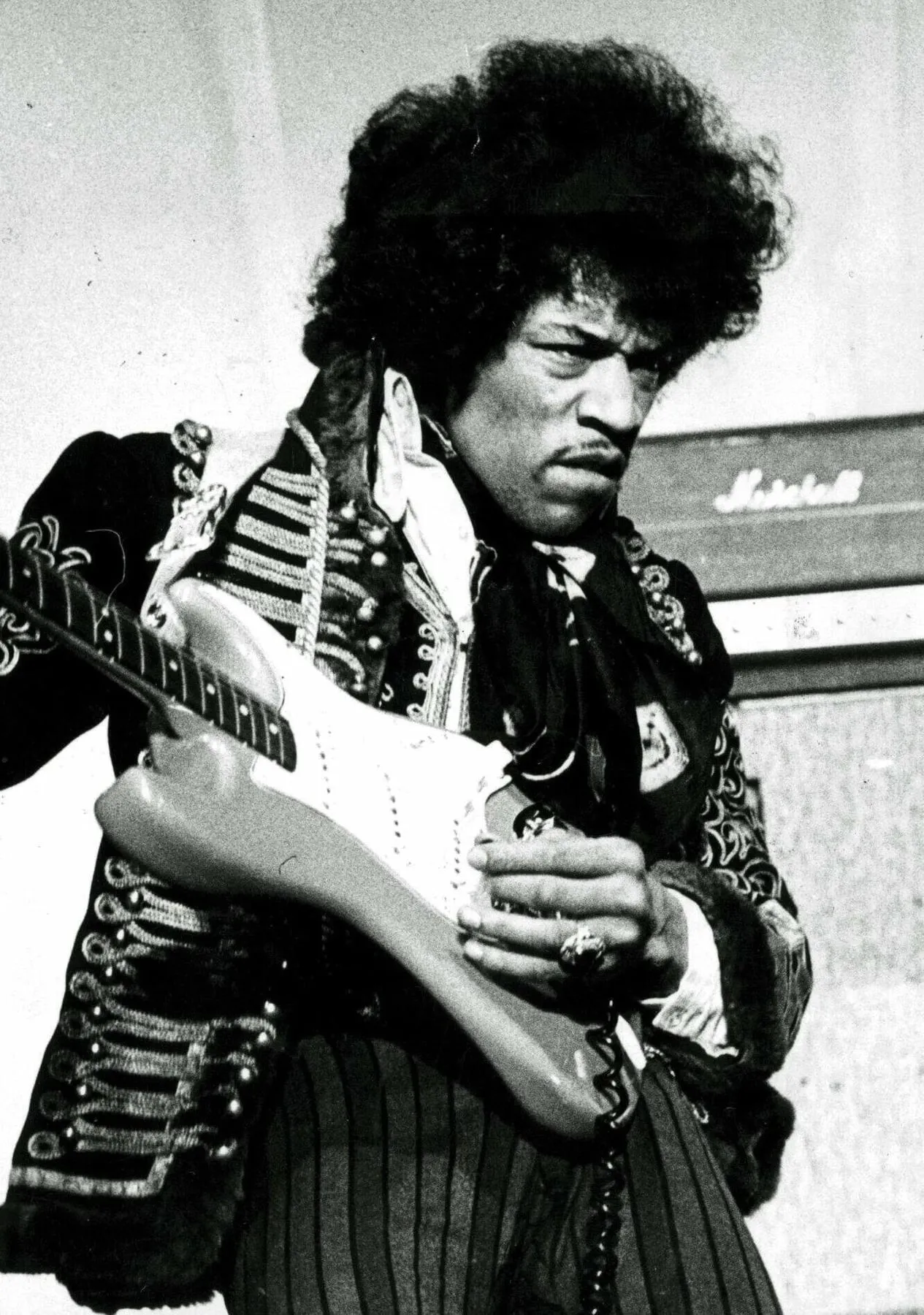
Photo by Original photographer unknown , licensed under Public domain · Wikimedia Commons
Rank #15
The Jimi Hendrix Experience
From Wikipedia
James Marshall "Jimi" Hendrix was an American guitarist, singer, and songwriter. He is widely regarded as one of the greatest and most influential guitarists of all time. He was inducted into the Rock and Roll Hall of Fame in 1992 as a part of his band, the Jimi Hendrix Experience; the institution describes him as "arguably the greatest instrumentalist in the history of rock music".
Discography & Previews
Browse through and click an album to open and play 30-second previews streamed from Apple Music.
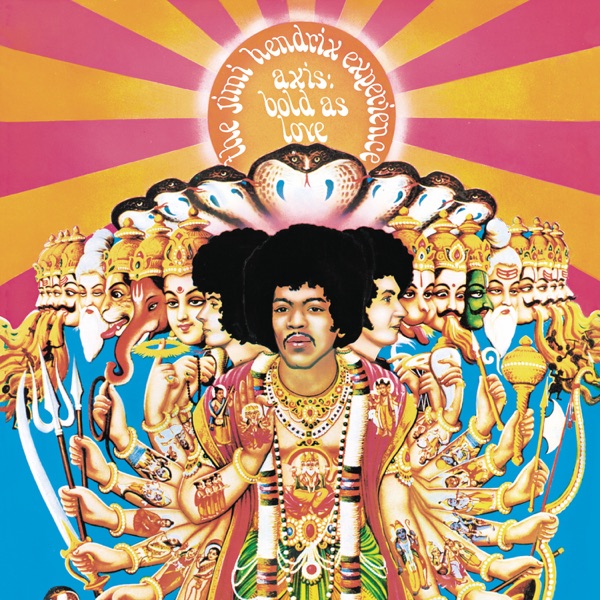
Axis: Bold as Love
1967 · 13 tracks
- 1 EXP ↗ 1:55
- 2 Up from the Skies ↗ 2:58
- 3 Spanish Castle Magic ↗ 3:03
- 4 Wait Until Tomorrow ↗ 3:03
- 5 Ain't No Telling ↗ 1:48
- 6 Little Wing ↗ 2:26
- 7 If 6 Was 9 ↗ 5:35
- 8 You Got Me Floatin' ↗ 2:48
- 9 Castles Made of Sand ↗ 2:49
- 10 She's So Fine ↗ 2:39
- 11 One Rainy Wish ↗ 3:42
- 12 Little Miss Lover ↗ 2:21
- 13 Bold As Love ↗ 4:11

Are You Experienced
1967 · 17 tracks
- 1 Purple Haze ↗ 2:51
- 2 Manic Depression ↗ 3:42
- 3 Hey Joe ↗ 3:30
- 4 Love or Confusion ↗ 3:13
- 5 May This Be Love ↗ 3:10
- 6 I Don't Live Today ↗ 3:54
- 7 The Wind Cries Mary ↗ 3:21
- 8 Fire ↗ 2:44
- 9 Third Stone from the Sun ↗ 6:44
- 10 Foxey Lady ↗ 3:19
- 11 Are You Experienced? ↗ 4:16
- 12 Stone Free ↗ 3:36
- 13 51st Anniversary ↗ 3:16
- 14 Highway Chile ↗ 3:33
- 15 Can You See Me ↗ 2:33
- 16 Remember ↗ 2:49
- 17 Red House ↗ 3:50
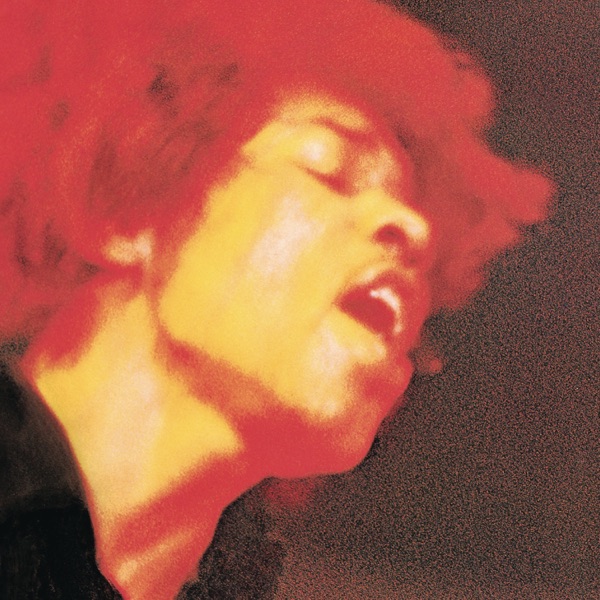
Electric Ladyland
1968 · 16 tracks
- 1 ...And the Gods Made Love ↗ 1:23
- 2 Have You Ever Been (To Electric Ladyland) ↗ 2:10
- 3 Crosstown Traffic ↗ 2:27
- 4 Voodoo Chile ↗ 15:00
- 5 Little Miss Strange ↗ 2:52
- 6 Long Hot Summer Night ↗ 3:28
- 7 Come On (Let the Good Times Roll) ↗ 4:09
- 8 Gypsy Eyes ↗ 3:44
- 9 Burning of the Midnight Lamp ↗ 3:40
- 10 Rainy Day, Dream Away ↗ 3:42
- 11 1983... (A Merman I Should Turn to Be) ↗ 13:40
- 12 Moon, Turn the Tides... Gently Gently Away ↗ 1:02
- 13 Still Raining, Still Dreaming ↗ 4:26
- 14 House Burning Down ↗ 4:33
- 15 All Along the Watchtower ↗ 4:01
- 16 Voodoo Child (Slight Return) ↗ 5:13
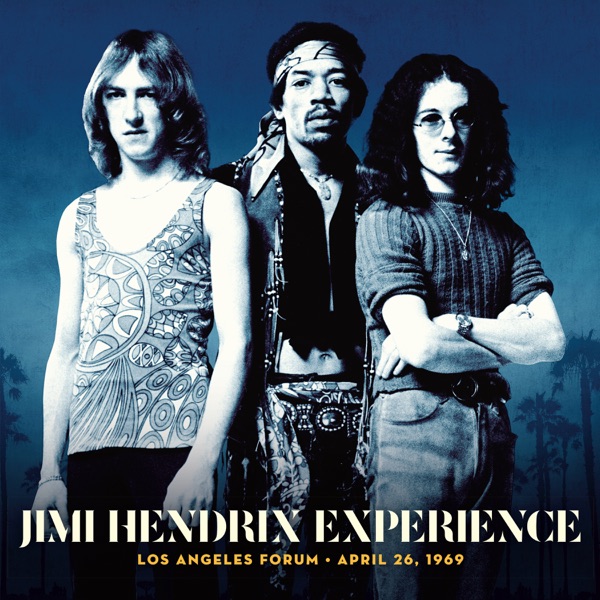
Los Angeles Forum · April 26, 1969
2025 · 11 tracks
- 1 Introduction (Live at the Los Angeles Forum, Inglewood, CA - April 26, 1969) ↗ 2:27
- 2 Tax Free (Live at the Los Angeles Forum, Inglewood, CA - April 26, 1969) ↗ 15:34
- 3 Foxey Lady (Live at the Los Angeles Forum, Inglewood, CA - April 26, 1969) ↗ 5:13
- 4 Red House (Live at the Los Angeles Forum, Inglewood, CA - April 26, 1969) ↗ 11:10
- 5 Spanish Castle Magic (Live at the Los Angeles Forum, Inglewood, CA - April 26, 1969) ↗ 11:58
- 6 Star Spangled Banner (Live at the Los Angeles Forum, Inglewood, CA - April 26, 1969) ↗ 2:31
- 7 Purple Haze (Live at the Los Angeles Forum, Inglewood, CA - April 26, 1969) ↗ 6:45
- 8 I Don't Live Today (Live at the Los Angeles Forum, Inglewood, CA - April 26, 1969) ↗ 7:08
- 9 Voodoo Child (Slight Return) [Part One - Live at the Los Angeles Forum, Inglewood, CA - April 26, 1969] ↗ 9:13
- 10 Sunshine Of Your Love (Live at the Los Angeles Forum, Inglewood, CA - April 26, 1969) ↗ 4:17
- 11 Voodoo Child (Slight Return) [Part Two - Live at the Los Angeles Forum, Inglewood, CA - April 26, 1969] ↗ 3:19
-
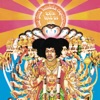 Axis: Bold as LoveThe Jimi Hendrix Experience196713 tracks
 -
 Are You ExperiencedThe Jimi Hendrix Experience196717 tracks
 -
 Electric LadylandThe Jimi Hendrix Experience196816 tracks
 -
 Los Angeles Forum · April 26, 1969The Jimi Hendrix Experience202511 tracks
Deep Dive
Overview
The Jimi Hendrix Experience was a London-based power trio active from 1966 to 1970 that fundamentally altered the trajectory of rock music through the revolutionary guitar work of Jimi Hendrix. Operating within the broader psychedelic rock movement but rooted in blues tradition, the band released three studio albums that established new technical and sonic standards for the electric guitar. Hendrix’s playing—characterized by feedback manipulation, unconventional effects processing, and a blues-informed rhythmic sensibility applied to rock scales—made the instrument the dominant voice in rock music in ways it had not been before.
Formation Story
Jimi Hendrix, an American guitarist born in 1942, relocated to London in 1966 and quickly formed the Experience with British bassist Noel Redding and British drummer Mitch Mitchell. The trio coalesced around Hendrix’s vision and emerged from the vibrant London psychedelic scene of the mid-1960s, a moment when blues revival, raga-influenced experimentalism, and technological curiosity about amplification and studio technique converged. London’s underground clubs and the energy of bands exploring new sonic territories created fertile ground for Hendrix’s distinctive approach, which married American blues phrasing and feel to avant-garde electric textures.
Breakthrough Moment
The Experience achieved immediate international prominence with the 1967 release of Are You Experienced, a debut that introduced Hendrix’s revolutionary approach to a mass audience. Tracks on the album such as “Foxy Lady” and “Purple Haze” demonstrated his ability to layer distortion, controlled feedback, and spatial effects within structured rock songs—a fusion of avant-garde studio technique and blues-based songwriting that felt genuinely new. The album established Hendrix not merely as a skilled technician but as an artist who had expanded the guitar’s sonic palette in ways that opened pathways for countless guitarists to follow.
Peak Era
The band’s peak creative and commercial period spanned 1967 to 1968, encompassing the release of Axis: Bold as Love in 1967 and the ambitious double album Electric Ladyland in 1968. During these eighteen months, the Experience released their three studio albums and toured extensively, including a legendary appearance at the Los Angeles Forum on April 26, 1969. This era saw Hendrix moving from bold innovation into deeper exploration of studio production, psychedelic texture, and blues-rock intensity, each album pushing the boundaries of what could be achieved through amplified guitar and multitrack recording.
Musical Style
The Jimi Hendrix Experience fused blues rock with psychedelic rock sensibilities, creating a sound distinguished by Hendrix’s singular guitar approach. His technique involved aggressive use of distortion and feedback—deployed not as noise but as expressive tools—combined with precise tremolo-arm manipulation, rapid-fire pentatonic phrases rooted in blues tradition, and an intuitive sense of when to strip away effects and play with raw tone. His vocals, often processed and layered, operated as another textural element rather than the song’s primary anchor; the guitar was the band’s lead voice. Redding’s bass lines moved with surprising harmonic independence, while Mitchell’s drumming combined jazz-influenced sensitivity with rock propulsion, supporting rather than dominating the soundscape. The band’s production—particularly evident on Electric Ladyland—employed studio layering, backward recording, and panning techniques that made the songs feel spatially immersive in ways radical for 1968.
Major Albums
Are You Experienced (1967)
The debut introduced Hendrix’s revolutionary approach to rock guitar within immediately accessible song structures. It remains the most commercially successful of the three studio albums and established tracks that would define his public profile.
Axis: Bold as Love (1967)
Released the same year as Are You Experienced, this album shifted focus toward more intricate arrangements and studio experimentation, revealing a band willing to venture beyond the straightforward rock songs that had brought them initial fame.
Electric Ladyland (1968)
The Experience’s most expansive and studio-intensive work, this double album showcased Hendrix’s deepening vision for what rock music could encompass sonically, employing multitrack layering and effects processing at levels that were unusual for rock at the time.
Signature Songs
- “Purple Haze” — The most recognizable Hendrix composition, featuring the distinctive opening riff and feedback-heavy aesthetic that became his sonic signature.
- “Foxy Lady” — A showcase for Hendrix’s blues-inflected rhythm guitar and his ability to make a rock song groove with infectious energy.
- “The Wind Cries Mary” — Demonstrated Hendrix’s softer side, using effects and tone rather than aggression to create mood.
- “All Along the Watchtower” — A cover that became as definitive as the original, showing Hendrix’s ability to recontextualize songs through his guitar vision.
Influence on Rock
The Jimi Hendrix Experience’s impact on rock music was profound and immediate. Hendrix’s approach to the electric guitar—treating it as a multi-dimensional instrument capable of generating textures previously associated with synthesizers or orchestral arrangements—opened entirely new aesthetic possibilities for rock musicians. Guitarists across hard rock, progressive rock, and later metal looked to Hendrix’s example of technical mastery married to emotional expression. His integration of blues phrasing within psychedelic and experimental contexts created a template that influenced generations of musicians who sought to honor blues tradition while pushing toward innovation. The band’s three-piece configuration and the clarity with which each member’s role was defined also influenced how rock bands conceptualized arrangement and production.
Legacy
The Jimi Hendrix Experience disbanded in 1970, but Hendrix’s influence only expanded posthumously. He was inducted into the Rock and Roll Hall of Fame in 1992 as part of the Experience, with the institution recognizing him as arguably the greatest instrumentalist in rock music history. His three studio albums have remained in continuous circulation, reissued multiple times and now available across streaming platforms where they reach new generations of listeners. The band’s work established templates for rock guitar technique that remain relevant; his albums are studied by musicians and remain touchstones for anyone serious about electric guitar. Though the band’s active period was brief—four years—the density of innovation and influence concentrated in that span ensures the Experience’s place as one of rock’s most consequential groups.
Fun Facts
- Hendrix was born in Seattle, Washington in 1942 but relocated to London to form the Experience, finding the British music scene more receptive to his experimental approach than the American market of the time.
- The Experience recorded Electric Ladyland at the Record Plant studio in New York, one of the most advanced studios of its era, allowing Hendrix unprecedented access to multitrack technology.
- Noel Redding and Mitch Mitchell remained the rhythm section for all three studio albums, providing continuity and developing increasingly sophisticated interplay with Hendrix’s guitar work across the band’s recorded output.