
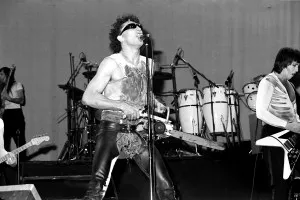
Photo by Helge Øverås , licensed under CC BY-SA 4.0 · Wikimedia Commons
Rank #336
The Tubes
From Wikipedia
The Tubes are a San Francisco-based rock band. Their self-titled 1975 debut album included the single "White Punks on Dope", while their 1983 single "She's a Beauty" was a top-10 U.S. hit and its music video was frequently played in the early days of MTV. The band also performed in the 1980 film Xanadu, singing the rock portion of the cross-genre song "Dancin'" opposite a big band.
Members
- Michele Gray
- Vince Welnick
Discography & Previews
Browse through and click an album to open and play 30-second previews streamed from Apple Music.


Now
1977 · 11 tracks

Remote Control
1979 · 11 tracks
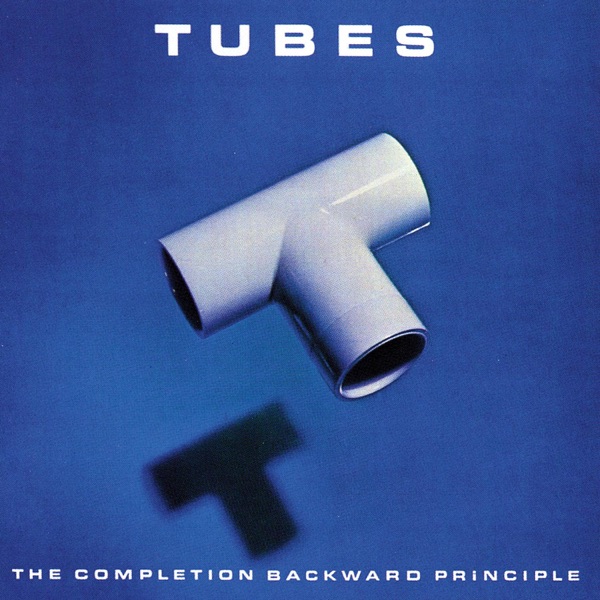
The Completion Backward Principle
1981 · 10 tracks

Outside Inside
1983 · 11 tracks

Love Bomb
1985 · 14 tracks
- 1 Piece By Piece ↗ 4:29
- 2 Stella ↗ 4:11
- 3 Come As You Are ↗ 3:42
- 4 One Good Reason ↗ 4:08
- 5 Bora Bora 2000/Love Bomb ↗ 4:30
- 6 Night People ↗ 2:23
- 7 Say Hey ↗ 2:37
- 8 Eyes ↗ 3:40
- 9 Muscle Girls ↗ 0:58
- 10 Theme From A Wooly Place (Wooly Bully/Theme From A Summer Place) ↗ 0:44
- 11 For A Song ↗ 3:16
- 12 Say Hey (Part 2) ↗ 0:34
- 13 Feel It ↗ 4:07
- 14 Night People (Reprise) ↗ 1:25
-
 The TubesThe Tubes19758 tracks
 -
 Young and RichThe Tubes19769 tracks
 -
 NowThe Tubes197711 tracks
 -
 Remote ControlThe Tubes197911 tracks
 -
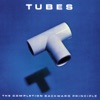 The Completion Backward PrincipleThe Tubes198110 tracks
 -
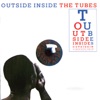 Outside InsideThe Tubes198311 tracks
 -
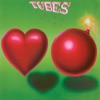 Love BombThe Tubes198514 tracks
Deep Dive
Overview
The Tubes are an American rock band formed in San Francisco in 1973, emerging from the Bay Area’s fertile hard rock and punk scene during the mid-1970s. The band built a reputation for energetic performances and theatrical presentation, blending hard rock with punk sensibilities across a prolific recording career spanning decades. While they remained active contributors to rock music, their most visible mainstream moment came in 1983 when their single “She’s a Beauty” became a top-10 U.S. hit and benefited from heavy rotation on the newly launched MTV.
Formation Story
The Tubes coalesced in San Francisco in 1973, a time when the city was establishing itself as a crucial nexus for both hard rock experimentation and the emerging punk movement. The band drew from both traditions, crafting a sound that reflected the Bay Area’s broader artistic ambitions. Operating out of San Francisco’s vibrant music infrastructure, the Tubes positioned themselves at the intersection of technical rock musicianship and punk’s raw energy, a combination that would define their early output.
Breakthrough Moment
The Tubes’ first real visibility came with their self-titled 1975 debut album, which introduced their irreverent sensibility through the single “White Punks on Dope.” The song established the band’s willingness to tackle provocative subjects with punk attitude and rock instrumentation. Though not an immediate mainstream explosion, the debut marked the band as serious contenders within the hard rock and punk landscape. The early-to-mid 1970s success of albums like Young and Rich (1976) and Now (1977) built their reputation as reliable recording and touring artists.
Peak Era
The Tubes entered their most commercially significant period during the early 1980s, riding the wave of MTV’s emergence as a dominant force in pop and rock culture. The 1983 album Outside Inside delivered their signature mainstream hit, “She’s a Beauty,” a song whose music video received substantial airplay on MTV during the channel’s influential early years. This period cemented their status as working professionals within the rock establishment. The success of Outside Inside and its follow-up Love Bomb (1985) represented the pinnacle of their chart visibility, though the band maintained a committed audience throughout the decade and beyond.
Musical Style
The Tubes’ sound occupied the space between hard rock’s technical ambition and punk rock’s attitude and brevity. Their early albums showcased the influence of 1970s punk combined with heavier, more layered rock arrangements. The band’s approach to songwriting favored directness and hook-driven structures, qualities that eventually enabled their crossover to MTV. Over time, their production choices modernized while retaining the hard rock core that defined their identity. Their willingness to appear in film and television projects—notably performing the rock segment of the cross-genre song “Dancin’” for the 1980 film Xanadu—demonstrated their versatility and showmanship beyond the standard rock album and concert setting.
Major Albums
The Tubes (1975)
The band’s self-titled debut established their identity with “White Punks on Dope” and introduced San Francisco listeners to their hard rock-punk hybrid approach.
Young and Rich (1976)
A rapid follow-up that solidified the band’s presence in the mid-1970s rock market and demonstrated their ability to develop ideas beyond the debut.
Remote Control (1979)
Released at the moment punk was fragmenting into new wave and post-punk, Remote Control showed the band’s continued relevance and evolution.
Outside Inside (1983)
Featurin the mainstream breakthrough “She’s a Beauty,” this album marked the band’s peak commercial success and introduced them to MTV audiences.
Love Bomb (1985)
The follow-up to their commercial peak, continuing to balance radio-friendly material with the band’s harder-edged foundations.
Signature Songs
- “White Punks on Dope” — The band’s earliest anthem, establishing their irreverent punk-rock sensibility and introducing them to audiences beyond San Francisco.
- “She’s a Beauty” — Their biggest chart success, reaching the top 10 in the United States and becoming synonymous with early MTV.
- “Dancin’” — The rock-era contribution to the 1980 film Xanadu, demonstrating the band’s theatrical versatility.
Influence on Rock
The Tubes represented an important strain of mid-1970s American rock that refused to choose between punk’s energy and hard rock’s technical sophistication. Their early albums influenced subsequent bands attempting to balance accessibility with rock credibility. While never achieving the legendary status of peers who emerged during the same period, the Tubes demonstrated that hard rock and punk could coexist productively, a lesson absorbed by countless bands in the 1980s and beyond. Their success on MTV validated the idea that rock bands could thrive in the video age by embracing theatricality and visual presentation alongside musical substance.
Legacy
The Tubes maintained their presence in rock music and touring schedules throughout the 1990s and 2000s, recording new material including Genius of America (1996) and Hoods from Outer Space (1999). The band remained active into the 2010s and beyond, a testament to their durability and the loyalty of their fanbase. “She’s a Beauty” endures as their most-recognized moment, a song that soundtracked MTV’s transformative early years. The Tubes’ long career trajectory—from San Francisco hard rock upstarts to MTV-era hitmakers to veteran touring act—illustrates the diversity of paths available to American rock bands not dependent on a single era’s cultural momentum.
Fun Facts
- The Tubes’ appearance in the 1980 film Xanadu placed them in an unusual pop-culture nexus, performing alongside classical big band arrangements and the film’s other musical elements.
- The band’s theatrical approach to live performance and presentation aligned them with the emerging music video era, allowing them to transition effectively to MTV’s visual-centric model.
- Across their decades-long career, the Tubes maintained steady touring activity and recorded new material regularly, avoiding the classic rock nostalgia circuit trap that claimed many 1970s bands.