
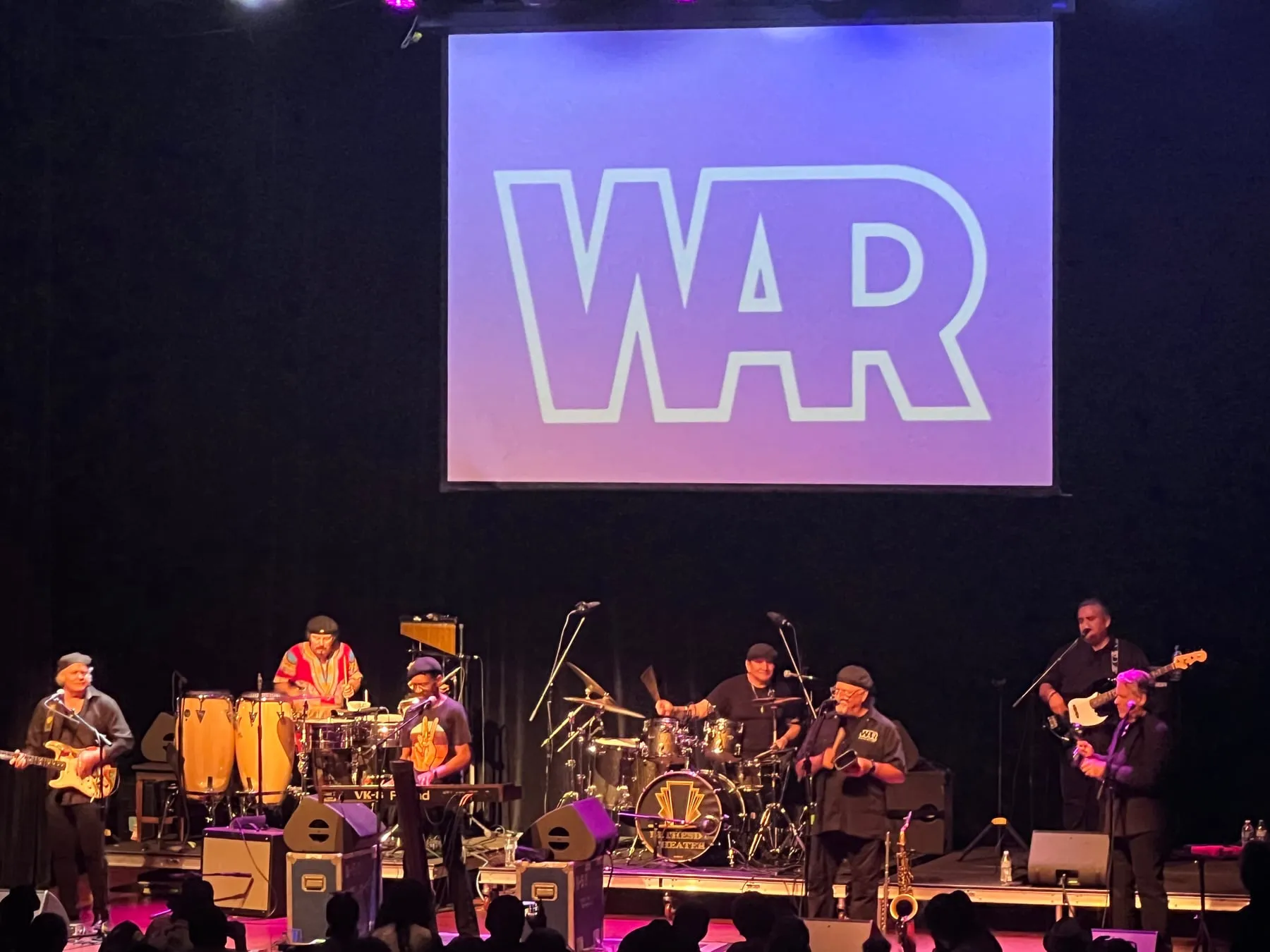
Photo by Druss379 , licensed under CC0 · Wikimedia Commons
Rank #422
War
From Wikipedia
War is an American funk/soul/rock band from Long Beach, California, formed in 1969.
Members
- Eric Burdon (1969–1971)
- Charles Miller
- Harold Ray Brown
- Howard E. Scott
- J. B. Eckl
- Lee Oskar
- Lonnie Jordan
- Luther Rabb
- Marcos Reyes
- Pat Rizzo
- Rae Valentine
Discography & Previews
Browse through and click an album to open and play 30-second previews streamed from Apple Music.

Eric Burdon Declares "War"
1970 · 5 tracks

The Black‐Man’s Burdon
1970 · 15 tracks
- 1 Paint It Black Medley: Black On Black In Black / Paint It Black / Laurel & Hardy / Pintelo Negro / P.C. 3 / Blackbird ↗ 13:24
- 1 Sun / Moon ↗ 10:06
- 2 Spirit ↗ 8:39
- 2 Pretty Colors ↗ 6:46
- 3 Beautiful New Born Child ↗ 5:07
- 3 Gun ↗ 6:00
- 4 Nights In White Satin, Pt. 1 ↗ 4:39
- 4 Jimbo ↗ 4:42
- 5 The Bird & the Squirrel ↗ 2:44
- 5 Bare Back Ride ↗ 7:11
- 6 Nuts, Seeds and Life ↗ 4:00
- 6 Home Cookin' ↗ 4:10
- 7 Out of Nowhere ↗ 3:21
- 7 They Can't Take Away Our Music ↗ 6:50
- 8 Nights In White Satin, Pt. 2 ↗ 2:55


Why Can’t We Be Friends?
1975 · 9 tracks

The Music Band
1979 · 12 tracks
- 1 The Music Band ↗ 8:26
- 1 Don't Take It Away ↗ 6:44
- 2 Corns & Callouses (Hey Dr. Shoals) ↗ 7:26
- 2 I'll Be Around ↗ 6:36
- 3 I'm the One Who Understands ↗ 6:07
- 3 I'll Take Care of You ↗ 8:45
- 4 Good, Good Feelin' ↗ 4:19
- 4 Night People ↗ 6:32
- 5 Millionaire ↗ 6:16
- 5 The World Is a Ghetto ↗ 13:49
- 6 All Around the World ↗ 7:44
- 6 The Music Band 2 (We Are the Music Band) ↗ 3:14

Outlaw
1982 · 8 tracks
- 1 Cinco de Mayo ↗ 4:09
- 2 Outlaw ↗ 5:04
- 3 The Jungle: Beware It's a Jungle Out There / The Street of Walls / The Street of Lights / The Street of Now ↗ 8:50
- 4 Just Because ↗ 4:13
- 5 Baby It's Cold Outside ↗ 5:58
- 6 I'm About Somebody ↗ 5:34
- 7 You Got the Power ↗ 5:44
- 8 Cinco De Mayo (Extended Version) ↗ 7:28

Life (Is So Strange)
1983 · 6 tracks
Peace Sign
1994 · 12 tracks
-
 Eric Burdon Declares "War"War19705 tracks
 -
 The Black‐Man’s BurdonWar197015 tracks
 -
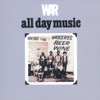 All Day MusicWar19717 tracks
 -
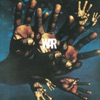 WarWar19715 tracks
 -
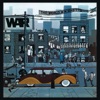 The World Is a GhettoWar19726 tracks
 -
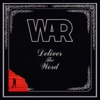 Deliver the WordWar19737 tracks
 -
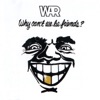 Why Can’t We Be Friends?War19759 tracks
 -
 Love Is All AroundWar19765 tracks
 -
 GalaxyWar19775 tracks
 -
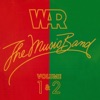 The Music BandWar197912 tracks
 -
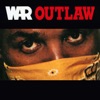 OutlawWar19828 tracks
 -
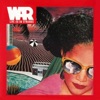 Life (Is So Strange)War19836 tracks
 -
 Peace SignWar199412 tracks
Deep Dive
Overview
War is an American funk, soul, and rock ensemble that emerged from Long Beach, California, in 1969 and became one of the most distinctive and commercially successful bands of the 1970s. Built around the songwriting and arranging work of Lonnie Jordan and Harold Ray Brown, War synthesized Latin rhythms, jazz sophistication, and soulful vocals into a tightly grooved sound that transcended genre boundaries. The band’s ability to craft both radio-friendly singles and complex instrumental arrangements positioned them as architects of a cosmopolitan rock idiom that fused American soul traditions with Latin and jazz elements.
Formation Story
War coalesced in Long Beach in 1969 from a circle of West Coast session musicians and bandleaders. The group’s core—Lonnie Jordan, Harold Ray Brown, Lee Oskar, Howard E. Scott, and Charles Miller—brought together a cross-pollination of influences drawn from soul, Chicano rock, Latin percussion, and bebop jazz. The band’s foundational lineup was solidified when Eric Burdon, the British soul-rock vocalist who had led the Animals, joined the collective in 1969. Burdon’s name appeared prominently on the band’s early releases, signaling a collaborative approach that reflected War’s democratic ensemble ethos. This Los Angeles formation coincided with a broader West Coast turn toward fusion and multicultural musical expression, with War positioning themselves at the intersection of Black soul, Latino tradition, and rock instrumentation.
Breakthrough Moment
War’s commercial breakthrough arrived with the album All Day Music in 1971, which established the group’s signature blend of funk-driven grooves, intricate horn arrangements, and socially conscious lyricism. The following year, the release of The World Is a Ghetto in 1972 cemented their status as a major chart force. That album, with its sophisticated production and unflinching portrait of urban American life, demonstrated that War could sustain album-length artistic ambition while maintaining popular appeal. By 1975, with Why Can’t We Be Friends?, War had achieved full mainstream visibility, their music penetrating radio, nightclubs, and international markets with a rhythmic command that no competitor in the soul-rock landscape could rival.
Peak Era
The years 1971 to 1977 represent War’s creative and commercial zenith. During this span, the band released All Day Music, War, The World Is a Ghetto, Deliver the Word, Why Can’t We Be Friends?, Love Is All Around, and Galaxy, each advancing their sonic palette while maintaining the core sound that audiences had come to expect. The consistency of these records—their refusal to exhaust a formula despite relentless touring and recording schedules—underscored the band’s disciplined professionalism. By the mid-1970s, War had become a global concern, their records selling in quantities that matched the commercial titans of their era. Their live performances, documented in part through later recordings, were events of athletic precision and groove-centered intensity, with each musician locked into polyrhythmic arrangements that demanded absolute focus.
Musical Style
War’s sound was defined by the interplay between a five-piece horn section and a rhythm engine anchored by Lonnie Jordan’s keyboards and Harold Ray Brown’s drumming. Lee Oskar’s harmonica contributed an unexpected textural element, threading blues and folk tonality through Latin and funk grooves. The band’s production favored clarity and separation of instrumental voices—each horn line, each percussion layer, each vocal line occupied distinct space in the mix, allowing listeners to hear the intricate interdependence of the ensemble. Lyrically, War addressed social and political themes without descending into sermon; their songs conveyed perspectives on urban life, love, community, and aspiration through metaphor and narrative. The band’s Latin influences—evident in clave rhythms, tumbao bass patterns, and the use of congas and cowbells—marked them as one of the first American rock bands to integrate these traditions at the highest level of commercial reach. Over time, their sound incorporated elements of progressive soul and jazz-rock, particularly evident in albums like The Music Band Jazz in 1983, which suggested an interest in exploring harmonic complexity and instrumental virtuosity beyond the pop single format.
Major Albums
The World Is a Ghetto (1972)
A landmark album that balanced commercial accessibility with uncompromising social commentary, establishing War as more than a singles band. The record’s tight horn charts and Jordan’s production sensibility set a template that influenced funk and soul music throughout the decade.
Why Can’t We Be Friends? (1975)
This album marked War’s zenith of mainstream visibility, with the title track becoming a global hit that synthesized the band’s entire aesthetic into a five-minute statement. The album sustained strong sales and cemented War’s position in popular culture.
All Day Music (1971)
War’s debut proper showcased the full range of their instrumental prowess and the nascent sophistication of their arrangements, making clear that the group possessed both immediate appeal and long-term artistic potential.
Deliver the Word (1973)
A sustained artistic statement that deepened the band’s exploration of production technique and harmonic arrangement, reinforcing their standing as serious musicians rather than novelty or trend-driven performers.
Signature Songs
- “The World Is a Ghetto”—A title track that captured urban reality with unflinching lyrical detail while delivering one of the decade’s most enduring funk-soul hooks.
- “Why Can’t We Be Friends?”—The band’s biggest international hit, a deceptively simple meditation on human connection that showcased the entire ensemble in miniature.
- “Deliver the Word”—An instrumental showcase for the horn section, demonstrating War’s ability to build narrative tension and resolution through purely musical means.
- “Low Rider”—A Latin-funk statement of presence and cultural pride, featuring the band’s signature harmonica-and-horns texture.
Influence on Rock
War’s influence on subsequent rock, funk, and soul music lay in their successful integration of Latin and Afro-Caribbean rhythmic idioms into mainstream rock contexts at a time when such fusion was neither inevitable nor universally accepted. They demonstrated that a band could achieve mass commercial success while maintaining complex instrumentation and serious subject matter. Their approach to ensemble arrangement—the democratic distribution of instrumental voice across a large band—provided a model that funk, R&B, and rock musicians continued to reference. The precision of their grooves and the clarity of their production influenced both contemporaries and subsequent generations seeking to balance commercial viability with musical sophistication. War’s cosmopolitan approach helped legitimize the idea that American rock music could draw fluidly from multiple cultural and musical traditions without compromising authenticity.
Legacy
War remains one of the most streamed and culturally present bands of the 1970s, their catalog retaining currency through sampling, interpolation, and direct reissue. The band’s longevity—remaining active into the twenty-first century—has allowed them to participate in a continuous conversation with their own history, performing their classic albums in full and introducing their music to subsequent generations. Their records have been reissued in expanded and remastered formats, with archival releases such as Ronnie Scott’s Club, London 16.Sept 1970 (The Complete Recording) in 2015 documenting their early creative moment. The combination of immediate melodic appeal, serious musicianship, and progressive arrangements has ensured that War’s records remain reference points for musicians, producers, and listeners interested in the intersection of funk, soul, rock, and Latin music. Their position in the popular music canon rests not on the mythology of a single transformative album but on the consistent quality and ambition of their output across a dozen years of peak creativity.
Fun Facts
- Eric Burdon’s involvement with War lasted only from 1969 to 1971, a relatively brief but creatively productive period that resulted in albums bearing his name alongside the band’s.
- Lee Oskar’s harmonica, an unconventional instrument in funk and soul contexts, became a signature element of War’s sound and a recognizable marker of their arrangements.
- War’s record labels—MCA Records, MGM Records, and United Artists Records—reflected the band’s movement through the major-label ecosystem of the 1970s, itself an indicator of their commercial importance.
- The band’s output in the early 1980s, including The Music Band Jazz, signaled an interest in exploring jazz harmonies and extended instrumental forms, suggesting aesthetic directions they might have pursued had commercial pressures been less insistent.