

Photo by A derivative work by CityFeedback , from a variety of images creditted above , licensed under CC BY-SA 2.0 · Wikimedia Commons
Rank #16
R.E.M.
Athens, Georgia jangle-pop trailblazers who built American college rock.
From Wikipedia
R.E.M. was an American rock band formed in Athens, Georgia, in 1980 by drummer Bill Berry, guitarist Peter Buck, bassist Mike Mills, and lead vocalist Michael Stipe, who were students at the University of Georgia. R.E.M. was noted for Buck's arpeggiated "jangle" guitar playing; Stipe's distinctive vocal style, unique stage presence, and cryptic lyrics; Mills's countermelodic bass lines and backing vocals; and Berry's tight, economical drumming. In the early 1990s, other alternative rock acts such as Nirvana, Pixies, and Pavement named R.E.M. as a pioneer of the genre. After Berry left in 1997, the remaining members continued with mixed critical and commercial success. The band broke up amicably in 2011, having sold more than 90 million albums worldwide and becoming one of the world's best-selling music acts.
Members
- Bill Berry (1980–1997)
- Michael Stipe (1980–2011)
- Mike Mills (1980–2011)
- Peter Buck (1980–2011)
- Jefferson Holt (1981–1996)
- Bertis Downs IV (1982–2011)
Studio Albums
- 1983 Murmur
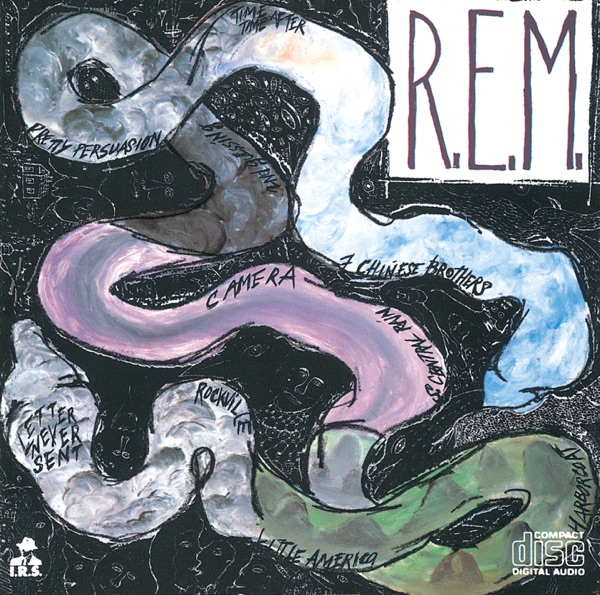
- 1984 Reckoning
- 1985 Fables of the Reconstruction
- 1986 Lifes Rich Pageant
- 1987 Document
- 1988 Green
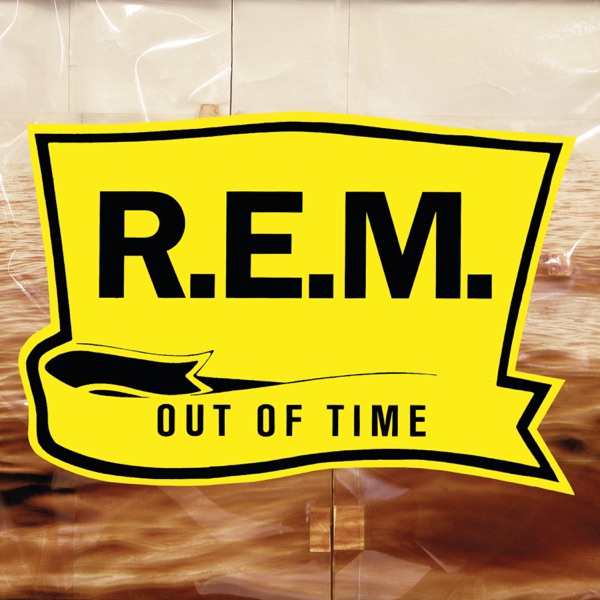
- 1991 Out of Time
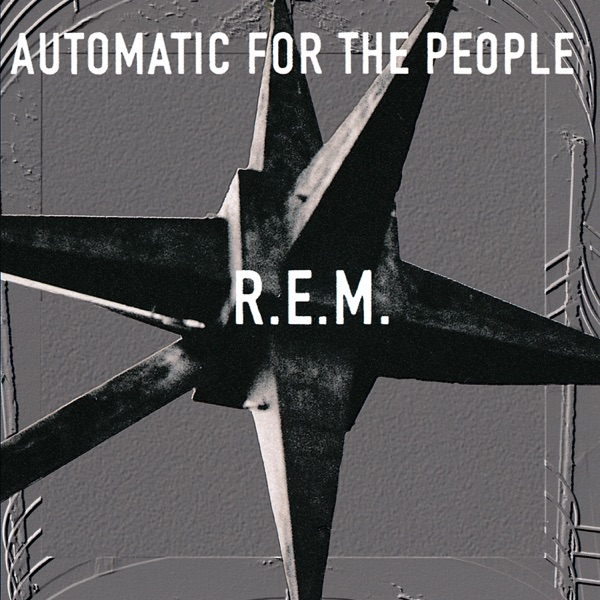
- 1992 Automatic for the People
- 1994 Monster
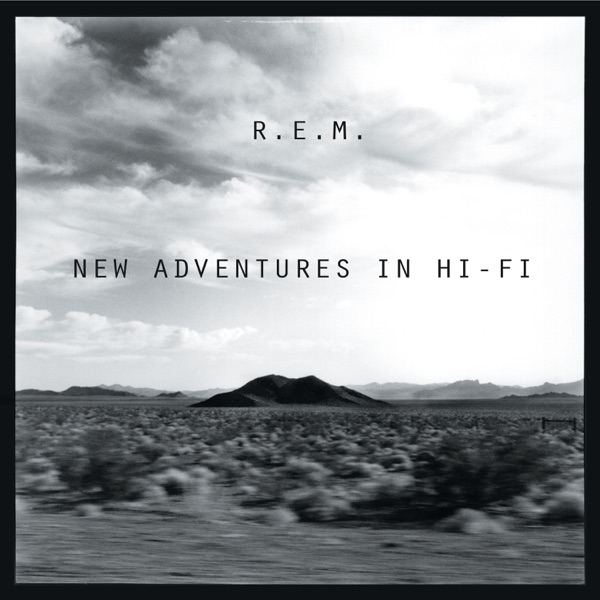
- 1996 New Adventures in Hi‐Fi
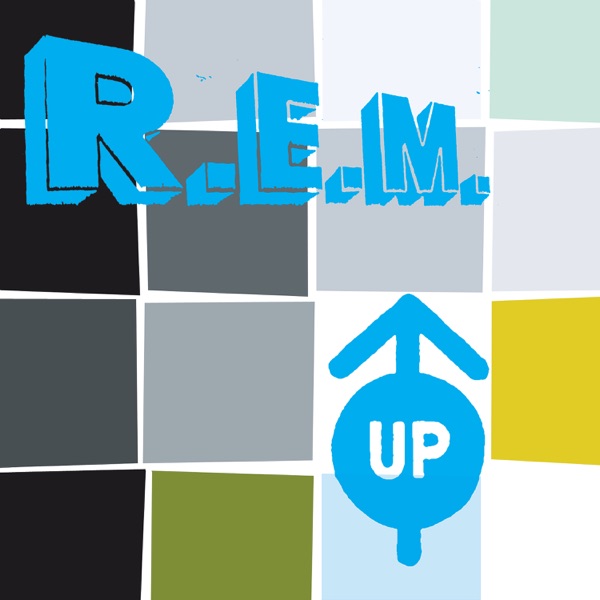
- 1998 Up
- 2001 Reveal
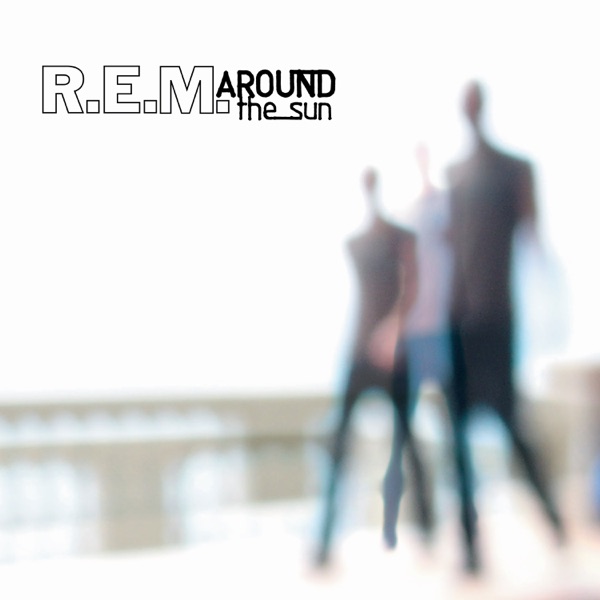
- 2004 Around the Sun
- 2008 Accelerate
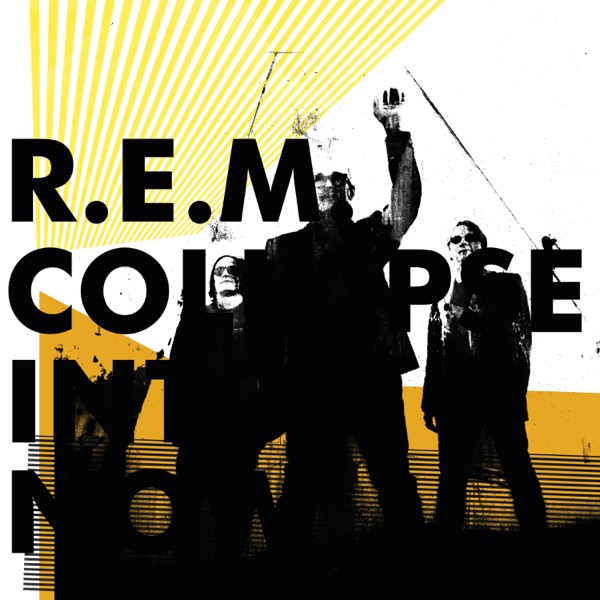
- 2011 Collapse Into Now
Source: MusicBrainz
Deep Dive
Overview
R.E.M. was an American rock band formed in Athens, Georgia, in 1980 that became the blueprint for American alternative rock. Built on guitarist Peter Buck’s arpeggiated jangle-pop sound, Michael Stipe’s cryptic lyrics and distinctive vocal presence, Mike Mills’s melodic bass lines, and Bill Berry’s tight drumming, the group transformed college radio into a pathway to mainstream success. By the early 1990s, bands such as Nirvana, Pixies, and Pavement cited R.E.M. as a foundational influence, cementing the group’s role as pioneers of the genre that would dominate rock music in the following decade.
Formation Story
R.E.M. coalesced in Athens in 1980 around four University of Georgia students: drummer Bill Berry, guitarist Peter Buck, bassist Mike Mills, and vocalist Michael Stipe. The city itself became central to their identity—a college town with an emerging music scene that provided both audience and artistic sanctuary. The four members brought complementary strengths: Buck’s guitar work drew from 1960s jangle traditions, Mills supplied intricate bass countermelodies alongside backing vocals, Berry maintained a disciplined rhythmic foundation, and Stipe contributed an unconventional vocal instrument paired with oblique, often cryptic songwriting. This chemistry was immediate and deliberate, with the band beginning rehearsals and performances that established them as the town’s leading musical act within months.
Breakthrough Moment
R.E.M.’s initial recordings on the I.R.S. Records label generated steady college radio momentum, but their 1983 debut album Murmur proved to be the breakthrough that announced them nationally. The album combined Buck’s ringing guitar arpeggios with Stipe’s mumbled, often unintelligible vocals, creating a sound that was simultaneously pop-oriented and deliberately mysterious. Murmur found an audience in college radio and alternative listening communities, and its success opened doors that would expand with each subsequent release. By the mid-1980s, R.E.M. had become the standard-bearer for American college rock, a position solidified through consistent touring and a series of increasingly confident albums: Reckoning (1984), Fables of the Reconstruction (1985), Lifes Rich Pageant (1986), and Document (1987).
Peak Era
R.E.M. reached their commercial and cultural apex in the early 1990s with two landmark albums that expanded their influence beyond college radio into mainstream rock. Out of Time (1991) marked a shift toward fuller production and more accessible songwriting, while Automatic for the People (1992) became their most commercially successful work, establishing R.E.M. as one of rock’s leading acts. The band’s ability to balance melodic accessibility with artistic ambition made them central figures as alternative rock moved from underground to dominant radio and MTV format. This period cemented their influence on a generation of musicians and consolidated their status as the American alternative rock band that had, across a decade of consistent work, proven that college radio audiences could sustain a world-class rock band.
Musical Style
R.E.M.’s sound emerged from a synthesis of 1960s jangle-pop traditions—particularly the Byrds and The Velvet Underground—with post-punk sensibilities and folk-rock instrumentation. Peter Buck’s signature approach involved clean, arpeggiated electric guitar that avoided the distortion-heavy approach of contemporary hard rock and instead emphasized melodic interlocking patterns. Mike Mills’s bass lines rarely settled for simple root-note support; instead, they wove countermelodies around Buck’s guitar work, creating harmonic density. Michael Stipe’s vocals evolved from nearly unintelligible mumbling on Murmur to increasingly clear enunciation across the 1980s, though he maintained a distinctly unconventional phrasing and emotional restraint that set him apart from traditional rock frontmen. The band’s songwriting tended toward introspection, ambiguity, and oblique observation rather than direct statement, a quality that reflected Stipe’s lyrics and the group’s general aesthetic. Over their 31-year existence, R.E.M. incorporated folk instrumentation, chamber arrangements, electronic elements, and even explicitly political content while maintaining core characteristics: Buck’s recognizable guitar voice, Mills’s harmonic contributions, and Stipe’s enigmatic lyrical presence.
Major Albums
Murmur (1983)
R.E.M.’s debut established their signature sound: Buck’s jangly arpeggios layered over Mills’s melodic bass and Stipe’s cryptic vocals, all produced with a deliberate murkiness that matched the album’s title. Murmur proved that alternative rock could achieve both artistic coherence and popular reach via college radio.
Lifes Rich Pageant (1986)
By their fourth album, R.E.M. had sharpened their songwriting and increased their sonic confidence, arriving at a fuller production that retained their jangle-pop essence while reaching broader audiences.
Out of Time (1991)
A watershed moment that moved R.E.M. decisively into mainstream success, Out of Time featured more prominent production, orchestral arrangements, and melodies designed for radio play without sacrificing their artistic identity.
Automatic for the People (1992)
R.E.M.’s commercial peak and one of the defining alternative rock albums of the 1990s, built on lush orchestration, sophisticated songwriting, and Stipe’s increasingly intelligible vocal delivery.
Monster (1994)
Following Automatic for the People, R.E.M. pivoted toward a louder, more guitar-driven sound with Monster, employing heavier distortion and more direct rock approaches.
New Adventures in Hi‐Fi (1996)
Released during their Monster tour, New Adventures in Hi‐Fi captured the band at a point of creative flux, recorded in part while traveling, and reflected both touring fatigue and ongoing artistic exploration.
Signature Songs
- “Radio Free Europe” — The jangly signature statement from Murmur that introduced audiences to R.E.M.’s core sound and cryptic Stipe lyrics.
- “Its the End of the World as We Know It (and I Feel Fine)” — A rapid-fire lyrical showcase and chart presence that demonstrated R.E.M.’s ability to achieve both indie credibility and mainstream airplay.
- “Losing My Religion” — From Out of Time, a mandolin-driven pop masterpiece that became R.E.M.’s defining crossover hit.
- “Nightswimming” — A reflective, orchestral-backed track from Automatic for the People that showcased the band’s sensitivity and production sophistication.
- “Everybody Hurts” — The emotional centerpiece of Automatic for the People, demonstrating R.E.M.’s command of sentiment without sentimentality.
- “Man on the Moon” — From Automatic for the People, blending pop melody with folk-inflected arrangement and Stipe’s biographical storytelling.
Influence on Rock
R.E.M.’s impact on alternative rock cannot be overstated. By proving that college radio audiences could sustain a major-label rock band, they created the infrastructure and audience expectation that allowed grunge, indie rock, and alternative rock to become dominant commercial genres in the 1990s. Bands ranging from Nirvana to Pavement to The Replacements cited R.E.M. as formative influences, and their jangle-pop aesthetic informed countless acts that followed. Their demonstration that American rock could compete with British alternative rock on artistic and commercial grounds—without aping post-punk or synth-pop—gave subsequent American acts a template. The band’s longevity and consistent artistic development across three decades also established a model for how alternative acts could sustain long careers without returning to earlier formulas.
Legacy
R.E.M. disbanded amicably in 2011 after 31 years of continuous operation, having sold more than 90 million albums worldwide and establishing themselves as one of the world’s best-selling music acts. Their catalog remains a cornerstone of 1980s and 1990s rock, with Automatic for the People and Out of Time regularly cited among the era’s definitive works. The band’s influence appears not only in direct stylistic descendants but in the broader structural changes they enabled: the pathway from college radio to mainstream success, the viability of introspective alternative rock without irony or heavy distortion, and the possibility of sustained artistic evolution within a single band across changing industry and cultural landscapes. Their later albums, from Reveal (2001) onward, received mixed critical responses but continued to document the band’s willingness to evolve and experiment, a quality that characterized their entire career.
Fun Facts
- R.E.M. recorded Murmur in relative obscurity, released on the independent label I.R.S. Records before being picked up for wider distribution, establishing a template for college radio success.
- Bill Berry departed the band in 1997, initially due to health concerns, yet Michael Stipe, Peter Buck, and Mike Mills continued as a three-piece for the remainder of R.E.M.’s existence.
- The band’s cryptic early lyrics, particularly those by Michael Stipe on Murmur and Reckoning, were intentionally difficult to decipher due to both vocal mumbling and poetic obscurity, a quality that became iconic and spawned countless liner-note lyric interpretations.
- R.E.M. remained based in Athens, Georgia throughout their career, making the city a pilgrimage site for alternative rock fans and one of rock’s most famous non-coastal scenes.
Discography & Previews
Click any album to expand its track list. Each track plays a 30-second preview streamed from Apple Music. Tap the link icon next to a track to open it in Apple Music for full playback.



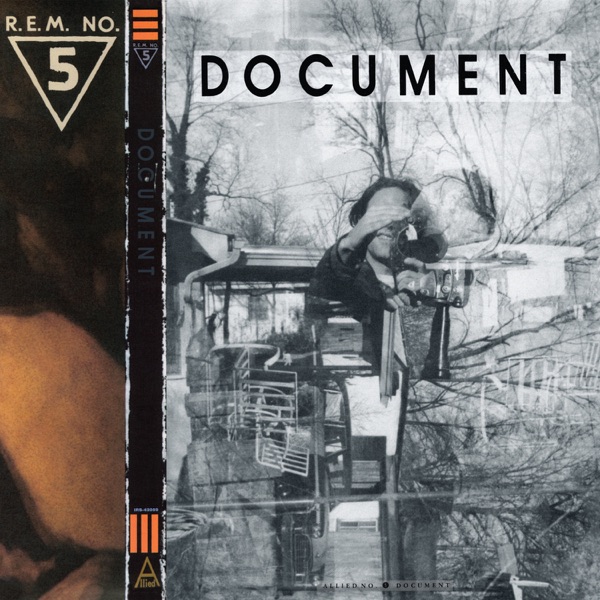
- 1 Finest Worksong ↗ 3:48
- 2 Welcome To the Occupation ↗ 2:46
- 3 Exhuming McCarthy ↗ 3:19
- 4 Disturbance At the Heron House ↗ 3:32
- 5 Strange ↗ 2:32
- 6 It's the End of the World As We Know It (And I Feel Fine) ↗ 4:07
- 7 The One I Love ↗ 3:17
- 8 Fireplace ↗ 3:24
- 9 Lightnin' Hopkins ↗ 3:20
- 10 King of Birds ↗ 4:08
- 11 Oddfellows Local 151 ↗ 5:23

- 1 Pop Song 89 (Remastered 2013) ↗ 3:06
- 2 Get Up (Remastered 2013) ↗ 2:40
- 3 You Are The Everything (Remastered 2013) ↗ 3:48
- 4 Stand (Remastered 2013) ↗ 3:13
- 5 World Leader Pretend (Remastered 2013) ↗ 4:22
- 6 The Wrong Child (Remastered 2013) ↗ 3:39
- 7 Orange Crush (Remastered 2013) ↗ 3:54
- 8 Turn You Inside-Out (Remastered 2013) ↗ 4:19
- 9 Hairshirt (Remastered 2013) ↗ 3:57
- 10 I Remember California (Remastered 2013) ↗ 5:02
- 11 Untitled (Remastered 2013) ↗ 3:14
- 1 Drive ↗ 4:31
- 2 Try Not to Breathe ↗ 3:51
- 3 The Sidewinder Sleeps Tonite ↗ 4:09
- 4 Everybody Hurts ↗ 5:20
- 5 New Orleans Instrumental No. 1 ↗ 2:16
- 6 Sweetness Follows ↗ 4:21
- 7 Monty Got a Raw Deal ↗ 3:18
- 8 Ignoreland ↗ 4:27
- 9 Star Me Kitten ↗ 3:17
- 10 Man on the Moon ↗ 5:14
- 11 Nightswimming ↗ 4:18
- 12 Find the River ↗ 3:53

- 1 What’s the Frequency, Kenneth? (Remastered) ↗ 4:00
- 2 Crush With Eyeliner (Remastered) ↗ 4:39
- 3 King of Comedy (Remastered) ↗ 3:41
- 4 I Don’t Sleep, I Dream (Remastered) ↗ 3:27
- 5 Star 69 (Remastered) ↗ 3:09
- 6 Strange Currencies (Remastered) ↗ 3:52
- 7 Tongue (Remastered) ↗ 4:13
- 8 Bang and Blame (Remastered) ↗ 5:28
- 9 I Took Your Name (Remastered) ↗ 4:02
- 10 Let Me In (Remastered) ↗ 3:28
- 11 Circus Envy (Remastered) ↗ 4:15
- 12 You (Remastered) ↗ 4:55
- 1 How the West Was Won and Where It Got Us ↗ 4:31
- 2 The Wake-Up Bomb ↗ 5:08
- 3 New Test Leper ↗ 5:27
- 4 Undertow ↗ 5:09
- 5 E-Bow the Letter ↗ 5:25
- 6 Leave ↗ 7:18
- 7 Departure ↗ 3:29
- 8 Bittersweet Me ↗ 4:05
- 9 Be Mine ↗ 5:33
- 10 Binky the Doormat ↗ 5:02
- 11 Zither ↗ 2:34
- 12 So Fast, So Numb ↗ 4:12
- 13 Low Desert ↗ 3:32
- 14 Electrolite ↗ 4:06
- 1 Airportman ↗ 4:13
- 2 Lotus ↗ 4:32
- 3 Suspicion ↗ 5:37
- 4 Hope ↗ 5:02
- 5 At My Most Beautiful ↗ 3:35
- 6 The Apologist ↗ 4:30
- 7 Sad Professor ↗ 4:04
- 8 You're in the Air ↗ 5:24
- 9 Walk Unafraid ↗ 4:34
- 10 Why Not Smile ↗ 4:03
- 11 Daysleeper ↗ 3:40
- 12 Diminished / I'm Not over You ↗ 6:01
- 13 Parakeet ↗ 4:12
- 14 Falls to Climb ↗ 5:07

- 1 The Lifting ↗ 4:39
- 2 I've Been High ↗ 3:27
- 3 All the Way to Reno (You're Gonna Be a Star) ↗ 4:44
- 4 She Just Wants to Be ↗ 5:22
- 5 Disappear ↗ 4:11
- 6 Saturn Return ↗ 4:55
- 7 Beat a Drum ↗ 4:21
- 8 Imitation of Life ↗ 3:57
- 9 Summer Turns to High ↗ 3:32
- 10 Chorus and the Ring ↗ 4:31
- 11 I'll Take the Rain ↗ 5:52
- 12 Beachball ↗ 4:15
- 1 Leaving New York ↗ 4:49
- 2 Electron Blue ↗ 4:12
- 3 The Outsiders (feat. Q-Tip) ↗ 4:15
- 4 Make It All Okay ↗ 3:44
- 5 Final Straw ↗ 4:08
- 6 I Wanted to Be Wrong ↗ 4:35
- 7 Wanderlust ↗ 3:04
- 8 Boy In the Well ↗ 5:22
- 9 Aftermath ↗ 3:56
- 10 High Speed Train ↗ 5:03
- 11 The Worst Joke Ever ↗ 3:38
- 12 The Ascent of Man ↗ 4:07
- 13 Around the Sun ↗ 4:29

- 1 Discoverer ↗ 3:31
- 2 All the Best ↗ 2:48
- 3 Überlin ↗ 4:15
- 4 Oh My Heart ↗ 3:21
- 5 It Happened Today ↗ 3:49
- 6 Every Day Is Yours To Win ↗ 3:26
- 7 Mine Smell Like Honey ↗ 3:13
- 8 Walk It Back ↗ 3:24
- 9 Alligator_Aviator_Autopilot_Antimatter ↗ 2:45
- 10 That Someone Is You ↗ 1:44
- 11 Me, Marlon Brando, Marlon Brando and I ↗ 3:03
- 12 Blue ↗ 5:46