
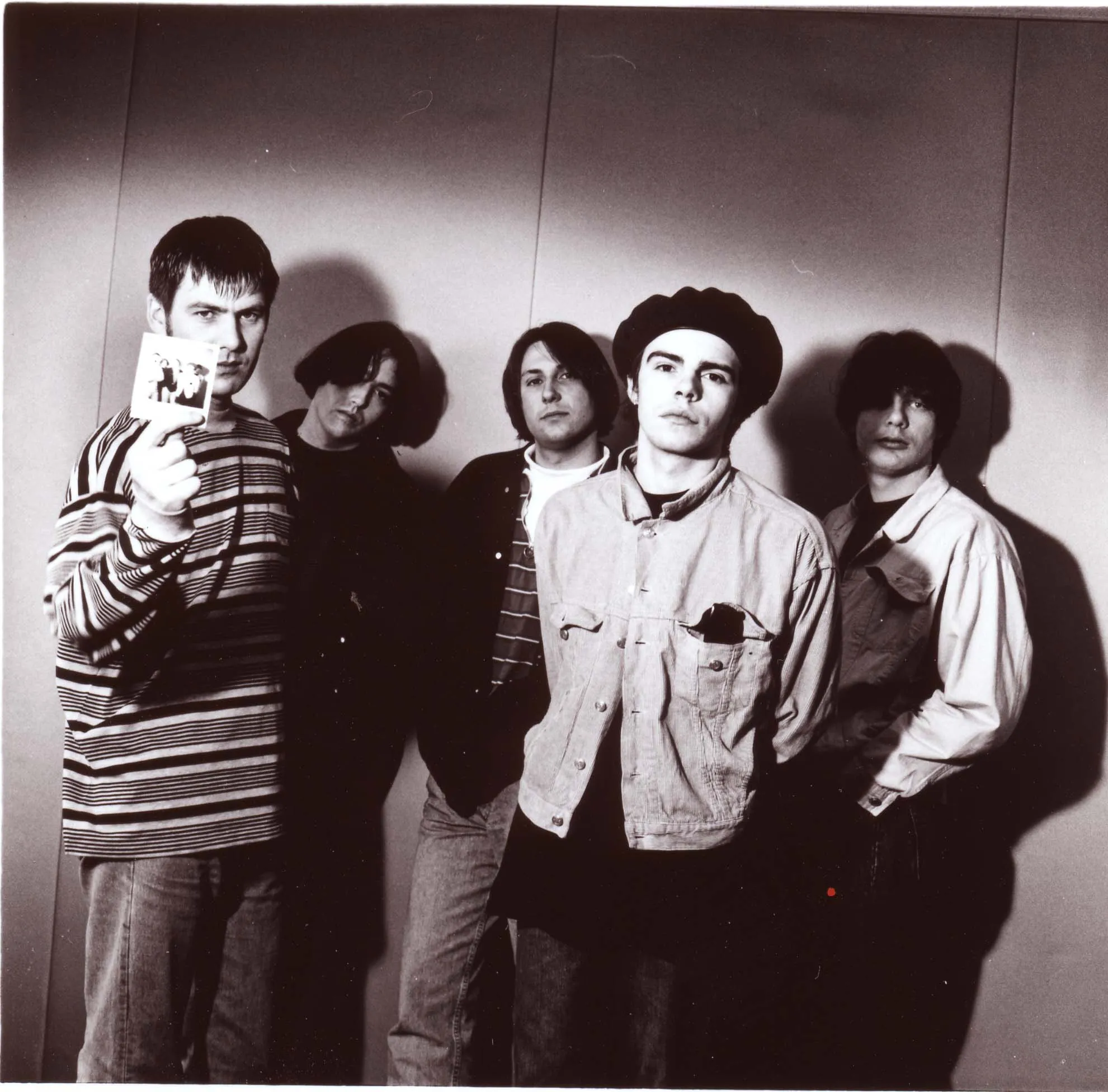
Photo by Masao Nakagami , licensed under CC BY-SA 2.0 · Wikimedia Commons
Rank #467
The Charlatans
Northwich indie-rockers and a long-running Britpop survivor.
From Wikipedia
The Charlatans were an American folk rock and psychedelic rock band that played a role in the development of the San Francisco Haight-Ashbury music scene during the 1960s. They are often cited by critics as being the first group to play in the style that became known as the San Francisco Sound.
Deep Dive
Overview
The Charlatans were an American psychedelic rock and folk rock band that emerged from San Francisco during the mid-1960s. Formed in 1964, the group is widely recognized by music historians as among the earliest architects of the San Francisco Sound—the distinctive blend of folk, rock, and psychedelic elements that defined the city’s underground music scene. Though their recording output was limited and their commercial impact modest compared to contemporaries, their role in pioneering the sonic and cultural language of West Coast psychedelia secured their place in rock history.
Formation Story
The Charlatans coalesced in San Francisco in 1964, emerging from the city’s North Beach and Haight-Ashbury neighborhoods as the folk-rock and psychedelic explosion was beginning to take root. The band was part of a wider ferment of musicians experimenting with amplified folk arrangements, Eastern musical influences, and the raw energy of rock and roll. By positioning themselves early within this scene, they helped establish the template that bands like The Grateful Dead and Jefferson Airplane would develop further in the years ahead.
Breakthrough Moment
The Charlatans’ significance lay less in mainstream commercial success than in their role as early standard-bearers of the San Francisco Sound. Emerging before the 1967 Summer of Love would cement the city’s status as a countercultural music capital, the band helped introduce the psychedelic aesthetic and instrumentation that would become synonymous with the era. Their live performances and early recordings contributed to the growing reputation of San Francisco as a breeding ground for experimental rock music.
Peak Era
The Charlatans’ active period in the 1960s encompassed the formative years of the San Francisco Sound. Operating during an era of rapid musical innovation and cultural upheaval, the band participated in the development of the psychedelic rock idiom that would influence American rock music throughout the late 1960s and beyond. Their presence in the San Francisco live music circuit helped establish the city’s clubs and venues as incubators for new sound and style.
Musical Style
The Charlatans’ music fused folk rock instrumentation with psychedelic experimentation, drawing on blues and rock influences while incorporating the modal and exotic sounds that characterized early West Coast psychedelia. Their approach reflected the era’s broader aesthetic: the use of electric instruments to reimagine folk traditions, the exploration of non-Western musical scales and textures, and an improvisational spirit rooted in both folk and jazz traditions. The band’s sound helped establish psychedelic rock as a coherent genre rather than a passing novelty, demonstrating how traditional songwriting could coexist with experimental production and extended instrumental passages.
Major Albums
The Charlatans (1969)
The band’s sole studio album, released in 1969, captured their approach to psychedelic rock and folk fusion at the close of the decade. The record represented a crystallization of the San Francisco Sound during the period when the city’s musical dominance was already beginning to shift.
Signature Songs
- “Sixpack” — An instrumental showcasing the band’s psychedelic arrangements and compositional approach to rock instrumentation.
Influence on Rock
The Charlatans’ historical importance rests on their role as pioneers of the San Francisco Sound during its crucial formation period. By demonstrating early how folk-rock foundations could be expanded through psychedelic production techniques and improvisational structures, they helped establish a template that countless bands would follow. The band’s influence extended beyond direct musical imitation; they were part of the broader movement that elevated San Francisco’s position as a center of rock innovation, a status that would shape American popular music for decades.
Their work contributed to the development of psychedelic rock as a genre with identifiable characteristics: modal melodies, exotic instrumentation, studio experimentation, and a willingness to extend traditional song structures. Though less commercially dominant than some of their contemporaries, their early presence in the scene and their foundational role in the San Francisco Sound ensured their place in rock history.
Legacy
The Charlatans remain significant in historical accounts of 1960s rock music, particularly in chronicles of the San Francisco scene and the emergence of psychedelic rock. Music critics and historians consistently cite them as instrumental in the development of the San Francisco Sound, acknowledging their contribution to a movement that would reshape American rock music. While their recorded catalog is limited to a single studio album, their live presence and influence on the Bay Area music scene during the mid-to-late 1960s remains part of the documented history of the era.
Fun Facts
- The band’s formation in 1964 preceded the major commercial breakthrough of San Francisco psychedelia by approximately three years, making them witnesses to and participants in the scene’s earliest days.
- Released on Kapp Records, their sole studio album emerged as the psychedelic rock movement was reaching mainstream consciousness in 1969.
- The Charlatans’ historical recognition stems largely from their position within the San Francisco Sound rather than from conventional measures of commercial success or radio play.