

Photo by https://www.flickr.com/photos/alterna2/ Alterna2 , licensed under CC BY 2.0 · Wikimedia Commons
Rank #381
Andrés Calamaro
From Wikipedia
Andrés Calamaro is an Argentine musician, composer and Latin Grammy winner. He is considered one of the greatest and most influential rock artists in Spanish. He is also one of the most complete artists for his wide range of musical styles, including funk, reggae, ballads, boleros, tangos and jazz. His former band Los Rodríguez was a major success in Spain and throughout Latin America mainly during the 1990s. He is multi-instrumentalist and became one of the main icons of Argentine rock, selling over 1.3 million records to date.
Discography & Previews
Browse through and click an album to open and play 30-second previews streamed from Apple Music.
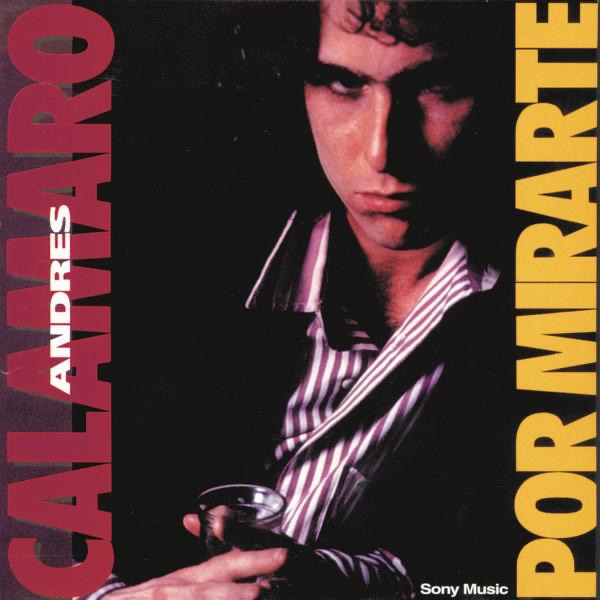
Por mirarte
1988 · 14 tracks
- 1 Loco Por Ti ↗ 2:49
- 2 Cartas Sin Marcar ↗ 4:25
- 3 No Te Bancaste ↗ 4:09
- 4 Lamiendo un Hueso ↗ 3:11
- 5 Johnny B. Goode ↗ 2:58
- 6 Las Guerras ↗ 1:29
- 7 Por Mirarte ↗ 2:53
- 8 No Me Empujes ↗ 3:14
- 9 Bailar Sola ↗ 2:55
- 10 Sin Saber Que Decir ↗ 4:23
- 11 Los Dientes Apretados ↗ 3:32
- 12 Me Olvíde de los Demas ↗ 1:35
- 13 No Te Bancaste (En Sol) ↗ 4:03
- 14 En el Medio de la Ciudad ↗ 2:11
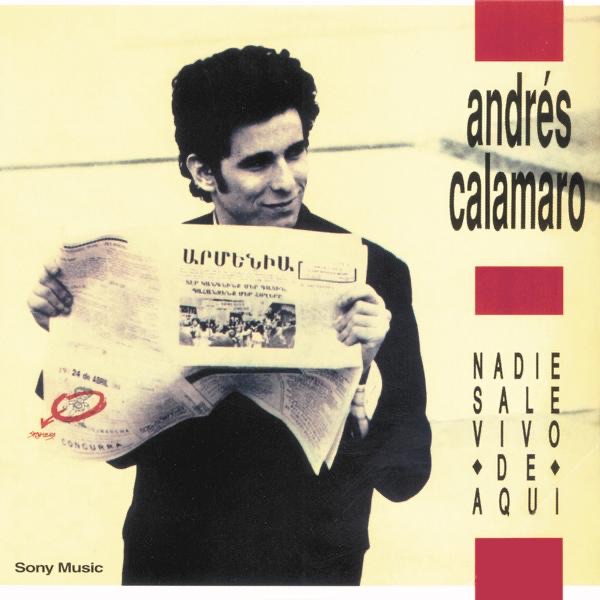
Nadie sale vivo de aquí
1989 · 14 tracks
- 1 Nadie Sale Vívo de Aquí ↗ 1:34
- 2 Pero Sin Sangre ↗ 2:31
- 3 Víetnam ↗ 0:53
- 4 Pasemos a Otro Tema ↗ 2:22
- 5 Con la Soga Al Cuello ↗ 2:20
- 6 No Tengo Tiempo ↗ 1:46
- 7 Señoritas ↗ 1:44
- 8 Adiós, Amigos, Adiós ↗ 2:57
- 9 Ni Hablar ↗ 2:59
- 10 Una Deuda del Corazón (Traiciónero) ↗ 2:38
- 11 No Me Vuelvas la Espalda Por Eso ↗ 1:58
- 12 Señal Que Te He Perdído ↗ 3:17
- 13 Víetnam ↗ 0:47
- 14 Dos Romeos ↗ 3:53
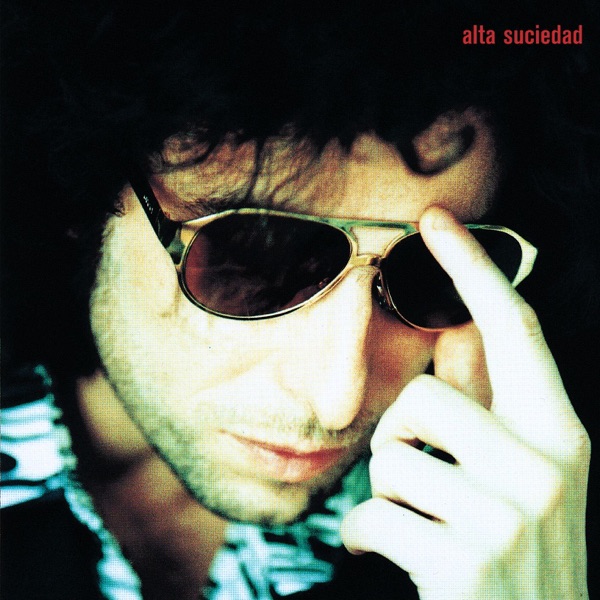
Alta suciedad
1997 · 14 tracks
- 1 Alta Suciedad ↗ 4:26
- 2 Todo Lo Demas Tambien ↗ 2:48
- 3 Donde Manda Marinero ↗ 4:02
- 4 Loco ↗ 3:43
- 5 Flaca ↗ 4:36
- 6 Quien Aso La Manteca ↗ 4:27
- 7 Media Veronica ↗ 3:35
- 8 El Tercio De Los Sueños ↗ 3:54
- 9 Comida China ↗ 2:09
- 10 Elvis Esta Vivo ↗ 3:00
- 11 Me Arde ↗ 3:36
- 12 Crimenes Perfectos ↗ 4:23
- 13 Nunca Es Igual ↗ 7:47
- 14 El Novio Del Olvido ↗ 2:25
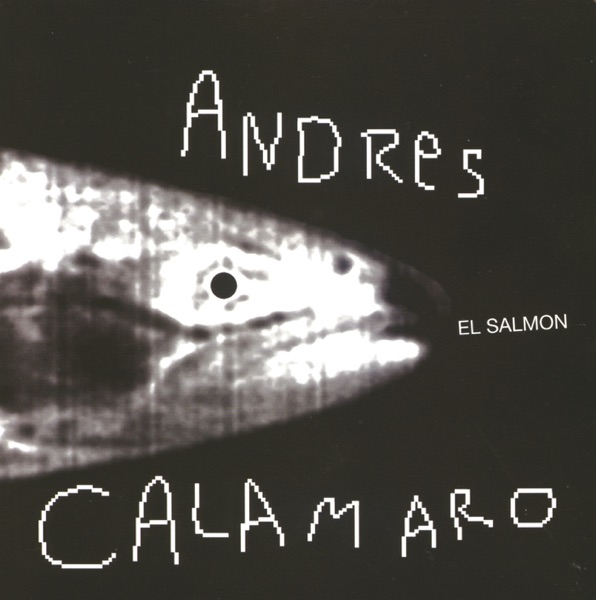
El salmón
2000 · 25 tracks
- 1 Output-Input ↗ 4:00
- 2 El Salmón ↗ 2:47
- 3 Días Distintos ↗ 3:29
- 4 Todo ↗ 3:14
- 5 OK Perdon ↗ 2:16
- 6 Horarios Esclavos ↗ 1:55
- 7 Nos Volveremos a Ver ↗ 2:01
- 8 Gaviotas ↗ 3:21
- 9 All You Need Is Pop ↗ 3:17
- 10 Cafetín de Buenos Aires ↗ 1:58
- 11 Enola Gay ↗ 4:35
- 12 Para Seguir ↗ 3:08
- 13 Revolución Turra ↗ 2:47
- 14 Rumbo Errado ↗ 2:35
- 15 Mi Funeral 11 ↗ 4:36
- 16 Crucificame ↗ 2:03
- 17 Vigilante Medio Argentino ↗ 1:51
- 18 Me Fui Volando ↗ 1:29
- 19 Chicas ↗ 2:47
- 20 Tu Pavada ↗ 4:28
- 21 Time Is On My Side ↗ 2:30
- 22 El Viejo ↗ 3:16
- 23 Lorena ↗ 5:18
- 24 No Se Olvidar ↗ 2:24
- 25 Revolución Turra (Simon) ↗ 2:55

El cantante
2004 · 12 tracks

El palacio de las flores
2006 · 17 tracks
- 1 Corazon en Venta ↗ 4:26
- 2 Mi Bandera ↗ 2:22
- 3 El Palacio de las Flores ↗ 4:21
- 4 El Tilin del Corazon ↗ 3:47
- 5 Contigo Aprendí ↗ 4:19
- 6 El Compositor No Se Detiene ↗ 4:42
- 7 Tengo una Orquidea ↗ 3:32
- 8 Patas de Rana ↗ 3:59
- 9 Punto Argentino ↗ 2:42
- 10 Cuando una Voz Sea de Todos ↗ 3:54
- 11 Antes ↗ 0:58
- 12 Corte de Huracan ↗ 3:08
- 13 Miami ↗ 4:32
- 14 Rosemary ↗ 4:02
- 15 Lo Que Nunca Se Olvida ↗ 3:08
- 16 La Apuesta ↗ 4:25
- 17 Ser Feliz ↗ 2:45

La lengua popular
2007 · 12 tracks
- 1 Los Chicos ↗ 3:12
- 2 Carnaval de Brasil ↗ 4:11
- 3 5 Minutos Mas (Minibar) ↗ 3:35
- 4 Soy Tuyo ↗ 3:15
- 5 Mi Gin Tonic ↗ 2:53
- 6 La Espuma de las Orillas ↗ 3:02
- 7 Cada una de Tus Cosas ↗ 3:30
- 8 Comedor Piquetero ↗ 3:14
- 9 Sexy y Barrigon ↗ 3:37
- 10 De Orgullo y de Miedo ↗ 3:38
- 11 La Mitad del Amor ↗ 3:45
- 12 Mi Cobain ↗ 2:41

On the Rock
2010 · 14 tracks
- 1 Barcos (Con Diego "El Cigala" y Niño Joséle) ↗ 3:57
- 2 Te Extraño (Con El Langui) ↗ 4:28
- 3 El Pasodoble de los Amigos Ausentes ↗ 2:59
- 4 Todos Se Van ↗ 3:35
- 5 Los Divínos ↗ 2:48
- 6 Flor de Samurai ↗ 2:52
- 7 Insoportablemente Cruel (feat. Calle 13 & Jerry Gonzalez) ↗ 4:14
- 8 Tres Marías ↗ 3:34
- 9 Te Solté la Rienda (Con Enrique Bunbury) ↗ 2:35
- 10 Me Envenenaste ↗ 3:02
- 11 Gomontonera ↗ 3:14
- 12 El Perro ↗ 2:27
- 13 Insoportablemente Cruel (Puerto Rico Mix) [feat. Calle 13] ↗ 4:07
- 14 Tres Marías (Pablo Lescaño Mix) [feat. Pablo Lescaño & Vícentico] ↗ 3:41


Volumen 11
2016 · 19 tracks
- 1 Apocalipsis en Malasaña ↗ 2:51
- 2 Frío y barro, segunda parte ↗ 2:23
- 3 Rock y juventud ↗ 5:20
- 4 Tan triste no es el blues ↗ 2:31
- 5 La noche ↗ 3:42
- 6 Atunes y ballenas ↗ 2:50
- 7 Como el viento voy a ver ↗ 4:59
- 8 Mareo ↗ 3:21
- 9 El huevo y la gallina ↗ 5:09
- 10 Blues de Santa Fe ↗ 3:15
- 11 Las almas agradecidas ↗ 3:14
- 12 Vampiro torero ↗ 1:52
- 13 Pánico en Benidorm ↗ 2:34
- 14 Cazador de ateos ↗ 1:53
- 15 Hasta el cielo ↗ 2:21
- 16 Blues y orquesta ↗ 2:38
- 17 Que te vaya bonito ↗ 2:37
- 18 Trujillo Libre ↗ 11:52
- 19 La Burra ↗ 2:35

Honestidad Extra Brut
2022 · 99 tracks
- 1 El día de la mujer mundial (2022 Remaster) ↗ 3:28
- 1 No tan Buenos Aires (2022 Remaster) ↗ 7:22
- 1 Eclipsado ↗ 3:17
- 1 Con abuelo (Mezcla Joe Blaney) ↗ 5:28
- 1 Cafetín de Buenos Aires (Mezcla Joe Blaney) ↗ 3:53
- 1 El ascensor ↗ 1:30
- 2 Te quiero igual (2022 Remaster) ↗ 3:38
- 2 El tren que pasa (2022 Remaster) ↗ 3:37
- 2 El día de la mujer mundial ↗ 3:27
- 2 Los demonios (feat. Guille Martín, Andy Chango) ↗ 2:00
- 2 Aquellos besos (feat. Alejandro Sanz) ↗ 5:01
- 2 Eclipsado (Mezcla Joe Blaney) ↗ 3:18
- 3 La parte de adelante (2022 Remaster) ↗ 4:20
- 3 Victoria y Soledad (2022 Remaster) ↗ 2:45
- 3 Los aviones ↗ 4:19
- 3 Clonazepan y circo (The Lost Weekend Sessions) ↗ 2:59
- 3 Victoria y soledad (Pez) ↗ 3:03
- 3 Gin Tonic Time (feat. Jaime Urrutia, Andy Chango) ↗ 4:32
- 4 Clonazepán y circo (2022 Remaster) ↗ 2:59
- 4 Mi propia trampa (2022 Remaster) ↗ 2:33
- 4 Mi propia trampa ↗ 2:32
- 4 Graciela (Demo) ↗ 3:43
- 4 Los reventados ↗ 4:37
- 4 Una bomba (Mezcla Joe Blaney) ↗ 4:04
- 5 Los aviones (2022 Remaster) ↗ 4:23
- 5 Negrita (2022 Remaster) ↗ 4:45
- 5 Socio de la soledad ↗ 3:39
- 5 Una bomba (En Circo Beat) ↗ 4:08
- 5 Pero igual ↗ 3:19
- 5 Fiesta cervezal ↗ 1:18
- 6 Más duele (2022 Remaster) ↗ 2:56
- 6 Voy a dormir (2022 Remaster) ↗ 3:00
- 6 Cuando te conocí ↗ 3:14
- 6 Dig It (feat. Ciro Fogliatta) ↗ 1:44
- 6 Blues de hoy ↗ 5:09
- 6 Los aviones (Don't Be Late Zaragoza 21 abril 1999) ↗ 4:42
- 7 Cuando te conocí (2022 Remaster) ↗ 3:18
- 7 Eclipsado (2022 Remaster) ↗ 3:31
- 7 Una bomba ↗ 4:14
- 7 Mi quebranto (NY Overdubs Rough Mix) ↗ 3:38
- 7 El tren que pasa (NY Overdubs Rough Mix) ↗ 3:36
- 7 Seven Days (Don't Be Late San Sebastián 11 abril 1999) ↗ 4:18
- 8 Prefiero dormir (2022 Remaster) ↗ 4:18
- 8 Mi quebranto (2022 Remaster) ↗ 3:39
- 8 Te quiero igual ↗ 4:04
- 8 Prefiero dormir (NY Overdubs Rough Mix) ↗ 4:22
- 8 Maradona (NY Overdubs Rough Mix) ↗ 1:42
- 8 Negrita (Demo) ↗ 4:57
- 9 Jugar con fuego (2022 Remaster) ↗ 3:00
- 9 Me pierdo (2022 Remaster) ↗ 4:21
- 9 Maradona ↗ 1:40
- 9 El olvido (no tiene perdón) [The Lost Weekend Sessions] ↗ 2:45
- 9 Hacer el tonto (Diego A. Maradona Session) ↗ 3:14
- 9 I Shot The Sheriff (The Lost Album Sessions) ↗ 3:38
- 10 Maradona (2022 Remaster) ↗ 1:49
- 10 Hacer el tonto (2022 Remaster) ↗ 3:06
- 10 Voy a dormir ↗ 2:58
- 10 El fontanero (Pez) ↗ 3:07
- 10 Para qué (Pez) ↗ 2:35
- 10 Cuatro estrofas (The Lost Album Sessions) ↗ 2:25
- 11 Una bomba (2022 Remaster) ↗ 4:19
- 11 Naranjo en flor (2022 Remaster) ↗ 3:51
- 11 Ansia en plaza Francia ↗ 2:44
- 11 Los aviones (NY Overdubs Rough Mix) ↗ 4:23
- 11 Blues del pie ↗ 5:06
- 11 Hay (Pez) ↗ 3:36
- 12 Socio de la soledad (2022 Remaster) ↗ 3:42
- 12 Aquellos besos (2022 Remaster) ↗ 4:34
- 12 Paloma ↗ 4:49
- 12 Bajan (feat. Alejandro Lerner) ↗ 2:08
- 12 Mal en mí ↗ 3:33
- 12 No va más (Pez) ↗ 3:48
- 13 Son las nueve (2022 Remaster) ↗ 3:08
- 13 No son horas (2022 Remaster) ↗ 4:17
- 13 Colegio de animales ↗ 4:13
- 13 Es tarde ↗ 4:48
- 13 17 y 3 (The Lost Weekend Sessions) ↗ 1:55
- 13 Barcos (feat. Fito Páez) ↗ 2:59
- 14 Las dos cosas (2022 Remaster) ↗ 5:09
- 14 Las heridas (2022 Remaster) ↗ 2:39
- 14 Más duele ↗ 3:11
- 14 Prefiero olvidar ↗ 1:47
- 14 Día de los enamorados ↗ 4:29
- 14 Las heridas (Pez) ↗ 2:49
- 15 Veneno (2022 Remaster) ↗ 6:24
- 15 Hay (2022 Remaster) ↗ 3:47
- 15 Mi quebranto ↗ 3:57
- 15 Inocentes ↗ 4:32
- 15 Desconfío (El Pie) ↗ 3:10
- 15 Graciela (Mezcla Joe Blaney) ↗ 6:37
- 16 Ansia en Plaza Francia (2022 Remaster) ↗ 2:50
- 16 El ritmo del lunes (2022 Remaster) ↗ 3:11
- 16 Las dos cosas ↗ 4:28
- 17 Paloma (2022 Remaster) ↗ 4:57
- 17 ¿Para qué? (2022 Remaster) ↗ 2:15
- 17 Desconfío ↗ 4:14
- 18 Con abuelo (2022 Remaster) ↗ 5:29
- 18 No va más (2022 Remaster) ↗ 3:46
- 19 La parte de atrás (2022 Remaster) ↗ 3:07
-
 Por mirarteAndrés Calamaro198814 tracks
 -
 Nadie sale vivo de aquíAndrés Calamaro198914 tracks
 -
 Alta suciedadAndrés Calamaro199714 tracks
 -
 El salmónAndrés Calamaro200025 tracks
 -
 El cantanteAndrés Calamaro200412 tracks
 -
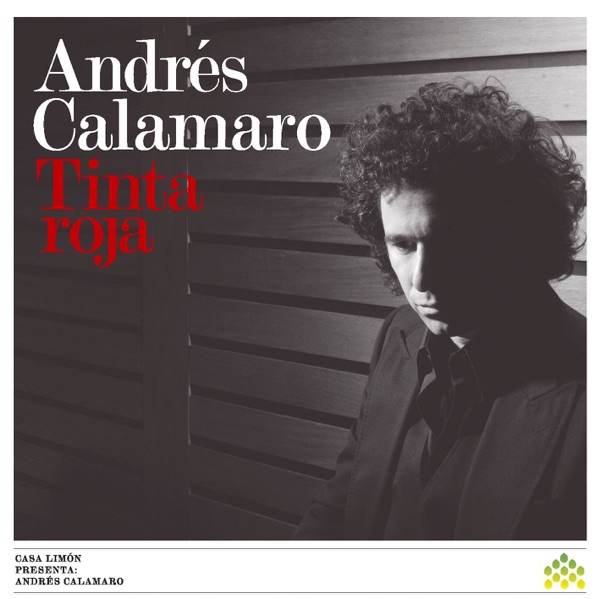
 Tinta rojaAndrés Calamaro200610 tracks
 -
 El palacio de las floresAndrés Calamaro200617 tracks
 -
 La lengua popularAndrés Calamaro200712 tracks
 -
 On the RockAndrés Calamaro201014 tracks
 -
 BohemioAndrés Calamaro201310 tracks
 -
 Volumen 11Andrés Calamaro201619 tracks
 -
 Honestidad Extra BrutAndrés Calamaro202299 tracks
Deep Dive
Overview
Andrés Calamaro stands as one of the most influential and versatile rock musicians to emerge from Argentina. A multi-instrumentalist and composer, Calamaro has spent nearly four decades shaping the landscape of rock music sung in Spanish, blending rock fundamentals with funk, reggae, boleros, tangos, and jazz. His work—both as a solo artist and as the driving force behind Los Rodríguez, a band that achieved major success throughout Spain and Latin America during the 1990s—has established him as a foundational figure in Spanish-language rock, with record sales surpassing 1.3 million copies and recognition including Latin Grammy awards.
Formation Story
Calamaro emerged from Argentina’s fertile rock scene, a country with deep traditions in tango, folk, and increasingly, rock and roll. Born in 1961, he came of age during the late 1970s and early 1980s, when Argentine rock was establishing its own identity distinct from Anglo-American models. His early years in music were shaped by the cosmopolitan influences of Buenos Aires, where European cabaret, African-rooted rhythms, and the country’s classical musical heritage intersected with the global rock phenomenon. Calamaro’s decision to work as a multi-instrumentalist—rather than specializing in a single role—reflected the ambitious, boundary-crossing spirit of Argentine musicians who refused to be confined by genre conventions.
Breakthrough Moment
Calamaro’s solo recording career began in earnest with Hotel Calamaro in 1984, followed by Vida cruel in 1985, establishing him as a serious solo voice within Argentina’s rock circles. However, his wider recognition came through Los Rodríguez, the band he would front during the 1990s. That project brought Argentine rock sensibilities to Spain and across Latin America, creating a significant commercial and critical foothold. When Calamaro returned to his solo career full-time after Los Rodríguez’s peak years, he possessed not only a mature artistic vision but an international platform that few Spanish-language rock artists had achieved. Albums like Alta suciedad (1997) and Honestidad brutal (1999) marked a sustained solo run that demonstrated his ability to command attention as a solo artist while expanding his musical palette.
Peak Era
Calamaro’s most creatively prolific and commercially successful period as a solo artist extended from the mid-1990s through the 2000s. Between Grabaciones encontradas, volumen uno (1994) and El cantante (2004), he released a remarkable succession of albums that showcased his restlessness and refusal to settle into a single sound. Alta suciedad (1997), Honestidad brutal (1999), and El salmón (2000) marked the core of this creative surge, establishing Calamaro not merely as a rock musician but as a complete artist capable of navigating multiple idioms within single works. The mid-2000s saw continued productivity with Tinta roja and El palacio de las flores (both 2006), demonstrating that Calamaro’s well of artistic ambition remained full despite the demands of a four-decade career.
Musical Style
Calamaro’s defining characteristic is his refusal to confine himself to any single musical genre or approach. His work encompasses rock’s fundamental structures but routinely incorporates funk grooves, reggae rhythms, jazz harmonies, tango inflections, and the lyrical traditions of bolero. This eclecticism is not merely stylistic fancy; it reflects a deep engagement with the full range of musical possibilities available to a Spanish-language artist working in the late twentieth and early twenty-first centuries. His multi-instrumentalist capabilities mean that his studio arrangements often feature diverse instrumental colors—from traditional rock band setups to orchestral arrangements, from acoustic configurations to electronic textures. Vocally, Calamaro employs a conversational, sometimes almost spoken delivery that emphasizes lyrical clarity and emotional directness, a technique well-suited to the storytelling traditions of tango and Argentine folk that run beneath much of his work. His songwriting philosophy privileges emotional honesty and musical adventure over commercial formulas, evident in album titles like Honestidad brutal (1999) and later works like Honestidad Extra Brut (2022).
Major Albums
Hotel Calamaro (1984)
Calamaro’s solo debut, establishing him as a serious artist beyond any group context and introducing the eclectic approach that would define his career.
Alta suciedad (1997)
A landmark album that consolidated Calamaro’s mature vision following his Los Rodríguez years, showcasing his command of multiple musical styles within a cohesive artistic statement.
Honestidad brutal (1999)
A defining record of his late-1990s peak, reflecting the album title’s promise of unvarnished emotional and musical honesty.
El salmón (2000)
Continuing his prolific output, demonstrating sustained creative vitality at the turn of the millennium.
El cantante (2004)
A significant milestone in his later career, reasserting his standing as a major Spanish-language rock voice in the new century.
Nada se pierde (2009)
Reflecting his continued evolution and the accumulation of decades of musical experience.
Signature Songs
- “Flaca” — A defining Calamaro composition that has become one of his most recognizable works, exemplifying his ability to craft emotionally resonant rock songs.
- “La parte de adelante” — Demonstrates his gift for direct lyrical communication and melodic memorability.
- “Te quiero” — Showcases his capacity to work within ballad and romantic song traditions while maintaining artistic integrity.
- “Estadío Azteca” — Reflects his engagement with narrative songwriting and cultural specificity.
Influence on Rock
Calamaro’s impact on Spanish-language rock has been profound and lasting. He demonstrated that rock music in Spanish need not imitate Anglo-American models, that a rock artist could draw equally from tango, bolero, reggae, and funk without sacrificing artistic credibility. His multi-instrumentalist approach and genre-crossing willingness influenced a generation of Spanish-language musicians working after the 1990s, showing that commercial and artistic success could coexist with musical boundary-pushing. Los Rodríguez’s triumph in Spain during the 1990s opened doors for Argentine rock acts throughout Europe and Latin America, a legacy Calamaro continued to build through his solo work. His Latin Grammy recognition underscores the formal acknowledgment of his contributions to Latin music broadly.
Legacy
Andrés Calamaro has established himself as not merely a successful rock artist but one of the foundational figures in rock music sung in Spanish. Over more than three decades as a recording artist, he has maintained creative ambition and stylistic integrity while achieving significant commercial recognition. His sales figure of 1.3 million records, combined with his Latin Grammy awards and continued recording output into the 2020s—evidenced by albums like Dios los cría (2021) and Honestidad Extra Brut (2022)—demonstrates both his enduring relevance and his refusal to rest on past achievements. Calamaro’s legacy rests not on a single iconic album or era but on the cumulative body of work of an artist who has continuously evolved while remaining fundamentally true to an artistic vision centered on emotional honesty, musical curiosity, and the distinctive possibilities of rock music in Spanish.
Fun Facts
- Calamaro’s album titles frequently emphasize themes of authenticity and truth, from Honestidad brutal to La lengua popular, reflecting his artistic philosophy.
- His discography includes releases titled Grabaciones encontradas (Found Recordings) volumes one and two, suggesting a curatorial relationship with his own archive.
- The span between his 1984 debut and his 2022 album Honestidad Extra Brut represents one of rock music’s longest continuous recording careers.
- Calamaro’s multi-instrumentalist abilities mean he has contributed various instruments across his albums rather than specializing in a single role.