
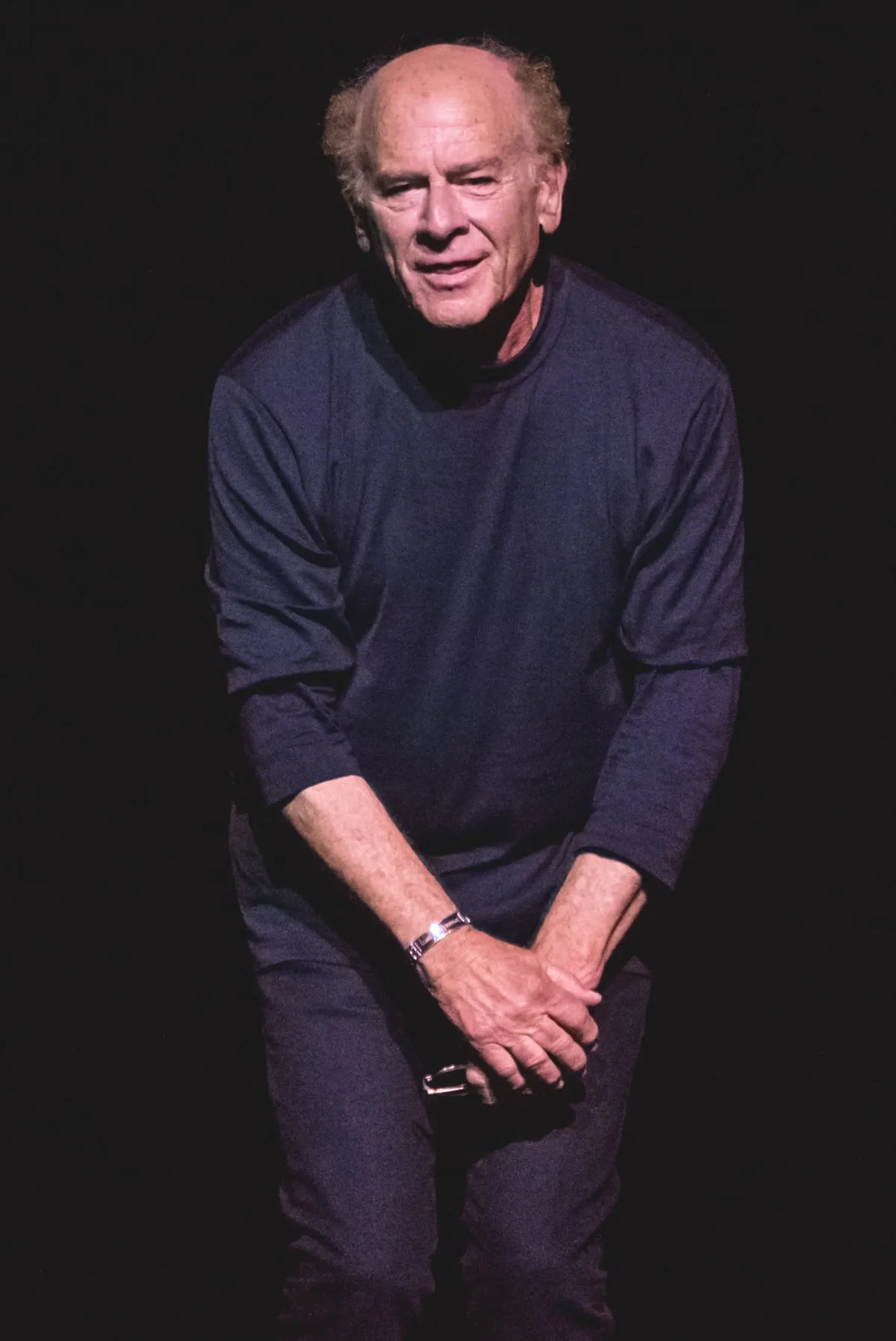
Photo by Raph_PH , licensed under CC BY 2.0 · Wikimedia Commons
Rank #183
Art Garfunkel
From Wikipedia
Arthur Ira Garfunkel is an American singer, actor and poet who is best known for his partnership with Paul Simon in the folk rock duo Simon & Garfunkel.
Discography & Previews
Browse through and click an album to open and play 30-second previews streamed from Apple Music.
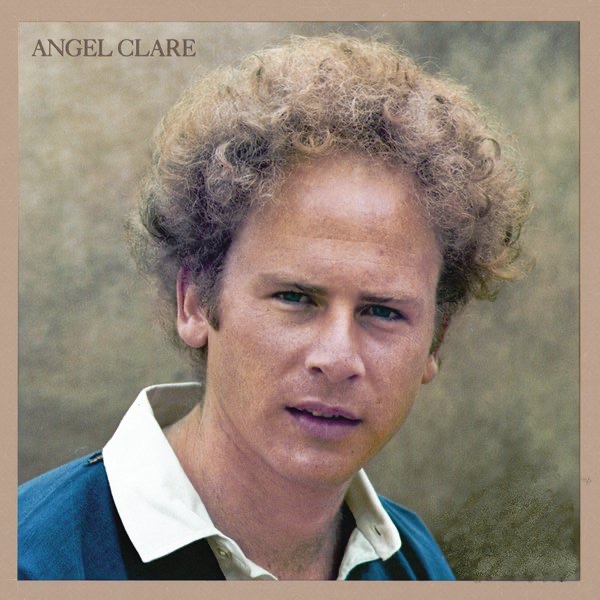
Angel Clare
1973 · 10 tracks
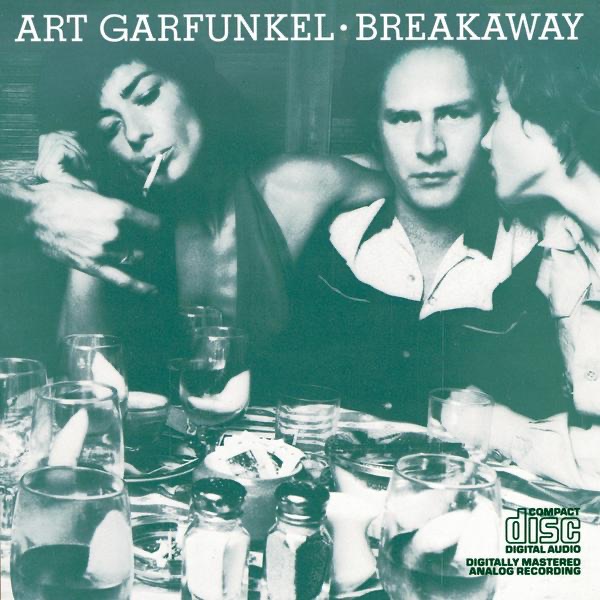
Breakaway
1975 · 10 tracks
- 1 I Believe (When I Fall In Love It Will Be Forever) ↗ 3:52
- 2 Rag Doll ↗ 3:07
- 3 Break Away ↗ 3:36
- 4 Disney Girls ↗ 4:34
- 5 Waters of March ↗ 3:39
- 6 My Little Town ↗ 3:53
- 7 I Only Have Eyes for You ↗ 3:39
- 8 Looking for the Right One ↗ 3:22
- 9 99 Miles from L.A. ↗ 3:32
- 10 The Same Old Tears On a New Background ↗ 3:51

Watermark
1978 · 12 tracks
- 1 Crying In My Sleep ↗ 4:05
- 2 Marionette ↗ 2:34
- 3 Shine It On Me ↗ 3:27
- 4 Watermark ↗ 2:53
- 5 Saturday Suit ↗ 3:17
- 6 All My Love's Laughter ↗ 3:56
- 7 (What A) Wonderful World ↗ 3:31
- 8 Mr. Shuck 'N' Jive ↗ 4:48
- 9 Paper Chase ↗ 2:38
- 10 She Moved Through the Fair ↗ 3:44
- 11 Someone Else (1958) ↗ 2:17
- 12 Wooden Planes ↗ 3:11

Fate for Breakfast
1979 · 11 tracks
- 1 In a Little While (I'll Be On My Way) ↗ 3:27
- 2 Since I Don't Have You ↗ 3:39
- 3 And I Know ↗ 3:41
- 4 Sail On a Rainbow ↗ 3:46
- 5 Miss You Nights ↗ 3:46
- 6 Bright Eyes ↗ 3:59
- 7 Finally Found a Reason ↗ 2:39
- 8 Beyond the Tears ↗ 3:52
- 9 Oh How Happy ↗ 2:39
- 10 When Someone Doesn't Want You ↗ 3:32
- 11 Take Me Away ↗ 4:40
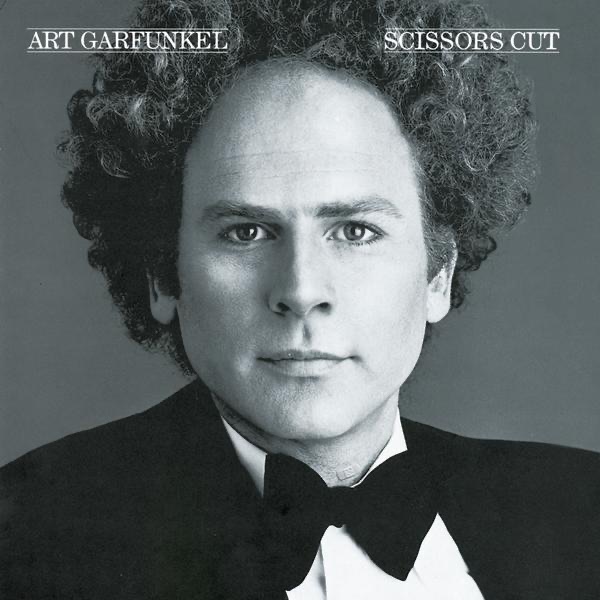
Scissors Cut
1981 · 10 tracks

Lefty
1988 · 11 tracks
- 1 This Is the Moment ↗ 4:32
- 2 I Have a Love ↗ 4:29
- 3 So Much in Love ↗ 2:25
- 4 Slow Breakup ↗ 3:47
- 5 Love Is the Only Chain ↗ 4:09
- 6 When a Man Loves a Woman ↗ 4:29
- 7 I Wonder Why ↗ 3:24
- 8 King of Tonga ↗ 3:27
- 9 If Love Takes You Away ↗ 3:49
- 10 The Promise ↗ 3:58
- 11 Sometimes When I'm Dreaming ↗ 3:42
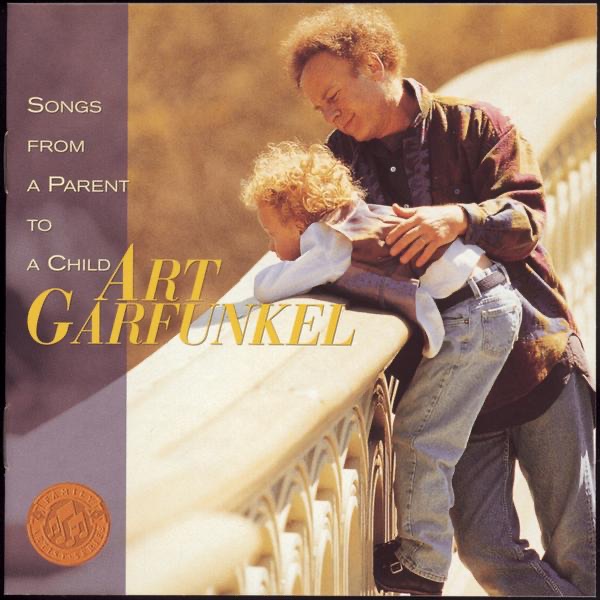
Songs from a Parent to a Child
1997 · 13 tracks
- 1 Who's Gonna Shoe Your Pretty Little Feet? ↗ 1:51
- 2 Morning Has Broken ↗ 2:53
- 3 Daydream ↗ 2:48
- 4 Baby Mine ↗ 3:40
- 5 Secret o' Life ↗ 3:38
- 6 The Things We've Handed Down ↗ 4:38
- 7 You're a Wonderful One ↗ 3:15
- 8 Good Luck Charm ↗ 2:26
- 9 I Will ↗ 2:17
- 10 Lasso the Moon ↗ 3:29
- 11 Dreamland ↗ 3:10
- 12 Who's Gonna Shoe Your Pretty Little Feet? (Reprise) ↗ 1:44
- 13 The Lord's Prayer / Now I Lay Me Down to Sleep ↗ 3:52

Father and Son
2024 · 12 tracks
-
 Angel ClareArt Garfunkel197310 tracks
 -
 BreakawayArt Garfunkel197510 tracks
 -
 WatermarkArt Garfunkel197812 tracks
 -
 Fate for BreakfastArt Garfunkel197911 tracks
 -
 Scissors CutArt Garfunkel198110 tracks
 -
 LeftyArt Garfunkel198811 tracks
 -
 Songs from a Parent to a ChildArt Garfunkel199713 tracks
 -
 Father and SonArt Garfunkel202412 tracks
Deep Dive
Overview
Art Garfunkel is an American singer, actor, and poet best known for his work as the soprano voice of Simon & Garfunkel, the folk-rock duo that dominated popular music in the late 1960s and early 1970s. Beyond that partnership, Garfunkel has sustained a solo recording career spanning five decades, releasing albums that showcase both his unmatched vocal facility and his willingness to venture into theatrical and introspective terrain. His presence in rock music rests on his ability to deliver crystalline, emotionally transparent vocal performances across a range of material—from sophisticated pop arrangements to jazz standards and children’s records.
Formation Story
Art Garfunkel was born in New York in 1941, emerging from the same folk and pop-influenced cultural moment that shaped his long-time partner Paul Simon. The two met in the late 1950s and formed Simon & Garfunkel, becoming one of rock music’s most commercially and critically successful acts through the late 1960s. When the duo disbanded in 1970, Garfunkel was already a recording artist of significant stature, possessed of one of the most recognizable voices in popular music—a clear, floating tenor capable of both gentle intimacy and soaring, almost ethereal expressiveness. His decision to pursue a solo career was thus not a matter of emerging from obscurity but of carving out independent artistic territory while remaining tethered to the folk-rock sensibility that had defined his rise.
Breakthrough Moment
Garfunkel’s first solo album, Angel Clare, arrived in 1973, establishing him as a credible solo artist in his own right. Released on Columbia Records, the record demonstrated that his appeal was not solely dependent on Simon’s songwriting or the duo’s arrangement chemistry. The album’s success proved Garfunkel could command listener attention with his voice and interpretive gifts alone, drawing from a wider palette of material and collaborators. This early validation set the stage for his next major statement, Breakaway in 1975, which expanded his commercial reach and cemented his identity as a solo performer with his own artistic vision.
Peak Era
The mid-to-late 1970s represented Garfunkel’s most productive and artistically confident solo period. Following Angel Clare, he released Breakaway in 1975, which gained significant commercial traction and radio play. He continued this momentum with Watermark in 1978, Fate for Breakfast in 1979, and Scissors Cut in 1981. During these years, Garfunkel balanced his recording career with acting pursuits, appearing in films while maintaining his presence in the recording studio. This era showcased his versatility—his ability to interpret songs across multiple genres and to work with varied production approaches, from intimate acoustic arrangements to fuller orchestral settings.
Musical Style
Garfunkel’s voice is his signature instrument—a soprano or high tenor with natural purity and exceptional control, capable of floating above arrangements or cutting through dense orchestration with clarity. His vocal approach owes much to the American songbook tradition and art-song singing, lending his rock and pop recordings an almost classical sensibility. Throughout his solo work, he has gravitated toward material that allows for subtle emotional shading and demonstrates technical skill—songs that require both precision and interpretive finesse. His recording choices have often leaned toward sophisticated pop arrangements, drawing from the traditions of show tunes and standards alongside contemporary songwriting. Unlike Simon’s guitar-driven, rhythmically inventive approach, Garfunkel’s solo aesthetic tends toward the lush and orchestral, with arrangements that complement rather than challenge his vocal presence.
Major Albums
Angel Clare (1973)
Garfunkel’s solo debut announced his credentials as a solo artist and proved his voice could sustain full-length work independent of Simon & Garfunkel’s musical framework.
Breakaway (1975)
This album achieved broader commercial success and radio presence, establishing Garfunkel as a consistent solo recording artist with genuine popular appeal.
Watermark (1978)
A mid-period effort that maintained Garfunkel’s recording momentum and continued to showcase his interpretive range across varying song styles and production approaches.
Some Enchanted Evening (2007)
Released nearly thirty years into his solo career, this collection demonstrated Garfunkel’s enduring commitment to recording and his return to familiar theatrical and songbook material late in his career.
Signature Songs
- “Bright Eyes” — The theme song from the animated film Watership Down, this became one of Garfunkel’s most recognizable solo recordings and showcased his ability to deliver emotionally direct material.
- “I Only Have Eyes for You” — A classic American standard that Garfunkel recorded, highlighting his connection to the traditional songbook.
Influence on Rock
Garfunkel’s solo career demonstrated that the vocalist in a successful partnership could maintain relevance and artistic credibility as an independent artist. His willingness to interpret songs from outside the contemporary rock canon—drawing from the American songbook, theatrical traditions, and sophisticated pop—helped legitimize the idea that rock and pop singers could explore material beyond their genre’s boundaries. His clean, highly trained vocal approach influenced how subsequent generations of rock vocalists conceived of vocal technique and expression, particularly those who valued precision and emotional transparency over raw power or stylistic idiosyncrasy. The solo careers of other duo members and the broader trend of rock musicians pursuing parallel solo work while maintaining partnership options owe some precedent to Garfunkel’s early success in establishing himself as a solo artist of genuine stature.
Legacy
Art Garfunkel remains a significant figure in classic rock history, recognized equally for his role in Simon & Garfunkel and for his sustained solo recording career. His voice—heard across studio albums released continuously from 1973 through 2024—remains one of rock music’s most identifiable instruments. The release of Father and Son in 2024, nearly fifty years after Angel Clare, attests to his ongoing commitment to recording and performance. Garfunkel’s career trajectory established a template for how a vocalist in a celebrated partnership could develop a meaningful solo identity while the partnership itself remained culturally significant and capable of reunion. His presence in streaming catalogs and his continued touring have kept his music accessible to both longtime listeners and newer audiences encountering his work for the first time.
Fun Facts
- Garfunkel has pursued acting alongside his music career, appearing in films and maintaining that dual artistic identity throughout his professional life.
- The Animals’ Christmas, released in 1986, demonstrated his willingness to record material outside the rock and pop mainstream, exploring holiday music and other thematic territory.
- His recording output has spanned multiple decades without significant gaps, with studio albums released across five consecutive decades from the 1970s through the 2020s, reflecting remarkable longevity and continued artistic engagement.