
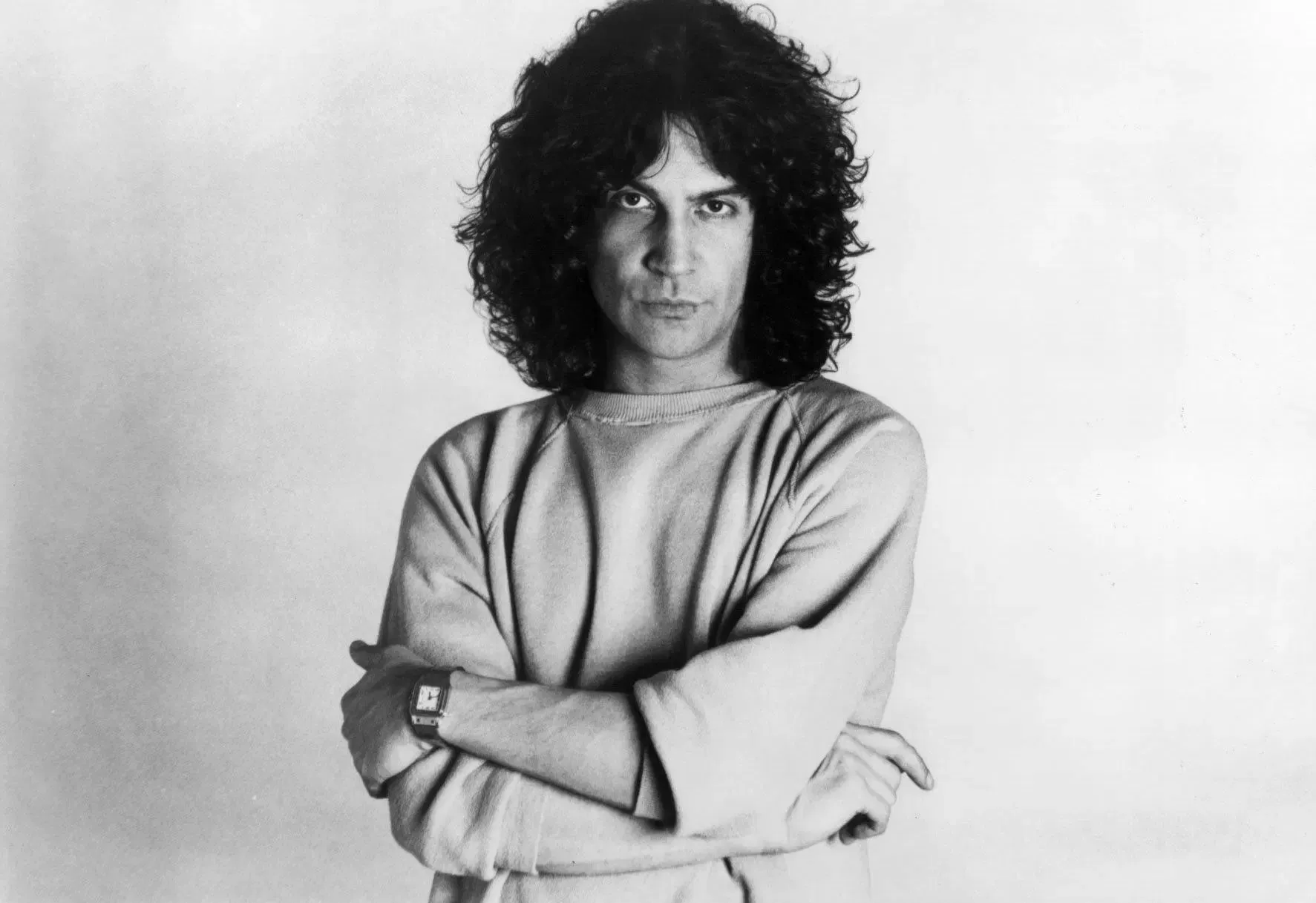
Photo by Distributed by Premier Talent Agency , licensed under Public domain · Wikimedia Commons
Rank #400
Billy Squier
From Wikipedia
William Haislip Squier is an American rock musician, singer, and songwriter who had a string of hits in the early 1980s. His best-known songs include "The Stroke", "Lonely Is the Night", "My Kinda Lover", "In the Dark", "Rock Me Tonite", "Everybody Wants You", "Emotions in Motion", "Love Is the Hero", and "Don't Say You Love Me". Squier's best-selling album, 1981's Don't Say No, is considered a landmark release of arena rock, bridging the gap between power pop and hard rock.
Discography & Previews
Browse through and click an album to open and play 30-second previews streamed from Apple Music.



Creatures of Habit
1991 · 11 tracks

Tell the Truth
1993 · 12 tracks
- 1 Angry ↗ 4:30
- 2 Tryin' to Walk a Straight Line ↗ 4:06
- 3 Rhythm (A Bridge So Far) ↗ 7:02
- 4 Hercules ↗ 4:43
- 5 Lovin' You Ain't So Hard ↗ 5:18
- 6 Time Bomb ↗ 6:58
- 7 Stranger to Myself ↗ 5:52
- 8 The Girl's All Right ↗ 4:10
- 9 Break Down ↗ 4:49
- 10 Not a Color ↗ 5:14
- 11 Mind-Machine ↗ 4:00
- 12 Shocked Straight ↗ 4:08

Happy Blue
1998 · 11 tracks
- 1 Happy Blues ↗ 5:00
- 2 The Pursuit of Happiness ↗ 7:43
- 3 She Will ↗ 5:03
- 4 Grasping for Oblivion ↗ 4:58
- 5 If You Would Hate Me Less, I'd Love You More ↗ 6:29
- 6 Stroke Me Blues ↗ 4:42
- 7 More Than Words Can Say ↗ 3:42
- 8 Inferno (Everybody Cries Sometimes) ↗ 5:47
- 9 Long Way to Fall ↗ 5:08
- 10 River ↗ 5:14
- 11 Two ↗ 2:49
-
 The Tale of the TapeBilly Squier19809 tracks
 -
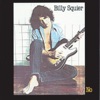 Don’t Say NoBilly Squier198110 tracks
 -
 Emotions in MotionBilly Squier198210 tracks
 -
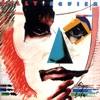 Signs of LifeBilly Squier198410 tracks
 -
 Enough Is EnoughBilly Squier198610 tracks
 -
 Hear & NowBilly Squier198910 tracks
 -
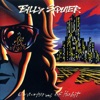 Creatures of HabitBilly Squier199111 tracks
 -
 Tell the TruthBilly Squier199312 tracks
 -
 Happy BlueBilly Squier199811 tracks
Deep Dive
Overview
Billy Squier is an American rock musician and songwriter who emerged as a major commercial force in arena rock during the early 1980s. Born in 1950, Squier carved out a distinctive niche that fused the melodic sensibilities of power pop with the raw energy and instrumentation of hard rock—a blend that proved immensely successful with arena audiences. His 1981 album Don’t Say No stands as a landmark in that crossover, and his string of radio hits throughout the decade established him as one of the decade’s most recognizable rock voices.
Formation Story
Billy Squier came of age as a musician and songwriter during the 1970s, the decade when arena rock and hard rock were establishing their commercial and aesthetic foundations. Working initially on the edges of these scenes, Squier developed a songwriting approach that emphasized strong melodies and hooks alongside the electric guitar-driven sound that defined the era. By the end of the 1970s, he had begun recording independently, refining the sound that would define his breakthrough period. His early recordings—particularly 1979’s Pillars of the Assembly and 1980’s The Tale of the Tape—introduced the world to his ability to blend accessible pop structures with the heavier instrumentation and vocal delivery of hard rock.
Breakthrough Moment
Squier’s major breakthrough came with his third album, 1981’s Don’t Say No, released on Capitol Records. The album became his best-selling work and marked a turning point in his career trajectory. Built on the songwriting and production foundation he had established with his previous releases, Don’t Say No achieved what many rock acts attempt but few accomplish: it bridged arena rock and power pop without sacrificing commercial appeal or musical credibility. The album generated multiple hits that received substantial radio play and MTV exposure, establishing Squier as a fixture on rock radio stations throughout North America. The success of Don’t Say No positioned him for the sustained commercial run that would characterize the 1980s.
Peak Era
The period from 1981 through the mid-1980s represented Squier’s peak commercial and creative window. Following the breakthrough of Don’t Say No, he released Emotions in Motion in 1982, further consolidating his position as a major arena rock act. In 1984, Signs of Life continued that trajectory, and in 1986 he released Enough Is Enough. During these years, Squier was a staple of rock radio, appearing regularly on MTV, and drawing substantial crowds on the arena circuit. His combination of strong hooks, well-crafted rock arrangements, and a vocal delivery that balanced power with accessibility made him one of the defining voices of arena rock during this stretch.
Musical Style
Squier’s sound rests on a deliberate fusion of two seemingly different rock traditions. The hard rock element provides the guitar-driven foundation, featuring electric guitars that are both technically proficient and melodically expressive, alongside the full rhythmic power of a rock band. Over this foundation, Squier constructs songs with the harmonic sophistication and hook-oriented structure typical of power pop—an influence that prevents the music from becoming merely heavy or riff-based. His vocal approach complements this balance: a rock-inflected tenor that conveys strength and presence without resorting to the theatrical high register or rough growl that characterized many of his hard rock contemporaries. The production approach emphasizes clarity and definition, giving each instrument space within the mix while maintaining the punch and fullness essential to arena rock. This combination—power pop’s melodic architecture and hard rock’s sonic aggression—proved remarkably durable and commercially viable during the 1980s, when radio and MTV were actively seeking acts that could appeal across the spectrum of rock listeners.
Major Albums
Don’t Say No (1981)
Squier’s commercial breakthrough and artistic peak, widely regarded as a landmark arena rock album. The album successfully merged power pop melody with hard rock instrumentation, establishing a template that influenced the direction of mainstream rock radio throughout the 1980s.
Emotions in Motion (1982)
Following directly on the heels of Don’t Say No, this album maintained his commercial momentum and demonstrated that the formula was not a one-time success. It solidified his standing as a major arena rock act and generated multiple hit singles.
Signs of Life (1984)
Release during the height of Squier’s commercial success, this album continued his streak of arena rock output and maintained his presence on radio and in the concert marketplace.
Enough Is Enough (1986)
Squier’s final major release of his peak era, this album represented the continued evolution of his sound while maintaining the core elements that had made him successful throughout the first half of the 1980s.
Signature Songs
- “The Stroke” — One of Squier’s most recognizable hits, a definitive arena rock radio staple that exemplifies his knack for crafting memorable hooks within a hard rock framework.
- “Lonely Is the Night” — A mid-tempo rock track that showcases Squier’s ability to convey emotion within an upbeat, radio-friendly arrangement.
- “My Kinda Lover” — An arena rock anthem that became a staple of 1980s rock radio and concert setlists.
- “In the Dark” — Demonstrates the tighter, more guitar-driven approach within his catalog of hits.
- “Rock Me Tonite” — A high-energy track that exemplifies the fusion of power pop melody and hard rock delivery.
- “Everybody Wants You” — Showcases Squier’s gift for writing universally relatable rock narratives with strong melodic hooks.
- “Emotions in Motion” — The title track from his 1982 album, a signature song that blends lyrical introspection with driving rock arrangements.
- “Don’t Say You Love Me” — A track that demonstrates the sophisticated songwriting approach underpinning his commercial success.
Influence on Rock
While Squier emerged from and operated within already-established rock traditions rather than fundamentally reinventing the genre, his commercial success in the early 1980s validated a particular approach to rock music: one that refused to sacrifice melodic sophistication for heaviness or vice versa. His work demonstrated that power pop’s structural sensibilities and hard rock’s sonic palette could coexist within the same song and album, an insight that influenced how other arena rock acts approached songwriting and arrangement during the 1980s. His position within mainstream rock radio—neither as a pure power pop act nor as a straight-ahead heavy band—helped expand the definition of what could be commercially successful within rock music during a decade when radio formats were still being actively negotiated.
Legacy
Billy Squier’s cultural legacy rests primarily on his role as a successful arena rock artist during one of rock music’s most commercially vibrant periods. The songs he recorded during his peak years—particularly those from Don’t Say No—remain fixtures on classic rock radio and continue to circulate widely through streaming services. His ability to bridge melodic and heavy sensibilities made his work enduringly appealing to fans who rejected the false choice between pop accessibility and rock authenticity. While his commercial prominence faded after the late 1980s, his recordings from his peak era continue to be celebrated as exemplary instances of arena rock crafted at a high level of technical and songwriting competence. His career demonstrates the sustained power of well-written rock songs delivered with confidence and commercial savvy during an era when such an approach could achieve genuine mainstream success.
Fun Facts
- Squier’s continued touring activity has kept him connected to the live rock circuit decades after his initial commercial peak, maintaining an active presence performing his classic hits.
- The span between his first and most recent studio albums in the supplied catalog—from 1979 to 1998—demonstrates a prolonged period of recording activity and artistic output.
- His work across the 1980s positioned him as a contemporary of other arena rock acts who were also navigating the intersection of melody and heaviness during that decade’s shifting radio landscape.