

Photo by Raph_PH , licensed under CC BY 2.0 · Wikimedia Commons
Rank #58
Avril Lavigne
From Wikipedia
Avril Ramona Lavigne is a Canadian singer and songwriter. She is a key musician in popularizing pop-punk music, as she paved the way for female-driven, punk-influenced pop music in the early 2000s. Her accolades include ten Juno Awards and eight Grammy Awards nominations.
Discography & Previews
Browse through and click an album to open and play 30-second previews streamed from Apple Music.

Let Go
2002 · 13 tracks

Under My Skin
2004 · 13 tracks
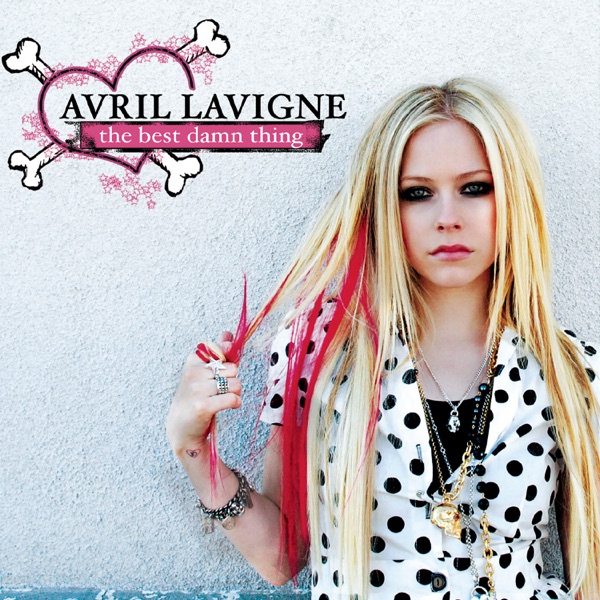
The Best Damn Thing
2007 · 17 tracks
- 1 Girlfriend ↗ 3:37
- 2 I Can Do Better ↗ 3:15
- 3 Runaway ↗ 3:48
- 4 The Best Damn Thing ↗ 3:09
- 5 When You're Gone ↗ 4:00
- 6 Everything Back But You ↗ 3:02
- 7 Hot ↗ 3:23
- 8 Innocence ↗ 3:52
- 9 I Don't Have To Try ↗ 3:17
- 10 One of Those Girls ↗ 2:55
- 11 Contagious ↗ 2:09
- 12 Keep Holding On ↗ 4:00
- 13 Alone ↗ 3:14
- 14 I Will Be ↗ 4:00
- 15 I Can Do Better (Acoustic Version) ↗ 3:39
- 16 Girlfriend (The Submarines' Time Warp '66 Mix - English) ↗ 3:11
- 17 Girlfriend (feat. Lil Mama) [Dr. Luke Mix] ↗ 3:25

Goodbye Lullaby
2011 · 21 tracks
- 1 Black Star ↗ 1:34
- 2 What the Hell ↗ 3:41
- 3 Push ↗ 3:01
- 4 Wish You Were Here ↗ 3:46
- 5 Smile ↗ 3:30
- 6 Stop Standing There ↗ 3:27
- 7 I Love You ↗ 4:02
- 8 Everybody Hurts ↗ 3:42
- 9 Not Enough ↗ 4:19
- 10 4 Real ↗ 3:28
- 11 Darlin ↗ 3:51
- 12 Alice (Extended Version) ↗ 5:01
- 13 Remember When ↗ 3:29
- 14 Goodbye ↗ 4:32
- 15 What The Hell (Acoustic Version) ↗ 3:41
- 16 Push (Acoustic Version) ↗ 2:46
- 17 Wish You Were Here (Acoustic Version) ↗ 3:46
- 18 Bad Reputation ↗ 2:42
- 19 What The Hell (Bimbo Jones Remix) ↗ 4:10
- 20 What The Hell (Instrumental) ↗ 3:39
- 21 Wish You Were Here (Instrumental) ↗ 3:46
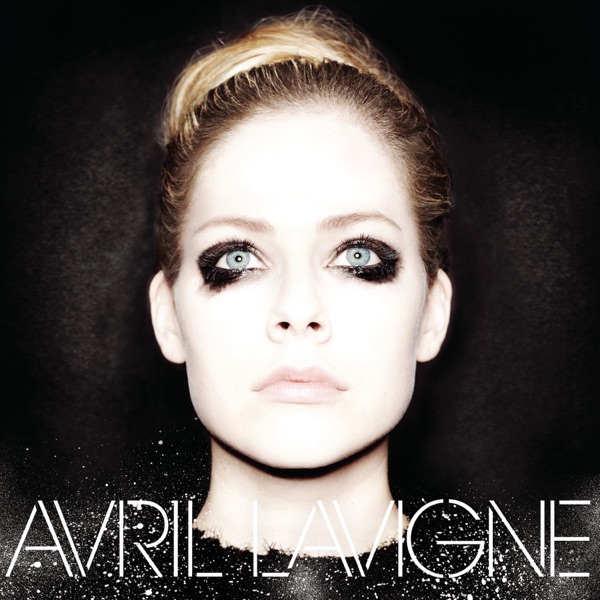
Avril Lavigne
2013 · 16 tracks
- 1 Rock N Roll ↗ 3:27
- 2 Here's to Never Growing Up ↗ 3:34
- 3 17 ↗ 3:25
- 4 Bitchin' Summer ↗ 3:31
- 5 Let Me Go (feat. Chad Kroeger) ↗ 4:28
- 6 Give You What You Like ↗ 3:45
- 7 Bad Girl (feat. Marilyn Manson) ↗ 2:55
- 8 Hello Kitty ↗ 3:16
- 9 You Ain't Seen Nothin' Yet ↗ 3:13
- 10 Sippin' On Sunshine ↗ 3:29
- 11 Hello Heartache ↗ 3:49
- 12 Falling Fast ↗ 3:14
- 13 Hush Hush ↗ 3:59
- 14 Rock N Roll (Acoustic) ↗ 3:24
- 15 Bad Reputation ↗ 2:42
- 16 How You Remind Me ↗ 4:06
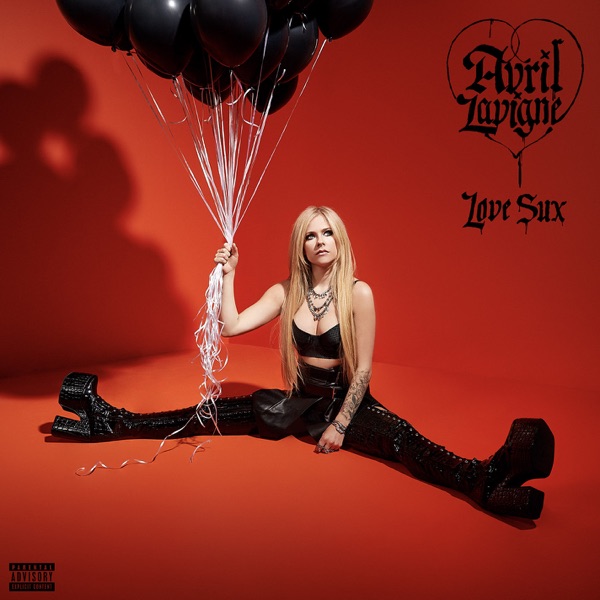
Love Sux
2022 · 12 tracks
- 1 Cannonball ↗ 2:19
- 2 Bois Lie (feat. Machine Gun Kelly) ↗ 2:43
- 3 Bite Me ↗ 2:40
- 4 Love It When You Hate Me (feat. blackbear) ↗ 2:25
- 5 Love Sux ↗ 2:49
- 6 Kiss Me Like The World Is Ending ↗ 2:50
- 7 Avalanche ↗ 3:40
- 8 Déjà vu ↗ 3:24
- 9 F.U. ↗ 2:48
- 10 All I Wanted (feat. Mark Hoppus) ↗ 2:33
- 11 Dare To Love Me ↗ 3:35
- 12 Break Of A Heartache ↗ 1:52
-
 Let GoAvril Lavigne200213 tracks
 -
 Under My SkinAvril Lavigne200413 tracks
 -
 The Best Damn ThingAvril Lavigne200717 tracks
 -
 Goodbye LullabyAvril Lavigne201121 tracks
 -
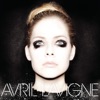 Avril LavigneAvril Lavigne201316 tracks
 -
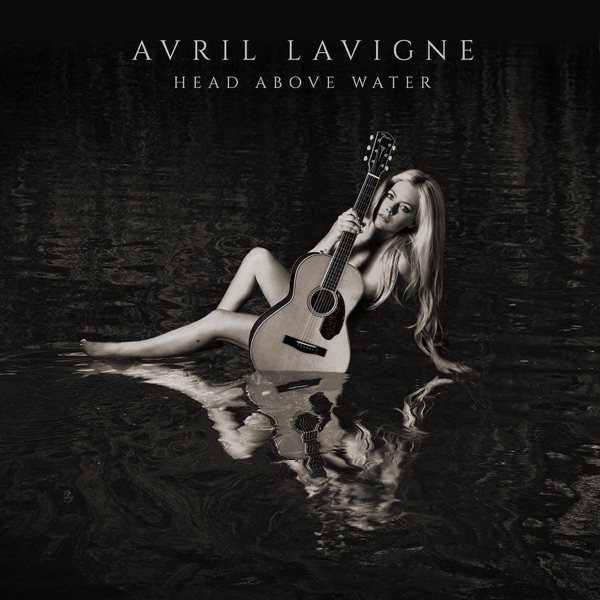
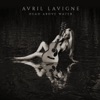 Head Above WaterAvril Lavigne201912 tracks
 -
 Love SuxAvril Lavigne202212 tracks
Deep Dive
Overview
Avril Ramona Lavigne is a Canadian singer and songwriter who emerged as a defining voice in early 2000s popular music and a key architect in the mainstreaming of pop-punk. Over two decades, she has released seven studio albums, earned ten Juno Awards and eight Grammy Award nominations, and shaped the landscape of female-fronted rock-influenced pop music. Her career arc—from teenage breakthrough to enduring artist across multiple decades—traces the evolution of pop-punk from underground subgenre to global commercial force.
Formation Story
Lavigne was born in Canada in 1984, coming of age during the grunge and alternative rock boom of the 1990s. She began her musical journey in a pop-punk and post-grunge scene that, by the early 2000s, was primed for a major commercial breakthrough. Her early exposure to punk-influenced music and songwriting positioned her to become the face of a new wave of female-driven rock-pop hybrids. By her late teens, Lavigne had signed to Arista Records, setting the stage for her debut album.
Breakthrough Moment
Lavigne’s arrival as a major force came with the 2002 release of Let Go, an album that immediately positioned her as the poster figure for pop-punk and skate-park-adjacent cool aimed at a mainstream audience. The album’s immediate commercial success and its cultural resonance among teenagers and young adults marked the moment when pop-punk—previously a regional, youth-oriented phenomenon—crossed into dominant popular consciousness. Let Go became the vehicle through which Lavigne’s image as a tie-wearing, eyeliner-sharp rock girl reached millions, crystallizing a new archetype in mainstream pop music.
Peak Era
Lavigne’s most visible and creatively prolific period spanned the 2000s and early 2010s. Following Let Go, she released Under My Skin in 2004 and The Best Damn Thing in 2007, albums that consolidated her position as one of the decade’s defining pop-rock voices. These records maintained the pop-punk blueprint while exploring variations in production and songwriting intensity. The period through 2007 represented her peak cultural footprint, though she continued recording and touring into subsequent decades, with Goodbye Lullaby arriving in 2011, the eponymous Avril Lavigne in 2013, Head Above Water in 2019, and Love Sux in 2022.
Musical Style
Lavigne’s sound is rooted in pop-punk but expands into adjacent territories including post-grunge, soft rock, and alternative rock. Her vocal delivery—conversational, often deadpan, punctuated by sudden emotional peaks—became one of her most recognizable traits. Instrumentation typically centers on guitar-driven arrangements with pop melody hooks, creating a bridge between rock’s instrumental language and pop’s accessibility. Her songwriting voice emphasizes directness and emotional immediacy, often addressing teenage and young-adult anxieties around identity, romance, and belonging. Over her career, her production aesthetic has shifted from the raw, guitar-forward clarity of Let Go toward more polished, contemporary pop-rock textures, though the core sensibility—rock-influenced melody meeting conversational lyrics—has remained consistent.
Major Albums
Let Go (2002)
Her debut album that introduced the world to pop-punk as a commercially viable mainstream format, Let Go established Lavigne’s brand of skateboard-culture-adjacent rock-pop and became the template for female artists in the genre throughout the 2000s.
Under My Skin (2004)
The follow-up deepened her songwriting and explored darker emotional territories, confirming that Let Go was not a one-off phenomenon but the beginning of a sustained artistic presence.
The Best Damn Thing (2007)
This album consolidated her peak commercial period, featuring some of her most widely recognized material and maintaining the pop-punk formula that had defined her early career.
Goodbye Lullaby (2011)
Released after a gap in studio output, this album signaled a shift in her approach, incorporating softer production choices and exploring introspection alongside the upbeat rock-pop sound fans expected.
Head Above Water (2019)
After several years away from the studio, Lavigne returned with an album that reflected both legacy and artistic evolution, demonstrating her capacity to remain relevant across changing musical landscapes.
Signature Songs
- Sk8er Boi — An emblematic early-2000s anthem about class and romance, capturing the skateboard-culture ethos that defined Lavigne’s initial cultural moment.
- Complicated — The lead single from Let Go that became her international breakthrough, establishing her vocal identity and songwriting voice.
- I’m With You — A stripped-down, emotionally direct ballad showcasing her ability to anchor pop-punk energy with genuine vulnerability.
- What the Hell — A high-energy pop-rock track demonstrating her range within the pop-punk genre and her appeal to radio audiences.
Influence on Rock
Lavigne’s emergence in 2002 opened a major structural shift in rock and pop music: she demonstrated that a young female artist could front a guitar-based, punk-influenced sound and achieve massive mainstream success. Before Let Go, pop-punk existed largely as a male-dominated or co-ed underground scene; Lavigne’s arrival showed record labels and audiences that female-led pop-punk could generate the same commercial power as male-fronted acts. Her success paved the way for subsequent waves of female rock, pop-punk, and alternative artists, establishing a template that would influence countless musicians into the 2010s and beyond. She also helped dissolve rigid genre boundaries, proving that rock instrumentation and punk attitude could coexist comfortably with pop melodies and mainstream radio play.
Legacy
Over two decades of recording and performing, Lavigne has secured her place as one of the defining voices of early 2000s popular music and a transformative figure in rock history. Her eight Grammy Award nominations and ten Juno Awards reflect both industry recognition and sustained cultural relevance. The continued streaming presence of her early albums—particularly Let Go and Under My Skin—demonstrates enduring appeal across generations. Her body of work from 2002 through 2007 remains a touchstone for understanding how alternative and punk-influenced sounds entered the mainstream during a specific cultural moment. Though her chart prominence and cultural visibility have fluctuated across her career, her foundational role in popularizing female-fronted pop-punk and her influence on subsequent artists ensure her position in rock history.
Fun Facts
- Lavigne signed to Arista Records while still in her late teens, making her one of the youngest major-label signings of the early 2000s.
- Her debut album Let Go was released when she was just 17 years old, yet it became one of the decade’s best-selling debuts.
- She has released seven studio albums across two decades, working with multiple producers and record labels including Elektra, Epic Records, RCA Records, and DTA Records.