
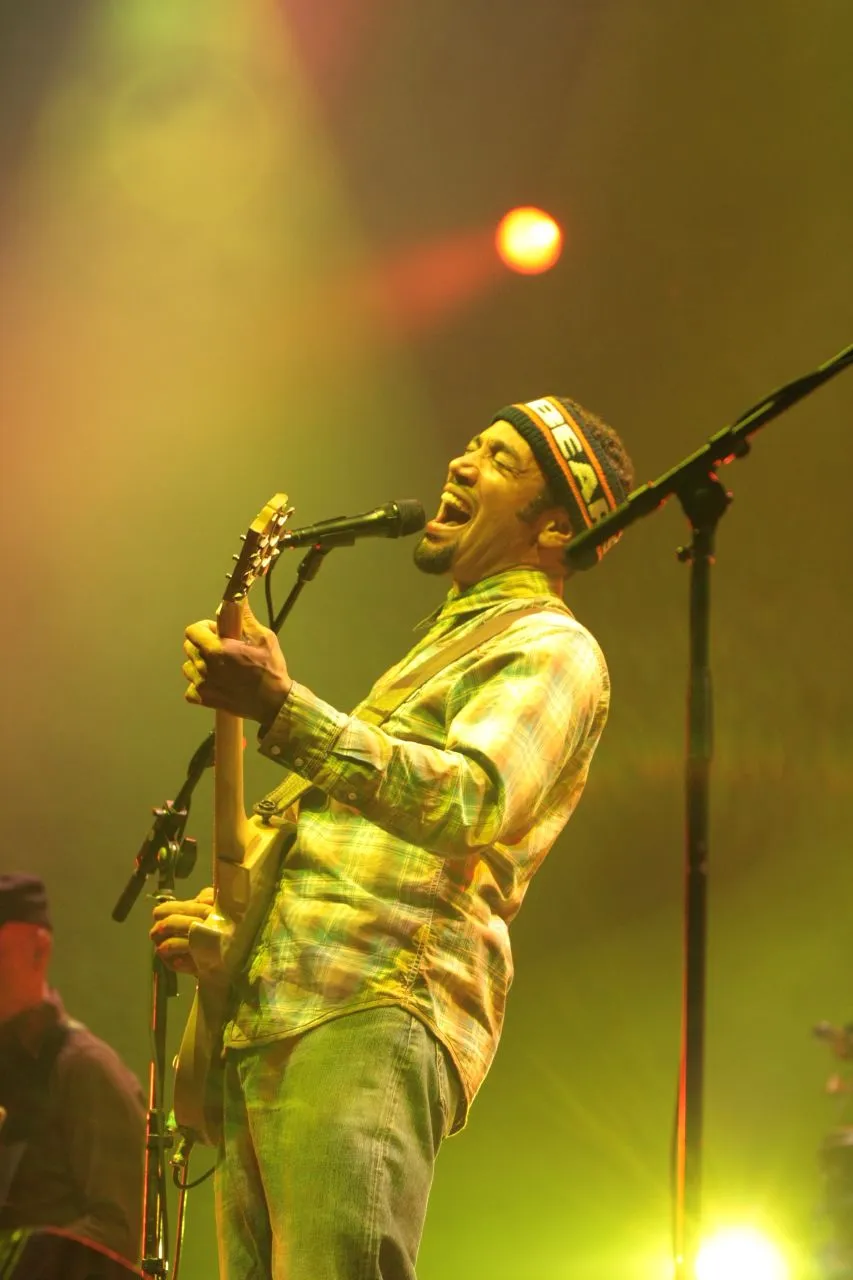
Photo by Festival Eurockéennes , licensed under CC BY 2.0 · Wikimedia Commons
Rank #149
Ben Harper
From Wikipedia
Benjamin Charles Harper is an American singer-songwriter and multi-instrumentalist. Harper plays an eclectic mix of blues, folk, soul, reggae, and rock music, and he is known for his guitar-playing skills, vocals, live performances, and activism. He has released twelve studio albums, mostly through Virgin Records, and has toured internationally.
Discography & Previews
Browse through and click an album to open and play 30-second previews streamed from Apple Music.
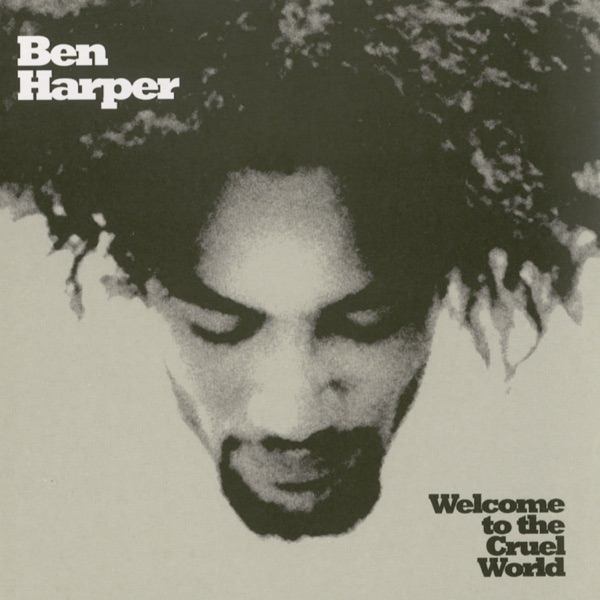
Welcome to the Cruel World
1994 · 13 tracks
- 1 The Three of Us ↗ 2:38
- 2 Whipping Boy ↗ 5:32
- 3 Breakin' Down ↗ 4:01
- 4 Don't Take That Attitude to Your Grave ↗ 4:27
- 5 Waiting on an Angel ↗ 3:53
- 6 Mama's Got a Girlfriend Now ↗ 2:29
- 7 Forever ↗ 3:24
- 8 Like a King ↗ 4:19
- 9 Pleasure and Pain ↗ 3:47
- 10 Walk Away ↗ 3:50
- 11 How Many Miles Must We March ↗ 3:09
- 12 Welcome to the Cruel World ↗ 5:35
- 13 I'll Rise ↗ 3:38
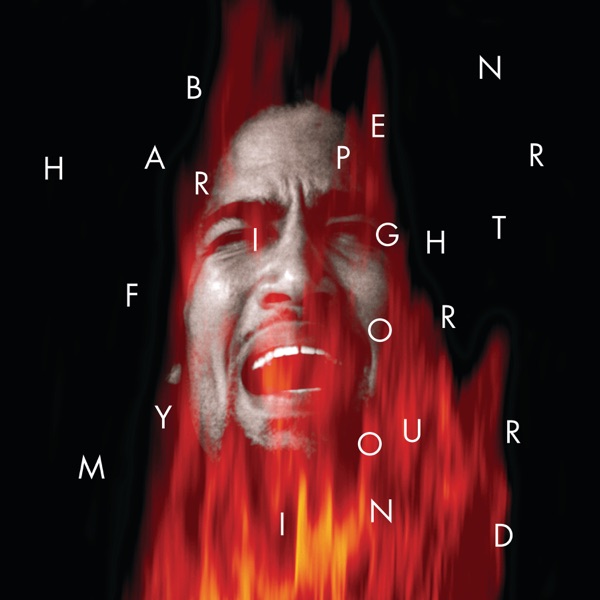
Fight for Your Mind
1995 · 14 tracks
- 1 Oppression ↗ 3:01
- 2 Ground on Down ↗ 4:55
- 3 Another Lonely Day ↗ 3:48
- 4 Please Me Like You Want To ↗ 5:30
- 5 Gold to Me ↗ 5:01
- 6 Burn One Down ↗ 3:35
- 7 Excuse Me Mr. ↗ 5:30
- 8 People Lead ↗ 4:15
- 9 Fight for Your Mind ↗ 4:07
- 10 Give a Man a Home ↗ 3:37
- 11 By My Side ↗ 3:36
- 12 Power of the Gospel ↗ 6:01
- 13 God Fearing Man ↗ 11:49
- 14 One Road to Freedom ↗ 4:13
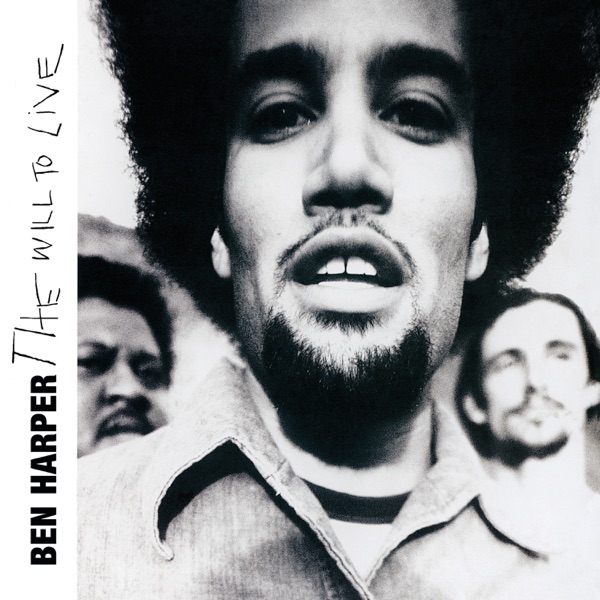
The Will to Live
1997 · 12 tracks
- 1 Faded ↗ 4:51
- 2 Homeless Child ↗ 3:53
- 3 Number Three ↗ 1:53
- 4 Roses from My Friends ↗ 6:30
- 5 Jah Work ↗ 4:58
- 6 I Want to Be Ready ↗ 4:06
- 7 The Will to Live ↗ 4:58
- 8 Ashes ↗ 3:56
- 9 Widow of a Living Man ↗ 4:13
- 10 Glory and Consequence ↗ 5:43
- 11 Mama's Trippin' ↗ 3:47
- 12 I Shall Not Walk Alone ↗ 5:14
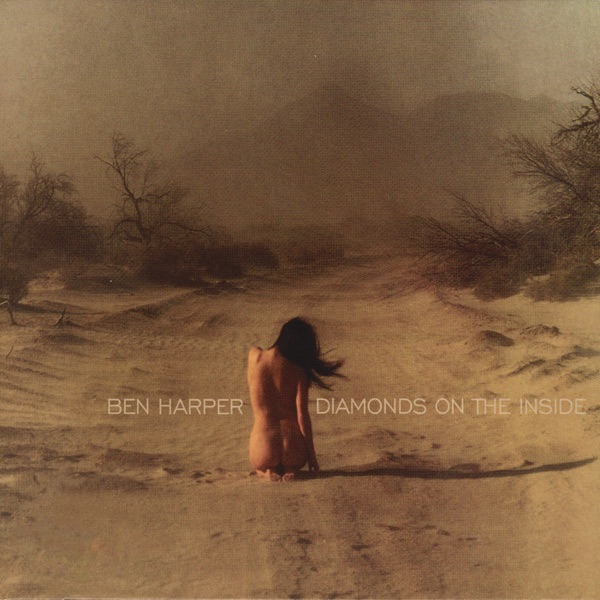
Diamonds on the Inside
2003 · 14 tracks
- 1 With My Own Two Hands ↗ 4:36
- 2 When It's Good ↗ 3:05
- 3 Diamonds on the Inside ↗ 4:26
- 4 Touch from Your Lust ↗ 4:28
- 5 When She Believes ↗ 5:20
- 6 Brown Eyed Blues ↗ 5:45
- 7 Bring the Funk ↗ 4:09
- 8 Everything ↗ 3:01
- 9 Amen Omen ↗ 5:50
- 10 Temporary Remedy ↗ 3:13
- 11 So High so Low ↗ 3:55
- 12 Blessed to Be a Witness ↗ 4:11
- 13 Picture of Jesus ↗ 5:46
- 14 She's Only Happy in the Sun ↗ 3:50
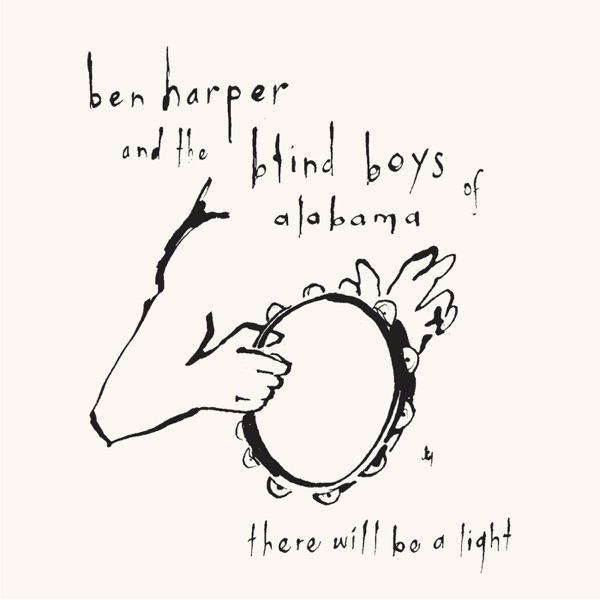
There Will Be a Light
2004 · 11 tracks
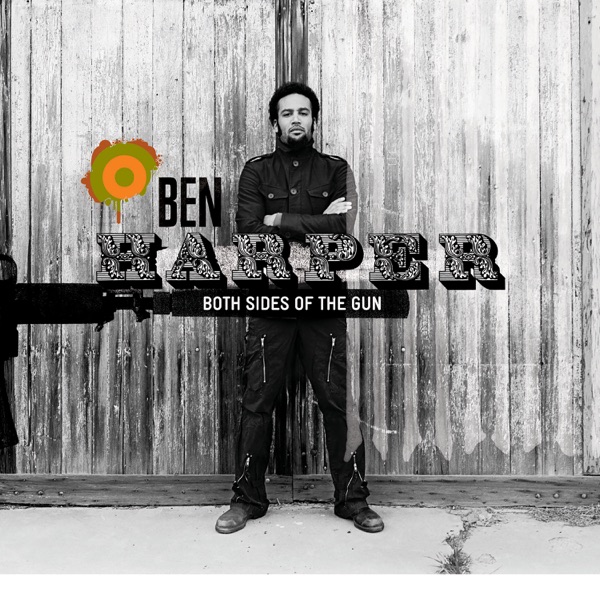
Both Sides of the Gun
2006 · 18 tracks
- 1 Morning Yearning ↗ 4:09
- 1 Better Way (War Mix) ↗ 3:59
- 2 Waiting for You ↗ 3:33
- 2 Both Sides of the Gun ↗ 2:49
- 3 Picture In a Frame ↗ 4:37
- 3 Engraved Invitation ↗ 2:56
- 4 Never Leave Lonely Alone ↗ 2:51
- 4 Black Rain ↗ 2:55
- 5 Sweet Nothing Serenade ↗ 2:45
- 5 Gather 'Round the Stone ↗ 3:11
- 6 Reason to Mourn ↗ 4:30
- 6 Please Don't Talk About Murder While I'm Eating ↗ 2:32
- 7 More Than Sorry ↗ 3:25
- 7 Get It Like You Like It ↗ 3:25
- 8 Cryin' Won't Help You Now ↗ 2:34
- 8 The Way You Found Me ↗ 2:53
- 9 Happy Everafter In Your Eyes ↗ 2:24
- 9 Serve Your Soul ↗ 8:19
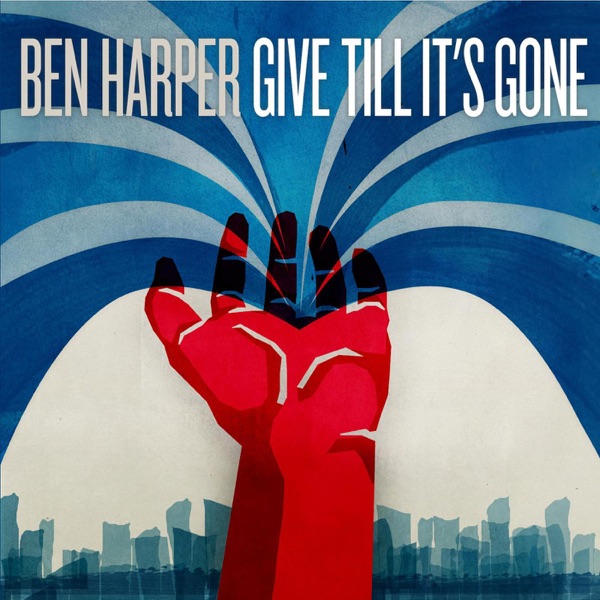
Give Till It’s Gone
2011 · 11 tracks
- 1 Don't Give Up On Me Now ↗ 3:32
- 2 I Will Not Be Broken ↗ 5:04
- 3 Rock N' Roll Is Free ↗ 4:21
- 4 Feel Love ↗ 3:46
- 5 Clearly Severely ↗ 4:52
- 6 Spilling Faith ↗ 3:31
- 7 Get There from Here ↗ 5:54
- 8 Pray That Our Love Sees the Dawn ↗ 4:41
- 9 Waiting On a Sign ↗ 5:00
- 10 Dirty Little Lover ↗ 4:46
- 11 Do It for You, Do It for Us ↗ 4:27
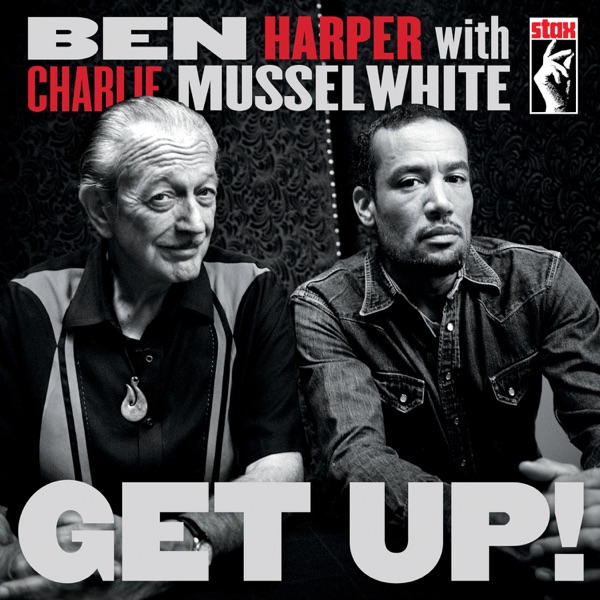
Get Up!
2013 · 12 tracks
- 1 Don’t Look Twice ↗ 3:13
- 2 I’m In I’m Out and I’m Gone ↗ 4:37
- 3 We Can’t End This Way ↗ 3:34
- 4 I Don’t Believe a Word You Say ↗ 3:17
- 5 You Found Another Lover (I Lost Another Friend) ↗ 4:13
- 6 I Ride At Dawn ↗ 4:42
- 7 Blood Side Out ↗ 2:52
- 8 Get Up! ↗ 6:17
- 9 She Got Kick ↗ 2:56
- 10 All That Matters Now ↗ 4:55
- 11 I'm In I'm Out and I'm Gone (The Machine Shop Session) ↗ 6:57
- 12 I Don't Believe a Word You Say (The Machine Shop Session) ↗ 3:23

Childhood Home
2014 · 10 tracks

No Mercy in This Land
2018 · 13 tracks
- 1 When I Go ↗ 3:45
- 2 Bad Habits ↗ 3:45
- 3 Love and Trust ↗ 3:07
- 4 The Bottle Wins Again ↗ 3:38
- 5 Found the One ↗ 2:47
- 6 When Love Is Not Enough ↗ 4:09
- 7 Trust You to Dig My Grave ↗ 3:33
- 8 No Mercy in This Land ↗ 3:45
- 9 Movin' On ↗ 3:02
- 10 Nothing at All ↗ 3:37
- 11 The Bottle Wins Again (Live at Machine Shop) ↗ 3:21
- 12 Trust You to Dig My Grave (Live at Machine Shop) ↗ 3:36
- 13 No Mercy in This Land (Live at Machine Shop) ↗ 3:37

Winter Is for Lovers
2020 · 15 tracks
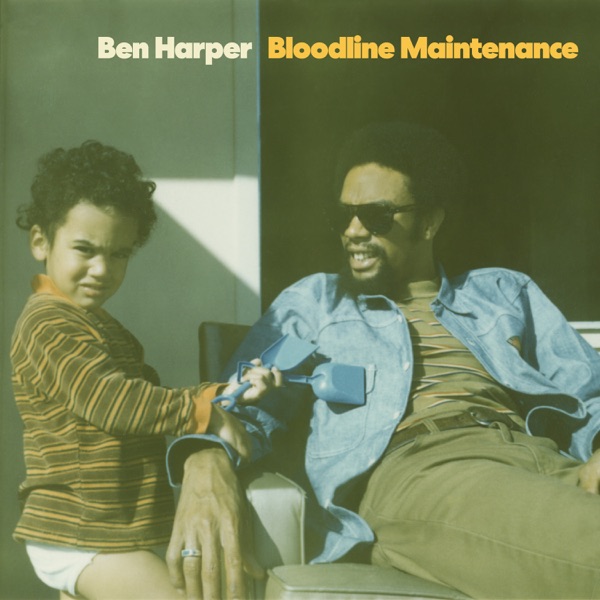
Bloodline Maintenance
2022 · 11 tracks

Wide Open Light
2023 · 11 tracks
-
 Welcome to the Cruel WorldBen Harper199413 tracks
 -
 Fight for Your MindBen Harper199514 tracks
 -
 The Will to LiveBen Harper199712 tracks
 -
 Diamonds on the InsideBen Harper200314 tracks
 -
 There Will Be a LightBen Harper200411 tracks
 -
 Both Sides of the GunBen Harper200618 tracks
 -
 Give Till It’s GoneBen Harper201111 tracks
 -
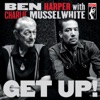 Get Up!Ben Harper201312 tracks
 -
 Childhood HomeBen Harper201410 tracks
 -
 No Mercy in This LandBen Harper201813 tracks
 -
 Winter Is for LoversBen Harper202015 tracks
 -
 Bloodline MaintenanceBen Harper202211 tracks
 -
 Wide Open LightBen Harper202311 tracks
Deep Dive
Overview
Ben Harper is an American singer-songwriter and multi-instrumentalist whose career spans over three decades of eclectic blues, folk, soul, reggae, and rock music. Born in 1969, Harper has built a reputation not only as a skilled guitarist and vocalist but as a recording and touring artist committed to social consciousness in his work. His influence extends across multiple genres and continents, reaching audiences through studio recordings, international tours, and a sustained engagement with activism alongside his musical practice.
Formation Story
Ben Harper’s entry into rock and blues emerged from a childhood immersed in music across genres. Growing up in the United States during the 1970s and 1980s, Harper was exposed to the blues, soul, folk, and rock traditions that would become the foundation of his artistic identity. Rather than coming of age in a single scene or band context, Harper developed as a multi-instrumentalist working across diverse styles, drawing on American roots music and global influences. This eclectic foundation prepared him for a career in which genre boundaries would remain deliberately fluid, and in which the guitar would serve not as a single tool but as a conduit for exploring multiple musical vocabularies.
Breakthrough Moment
Harper’s professional recording career began in the early 1990s with his debut album Pleasure and Pain in 1992, released on Virgin Records. Two years later, Welcome to the Cruel World (1994) further established his presence as a recording artist. His true breakthrough came with Fight for Your Mind (1995), an album that crystallized his signature approach: combining intricate guitar work, soulful vocals, and lyrical depth across blues, folk, and rock idioms. The album’s success on both critical and commercial levels marked Harper’s transition from emerging artist to an established touring and recording presence. Throughout the mid-1990s and into the 2000s, Harper became known not only for his studio work but for his reputation as a compelling live performer, building an international audience through constant touring.
Peak Era
Harper’s most artistically and commercially significant period stretched across the late 1990s and early 2000s. The Will to Live (1997) consolidated the gains of Fight for Your Mind, deepening his exploration of soul and blues inflections within a rock framework. Diamonds on the Inside (2003) represented a creative peak, establishing Harper as a major artist within Virgin’s roster and attracting listeners across demographic and genre categories. The companion album There Will Be a Light (2004) further demonstrated his range and commitment to multi-instrumental exploration. During these years, Harper’s touring schedule intensified internationally, and his reputation as a guitarist and live performer reached its apex. The period from the late 1990s through the mid-2000s saw Harper operating at the height of his creative powers and commercial visibility.
Musical Style
Ben Harper’s sound is defined by his refusal to be bound by single-genre conventions. His guitar playing encompasses fingerpicking patterns rooted in blues and folk traditions alongside rhythmic approaches drawn from reggae and world music. Vocally, Harper operates in a range that moves between intimate, close-miked passages and powerful, blues-influenced wailing, often within the same song. His songwriting blends confessional lyricism with social and political commentary, frequently addressing themes of love, loss, injustice, and redemption. Across his albums, production approaches have varied from sparse, guitar-centered arrangements to fuller band textures incorporating drums, bass, and additional instrumentation. What remains consistent is an emphasis on instrumental virtuosity in service of emotional directness—Harper’s multiple instruments (guitar, slide guitar, harmonica, and others) serve not as display but as means of deepening melodic and emotional expression. His work traces a lineage through American blues, folk, and soul while remaining contemporary and globally conscious.
Major Albums
Fight for Your Mind (1995)
Harper’s third album solidified his artistic vision, combining blues guitar sophistication with folk songwriting and rock energy. The album’s success established him as a major independent voice within popular music.
The Will to Live (1997)
Building on Fight for Your Mind, this album deepened Harper’s exploration of soul and blues while maintaining his lyrical commitment to social consciousness and personal introspection.
Diamonds on the Inside (2003)
At the height of his commercial success, Harper delivered an album that balanced accessibility with artistic ambition, showcasing his full range as a multi-instrumentalist and vocalist across blues, rock, and soul territories.
There Will Be a Light (2004)
Following immediately after Diamonds on the Inside, this companion work demonstrated Harper’s prolific output during his peak creative period and his willingness to explore production and arrangement variations.
Both Sides of the Gun (2006)
Released a decade into his career with Virgin Records, this album continued Harper’s evolution, presenting a mature artist still committed to instrumental innovation and lyrical depth.
Signature Songs
- Fight for Your Mind — The title track from his breakthrough album, exemplifying Harper’s approach to blues-rock songwriting with intricate guitar work and socially conscious lyrics.
- The Will to Live — A defining track establishing Harper’s signature vocal style and emotional directness across folk and soul influences.
- Diamonds on the Inside — A showcase for Harper’s ability to craft intimate, guitar-centered arrangements that prioritize melody and emotional clarity.
- Steal My Kisses — A fan favorite demonstrating Harper’s capacity for accessible songwriting without sacrificing instrumental sophistication.
Influence on Rock
Ben Harper’s most significant influence on rock and popular music lies in his demonstration that genre eclecticism and social consciousness need not compromise commercial viability or artistic integrity. In an era when rock music was increasingly fragmented into specialized subgenres, Harper’s willingness to move fluidly between blues, folk, rock, soul, and reggae influences opened space for other artists to resist categorical limitation. His emphasis on guitar virtuosity as a vehicle for emotional expression rather than technical display reinvigorated folk-rock and blues-rock traditions for a generation of listeners raised on 1980s pop and hip-hop. Harper’s touring practices and commitment to international audiences also influenced how American rock and soul artists approached global markets and cross-cultural collaboration. His activism alongside his music-making modeled an integration of artistic practice and social engagement that resonated across multiple musical communities.
Legacy
Across more than three decades, Ben Harper has maintained a recording and touring career of rare longevity and consistency. His discography—spanning from Pleasure and Pain in 1992 through Wide Open Light in 2023—represents one of the most sustained explorations of genre synthesis in contemporary rock and soul music. The breadth of his catalog, combined with his reputation as a live performer, has secured his place within the continuum of American blues-rock and folk-rock traditions. His work continues to reach audiences through streaming platforms, international touring, and the steady release of new material, ensuring that his influence on subsequent generations of multi-instrumentalist singer-songwriters remains active and visible. Harper’s commitment to activism throughout his career has also established him as a figure of cultural significance beyond music criticism, modeling the integration of artistic practice and social consciousness.
Fun Facts
- Ben Harper has collaborated with Jason Moraz and other contemporary artists, expanding his musical reach beyond his solo work.
- Harper’s mastery of multiple instruments—including guitar, slide guitar, and harmonica—developed from early exposure to diverse musical traditions and represents a deliberate choice to expand instrumental vocabulary throughout his career.
- His primary recording relationship with Virgin Records spanned the majority of his peak creative years, from the early 1990s through the 2000s.
- Harper maintains an official website at benharper.com, reflecting his sustained engagement with direct fan communication and touring information.