

Photo by GenerationSex , licensed under CC BY-SA 4.0 · Wikimedia Commons
Rank #40
Billy Idol
From Wikipedia
William Michael Albert Broad, known professionally as Billy Idol, is an English rock singer. He achieved fame in the 1970s on the London punk rock scene as the lead singer of Generation X. He later embarked on a solo career which led to international recognition and made him a lead artist during the MTV-driven "Second British Invasion" in America.
Discography & Previews
Browse through and click an album to open and play 30-second previews streamed from Apple Music.


Charmed Life
1990 · 13 tracks
- 1 The Loveless ↗ 4:17
- 2 Pumping On Steel ↗ 4:43
- 3 Prodigal Blues ↗ 5:42
- 4 L.A. Woman ↗ 5:31
- 5 Trouble with the Sweet Stuff ↗ 6:00
- 6 Cradle of Love ↗ 4:41
- 7 Mark of Caine ↗ 4:33
- 8 Endless Sleep ↗ 3:13
- 9 Love Unchained ↗ 4:41
- 10 The Right Way ↗ 5:05
- 11 License to Thrill ↗ 6:02
- 12 311 Man ↗ 3:53
- 13 Lovechild ↗ 5:50

Cyberpunk
1993 · 20 tracks
- 1 Intro ↗ 1:02
- 2 Wasteland ↗ 4:35
- 3 Interlude 1 ↗ 0:20
- 4 Shock to the System ↗ 3:34
- 5 Tomorrow People ↗ 5:06
- 6 Adam In Chains ↗ 6:24
- 7 Neuromancer ↗ 4:36
- 8 Power Junkie ↗ 4:47
- 9 Interlude 2 ↗ 0:27
- 10 Love Labours On ↗ 3:54
- 11 Heroin ↗ 6:58
- 12 Interlude 3 ↗ 0:23
- 13 Shangrila ↗ 7:24
- 14 Concrete Kingdom ↗ 4:52
- 15 Interlude 4 ↗ 0:39
- 16 Venus ↗ 5:46
- 17 Then the Night Comes ↗ 4:38
- 18 Interlude 5 ↗ 0:27
- 19 Mother Dawn ↗ 5:03
- 20 Outro ↗ 0:58

Devil's Playground
2005 · 13 tracks

Happy Holidays
2006 · 15 tracks
- 1 Frosty the Snowman ↗ 2:27
- 2 Silver Bells ↗ 2:41
- 3 Happy Holiday ↗ 2:03
- 4 White Christmas ↗ 2:31
- 5 Here Comes Santa Claus ↗ 2:01
- 6 God Rest Ye Merry, Gentlemen ↗ 2:52
- 7 Santa Claus Is Back In Town ↗ 3:19
- 8 Let It Snow ↗ 2:27
- 9 Winter Wonderland ↗ 2:18
- 10 Run Rudolph Run ↗ 3:02
- 11 Jingle Bell Rock ↗ 2:03
- 12 O Christmas Tree ↗ 4:31
- 13 Silent Night ↗ 2:17
- 14 Auld Lang Syne ↗ 0:52
- 15 On Christmas Day ↗ 4:20

Kings & Queens of the Underground
2014 · 12 tracks
- 1 Bitter Pill ↗ 3:58
- 2 Can't Break Me Down ↗ 3:43
- 3 Save Me Now ↗ 4:32
- 4 One Breath Away ↗ 4:10
- 5 Postcards from the Past ↗ 4:21
- 6 Kings & Queens of the Underground ↗ 4:54
- 7 Eyes Wide Shut ↗ 4:30
- 8 Ghosts In My Guitar ↗ 4:47
- 9 Nothing to Fear ↗ 4:40
- 10 Love and Glory ↗ 4:29
- 11 Whiskey and Pills ↗ 3:43
- 12 Hollywood Promises (Bonus Track) ↗ 4:11

-
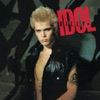 Billy IdolBilly Idol198210 tracks
 -
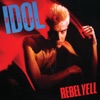 Rebel YellBilly Idol19839 tracks
 -
 Whiplash SmileBilly Idol198610 tracks
 -
 Charmed LifeBilly Idol199013 tracks
 -
 CyberpunkBilly Idol199320 tracks
 -
 Devil's PlaygroundBilly Idol200513 tracks
 -
 Happy HolidaysBilly Idol200615 tracks
 -
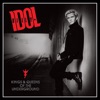 Kings & Queens of the UndergroundBilly Idol201412 tracks
 -
 Dream Into ItBilly Idol20259 tracks
Deep Dive
Overview
Billy Idol, born William Michael Albert Broad in 1955, is an English rock singer who rose to prominence as the lead vocalist of the London punk band Generation X before building one of the most commercially successful solo careers in 1980s rock music. His transition from the punk underground to MTV superstardom during the “Second British Invasion” marked a pivotal moment in how rock music reached mainstream American audiences. Blending the rawness of punk with synthesizer-driven new wave textures and hard rock aggression, Idol became the archetype of the video-era rock star—photogenic, defiant, and built for the visual medium that defined the decade.
Formation Story
Born in the United Kingdom in 1955, Idol came of age during the explosive emergence of punk rock in mid-1970s London. He was present at the scene’s epicenter as a teenager and quickly found his place within its energy and ideology. In the mid-1970s, he co-founded Generation X, a band that would serve as his primary platform throughout the late 1970s and early 1980s. That group allowed him to establish himself as a charismatic frontman and songwriter, refining his stage presence and understanding of how to harness punk’s aggression while incorporating catchier, more accessible melodies. By the early 1980s, as punk evolved and fragmented, Idol recognized the opportunity to pursue a solo career that could capitalize on both his name and the commercial possibilities opened by MTV’s rise as a cultural force.
Breakthrough Moment
Idol’s solo breakthrough arrived with his 1983 album Rebel Yell, released on Chrysalis Records. This record became the vehicle for his international recognition, delivering radio-friendly anthems and MTV-ready videos that made him a fixture on the network during its explosive growth. Rebel Yell demonstrated Idol’s ability to balance punk’s urgency with new wave’s polish and hard rock’s swagger, a combination that resonated across multiple radio formats and demographic segments. The album’s commercial and critical success established him as more than a former punk-scene figure—it announced him as a legitimate solo artist capable of sustained commercial appeal in the MTV age. This success opened American radio and video networks to his work and cemented his position as a leading figure in the “Second British Invasion” that brought UK new wave and post-punk acts to American mainstream prominence in the 1980s.
Peak Era
Idol’s most successful period extended from the mid-1980s through the early 1990s, anchored by Rebel Yell (1983), Whiplash Smile (1986), and Charmed Life (1990). These three albums represented the apex of his commercial and creative momentum, showcasing his ability to evolve his sound while maintaining the core appeal that made him a MTV staple. During this span, Idol cultivated an image that was simultaneously punk-rooted and polished, dangerous and accessible—a figure who could headline arena shows and maintain credibility within rock’s more underground circles simultaneously. His records during this period sold millions of copies worldwide and generated numerous music videos that remained in heavy MTV rotation, reinforcing his status as one of the decade’s most visible rock performers. The visual component of his artistry—the leather, the bleached blonde hair, the sneering confidence—became as iconic as his music, influencing how rock performers understood the necessity of visual presentation in the MTV era.
Musical Style
Billy Idol’s musical approach synthesized punk rock’s raw energy and three-chord directness with the polished production and synthesizer textures of new wave, layered over hard rock’s power-chord guitar work and aggressive vocal delivery. His voice—a sneering, confident rasp that conveyed both contempt and charisma—became his signature instrument, capable of snarling verses and soaring over anthemic choruses. Lyrically, Idol often returned to themes of rebellion, desire, and defiance, positioning himself within a tradition of rock stars who embraced a dangerous persona and rock-and-roll excess. The production of his records emphasized clear, radio-friendly song structures built on memorable hooks and driving rhythms, a deliberate move toward accessibility that never sacrificed intensity. Musically, he occupied a space between the post-punk sophistication of acts emerging from the UK new wave scene and the stadium-ready bombast of hard rock, making him a bridge figure for listeners who might otherwise compartmentalize their listening habits by genre.
Major Albums
Billy Idol (1982)
Idol’s self-titled debut established his solo identity, introducing the production style and sonic palette that would define his career while drawing on his punk foundations and early new wave influences.
Rebel Yell (1983)
The album that transformed Idol into an international star, Rebel Yell delivered arena-ready anthems and MTV-dominating videos, becoming the template for his commercial success and proving his solo viability beyond his punk-scene reputation.
Whiplash Smile (1986)
Continuing the momentum of Rebel Yell, this album deepened Idol’s integration of synthesizer-driven new wave textures with hard rock guitar work, showcasing his evolution as a solo artist and his comfort in the MTV mainstream.
Charmed Life (1990)
Representing the final major statement of his peak era, Charmed Life maintained his commercial appeal while suggesting the shifts in rock and pop music production that would challenge his dominance as the decade progressed.
Signature Songs
- “White Wedding” — An enduring anthem from the Rebel Yell era, the song became Idol’s most recognizable composition and a staple of rock radio and MTV rotation.
- “Rebel Yell” — The title track from his breakthrough album, this song encapsulates Idol’s blend of punk defiance and new wave accessibility.
- “Eyes Without a Face” — A standout from Whiplash Smile, the track demonstrates Idol’s ability to craft hook-driven songs that merged new wave aesthetics with hard rock delivery.
- “Mony Mony” — A cover that became one of Idol’s signature performances, the song allowed him to recontextualize a 1960s pop-rock track through his 1980s MTV-era sensibility.
Influence on Rock
Billy Idol’s career established a template for how punk-rooted artists could transition to mainstream commercial success without sacrificing credibility. His integration of new wave production with hard rock guitar work influenced how 1980s rock music balanced accessibility with intensity, showing that synthesizers and punk attitude were not mutually exclusive. Idol’s success as a visual artist—his understanding that MTV required an arresting image and distinctive persona—influenced how subsequent rock performers understood the relationship between music and image in the video era. His position as a leading figure in the “Second British Invasion” helped establish that British new wave and post-punk acts could achieve mainstream American success, opening pathways for numerous other UK-based artists throughout the 1980s.
Legacy
Billy Idol remains a recognizable figure in rock music history, his peak-era work continuing to circulate on classic rock radio and streaming platforms. His albums from the 1980s retain their commercial and cultural significance, serving as touchstones for that decade’s MTV-driven rock aesthetic. The artist continued recording and performing into the 21st century, releasing new material including Devil’s Playground (2005) and Kings & Queens of the Underground (2014), maintaining a touring presence and demonstrating sustained engagement with his craft. His influence persists in how rock musicians balance punk authenticity with mainstream accessibility and understand the necessity of visual presentation in rock music performance.
Fun Facts
- Idol co-founded Generation X in the mid-1970s, serving as that band’s lead singer before pursuing his solo career, making him a direct participant in the London punk rock scene’s formation.
- His official website, billyidol.net, has maintained a presence throughout the internet era, reflecting his consistent engagement with his fanbase across decades.
- The MusicBrainz discography includes interview albums and special releases alongside his studio work, indicating the varied formats through which he has released material to audiences over his career span.