
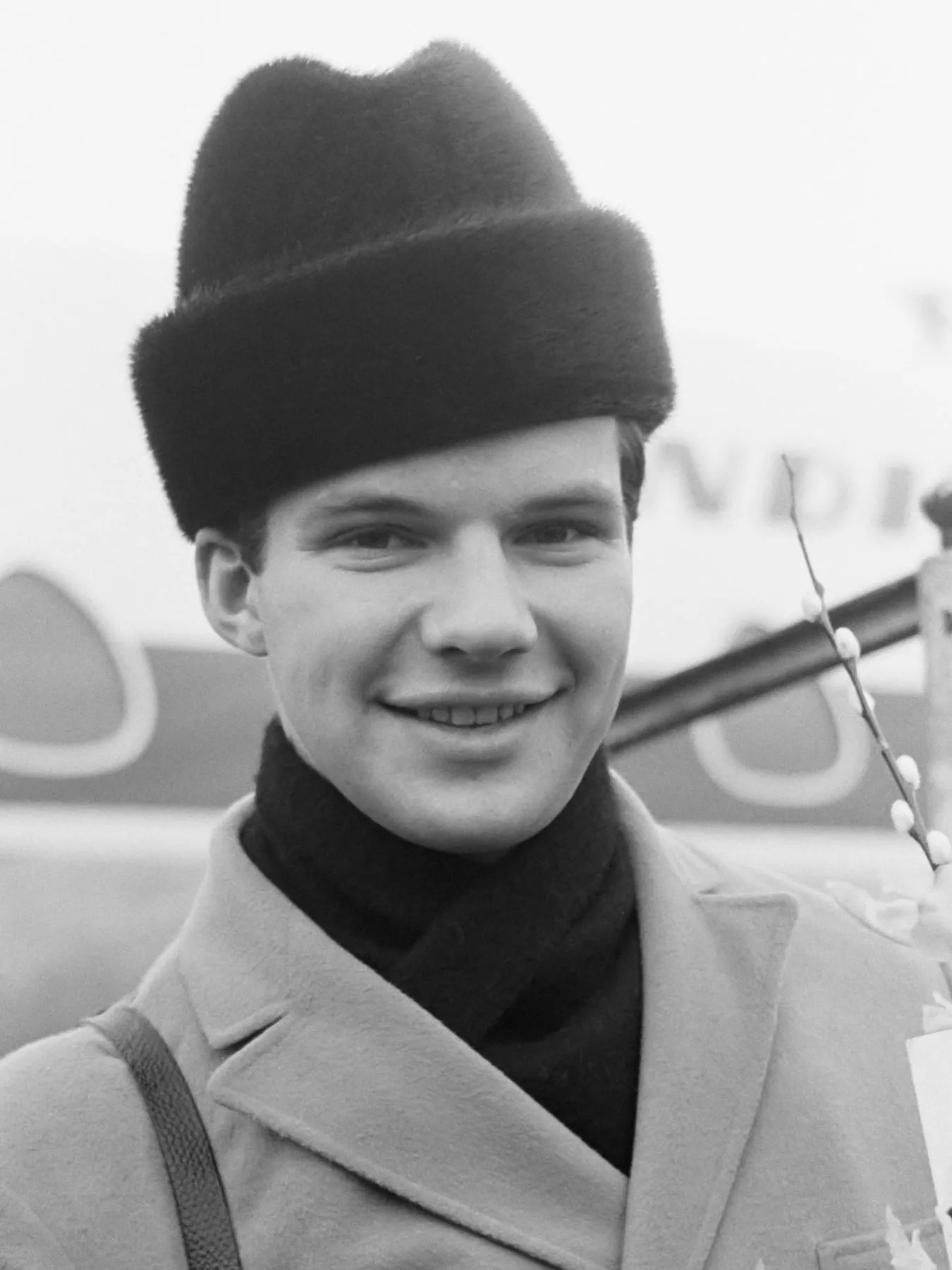
Photo by Harry Pot for Anefo ]] , licensed under CC BY-SA 3.0 nl · Wikimedia Commons
Rank #490
Bobby Vee
From Wikipedia
Robert Thomas Velline, known professionally as Bobby Vee, was an American singer who was a teen idol in the early 1960s and also appeared in films. According to Billboard magazine, he had thirty-eight Hot 100 chart hits, ten of which reached the Top 20. He had six gold singles in his career.
Discography & Previews
Browse through and click an album to open and play 30-second previews streamed from Apple Music.

Bobby Vee Sings Your Favorites
1960 · 12 tracks

Bobby Vee
1961 · 12 tracks
- 1 Rubber Ball ↗ 2:24
- 2 Talk To Me, Talk To Me ↗ 2:40
- 3 One Last Kiss ↗ 2:01
- 4 Angels In the Sky ↗ 2:09
- 5 Stayin' In ↗ 2:05
- 6 Long Lonely Nights ↗ 2:10
- 7 My Love Loves Me ↗ 2:09
- 8 Poetry In Motion ↗ 1:51
- 9 More Than I Can Say ↗ 2:30
- 10 Mister Sandman ↗ 2:03
- 11 Foolish Tears ↗ 2:00
- 12 Love, Love, Love ↗ 1:55

With Strings and Things
1961 · 12 tracks

A Bobby Vee Recording Session
1962 · 12 tracks
- 1 What's Your Name ↗ 2:03
- 2 My Golden Chance ↗ 1:51
- 3 You Better Move On ↗ 2:39
- 4 Please Don't Ask About Barbara ↗ 2:04
- 5 Forget Me Not ↗ 1:50
- 6 Sharing You ↗ 2:03
- 7 In My Baby's Eyes ↗ 2:09
- 8 Tenderly Yours ↗ 2:03
- 9 I Can't Say Goodbye ↗ 2:07
- 10 Teardrops Fall Like Rain ↗ 1:40
- 11 Guess Who ↗ 2:42
- 12 A Forever Kind of Love ↗ 2:24

Take Good Care of My Baby
1962 · 12 tracks
- 1 Take Good Care of My Baby ↗ 2:30
- 2 Will You Love Me Tomorrow ↗ 2:50
- 3 Remember Me Huh ↗ 2:14
- 4 He Will Break Your Heart ↗ 2:36
- 5 Who Am I ↗ 1:58
- 6 Run To Him ↗ 2:10
- 7 Walkin' With My Angel ↗ 2:19
- 8 Raining In My Heart ↗ 2:53
- 9 Go On ↗ 2:22
- 10 Little Flame ↗ 2:02
- 11 So You're In Love ↗ 2:13
- 12 Hark, Is That a Cannon I Hear ↗ 1:59
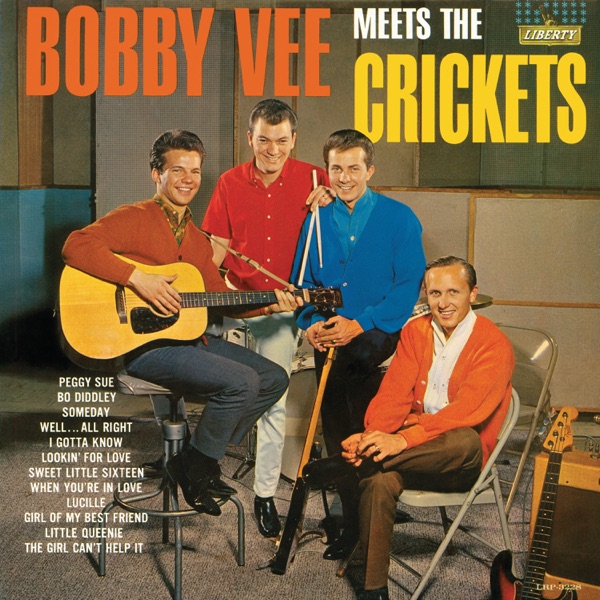
Bobby Vee Meets the Crickets
1962 · 14 tracks
- 1 Peggy Sue ↗ 2:19
- 2 Bo Diddley ↗ 2:14
- 3 Someday ↗ 2:10
- 4 Well...All Right ↗ 2:18
- 5 I Gotta Know ↗ 2:09
- 6 Lookin' for Love ↗ 1:56
- 7 Sweet Little Sixteen ↗ 2:26
- 8 When You're in Love ↗ 1:55
- 9 Lucille ↗ 2:27
- 10 Girl of My Best Friend ↗ 2:21
- 11 Little Queenie ↗ 2:34
- 12 The Girl Can't Help It ↗ 2:28
- 13 No One Knows ↗ 2:11
- 14 Gotta Travel On ↗ 1:58

Bobby Vee Meets The Ventures
1963 · 12 tracks
- 1 Goodnight Irene ↗ 2:16
- 2 Walk Right Back ↗ 2:51
- 3 Linda Lu (Stereo) ↗ 2:43
- 4 Caravan ↗ 2:50
- 5 What Else Is New ↗ 2:22
- 6 Candy Man (Stereo) ↗ 3:35
- 7 This Is Where Friendship Ends (Stereo) ↗ 1:52
- 8 Honeycomb ↗ 2:22
- 9 Pretty Girls Everywhere ↗ 2:07
- 10 Wild Night ↗ 2:18
- 11 I'm Gonna Sit Right Down And Write Myself A Letter ↗ 2:17
- 12 If I'm Right Or Wrong ↗ 1:59

I Remember Buddy Holly
1963 · 12 tracks

The Night Has a Thousand Eyes
1963 · 12 tracks
- 1 Go Away Little Girl ↗ 2:14
- 2 It Might as Well Rain Until September ↗ 2:04
- 3 It Couldn't Happen to a Nicer Guy ↗ 1:56
- 4 Theme for a Dream ↗ 2:03
- 5 Silent Partner ↗ 2:16
- 6 The Night Has a Thousand Eyes ↗ 2:36
- 7 You Won't Forget Me ↗ 2:08
- 8 Anonymous Phone Call ↗ 2:17
- 9 If She Were My Girl ↗ 2:12
- 10 Lovers' Goodbye ↗ 2:27
- 11 Dry Your Eyes ↗ 2:07
- 12 What About Me ↗ 2:08

The New Sound From England
1964 · 12 tracks
- 1 I'll Make You Mine ↗ 2:24
- 2 Don't You Believe Them ↗ 2:27
- 3 She Loves You ↗ 2:22
- 4 I'll String Along With You ↗ 2:23
- 5 Ginger ↗ 2:04
- 6 Any Other Girl ↗ 2:29
- 7 She's Sorry ↗ 2:05
- 8 Brown-Eyed Handsome Man ↗ 2:03
- 9 Suspicion ↗ 2:45
- 10 From Me To You ↗ 1:57
- 11 You Can't Lie To a Liar ↗ 2:28
- 12 Take a Walk, Johnny ↗ 2:25

Come Back When You Grow Up
1967 · 12 tracks
- 1 Come Back When You Grow Up ↗ 2:19
- 2 A Rose Grew In The Ashes ↗ 2:41
- 3 You're A Big Girl Now ↗ 2:17
- 4 You Can Count On Me ↗ 2:48
- 5 Get The Message ↗ 2:36
- 6 Hold On To Him ↗ 2:07
- 7 World Down On Your Knees ↗ 2:22
- 8 Objects Of Gold ↗ 2:31
- 9 Before You Go ↗ 2:15
- 10 Mission Accomplished ↗ 2:46
- 11 I May Be Gone ↗ 2:13
- 12 Double Good Feeling ↗ 2:15

Just Today
1968 · 11 tracks
- 1 Get Ready ↗ 2:35
- 2 My Girl/Hey Girl ↗ 2:28
- 3 The Way You Do the Things You Do ↗ 2:20
- 4 Just Keep It Up (And See What Happens) ↗ 2:10
- 5 Nobody's Home To Go Home To ↗ 2:24
- 6 The Girl I Left Behind ↗ 2:42
- 7 Sealed With a Kiss ↗ 2:00
- 8 Beautiful People ↗ 2:22
- 9 Maybe Just Today ↗ 2:12
- 10 Sunrise Highway ↗ 2:30
- 11 Tiffany Rings ↗ 2:15

Do What You Gotta Do
1968 · 11 tracks
- 1 Do What You Gotta Do ↗ 2:52
- 2 If My World Falls Through ↗ 2:47
- 3 Thank You ↗ 2:32
- 4 Beauty Is Only Skin Deep ↗ 2:37
- 5 Stubborn Kind of Fellow ↗ 2:32
- 6 Can You Love a Poor Boy ↗ 3:03
- 7 I Can’t Help Myself (Sugar Pie, Honey Bunch) / It’s the Same Old Song ↗ 2:58
- 8 I Like It Like That ↗ 2:36
- 9 Run Like the Devil ↗ 2:34
- 10 Let Nobody Love You (While I'm Gone) ↗ 2:59
- 11 That's What Love Is Made Of ↗ 2:48

Gates, Grills & Railings
1969 · 11 tracks
- 1 She Doesn't Live Here Anymore ↗ 2:37
- 2 The Passing of a Friend ↗ 2:52
- 3 One ↗ 4:34
- 4 (I’m Into Lookin’ For) Someone To Love Me ↗ 2:42
- 5 Younger Generation Sebastian ↗ 3:40
- 6 I Just Can't Help Believin' ↗ 2:44
- 7 Jenny Came To Me ↗ 3:26
- 8 Lavender Kite ↗ 2:46
- 9 The Beauty and the Sweet Talk ↗ 3:28
- 10 Santa Cruz ↗ 3:14
- 11 Annie Joined the Band ↗ 3:08

Gold
1993 · 12 tracks
- 1 Charms ↗ 2:24
- 2 Cross My Heart ↗ 2:15
- 3 The Night Has A Thousand Eyes ↗ 2:41
- 4 I'll Make You Mine ↗ 2:27
- 5 Never Love A Robin ↗ 2:41
- 6 Armen’s Theme (Yesterday And You) ↗ 2:19
- 7 Ev’ry Little Bit Hurts ↗ 2:37
- 8 Hickory Dick And Doc ↗ 2:29
- 9 Keep On Trying ↗ 2:38
- 10 A Girl I Used To Know ↗ 2:39
- 11 Pretend You Don't See Her ↗ 2:22
- 12 Be True To Yourself ↗ 2:06
Golden Greats
— · 12 tracks
- 1 Charms ↗ 2:24
- 2 Cross My Heart ↗ 2:15
- 3 The Night Has A Thousand Eyes ↗ 2:41
- 4 I'll Make You Mine ↗ 2:27
- 5 Never Love A Robin ↗ 2:41
- 6 Armen’s Theme (Yesterday And You) ↗ 2:19
- 7 Ev’ry Little Bit Hurts ↗ 2:37
- 8 Hickory Dick And Doc ↗ 2:29
- 9 Keep On Trying ↗ 2:38
- 10 A Girl I Used To Know ↗ 2:39
- 11 Pretend You Don't See Her ↗ 2:22
- 12 Be True To Yourself ↗ 2:06
-
 Bobby Vee Sings Your FavoritesBobby Vee196012 tracks
 -
 Bobby VeeBobby Vee196112 tracks
 -
 With Strings and ThingsBobby Vee196112 tracks
 -
 A Bobby Vee Recording SessionBobby Vee196212 tracks
 -
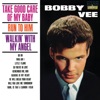 Take Good Care of My BabyBobby Vee196212 tracks
 -
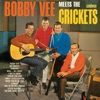 Bobby Vee Meets the CricketsBobby Vee196214 tracks
 -
 Bobby Vee Meets The VenturesBobby Vee196312 tracks
 -
 I Remember Buddy HollyBobby Vee196312 tracks
 -
 The Night Has a Thousand EyesBobby Vee196312 tracks
 -
 The New Sound From EnglandBobby Vee196412 tracks
 -
 Come Back When You Grow UpBobby Vee196712 tracks
 -
 Just TodayBobby Vee196811 tracks
 -
 Do What You Gotta DoBobby Vee196811 tracks
 -
 Gates, Grills & RailingsBobby Vee196911 tracks
 -
 GoldBobby Vee199312 tracks
 - Golden GreatsBobby Vee—12 tracks
Deep Dive
Overview
Bobby Vee (Robert Thomas Velline, 1943–2016) was an American rock singer and teen idol whose commercial peak spanned the late 1950s through the mid-1960s. According to Billboard, he accumulated thirty-eight Hot 100 chart entries, ten of which climbed into the Top 20, and earned six gold singles over his lifetime. Operating out of the era when rock and roll had shed its earliest raw urgency and consolidated into a more radio-friendly, teen-oriented commercial sound, Vee embodied a particular strain of early 1960s pop-rock—melodic, clean, and designed for maximum mainstream appeal.
Formation Story
Robert Thomas Velline was born in 1943 and came of age during the first explosive decade of rock and roll. Growing up in the American heartland during the golden age of early rock pioneers, he entered the music industry as a young performer during the late 1950s, when the teen idol market was rapidly expanding. His entry into professional music coincided with the broader shift toward manufactured pop-rock acts aimed at a youthful, radio-listening demographic—a period when rock’s original rebels had begun yielding to more polished, marketable alternatives.
Breakthrough Moment
Vee’s recording career took formal shape in 1960 with his debut album Bobby Vee Sings Your Favorites, released on Liberty Records. The late-early 1960s saw him accumulate radio-friendly singles and establish himself in the teen idol space, achieving consistent chart presence through the first half of the decade. His string of Top 20 entries and accumulation of thirty-eight Billboard Hot 100 hits positioned him as a fixture of the early 1960s pop landscape, competing in a marketplace crowded with other teen idols and manufactured pop-rock acts.
Peak Era
Vee’s most commercially active and visible period extended from 1960 through the mid-1960s. Between 1960 and 1964, he released a prolific run of albums for Liberty Records—Bobby Vee Sings Your Favorites (1960), Bobby Vee (1961), With Strings and Things (1961), Take Good Care of My Baby (1962), Bobby Vee Meets the Crickets (1962), Bobby Vee Meets The Ventures (1963), and The Night Has a Thousand Eyes (1963)—establishing himself as a reliable hit machine. This era also saw him move into television and film, capitalizing on the teen idol boom that dominated early 1960s American entertainment. By the mid-1960s, as the British Invasion and the psychedelic underground began reshaping rock’s commercial and artistic landscape, Vee’s relevance to mainstream pop began to wane, though he continued recording and performing.
Musical Style
Bobby Vee was a rock singer whose sound aligned with the mainstream, radio-oriented pop-rock movement of the early 1960s. His vocal approach was clean and accessible, lacking the rawness or emotional intensity of early rock pioneers; instead, it emphasized clarity, range, and singability. His arrangements typically featured lush orchestration, with strings featured prominently on albums such as With Strings and Things (1961), reflecting a production philosophy aimed at broadening the appeal of rock music beyond its teenage core audience. Vee’s work drew on the melodic and harmonic traditions of early rock and roll, but filtered them through a smoother, more conventionally “musical” sensibility. His collaborations with established rock acts—notably Bobby Vee Meets the Crickets (1962) and Bobby Vee Meets The Ventures (1963)—positioned him within a tradition of rock that valued technical proficiency and accessible melody. This sonic identity placed him squarely in the pop-rock middle ground, neither as experimental as contemporary folk-rock pioneers nor as raw as the original rock and rollers, but rather as a bridge figure marketing rock’s energy to audiences who preferred it polished and radio-safe.
Major Albums
Bobby Vee Sings Your Favorites (1960)
Vee’s debut for Liberty Records, establishing the format and demographic he would pursue throughout the early 1960s—accessible rock and pop standards sung with youthful clarity and commercial focus.
Take Good Care of My Baby (1962)
A significant commercial statement from Vee’s peak era, the album title suggested his positioning as a safe, reliable crooner-adjacent presence in early 1960s rock, emphasizing melody and emotional directness.
Bobby Vee Meets the Crickets (1962)
A notable collaboration that foregrounded Vee’s connection to rock’s immediate history and lineage, pairing him with one of the seminal rock and roll acts of the 1950s.
Bobby Vee Meets The Ventures (1963)
Another significant team-up that placed Vee alongside The Ventures, influential instrumental rock pioneers, demonstrating his status as a peer among early 1960s rock acts.
I Remember Buddy Holly (1963)
A tribute album that explicitly positioned Vee within rock’s genealogy, honoring a towering early influence and reinforcing his commitment to rock’s foundational figures and spirit.
Signature Songs
- “Take Good Care of My Baby” — A Top 20 hit and the signature single from his peak era, encapsulating his commercially optimized approach to rock melody.
- “The Night Has a Thousand Eyes” — A notable chart entry that showcased his ability to sustain radio presence through the early-to-mid 1960s.
Influence on Rock
Bobby Vee’s primary contribution to rock history lay in his demonstration of how rock and roll could be smoothed, polished, and repackaged for maximum mainstream commercial success without losing its essential identity as youth music. He was one of many early 1960s figures who proved that rock’s original energy and rebellious spirit could coexist with orchestral arrangements, teen idol marketing, and radio-friendly production. His six gold singles and sustained chart presence across a five-year span helped establish the template for pop-rock acts of the 1960s—a figure comfortable with rock’s identity yet fully integrated into the entertainment establishment. While he did not pioneer new musical territory or spark genre-defining innovations, he functioned as a consolidator, demonstrating rock’s viability as mainstream entertainment and its compatibility with older pop traditions.
Legacy
Bobby Vee’s recording legacy has been sustained through reissue campaigns spanning from the 1990s onward, including compilation albums, remastered collections, and archival releases. I Wouldn’t Change a Thing (2002), The Adobe Sessions (2005), Last of the Great Rhythm Guitar Players (2005), and The Adobe Sessions (2014) represent his continued presence on the market and ongoing interest in his catalog. The 2020 Bobby Vee: Ultimate Hits Collection (Digitally Remastered) consolidated his commercial peak into a single, accessible package, maintaining his availability to streaming audiences and casual listeners exploring early 1960s rock. Though he has not achieved the cultural canonization of his most historically significant contemporaries, Vee remains a recognizable figure of the early 1960s pop-rock landscape, remembered as an exemplar of the teen idol era and a reliable hitmaker during rock’s first major mainstream consolidation.
Fun Facts
- Vee appeared in films as well as pursued a recording career, fully embracing the multimedia teen idol business model that dominated early 1960s entertainment.
- His collaborations with The Crickets and The Ventures positioned him as a bridge figure between 1950s rock pioneers and the expanding rock music establishment of the 1960s.
- Late in his career, Vee recorded Last of the Great Rhythm Guitar Players (2005), a title reflecting both his longevity and his connection to rock’s foundational instrumentation and traditions.
- His recording career spanned over five decades, with releases continuing well into the 2010s despite his diminished mainstream prominence after the mid-1960s.