
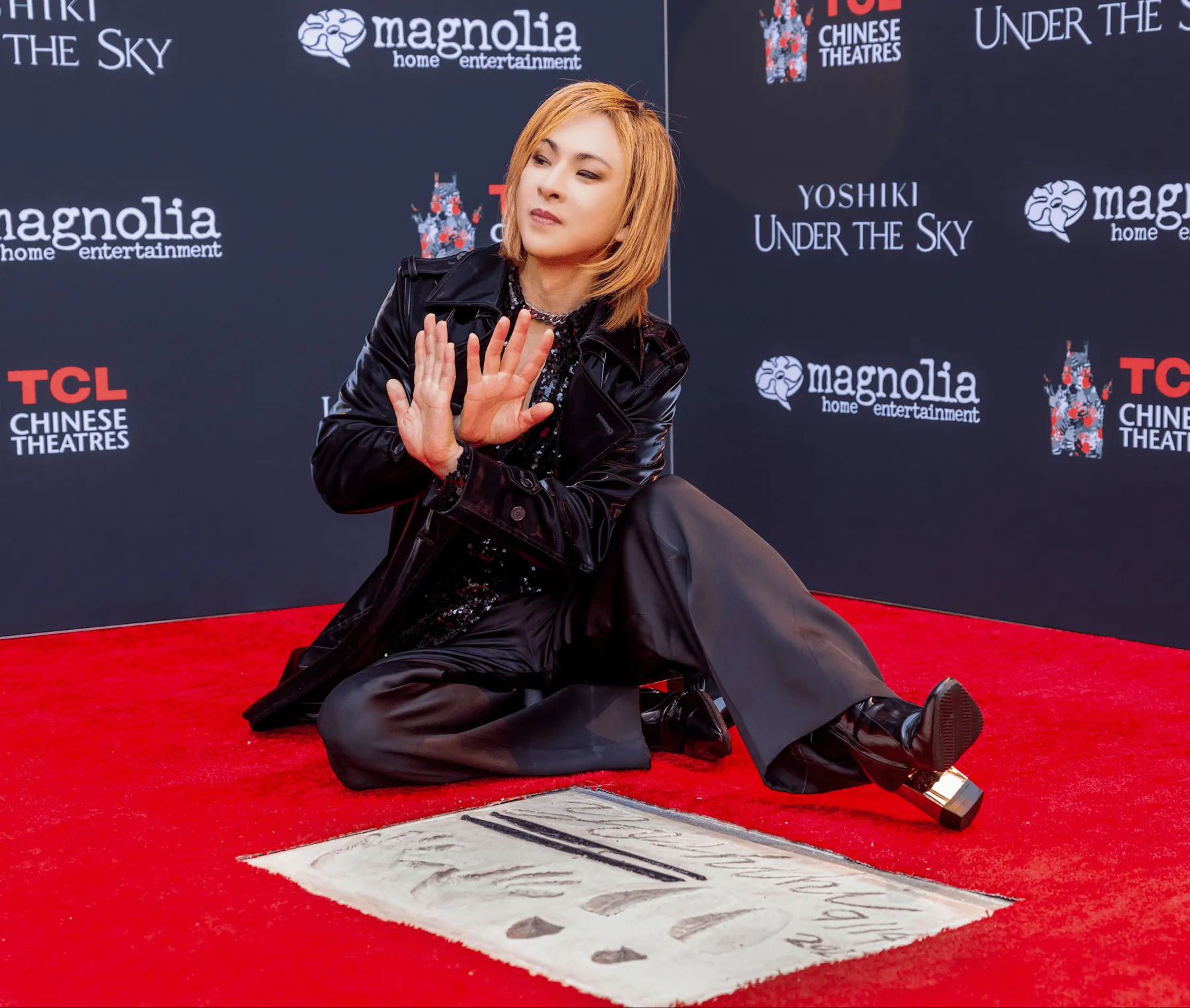
Photo by Jimmy Pepe , licensed under CC0 · Wikimedia Commons
Rank #489
Yoshiki
From Wikipedia
Yoshiki is a masculine Japanese given name.
Members
- Yoshiki
- Yoshiki
- Yoshiki
- Yoshiki
Deep Dive
Overview
Yoshiki is a Japanese hard rock musician whose solo career spans several decades of work in the rock genre. Operating primarily as a solo artist in the hard rock and classic rock idioms, Yoshiki has maintained an active presence in rock music from the mid-1960s through the present day. His recorded output, while selective, reflects a commitment to the stylistic traditions of hard rock across multiple eras.
Formation Story
Yoshiki emerged as a solo rock artist during an era when hard rock was establishing itself as a dominant force in popular music. Operating as an independent solo artist rather than within a traditional band structure, Yoshiki carved out a career that allowed him to work across the hard rock and classic rock traditions. His longevity in the music industry—remaining active from the 1960s to the present—places him among the enduring figures in rock music, even as the specifics of his early career development remain less documented in mainstream rock histories.
Breakthrough Moment
Yoshiki’s recorded solo career crystallized with the release of Eternal Melody in 1993, a studio album that marked a formal documentation of his work in hard rock. This album served as a clear statement of his artistic identity and commitment to the rock form during a period when the genre was undergoing significant stylistic shifts. The release provided a focal point for his recognition as a solo recording artist within the hard rock tradition.
Peak Era
The 1990s and 2000s represented Yoshiki’s most documented recording period, with Eternal Melody (1993) and its successor ETERNAL MELODY II (2005) anchoring his discography. These releases, separated by over a decade, suggest a deliberate approach to recording that prioritized quality and artistic intention over prolific output. This phase of his career demonstrated his sustained engagement with hard rock as both a creative and commercial endeavor.
Musical Style
Yoshiki’s work falls squarely within the hard rock and classic rock traditions, genres defined by electric guitar-driven arrangements, emphatic rhythm sections, and direct vocal delivery. His stylistic approach reflects the core conventions of hard rock—characterized by powerful instrumentation and straightforward songcraft—while maintaining the accessibility and melodic sensibility associated with classic rock. The twelve-year gap between Eternal Melody and ETERNAL MELODY II suggests an artist willing to take time between projects rather than chase trends, a stance consistent with someone deeply invested in the substance of the rock tradition.
Major Albums
Eternal Melody (1993)
Yoshiki’s debut solo album established his identity as a hard rock artist and marked his formal entry into the recorded solo discography. The album represented a complete artistic statement within the hard rock and classic rock idioms.
ETERNAL MELODY II (2005)
Released twelve years after the original, this sequel demonstrated Yoshiki’s continued engagement with the hard rock form and his willingness to revisit and expand upon thematic and musical territory established in his earlier work.
Signature Songs
Without access to detailed track listings from the supplied data, specific signature songs cannot be confidently attributed to Yoshiki’s solo discography.
Influence on Rock
As a solo artist working within established hard rock and classic rock traditions, Yoshiki represents a particular mode of artistic persistence—the independent solo musician maintaining a presence across decades without the infrastructure of a major band or label machinery. His career trajectory reflects the possibilities available to rock musicians operating outside mainstream commercial structures, particularly in markets and eras where such independence was sustainable. His work contributes to the broader international rock tradition, particularly within Japanese rock’s engagement with Western hard rock forms.
Legacy
Yoshiki’s legacy rests on his sustained activity as a solo hard rock artist across more than five decades. Despite limited documented recordings, his presence in rock music from the 1960s through the present day marks him as a figure of considerable longevity within the genre. His willingness to space releases significantly apart—the twelve-year gap between his two major documented albums—suggests an artist prioritizing artistic fulfillment over commercial momentum, a stance that has become increasingly respected within rock culture. His continued activity into the present maintains his connection to the living tradition of hard rock and classic rock.
Fun Facts
- Yoshiki maintained an active recording career spanning over fifty years, from the mid-1960s to the present, demonstrating remarkable artistic longevity.
- The naming of his second album as ETERNAL MELODY II directly references his debut, suggesting a conscious thematic and artistic through-line across his work.
- As a solo artist working in the hard rock idiom, Yoshiki operated independently rather than as part of an established band, a path that allowed him significant creative autonomy throughout his career.