
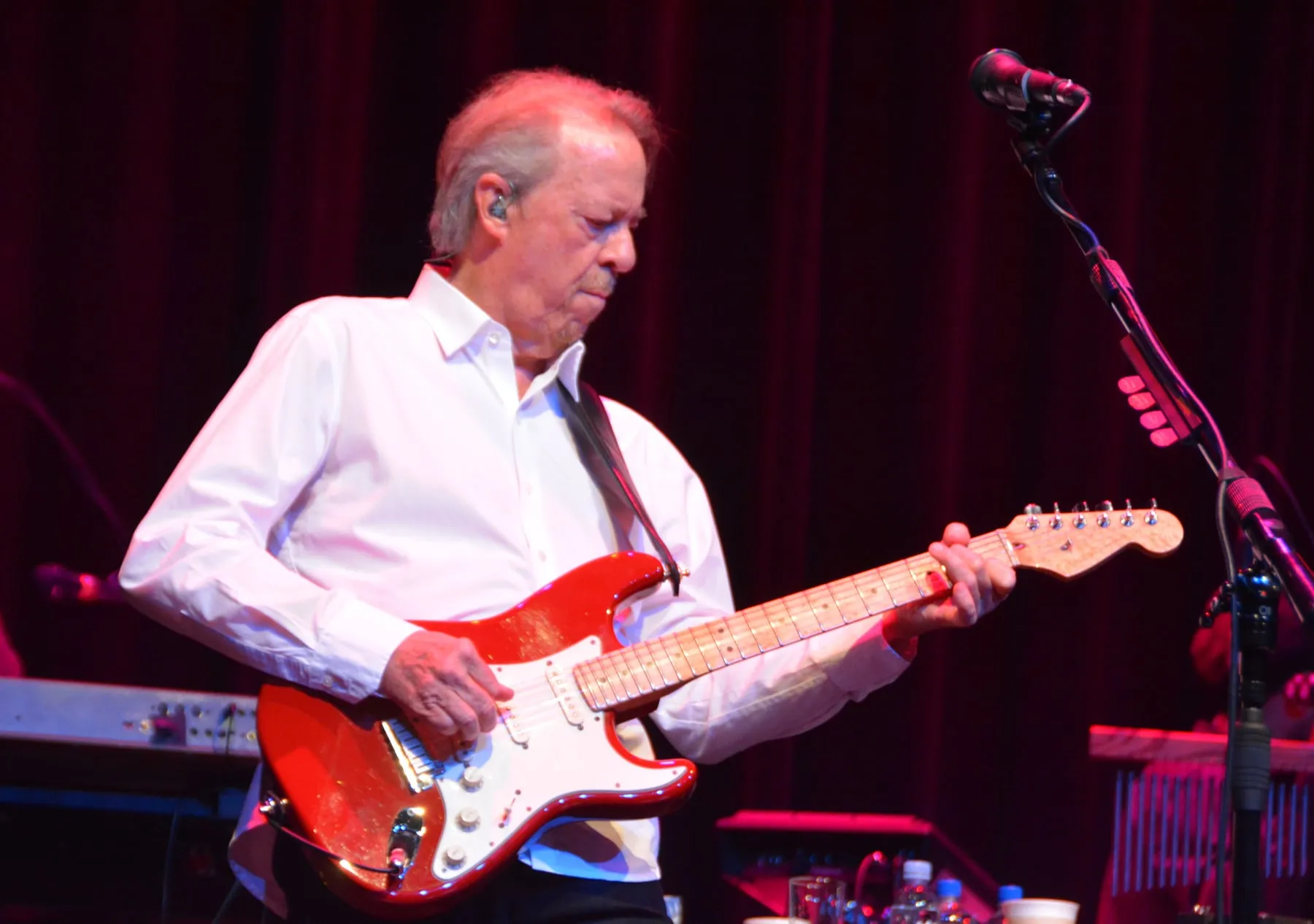
Photo by Carl Lender , licensed under CC BY 2.0 · Wikimedia Commons
Rank #204
Boz Scaggs
From Wikipedia
William Royce "Boz" Scaggs is an American singer, songwriter, and guitarist. He was a bandmate of Steve Miller in the Ardells in the early 1960s and a member of the Steve Miller Band from 1967 to 1968.
Discography & Previews
Browse through and click an album to open and play 30-second previews streamed from Apple Music.

Boz
1966 · 12 tracks
- 1 Steamboat ↗ 2:10
- 2 Baby Let Me Follow You Down ↗ 2:20
- 3 Girl From The North Country ↗ 3:33
- 4 You're So Fine ↗ 2:06
- 5 Got You On My Mind ↗ 2:58
- 6 That's All Right ↗ 2:06
- 7 Hey Baby ↗ 2:30
- 8 Gangster Of Love ↗ 2:20
- 9 Let The Good Times Roll ↗ 2:18
- 10 How Long ↗ 2:17
- 11 Stormy Monday Blues ↗ 3:39
- 12 C.C. Rider ↗ 2:20


Moments
1971 · 14 tracks
- 1 We Were Always Sweethearts ↗ 3:28
- 2 Downright Women ↗ 4:36
- 3 Painted Bells ↗ 4:02
- 4 Alone, Alone ↗ 3:39
- 5 Near You ↗ 4:55
- 6 I Will Forever Sing (The Blues) ↗ 5:12
- 7 Moments ↗ 4:33
- 8 Hollywood Blues ↗ 2:40
- 9 We Been Away ↗ 3:43
- 10 Can I Make It Last (Or Will It Just Be Over) [Instrumental] ↗ 5:24
- 11 We Were Always Sweethearts (Mono 45 Version) ↗ 3:02
- 12 Near You (Mono 45 Version) ↗ 3:12
- 13 I Feel So Good (Live) [Playback Series] ↗ 4:19
- 14 Hollywood Blues (Live) [Playback Series] ↗ 2:35

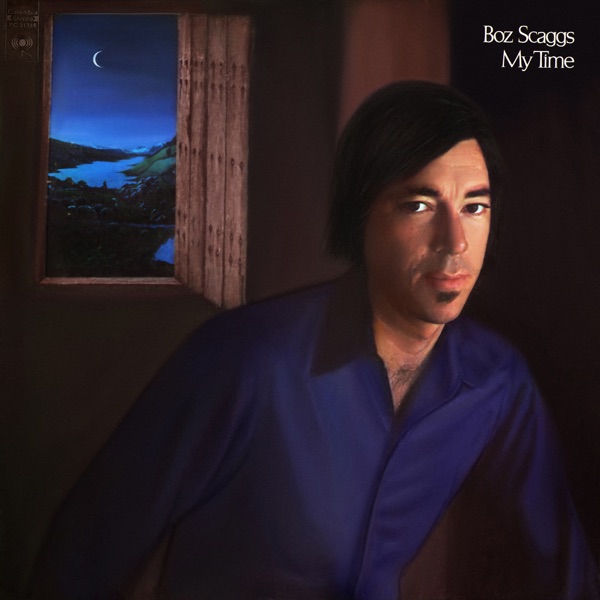
My Time
1972 · 10 tracks
- 1 Dinah Flo (2023 Remaster) ↗ 3:05
- 2 Slowly In The West (2023 Remaster) ↗ 4:00
- 3 Full-Lock Power Slide (2023 Remaster) ↗ 3:11
- 4 Old Time Lovin' (2023 Remaster) ↗ 2:55
- 5 Might Have To Cry (2023 Remaster) ↗ 4:07
- 6 Hello My Lover (2023 Remaster) ↗ 3:25
- 7 Freedom For The Stallion (2023 Remaster) ↗ 2:34
- 8 He's A Fool For You (2023 Remaster) ↗ 3:48
- 9 We're Gonna Roll (2023 Remaster) ↗ 2:53
- 10 My Time (2023 Remaster) ↗ 2:56

Slow Dancer
1974 · 10 tracks
- 1 You Make It So Hard (To Say No) - [2023 Remaster] ↗ 3:34
- 2 Slow Dancer (2023 Remaster) ↗ 3:16
- 3 Angel Lady (Come Just In Time) - [2023 Remaster] ↗ 3:35
- 4 There Is Someone Else (2023 Remaster) ↗ 4:41
- 5 Hercules (2023 Remaster) ↗ 4:00
- 6 Pain of Love (2023 Remaster) ↗ 3:15
- 7 Sail On White Moon (2023 Remaster) ↗ 3:21
- 8 Let It Happen (2023 Remaster) ↗ 3:21
- 9 I Got Your Number (2023 Remaster) ↗ 3:47
- 10 Take It For Granted (2023 Remaster) ↗ 4:27
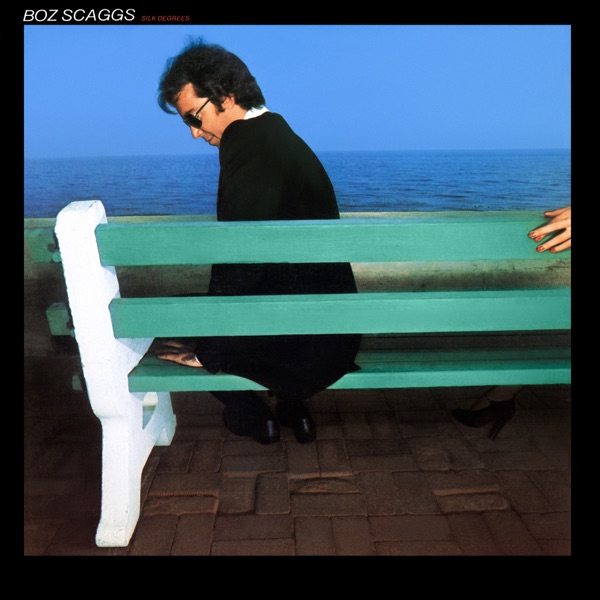
Silk Degrees
1976 · 10 tracks
- 1 What Can I Say (2023 Remaster) ↗ 3:01
- 2 Georgia (2023 Remaster) ↗ 3:57
- 3 Jump Street (2023 Remaster) ↗ 5:13
- 4 What Do You Want the Girl to Do (2023 Remaster) ↗ 3:53
- 5 Harbor Lights (2023 Remaster) ↗ 5:59
- 6 Lowdown (2023 Remaster) ↗ 5:18
- 7 It's Over (2023 Remaster) ↗ 2:53
- 8 Love Me Tomorrow (2023 Remaster) ↗ 3:17
- 9 Lido Shuffle (2023 Remaster) ↗ 3:43
- 10 We're All Alone (2023 Remaster) ↗ 4:12

Middle Man
1980 · 9 tracks
- 1 JoJo (2023 Remaster) ↗ 5:54
- 2 Breakdown Dead Ahead (2023 Remaster) ↗ 4:37
- 3 Simone (2023 Remaster) ↗ 5:10
- 4 You Can Have Me Anytime (2023 Remaster) ↗ 4:57
- 5 Middle Man (2023 Remaster) ↗ 4:54
- 6 Do Like You Do in New York (2023 Remaster) ↗ 3:47
- 7 Angel You (2023 Remaster) ↗ 3:42
- 8 Isn't It Time (2023 Remaster) ↗ 4:55
- 9 You Got Some Imagination (2023 Remaster) ↗ 3:57

Other Roads
1988 · 13 tracks
- 1 What's Number One? ↗ 3:58
- 2 Claudia ↗ 4:07
- 3 Heart of Mine ↗ 4:12
- 4 Right Out of My Head ↗ 5:24
- 5 I Don't Hear You ↗ 4:42
- 6 Mental Shakedown ↗ 4:09
- 7 Crimes of Passion ↗ 4:00
- 8 Funny ↗ 5:49
- 9 Cool Running ↗ 4:14
- 10 The Night of Van Gogh ↗ 4:21
- 11 You'll Never Know ↗ 3:45
- 12 Soul to Soul ↗ 5:02
- 13 Cool Running (Shep Pettibone Remix) ↗ 4:20


Come On Home
1997 · 14 tracks
- 1 It All Went Down the Drain ↗ 5:34
- 2 Ask Me 'Bout Nothin'(But the Blues) ↗ 4:40
- 3 Don't Cry No More ↗ 3:19
- 4 Found Love ↗ 3:00
- 5 Come On Home ↗ 3:17
- 6 Picture of a Broken Heart ↗ 4:04
- 7 Love Letters ↗ 3:50
- 8 I've Got Your Love ↗ 4:35
- 9 Early in the Morning ↗ 4:39
- 10 Your Good Thing(Is About to End) ↗ 7:22
- 11 T-Bone Shuffle ↗ 2:44
- 12 Sick and Tired ↗ 4:29
- 13 After Hours ↗ 4:05
- 14 Goodnight Louise ↗ 4:02


But Beautiful: Standards: Volume I
2003 · 10 tracks

Speak Low
2008 · 12 tracks
- 1 Invitation ↗ 5:28
- 2 She Was Too Good To Me ↗ 3:53
- 3 I Wish I Knew ↗ 5:24
- 4 Speak Low ↗ 3:44
- 5 Do Nothing Till You Hear From Me ↗ 4:04
- 6 I'll Remember April ↗ 4:03
- 7 Save Your Love For Me ↗ 5:15
- 8 The Ballad Of The Sad Young Men ↗ 5:35
- 9 Skylark ↗ 4:02
- 10 Senza Fine ↗ 3:27
- 11 Dindi ↗ 3:52
- 12 This Time The Dream's On Me ↗ 3:42

Memphis
2013 · 12 tracks
- 1 Gone Baby Gone ↗ 3:35
- 2 So Good To Be Here ↗ 3:15
- 3 Mixed Up, Shook Up Girl ↗ 3:44
- 4 Rainy Night In Georgia ↗ 4:34
- 5 Love On a Two Way Street ↗ 3:36
- 6 Pearl of the Quarter ↗ 3:28
- 7 Cadillac Walk ↗ 4:27
- 8 Corrina, Corrina ↗ 3:45
- 9 Can I Change My Mind ↗ 4:19
- 10 Dry Spell ↗ 3:24
- 11 You Got Me Cryin' ↗ 4:55
- 12 Sunny Gone ↗ 4:32

A Fool to Care
2015 · 12 tracks
- 1 Rich Woman ↗ 2:59
- 2 I'm a Fool to Care ↗ 2:05
- 3 Hell to Pay (feat. Bonnie Raitt) ↗ 6:15
- 4 Small Town Talk ↗ 3:41
- 5 Last Tango On 16th Street ↗ 6:25
- 6 There's a Storm a Comin' ↗ 4:13
- 7 I'm So Proud ↗ 3:37
- 8 I Want to See You ↗ 5:41
- 9 High Blood Pressure ↗ 3:35
- 10 Full of Fire ↗ 4:17
- 11 Love Don't Love Nobody ↗ 5:09
- 12 Whispering Pines (feat. Lucinda Williams) ↗ 4:21


Detour
2025 · 11 tracks
-
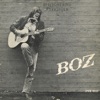 BozBoz Scaggs196612 tracks
 -
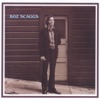 Boz ScaggsBoz Scaggs19699 tracks
 -
 MomentsBoz Scaggs197114 tracks
 -
 Boz Scaggs & BandBoz Scaggs19719 tracks
 -
 My TimeBoz Scaggs197210 tracks
 -
 Slow DancerBoz Scaggs197410 tracks
 -
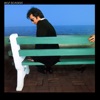 Silk DegreesBoz Scaggs197610 tracks
 -
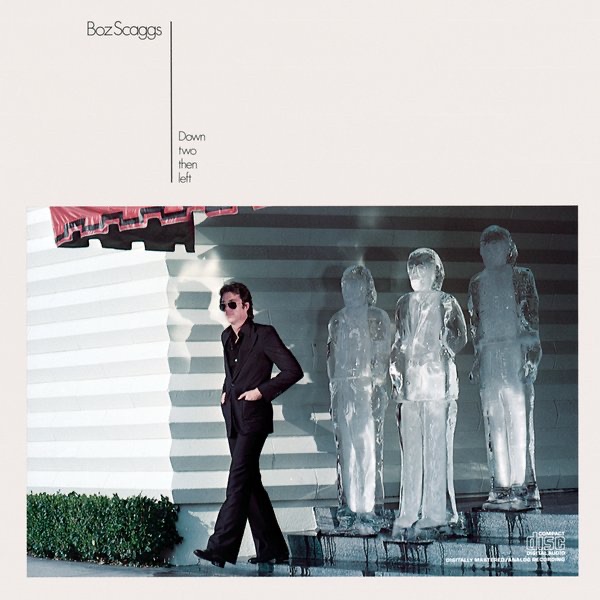
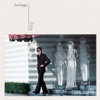 Down Two Then LeftBoz Scaggs197710 tracks
 -
 Middle ManBoz Scaggs19809 tracks
 -
 Other RoadsBoz Scaggs198813 tracks
 -
 Some ChangeBoz Scaggs199410 tracks
 -
 Fade Into LightBoz Scaggs199612 tracks
 -
 Come On HomeBoz Scaggs199714 tracks
 -
 DigBoz Scaggs200110 tracks
 -
 But Beautiful: Standards: Volume IBoz Scaggs200310 tracks
 -
 Speak LowBoz Scaggs200812 tracks
 -
 MemphisBoz Scaggs201312 tracks
 -
 A Fool to CareBoz Scaggs201512 tracks
 -
 Out of the BluesBoz Scaggs20189 tracks
 -
 DetourBoz Scaggs202511 tracks
Deep Dive
Overview
Boz Scaggs is an American singer, songwriter, and guitarist whose career spans from the 1960s to the present day. Emerging from the San Francisco rock scene of the mid-1960s, Scaggs built a solo practice rooted in soul and rock idioms, releasing over twenty studio albums across six decades. Though he remains less visible in mainstream retrospectives than some contemporaries, his steady output and stylistic range—from blues-inflected rock to standards interpretation—have anchored a long and productive career.
Formation Story
William Royce Scaggs was born in 1944 and came of age during the folk and early rock music boom of the late 1950s and early 1960s. His entry into the rock world arrived through the Ardells, an early 1960s group where he played alongside Steve Miller, a bandmate who would later lead his own major rock career. The early-to-mid 1960s found Scaggs navigating the shifting American rock landscape, absorbing influences from blues, soul, and the emerging British rock sound. His apprenticeship with Miller and the Ardells positioned him for a transition to solo work as the decade progressed and the market for singer-songwriters expanded.
Breakthrough Moment
Scaggs’ recorded solo career began in 1966 with his debut self-titled album Boz, released on Atlantic Records. A second effort, Boz Scaggs, arrived in 1969, establishing a baseline for his artistic identity. The early 1970s saw him issue a series of albums—Moments and Boz Scaggs & Band in 1971, followed by My Time in 1972—that gradually refined his approach. The turning point came with Silk Degrees in 1976, an album that demonstrated both commercial viability and artistic depth, cementing his status as a sustained solo performer capable of reaching audiences beyond the album-rock core.
Peak Era
The mid-to-late 1970s and 1980s represented Scaggs’ most commercially prominent period. Silk Degrees (1976) established him as a significant figure, while Down Two Then Left (1977) and Middle Man (1980) sustained momentum. This era showcased his ability to navigate soul-rock hybridity with craft and consistency. Rather than chasing trends, Scaggs maintained a focus on songwriting quality and instrumental competence, drawing audiences who valued musicianship alongside pop accessibility. By the early 1980s, he had secured a place in the American classic rock canon as a reliable album artist and live performer.
Musical Style
Scaggs’ sound emerges from a deliberate fusion of soul, blues, and rock foundations. His vocal approach is conversational and understated, avoiding histrionics in favor of phrasing precision and emotional directness. As a guitarist, he favors tasteful, economical playing that serves melody and harmony rather than virtuosity for its own sake. The production style of his most successful albums leans toward a warm, groove-centered aesthetic, with emphasis on rhythm section interplay and clean instrumental definition. Over his long career, Scaggs has demonstrated willingness to explore adjacent genres: his later work includes standards reinterpretation (But Beautiful: Standards: Volume I in 2003, Speak Low in 2008) and blues-rooted material (Out of the Blues in 2018), expanding rather than contradicting his foundational identity. This stylistic flexibility has allowed him to remain creatively engaged across changing decades without forcing himself into dated commercial formulas.
Major Albums
Silk Degrees (1976)
Scaggs’ commercial and artistic peak, Silk Degrees positioned him as a major solo artist and remains his most widely recognized work, anchoring his reputation in classic rock circulation.
Boz Scaggs & Band (1971)
This live-derived or live-informed album captured Scaggs in ensemble context, highlighting his interplay with supporting musicians and establishing a template for his group dynamics.
Middle Man (1980)
A late-peak effort demonstrating sustained commercial appeal and continued refinement of his soul-rock synthesis during the decade’s shift toward new production technologies.
But Beautiful: Standards: Volume I (2003)
Marking a deliberate turn toward jazz and pop standards, this album showcased Scaggs’ interpretive range and his vocalist’s phrasing skill applied to the American songbook.
Memphis (2013)
A return to blues and soul roots, recorded in a city central to those traditions, Memphis reinforced Scaggs’ ongoing engagement with the genres anchoring his identity.
Signature Songs
- “Slow Dancer” — Title track from the 1974 album, exemplifying Scaggs’ groove-centered approach to rock songwriting.
- “Loan Me a Dime” — A blues-soul standard in his live and recorded repertoire, showcasing his understanding of African-American musical traditions.
- Songs from Silk Degrees — His most commercially visible period produced multiple radio-friendly tracks that circulate in classic rock formats.
- “Out of the Blues” — Title track from the 2018 album, demonstrating his continued engagement with blues-rooted material in his later career.
Influence on Rock
Scaggs occupies a secondary but consistent place in the American rock lineage, particularly within the soul-rock and album-rock streams that flourished in the 1970s and beyond. His career exemplifies the path of a session-trained, technically proficient musician who transitioned from ensemble work to solo prominence without abandoning craft or musical substance. While he did not pioneer a genre or movement, his steady presence on record labels like Atlantic and Columbia, combined with his work with influential figures like Steve Miller, embedded him within networks of musicians and audiences that sustained classic rock as a cultural category. His influence extends more through durability and consistency than through radical innovation—a model of sustained solo artistry that proved viable across multiple decades.
Legacy
Boz Scaggs’ legacy rests on longevity and professional integrity. From his 1966 debut through 2025 (with the forthcoming Detour), he has maintained an active recording and performance presence spanning nearly six decades. His work remains accessible through streaming platforms and classic rock radio, anchoring the broader classic rock repertoire without requiring critical reappraisal or revival campaigns. Scaggs never achieved the iconic status of his early peer Steve Miller, but his substantial discography and consistent quality have earned him respect within musician and fan communities. His later-career turn toward standards and blues reinterpretation reflects a common trajectory among aging rock artists—a move toward musical traditions that predate rock itself, often undertaken with genuine artistic commitment rather than nostalgia marketing. This flexibility has allowed him to remain creatively engaged and touring into his eighth decade.
Fun Facts
- Scaggs’ early collaboration with Steve Miller in the Ardells preceded Miller’s later rise to major commercial success, placing Scaggs in the orbit of one of rock’s more commercially triumphant acts.
- His recording career has spanned three major record labels—Atlantic, Columbia, and Concord Records—reflecting shifts in the industry’s structure and his own evolving commercial positioning.
- The span between his debut in 1966 and his 2025 album Detour represents nearly sixty years of continuous studio recording, an uncommon achievement in the rock music field.