
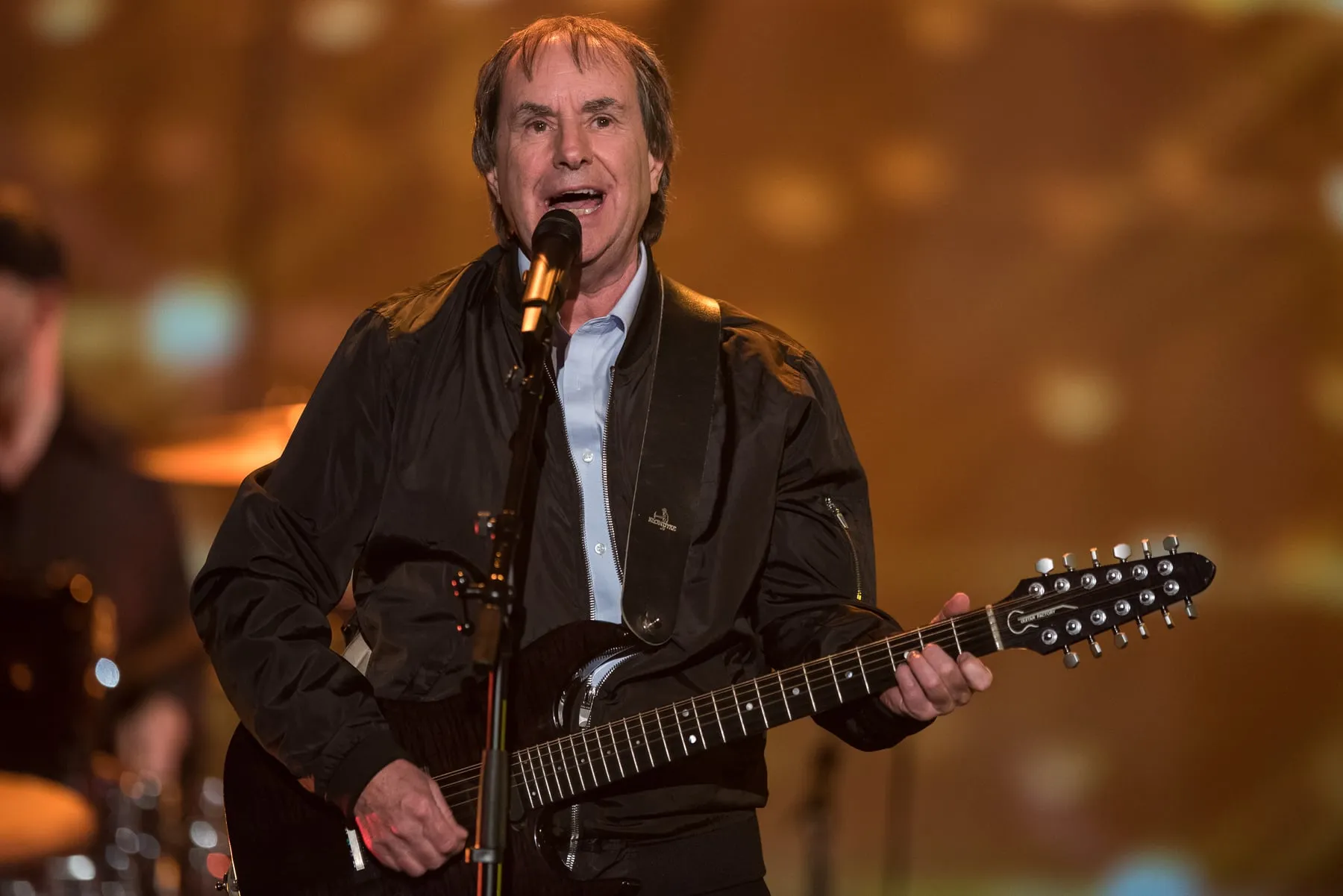
Photo by Stefan Brending ( 2eight ) , licensed under CC BY-SA 3.0 de · Wikimedia Commons
Rank #339
Chris de Burgh
From Wikipedia
Christopher John Davison, known professionally as Chris de Burgh, is an English singer-songwriter and musician born in Argentina. He started out as an art rock performer and progressed to writing more pop-oriented material. He has had several top 40 hit singles in the UK and two in the US. He is more popular in other countries, particularly Norway and Brazil. His 1975 "A Spaceman Came Travelling" became a popular Christmas song and his 1986 love song "The Lady in Red" reached number one in several countries. De Burgh has sold over 45 million albums worldwide.
Discography & Previews
Browse through and click an album to open and play 30-second previews streamed from Apple Music.


Spanish Train and Other Stories
1975 · 10 tracks


Crusader
1979 · 12 tracks
- 1 Carry On ↗ 3:57
- 2 I Had The Love In My Eyes ↗ 3:29
- 3 Something Else Again ↗ 3:46
- 4 The Girl With April In Her Eyes ↗ 4:15
- 5 Just In Time ↗ 5:13
- 6 Carry On (Reprise) ↗ 0:33
- 7 The Devil's Eye ↗ 4:34
- 8 It's Such A Long Way Home ↗ 2:51
- 9 Old Fashioned People ↗ 3:27
- 10 Quiet Moments ↗ 1:40
- 11 Crusader ↗ 8:48
- 12 You And Me ↗ 1:14

The Getaway
1982 · 12 tracks
- 1 Don't Pay The Ferryman ↗ 3:49
- 2 Living On The Island ↗ 3:31
- 3 Crying And Laughing ↗ 4:34
- 4 I'm Counting On You ↗ 4:28
- 5 The Getaway ↗ 3:52
- 6 Ship To Shore ↗ 3:49
- 7 All The Love I Have Inside ↗ 3:19
- 8 Borderline ↗ 4:38
- 9 Where Peaceful Waters Flow ↗ 3:54
- 10 The Revolution ↗ 1:46
- 11 Light A Fire ↗ 2:08
- 12 Liberty ↗ 5:02

Man on the Line
1984 · 10 tracks
- 1 The Ecstasy of Flight (I Love the Night) ↗ 4:01
- 2 Sight and Touch ↗ 3:14
- 3 Taking It to the Top ↗ 4:01
- 4 The Head and the Heart ↗ 3:59
- 5 The Sound of a Gun ↗ 4:28
- 6 High On Emotion ↗ 4:26
- 7 Much More Than This ↗ 2:57
- 8 Man on the Line ↗ 4:24
- 9 Moonlight and Vodka ↗ 3:37
- 10 Transmission Ends ↗ 5:59

Into the Light
1986 · 12 tracks
- 1 Last Night ↗ 6:09
- 2 Fire On the Water ↗ 4:31
- 3 The Ballroom of Romance ↗ 4:28
- 4 The Lady In Red ↗ 4:16
- 5 Say Goodbye To It All ↗ 5:23
- 6 The Spirit of Man ↗ 4:41
- 7 Fatal Hesitation ↗ 4:18
- 8 One Word (Straight To the Heart) ↗ 4:33
- 9 For Rosanna ↗ 3:40
- 10 The Leader ↗ 2:16
- 11 The Vision ↗ 3:14
- 12 What About Me? ↗ 3:06

Flying Colours
1988 · 13 tracks
- 1 Sailing Away ↗ 5:01
- 2 Carry Me (Like A Fire In Your Heart) ↗ 4:24
- 3 Tender Hands ↗ 4:30
- 4 A Night On The River ↗ 3:48
- 5 Leather On My Shoes ↗ 4:35
- 6 Suddenly Love ↗ 3:13
- 7 The Simple Truth (A Child Is Born) ↗ 4:27
- 8 Missing You ↗ 4:07
- 9 I'm Not Scared Anymore ↗ 4:47
- 10 Don't Look Back ↗ 2:56
- 11 Just A Word Away ↗ 3:18
- 12 The Risen Lord ↗ 3:40
- 13 The Last Time I Cried ↗ 5:33

Power of Ten
1992 · 12 tracks
- 1 Where We Will Be Going ↗ 4:30
- 2 By My Side ↗ 4:25
- 3 Heart of Darkness ↗ 4:55
- 4 In Your Eyes ↗ 4:40
- 5 Separate Tables ↗ 3:37
- 6 Talk to Me ↗ 3:50
- 7 The Connemara Coast ↗ 3:46
- 8 Brother John ↗ 4:55
- 9 Shine On ↗ 5:00
- 10 A Celebration ↗ 3:49
- 11 She Means Everything to Me ↗ 3:20
- 12 Making the Perfect Man ↗ 5:16
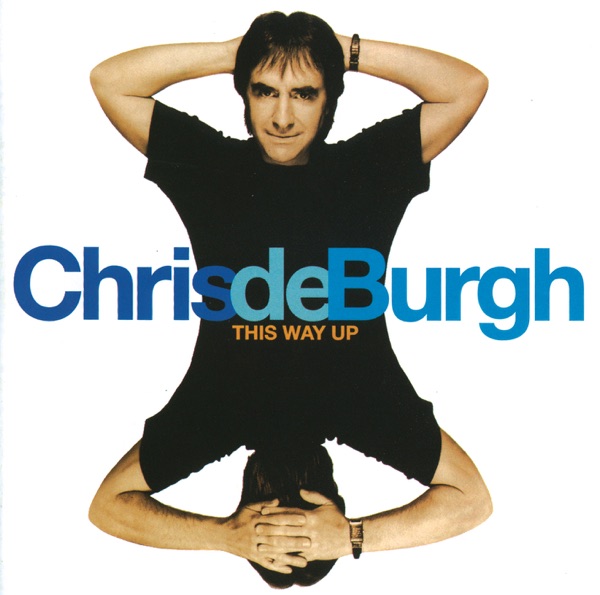
This Way Up
1994 · 11 tracks
- 1 This Silent World ↗ 4:07
- 2 This Is Love ↗ 3:48
- 3 This Weight On Me ↗ 4:05
- 4 Here Is Your Paradise ↗ 3:29
- 5 Oh My Brave Hearts ↗ 6:52
- 6 Blonde Hair, Blue Jeans ↗ 3:26
- 7 The Son and the Father ↗ 2:49
- 8 Up Here In Heaven ↗ 5:56
- 9 You Are the Reason ↗ 4:01
- 10 Love's Got a Hold On Me ↗ 3:45
- 11 The Snows of New York (Re-Recorded Version) ↗ 3:04

Beautiful Dreams
1995 · 13 tracks
- 1 Missing You ↗ 3:57
- 2 Girl ↗ 2:51
- 3 Carry Me (Like a Fire in Your Heart) ↗ 4:05
- 4 Discovery ↗ 3:22
- 5 The Snows of New York ↗ 3:35
- 6 In Love Forever ↗ 3:54
- 7 Shine On ↗ 3:59
- 8 The Lady in Red ↗ 4:04
- 9 In Dreams ↗ 3:10
- 10 I'm Not Crying Over You ↗ 3:58
- 11 Always On My Mind ↗ 3:22
- 12 Say Goodbye to It All ↗ 4:34
- 13 One More Mile to Go ↗ 3:34

Timing Is Everything
2002 · 11 tracks
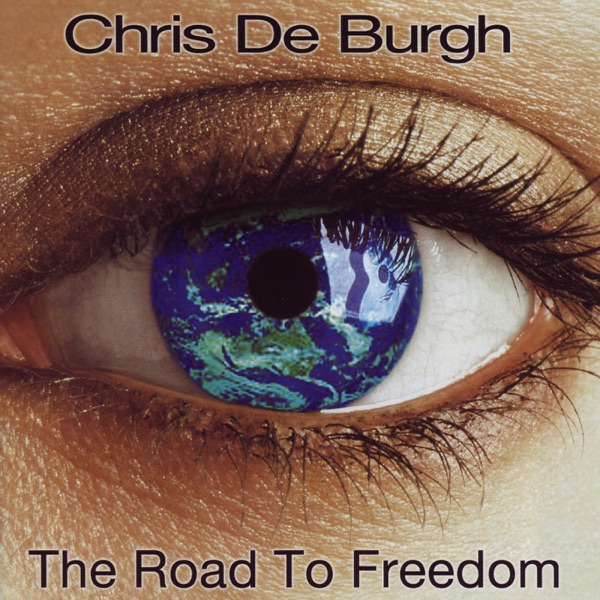
The Road to Freedom
2004 · 11 tracks
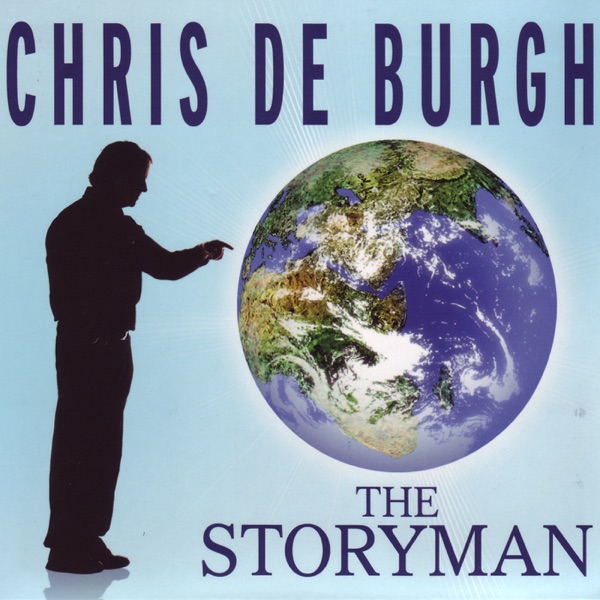
The Storyman
2006 · 12 tracks
- 1 The Storyman Theme ↗ 4:00
- 2 One World ↗ 3:56
- 3 Leningrad ↗ 5:12
- 4 My Father's Eyes ↗ 4:18
- 5 The Grace of a Dancer ↗ 6:13
- 6 Spirit ↗ 4:16
- 7 The Shadow of the Mountain ↗ 4:19
- 8 Raging Storm ↗ 4:18
- 9 The Mirror of the Soul ↗ 9:15
- 10 The Sweetest Kiss of All ↗ 3:13
- 11 The Storyman ↗ 4:37
- 12 My Father's Eyes ↗ 4:35
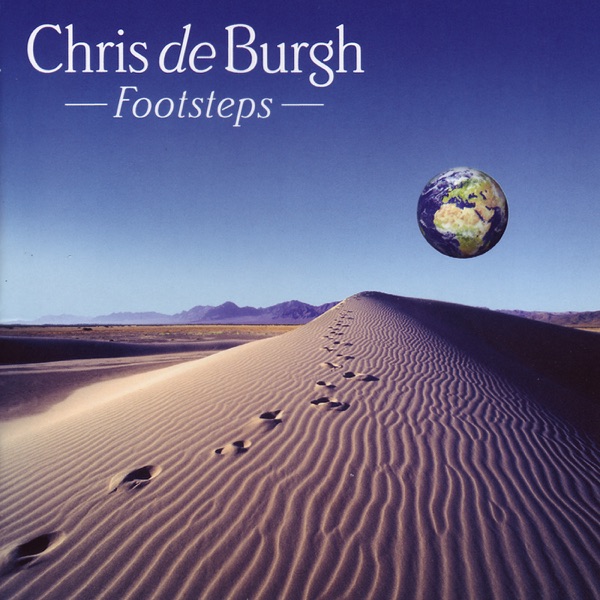
Footsteps
2008 · 15 tracks
- 1 First Steps ↗ 1:09
- 2 Turn, Turn, Turn ↗ 3:29
- 3 The Long and Winding Road ↗ 3:35
- 4 Africa ↗ 4:16
- 5 Without You ↗ 3:21
- 6 Where Have All the Flowers Gone ? ↗ 3:44
- 7 Sealed With a Kiss ↗ 2:36
- 8 Blackbird ↗ 2:25
- 9 We Can Work It Out ↗ 2:12
- 10 All Along the Watchtower ↗ 3:18
- 11 Corrina Corrina ↗ 2:48
- 12 Polly Von ↗ 3:12
- 13 American Pie ↗ 4:23
- 14 The Last Thing On My Mind ↗ 3:28
- 15 Footsteps ↗ 3:02

Moonfleet & Other Stories
2010 · 24 tracks
- 1 The Moonfleet Overture ↗ 5:03
- 2 "The Village of Moonfleet..." (Narration) ↗ 1:28
- 3 The Light On the Bay ↗ 1:57
- 4 Have a Care ↗ 2:52
- 5 "For Two Days and Nights..." (Narration) ↗ 1:14
- 6 Go Where Your Heart Believes ↗ 4:12
- 7 The Escape ↗ 4:19
- 8 "And So It Was..." (Narration) ↗ 0:29
- 9 The Days of Our Age ↗ 1:54
- 10 The Secret of the Locket ↗ 3:32
- 11 "With Heavy Heart..." (Narration) ↗ 0:37
- 12 My Heart's Surrender ↗ 4:10
- 13 Treasure and Betrayal ↗ 3:43
- 14 Moonfleet Bay ↗ 3:06
- 15 The Storm ↗ 3:23
- 16 Greater Love ↗ 3:29
- 17 "In the Years That Followed..." (Narration) ↗ 1:23
- 18 The Moonfleet Finale ↗ 3:00
- 19 Everywhere I Go ↗ 3:02
- 20 The Nightingale ↗ 3:48
- 21 One Life, One Love ↗ 3:42
- 22 Why Mona Lisa Smiled ↗ 3:37
- 23 Pure Joy ↗ 3:06
- 24 People of the World ↗ 3:50
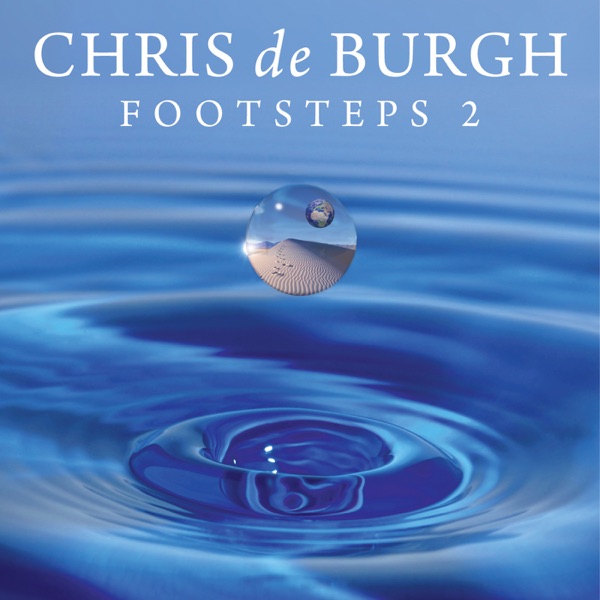
Footsteps 2
2011 · 14 tracks
- 1 While You See a Chance ↗ 4:58
- 2 Let It Be ↗ 4:07
- 3 The Living Years ↗ 5:37
- 4 Blue Bayou ↗ 2:41
- 5 S.O.S. ↗ 3:22
- 6 Seven Bridges ↗ 3:54
- 7 Lady Madonna ↗ 2:22
- 8 Time In a Bottle ↗ 2:34
- 9 Already There ↗ 3:47
- 10 In the Ghetto ↗ 3:47
- 11 Long Train Running ↗ 3:39
- 12 On a Christmas Night ↗ 3:34
- 13 Every Step of the Way ↗ 3:19
- 14 Footsteps 2 Theme ↗ 1:58

Home
2012 · 14 tracks
- 1 Waiting for the Hurricane ↗ 2:58
- 2 Tender Hands ↗ 4:02
- 3 Fatal Hesitation ↗ 3:30
- 4 Love & Time ↗ 4:10
- 5 Sailor ↗ 4:03
- 6 Living On the Island ↗ 2:51
- 7 It's Such a Long Way Home ↗ 3:07
- 8 Where We Will Be Going ↗ 4:19
- 9 Forevermore ↗ 3:22
- 10 Fire On the Water ↗ 3:04
- 11 Suddenly Love ↗ 3:11
- 12 I Will ↗ 3:12
- 13 I'm Not Scared Anymore ↗ 3:45
- 14 Goodnight ↗ 2:16

The Hands of Man
2014 · 14 tracks
- 1 The Hands of Man ↗ 4:44
- 2 There Goes My Heart Again ↗ 3:23
- 3 Big City Sundays ↗ 3:26
- 4 Where Would I Be ↗ 4:01
- 5 The Ghost of Old King Richard ↗ 2:54
- 6 The Candlestick ↗ 3:42
- 7 Through These Eyes ↗ 3:02
- 8 The Keeper of the Keys ↗ 4:54
- 9 Meridiem ↗ 2:08
- 10 When the Dream Is Over ↗ 3:36
- 11 Empty Rooms ↗ 3:36
- 12 The Bridge ↗ 4:20
- 13 The Fields of Agincourt ↗ 5:05
- 14 One More Goodbye ↗ 3:17

A Better World
2016 · 15 tracks
- 1 Hope in the Human Heart ↗ 0:55
- 2 Bethlehem ↗ 4:12
- 3 Confession ↗ 3:01
- 4 The Open Door ↗ 3:51
- 5 Heart and Soul ↗ 2:45
- 6 Chain of Command ↗ 3:38
- 7 Once in a Lifetime ↗ 3:45
- 8 Homeland ↗ 4:32
- 9 Cry No More ↗ 3:07
- 10 All for Love ↗ 4:00
- 11 Falling Rain ↗ 3:08
- 12 Shipboard Romance ↗ 2:57
- 13 Hold On (I'm on My Way) ↗ 2:50
- 14 The Land of the Free ↗ 3:34
- 15 The Soldier ↗ 3:47

The Legend of Robin Hood
2021 · 10 tracks
- 1 The Prologue ↗ 4:22
- 2 Chapter 1 - The Wedding Feast ↗ 9:17
- 3 Chapter 2 - The Road to Jerusalem ↗ 6:58
- 4 Chapter 3 - Home from the War ↗ 5:55
- 5 Chapter 4 - The Arrest ↗ 7:38
- 6 Chapter 5 - In Sherwood Forest ↗ 6:20
- 7 Chapter 6 - We've Got the Money ↗ 5:26
- 8 Chapter 7 - The Prisoner ↗ 5:37
- 9 Chapter 8 - The Duel ↗ 6:34
- 10 Chapter 9 - Legacy ↗ 3:13
-
 Far Beyond These Castle WallsChris de Burgh197410 tracks
 -
 Spanish Train and Other StoriesChris de Burgh197510 tracks
 -
 At the End of a Perfect DayChris de Burgh197710 tracks
 -
 CrusaderChris de Burgh197912 tracks
 -
 The GetawayChris de Burgh198212 tracks
 -
 Man on the LineChris de Burgh198410 tracks
 -
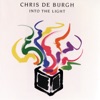 Into the LightChris de Burgh198612 tracks
 -
 Flying ColoursChris de Burgh198813 tracks
 -
 Power of TenChris de Burgh199212 tracks
 -
 This Way UpChris de Burgh199411 tracks
 -
 Beautiful DreamsChris de Burgh199513 tracks
 -
 Timing Is EverythingChris de Burgh200211 tracks
 -
 The Road to FreedomChris de Burgh200411 tracks
 -
 The StorymanChris de Burgh200612 tracks
 -
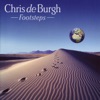 FootstepsChris de Burgh200815 tracks
 -
 Moonfleet & Other StoriesChris de Burgh201024 tracks
 -
 Footsteps 2Chris de Burgh201114 tracks
 -
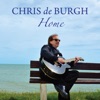 HomeChris de Burgh201214 tracks
 -
 The Hands of ManChris de Burgh201414 tracks
 -
 A Better WorldChris de Burgh201615 tracks
 -
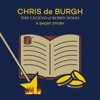 The Legend of Robin HoodChris de Burgh202110 tracks
Deep Dive
Overview
Chris de Burgh is an English singer-songwriter and musician born in Argentina in 1948 who emerged as a recording artist in the mid-1970s and sustained a prolific career across multiple decades. Beginning as an art rock performer, he gradually shifted toward pop-oriented material, achieving significant commercial success particularly in the 1980s and beyond. With over 45 million albums sold worldwide and a catalog spanning nearly five decades, de Burgh became one of the era’s most commercially durable crossover artists, though his profile and popularity varied markedly by region and market.
Formation Story
Christopher John Davison was born in Argentina to an English family, providing an international backdrop to his early years before relocating to Europe. De Burgh came of age during the early 1970s art rock movement, initially positioning himself within that more experimental, progressive-minded context. His early artistic identity reflected the ambitions of that scene—conceptual, musically adventurous, and oriented toward album-length statements rather than radio-friendly singles. By the time he began recording in earnest, de Burgh was operating at the intersection of art rock sensibilities and an emerging awareness that his songwriting had broader commercial potential.
Breakthrough Moment
De Burgh’s first significant moment of wider recognition came with his 1975 album Spanish Train and Other Stories, which introduced material that would find sustained audiences across Europe and beyond. The single “A Spaceman Came Travelling,” released that same year, became a cultural fixture in the intervening decades, establishing itself as a perennial Christmas season favorite in multiple territories. While not an immediate chart-topping hit, the song’s conceptual ambition and memorable melody ensured its recurrence in seasonal playlists and broadcasts, creating a lasting foothold in popular consciousness that proved more enduring than many conventional hit singles of the era.
Peak Era
De Burgh’s commercial ascendancy reached its zenith in the 1980s, anchored by the extraordinary success of Into the Light in 1986. That album contained “The Lady in Red,” a romantic ballad that achieved number-one status in several countries and became his most globally recognizable work. The song’s straightforward emotional directness and melodic accessibility represented the fully realized version of de Burgh’s shift from art rock toward mainstream pop sensibility. The mid-to-late 1980s period, encompassing releases like Flying Colours in 1988, defined him as a major international recording artist with particular strength in European markets and Scandinavia, where his music found especially devoted audiences.
Musical Style
De Burgh’s sonic identity evolved from the architecturally ambitious arrangements of 1970s art rock toward the cleaner, more accessible production values of 1980s pop and adult contemporary radio. His early work displayed conceptual songwriting and complex instrumental arrangements typical of the progressive rock tradition, with theatrical narrative elements and literary ambition. Over time, his approach simplified and refined itself toward melody-driven pop composition, characterized by clear vocal lines, romantic themes, and polished studio production. As a vocalist, de Burgh possessed an accessible, conversational baritone that neither showcased technical extremity nor demanded particular dramatic virtuosity, instead serving the song’s narrative and emotional content. His songwriting remained fundamentally melodic and hook-oriented, drawing on the pop-rock mainstream while retaining hints of the conceptual storytelling that marked his earlier output.
Major Albums
Spanish Train and Other Stories (1975)
Introduced de Burgh’s gift for narrative song structure and contained “A Spaceman Came Travelling,” establishing the conceptual sophistication that would define his artistic identity.
Into the Light (1986)
The commercial pinnacle of his career, driven by the global hit “The Lady in Red” and representing the full maturation of his shift toward mainstream pop sensibility without abandoning melodic sophistication.
Flying Colours (1988)
Capitalized on the momentum of Into the Light and consolidated his status as a major international recording artist throughout the 1980s.
Quiet Revolution (1999)
Demonstrated de Burgh’s continued recording activity and relevance as he entered the latter decades of his career.
Signature Songs
- “A Spaceman Came Travelling” (1975) — A conceptually ambitious narrative ballad that became a permanent fixture in Christmas-season radio rotations across multiple territories.
- “The Lady in Red” (1986) — His most commercially successful composition, achieving number-one status internationally and defining his public identity.
- “The Getaway” — Title track from his 1982 album, reflecting his melodic sensibility during the transition toward greater pop accessibility.
Influence on Rock
De Burgh’s career trajectory illustrated broader patterns in 1980s rock and pop music, particularly the movement toward glossy production values and romantic themes that characterized the mainstream of that decade. While not typically cited as a foundational influence on subsequent generations of rock musicians, his sustained commercial success demonstrated the enduring market for well-crafted melodic pop-rock material aimed at adult audiences. His international success, particularly in Scandinavian and continental European markets where his music found deeper cultural penetration than in anglophone territories, reflected shifting patterns in how rock and pop music circulated globally during an era of expanding MTV distribution and international radio networks.
Legacy
De Burgh’s long-term cultural impact has been defined less by influence on rock music itself than by the sheer persistence of his commercial presence and the anthemic status of “The Lady in Red” and “A Spaceman Came Travelling” in popular consciousness. His career demonstrates the viability of the album-oriented, touring musician’s path across multiple decades without requiring critical canonization or avant-garde credibility. The sale of over 45 million albums worldwide places him among the commercially successful recording artists of the rock era, though his presence in canonical rock histories remains modest. In the streaming era, his catalog continues to find audiences, particularly during seasonal cycles when “A Spaceman Came Travelling” resurfaces, and his music maintains consistent catalog play in territories like Norway and Brazil where his popularity has remained consistently robust.
Fun Facts
- De Burgh maintained remarkably consistent album output, releasing studio albums with regularity across nearly five decades, from Far Beyond These Castle Walls in 1974 through The Legend of Robin Hood in 2021.
- His birthplace in Argentina, unusual for a British rock musician, provided an international dimension to his early biographical narrative during an era when most major rock artists emerged from North American or British urban centers.
- “A Spaceman Came Travelling” transcended its original chart performance to achieve a secondary cultural life as a seasonal favorite, demonstrating how narrative songwriting can achieve longevity beyond conventional hit metrics.