
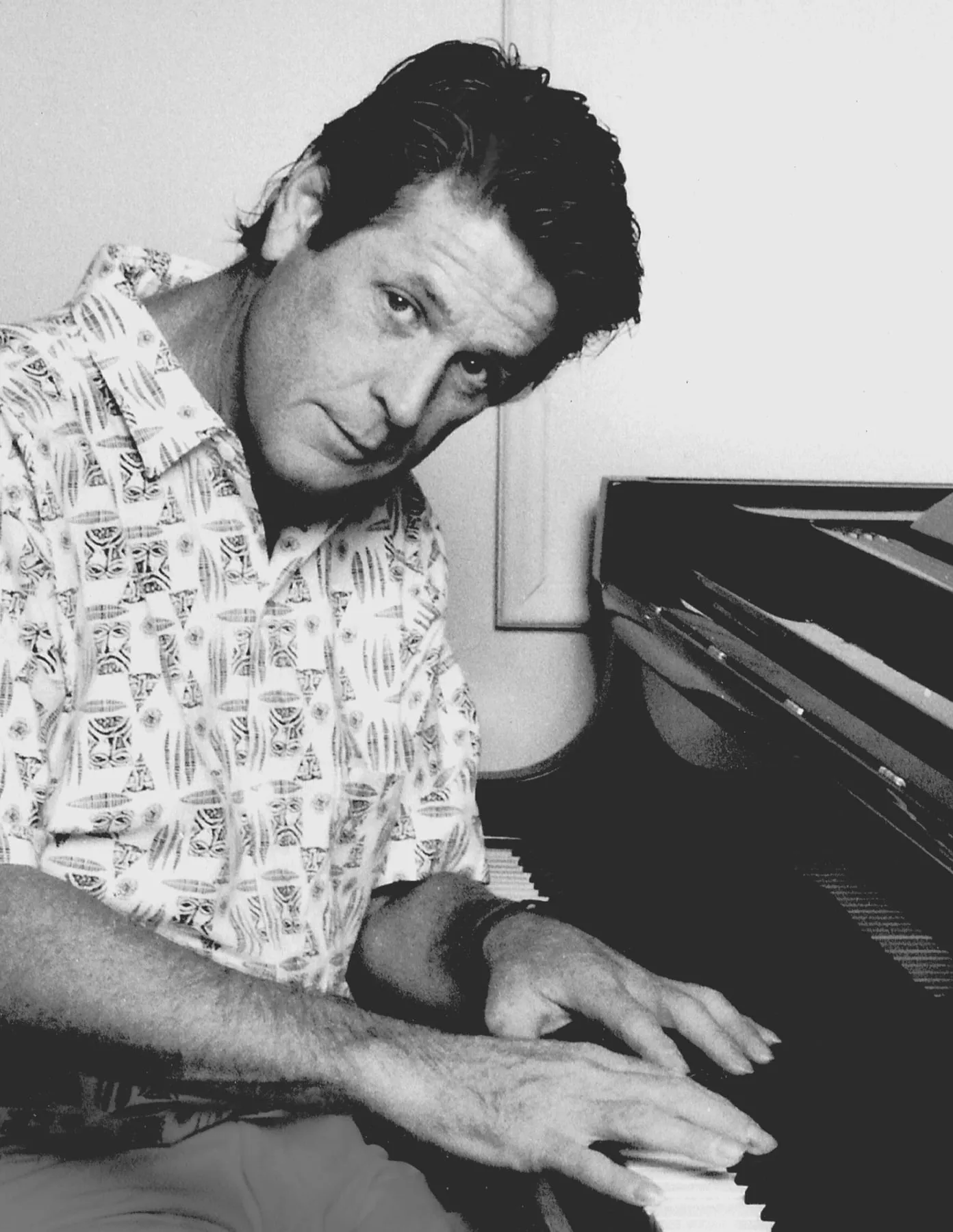
Photo by IthakaDarinPappas , licensed under CC BY-SA 4.0 · Wikimedia Commons
Rank #63
Brian Wilson
From Wikipedia
Brian Douglas Wilson was an American musician, singer, songwriter and record producer who co-founded the Beach Boys. Widely regarded as one of the most innovative and significant musical figures of his era, he was distinguished for his complex harmonies, orchestrations, and vocal arrangements. In addition to his typically ingenuous or introspective lyrics, he was known for his versatile head voice and falsetto.
Discography & Previews
Browse through and click an album to open and play 30-second previews streamed from Apple Music.
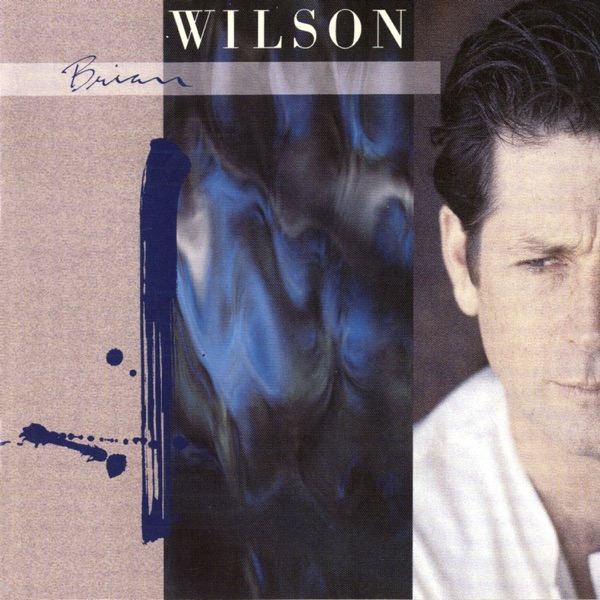
Brian Wilson
1988 · 25 tracks
- 1 Love and Mercy (Remastered) ↗ 2:56
- 2 Walkin' the Line (Remastered) ↗ 2:40
- 3 Melt Away (Remastered) ↗ 3:01
- 4 Baby Let Your Hair Grow Long (Remastered) ↗ 3:18
- 5 Little Children (Remastered) ↗ 1:50
- 6 One for the Boys (Remastered) ↗ 1:50
- 7 There's So Many (Remastered) ↗ 2:47
- 8 Night Time (Remastered) ↗ 3:39
- 9 Let It Shine (Remastered) ↗ 3:58
- 10 Meet Me In My Dreams Tonight (Remastered) ↗ 3:07
- 11 Rio Grande (Remastered) ↗ 8:16
- 12 Brian On "Love and Mercy" (Remastered) ↗ 2:23
- 13 He Couldn't Get His Poor Old Body to Move (Remastered) ↗ 2:37
- 14 Being With the One You Love (Remastered) ↗ 2:36
- 15 Let's Go to Heaven In My Car (Remastered) ↗ 3:40
- 16 Too Much Sugar (Remastered) ↗ 2:38
- 17 There's So Many (Demo) ↗ 1:54
- 18 Walkin' the Line (Demo) ↗ 2:52
- 19 Melt Away (Early Version) [Alternate Vocal] ↗ 2:03
- 20 Night Time (Instrumental) ↗ 4:05
- 21 Little Children (Demo) ↗ 2:01
- 22 Night Bloomin' Jasmine (Demo) ↗ 2:20
- 23 Rio Grande (Early Version) [Compiled Rough Mixes] ↗ 6:07
- 24 Brian on "Rio Grande" ↗ 1:20
- 25 Brian on the Source (Includes Hidden Track) ↗ 1:59

I Just Wasn’t Made for These Times
1995 · 11 tracks
- 1 Meant for You ↗ 0:51
- 2 This Whole World ↗ 1:55
- 3 Caroline, No ↗ 2:39
- 4 Let the Wind Blow ↗ 2:44
- 5 Love and Mercy ↗ 3:14
- 6 Do It Again (feat. Wendy Wilson & Carnie Wilson) [featuring Carnie and Wendy Wilson] ↗ 2:44
- 7 The Warmth of the Sun ↗ 3:48
- 8 Wonderful ↗ 2:13
- 9 Still I Dream of It (Original Home Demo, 1976) ↗ 3:35
- 10 Melt Away ↗ 2:59
- 11 'Til I Die ↗ 2:46
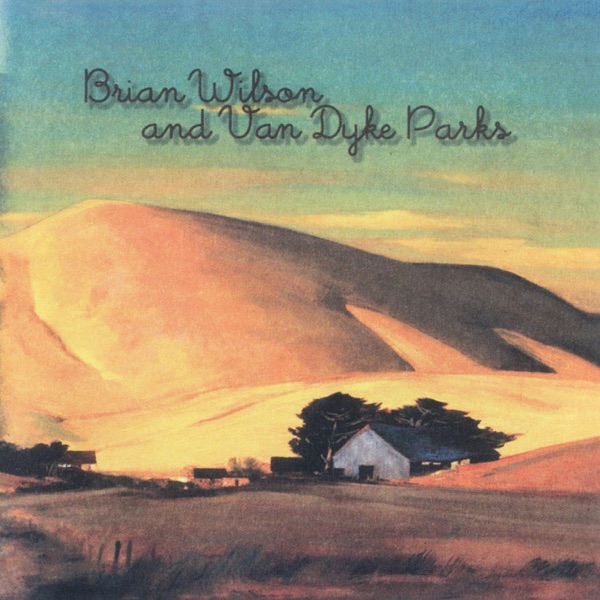
Orange Crate Art
1995 · 12 tracks
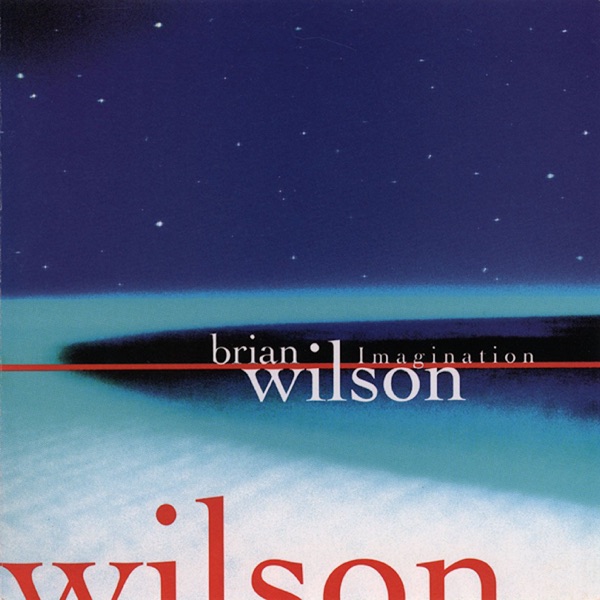
Imagination
1998 · 11 tracks
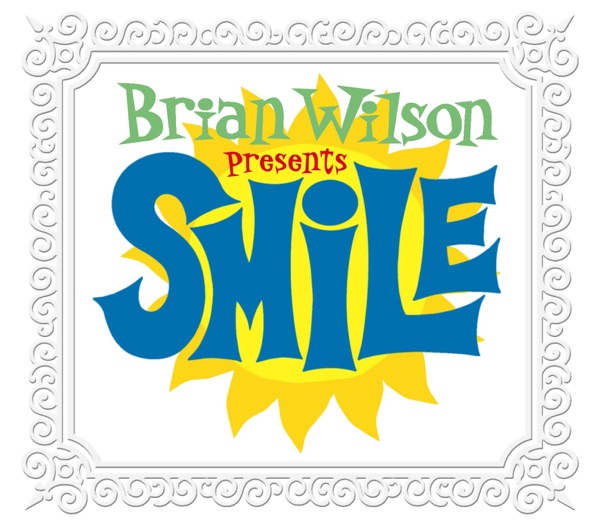
SMiLE
2004 · 18 tracks
- 1 Our Prayer / Gee ↗ 2:09
- 2 Heroes and Villains ↗ 4:53
- 3 Roll Plymouth Rock ↗ 3:48
- 4 Barnyard ↗ 0:58
- 5 Old Master Painter / You Are My Sunshine ↗ 1:04
- 6 Cabin Essence ↗ 3:27
- 7 Wonderful ↗ 2:07
- 8 Song for Children ↗ 2:16
- 9 Child Is Father of the Man ↗ 2:18
- 10 Surf's Up ↗ 4:07
- 11 I'm In Great Shape / I Wanna Be Around / Workshop ↗ 1:56
- 12 Vega-Tables ↗ 2:19
- 13 On a Holiday ↗ 2:36
- 14 Wind Chimes ↗ 2:54
- 15 Mrs. O'Leary's Cow ↗ 2:28
- 16 In Blue Hawaii ↗ 3:00
- 17 Good Vibrations ↗ 4:37
- 18 Heroes and Villains (Instrumental) [Bonus Track] ↗ 4:46
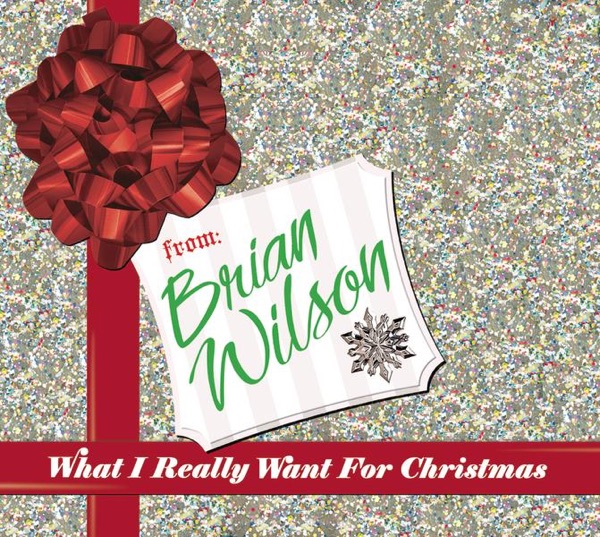
What I Really Want for Christmas
2005 · 15 tracks
- 1 The Man With All The Toys ↗ 2:59
- 2 What I Really Want For Christmas ↗ 3:50
- 3 God Rest Ye Merry Gentlemen ↗ 3:27
- 4 O Holy Night ↗ 4:28
- 5 We Wish You A Merry Christmas ↗ 2:36
- 6 Hark The Herald Angels Sing ↗ 3:34
- 7 It Came Upon A Midnight Clear ↗ 3:08
- 8 The First Noel ↗ 4:47
- 9 Christmasey ↗ 4:08
- 10 Little Saint Nick ↗ 2:11
- 11 Deck The Halls ↗ 2:36
- 12 Auld Lang Syne ↗ 1:29
- 13 On Christmas Day ↗ 3:23
- 14 Joy To The World ↗ 2:06
- 15 Silent Night ↗ 0:49

That Lucky Old Sun
2008 · 19 tracks
- 1 That Lucky Old Sun ↗ 0:57
- 2 Morning Beat ↗ 2:55
- 3 Narrative: Room With A View ↗ 0:45
- 4 Good Kind Of Love ↗ 3:20
- 5 Forever She'll Be My Surfer Girl ↗ 2:52
- 6 Narrative: Venice Beach ↗ 0:45
- 7 Live Let Live/That Lucky Old Sun (Reprise) ↗ 2:35
- 8 Mexican Girl ↗ 2:42
- 9 Narrative: Cinco De Mayo ↗ 0:46
- 10 California Role/That Lucky Old Sun (Reprise) ↗ 2:41
- 11 Narrative: Between Pictures ↗ 0:48
- 12 Oxygen To The Brain ↗ 3:28
- 13 Can't Wait Too Long ↗ 0:54
- 14 Midnight's Another Day ↗ 3:57
- 15 That Lucky Old Sun (Reprise) ↗ 0:43
- 16 Going Home ↗ 3:04
- 17 Southern California/That Lucky Old Sun (Reprise) ↗ 4:55
- 18 Oh Mi Amor ↗ 3:52
- 19 Message Man ↗ 3:55

Brian Wilson Reimagines Gershwin
2010 · 15 tracks
- 1 Rhapsody In Blue (Intro) ↗ 1:07
- 2 The Like In I Love You ↗ 3:19
- 3 Summertime ↗ 3:13
- 4 I Loves You, Porgy ↗ 3:37
- 5 I Got Plenty o' Nuttin' ↗ 2:45
- 6 It Ain't Necessarily So ↗ 3:58
- 7 'S Wonderful ↗ 2:48
- 8 They Can't Take That Away from Me ↗ 2:51
- 9 Love Is Here to Stay ↗ 2:59
- 10 I've Got a Crush On You ↗ 2:41
- 11 I Got Rhythm ↗ 2:42
- 12 Someone to Watch Over Me ↗ 3:04
- 13 Nothing But Love ↗ 3:24
- 14 Rhapsody In Blue (Reprise) ↗ 0:34
- 15 Let's Call the Whole Thing Off ↗ 2:40

In the Key of Disney
2011 · 11 tracks
- 1 You've Got a Friend in Me ↗ 2:41
- 2 The Bare Necessities ↗ 3:14
- 3 Baby Mine ↗ 3:30
- 4 Kiss the Girl ↗ 3:56
- 5 Colors of the Wind ↗ 4:02
- 6 Can You Feel the Love Tonight? ↗ 3:42
- 7 We Belong Together ↗ 3:57
- 8 I Just Can't Wait to Be King ↗ 3:39
- 9 Stay Awake ↗ 2:51
- 10 Heigh-Ho / Whistle While You Work / Yo Ho (A Pirate's Life For Me) [Medley] ↗ 3:30
- 11 When You Wish Upon a Star ↗ 2:43

No Pier Pressure
2015 · 13 tracks
- 1 This Beautiful Day ↗ 1:24
- 2 Runaway Dancer (feat. Sebu) ↗ 3:59
- 3 What Ever Happened (feat. Al Jardine & David Marks) ↗ 2:52
- 4 On the Island (feat. She & Him) ↗ 2:15
- 5 Half Moon Bay (feat. Mark Isham) ↗ 3:22
- 6 Our Special Love (feat. Peter Hollens) ↗ 3:44
- 7 The Right Time (feat. Al Jardine & David Marks) ↗ 2:54
- 8 Guess You Had To Be There (feat. Kacey Musgraves) ↗ 3:24
- 9 Tell Me Why (feat. Al Jardine) ↗ 3:40
- 10 Sail Away (feat. Blondie Chaplin & Al Jardine) ↗ 3:43
- 11 One Kind of Love ↗ 3:34
- 12 Saturday Night (feat. Nate Ruess) ↗ 3:31
- 13 The Last Song ↗ 4:37

At My Piano
2021 · 15 tracks
- 1 God Only Knows ↗ 3:49
- 2 In My Room ↗ 3:07
- 3 Don't Worry Baby ↗ 3:39
- 4 California Girls ↗ 3:16
- 5 The Warmth of the Sun ↗ 3:27
- 6 Wouldn't It Be Nice ↗ 2:57
- 7 You Still Believe in Me ↗ 2:33
- 8 I Just Wasn’t Made for These Times ↗ 3:49
- 9 Sketches of Smile ↗ 3:39
- 10 Surfs Up ↗ 4:06
- 11 Friends ↗ 3:19
- 12 Till I Die ↗ 2:14
- 13 Love and Mercy ↗ 2:43
- 14 Mt Vernon Farewell ↗ 1:15
- 15 Good Vibrations ↗ 4:16
-
 Brian WilsonBrian Wilson198825 tracks
 -
 I Just Wasn’t Made for These TimesBrian Wilson199511 tracks
 -
 Orange Crate ArtBrian Wilson199512 tracks
 -
 ImaginationBrian Wilson199811 tracks
 -
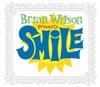 SMiLEBrian Wilson200418 tracks
 -
 What I Really Want for ChristmasBrian Wilson200515 tracks
 -
 That Lucky Old SunBrian Wilson200819 tracks
 -
 Brian Wilson Reimagines GershwinBrian Wilson201015 tracks
 -
 In the Key of DisneyBrian Wilson201111 tracks
 -
 No Pier PressureBrian Wilson201513 tracks
 -
 At My PianoBrian Wilson202115 tracks
Deep Dive
Overview
Brian Douglas Wilson (1942–2025) was an American musician, singer, songwriter, and record producer whose influence on rock and pop music extended far beyond his role as co-founder of the Beach Boys. Regarded as one of the most innovative and significant musical figures of his era, Wilson distinguished himself through complex harmonies, sophisticated orchestrations, and pioneering vocal arrangements that reshaped what pop and rock music could sound like. His career spanned more than seven decades and included both his foundational work with one of rock’s most important bands and a sustained solo career that began in earnest in the late 1980s, introducing new generations to his compositional vision and artistic ambition.
Formation Story
Brian Wilson grew up in the Los Angeles metropolitan area, the son of a musician who exposed him early to the possibilities of sophisticated pop songwriting and arrangement. The musical environment of Southern California in the 1950s—shaped by the region’s car culture, beach lifestyle, and proximity to the recording studios of Hollywood—provided the context in which Wilson’s sensibilities developed. His ear for harmony and his gift for arrangement emerged from deep listening to the vocal groups and orchestral pop records that circulated in that era, influences he would synthesize into something entirely his own. By the early 1960s, Wilson had co-founded the Beach Boys with his brothers and cousins, a group that would come to define the California sound and establish him as one of rock music’s primary architects.
Breakthrough Moment
While Wilson’s creative peak and greatest commercial success came during the Beach Boys’ mid-1960s era, his solo career as a recorded artist began in 1988 with the self-titled album Brian Wilson. Released on Sire Records, this project marked a return to recording under his own name and signaled a new chapter in his artistic life. The 1988 album and its successors demonstrated that Wilson’s compositional voice and arrangement skills remained potent, offering fans and listeners a direct window into his singular artistic perspective outside the Beach Boys’ collective dynamic. This solo work also provided an outlet for the diverse musical interests—from orchestral pop to experimental forms—that had animated his songwriting throughout his career.
Peak Era
Brian Wilson’s personal solo output from 1988 onward revealed the scope of his ambitions beyond the Beach Boys framework. Throughout the 1990s and 2000s, he released a series of albums exploring different musical territories: Sweet Insanity (1991) continued his return to recording, while I Just Wasn’t Made for These Times (1995) and Orange Crate Art (1995)—the latter a collaboration with Van Dyke Parks, his longtime artistic partner—demonstrated his sustained commitment to sophisticated pop and orchestral arrangement. The 2004 release of SMiLE, a long-awaited solo recasting of the legendary unfinished Beach Boys project of the same name, represented a major artistic event in Wilson’s career, offering listeners the completed vision of one of rock music’s most ambitious and mysterious works. Concurrent with SMiLE, the album Gettin’ In Over My Head (2004) showcased Wilson working with contemporary producers and collaborators, proving his relevance to modern production sensibilities.
Musical Style
Brian Wilson’s musical signature rested on several interlocking elements that evolved across his career but remained recognizable throughout. His use of complex vocal harmonies—often featuring his own versatile head voice and falsetto—created lush, multi-layered textures that distinguished his work from conventional pop and rock production. He employed orchestral instruments, particularly strings, horns, and keyboards, not as mere decoration but as essential components of melodic and harmonic storytelling. His songwriting balanced introspective, often intricate lyrics with melodies that could lodge themselves in listeners’ minds, a quality that made his work both artistically ambitious and commercially resonant. In his solo work, these tendencies deepened: albums like That Lucky Old Sun (2008) displayed his continued fascination with orchestration and thematic development, while instrumental works and reinterpretations of American standards—such as Brian Wilson Reimagines Gershwin (2010) and In the Key of Disney (2011)—confirmed that his core interest lay in melody, harmony, and the possibilities of arrangement across multiple idioms.
Major Albums
Brian Wilson (1988)
His debut solo album proper, establishing the blueprint for his post-Beach Boys recording career and featuring his distinctive vocal approach and arrangement sensibilities applied to new material.
I Just Wasn’t Made for These Times (1995)
A landmark solo work that showcased Wilson’s enduring gift for melody and arrangement, solidifying his emergence as a significant artist in his own right beyond the Beach Boys legacy.
Orange Crate Art (1995)
A collaboration with arranger and composer Van Dyke Parks, demonstrating Wilson’s deep engagement with American pop and orchestral traditions through instrumental and vocal pieces that celebrated early-twentieth-century songwriting.
SMiLE (2004)
A completed solo realization of the legendary unfinished Beach Boys project, representing both a historical document and a personal artistic statement that allowed Wilson to realize decades-old musical ambitions.
That Lucky Old Sun (2008)
A thematic album that displayed Wilson’s continued sophistication in orchestration and concept-album construction, confirming his place as an elder statesman of American pop composition.
Brian Wilson Reimagines Gershwin (2010)
A testament to Wilson’s abiding interest in American songwriting standards, offering reinterpretations of George Gershwin compositions that revealed how his harmonic and orchestral sensibilities could refresh classic material.
Signature Songs
- “Good Vibrations” — Co-written and arranged by Wilson, this Beach Boys track epitomizes his ability to blend complex studio techniques with infectious pop melody.
- “Wouldn’t It Be Nice” — A showcase for Wilson’s talent for heartfelt vocal arrangement and sophisticated harmonic layering within accessible pop form.
- “God Only Knows” — Among the most celebrated examples of his orchestral pop vision, combining lush arrangement with emotional directness.
- “In My Room” — A more intimate example of his songwriting that demonstrates his range from grand orchestrations to scaled, introspective pieces.
Influence on Rock
Brian Wilson’s influence on rock and pop music proved foundational and lasting. His demonstration that pop music could accommodate complex studio techniques, sophisticated harmonic structures, and orchestral arrangements without sacrificing accessibility opened doors for generations of musicians and producers. Artists across rock, pop, and electronic music have drawn inspiration from his work, whether directly through the Beach Boys’ catalog or through the broader example he set of what ambitious pop songwriting and production could achieve. His use of the studio as an instrument itself, his fearlessness in experimenting with unconventional song structures and instrumental combinations, and his commitment to vocal harmony as a primary compositional tool influenced everyone from progressive rock musicians to contemporary pop producers. The very notion that rock and pop could be intellectually rigorous, formally experimental, and commercially viable traces through Wilson’s career and legacy.
Legacy
Brian Wilson’s death in 2025 marked the end of a career that spanned more than six decades and reshaped American popular music. His solo work from 1988 onward ensured that new listeners could encounter his artistic vision independent of the Beach Boys’ collective output, while his reinterpretations of American standards and completion of SMiLE demonstrated that his creative restlessness never diminished. His albums remain in print and widely available on streaming platforms, reaching audiences who may approach his work through either the Beach Boys catalog or his solo recordings. Music historians and critics continue to recognize him as one of the twentieth century’s primary innovators in pop and rock music, a figure whose harmonic sophistication, orchestral vision, and understanding of the studio’s creative possibilities fundamentally altered the trajectory of rock and pop music.
Fun Facts
- Brian Wilson’s collaboration with Van Dyke Parks on Orange Crate Art (1995) represented a reunion of two artists who had worked together on the Beach Boys’ ambitious projects decades earlier.
- SMiLE, completed and released in 2004, incorporated musical ideas and arrangements that Wilson had developed in the 1960s, making it both a historical artifact and a contemporary artistic statement.
- Wilson’s 2010 album Brian Wilson Reimagines Gershwin demonstrated his lifelong engagement with American songwriting standards and his ability to bring his distinctive harmonic and orchestral sensibilities to classical popular music.
- His solo discography included instrumental albums and soundtrack work, such as In the Key of Disney (2011), revealing the breadth of his musical interests beyond traditional rock and pop song forms.