
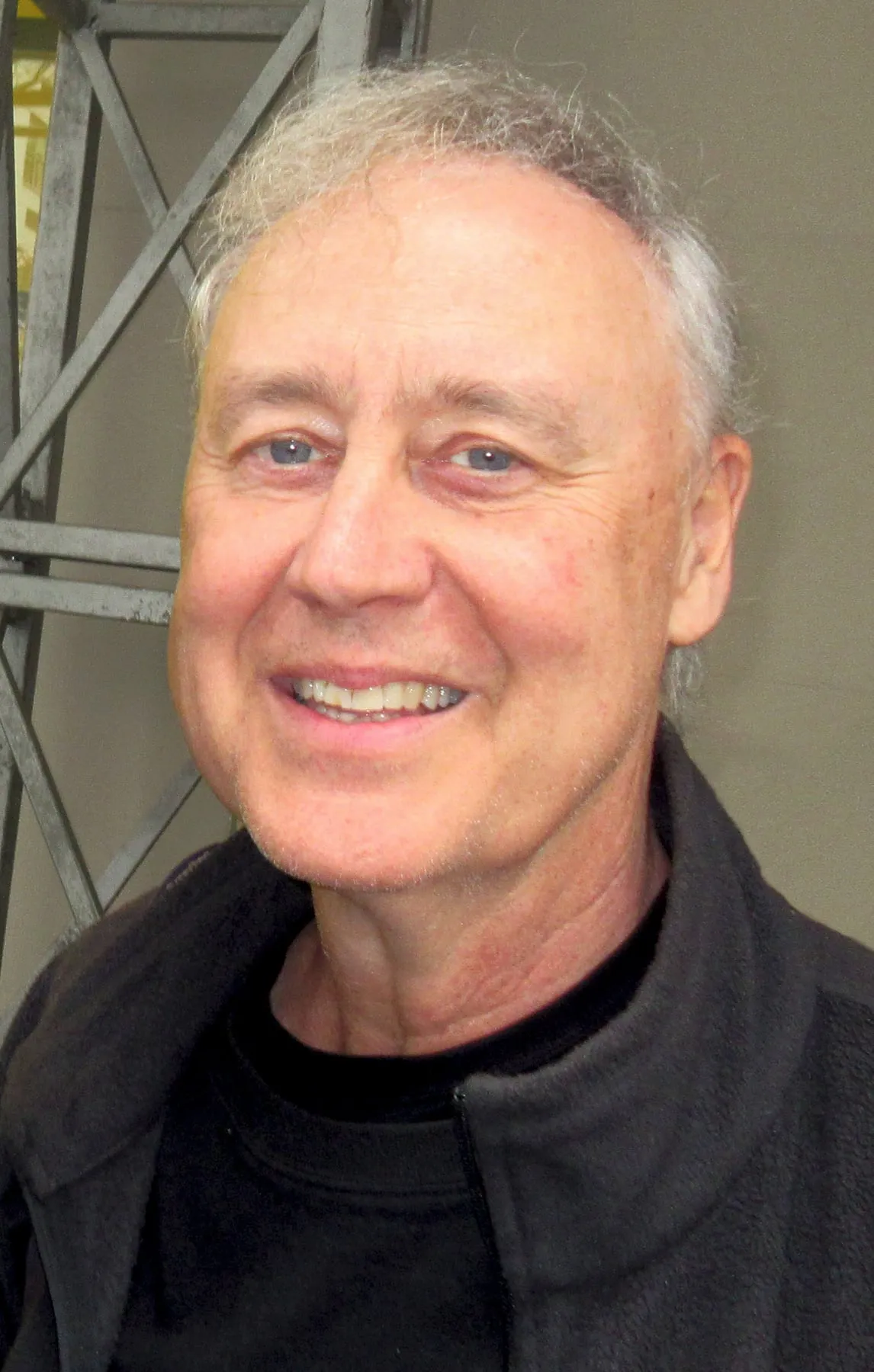
Photo by Greg2600 , licensed under CC BY-SA 2.0 · Wikimedia Commons
Rank #362
Bruce Hornsby
From Wikipedia
Bruce Randall Hornsby is an American singer-songwriter and pianist. His music draws from a wide range of traditions — folk, jazz, modern classical, bluegrass, rock, and jam band styles.
Discography & Previews
Browse through and click an album to open and play 30-second previews streamed from Apple Music.


Spirit Trail
1998 · 20 tracks
- 1 King of the Hill ↗ 6:19
- 1 Line In the Dust ↗ 4:43
- 2 Resting Place ↗ 4:46
- 2 See the Same Way ↗ 5:37
- 3 Preacher In the Ring, Pt. 1 ↗ 5:02
- 3 Shadow Hand ↗ 4:17
- 4 Preacher In the Ring, Pt. 2 ↗ 4:47
- 4 Sunlight Moon ↗ 4:20
- 5 Song C (Instrumental) ↗ 2:48
- 5 Listen to the Silence ↗ 4:35
- 6 Sad Moon ↗ 6:33
- 6 Funhouse ↗ 4:23
- 7 Pete & Manny ↗ 3:15
- 7 Sunflower Cat (Same Dour Cat) [Down With That] ↗ 3:55
- 8 Fortunate Son ↗ 4:16
- 8 Song D ↗ 2:03
- 9 Sneaking Up On Boo Radley ↗ 5:15
- 9 Swan Song ↗ 4:57
- 10 Great Divide ↗ 5:02
- 10 Variations On Swan Song & Song D (Instrumental) ↗ 3:53

Big Swing Face
2002 · 11 tracks
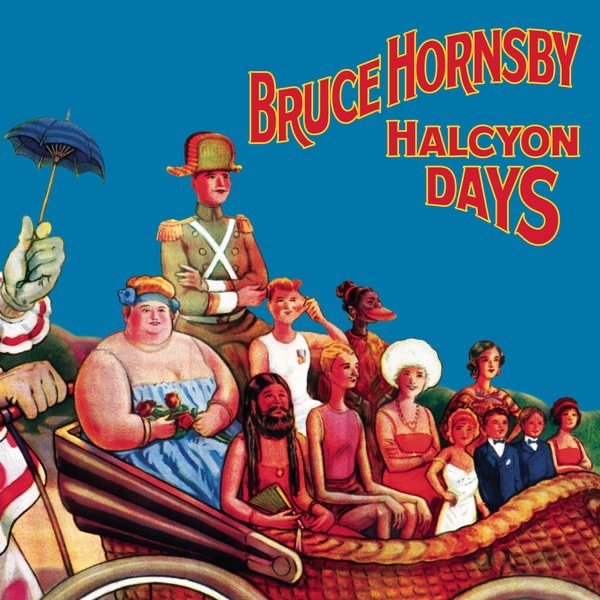
Halcyon Days
2004 · 14 tracks
- 1 Gonna Be Some Changes Made ↗ 5:18
- 1 Gonna Be Some Changes Made (Live Bonus Track) ↗ 4:16
- 2 Candy Mountain Run ↗ 5:14
- 2 Play It All Night Long (Live Bonus Track) ↗ 2:32
- 3 Dreamland ↗ 5:04
- 3 Darling Be Home Soon (Live Bonus Track) ↗ 3:05
- 4 Circus On the Moon ↗ 6:31
- 5 Halcyon Days ↗ 5:56
- 6 What the Hell Happened ↗ 4:20
- 7 Hooray for Tom ↗ 3:54
- 8 Heir Gordon ↗ 4:22
- 9 Mirror On the Wall ↗ 5:39
- 10 Song F ↗ 4:13
- 11 Lost In the Snow ↗ 5:08
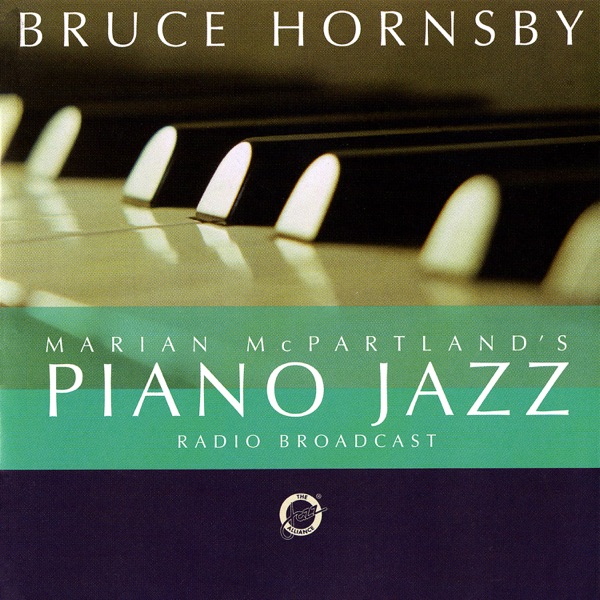
Marian McPartland's Piano Jazz
2005 · 17 tracks
- 1 Conversation 1 ↗ 2:42
- 2 King Of The Hill / Twelve Tone Tune ↗ 5:02
- 3 Conversation 2 ↗ 4:28
- 4 Sneaking Up On Boo Radley ↗ 3:44
- 5 Conversation 3 ↗ 2:36
- 6 Parisian Thoroughfare ↗ 2:54
- 7 Conversation 4 ↗ 2:33
- 8 Close Your Eyes ↗ 3:06
- 9 Conversation 5 ↗ 1:25
- 10 Solar ↗ 4:27
- 11 Conversation 6 ↗ 3:46
- 12 We'll Be Together Again ↗ 2:11
- 13 Conversation 7 ↗ 5:37
- 14 The Way It Is ↗ 3:42
- 15 Conversation 8 ↗ 2:10
- 16 Blue Monk ↗ 3:05
- 17 Conversation 9 ↗ 0:07
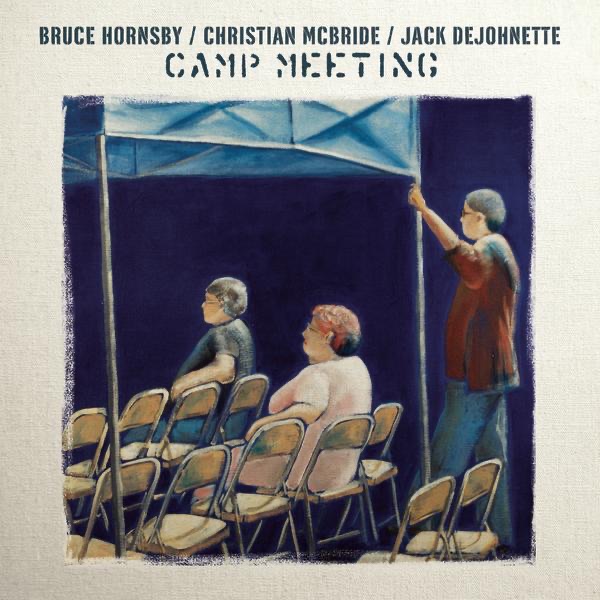
Camp Meeting
2007 · 11 tracks
- 1 Questions and Answers ↗ 4:53
- 2 Charlie, Woody and You / Study #22 ↗ 5:59
- 3 Solar ↗ 7:04
- 4 Death and the Flower ↗ 5:44
- 5 Camp Meeting ↗ 5:43
- 6 Giant Steps ↗ 6:03
- 7 Celia ↗ 7:51
- 8 We'll Be Together Again ↗ 5:38
- 9 Stacked Mary Possum ↗ 4:34
- 10 Straight, No Chaser ↗ 3:00
- 11 Un Poco Loco / Chant Song ↗ 7:56

Ricky Skaggs & Bruce Hornsby
2007 · 11 tracks

Absolute Zero
2019 · 10 tracks
- 1 Absolute Zero (feat. Jack DeJohnette) ↗ 3:11
- 2 Fractals ↗ 2:33
- 3 Cast-Off (feat. Justin Vernon) ↗ 5:17
- 4 Meds (feat. Justin Vernon, Blake Mills & Rob Moose) ↗ 6:35
- 5 Never in This House (feat. yMusic) ↗ 3:34
- 6 Voyager One (feat. yMusic) ↗ 3:39
- 7 Echolocation ↗ 4:20
- 8 The Blinding Light of Dreams (feat. yMusic) ↗ 4:15
- 9 White Noise ↗ 3:27
- 10 Take You There (Misty) [feat. yMusic] ↗ 5:11

Non-Secure Connection
2020 · 10 tracks
- 1 Cleopatra Drones ↗ 3:54
- 2 Time, The Thief ↗ 3:10
- 3 Non-Secure Connection ↗ 4:33
- 4 The Rat King (feat. Rob Moose) ↗ 2:32
- 5 My Resolve ↗ 5:26
- 6 Bright Star Cast (feat. Jamila Woods & Vernon Reid) ↗ 3:16
- 7 Shit's Crazy out Here ↗ 5:14
- 8 Anything Can Happen (feat. Leon Russell) ↗ 3:44
- 9 Porn Hour ↗ 4:39
- 10 No Limits ↗ 3:34
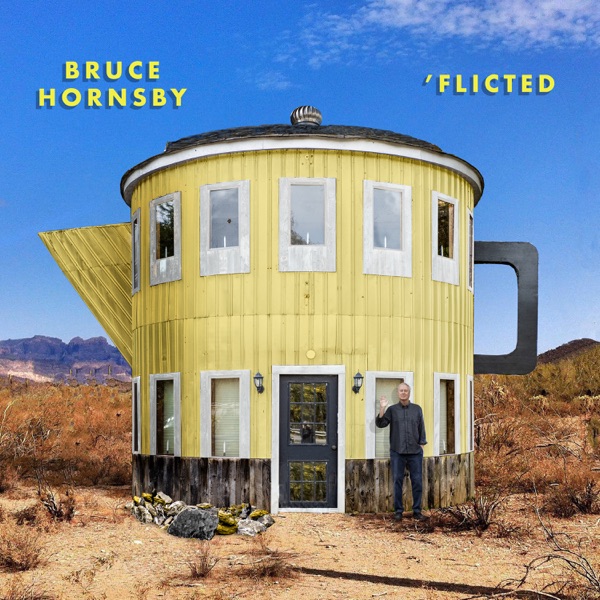
'Flicted
2022 · 12 tracks
- 1 Sidelines (feat. Blake Mills) ↗ 3:33
- 2 Tag ↗ 4:32
- 3 The Hound ↗ 3:31
- 4 Too Much Monkey Business ↗ 3:55
- 5 Maybe Now ↗ 2:49
- 6 Bucket List ↗ 3:36
- 7 Days Ahead (feat. Danielle Haim) ↗ 4:58
- 8 Lidar ↗ 4:20
- 9 Is This It (feat. yMusic & BrhyM) ↗ 4:37
- 10 Had Enough (feat. yMusic & BrhyM) ↗ 4:30
- 11 Simple Prayer II (feat. Z Berg, Ethan Gruska & Rob Moose) ↗ 2:51
- 12 Point Omega ↗ 3:01

Indigo Park
2026 · 10 tracks
- 1 Indigo Park ↗ 4:58
- 2 Memory Palace (feat. Ezra Koenig) ↗ 2:52
- 3 Entropy Here (Rust in Peace) ↗ 3:32
- 4 Silhouette Shadows ↗ 5:43
- 5 Ecstatic (feat. Bonnie Raitt) ↗ 2:52
- 6 Alabama ↗ 3:46
- 7 North Dakota Slate Roof ↗ 4:39
- 8 Sliver of Time ↗ 3:54
- 9 Might As Well Be Me, Florinda (feat. Blake Mills) ↗ 7:13
- 10 Take A Light Strain ↗ 3:53
-
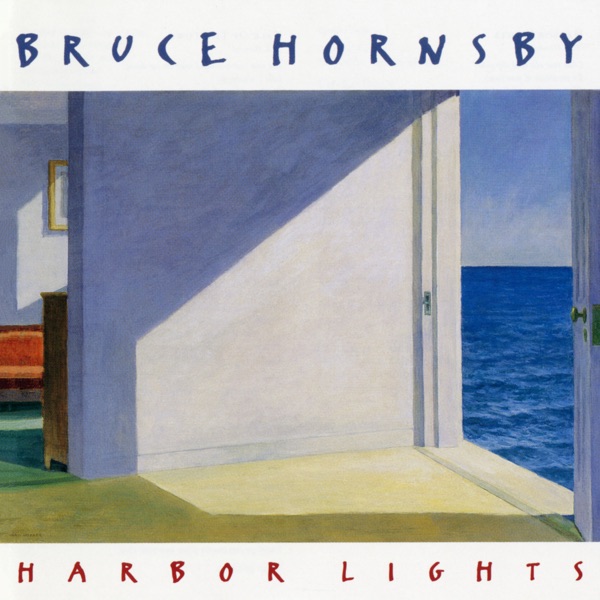
 Harbor LightsBruce Hornsby199310 tracks
 -
 Hot HouseBruce Hornsby199511 tracks
 -
 Spirit TrailBruce Hornsby199820 tracks
 -
 Big Swing FaceBruce Hornsby200211 tracks
 -
 Halcyon DaysBruce Hornsby200414 tracks
 -
 Marian McPartland's Piano JazzBruce Hornsby200517 tracks
 -
 Camp MeetingBruce Hornsby200711 tracks
 -
 Ricky Skaggs & Bruce HornsbyBruce Hornsby200711 tracks
 -
 Absolute ZeroBruce Hornsby201910 tracks
 -
 Non-Secure ConnectionBruce Hornsby202010 tracks
 -
 'FlictedBruce Hornsby202212 tracks
 -
 Indigo ParkBruce Hornsby202610 tracks
Deep Dive
Overview
Bruce Hornsby is an American singer-songwriter and pianist whose career has been defined by stylistic restlessness and technical virtuosity across multiple musical traditions. Born in 1954, Hornsby emerged as a distinctive voice in rock and roots music, drawing equally from folk, jazz, modern classical, bluegrass, and jam-band idioms. His dual identity as both a technically accomplished pianist and a thoughtful lyricist has allowed him to move fluidly between genres, treating rock music not as a fixed destination but as a dialogue with American roots traditions.
Formation Story
Bruce Randall Hornsby was born in 1954 into a musical household in the United States. His early exposure to a broad spectrum of musical styles — folk traditions, classical piano, jazz harmony, and country music — would shape his approach to composition and performance throughout his career. Rather than committing to a single genre or scene, Hornsby developed as a musician by absorbing influences from multiple wells, learning to hear rock music through the lens of improvisation, harmonic complexity, and acoustic instrumental dialogue. This foundation would make him a natural collaborator and a restless innovator, always seeking new contexts in which to apply his pianistic gifts.
Breakthrough Moment
Hornsby’s recording career began in earnest in the 1990s, a period in which he was able to establish himself on his own terms through recording relationships with major labels. The 1993 release of Harbor Lights marked his formal entry into the catalog as a solo artist with his own vision. The album helped establish Hornsby’s signature approach: piano-driven arrangements that acknowledged rock traditions while remaining open to jazz harmonies, folk storytelling, and instrumental sophistication. Throughout the 1990s, he continued to develop this voice across recordings including Hot House (1995) and Spirit Trail (1998), each project deepening his exploration of the spaces where rock, jazz, and American roots music intersected.
Peak Era
The early 2000s saw Hornsby reach a creative peak with the release of Big Swing Face (2002) and Halcyon Days (2004), albums that showcased his ability to synthesize his eclectic influences into cohesive artistic statements. During this period, Hornsby was also expanding his musical world through collaborative ventures, including a notable partnership with bluegrass legend Ricky Skaggs that resulted in Ricky Skaggs & Bruce Hornsby (2007). These projects underscored Hornsby’s conviction that the boundaries between rock, country, jazz, and classical music were permeable and that genuine artistry resided in the willingness to move across them. His appearance on Marian McPartland’s Piano Jazz (2005) further cemented his standing as a pianist of serious ambition and range, able to hold his own in conversation with jazz tradition.
Musical Style
Hornsby’s sound is anchored by the piano, which he uses not merely as an accompaniment instrument but as the primary voice in his arrangements. His playing draws from jazz vocabulary — chromatic passing tones, reharmonization, blues inflections — while remaining rooted in the song-based structures of rock and folk music. His compositions tend toward intricate chord progressions and frequent harmonic surprises, a feature that reflects both his classical training and his immersion in jazz standards. Vocally, Hornsby sings with straightforward clarity, allowing the lyrics and melody to carry the emotional weight while the instrumental arrangements provide textural and harmonic depth. Across his discography, he has demonstrated fluency with bluegrass instrumentation, ensemble jazz, and modern classical forms, suggesting a musician for whom genre is less a destination than a vocabulary to be mastered and reimagined.
Major Albums
Harbor Lights (1993)
Hornsby’s debut proper as a solo artist, Harbor Lights established the template for his approach: piano-centric arrangements that honor rock sensibilities while welcoming jazz and folk influences.
Hot House (1995)
This follow-up deepened his exploration of jazz-inflected songwriting and demonstrated his growing comfort working across multiple stylistic registers on a single record.
Spirit Trail (1998)
Spirit Trail showcased Hornsby’s interest in blending folk and roots-music traditions with his jazz-trained instrumental sophistication, further establishing his niche as a crossover artist.
Big Swing Face (2002)
By this album, Hornsby had refined his ability to balance compositional ambition with accessibility, creating work that appealed to both jazz and rock audiences.
Camp Meeting (2007)
This project marked a deliberate turn toward bluegrass and acoustic traditions, demonstrating Hornsby’s commitment to exploring American roots music alongside his jazz and rock pursuits.
Signature Songs
- From Harbor Lights and beyond — Hornsby’s compositions showcase his gift for melody set against unexpected harmonic backdrops, making individual songs showcase moments of both emotional directness and instrumental sophistication.
Influence on Rock
Bruce Hornsby’s career demonstrates an alternative model for the role of the pianist in rock and roots music. Rather than positioning the piano as secondary to guitar-driven arrangements, Hornsby reasserted it as a primary compositional and textural voice, opening pathways for subsequent singer-songwriters and instrumentalists to integrate jazz, classical, and folk traditions into rock contexts without apology or pastiche. His willingness to record with bluegrass musicians and jazz artists broadened the conceptual boundaries of what a rock musician could be, arguing implicitly that genre mastery and cross-genre fluency were not contradictory but complementary.
Legacy
Hornsby has maintained an active recording presence into the 2020s, releasing Absolute Zero (2019), Non-Secure Connection (2020), and ‘Flicted (2022), with Indigo Park forthcoming in 2026. This sustained output testifies to his ongoing relevance and his refusal to rest on past achievements or generic formulas. His influence persists among musicians and listeners who value technical sophistication, harmonic complexity, and genre fluidity in rock and roots music. The breadth of his catalog — spanning collaborative albums with bluegrass artists, appearances on jazz piano recordings, and solo work that draws from multiple traditions — has established him as a model of artistic independence and eclecticism.
Fun Facts
- Hornsby has recorded for both RCA Records and Columbia Records, demonstrating his continued marketability across major label relationships over decades.
- His appearance on Marian McPartland’s Piano Jazz connected him directly to one of jazz’s most respected elder-statespeople and piano tradition-keepers.
- His partnerships with artists from disparate genres, including the bluegrass musician Ricky Skaggs, underscore his reputation as a musician willing to apprentice himself to multiple traditions.