

Photo by Masao Nakagami , licensed under CC BY-SA 2.0 · Wikimedia Commons
Rank #286
Stephen Malkmus
From Wikipedia
Stephen Joseph Malkmus is an American musician best known as the primary songwriter, lead singer and guitarist of the indie rock band Pavement. Beginning as a duo, Pavement subsequently grew to a quintet. The band released five studio albums before breaking up in 1999.
Discography & Previews
Browse through and click an album to open and play 30-second previews streamed from Apple Music.



-
 Stephen MalkmusStephen Malkmus200112 tracks
 -
 Face the TruthStephen Malkmus200511 tracks
 -
 Can’s Ege BamyasiStephen Malkmus20136 tracks
 -
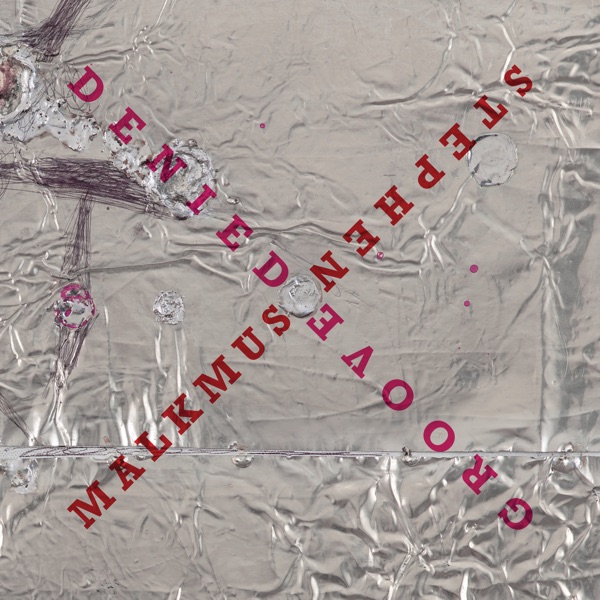
 Groove DeniedStephen Malkmus201910 tracks
 -
 Traditional TechniquesStephen Malkmus202010 tracks
Deep Dive
Overview
Stephen Malkmus stands as one of indie rock’s most distinctive voices and prolific songwriters. Born in 1966, he first gained widespread recognition as the primary songwriter, lead singer, and guitarist of Pavement, the influential indie rock band that defined alternative rock aesthetics in the 1990s. Beyond his work with Pavement, Malkmus has maintained an active solo career spanning multiple decades, releasing five studio albums that showcase his evolution as a solo artist while retaining the idiosyncratic songwriting sensibility that made his band work enduring.
Formation Story
Stephen Malkmus emerged from the American indie rock scene in the mid-1980s, coming of age during a period when underground rock and college radio were reshaping popular music. His early musical development coincided with the rise of lo-fi aesthetics and post-punk experimentation, influences that would shape his approach to songwriting and arrangement. Before his work with Pavement—which began as a duo and subsequently grew to a quintet—Malkmus was absorbing and synthesizing the fractured, boundary-pushing rock of the preceding decade, establishing the foundation for both his band’s later success and his parallel solo practice.
Breakthrough Moment
Malkmus first achieved broader recognition through Pavement’s early 1990s releases, which positioned him as a leading figure in indie rock’s mainstream breakthrough. However, his solo career officially began in 2001 with the release of his self-titled debut album on Matador Records. This first solo outing represented a significant moment in his artistic trajectory, arriving two years after Pavement’s 1999 dissolution. The album allowed Malkmus to explore material and approaches that existed alongside his band work, establishing him as a solo artist with his own distinct catalog and creative voice separate from—though informed by—his better-known collaborative work.
Peak Era
The period from 2001 through 2013 marked Malkmus’s most prolific solo era, with the release of four studio albums in that span. Stephen Malkmus (2001), Face the Truth (2005), and Can’s Ege Bamyasi (2013) demonstrated his continued ability to write compelling material and navigate shifts in indie rock’s landscape. The release of Can’s Ege Bamyasi in 2013 proved particularly significant, arriving twelve years after his previous album and reaffirming his presence in a musical landscape that had evolved substantially since his band’s heyday. His work during this era was released across two influential independent labels, Matador Records and Drag City, both central to indie rock’s institutional infrastructure.
Musical Style
Malkmus’s solo work maintains the angular, intricate songwriting that defined Pavement while allowing for more expansive instrumental exploration and production experimentation. His approach is rooted in indie rock’s core sensibility—emphasis on craft, willingness to embrace unconventional song structures, and a lyrical style that prizes obliqueness and emotional restraint over direct expression. As a guitarist and vocalist, Malkmus favors intricate melodic lines layered over rhythmically complex arrangements, drawing from both post-punk precision and alternative rock’s embrace of texture and noise. His solo albums have incorporated elements from his wider musical interests while maintaining the distinctly unconventional approach that has long characterized his work, whether within or outside of a band context.
Major Albums
Stephen Malkmus (2001)
Malkmus’s self-titled debut established him as a viable solo artist, arriving in the immediate aftermath of Pavement’s breakup and introducing listeners to material developed independently of his band work.
Face the Truth (2005)
Released four years later, this album furthered his solo exploration and demonstrated his continued relevance within indie rock’s evolving landscape.
Can’s Ege Bamyasi (2013)
An ambitious undertaking that showed Malkmus’s willingness to engage with different musical territories while maintaining his fundamental approach to songwriting and arrangement.
Groove Denied (2019)
This album, released six years after his previous solo effort, reasserted Malkmus’s presence in contemporary indie rock and marked a return to consistent solo output.
Traditional Techniques (2020)
Following Groove Denied by a single year, this release further demonstrated Malkmus’s sustained creative engagement and commitment to solo artistry.
Signature Songs
- “Cut the Cake” — A track exemplifying Malkmus’s ability to craft distinctly structured indie rock songs with intricate melodic content.
- “Discretion Grove” — Demonstrates his lyrical approach and the interplay between vocal melody and rhythmic guitar work.
- “Rushing the Acid Frat” — Showcases the post-punk influenced arrangements characteristic of his solo work.
- “No More Shoes” — Exemplifies his songwriting’s blend of accessibility and formal experimentation.
Influence on Rock
Stephen Malkmus’s influence on rock music flows primarily through his foundational work with Pavement, which fundamentally shaped 1990s indie rock and demonstrated that commercially successful rock music could embrace formal innovation, lyrical obliqueness, and aesthetic anti-polish. His solo career has extended this influence into the 2000s and 2010s, proving that indie rock’s core principles—emphasis on songwriting craft, skepticism toward mainstream orthodoxy, and artistic independence—remained viable long after the movement’s initial wave of popularity. Artists working in indie rock, alternative rock, and experimental rock have drawn from the template Malkmus helped establish, both through his band work and through his sustained solo practice demonstrating that artistic longevity within independent frameworks was possible and creatively rewarding.
Legacy
Stephen Malkmus remains a significant figure in rock music history, equally recognized for his pivotal role in Pavement and for his parallel solo career that has now spanned more than two decades. His influence extends beyond specific songs or albums to encompass a broader approach to rock music-making that prioritizes idiosyncratic vision, technical sophistication, and resistance to formulaic songwriting. Malkmus has maintained active engagement with rock music through both his recorded output and his presence in the independent music ecosystem, working with respected labels and contributing to the continuation of indie rock traditions. His sustained career—operating across multiple decades and through significant shifts in how music is distributed and consumed—has established him as a figure whose work will likely continue to be reassessed and valued as indie rock history is written and rewritten.
Fun Facts
- Stephen Malkmus was born in 1966, the same year rock music was experiencing its psychedelic revolution, positioning him within a generational cohort that would later redefine rock’s alternative currents.
- His official website, stephenmalkmus.com, has served as a direct connection between the artist and his audience, reflecting indie rock’s historical embrace of artist-controlled distribution and communication channels.
- Malkmus has recorded for two of independent rock’s most respected and influential labels—Matador Records and Drag City—both central institutions in sustaining indie rock ecosystems across multiple decades.