
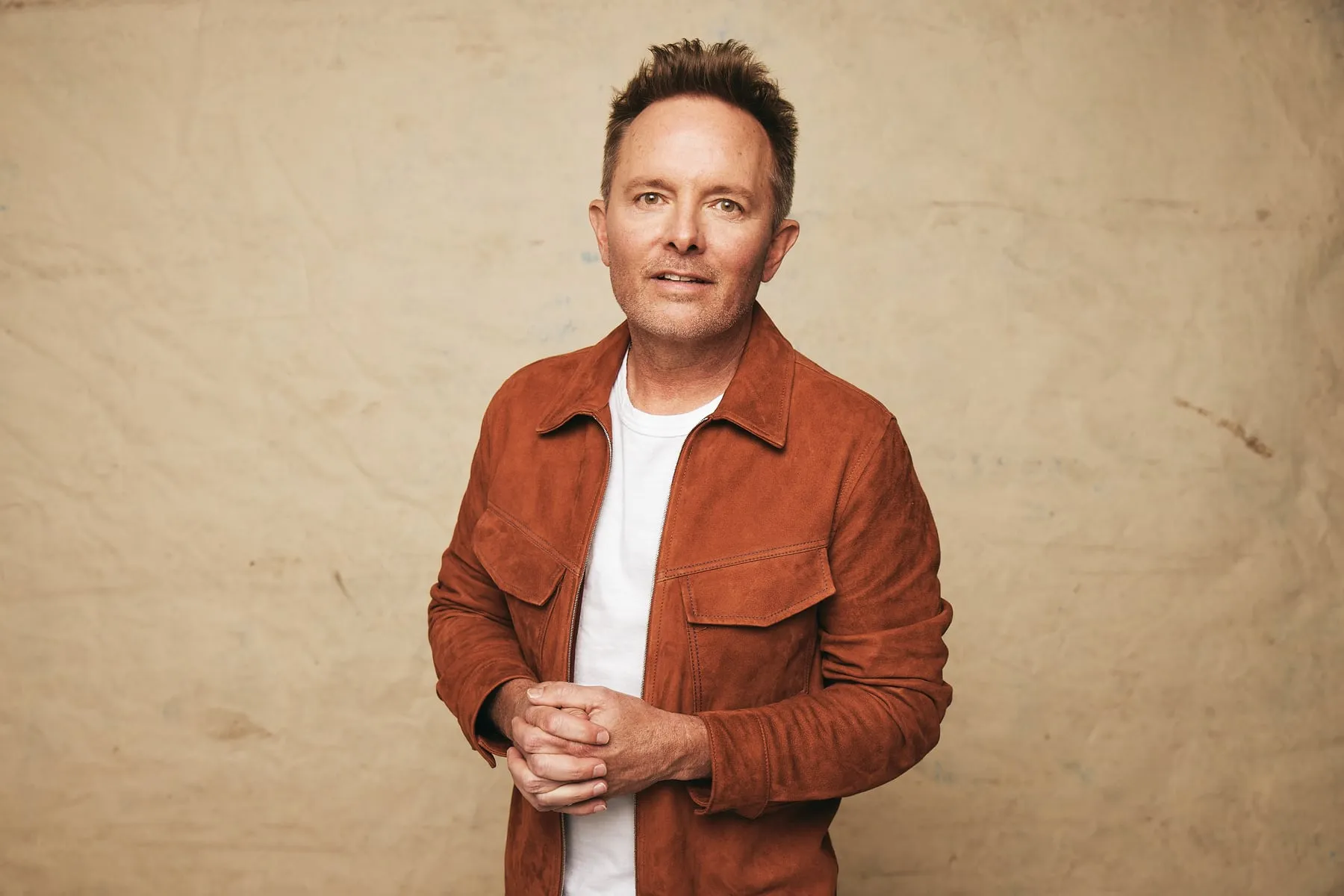
Photo by Charliehooks , licensed under CC BY-SA 4.0 · Wikimedia Commons
Rank #343
Chris Tomlin
From Wikipedia
Christopher Dwayne Tomlin is an American contemporary Christian music singer, songwriter, and worship leader from Grand Saline, Texas. He is signed to Universal's Capitol Christian Music Group. Some of his most well-known songs are "How Great Is Our God", "Our God", "Whom Shall I Fear " and "Holy Forever".
Discography & Previews
Browse through and click an album to open and play 30-second previews streamed from Apple Music.

The Noise We Make
2001 · 12 tracks


Arriving
2004 · 11 tracks
- 1 Indescribable ↗ 3:58
- 2 Holy Is the Lord ↗ 4:12
- 3 How Great Is Our God ↗ 4:27
- 4 Your Grace Is Enough ↗ 4:09
- 5 Unfailing Love ↗ 4:00
- 6 The Way I Was Made ↗ 3:34
- 7 Mighty Is the Power of the Cross ↗ 6:05
- 8 All Bow Down ↗ 4:07
- 9 On Our Side ↗ 3:37
- 10 King of Glory ↗ 3:08
- 11 You Do All Things Well ↗ 4:44

See the Morning
2006 · 11 tracks
- 1 How Can I Keep From Singing ↗ 4:16
- 2 Made To Worship ↗ 4:19
- 3 Let God Arise ↗ 3:47
- 4 Everlasting God ↗ 4:22
- 5 Glory In the Highest ↗ 4:12
- 6 Awesome Is the Lord Most High ↗ 3:43
- 7 Glorious ↗ 4:02
- 8 Uncreated One ↗ 4:48
- 9 Rejoice ↗ 3:40
- 10 Let Your Mercy Rain ↗ 4:43
- 11 Amazing Grace (My Chains Are Gone) ↗ 4:29

Hello Love
2008 · 10 tracks
- 1 God of This City (Performance Track In Key of D With Background Vocals) ↗ 5:01
- 2 God of This City (Performance Track In Key of D Without Background Vocals) ↗ 5:00
- 3 I Will Rise (Performance Track In Key of B With Background Vocals) ↗ 5:05
- 4 I Will Rise (Performance Track In Key of B Without Background Vocals) ↗ 5:05
- 5 Jesus Messiah (Performance Track In Key of B With Background Vocals) ↗ 4:52
- 6 Jesus Messiah (Performance Track In Key of B Without Background Vocals) ↗ 4:52
- 7 Praise the Father, Praise the Son (Performance Track In Key of F With Background Vocals) ↗ 4:01
- 8 Praise the Father, Praise the Son (Performance Track In Key of F Without Background Vocals) ↗ 4:01
- 9 Sing, Sing, Sing (Performance Track In Key of E With Background Vocals) ↗ 3:53
- 10 Sing, Sing, Sing (Performance Track In Key of E Without Background Vocals) ↗ 3:48

Best of (Performance Tracks)
2009 · 10 tracks
- 1 Amazing Grace (My Chains Are Gone) (Performance Track In Key of G With Background Vocals) ↗ 4:29
- 2 Amazing Grace (My Chains Are Gone) (Performance Track In Key of G Without Background Vocals) ↗ 4:28
- 3 Glory In the Highest (Performance Track In Key of C With Background Vocals) ↗ 4:15
- 4 Glory In the Highest (Performance Track In Key of C Without Background Vocals) ↗ 4:15
- 5 How Can I Keep from Singing (Performance Track In Key of Bb With Background Vocals) ↗ 4:19
- 6 How Can I Keep from Singing (Performance Track In Key of Bb Without Background Vocals) ↗ 4:19
- 7 How Great Is Our God (Performance Track In Key of Db With Background Vocals) ↗ 4:30
- 8 How Great Is Our God (Performance Track In Key of Db Without Background Vocals) ↗ 4:14
- 9 Indescribable (Performance Track In Key of B With Background Vocals) ↗ 4:04
- 10 Indescribable (Performance Track In Key of B Without Background Vocals) ↗ 3:58


Burning Lights
2013 · 12 tracks
- 1 Burning Lights ↗ 1:04
- 2 Awake My Soul (with Lecrae) [feat. Lecrae] ↗ 3:55
- 3 Whom Shall I Fear (God of Angel Armies) ↗ 4:28
- 4 Lay Me Down ↗ 4:45
- 5 God's Great Dance Floor ↗ 3:39
- 6 White Flag ↗ 4:34
- 7 Crown Him (Majesty) [with Kari Jobe] [feat. Kari Jobe] ↗ 5:13
- 8 Jesus, Son of God (with Christy Nockels) [feat. Christy Nockels] ↗ 4:28
- 9 Sovereign ↗ 4:35
- 10 Countless Wonders ↗ 3:22
- 11 Thank You God for Saving Me (with Phil Wickham) [feat. Phil Wickham] ↗ 4:26
- 12 Shepherd Boy ↗ 4:34


Never Lose Sight
2016 · 11 tracks
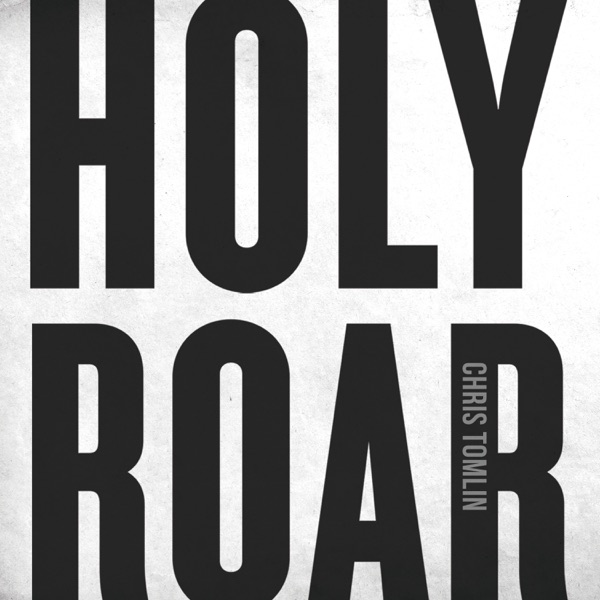
Holy Roar
2018 · 12 tracks
- 1 Holy Roar ↗ 4:12
- 2 Nobody Loves Me Like You ↗ 4:26
- 3 Resurrection Power ↗ 4:11
- 4 Goodness, Love and Mercy ↗ 4:21
- 5 Satisfied ↗ 3:33
- 6 Impact ↗ 4:14
- 7 Praise Him Forever ↗ 4:54
- 8 Is He Worthy? ↗ 4:32
- 9 Forever Young ↗ 4:08
- 10 I Stand in Awe (feat. Nicole Serrano) ↗ 4:17
- 11 Praise Is the Highway ↗ 4:56
- 12 How Sweet It Is (feat. Pat Barrett) ↗ 3:40
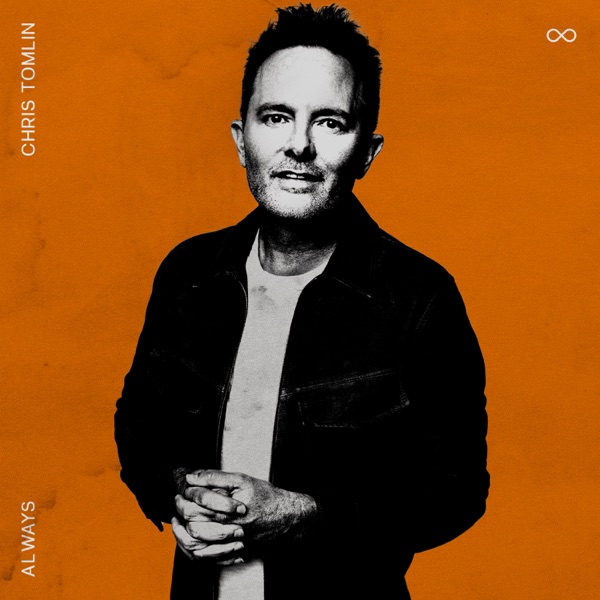
Always
2022 · 13 tracks
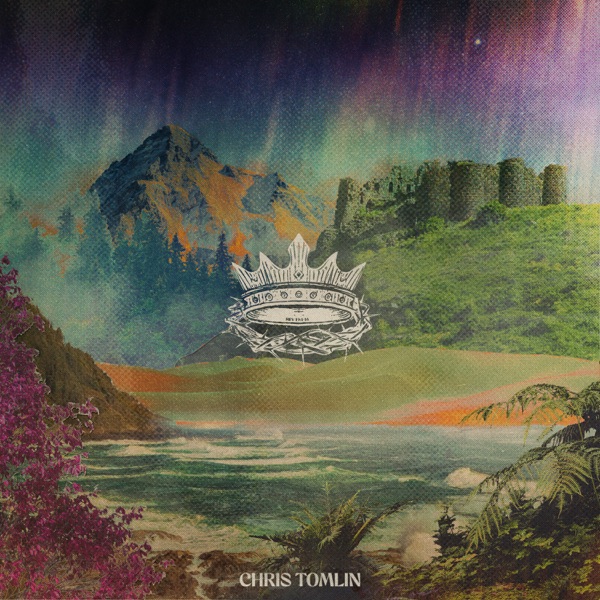
The King Is Still the King
2025 · 16 tracks
- 1 How Good It Is ↗ 3:51
- 2 👑 🙌 ↗ 1:10
- 3 Doesn't He ↗ 4:15
- 4 Still The King ↗ 4:46
- 5 Rivers Of Joy ↗ 4:02
- 6 He Has Done Great Things ↗ 4:59
- 7 👑✝️ ↗ 1:38
- 8 Jesus Saves ↗ 3:08
- 9 Help My Unbelief ↗ 3:30
- 10 You Are My King (Amazing Love) ↗ 4:14
- 11 👑🧎 ↗ 1:27
- 12 That's Who He Is ↗ 3:37
- 13 The First Hymn ↗ 4:11
- 14 Coming Soon ↗ 4:14
- 15 👑🐦⬛ ↗ 1:11
- 16 My Father's World ↗ 5:00
The King Is Still The King (Deluxe)
2026 · 16 tracks
- 1 How Good It Is ↗ 3:51
- 2 👑 🙌 ↗ 1:10
- 3 Doesn't He ↗ 4:15
- 4 Still The King ↗ 4:46
- 5 Rivers Of Joy ↗ 4:02
- 6 He Has Done Great Things ↗ 4:59
- 7 👑✝️ ↗ 1:38
- 8 Jesus Saves ↗ 3:08
- 9 Help My Unbelief ↗ 3:30
- 10 You Are My King (Amazing Love) ↗ 4:14
- 11 👑🧎 ↗ 1:27
- 12 That's Who He Is ↗ 3:37
- 13 The First Hymn ↗ 4:11
- 14 Coming Soon ↗ 4:14
- 15 👑🐦⬛ ↗ 1:11
- 16 My Father's World ↗ 5:00
-
 The Noise We MakeChris Tomlin200112 tracks
 -
 Not to UsChris Tomlin200210 tracks
 -
 ArrivingChris Tomlin200411 tracks
 -
 See the MorningChris Tomlin200611 tracks
 -
 Hello LoveChris Tomlin200810 tracks
 -
 Best of (Performance Tracks)Chris Tomlin200910 tracks
 -
 And If Our God Is for Us…Chris Tomlin201011 tracks
 -
 Burning LightsChris Tomlin201312 tracks
 -
 Love Ran RedChris Tomlin201412 tracks
 -
 Never Lose SightChris Tomlin201611 tracks
 -
 Holy RoarChris Tomlin201812 tracks
 -
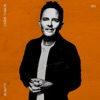 AlwaysChris Tomlin202213 tracks
 -
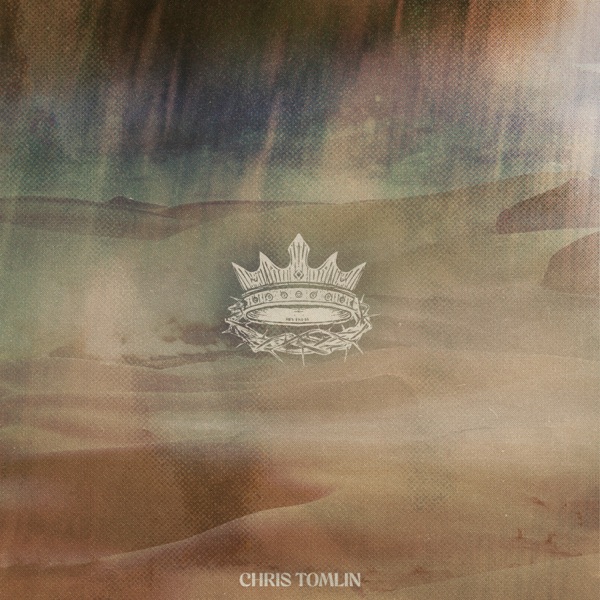
 The King Is Still the KingChris Tomlin202516 tracks
 - The King Is Still The King (Deluxe)Chris Tomlin202616 tracks
-
 Help My UnbeliefChris Tomlin—5 tracks
Deep Dive
Overview
Chris Tomlin is an American contemporary Christian music singer, songwriter, and worship leader whose prolific career spans nearly three decades. Born and raised in Grand Saline, Texas, Tomlin has established himself as one of the defining voices in modern Christian rock and worship music. His songwriting—particularly compositions such as “How Great Is Our God,” “Our God,” “Whom Shall I Fear,” and “Holy Forever”—has shaped contemporary worship practices in churches across the English-speaking world, making him a central figure in the evolution of Christian rock from the 1990s onward.
Formation Story
Chris Tomlin’s path to contemporary Christian music began in Grand Saline, Texas, a small town that became the foundation for his artistic identity. Growing up in this rural Texas community, Tomlin developed a deep connection to faith and music, eventually channeling both into a career as a worship leader and recording artist. His emergence in Christian rock coincided with the broader expansion of contemporary Christian music in the 1990s, a decade when the genre began to shed its insularity and develop increasingly sophisticated production values and songwriting approaches. Tomlin’s early work reflected this maturation, positioning him not merely as a performer but as a thoughtful composer capable of bridging congregational worship with polished studio recordings.
Breakthrough Moment
Tomlin’s initial recordings—Inside Your Love (1995) and the 1998 dual releases Too Much Free Time and Authentic—established him as a working Christian artist, but his breakthrough came with The Noise We Make in 2001. This album marked a turning point, showcasing his growth as both a vocalist and songwriter. The commercial and critical reception of The Noise We Make solidified Tomlin’s position within the contemporary Christian music establishment and set the stage for deeper engagement with the worship leader community. His subsequent album Not to Us (2002) further cemented this trajectory, expanding his reach within church worship settings and demonstrating his ability to craft songs that functioned equally well in live congregational contexts and on studio recordings.
Peak Era
Tomlin’s most creatively significant and commercially successful period extended through the 2010s. Albums such as Arriving (2004), See the Morning (2006), Hello Love (2008), and And If Our God Is for Us… (2010) established a consistent pattern of artistic output and listener engagement. The release of Burning Lights in 2013 and Love Ran Red in 2014 represented a high point in his career, combining sophisticated production with deeply personal songwriting. These years witnessed Tomlin operating at full creative capacity, balancing the demands of prolific songwriting with the responsibilities of a leading figure in contemporary worship music. His ability to sustain both commercial viability and artistic credibility across multiple releases during this decade underscored his central position in Christian rock.
Musical Style
Tomlin’s sound is rooted in contemporary Christian rock, characterized by accessibility, melodic clarity, and production polish. His songwriting emphasizes singability—his compositions are built to be performed by congregations as much as concert audiences, reflecting his background and primary identity as a worship leader. Lyrically, his work engages directly with Christian theology and devotional themes, but without the heavy-handed didacticism that sometimes plagued earlier Christian rock. His vocal delivery is measured and warm rather than technically virtuosic, serving the song’s emotional content rather than drawing attention to itself. Production-wise, his albums typically feature full band arrangements that avoid both the sparse minimalism of early Christian music and the glossy overproduction that has periodically afflicted the genre. This middle ground—accessible but not simplistic, produced but not overpolished—has been central to his broad appeal within both congregational and mainstream music consumption contexts.
Major Albums
The Noise We Make (2001)
This album marked Tomlin’s artistic maturation and broadened his recognition within the Christian music community, establishing the sonic and compositional template that would define much of his subsequent work.
Not to Us (2002)
Following immediately after The Noise We Make, this release reinforced Tomlin’s momentum and demonstrated his consistency as a songwriter and performer capable of sustaining listener interest across consecutive projects.
See the Morning (2006)
This album refined his approach to contemporary Christian rock, balancing introspective songwriting with the production sophistication expected of a major Christian artist in the mid-2000s.
Burning Lights (2013)
Released during his peak creative years, Burning Lights showcased Tomlin’s full artistic capabilities and reached audiences both within and beyond the core Christian music market.
Love Ran Red (2014)
Following close on the success of Burning Lights, this album demonstrated Tomlin’s continued creative relevance and his ability to craft worship music that resonated across denominational and generational lines.
Never Lose Sight (2016)
This release solidified Tomlin’s position as a consistently productive and commercially viable contemporary Christian artist well into the second decade of his career’s peak era.
Signature Songs
- “How Great Is Our God” — Tomlin’s most recognizable composition, having become a standard in modern Christian worship across countless congregations worldwide.
- “Our God” — A central-statement worship song that exemplifies Tomlin’s ability to combine theological substance with melodic accessibility.
- “Whom Shall I Fear” — A devotional piece that demonstrates his capacity for personal, emotionally resonant songwriting within the worship music framework.
- “Holy Forever” — A hymn-influenced composition that shows Tomlin’s engagement with traditional Christian musical language adapted for contemporary contexts.
Influence on Rock
Tomlin’s influence on Christian rock and contemporary worship music has been substantial, though operating within the specific boundaries of the worship and Christian music industries rather than mainstream rock. His songwriting has become a standard reference point for contemporary Christian artists and worship leaders seeking to balance theological depth with musical accessibility. The ease with which his compositions enter congregational worship—they are widely performed in churches and published in contemporary hymnals—demonstrates his success in bridging the gap between commercial recording artist and functional liturgical composer. His approach to production and arrangement has influenced how contemporary Christian rock positions itself relative to secular mainstream rock, opting for clarity and accessibility over avant-garde experimentation or technical virtuosity.
Legacy
As of the mid-2020s, Chris Tomlin remains actively recording and performing, with recent releases including Holy Roar (2018), Chris Tomlin and Friends (2020), Always (2022), and The King Is Still the King (2025). His continued output demonstrates his durability within the contemporary Christian music landscape. Tomlin’s role as a worship leader and songwriter has secured his position as one of the defining figures in modern Christian rock, with his compositions having achieved the status of de facto contemporary hymns within evangelical and broader Christian worship contexts. His music remains widely streamed, purchased, and performed, ensuring his continued presence in Christian music consumption across multiple generations. The 2025 release of The King Is Still the King indicates his ongoing creative engagement at an age when many artists have reduced their output, reflecting his sustained commitment to the genres and communities that have defined his career.
Fun Facts
- Tomlin is signed to Universal’s Capitol Christian Music Group, positioning him within one of the major-label infrastructure systems despite operating primarily within Christian music markets.
- His collaborative project Chris Tomlin and Friends (2020) brought together multiple artists within the contemporary Christian music community, demonstrating his standing as a respected peer and collaborator.
- The appearance of The King Is Still the King in both standard (2025) and deluxe (2026) editions reflects continued label investment in his catalog and recognition of his sustained commercial viability.