
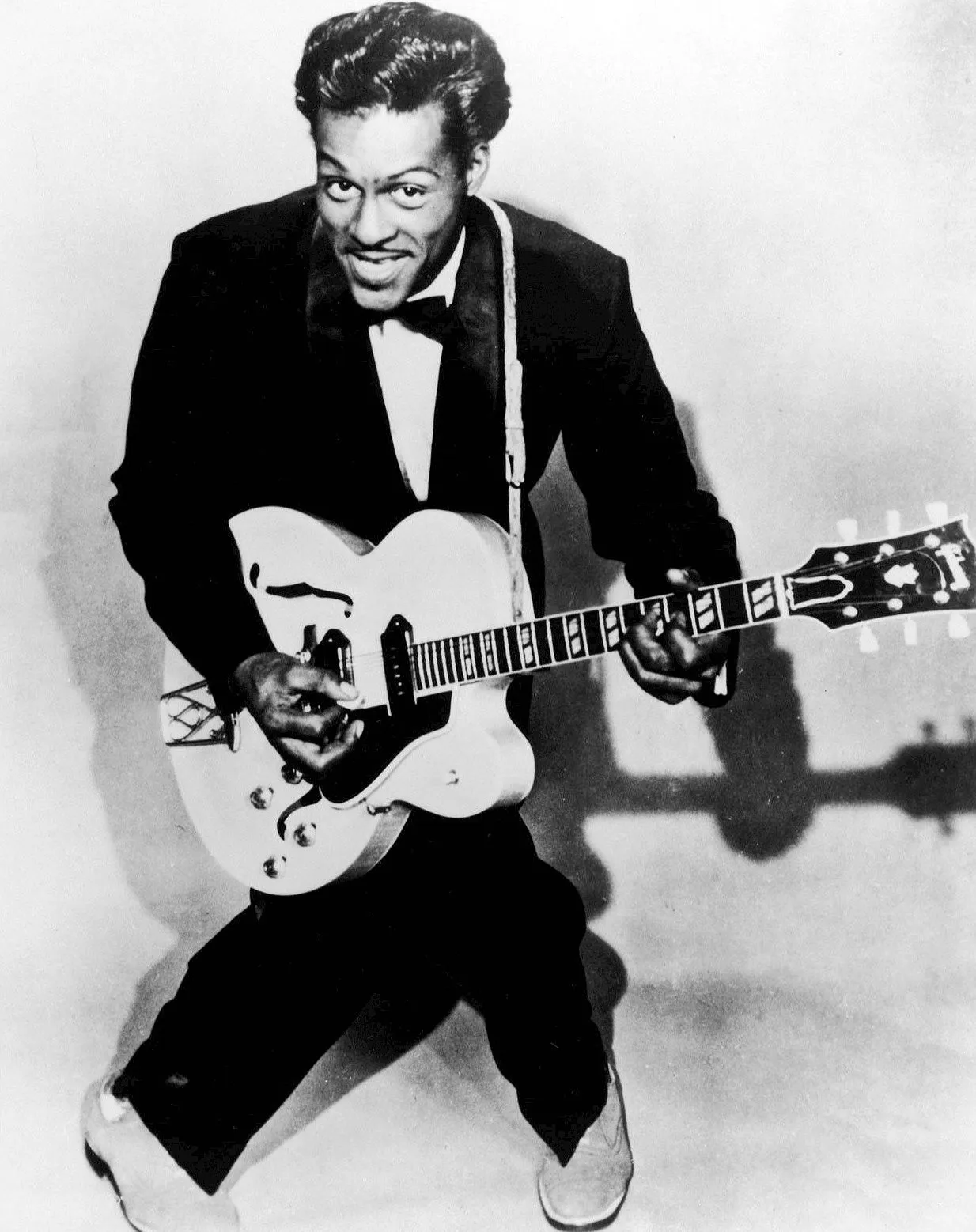
Photo by Universal Attractions (management) , licensed under Public domain · Wikimedia Commons
Rank #13
Chuck Berry
From Wikipedia
Charles Edward Anderson Berry was an American guitarist, singer, and songwriter who was one of the pioneers of rock and roll. Nicknamed the "Father of Rock and Roll", he refined and developed rhythm and blues into the major elements that made rock and roll distinctive with songs such as "Maybellene" (1955), "Roll Over Beethoven" (1956), "Rock and Roll Music" (1957), and "Johnny B. Goode" (1958). Writing lyrics that focused on teen life and consumerism, and developing a music style that included guitar solos and showmanship, Berry was a major influence on subsequent rock music.
Discography & Previews
Browse through and click an album to open and play 30-second previews streamed from Apple Music.
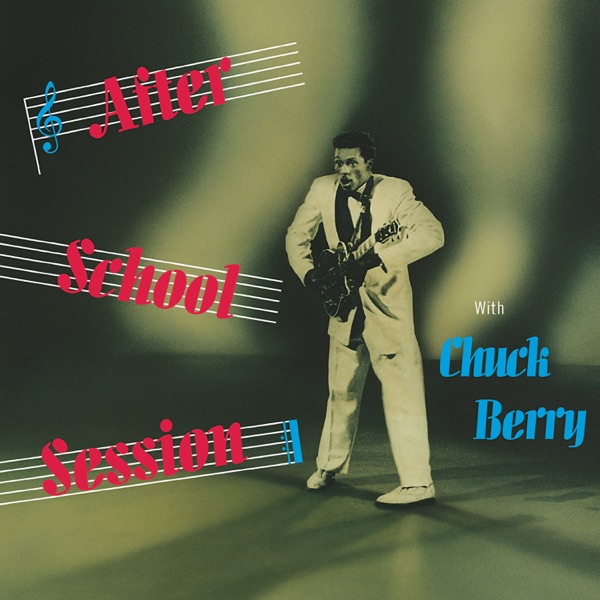
After School Session
1957 · 12 tracks
- 1 School Day (Ring Ring Goes the Bell) ↗ 2:41
- 2 Deep Feeling ↗ 2:19
- 3 Too Much Monkey Business ↗ 2:54
- 4 Wee Wee Hours ↗ 3:03
- 5 Roly Poly ↗ 2:49
- 6 No Money Down ↗ 2:57
- 7 Brown Eyed Handsome Man ↗ 2:17
- 8 Berry Pickin' ↗ 2:31
- 9 Together (We'll Always Be) ↗ 2:37
- 10 Havana Moon ↗ 3:07
- 11 Downbound Train ↗ 2:49
- 12 Drifting Heart ↗ 2:48

One Dozen Berrys
1958 · 12 tracks
- 1 Sweet Little Sixteen ↗ 3:01
- 2 Blue Feeling ↗ 2:59
- 3 La Juanda (Espanola) ↗ 3:10
- 4 Rockin' at the Philharmonic ↗ 3:23
- 5 Oh Baby Doll ↗ 2:36
- 6 Guitar Boogie ↗ 2:20
- 7 Reelin' and Rockin' ↗ 3:15
- 8 In-Go ↗ 2:30
- 9 Rock and Roll Music ↗ 2:32
- 10 How You've Changed ↗ 2:46
- 11 Low Feeling ↗ 3:07
- 12 It Don't Take But a Few Minutes ↗ 2:27

Rockin’ at the Hops
1960 · 12 tracks
- 1 Bye Bye Johnny ↗ 2:03
- 2 Worried Life Blues ↗ 2:08
- 3 Down the Road a Piece ↗ 2:11
- 4 Confessin' the Blues ↗ 2:06
- 5 Too Pooped to Pop ↗ 2:32
- 6 Mad Lad ↗ 2:07
- 7 I Got to Find My Baby ↗ 2:13
- 8 Betty Jean ↗ 2:25
- 9 Childhood Sweetheart ↗ 2:41
- 10 Broken Arrow ↗ 2:19
- 11 Driftin' Blues ↗ 2:17
- 12 Let It Rock ↗ 1:43
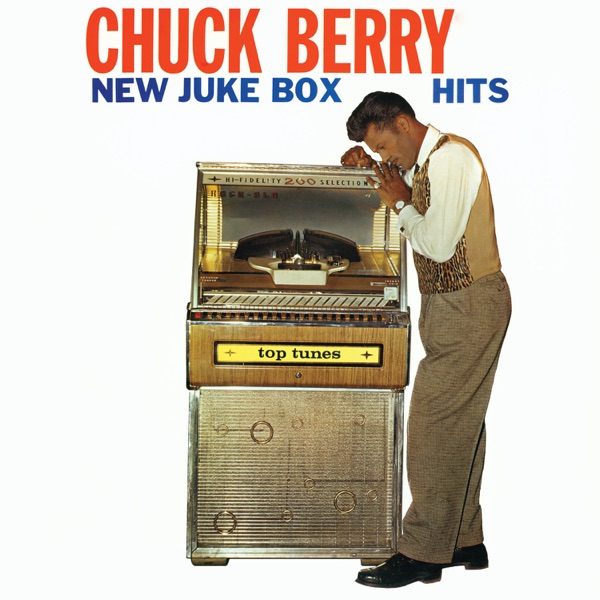
New Juke Box Hits
1961 · 12 tracks
- 1 I'm Talking About You ↗ 1:48
- 2 Diploma for Two ↗ 2:28
- 3 Thirteen Question Method ↗ 2:13
- 4 Away from You ↗ 2:37
- 5 Don't You Lie to Me ↗ 2:07
- 6 The Way It Was Before ↗ 2:51
- 7 Little Star ↗ 2:45
- 8 Route 66 ↗ 2:51
- 9 Sweet Sixteen ↗ 2:45
- 10 Run Around ↗ 2:31
- 11 Stop and Listen ↗ 2:25
- 12 Rip It Up ↗ 2:10
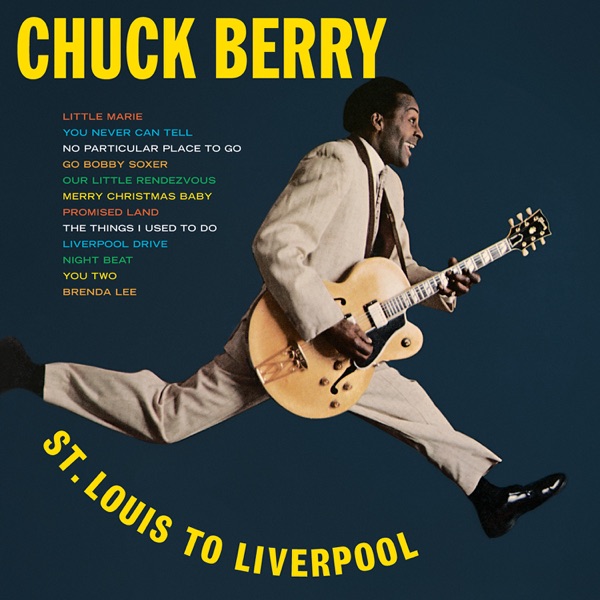
St. Louis to Liverpool
1964 · 15 tracks
- 1 Little Marie ↗ 2:36
- 2 Our Little Rendezvous ↗ 2:02
- 3 No Particular Place to Go ↗ 2:43
- 4 You Two ↗ 2:10
- 5 Promised Land ↗ 2:23
- 6 You Never Can Tell ↗ 2:42
- 7 Go Bobby Soxer ↗ 2:58
- 8 The Things I Used to Do ↗ 2:41
- 9 Liverpool Drive ↗ 2:54
- 10 Night Beat ↗ 2:44
- 11 Merry Christmas Baby ↗ 3:13
- 12 Brenda Lee ↗ 2:14
- 13 Fraulein ↗ 2:51
- 14 O Rangutang ↗ 3:03
- 15 The Little Girl from Central ↗ 2:39

Chuck Berry in London
1965 · 14 tracks
- 1 My Little Love-Light ↗ 2:37
- 2 She Once Was Mine ↗ 2:35
- 3 After It's Over ↗ 2:18
- 4 I Got a Booking ↗ 2:52
- 5 Night Beat ↗ 2:43
- 6 His Daughter Caroline ↗ 3:15
- 7 You Came a Long Way from St. Louis ↗ 2:06
- 8 St. Louis Blues ↗ 2:37
- 9 Jamaica Farewell ↗ 2:06
- 10 Dear Dad ↗ 1:49
- 11 Butterscotch ↗ 2:39
- 12 The Song of My Love ↗ 2:29
- 13 Why Should We End This Way ↗ 2:53
- 14 I Want to Be Your Driver ↗ 2:14

Fresh Berry’s
1965 · 12 tracks
- 1 It Wasn't Me ↗ 2:33
- 2 Run Joe ↗ 2:16
- 3 Everyday We Rock and Roll ↗ 2:10
- 4 One for My Baby (And One More for the Road) ↗ 2:43
- 5 Welcome Back Pretty Baby ↗ 2:34
- 6 It's My Own Business ↗ 2:09
- 7 Right Off Rampart Street ↗ 2:22
- 8 Vaya con Dios ↗ 2:36
- 9 Merrily We Rock and Roll ↗ 2:11
- 10 My Mustang Ford ↗ 2:17
- 11 Ain't That Just Like a Woman ↗ 2:12
- 12 Wee Hour Blues ↗ 3:13

Chuck Berry in Memphis
1967 · 12 tracks
- 1 Back to Memphis ↗ 2:43
- 2 I Do Really Love You ↗ 2:30
- 3 Ramblin' Rose ↗ 2:36
- 4 Sweet Little Rock and Roller (1967 Version) ↗ 2:14
- 5 My Heart Will Always Belong to You ↗ 2:41
- 6 Oh Baby Doll ↗ 2:17
- 7 Check Me Out ↗ 2:34
- 8 It Hurts Me Too ↗ 2:59
- 9 Bring Another Drink ↗ 2:36
- 10 So Long ↗ 2:45
- 11 Goodnight, Well It's Time to Go ↗ 2:23
- 12 Flying Home ↗ 2:24

Chuck Berry’s Golden Hits
1967 · 15 tracks
- 1 Sweet Little Sixteen (1967 Version) ↗ 2:13
- 2 Memphis, Tennessee (1967 Version) ↗ 2:08
- 3 School Day (Ring Ring Goes the Bell) [1967 Version] ↗ 2:35
- 4 Maybellene (1967 Version) ↗ 2:35
- 5 Back In the U.S.A. (1967 Version) ↗ 2:29
- 6 Around and Around (1967 Version) ↗ 2:19
- 7 Brown Eyed Handsome Man (1967 Version) ↗ 2:21
- 8 Johnny B. Goode (1967 Version) ↗ 2:43
- 9 Rock and Roll Music (1967 Version) ↗ 2:32
- 10 Roll Over Beethoven (1967 Version) ↗ 2:01
- 11 Thirty Days (To Come Back Home) [1967 Version] ↗ 2:12
- 12 Carol (1967 Version) ↗ 2:24
- 13 Let It Rock (1967 Version) ↗ 1:54
- 14 Reelin' and Rockin' (1967 Version) ↗ 4:16
- 15 Club Nitty Gritty (1967 Version) ↗ 2:16
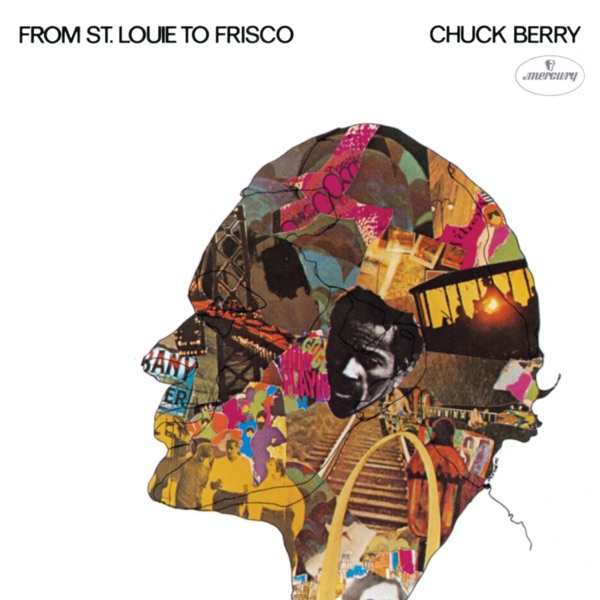
From St. Louie to Frisco
1968 · 16 tracks
- 1 Louie to Frisco ↗ 2:20
- 2 Ma Dear ↗ 2:16
- 3 The Love I Lost ↗ 3:02
- 4 I Love Her, I Love Her ↗ 5:56
- 5 Little Fox ↗ 2:59
- 6 Rock Cradle Rock ↗ 1:23
- 7 Soul Rockin' ↗ 2:47
- 8 I Can't Believe ↗ 2:44
- 9 Misery ↗ 2:31
- 10 Almost Grown ↗ 2:26
- 11 My Tambourine ↗ 2:17
- 12 Laugh and Cry ↗ 2:28
- 13 Oh Captain ↗ 2:27
- 14 Campus Cookie ↗ 2:06
- 15 Mum's the World ↗ 1:32
- 16 Song of My Love ↗ 3:13




-
 After School SessionChuck Berry195712 tracks
 -
 One Dozen BerrysChuck Berry195812 tracks
 -
 Rockin’ at the HopsChuck Berry196012 tracks
 -
 New Juke Box HitsChuck Berry196112 tracks
 -
 St. Louis to LiverpoolChuck Berry196415 tracks
 -
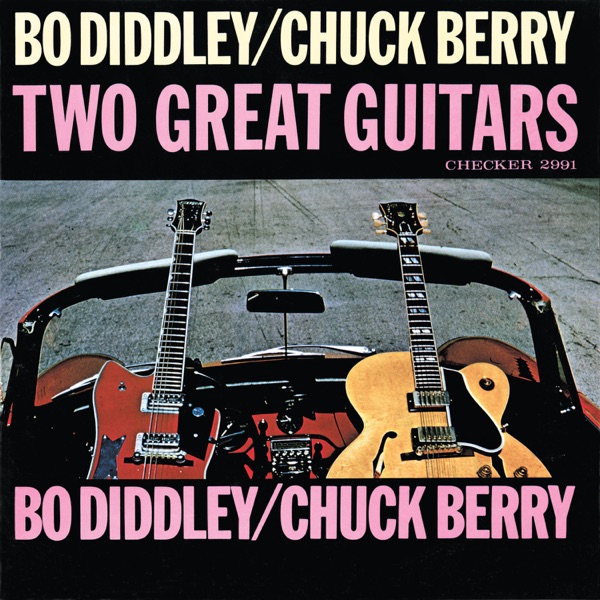
 Two Great GuitarsChuck Berry19648 tracks
 -
 Chuck Berry in LondonChuck Berry196514 tracks
 -
 Fresh Berry’sChuck Berry196512 tracks
 -
 Chuck Berry in MemphisChuck Berry196712 tracks
 -
 Chuck Berry’s Golden HitsChuck Berry196715 tracks
 -
 From St. Louie to FriscoChuck Berry196816 tracks
 -
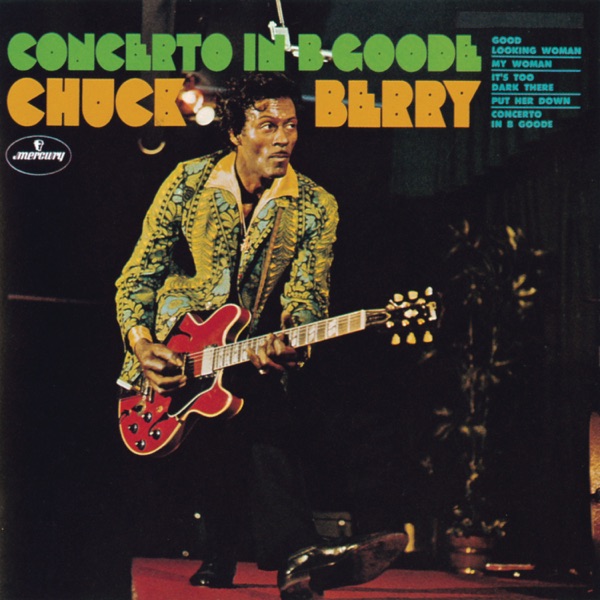
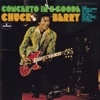 Concerto in “B Goode”Chuck Berry19695 tracks
 -
 Back HomeChuck Berry19709 tracks
 -
 San Francisco DuesChuck Berry197110 tracks
 -
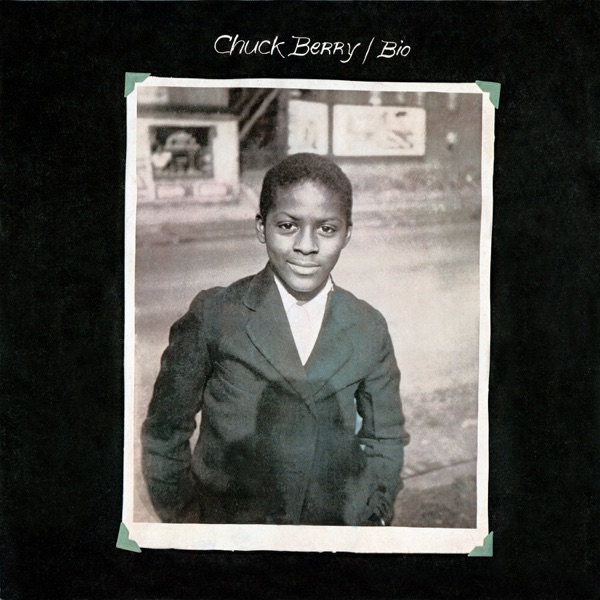
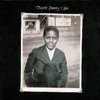 BioChuck Berry19737 tracks
 -
 RockitChuck Berry197910 tracks
 -
 ChuckChuck Berry201710 tracks
Deep Dive
Overview
Chuck Berry stands as one of the most foundational figures in rock and roll history. An American guitarist, singer, and songwriter born in 1926, Berry refined and developed rhythm and blues into the major elements that made rock and roll distinctive as a genre. His influence extends across generations—his guitar-driven arrangements, showmanship, and lyrics focused on teen life and consumer culture established templates that countless rock musicians would follow. By the time of his death in 2017, Berry’s legacy as a primary architect of modern rock was secure.
Formation Story
Chuck Berry—Charles Edward Anderson Berry—emerged from St. Louis, Missouri, a city with a rich blues heritage. Rather than starting in a formal band setting, Berry’s path to rock and roll came through mastery of the guitar and a keen eye for blending existing musical forms. He drew from the blues tradition and from country music, absorbing influences from earlier generations while developing his own unmistakable approach. His early exposure to both African-American blues and American popular music of the 1930s and 1940s gave him the vocabulary to synthesize something new. By the early 1950s, Berry was performing in St. Louis clubs, honing the style and stage presence that would define his career.
Breakthrough Moment
Berry’s breakthrough came in 1955 with “Maybellene,” a record that announced his arrival to national audiences. The song showcased his ability to marry blues sensibility with rock and roll energy, and it gained significant radio play and chart traction. That same year he signed to Chess Records, the label that would remain his primary home for most of his career. Following “Maybellene,” Berry released a succession of singles that codified rock and roll as a living, breathing genre: “Roll Over Beethoven” in 1956 and “Rock and Roll Music” in 1957 both demonstrated his mastery of the form. But it was “Johnny B. Goode” in 1958 that secured his place in the pantheon. The song’s iconic guitar riff, infectious rhythm, and lyrics about a working-class boy making it through music became one of the most recognizable recordings in popular music history.
Peak Era
The late 1950s and early 1960s represented Berry’s creative and commercial peak. Albums such as Chuck Berry Is on Top (1959), Rockin’ at the Hops (1960), and St. Louis to Liverpool (1964) captured him at the height of his powers, releasing singles and album tracks that became staples of early rock and roll radio. His live performances were legendary—he pioneered the guitar showmanship that would become central to rock aesthetics, performing his signature duck walk and delivering energetic, entertaining shows that went far beyond standing still and playing. By the early 1960s, Berry had become a household name and a direct influence on the British Invasion bands who were beginning to dominate charts; The Beatles and The Rolling Stones both covered his material and cited him as a primary influence. Even as his own output began to fragment across different labels and styles in the mid-1960s, his earlier work remained culturally central.
Musical Style
Berry’s musical style fused rhythm and blues with country and western influences, creating something distinctly new. At the core was his guitar work: he developed the electric guitar solo as a signature element of rock and roll, using bent notes, riffs, and sustained passages that became instantly identifiable. His rhythm sections typically featured driving, shuffle-based beats inherited from blues tradition, but pushed forward with a rock and roll energy that made them irresistible for dancing and radio play. Lyrically, Berry was a storyteller and observer, writing about teenage dating, driving, school life, and the consumer culture that defined post-war America. His vocals—occasionally rough, often conversational—conveyed personality and humor. He avoided the smooth, polished delivery of some of his contemporaries, instead favoring a plainspoken, sometimes humorous approach that made his recordings feel intimate and direct. This combination of guitar innovation, energetic rhythm, relatable lyrics, and charismatic performance defined not just his work but the blueprint for rock and roll itself.
Major Albums
Chuck Berry Is on Top (1959)
A landmark collection that showcased Berry at his creative peak, blending hit singles with deeper album cuts that demonstrated the breadth of his musical vocabulary.
Rockin’ at the Hops (1960)
Captured the energy of Berry’s live performances, presenting him in his element and proving his appeal as a dynamic stage performer.
St. Louis to Liverpool (1964)
Released during the height of the British Invasion, this album highlighted the transatlantic reach of Berry’s influence, with British acts covering his material and his original recordings continuing to sell.
Chuck Berry in London (1965)
Documented Berry’s presence in the British music scene, capturing his international stature and the ongoing reverence British musicians held for his pioneering work.
From St. Louie to Frisco (1968)
Reflected Berry’s continued recording activity in the late 1960s, a period when his commercial dominance had waned but his influence remained omnipresent.
Signature Songs
- “Maybellene” (1955) — His breakthrough single that announced rock and roll as a vital new form and established Berry as a major new voice in popular music.
- “Roll Over Beethoven” (1956) — A cheeky declaration of rock and roll’s cultural ascendance, showcasing Berry’s wit and confidence.
- “Johnny B. Goode” (1958) — An iconic rock and roll anthem with one of the most recognizable guitar riffs ever recorded, symbolizing ambition and youth.
- “Rock and Roll Music” (1957) — A celebration of the form itself, demonstrating Berry’s understanding of rock and roll’s cultural significance.
- “Wee Wee Hours” (1955) — A blues-inflected track that showed Berry’s connection to traditional R&B even as he pioneered rock and roll.
- “Carol” (1958) — An uptempo rocker that became a standard in the rock repertoire, covered by countless artists.
- “You Never Can Tell” (1964) — A later single that proved Berry’s songwriting gift remained sharp, with its vivid storytelling about teenage marriage.
Influence on Rock
Chuck Berry’s impact on rock music cannot be overstated. He established the electric guitar as the primary vehicle for rock expression, demonstrating through his own playing and compositions what the instrument could accomplish in a rock and roll context. He showed that rock could tell stories about everyday American life—dating, driving, school, family—rather than relying solely on abstract sentimentality or blues-derived pain narratives. His songwriting approach became a template: concise, memorable melodies; driving rhythmic grooves; and guitar solos that served as equal partners to the vocal melody. The British Invasion of the 1960s was built substantially on Berry’s foundation; The Beatles, The Rolling Stones, The Kinks, and countless other British acts learned directly from his records. American rock musicians from the 1960s onward—from The Beach Boys to Bruce Springsteen—acknowledged their debt to Berry’s innovations. His influence extended beyond rock into country-rock fusion, punk, and beyond; his combination of accessibility and innovation proved endlessly generative.
Legacy
Chuck Berry died in 2017 at age 90, leaving behind a catalog that has only grown in cultural significance with time. He was inducted into the Rock and Roll Hall of Fame in 1986, among the institution’s earliest inductees, a recognition of his foundational status. His recordings have remained in continuous print and have been reissued multiple times; the 2021 collection Reelin’ And Rockin’ - 60 Essential Recordings curates his most important work for contemporary audiences. In the streaming era, his songs maintain consistent plays across major platforms, introducing new generations to his sound. Rock musicians continue to cover his material, and his influence can be traced through every major rock movement from garage rock to hard rock to punk to contemporary indie rock. Museums and music historians recognize Berry as the primary architect of rock and roll as a genre, a status that reflects both his musical innovations and his role in integrating American popular music across racial lines during a crucial moment in American history.
Fun Facts
- Berry was nicknamed the “Father of Rock and Roll,” a title that reflects both his innovations and his foundational importance to the genre’s development.
- His signature performance move, the duck walk—a choreographed strut performed while playing guitar—became one of rock and roll’s most iconic stage moves and was widely imitated by subsequent performers.
- Berry recorded for multiple labels throughout his career, including Chess Records, Mercury Records, and others, as his commercial fortunes fluctuated across different decades.
- His final studio album, Chuck, was released in 2017, the year of his death, ensuring his recording career spanned more than six decades.