
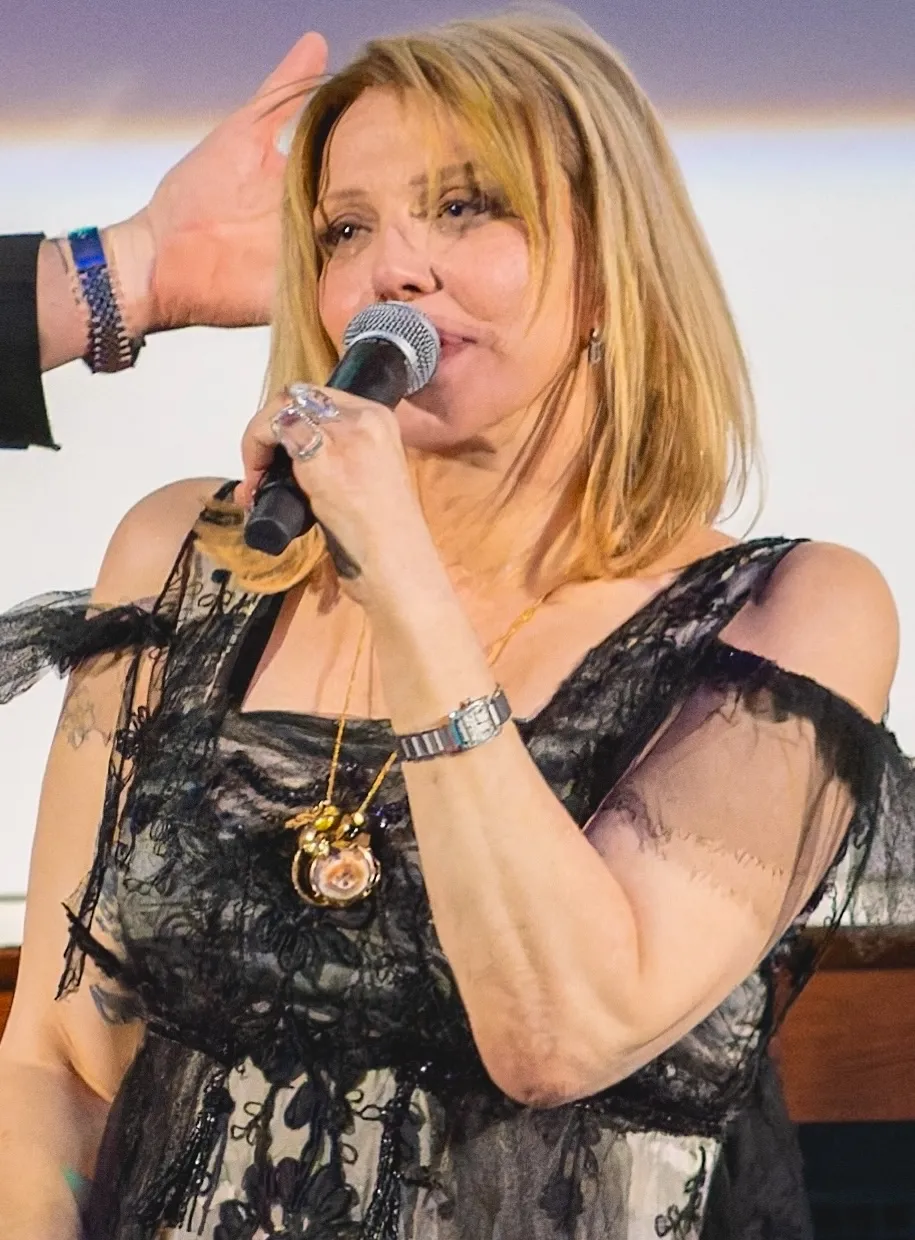
Photo by Raph_PH , licensed under CC BY 2.0 · Wikimedia Commons
Rank #190
Courtney Love
From Wikipedia
Courtney Michelle Love is an American singer, songwriter, guitarist, and actress whose career has spanned four decades. She has had a significant impact on female-fronted alternative acts and performers, with NME naming her one of the most influential singers in alternative culture between 1990 and 2020.
Discography & Previews
Browse through and click an album to open and play 30-second previews streamed from Apple Music.
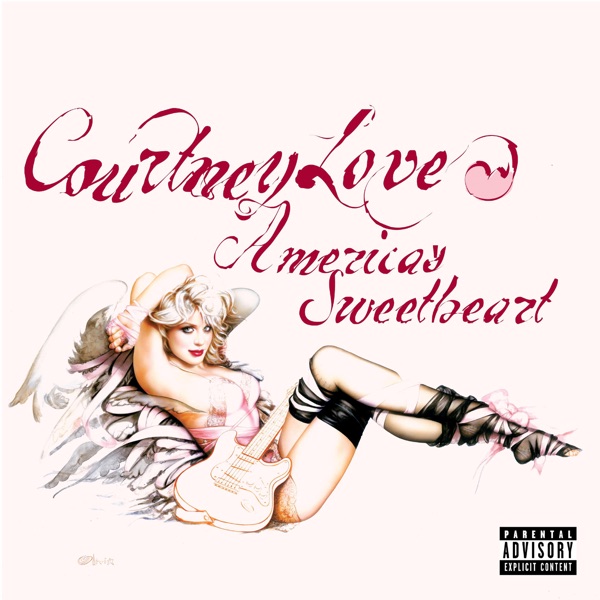
America’s Sweetheart
2004 · 12 tracks
-
 America’s SweetheartCourtney Love200412 tracks
Deep Dive
Overview
Courtney Michelle Love is an American singer, songwriter, guitarist, and actress whose artistic footprint extends across multiple mediums and four decades of cultural production. Born in 1964, she emerged as a defining voice in alternative rock during the 1990s and has maintained a presence in both music and film throughout her career. Her work as a performer and creative voice has been recognized by NME as among the most influential in alternative culture between 1990 and 2020, placing her in a lineage of female rock artists who shaped the sound and aesthetic of their era.
Formation Story
Love’s entry into music was rooted in the broader countercultural currents of the 1980s alternative and punk scenes. She began her artistic journey in the late 1980s, initially working in theatrical and music settings before fully committing to a career in rock. Her path to prominence intersected with the emergence of grunge and post-grunge as defining forces in 1990s rock, a moment when alternative music was transitioning from underground subcultural phenomenon to mainstream presence. Rather than arriving as a manufactured act, Love built her early career through the DIY ethos of independent labels and small venues, establishing herself as both a musician and a personality invested in the aesthetics and politics of alternative rock.
Breakthrough Moment
Love’s ascent to widespread recognition occurred during the 1990s alternative boom, when her work in rock music and her public profile began to intersect with broader cultural conversations about gender, authenticity, and artistic expression in rock. The 1990s marked her peak visibility as both a recording artist and a cultural figure, with her presence extending beyond music into film and the lifestyle world of alternative culture. Her work during this period established her as a significant voice within post-grunge and punk-influenced rock, contributing to the expansion of female-led acts within genres historically dominated by male performers.
Peak Era
Love’s most creatively prominent and publicly visible period spanned the 1990s and early 2000s, when alternative rock occupied a central position in mainstream popular music. During these years, she recorded and performed extensively, maintaining relevance across multiple creative disciplines. Her work during this span allowed her to influence the trajectory of female-fronted rock acts and to establish herself as more than a supporting figure in the alternative rock narrative—instead positioning her as a principal creator and cultural voice in her own right.
Musical Style
Love’s sound draws from the post-grunge, grunge, and punk rock lineages that defined late-1980s and 1990s alternative rock. As a guitarist and vocalist, she has worked within frameworks that blend raw emotional expression with the heavier instrumental textures characteristic of grunge-era production. Her approach to songwriting and performance emphasizes a direct, often confrontational lyrical stance, consistent with punk’s legacy of using rock music as a vehicle for personal and social commentary. The evolution of her style reflects broader shifts within alternative rock, moving between the heavier, feedback-driven aesthetics of grunge and the more polished production frameworks of post-grunge, while maintaining an underlying commitment to alternative rock’s core aesthetic of authenticity and emotional directness.
Major Albums
America’s Sweetheart (2004)
Released on Sympathy for the Record Industry, this album represents Love’s documented solo studio work from the supplied discography. The record demonstrates her continued engagement with rock music and songwriting during the 2000s, a period when alternative rock’s cultural dominance had shifted but the genre remained creatively vital.
Signature Songs
- Her vocal performances became touchstones for female singers within alternative and post-grunge contexts, establishing a model for emotional intensity and instrumental rock.
- Love’s contributions to 1990s rock established her as a figure whose presence extended beyond individual songs to influence the broader landscape of female-fronted alternative acts.
Influence on Rock
Love’s career has been consequential for the development of female-fronted alternative and post-grunge rock, particularly in establishing pathways for women to occupy central roles as performers, songwriters, and cultural voices within genres that had historically marginalized female participation. Her work during the 1990s alternative boom helped expand the sonic and stylistic possibilities available to female rock musicians, demonstrating that women could operate effectively within heavy, guitar-driven rock frameworks. The NME’s recognition of her influence across alternative culture from 1990 to 2020 underscores her long-term impact on how alternative rock evolved and how female performers have been positioned within that evolution.
Beyond music, Love’s concurrent work in film and her public presence contributed to a broader cultural conversation about the relationship between rock music and visual media, as well as the intersections between music industry success and artistic credibility. Her willingness to move across multiple creative disciplines—music, acting, and public commentary—expanded the template for what a rock musician’s career could encompass.
Legacy
Courtney Love’s four-decade career represents a sustained engagement with rock music as a vehicle for artistic expression and cultural commentary. Her recognition by NME as one of the most influential singers in alternative culture between 1990 and 2020 reflects the durability of her impact beyond individual hit songs or albums. She remains a significant figure in discussions of 1990s alternative rock, grunge culture, and the role of women within rock music history. Her continued presence across music and media, combined with the scholarly and critical attention devoted to alternative rock’s historical development, has secured her position within the broader narrative of late-twentieth-century rock music.
Streaming platforms and archival projects have made her work continuously accessible to new audiences, while retrospective critical reassessments of 1990s alternative rock have reinforced her importance within that era’s musical and cultural fabric. Love’s impact extends to the ongoing influence she has exerted on subsequent generations of female rock musicians and performers working within alternative and post-grunge frameworks.
Fun Facts
- Love’s career began during the late 1980s, positioning her at the precise historical moment when underground alternative music was beginning its transition to mainstream cultural dominance.
- Her work spans four decades, from the 1980s through the present, providing continuity across multiple eras of rock music and cultural change.
- Beyond music, Love has maintained a parallel career in film and acting, demonstrating the multi-disciplinary creative approach that has characterized her artistic identity.