
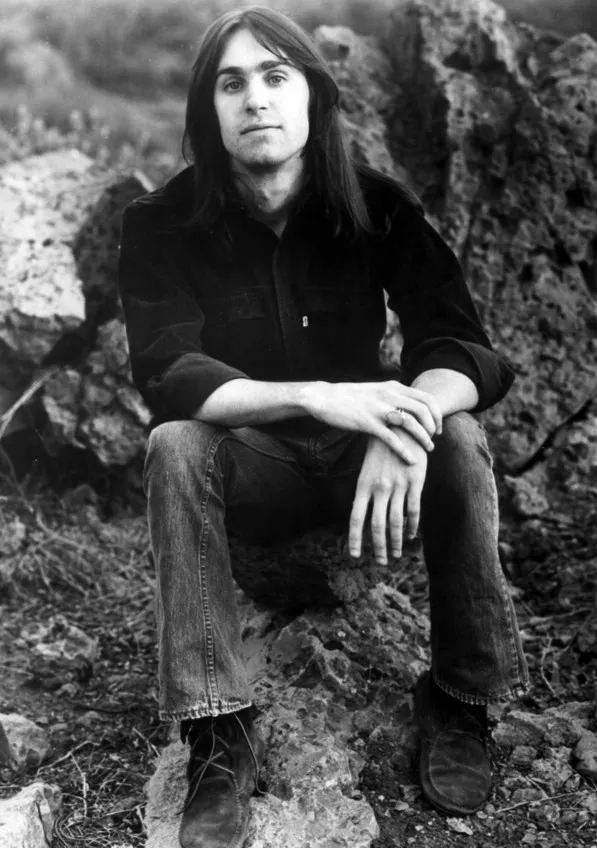
Photo by Epic Records , licensed under Public domain · Wikimedia Commons
Rank #439
Dan Fogelberg
From Wikipedia
Daniel Grayling Fogelberg was an American singer, songwriter, and multi-instrumentalist widely known for his 1970s and 1980s soft rock hits, including "Longer" (1979), "Same Old Lang Syne" (1980), and "Leader of the Band" (1981).
Discography & Previews
Browse through and click an album to open and play 30-second previews streamed from Apple Music.

Souvenirs
1974 · 11 tracks
- 1 Part of the Plan ↗ 3:18
- 2 Illinois ↗ 4:13
- 3 Changing Horses ↗ 2:36
- 4 Better Change ↗ 3:06
- 5 Souvenirs ↗ 4:34
- 6 The Long Way ↗ 3:53
- 7 As the Raven Flies ↗ 4:30
- 8 Song from Half Mountain ↗ 2:53
- 9 Morning Sky ↗ 2:50
- 10 Someone's Been Telling You Stories ↗ 5:33
- 11 There's a Place In the World for a Gambler ↗ 5:44


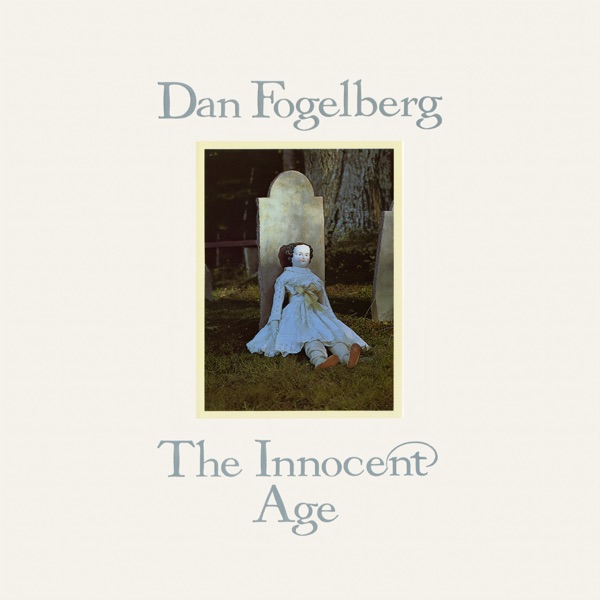
The Innocent Age
1981 · 17 tracks
- 1 Nexus ↗ 6:03
- 1 Stolen Moments ↗ 3:13
- 2 The Innocent Age ↗ 4:19
- 2 The Lion's Share ↗ 5:09
- 3 The Sand and the Foam ↗ 4:19
- 3 Only the Heart May Know (With Emmylou Harris) ↗ 4:11
- 4 In the Passage ↗ 6:26
- 4 The Reach ↗ 6:31
- 5 Lost In the Sun ↗ 3:57
- 5 Aireshire Lament ↗ 0:53
- 6 Run for the Roses ↗ 4:19
- 6 Times Like These ↗ 3:04
- 7 Leader of the Band / Washington Post March ↗ 4:48
- 7 Hard to Say ↗ 4:00
- 8 Same Old Lang Syne ↗ 5:20
- 8 Empty Cages ↗ 6:25
- 9 Ghosts ↗ 7:12

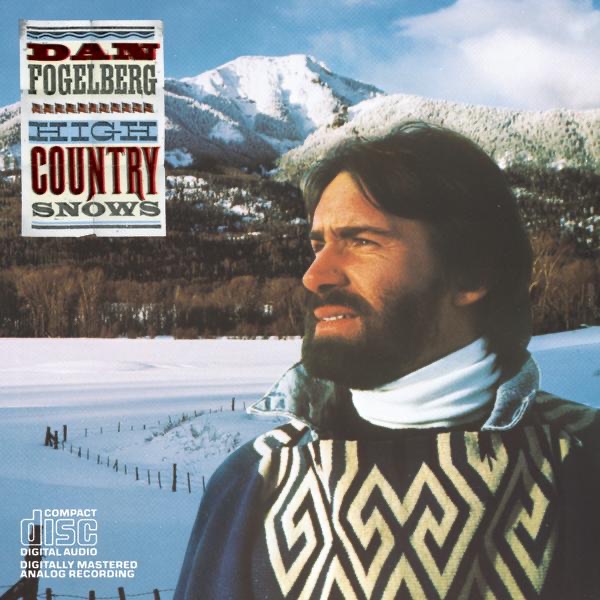
High Country Snows
1985 · 11 tracks


The Wild Places
1990 · 11 tracks


The First Christmas Morning
1999 · 14 tracks
- 1 Bell Fantasy/Hark the Herald Angels Sing ↗ 0:57
- 2 At Christmas Time ↗ 3:44
- 3 Winterskol ↗ 2:02
- 4 The First Christmas Morning ↗ 3:48
- 5 This Endris Night ↗ 4:43
- 6 Feast of Fools ↗ 1:45
- 7 I Saw Three Ships ↗ 2:56
- 8 Snowfall ↗ 4:05
- 9 In the Bleak Midwinter ↗ 4:40
- 10 Yule Dance ↗ 2:21
- 11 What Child Is This? ↗ 3:55
- 12 O, Tannenbaum ↗ 1:15
- 13 We Three Kings ↗ 4:03
- 14 Christ, the King ↗ 3:12
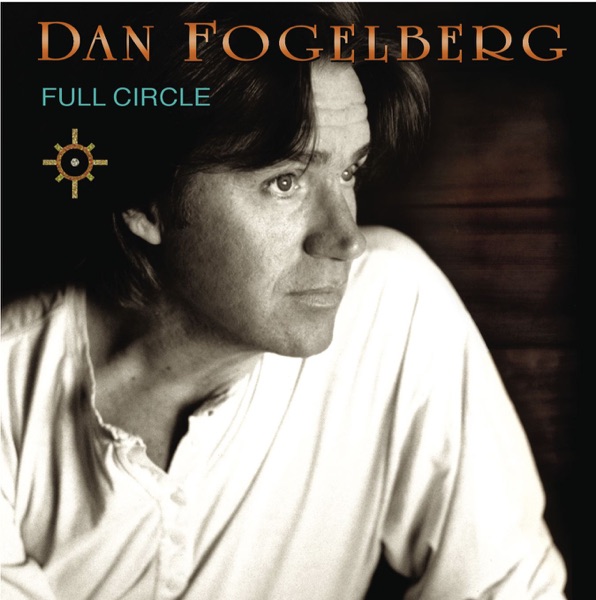
Full Circle
2003 · 11 tracks
-
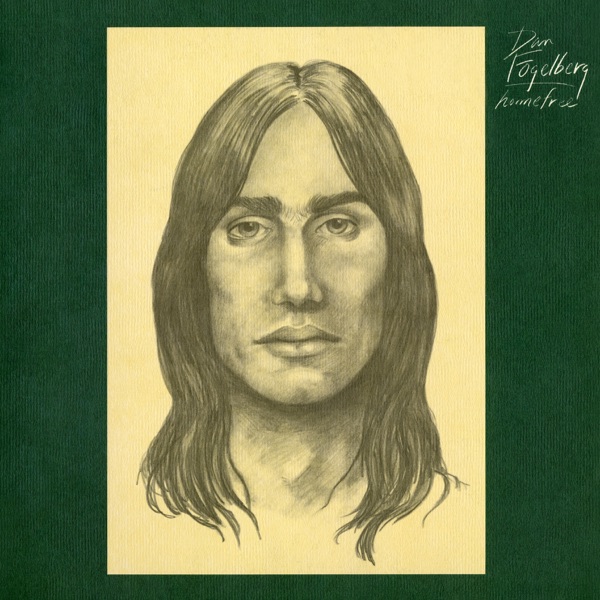
 Home FreeDan Fogelberg197210 tracks
 -
 SouvenirsDan Fogelberg197411 tracks
 -
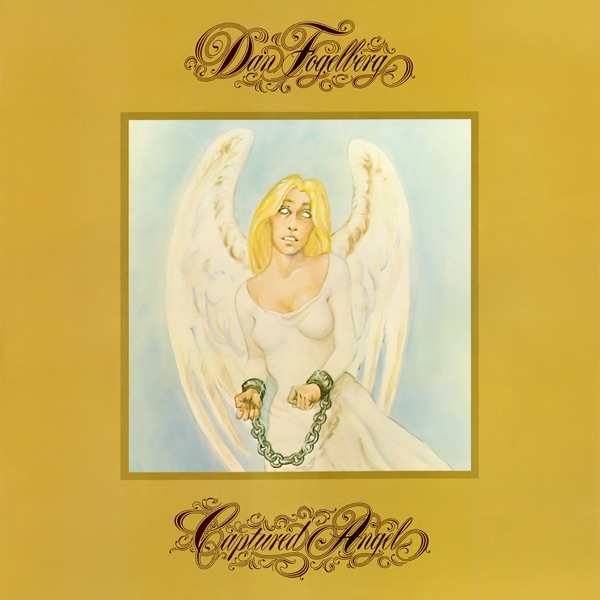
 Captured AngelDan Fogelberg19758 tracks
 -
 Nether LandsDan Fogelberg197711 tracks
 -
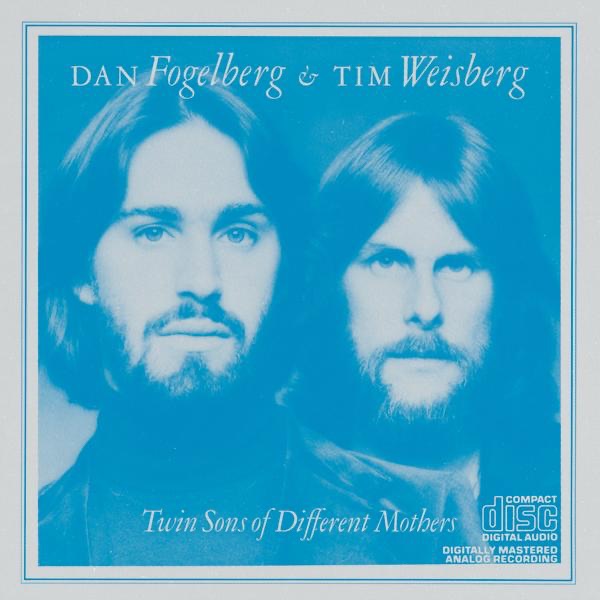
 Twin Sons of Different MothersDan Fogelberg197810 tracks
 -
 PhoenixDan Fogelberg197910 tracks
 -
 The Innocent AgeDan Fogelberg198117 tracks
 -
 Windows and WallsDan Fogelberg19848 tracks
 -
 High Country SnowsDan Fogelberg198511 tracks
 -
 ExilesDan Fogelberg198710 tracks
 -
 The Wild PlacesDan Fogelberg199011 tracks
 -
 River of SoulsDan Fogelberg199310 tracks
 -
 No Resemblance WhatsoeverDan Fogelberg199510 tracks
 -
 The First Christmas MorningDan Fogelberg199914 tracks
 -
 Full CircleDan Fogelberg200311 tracks
 -
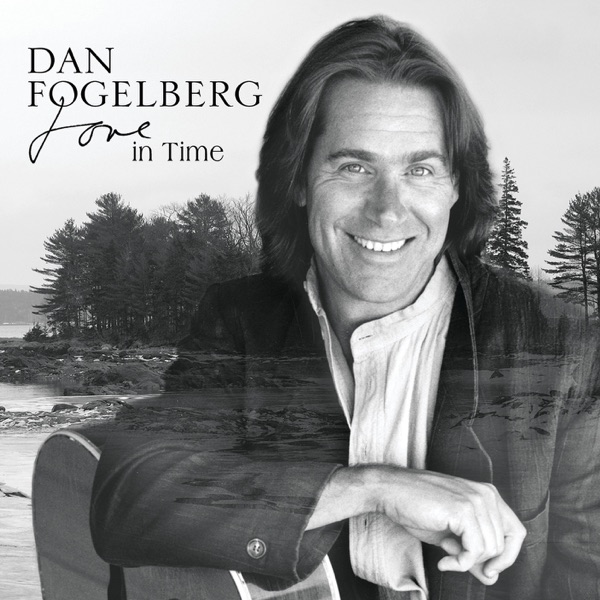
 Love in TimeDan Fogelberg200911 tracks
Deep Dive
Overview
Dan Fogelberg was an American singer, songwriter, and multi-instrumentalist whose career spanned from the early 1970s through the 2000s. He emerged as one of soft rock’s defining figures during the 1970s and 1980s, crafting introspective, melodically sophisticated songs that blended folk and rock idioms with country influences. His three signature tracks—“Longer” (1979), “Same Old Lang Syne” (1980), and “Leader of the Band” (1981)—became staples of FM radio and remain closely associated with the era’s mainstream rock sound. Fogelberg’s career traced a path from acoustic folk beginnings through orchestrated pop-rock arrangements, establishing him as a significant figure in the singer-songwriter tradition that bridged the singer-songwriter movement of the 1960s and the polished adult-contemporary sound of the 1980s.
Formation Story
Daniel Grayling Fogelberg was born in 1951, arriving into an American cultural landscape already shaped by folk and rock fusion. He came of age during the late 1960s and early 1970s, a period when singer-songwriters—artists who wrote, performed, and often produced their own material—had become central to rock’s artistic credibility. The folk-rock tradition established by acts of the previous decade provided Fogelberg’s initial musical vocabulary, but he extended that lineage by incorporating country music instrumentation and sensibilities alongside increasingly sophisticated pop arrangements. By the early 1970s, Fogelberg had developed his signature approach: confessional, often narrative songwriting paired with multi-instrumental musicianship and lush production values. This combination would define his work across five decades of recording.
Breakthrough Moment
Fogelberg’s initial releases—Home Free (1972) and Souvenirs (1974)—established his presence as a folk-rock artist, but it was Phoenix (1979) that marked his commercial breakthrough. The album’s lead single, “Longer,” became his most enduring hit, a soft-rock ballad that achieved massive radio rotation and introduced Fogelberg’s name to millions of casual listeners. The success of Phoenix opened radio playlists to his work and established the template for his subsequent chart dominance. The album’s reception proved that Fogelberg’s introspective, melodically refined approach could reach mainstream audiences without compromising artistic intent, validating the soft-rock aesthetic that would dominate FM radio throughout the 1980s.
Peak Era
Fogelberg’s most commercially successful and creatively assured period ran from 1979 through 1981, encompassing Phoenix (1979) and The Innocent Age (1981). During these years, his craftsmanship as a songwriter reached its fullest expression, and his commercial standing reached its apex. The album The Innocent Age proved particularly significant, generating “Leader of the Band,” a reflective ballad that became another signature song and demonstrated Fogelberg’s gift for emotionally resonant, radio-friendly material. This period also saw him solidify a loyal listener base that would sustain his career through subsequent decades, even as the musical landscape shifted away from the soft-rock paradigm in which he had thrived. The early 1980s represented both the culmination of his 1970s breakthrough and the beginning of his long career as an established artist working across multiple styles.
Musical Style
Fogelberg’s sound synthesized folk-rock’s acoustic foundation with country-music warmth and soft-rock’s polished production. His approach to songwriting emphasized narrative clarity and emotional directness; his lyrics often explored themes of nostalgia, lost love, family relationships, and personal reflection. As a multi-instrumentalist, Fogelberg brought acoustic guitar, piano, and other instruments to his arrangements, allowing him to build songs from carefully layered instrumental voices rather than relying on a single lead instrument. His vocal delivery was warm and conversational rather than technically showy, positioning his voice as one element within a broader textural palette. Over the course of his career, his production choices evolved from the sparser, more acoustic-driven arrangements of his early work toward increasingly orchestrated, synthesizer-informed productions that reflected 1980s studio trends. This stylistic arc mirrored broader shifts in soft rock and adult contemporary music, as synthesizers and drum machines became standard elements in mainstream rock production. His genre affiliations—folk rock, country music, and soft rock—reflected his refusal to work within a single generic boundary, instead drawing from multiple traditions to create a hybrid sound that appealed across demographic lines.
Major Albums
Phoenix (1979)
The album that established Fogelberg as a major commercial force, Phoenix introduced “Longer” and demonstrated his mastery of the soft-rock ballad form. The album’s success proved that introspective, melodically sophisticated songwriting could dominate mainstream radio.
The Innocent Age (1981)
Fogelberg’s artistic and commercial peak, featuring the signature ballad “Leader of the Band” and showcasing his gift for emotionally direct, narrative-driven songwriting. The album’s success cemented his position as one of the decade’s dominant soft-rock voices.
Nether Lands (1977)
A precursor to his commercial breakthrough, this album demonstrated the folk-rock and country-influenced sensibilities that would define his signature style, bridging his earlier acoustic work and later orchestrated productions.
Windows and Walls (1984)
Release during a period of stylistic consolidation, the album reflected the increasingly synthesizer-driven production trends of mid-1980s mainstream rock while maintaining Fogelberg’s commitment to introspective songwriting.
Signature Songs
- “Longer” (1979) — A soft-rock ballad that became Fogelberg’s biggest commercial hit and remains his most recognizable song, cementing his status as a mainstream radio staple.
- “Leader of the Band” (1981) — A reflective ballad about family relationships that became another signature track and demonstrated Fogelberg’s emotional depth.
- “Same Old Lang Syne” (1980) — A narrative-driven song that showcased Fogelberg’s storytelling gifts and became a staple of FM radio rotation throughout the 1980s.
Influence on Rock
Fogelberg’s work represented and reinforced the soft-rock paradigm that dominated FM radio throughout the 1970s and 1980s. His demonstration that introspective, lyrically sophisticated songwriting could achieve massive commercial success without adopting either the technical virtuosity of progressive rock or the raw energy of hard rock influenced the era’s broader artistic strategies. His multi-instrumental approach and emphasis on production sophistication became templates for other singer-songwriters working in mainstream contexts. The accessibility of his work—his refusal to adopt either the art-rock complexity of some contemporaries or the stripped-down minimalism of others—helped establish soft rock as the dominant middle ground of FM radio, shaping the musical environment for subsequent generations of singer-songwriters and adult-contemporary artists. His legacy extends through the continuing presence of his songs in streaming playlists, film soundtracks, and radio formats dedicated to soft-rock and adult-contemporary material, where his work remains a touchstone of the era.
Legacy
Dan Fogelberg’s career extended across five decades, from his 1972 debut through his final album, Love in Time (2009), demonstrating the sustained audience loyalty his work generated. His three major hits—“Longer,” “Same Old Lang Syne,” and “Leader of the Band”—remain fixtures of streaming playlists, film soundtracks, and soft-rock and adult-contemporary radio formats, ensuring his continued presence in popular culture long after his death in 2007. The breadth of his discography, encompassing diverse styles and production approaches across seventeen studio albums, demonstrates his commitment to artistic exploration despite changing musical trends. Fogelberg’s work stands as a testament to the cultural dominance of soft rock and the singer-songwriter tradition during the 1970s and 1980s, and his songs continue to introduce new generations of listeners to that era’s particular brand of introspective, melodically sophisticated rock music. His recordings on Epic Records and Columbia Records remain widely available through streaming services, ensuring that listeners can trace his artistic evolution from his folk-rock origins through his mainstream commercial peak and into his later explorations of diverse musical styles.
Fun Facts
- Fogelberg was a multi-instrumentalist who played numerous instruments across his recordings, moving beyond the typical singer-songwriter reliance on a single instrument.
- His 1978 album Twin Sons of Different Mothers represented a significant collaborative venture in his career, expanding his audience beyond his traditional listener base.
- The longevity of Fogelberg’s chart success—with major hits spanning from 1979 through 1981—positioned him as one of the decade’s most commercially dominant soft-rock artists during a period when FM radio maintained unprecedented cultural influence.
- His later albums, including Full Circle (2003) and Love in Time (2009), demonstrated his continued commitment to recording and releasing new material into the 2000s, maintaining artistic activity across nearly forty years.