
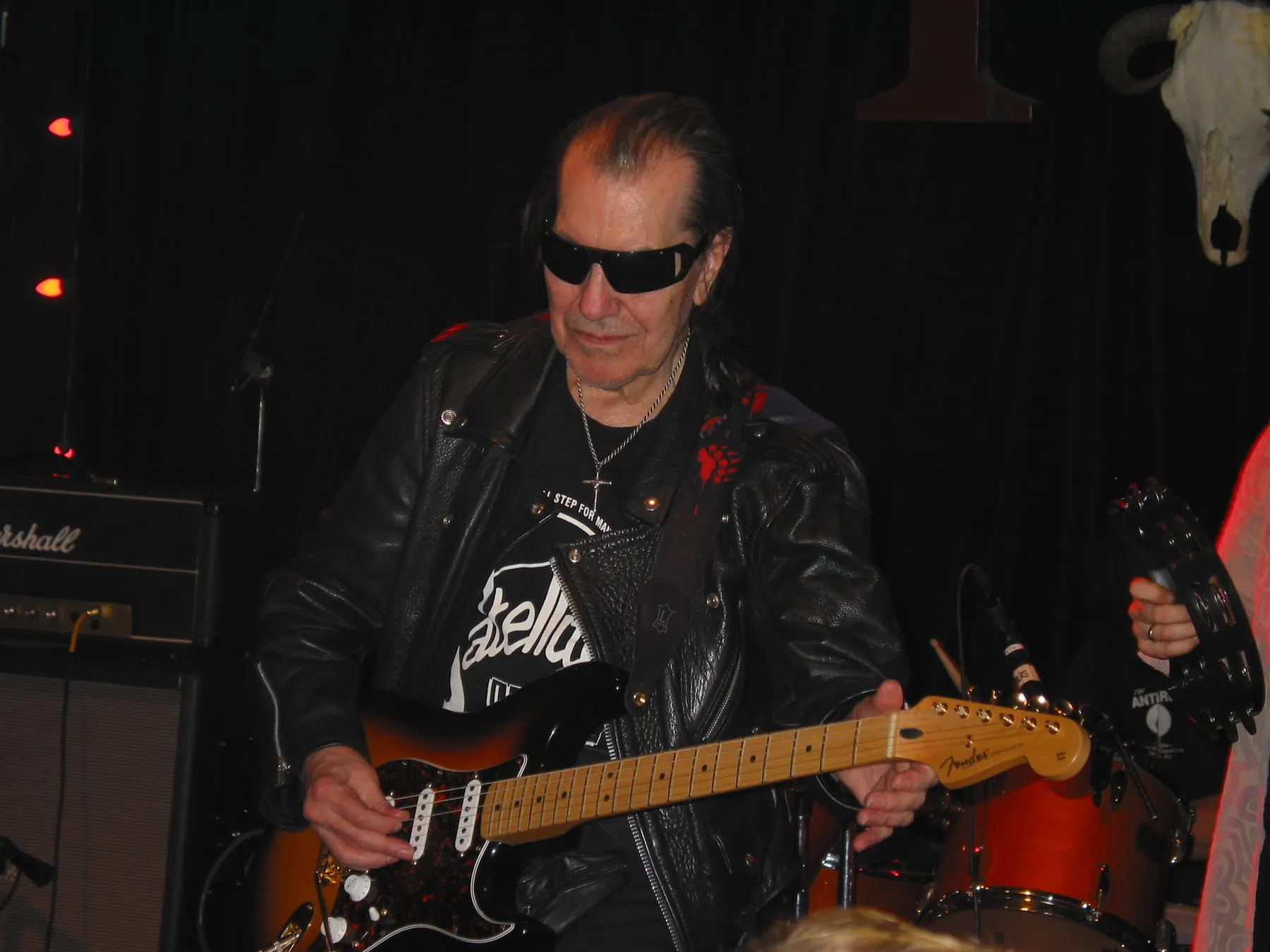
Photo by Eric Frommer , licensed under CC BY-SA 2.0 · Wikimedia Commons
Rank #361
Link Wray
From Wikipedia
Fred Lincoln "Link" Wray Jr. was an American guitarist, songwriter, and vocalist who became popular in the late 1950s. His 1958 instrumental single "Rumble" reached the top 20 in the United States, and was one of the earliest songs in rock music to use distortion and tremolo.
Discography & Previews
Browse through and click an album to open and play 30-second previews streamed from Apple Music.

Sings and Plays Guitar
1964 · 12 tracks
- 1 Baby Doll ↗ 2:02
- 2 Run Boy Run ↗ 2:07
- 3 I Wanta Get Married ↗ 1:59
- 4 Mashed Potato Party ↗ 2:08
- 5 Walkin' Down the Street Called Love ↗ 2:23
- 6 Remember the Twist ↗ 1:56
- 7 I Need Someone Like You ↗ 1:54
- 8 Young Hearts ↗ 2:06
- 9 Blue Eyes (Don't Run Away) ↗ 2:27
- 10 Love Me Forever ↗ 2:12
- 11 I'll Do Anything for You ↗ 2:18
- 12 If This Is Wrong ↗ 2:16


Be What You Want To
1973 · 11 tracks
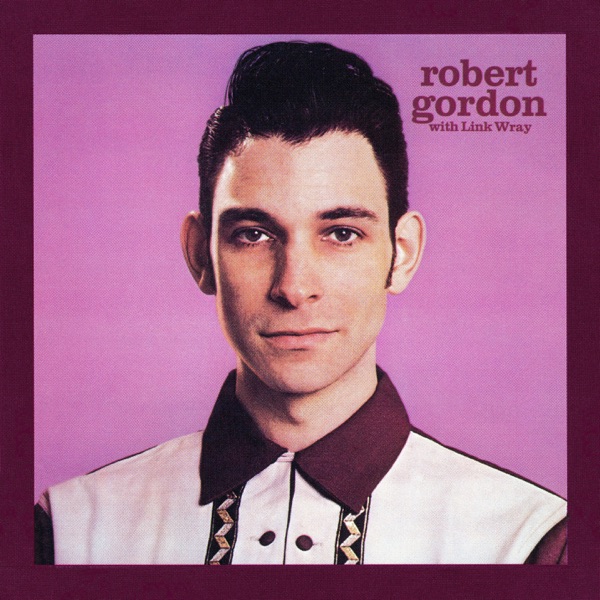
Robert Gordon With Link Wray
1977 · 10 tracks
- 1 Red Hot (with Link Wray) ↗ 2:21
- 2 I Sure Miss You (with Link Wray) ↗ 3:00
- 3 Summertime Blues (with Link Wray) ↗ 2:17
- 4 Boppin' the Blues (with Link Wray) ↗ 2:38
- 5 Sweet Surrender (with Link Wray) ↗ 3:28
- 6 Flying Saucers Rock & Roll (with Link Wray) ↗ 1:50
- 7 The Fool (with Link Wray) ↗ 3:08
- 8 It's in the Bottle (with Link Wray) ↗ 3:06
- 9 Woman (You're My Woman) [with Link Wray] ↗ 2:35
- 10 Is This the Way? (with Link Wray) ↗ 3:13

Fresh Fish Special
1978 · 10 tracks
- 1 The Way I Walk (with Link Wray) ↗ 2:48
- 2 Red Cadillac and a Black Moustache (with Link Wray) ↗ 2:36
- 3 If This Is Wrong (with Link Wray) ↗ 3:13
- 4 Five Days, Five Days (with Link Wray) ↗ 2:35
- 5 Fire (with Link Wray) ↗ 2:37
- 6 I Want to Be Free (with Link Wray) ↗ 3:31
- 7 Twenty Flight Rock (with Link Wray) ↗ 2:15
- 8 Sea Cruise (with Link Wray) ↗ 2:38
- 9 Lonesome Train (On a Lonesome Track) [with Link Wray] ↗ 2:11
- 10 Blue Eyes (Don't Run Away) [with Link Wray] ↗ 2:05

Bullshot
1979 · 12 tracks

Wild Side of the City Lights
1990 · 10 tracks

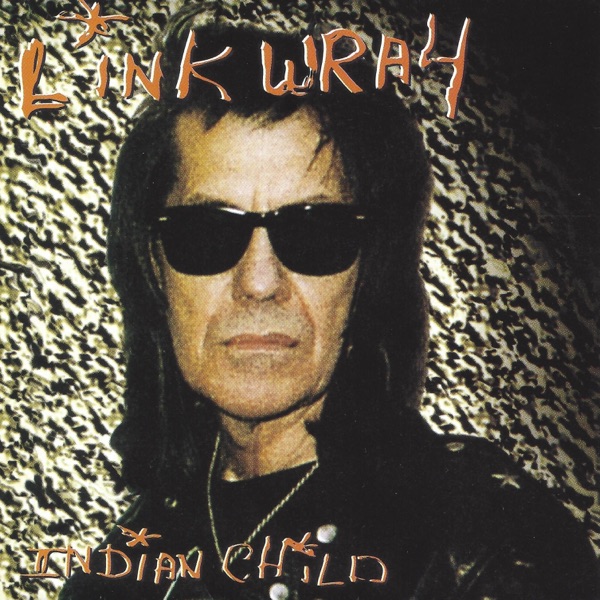
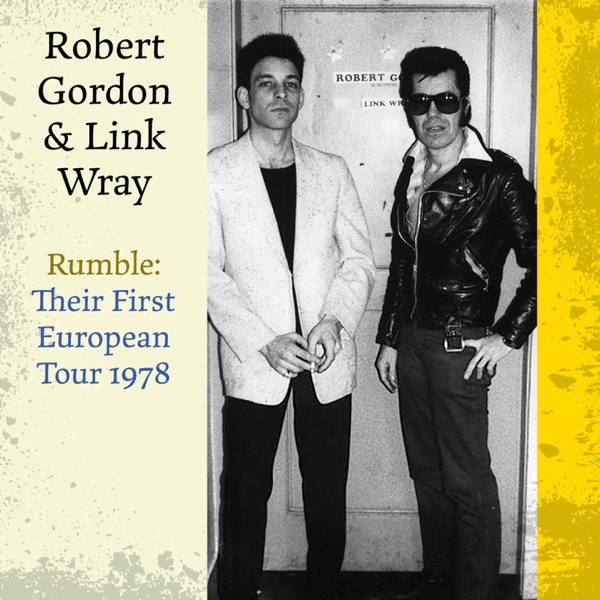
Rumble
1994 · 40 tracks
- 1 The Way I Walk (Live, Bremen, 1978) ↗ 3:00
- 2 Twenty Flight Rock (Live, Bremen, 1978) ↗ 2:20
- 3 Five Days, Five Days (Live, Bremen, 1978) ↗ 2:47
- 4 My Baby Left Me (Live, Bremen, 1978) ↗ 1:59
- 5 Lonesome Train (Live, Bremen, 1978, On a Lonesome Track) ↗ 2:14
- 6 Rumble (Live, Bremen, 1978) ↗ 4:04
- 7 Baby, What You Want Me To Do (Live, Bremen, 1978) ↗ 3:27
- 8 Sea Cruise (Live, Bremen, 1978) ↗ 2:23
- 9 Red Hot (Live, Bremen, 1978) ↗ 1:54
- 10 Fire (Live, Bremen, 1978) ↗ 3:01
- 11 If This Is Wrong (Live, Bremen, 1978) ↗ 3:14
- 12 Summertime Blues (Live, Bremen, 1978) ↗ 2:27
- 13 Mystery Train (Live, Bremen, 1978) ↗ 2:55
- 14 Baby Let's Play House (Live, Bremen, 1978) ↗ 1:53
- 15 I Got A Woman (Live, Bremen, 1978) ↗ 2:53
- 16 Summertime Blues (Live, Amsterdam 1978) ↗ 2:27
- 17 Twenty Flight Rock (Live, Rotterdam, 1978) ↗ 2:33
- 18 Red Cadillac And A Black Moustache (Live, Rotterdam, 1978) ↗ 2:40
- 19 Link Talks (Live, Rotterdam, 1978) ↗ 0:48
- 20 I Want To Be Free (Live, Rotterdam, 1978) ↗ 3:35
- 21 Rumble (Live, Rotterdam, 1978) ↗ 4:02
- 22 Lawdy Miss Clawdy (Live, Rotterdam, 1978) ↗ 4:13
- 23 Flyin' Saucer Rock'n'Roll (Live, Rotterdam, 1978) ↗ 2:14
- 24 Mystery Train (Live, Rotterdam, 1978) ↗ 3:31
- 25 Summertime Blues (Live, Rotterdam, 1978) ↗ 3:14
- 26 If This Is Wrong (Live, Rotterdam, 1978) ↗ 4:06
- 27 Baby Let's Play House (Live, Rotterdam, 1978) ↗ 2:32
- 28 Red Hot (Live, Rotterdam, 1978) ↗ 2:53
- 29 Fire (Live, Rotterdam, 1978) ↗ 3:13
- 30 Sea Cruise (Live, Rotterdam, 1978) ↗ 2:51
- 31 I Sure Miss You (Live, Rotterdam, 1978) ↗ 3:52
- 32 Rawhide (Live, Rotterdam, 1978) ↗ 3:34
- 33 Baby What You Want Me To Do (Live, Rotterdam, 1978) ↗ 5:58
- 34 The Way I Walk (Live, Rotterdam, 1978) ↗ 3:13
- 35 Lonesome Train (Live, Rotterdam, 1978, On a Lonesome Track) ↗ 2:40
- 36 Five Days, Five Days (Live, Rotterdam, 1978) ↗ 3:09
- 37 Boppin'The Blues (Live, Rotterdam, 1978) ↗ 2:43
- 38 I Got A Woman (Live, Rotterdam, 1978) ↗ 3:29
- 39 Endless Sleep (Live, Rotterdam, 1978) ↗ 6:08
- 40 Red Hot (Reprise) [Live, Rotterdam, 1978] ↗ 2:16

Shadowman
1997 · 12 tracks
- 1 Rumble On The Docks ↗ 7:27
- 2 Heartbreak Hotel ↗ 3:43
- 3 Geronimo ↗ 4:20
- 4 Young Love ↗ 3:40
- 5 Moped Baby ↗ 3:17
- 6 Run Through the Jungle ↗ 6:12
- 7 I Can't Help It (If I'm Still in Love with You) ↗ 4:20
- 8 Night Prowler ↗ 3:34
- 9 You Make It so Easy ↗ 2:21
- 10 Time Warp / Strider (:Timewarp / Strider) ↗ 4:18
- 11 Listen to the Drums ↗ 6:03
- 12 Shadowman ↗ 4:52

Barbed Wire
2000 · 13 tracks
- 1 Tiger Man ↗ 3:27
- 2 Julie Baby ↗ 3:29
- 3 Home Is Where the Heart Is ↗ 2:53
- 4 Hard Rock ↗ 3:00
- 5 Barbed Wire ↗ 2:30
- 6 Young And Beautiful ↗ 2:48
- 7 Jailhouse Rock ↗ 2:54
- 8 Somebody Lied ↗ 3:30
- 9 Lover Come Back To Me ↗ 1:50
- 10 Spider Man ↗ 3:45
- 11 Rumble (Live '96) ↗ 3:48
- 12 Born to Be Wild ↗ 7:56
- 13 Fire (Live '96) ↗ 7:22
-
 Sings and Plays GuitarLink Wray196412 tracks
 -
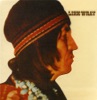 Link WrayLink Wray197111 tracks
 -
 Be What You Want ToLink Wray197311 tracks
 -
 Robert Gordon With Link WrayLink Wray197710 tracks
 -
 Fresh Fish SpecialLink Wray197810 tracks
 -
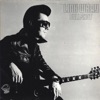 BullshotLink Wray197912 tracks
 -
 Wild Side of the City LightsLink Wray199010 tracks
 -
 ApacheLink Wray199010 tracks
 -
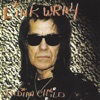 Indian ChildLink Wray199310 tracks
 -
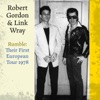 RumbleLink Wray199440 tracks
 -
 ShadowmanLink Wray199712 tracks
 -
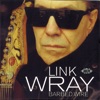 Barbed WireLink Wray200013 tracks
Deep Dive
Overview
Fred Lincoln “Link” Wray Jr. was an American guitarist, songwriter, and vocalist whose career spanned from the late 1950s through the early 2000s. He stands as one of rock music’s most consequential instrumentalists, a figure whose technical innovations—particularly his early use of distortion and tremolo—altered the trajectory of rock guitar forever. Though his commercial peak arrived in the late 1950s, Wray’s influence extended far beyond that era, touching generations of musicians who would inherit and expand upon the sonic territories he first opened.
Formation Story
Link Wray emerged from the American rock and roll scene of the 1950s, a period when electric guitar was still finding its voice in popular music. Born in 1929, Wray came of age during the transition from swing and country into the electrified sound that would define rock and roll. He worked his way up through the regional touring circuit, performing and writing material that drew from rock and roll’s immediate past while pushing toward something rawer and more aggressive. By the late 1950s, Wray had positioned himself as a working guitarist and bandleader, releasing material on smaller labels including Apex Records before securing a deal with Epic Records.
Breakthrough Moment
Wray’s breakthrough arrived with “Rumble” in 1958, an instrumental single that reached the top 20 in the United States. The track was revolutionary for its time: a raw, menacing guitar-driven piece built on distorted and tremolo-drenched tones that sounded unlike anything mainstream radio had previously encountered. “Rumble” became not merely a commercial success but a technical landmark, one of the earliest rock recordings to deploy distortion as a deliberate, compositional tool rather than an accident of overamplification. The single’s impact established Wray as more than a novelty act—it proved that an instrumental, built primarily on guitar texture and atmosphere, could capture the public imagination and command airplay alongside vocal-driven pop and rock records.
Peak Era
Wray’s most productive and creatively fertile years spanned the 1960s and 1970s. During this period, he released a steady stream of studio albums beginning with Sings and Plays Guitar in 1964, which showcased his ability to work both as an instrumentalist and vocalist. The 1970s proved especially prolific: Link Wray (1971), Be What You Want To (1973), Beans and Fatback (1973), The Link Wray Rumble (1974), and Stuck in Gear (1975) all appeared in rapid succession, demonstrating his continued commitment to recording and his evolving musical interests. Rather than rest on the fame of “Rumble,” Wray continued to experiment and record, moving between rock and roll, blues, and soul influences. A 1977 collaboration with singer Robert Gordon produced Robert Gordon With Link Wray, marking one of his most notable partnership projects.
Musical Style
Link Wray’s guitar sound was built on a foundation of raw electricity and deliberate distortion. He pioneered techniques that would become standard in rock guitar decades later—using amplifier overdrive, tremolo effects, and aggressive string bending to create a tone that was simultaneously menacing and musical. His instrumental compositions relied on repetition, blues-rooted chord structures, and hypnotic rhythmic grooves rather than flashy technical display. When singing, Wray brought a hoarse, weathered vocal quality to his records, grounding his guitar work in human emotion rather than pure spectacle. His songwriting drew equally from rock and roll, blues, and American roots music, and his recordings often featured him playing multiple instruments, demonstrating a command of rhythm guitar, lead phrasing, and compositional architecture. Over his career, his style evolved from the raw, mono-recorded instrumental approach of the late 1950s to incorporate wider sonic palettes, but the essential character remained: guitar-centric, rhythm-driven, and grounded in blues feeling.
Major Albums
Sings and Plays Guitar (1964)
Wray’s first studio album established him as both vocalist and multi-instrumentalist, moving beyond the instrumental “Rumble” into a more varied sonic palette while maintaining his guitar-forward approach.
Link Wray (1971)
A self-titled effort that captured Wray in full creative stride during the early 1970s, showcasing his range as both an interpreter and original voice in rock and blues.
The Link Wray Rumble (1974)
A career-spanning collection that traded on the fame of his signature song while demonstrating his work beyond that single, consolidating his reputation during the height of 1970s rock.
Robert Gordon With Link Wray (1977)
A notable collaboration pairing Wray’s guitar work with Robert Gordon’s vocal presence, representing one of his most celebrated partnership projects from the later part of his active period.
Signature Songs
- “Rumble” (1958) — The instrumental that made Wray’s name, a pioneering use of distortion that remains one of rock’s foundational guitar recordings.
- “Raw Hide” (1958) — An early instrumental that paired Wray’s distorted guitar with Western imagery, further establishing his signature sound.
- “Ace of Spades” — A blues-rooted number that showcased Wray’s ability to bend tradition toward his own aggressive aesthetic.
- “Beans and Fatback” — Demonstrates his later-period willingness to explore funk and soul influences alongside rock and roll.
Influence on Rock
Link Wray’s technical innovations in guitar distortion preceded by nearly a decade the widespread adoption of fuzz and distortion by the British Invasion and psychedelic rock movements of the mid-1960s. His 1958 recording of “Rumble” stands as one of the earliest and most convincing proofs that deliberately harsh, overdriven guitar tones could serve musical and emotional purposes in rock music. This opened pathways for feedback-based experimentation, heavy rock, and punk guitar aesthetics that would flourish in subsequent decades. Guitarists across genres—from hard rock to punk to psychedelia—inherited a template from Wray’s work, whether or not they directly acknowledged the debt. His commitment to guitar-driven instrumental music also helped establish that rock could succeed without vocals as the primary vehicle, a model later reinforced by surf rock, progressive rock, and instrumental rock traditions.
Legacy
Link Wray’s death in 2005 marked the end of a career that spanned more than five decades. His influence remained understated in mainstream music history for much of his lifetime, yet his innovations in guitar tone and distortion became foundational to rock music’s technical language. Reissues and archival releases, including Link Wray: Slinky! The Epic Sessions: 1958–1960 (2002) and White Lightning: Lost Cadence Sessions ‘58 (2006), brought his earliest and most crucial recordings back into circulation for new audiences. Streaming platforms and retrospective interest in rock guitar history have steadily enlarged recognition of his role as a pioneer. “Rumble” remains instantly recognizable and frequently cited in accounts of rock guitar’s evolution, cementing Wray’s position as a figure whose single most famous recording captures a crucial turning point in how electric guitar could sound and function in popular music.
Fun Facts
- Link Wray recorded “Rumble” when the technique of guitar distortion was still so novel and alarming that some radio stations banned the song, viewing its aggressive tone as potentially dangerous or corrupting to listeners.
- His career saw a resurgence in the 1970s punk and new wave eras, when younger musicians recognized in his raw, distortion-heavy approach a kinship with their own aesthetic rejection of polished production.
- Wray’s prolific later-period output, including albums through 2014 (Two Classic Albums Plus Singles And Session Tracks), demonstrated a remarkable longevity and continued willingness to record and tour well into his final years.