
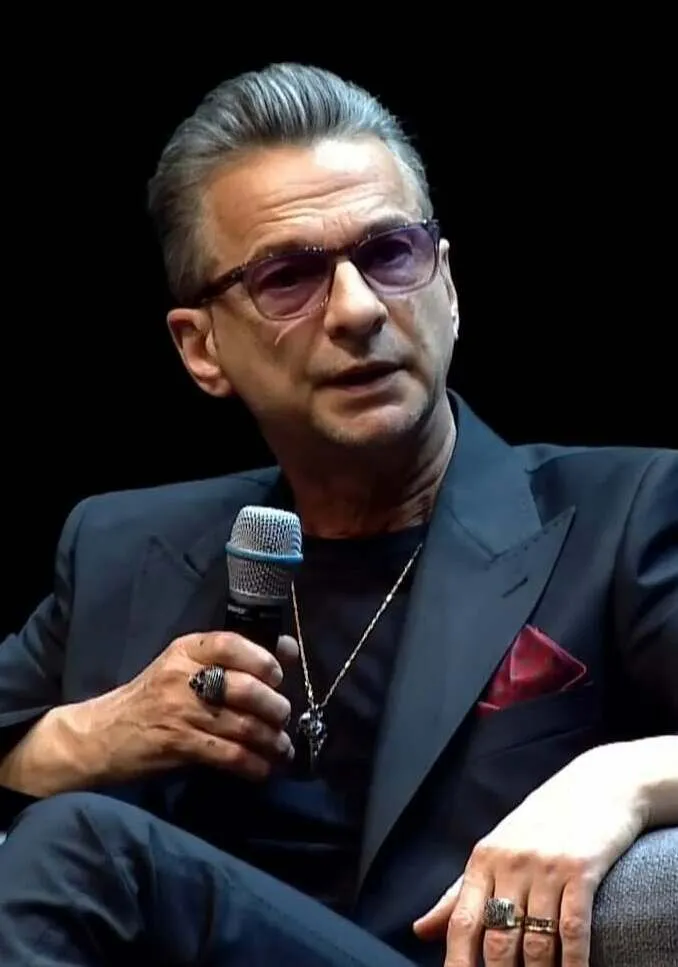
Photo by Depeche Mode , licensed under CC BY 3.0 · Wikimedia Commons
Rank #293
Dave Gahan
From Wikipedia
David Gahan is an English singer best known as the co-founder and lead singer of electronic music band Depeche Mode since their formation in 1980. Noted for his commanding stage presence and unique baritone voice, Gahan was ranked at No. 73 on Q magazine's list of the "100 Greatest Singers" and No. 27 on its list of the "100 Greatest Frontmen". As a member of Depeche Mode, he was inducted into the Rock and Roll Hall of Fame in 2020.
Discography & Previews
Browse through and click an album to open and play 30-second previews streamed from Apple Music.
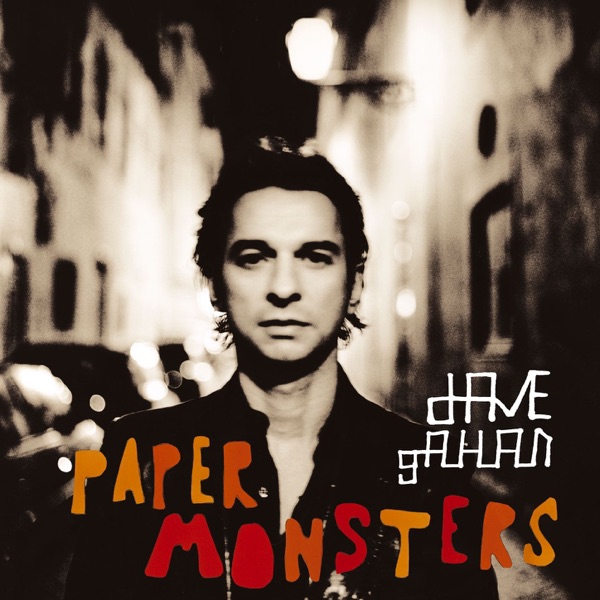


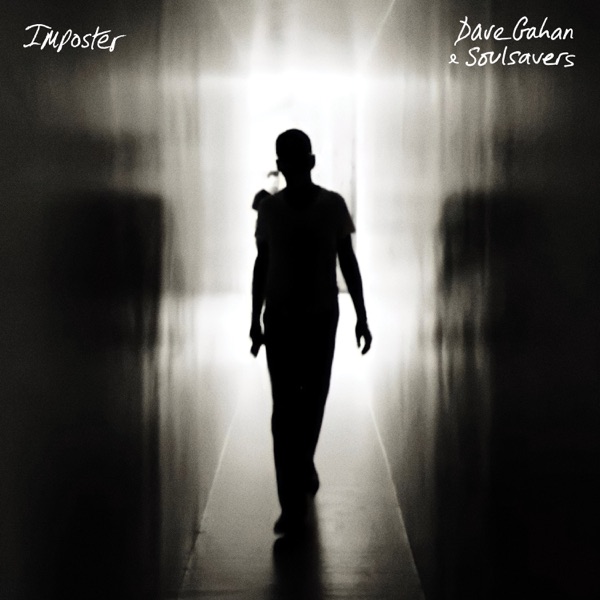
Imposter
2021 · 12 tracks
- 1 The Dark End Of The Street ↗ 2:35
- 2 Strange Religion ↗ 3:53
- 3 Lilac Wine ↗ 4:15
- 4 I Held My Baby Last Night ↗ 3:35
- 5 A Man Needs A Maid ↗ 4:11
- 6 Metal Heart ↗ 4:47
- 7 Shut Me Down ↗ 4:05
- 8 Where My Love Lies Asleep ↗ 4:22
- 9 Smile ↗ 3:29
- 10 The Desperate Kingdom Of Love ↗ 2:56
- 11 Not Dark Yet ↗ 5:20
- 12 Always On My Mind ↗ 3:19
-
 Paper MonstersDave Gahan200310 tracks
 -
 HourglassDave Gahan200710 tracks
 -
 Angels & GhostsDave Gahan20159 tracks
 -
 ImposterDave Gahan202112 tracks
Deep Dive
Overview
Dave Gahan is an English singer born in 1962, best known as the co-founder and lead singer of the electronic music band Depeche Mode, which he has fronted since their formation in 1980. Noted for his commanding stage presence and distinctive baritone voice, Gahan stands among rock music’s most recognizable lead vocalists. His contributions to Depeche Mode positioned him at the intersection of new wave, pop, and electronic music—genres that defined alternative culture from the 1980s onward. Beyond his work with the band, Gahan pursued a solo recording career, releasing four studio albums across two decades while maintaining his primary role in one of the most commercially successful electronic acts in rock history.
Formation Story
Gahan was born in 1962 in the United Kingdom at the tail end of the British Invasion era, coming of age during the punk and post-punk upheaval of the late 1970s. His path to rock music emerged through the new wave and electronic music landscape that flourished in Britain during that period. In 1980, he co-founded Depeche Mode, stepping into the role of lead vocalist for a group that would pioneer the marriage of synthesizer-driven pop and art-school sensibility. This early formation placed Gahan at the forefront of electronic music at a moment when synthesizers were beginning to displace guitars as the primary instruments of alternative rock. His voice became the human anchor around which Depeche Mode’s cold, precise electronic production orbited.
Breakthrough Moment
Gahan’s breakthrough as a recording artist and performer came as part of Depeche Mode’s rise throughout the 1980s and 1990s. The band’s consistent commercial success and growing international profile established his baritone voice as one of the defining tonal signatures of new wave and electronic pop. By the early 2000s, his reputation as a vocalist had grown sufficiently that he was able to launch a solo recording career while remaining the primary voice of Depeche Mode. His first solo album, Paper Monsters, was released in 2003, marking his formal debut as a standalone artist. This album demonstrated that his appeal extended beyond the band’s established sound, allowing him to explore material under his own name while Depeche Mode continued its touring and recording schedule.
Peak Era
Gahan’s peak era as a solo artist spans the period from 2003 through the early 2010s, during which he released three studio albums in relative succession: Paper Monsters (2003), Hourglass (2007), and Angels & Ghosts (2015). These albums allowed him to step outside the constraints of Depeche Mode’s synthesizer-heavy aesthetic and explore new sonic territories while preserving the pop sensibility and emotional directness that had made him famous. His solo work maintained connections to new wave and electronic music while occasionally incorporating live instrumentation in ways that his primary band rarely attempted. The critical and commercial reception of these records, while not matching the scale of Depeche Mode’s output, established him as a credible solo artist capable of sustaining listener interest independently.
Musical Style
Gahan’s voice is characterized by a deep, commanding baritone with considerable emotional range—capable of delivering both the cool detachment suited to electronic pop and the raw vulnerability of more traditionally structured rock and pop songs. His vocal approach shares the post-punk tradition of singing as declarative statement rather than virtuosic display, influenced by the British new wave and electronic music contexts from which he emerged. As a solo artist, he has experimented with production styles ranging from heavily electronic arrangements reminiscent of his work with Depeche Mode to more guitar-driven rock compositions. His phrasing is direct and theatrical, emphasizing the lyrical content and emotional intent of each song over technical ornamentation. The progression of his solo albums demonstrates an artist comfortable moving between electronic and organic instrumentation, suggesting that his core strength lies in the interpretation and delivery of material rather than adherence to any single sonic palette.
Major Albums
Paper Monsters (2003)
Gahan’s solo debut introduced his voice and songwriting in a format distinct from Depeche Mode, establishing him as a solo artist capable of sustaining full-length projects independently.
Hourglass (2007)
Released four years after his debut, Hourglass continued his exploration of solo material and refined his approach to balancing electronic and traditional rock production.
Angels & Ghosts (2015)
This album marked the third major statement in his solo career, demonstrating continuity across his independent work while maintaining stylistic diversity.
Imposter (2021)
Gahan’s most recent solo album, released in 2021, showed his continued engagement with recording as an individual artist well into his later career years.
Signature Songs
- “Enjoy the Silence” (Depeche Mode) — The band’s most recognizable ballad, featuring Gahan’s baritone set against minimal electronic arrangement.
- “Personal Jesus” (Depeche Mode) — A signature showcase for his vocal presence and interpretation of rock-influenced electronic production.
- “Never Let Me Down Again” (Depeche Mode) — Demonstrates his ability to deliver emotionally direct material within the band’s synthesizer framework.
- “Policy of Truth” (Depeche Mode) — A high-energy track highlighting the power and flexibility of his vocal delivery.
Influence on Rock
Gahan’s influence extends across new wave, electronic music, and alternative rock by virtue of his role as the public face of Depeche Mode. His baritone voice helped establish that electronic music could be fronted by a vocalist with genuine emotional presence rather than relying solely on production and arrangement. By demonstrating that synthesizer-based pop could accommodate deep, authoritative male vocals, he expanded the sonic possibilities available to electronic music and influenced how subsequent artists approached the blending of human voice and electronic instrumentation. His solo work, while less commercially dominant than his band output, showed that the electronic music audience would follow him outside the Depeche Mode framework, validating the artistic autonomy of band members within the electronic genre.
Legacy
Dave Gahan’s legacy is inextricably linked to Depeche Mode’s status as one of the most enduring and influential acts in electronic music and new wave. The band’s 2020 induction into the Rock and Roll Hall of Fame represents institutional recognition of his role in shaping rock music across four decades. His ranking at No. 73 on Q magazine’s “100 Greatest Singers” and No. 27 on its “100 Greatest Frontmen” lists reflects his standing among peer musicians and critics. Beyond accolades, his voice has become the sonic template against which much of 1980s and 1990s electronic pop is measured. His solo career, though smaller in scope than his band work, demonstrates the depth of his appeal beyond any single project and his ability to sustain relevance as an artist. As streaming and archival platforms have made back catalogs perpetually available, his work across both Depeche Mode and solo projects continues to reach new listeners.
Fun Facts
- Gahan was ranked No. 73 on Q magazine’s list of the “100 Greatest Singers,” placing him among the most critically respected vocalists in rock music history.
- He was recognized as No. 27 on Q magazine’s list of the “100 Greatest Frontmen,” reflecting his commanding stage presence and ability to command large audiences.
- Depeche Mode’s induction into the Rock and Roll Hall of Fame in 2020 cemented Gahan’s place in official rock history, validating four decades of work in electronic music.
- His solo recording career spans nearly two decades, with albums released in 2003, 2007, 2015, and 2021, demonstrating sustained engagement with independent recording work.