
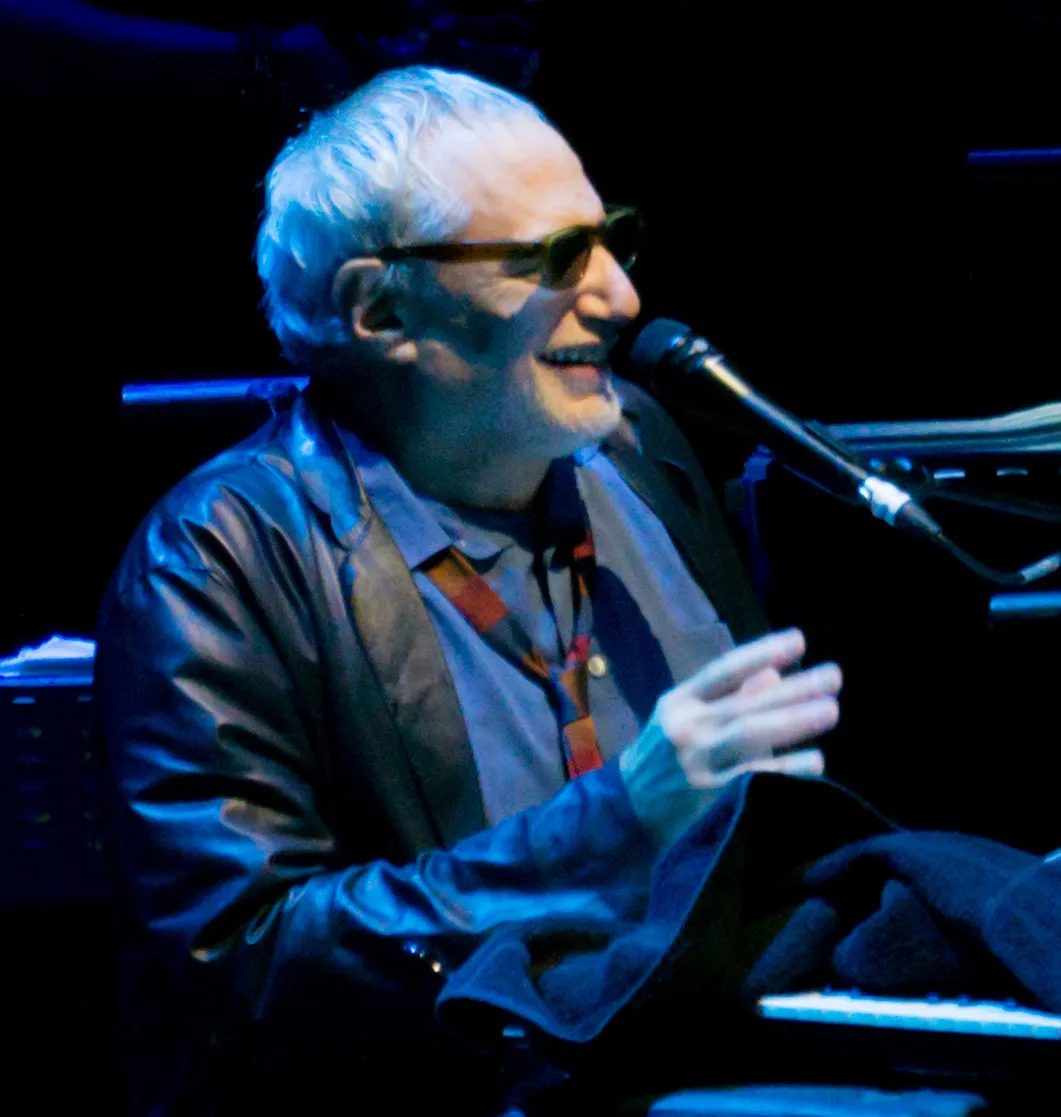
Photo by Raph_PH , licensed under CC BY 2.0 · Wikimedia Commons
Rank #269
Donald Fagen
From Wikipedia
Donald Jay Fagen is an American singer-songwriter and musician who is the co-founder, lead singer, co-songwriter, and keyboardist of the rock band Steely Dan, formed in the early 1970s with musical partner Walter Becker. In addition to his contributions to Steely Dan, Fagen has released four solo albums, beginning with The Nightfly in 1982, which was nominated for seven Grammys.
Discography & Previews
Browse through and click an album to open and play 30-second previews streamed from Apple Music.



-
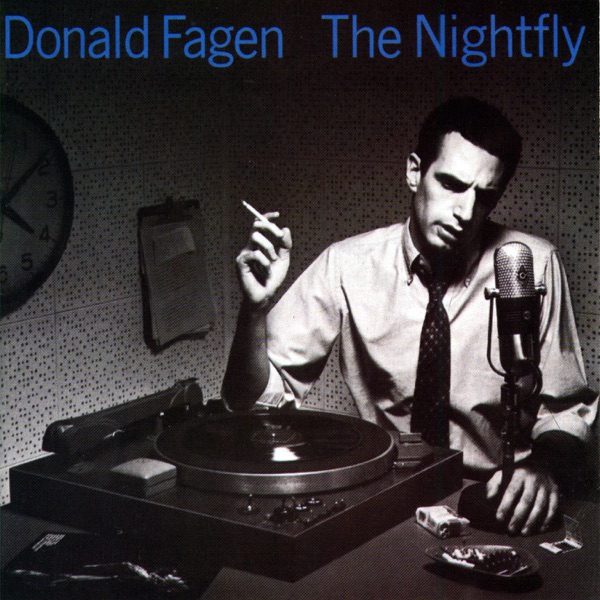
 The NightflyDonald Fagen19828 tracks
 -
 KamakiriadDonald Fagen19938 tracks
 -
 Walter Becker & Donald Fagen 's Mock Gurgle SongDonald Fagen20015 tracks
 -
 Morph the CatDonald Fagen20069 tracks
 -
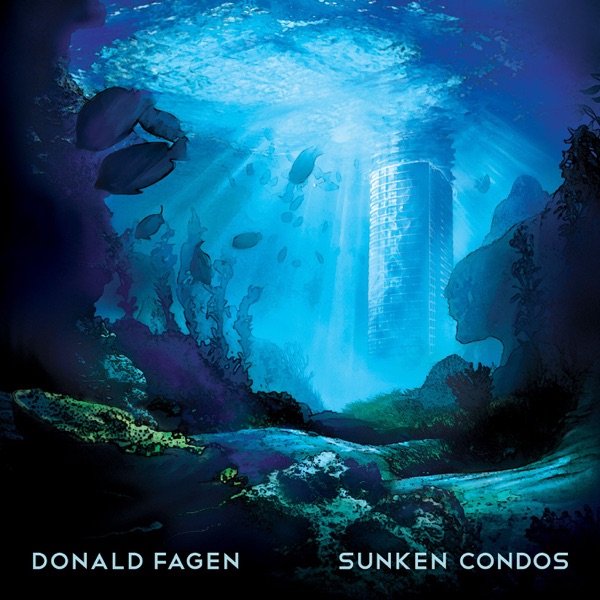
 Sunken CondosDonald Fagen20129 tracks
Deep Dive
Overview
Donald Fagen stands as one of the primary architects of Steely Dan, the most intellectually rigorous and sonically sophisticated rock band of the 1970s, and later as a solo artist whose work extended the band’s legacy into multiple subsequent decades. Born in 1948, Fagen emerged from the American rock mainstream not as a virtuoso in the conventional sense but as a bandleader, keyboardist, and songwriter whose sensibility merged jazz harmonic complexity, R&B groove, and pop melodic craft into a sound that resisted easy categorization. His career encompasses the formative years of Steely Dan alongside Walter Becker in the early 1970s, followed by a solo trajectory beginning in the early 1980s that demonstrated his ability to sustain artistic vision independent of his most famous collaboration.
Formation Story
Fagen’s entry into rock music came during the late 1960s and early 1970s, a period when the boundaries between rock, soul, and jazz were becoming increasingly porous. His partnership with Walter Becker, established in the early 1970s, proved to be the crucible in which his musical identity crystallized. Together, they co-founded Steely Dan, a project that would eventually redefine what a rock band could sound like—rejecting the blues-based structures and live-performance ethos that dominated the era in favor of studio-crafted arrangements, cryptic lyrics, and harmonic sophistication rooted in jazz tradition. Fagen’s role as lead singer, keyboardist, and primary co-songwriter placed him at the center of the band’s vision, though the Becker-Fagen partnership remained the true engine of Steely Dan’s creative output.
Breakthrough Moment
Steely Dan’s commercial breakthrough in the mid-1970s established Fagen as a major figure in rock music, but his solo career gained genuine traction with the release of The Nightfly in 1982. The album represented a standalone artistic statement that earned seven Grammy nominations, signaling that Fagen’s songwriting and production sensibilities could command critical and commercial attention without the Steely Dan brand. The Nightfly proved that his approach to composition and arrangement—meticulous, jazz-informed, and deeply concerned with lyrical detail—remained vital nearly a decade after Steely Dan’s most prolific years. The album’s success validated a solo career that would span the next four decades.
Peak Era
Fagen’s most sustained period of solo output and cultural presence extended from 1982 through the mid-2000s, encompassing The Nightfly, Kamakiriad (1993), and Morph the Cat (2006). During this span, he maintained the aesthetic commitments that had defined Steely Dan: immaculate production, jazz-inflected harmonic language, and a lyrical sensibility that favored irony and specificity over direct emotional statement. The eleven-year gap between The Nightfly and Kamakiriad reflected his perfectionist approach to recording and arrangement, a trait inherited from his Steely Dan years. Morph the Cat continued this trajectory, demonstrating that Fagen’s artistic priorities remained consistent even as popular rock music moved through multiple aesthetic shifts.
Musical Style
Fagen’s sound, both within Steely Dan and as a solo artist, centers on the marriage of rock and jazz vocabularies. His keyboard work—typically involving synthesizers and acoustic pianos—provides harmonic and textural sophistication that avoids the bombast of progressive rock in favor of precision and restraint. His vocal approach is conversational and dry, delivered without the emotional expansiveness or technical display that characterizes many rock singers; the voice serves the lyrical content rather than dominating it. Lyrically, Fagen favors urbane, observational songwriting that often employs narrative personas and wry humor. Rhythmically, his music is rooted in R&B and funk grooves adapted to rock instrumentation, creating a hybrid sound that sits between soft rock, yacht rock, and jazz rock. The production aesthetic is immaculate and studio-centric, prioritizing clarity, balance, and subtle layering of instruments.
Major Albums
The Nightfly (1982)
Fagen’s solo debut announced that he could sustain a full artistic statement independent of Steely Dan, earning seven Grammy nominations for its sophisticated arrangements and introspective songwriting focused on urban themes and psychological observation.
Kamakiriad (1993)
Released eleven years after The Nightfly, this album maintained Fagen’s commitment to meticulous production and jazz-informed composition while exploring new thematic and musical territory, demonstrating artistic consistency across extended periods of silence.
Morph the Cat (2006)
Fagen’s third solo album continued his established sonic vocabulary of synthesizers, jazz harmonics, and carefully crafted arrangements, proving the durability of his musical vision into the 2000s.
Sunken Condos (2012)
This album extended Fagen’s career into his seventh decade, maintaining the precision and sophistication that had characterized his solo work since The Nightfly.
Signature Songs
- “I.G.Y.” — A deadpan portrait of futuristic urban life and technological optimism, built on precise synthesizer arrangements and Fagen’s characteristic dry vocal delivery.
- “New Frontier” — A narrative-driven composition that showcases Fagen’s lyrical specificity and ability to embed complex emotional content in seemingly light arrangements.
- “Maxine” — Demonstrates his jazz-influenced harmonic language and his gift for character-based songwriting.
- “The Nightfly” — The title track exemplifies his ability to merge rock sensibility with jazz sophistication, featuring intricate keyboard work and reflective lyrics.
Influence on Rock
Fagen’s influence on rock music operates on multiple levels. Through Steely Dan, he helped establish the principle that a rock band could draw equally from jazz, R&B, and pop without sacrificing artistic integrity or commercial viability. His solo work demonstrated that the precise, studio-centric approach pioneered by Steely Dan could sustain a career across multiple decades and changing musical landscapes. His emphasis on compositional sophistication, harmonic complexity, and lyrical intelligence influenced musicians working in soft rock, yacht rock, and jazz-adjacent rock genres. More broadly, Fagen exemplified a model of rock artist-as-craftsman rather than rock artist-as-showman, prioritizing the finished recording object and the song itself over the mythology of performance or persona.
Legacy
Fagen’s career spans from the early 1970s to the present, making him one of the few major figures from the classic rock era to maintain ongoing artistic activity and relevance across more than five decades. His four solo albums, combined with his central role in Steely Dan’s catalog, constitute a substantial body of work that continues to stream and find audiences through digital platforms. Steely Dan’s periodic reunions and tours in the 2000s and beyond kept his profile visible, though his solo work remains less frequently discussed than his contributions to the band. His insistence on compositional excellence and production integrity influenced generations of musicians working at the intersection of rock, jazz, and pop, establishing a template for the intelligent rock musician that persists into the contemporary era.
Fun Facts
- In 2001, Fagen collaborated with his long-time musical partner Walter Becker on a project titled Walter Becker & Donald Fagen’s Mock Gurgle Song, reconnecting the two after years of focus on individual endeavors.
- Fagen released Feelin’ Groovy in 2020, continuing his solo recording activity well into his seventh decade and demonstrating sustained commitment to the craft of recording and composition.
- His record label history spans MGM Records, ABC Records, and Giant Records, reflecting the evolution of the music industry across his career’s duration.