
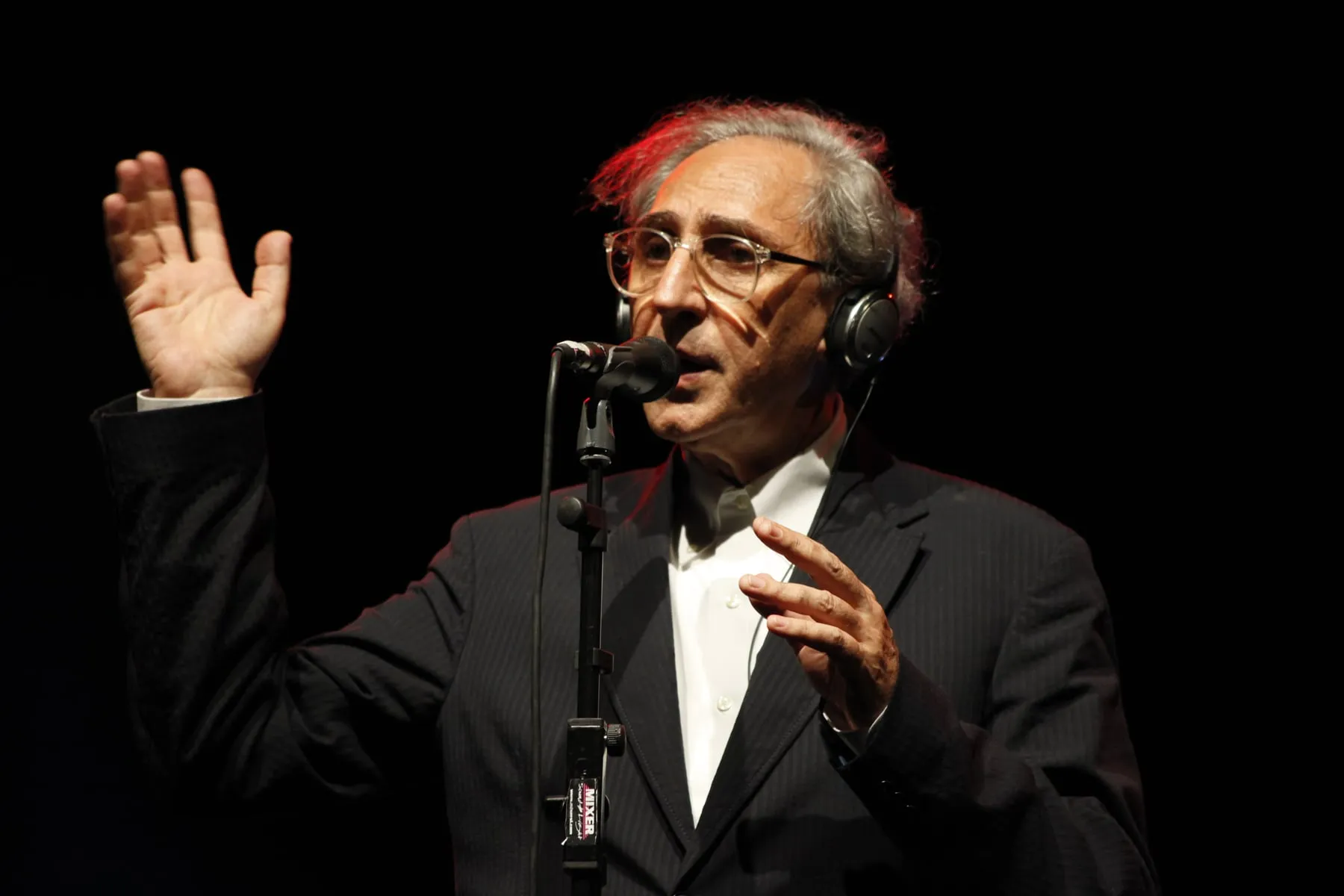
Photo by rabendeviaregia , licensed under CC BY-SA 2.0 · Wikimedia Commons
Rank #403
Franco Battiato
From Wikipedia
Francesco "Franco" Battiato was an Italian musician, singer, composer, filmmaker and, under the pseudonym Süphan Barzani, also a painter. Battiato's songs explore many themes, and have spanned genres such as experimental pop, electronic music, minimalism, avant-garde, progressive rock, new wave, symphonic music, sound collage, opera, oratorio and movie soundtrack.
Discography & Previews
Browse through and click an album to open and play 30-second previews streamed from Apple Music.

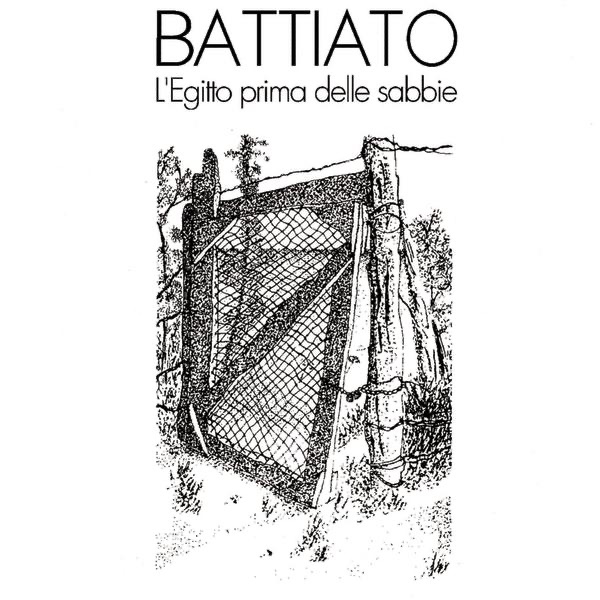
L’Egitto prima delle sabbie
1978 · 2 tracks


L’imboscata
1996 · 10 tracks


Fleurs
1999 · 12 tracks
- 1 La Canzone Dell'amore Perduto ↗ 3:26
- 2 Ruby Tuesday ↗ 3:36
- 3 J'entends Siffler Le Train ↗ 3:09
- 4 Aria Di Neve ↗ 2:53
- 5 Ed Io Tra Di Voi ↗ 2:55
- 6 Te Lo Leggo Negli Occhi ↗ 3:04
- 7 La Canzone Dei Vecchi Amanti ↗ 3:25
- 8 Era De Maggio ↗ 3:27
- 9 Che Cosa Resta ↗ 3:26
- 10 Amore Che Vieni, Amore Che Val ↗ 2:28
- 11 Medievale ↗ 2:37
- 12 Invito Al Viaggio ↗ 7:26

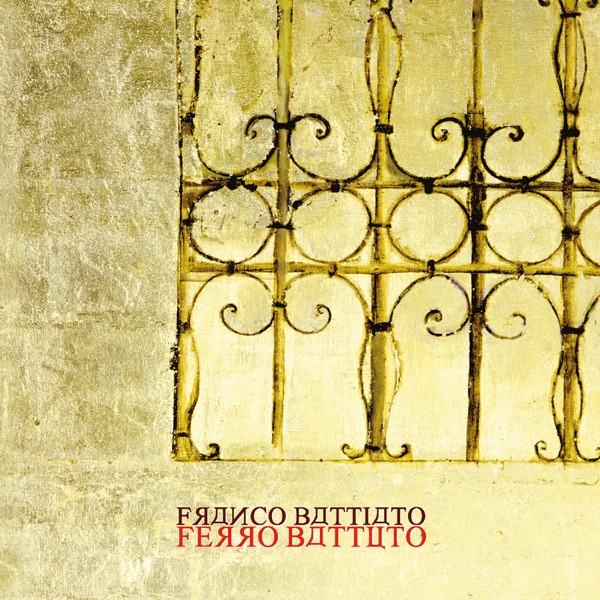
Ferro battuto
2001 · 11 tracks

Fleurs 3
2002 · 12 tracks
- 1 Perduto amore ↗ 3:17
- 2 Impressioni di settembre ↗ 3:41
- 3 Se mai ↗ 3:06
- 4 Ritornerai ↗ 3:26
- 5 Col tempo sai ↗ 3:35
- 6 Insieme a te non ci sto piu' ↗ 3:13
- 7 Il cielo in una stanza ↗ 3:11
- 8 Le tue radici ↗ 3:21
- 9 Se tu sapessi ↗ 3:17
- 10 Sigillata con un bacio (Sealed with a Kiss) [Italian Version] ↗ 3:20
- 11 Come un sigillo ↗ 3:04
- 12 Beim Schafengehen ↗ 2:57

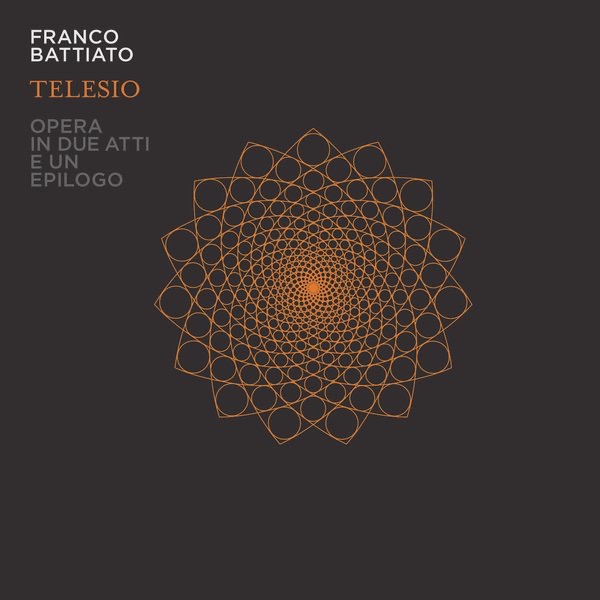
Telesio
2011 · 21 tracks
- 1 Prologo ↗ 2:26
- 2 Inizio ↗ 1:48
- 3 Ouverture ↗ 1:22
- 4 Il Sogno ↗ 3:01
- 5 Elettronica Arcobaleni ↗ 1:25
- 6 Duplice Intelletto ↗ 0:57
- 7 Le Stimmate ↗ 4:47
- 8 Fine Del Sistema Solare ↗ 2:15
- 9 Corale ↗ 2:57
- 10 Danza I ↗ 6:34
- 11 Prologo ↗ 1:17
- 12 Abiuras ↗ 1:39
- 13 Il Freddo E Il Caldo ↗ 3:26
- 14 Benedictus ↗ 2:24
- 15 Un Amore Romano ↗ 3:41
- 16 L'esistenza Di Dio ↗ 2:06
- 17 Scampanio ↗ 2:45
- 18 Attende Domine ↗ 3:03
- 19 Danza II ↗ 4:58
- 20 Devota Precisazione ↗ 0:18
- 21 Coro ↗ 1:29


Joe Patti's Experimental Group
2014 · 11 tracks
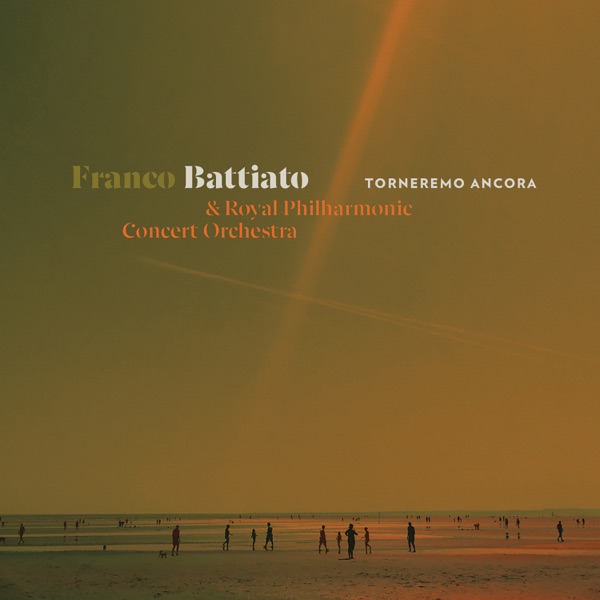
Torneremo ancora
2019 · 15 tracks
- 1 Torneremo ancora ↗ 3:38
- 2 Come un cammello in una grondaia ↗ 3:27
- 3 Le sacre sinfonie del tempo ↗ 3:41
- 4 Lode all'inviolato ↗ 3:08
- 5 L'animale ↗ 3:06
- 6 Tiepido aprile ↗ 3:15
- 7 Povera patria ↗ 3:54
- 8 Te lo leggo negli occhi ↗ 3:05
- 9 Perduto amor ↗ 2:28
- 10 Prospettiva Nevsky ↗ 3:22
- 11 La cura ↗ 4:04
- 12 I treni di Tozeur ↗ 2:59
- 13 E ti vengo a cercare ↗ 3:48
- 14 Le nostre anime ↗ 4:06
- 15 L'era del cinghiale bianco (Live) ↗ 3:26
-
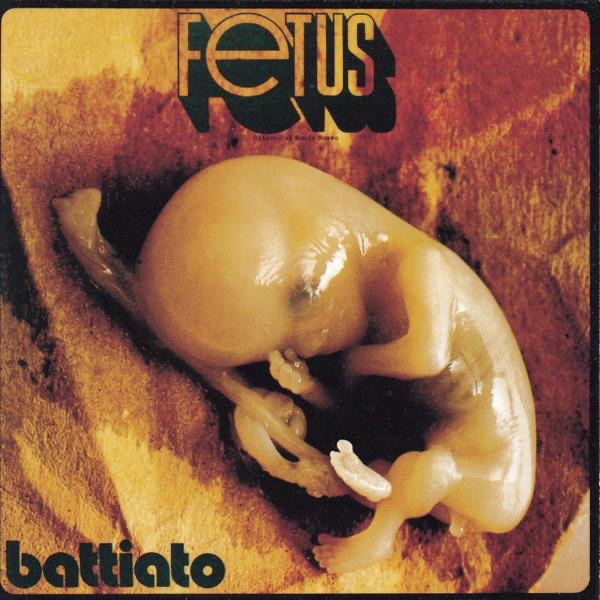
 FetusFranco Battiato19728 tracks
 -
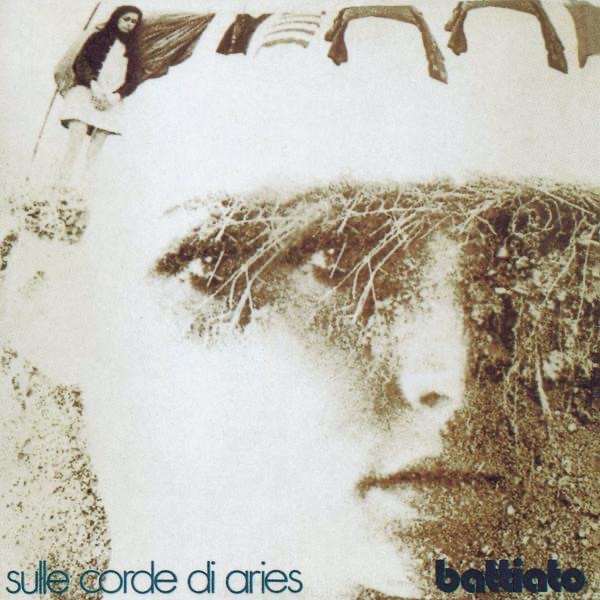
 Sulle corde di AriesFranco Battiato19734 tracks
 -
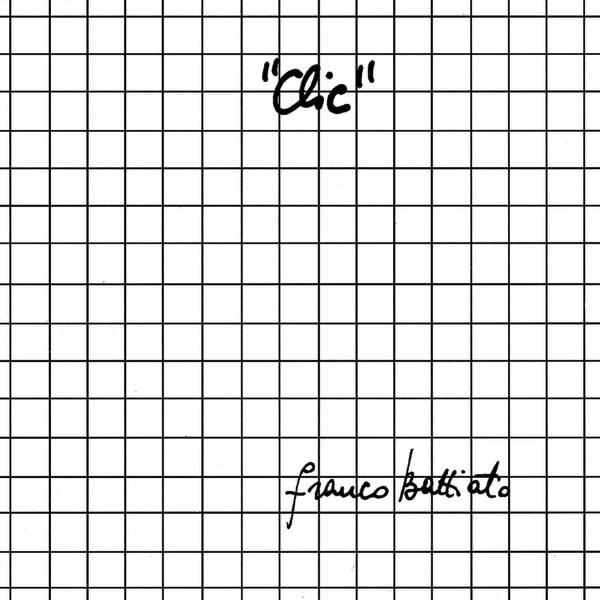
 “Clic”Franco Battiato19747 tracks
 -
 BattiatoFranco Battiato19772 tracks
 -
 L’Egitto prima delle sabbieFranco Battiato19782 tracks
 -
 L’arca di NoèFranco Battiato19827 tracks
 -
 L’imboscataFranco Battiato199610 tracks
 -
 GommalaccaFranco Battiato199810 tracks
 -
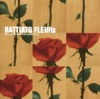 FleursFranco Battiato199912 tracks
 -
 Campi magnetici: i numeri non si possono amareFranco Battiato20008 tracks
 -
 Ferro battutoFranco Battiato200111 tracks
 -
 Fleurs 3Franco Battiato200212 tracks
 -
 Il vuotoFranco Battiato20079 tracks
 -
 TelesioFranco Battiato201121 tracks
 -
 Apriti sesamoFranco Battiato201210 tracks
 -
 Joe Patti's Experimental GroupFranco Battiato201411 tracks
 -
 Torneremo ancoraFranco Battiato201915 tracks
Deep Dive
Overview
Franco Battiato (1945–2021) was an Italian musician, composer, filmmaker, and visual artist whose work defied easy categorization across five decades. From his debut in 1972 through 2022, he produced more than fifty studio albums spanning experimental pop, progressive rock, electronic music, minimalism, new wave, symphonic music, and opera. His restless formal innovation and genre-crossing approach made him one of Italy’s most uncompromising artistic voices, a figure who treated the album format as a vehicle for constant sonic and conceptual reinvention rather than commercial consistency.
Formation Story
Battiato emerged from Italy’s vibrant 1970s avant-garde and experimental scene, a landscape that encouraged artists to dissolve boundaries between rock, classical composition, electronic sound design, and conceptual art. His first recordings, beginning with Fetus in 1972, arrived at a moment when progressive rock, electronic innovation, and art-school experimentalism were reshaping popular music across Europe. Rather than follow a conventional path from local band to touring ensemble, Battiato cultivated a studio-centered practice, treating each album as a self-contained artistic statement. He also worked as a filmmaker and painter—under the pseudonym Süphan Barzani—integrating visual and sonic creation throughout his career. This multimedia orientation set him apart from rock musicians who confined themselves to a single discipline.
Breakthrough Moment
Battiato’s early 1970s releases—Fetus (1972), Sulle corde di Aries (1973), Pollution (1973), and Clic (1974)—established him as an iconoclastic voice in European experimental and progressive circles. However, his shift toward a more consolidated artistic vision crystallized in the late 1970s with Battiato (1977) and especially L’Egitto prima delle sabbie (1978) and L’era del cinghiale bianco (1979). These albums brought greater sonic clarity to his maximalist impulses, blending avant-garde sensibilities with more accessible compositional structures. By La voce del padrone (1981), Battiato had achieved a synthesis of art-rock ambition and lyrical intelligibility that resonated across art music and broader audiences, marking the point at which his experimental restlessness became his signature rather than a barrier to engagement.
Peak Era
From the early 1980s through the 1990s, Battiato entered his most creatively abundant period. La voce del padrone (1981), L’arca di Noè (1982), Orizzonti perduti (1983), Mondi lontanissimi (1985), and Fisiognomica (1988) represented a mature phase in which his command of orchestral arrangement, studio production, and thematic composition deepened. Simultaneously, he pursued parallel projects: Echoes of Sufi Dances (1985) and albums like Genesi (1987) and Nómadas (1987) demonstrated his absorption of non-Western musical traditions, mystical themes, and electronic textures. The early 1990s saw works including Gilgamesh (1992), Caffé de la Paix (1993), and Messa Arcaica (1994) that merged operatic grandeur with minimalist structures and literary allusion, establishing Battiato as a major voice in European art music.
Musical Style
Battiato’s sound evolved considerably over his career, but it consistently resisted easy classification. His early work drew from avant-garde and electroacoustic traditions, using synthesizers, tape manipulation, and unconventional song structures to create disorienting, densely textured soundscapes. As he matured, he incorporated symphonic orchestration, medieval and Eastern musical scales, operatic vocal writing, and minimalist compositional principles. His approach to harmony was often unconventional—modal and chromatic passages disrupted traditional tonal anchors, creating an unsettling beauty. Vocally, Battiato employed both sung passages and spoken or intoned delivery, often in Italian and other languages, fragmenting the lyrical line to emphasize texture and meaning over conventional melody. His work spanned everything from pure electronic composition to full orchestral arrangements, from experimental sound collage to new wave pop sensibilities, always guided by intellectual rigor and refusal of commercial formula.
Major Albums
L’era del cinghiale bianco (1979)
A transitional work that crystallized Battiato’s mature voice, blending progressive rock architecture with lyrical sophistication and orchestral arrangement, establishing patterns he would develop throughout the 1980s.
La voce del padrone (1981)
One of his finest achievements, this album integrated operatic vocal writing, symphonic string work, and modernist compositional technique into a cohesive artistic statement that reached beyond the avant-garde underground.
Orizzonti perduti (1983)
Featuring lush orchestration and cinematic scope, this album deepened his interest in Eastern music, mysticism, and acoustic instrumentation while maintaining sophisticated harmonic and rhythmic complexity.
Mondi lontanissimi (1985)
An immersive exploration of exotic scales, synthesizer textures, and spiritual themes, showcasing Battiato’s ability to create absorbing alternate sonic worlds without sacrificing intellectual content.
Fisiognomica (1988)
A later-period peak that synthesized decades of stylistic exploration—classical form, electronic sound design, operatic ambition, and philosophical lyricism—into a remarkably balanced work.
Signature Songs
- “Orizzonti perduti” — The opening title track from his 1983 album, establishing the album’s atmosphere of longing and transcendence through orchestral depth and vocal restraint.
- “Fleurs” — First released on the 1999 album of the same name, exemplifying his ability to write melodically engaging yet conceptually ambitious material.
- “Caffé de la Paix” — From his 1993 album, combining understated elegance with literary sophistication and hints of new wave influence.
- “Genesi” — The title track from 1987, demonstrating his orchestral scope and interest in creation mythology and grand conceptual themes.
Influence on Rock
Battiato’s influence operated primarily within progressive rock, art rock, and European experimental music communities rather than mainstream pop, yet his impact was substantial. He demonstrated that rock and electronic formats could serve as vehicles for high-art ambition—operatic complexity, philosophical content, and formal experimentation—without sacrificing emotional resonance. His work bridged progressive rock’s instrumental virtuosity and conceptual scope with electronic music’s production sophistication and minimalism’s structural clarity. He influenced subsequent generations of Italian and European art-rock musicians who sought to escape genre constraints and integrate classical, electronic, and world music traditions. His prolific output and refusal of commercial concession also modeled an artistic autonomy that contrasted sharply with the industry’s demand for repeatable commercial formulas.
Legacy
Battiato remained creatively active until his death in 2021, never retreating into nostalgia or simplified versions of his earlier sound. Albums from the 2000s and 2010s—including Dieci stratagemmi (2004), Il vuoto (2007), Telesio (2011), and Apriti sesamo (2012)—maintained his commitment to conceptual rigor and formal innovation. His recorded catalog, spanning more than fifty studio albums across major labels including EMI, Philips Records, and Ricordi, comprises one of the most diverse and uncompromising bodies of work in rock and experimental music history. While he achieved greater recognition in Italy and among international progressive and art-music audiences than in mainstream English-language rock discourse, his reputation as a major figure in late-twentieth-century composed popular music has remained secure. Posthumous releases and anthologies continue to document his vast creative range, attracting both longtime admirers and new listeners discovering his work through streaming platforms.
Fun Facts
- Battiato also worked as a filmmaker and visual artist, creating art under the pseudonym Süphan Barzani, integrating his aesthetic philosophy across multiple mediums rather than confining himself to music alone.
- His albums frequently appeared in multiple languages and employed diverse cultural references—from Mesopotamian mythology to Islamic mysticism to European classical music—reflecting his intellectual breadth and rejection of parochialism.
- He recorded nearly a dozen variations or reimaginings of certain works throughout his career, including multiple versions of Fleurs (1999, 2002, 2008) and Orizzonti perduti, suggesting his commitment to continuous artistic evolution rather than definitive versions.