

Photo by Gage Skidmore , licensed under CC BY-SA 3.0 · Wikimedia Commons
Rank #473
Michael W. Smith
From Wikipedia
Michael Whitaker Smith is an American musician who has charted in both contemporary Christian and mainstream charts. His biggest success in mainstream music was in 1991 when "Place in This World" hit No. 6 on the Billboard Hot 100. Over the course of his career, he has sold more than 18 million albums.
Discography & Previews
Browse through and click an album to open and play 30-second previews streamed from Apple Music.
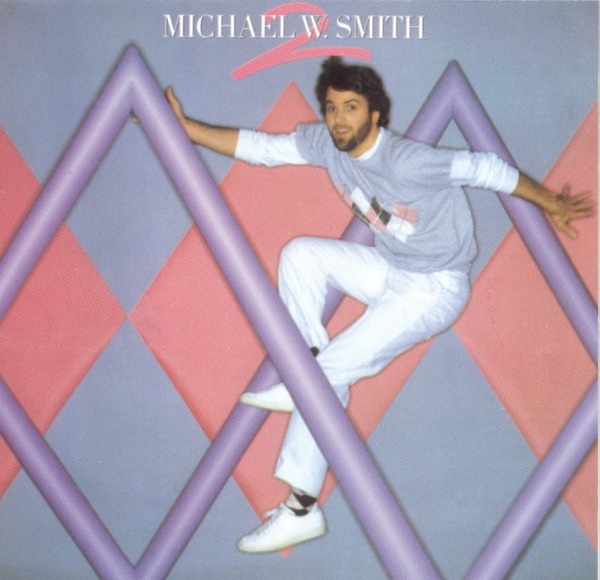

The Big Picture
1985 · 11 tracks
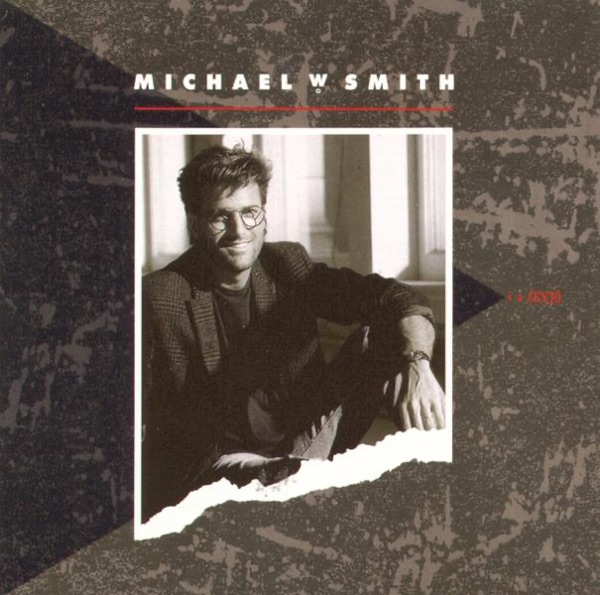
i 2 (EYE)
1988 · 11 tracks
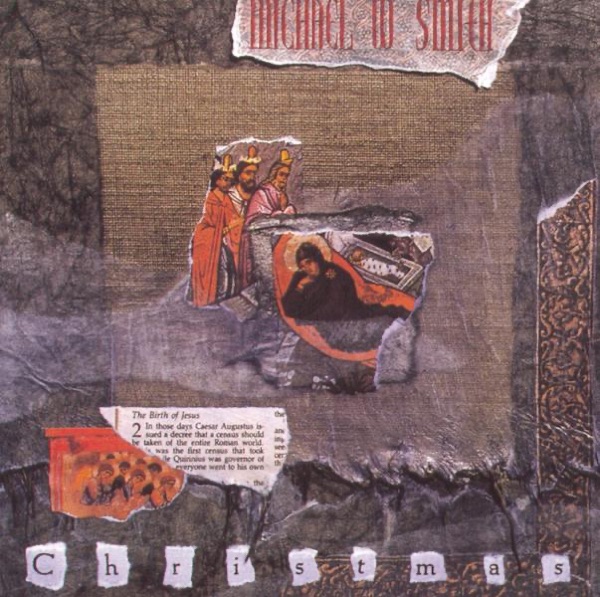
Christmas
1989 · 10 tracks
- 1 Overture/O Come All Ye Faithful ↗ 5:38
- 2 Lux Venit ↗ 3:28
- 3 Anthem For Christmas ↗ 3:10
- 4 First Snowfall ↗ 2:44
- 5 Christ The Messiah ↗ 3:58
- 6 No Eye Had Seen ↗ 2:54
- 7 All Is Well ↗ 4:07
- 8 MEMOIRS: A Trilogy/The Voice/Good King Wenceslaus/Hark The Herald Angels Sing ↗ 4:29
- 9 Gloria ↗ 5:02
- 10 Silent Night ↗ 1:35

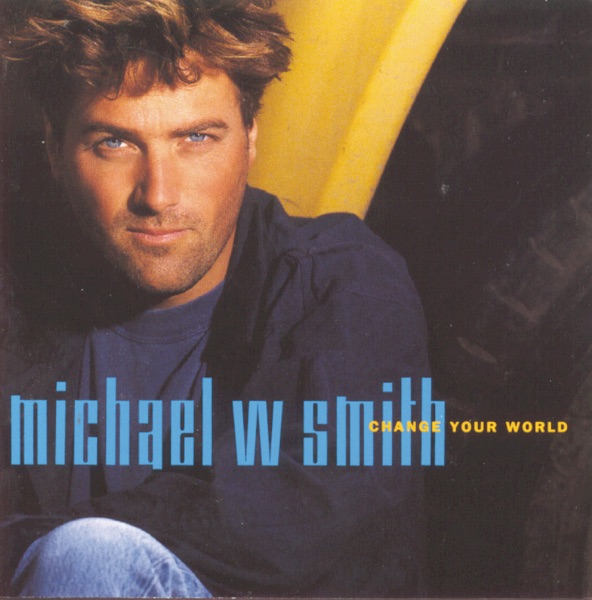
Change Your World
1992 · 11 tracks
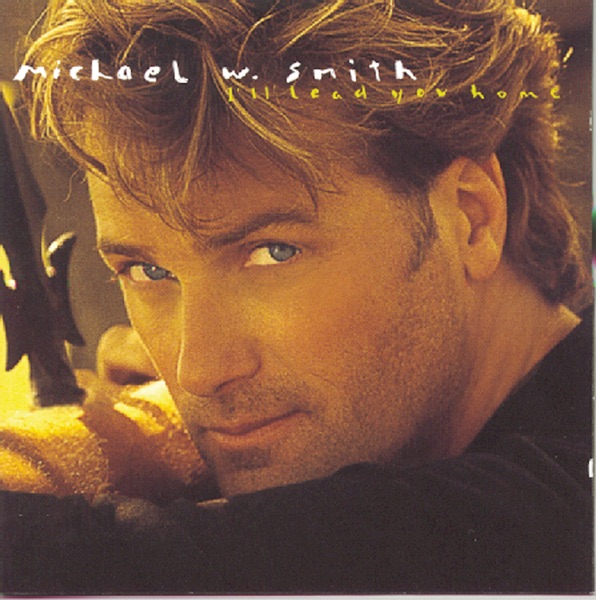
I'll Lead You Home
1995 · 14 tracks
- 1 Cry for Love ↗ 5:11
- 2 Breakdown ↗ 5:27
- 3 As It Is In Heaven ↗ 5:09
- 4 Straight to the Heart ↗ 2:48
- 5 Someday ↗ 3:52
- 6 I'll Be Around ↗ 4:44
- 7 I'll Lead You Home ↗ 5:22
- 8 Trilogy: The Other Side of Me ↗ 4:24
- 9 Trilogy: Breathe In Me ↗ 3:55
- 10 Trilogy: Angels Unaware ↗ 4:56
- 11 Calling Heaven ↗ 4:54
- 12 A Little Stronger Everyday ↗ 4:43
- 13 Crown Him With Many Crowns ↗ 4:33
- 14 I'm Waiting for You ↗ 3:18
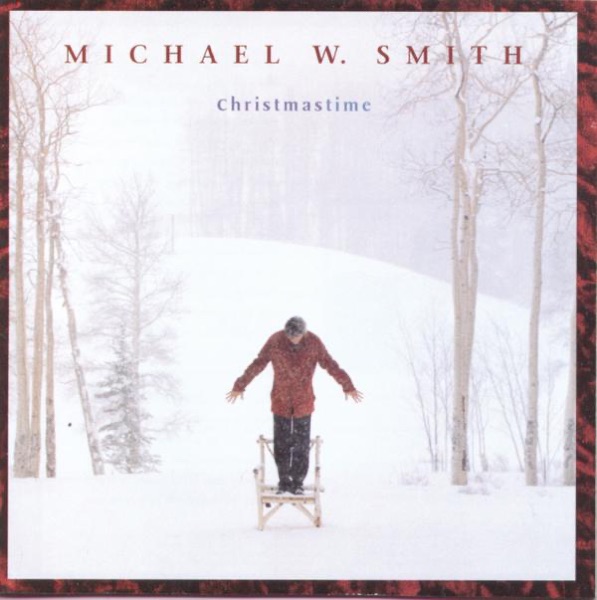
Christmastime
1998 · 12 tracks

Live the Life
1998 · 12 tracks
- 1 Missing Person ↗ 6:01
- 2 Love Me Good ↗ 4:41
- 3 Live the Life ↗ 4:36
- 4 Never Been Unloved ↗ 4:39
- 5 I Believe In You Now ↗ 4:44
- 6 Don't Give Up ↗ 4:21
- 7 Let Me Show You the Way ↗ 4:12
- 8 I Know Your Name ↗ 4:00
- 9 Matter of Time ↗ 3:42
- 10 In My Arms Again ↗ 6:11
- 11 Song for Rich ↗ 1:53
- 12 Hello, Good-Bye ↗ 7:53

This Is Your Time
1999 · 13 tracks
- 1 Rince Dè ↗ 1:30
- 2 Hey You - It's Me ↗ 4:03
- 3 Worth It All ↗ 4:03
- 4 I Will Be Your Friend ↗ 3:19
- 5 This Is Your Time ↗ 4:28
- 6 I Will Carry You ↗ 5:04
- 7 She Walks With Me ↗ 3:42
- 8 Reach Out To Me ↗ 3:59
- 9 I Still Have the Dream ↗ 4:19
- 10 I'm Gone ↗ 4:32
- 11 Anna ↗ 4:15
- 12 Everybody Free ↗ 4:43
- 13 This Is Your Time (Reprise) ↗ 2:23


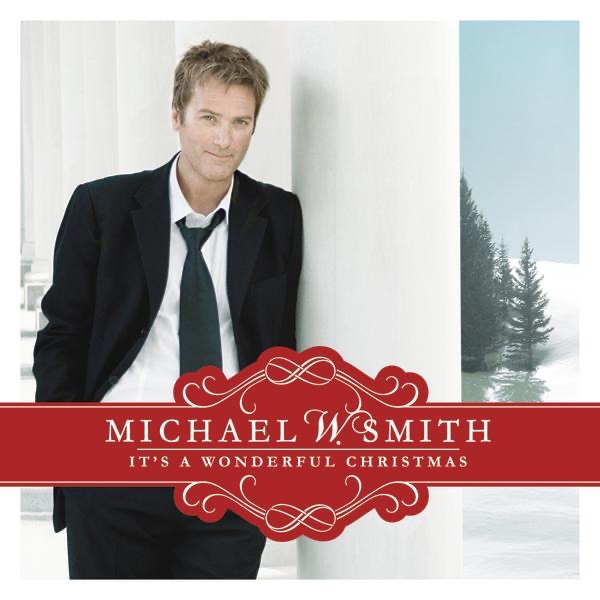
It's a Wonderful Christmas
2007 · 11 tracks
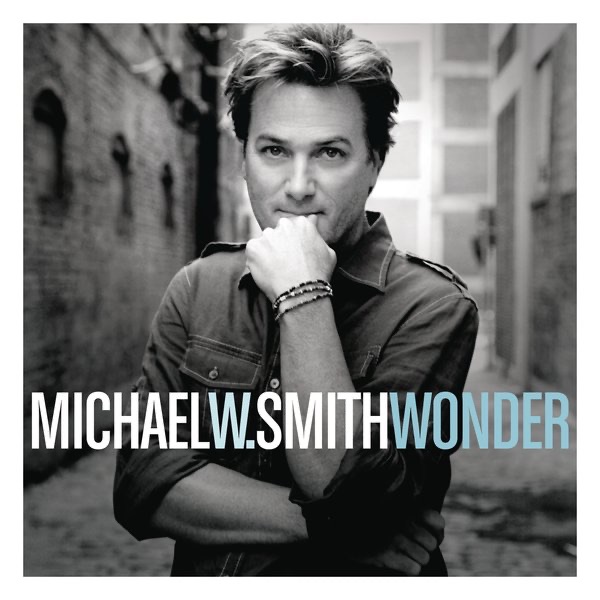
Wonder
2010 · 12 tracks


Hymns
2014 · 18 tracks
- 1 Down to the River to Pray ↗ 3:16
- 2 My Jesus I Love Thee ↗ 3:21
- 3 Were You There ↗ 3:21
- 4 Turn Your Eyes Upon Jesus ↗ 4:36
- 5 The Old Rugged Cross ↗ 4:02
- 6 Nearer My God to Thee ↗ 5:13
- 7 His Eye is on the Sparrow ↗ 4:12
- 8 Great Is Thy Faithfulness ↗ 3:54
- 9 It Is Well ↗ 5:05
- 10 Just As I Am ↗ 3:12
- 11 I'd Rather Have Jesus ↗ 4:06
- 12 How Great Thou Art ↗ 4:22
- 13 I Need Thee ↗ 4:19
- 14 O Sacred Head, Now Wounded ↗ 4:35
- 15 Be Still My Soul ↗ 3:38
- 16 God of Our Fathers ↗ 2:24
- 17 A Mighty Fortress is Our God ↗ 3:54
- 18 America the Beautiful (O Beautiful for Spacious Skies) ↗ 3:31

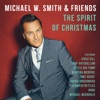
The Spirit of Christmas
2014 · 14 tracks
- 1 The Miracle of Christmas ↗ 1:43
- 2 It's the Most Wonderful Time of the Year ↗ 2:38
- 3 Happy Holiday / Holiday Season (Medley) ↗ 3:07
- 4 Christmas Time Is Here (feat. Vince Gill) ↗ 3:01
- 5 White Christmas (feat. Lady Antebellum) ↗ 3:49
- 6 Somewhere In My Memory (feat. Audrey Smith) ↗ 3:22
- 7 The Spirit of Christmas (Medley) ↗ 5:22
- 8 Silent Night (feat. Little Big Town) ↗ 4:19
- 9 What Child Is This (feat. Martina McBride) ↗ 4:20
- 10 Almost There (feat. Amy Grant) ↗ 3:38
- 11 All Is Well (feat. Carrie Underwood) ↗ 3:55
- 12 Christmas Day (feat. Jennifer Nettles) ↗ 3:14
- 13 The Darkest Midnight (feat. Bono) ↗ 1:40
- 14 Peace (feat. Michael McDonald) ↗ 3:11

Sovereign
2014 · 12 tracks
- 1 You Won’t Let Go ↗ 3:59
- 2 Heaven Come Down ↗ 3:50
- 3 Miracle ↗ 4:19
- 4 Sky Spills Over ↗ 4:05
- 5 All Arise ↗ 4:40
- 6 You Are the Fire ↗ 4:30
- 7 Christ Be All Around Me ↗ 5:24
- 8 Sovereign Over Us ↗ 5:54
- 9 Hide Myself ↗ 4:23
- 10 The Same Power ↗ 4:25
- 11 I Lay Me Down ↗ 4:09
- 12 The One That Really Matters (feat. Kari Jobe) ↗ 6:59
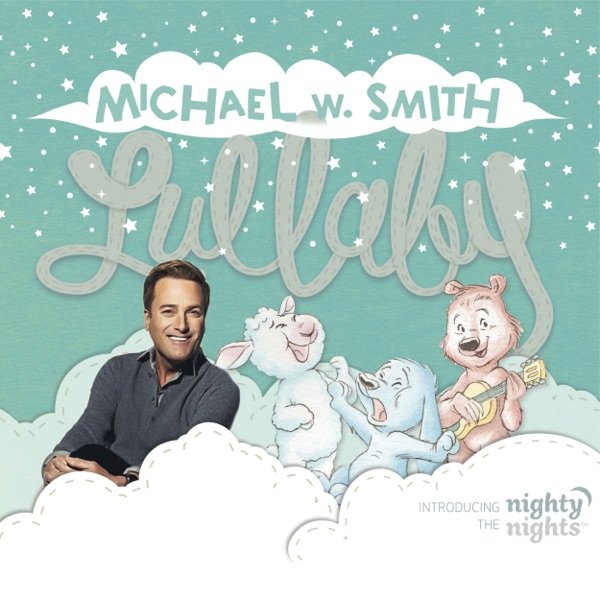
Lullaby
2018 · 27 tracks
- 1 Brahms’ Lullaby (Partial) ↗ 1:35
- 2 Anna Can’t Sleep (Dialogue) ↗ 0:24
- 3 Nighty Nights' Theme Song Fast ↗ 0:29
- 4 Nighty Nights' Theme Song Slow ↗ 0:58
- 5 We’re Here to Help You Sleep! (Dialogue) ↗ 0:42
- 6 Anna ↗ 2:41
- 7 The Bible Song ↗ 1:41
- 8 Anna Is Still Awake (Dialogue) ↗ 0:34
- 9 Twinkle, Twinkle Little Star ↗ 1:43
- 10 Rock-A-Bye Baby ↗ 1:55
- 11 Jesus Loves Me ↗ 2:12
- 12 Phone Call for Sleepy Puppy (Dialogue) ↗ 0:40
- 13 Sleep Tight ↗ 2:02
- 14 No More Crying ↗ 2:41
- 15 Agnus Dei ↗ 3:27
- 16 Friends ↗ 2:25
- 17 Anna Is Almost Asleep (Dialogue) ↗ 0:20
- 18 Brahms’ Lullaby (Full) ↗ 3:47
- 19 Until Next Time! Goodnight! (Dialogue) ↗ 0:25
- 20 Nighty Nights' Theme Song Slow (Reprise) ↗ 1:20
- 21 Nighty Nights' Theme Song Slow (Instrumental) ↗ 0:50
- 22 The Bible Song (Instrumental) ↗ 1:46
- 23 Jesus Loves Me (Instrumental) ↗ 2:13
- 24 Sleep Tight (Instrumental) ↗ 2:02
- 25 No More Crying (Instrumental) ↗ 2:39
- 26 Brahms’ Lullaby (Instrumental) ↗ 3:48
- 27 Nighty Nights' Theme Song Slow (Reprise Instrumental) ↗ 1:18
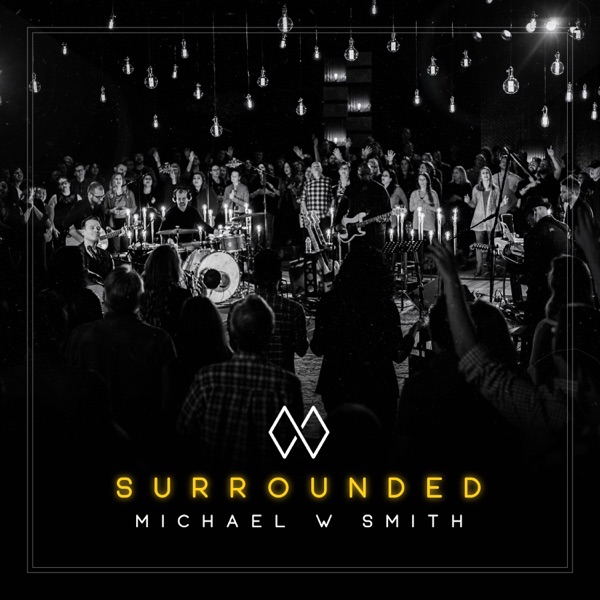
Surrounded
2018 · 12 tracks
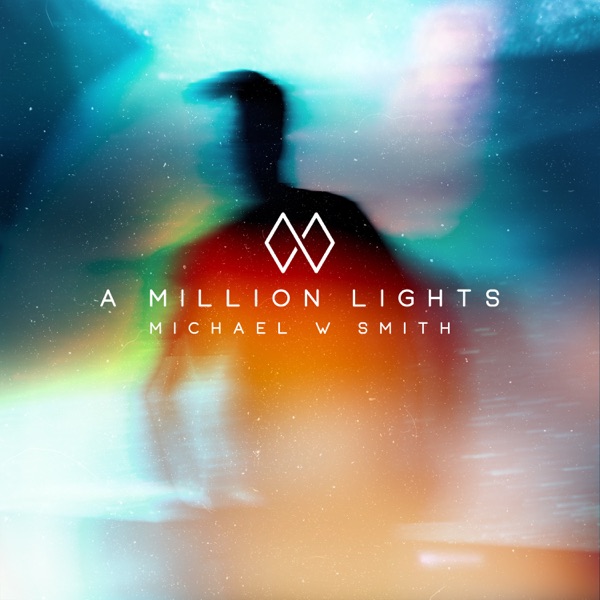
A Million Lights
2018 · 13 tracks

Still, Vol. 1
2020 · 10 tracks
- 1 Steadfast, Pt. 1 ↗ 4:57
- 2 Broken, Pt. 2 ↗ 8:11
- 3 Hope, Pt. 3 ↗ 7:07
- 4 Shelter, Pt. 4 ↗ 3:15
- 5 Blessing, Pt. 5 ↗ 4:32
- 6 Steadfast, Pt. 1 (Instrumental) ↗ 5:01
- 7 Broken, Pt. 2 (Instrumental) ↗ 8:11
- 8 Hope, Pt. 3 (Instrumental) ↗ 7:09
- 9 Shelter, Pt. 4 (Instrumental) ↗ 3:14
- 10 Blessing, Pt. 5 (Instrumental) ↗ 4:36

Every Christmas
2023 · 12 tracks
- 1 The Night Before… ↗ 0:42
- 2 Christmas Is Here ↗ 3:26
- 3 Here With Us ↗ 3:34
- 4 Caroling, Caroling ↗ 1:38
- 5 Sometime Every Christmas ↗ 3:59
- 6 How Great Our Joy ↗ 2:35
- 7 Freeze the Frame ↗ 3:52
- 8 The One ↗ 3:53
- 9 Newborn King ↗ 4:44
- 10 The Star ↗ 4:38
- 11 God with God ↗ 4:11
- 12 Christmas at Wildwood ↗ 2:01
-
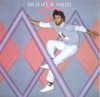 Michael W. Smith 2Michael W. Smith198410 tracks
 -
 The Big PictureMichael W. Smith198511 tracks
 -
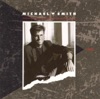 i 2 (EYE)Michael W. Smith198811 tracks
 -
 ChristmasMichael W. Smith198910 tracks
 -
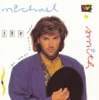 Go West Young ManMichael W. Smith199010 tracks
 -
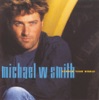 Change Your WorldMichael W. Smith199211 tracks
 -
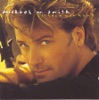 I'll Lead You HomeMichael W. Smith199514 tracks
 -
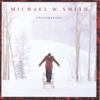 ChristmastimeMichael W. Smith199812 tracks
 -
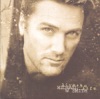 Live the LifeMichael W. Smith199812 tracks
 -
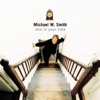 This Is Your TimeMichael W. Smith199913 tracks
 -
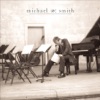 FreedomMichael W. Smith200012 tracks
 -
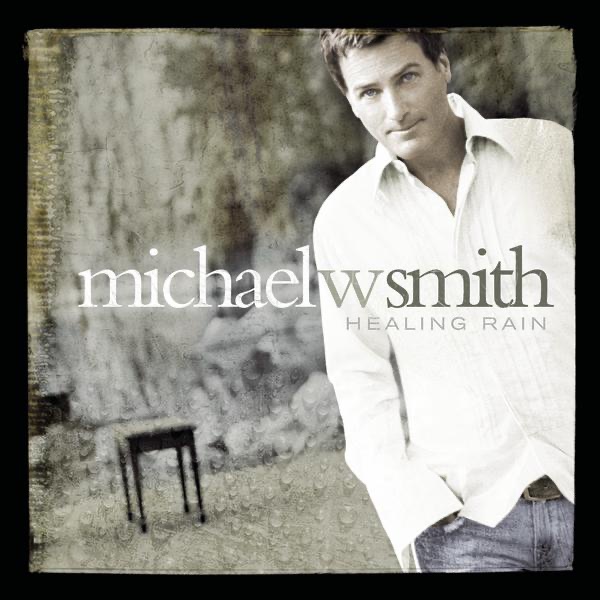
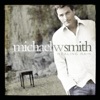 Healing RainMichael W. Smith200411 tracks
 -
 StandMichael W. Smith200611 tracks
 -
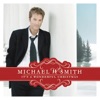 It's a Wonderful ChristmasMichael W. Smith200711 tracks
 -
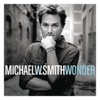 WonderMichael W. Smith201012 tracks
 -
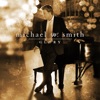 GloryMichael W. Smith201112 tracks
 -
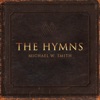 HymnsMichael W. Smith201418 tracks
 -
 The Spirit of ChristmasMichael W. Smith201414 tracks
 -
 SovereignMichael W. Smith201412 tracks
 -
 LullabyMichael W. Smith201827 tracks
 -
 SurroundedMichael W. Smith201812 tracks
 -
 A Million LightsMichael W. Smith201813 tracks
 -
 Still, Vol. 1Michael W. Smith202010 tracks
 -
 Every ChristmasMichael W. Smith202312 tracks
Deep Dive
Overview
Michael Whitaker Smith stands as one of the most commercially successful artists to have navigated both the contemporary Christian and mainstream pop rock spheres. Born in 1957, Smith emerged as a defining voice of Christian pop and rock throughout the 1980s and 1990s, eventually achieving mainstream crossover recognition when “Place in This World” reached No. 6 on the Billboard Hot 100 in 1991. Over a career spanning more than four decades, he has sold more than 18 million albums, establishing himself as a prolific recording artist whose output spans devotional music, pop rock, and orchestral arrangements.
Smith’s significance lies not only in his commercial reach but in his role as a bridge between contemporary Christian music and secular pop markets. His career trajectory reflects broader shifts in Christian music’s relationship to mainstream commercial success, demonstrating that faith-oriented artists could achieve substantive chart presence without compromising their spiritual identity.
Formation Story
Michael W. Smith began his recording career in 1983 with the release of his self-titled debut, Michael W. Smith Project, recorded during the early years of the contemporary Christian music boom. Emerging from a generation of musicians who viewed faith expression and rock instrumentation as compatible rather than contradictory, Smith positioned himself within the broader Christian rock movement gaining momentum throughout the 1980s. His early work was rooted in the contemporary Christian music infrastructure—a parallel industry of labels, radio stations, and concert venues that had developed significantly since the 1970s.
Smith’s background in this dedicated Christian music ecosystem shaped his artistic identity and commercial strategy. Rather than pursuing immediate mainstream acceptance, he built a substantial fanbase within Christian radio and concert circuits throughout the 1980s, releasing a succession of albums that allowed him to develop his songwriting and production sensibilities while maintaining a consistent audience.
Breakthrough Moment
Smith’s transition from contemporary Christian market leader to mainstream recognition crystallized with the 1990 album Go West Young Man and accelerated dramatically with 1991’s Change Your World. The lead single “Place in This World” became his defining crossover moment, reaching No. 6 on the Billboard Hot 100 and receiving substantial rotation on mainstream radio and MTV. This achievement represented a watershed moment for contemporary Christian music, proving that an artist rooted in faith communities could achieve genuine mainstream chart success.
The success of Change Your World and its follow-up singles demonstrated that Smith’s pop sensibility and production choices—polished arrangements, accessible melodies, and contemporary production sheen—translated beyond his core Christian audience. The album itself achieved platinum certification and remained on the charts throughout the early 1990s, establishing Smith as a permanent presence on mainstream radio.
Peak Era
The years 1990 to 2000 represented Smith’s most commercially vibrant and artistically varied period. Following Change Your World, he released I’ll Lead You Home in 1995 and This Is Your Time in 1999, albums that consolidated his position as a consistent mainstream presence while maintaining his connections to contemporary Christian audiences. During this decade, Smith worked with major producers and collaborated across both Christian and secular recording contexts, achieving a rare equilibrium between two distinct markets.
Smith’s commercial performance during this period was sustained rather than ephemeral. Unlike many one-hit crossover artists, he remained a charting and touring presence throughout the 1990s, suggesting that his appeal extended beyond novelty crossover status. The stability of his fanbase and his continued recording productivity—releasing albums in 1995, 1998 (two releases), 1999, 2000, and 2004—demonstrated enduring market confidence in his work.
Musical Style
Smith’s sound combines contemporary Christian music sensibilities with mainstream pop and rock production values. His approach emphasizes melodic accessibility, radio-friendly song structures, and polished studio production rather than raw rock instrumentation or experimental arrangement. Early works like The Big Picture (1985) and i 2 (EYE) (1988) showcase keyboard-driven pop arrangements characteristic of mid-1980s contemporary Christian production, while later albums incorporated contemporary pop production techniques, layered vocal arrangements, and often substantial orchestral elements.
Smith’s vocal approach is direct and conversational rather than technically flashy, prioritizing lyrical clarity and emotional accessibility. His songwriting frequently addresses themes of faith, personal reflection, and spiritual reassurance, though framed within pop-rock conventions rather than traditional hymnal structures. As his career progressed, particularly in releases like Hymns (2014) and Hymns II (2016), Smith demonstrated willingness to explore orchestral arrangements and string-led productions, signaling artistic evolution away from his pop-rock foundation toward more expansive instrumental textures.
Major Albums
Go West Young Man (1990)
Marked Smith’s emergence as a mainstream-competitive artist, establishing the production template and songwriting direction that would yield his breakthrough success with the following release.
Change Your World (1992)
This album contained “Place in This World” and solidified Smith’s mainstream crossover status, achieving platinum certification and demonstrating his ability to sustain commercial relevance across Christian and secular markets simultaneously.
I’ll Lead You Home (1995)
Released at the height of Smith’s crossover success, this album reinforced his standing as a consistent mainstream presence while maintaining appeal to his core Christian audience.
This Is Your Time (1999)
Captured Smith’s late-1990s artistic vision, demonstrating his continued ability to generate commercially successful material and maintain chart presence throughout the decade.
Hymns (2014)
Marked a significant tonal shift toward traditional religious material and orchestral arrangement, reflecting Smith’s evolution toward devotional and instrumental-focused work while reaching back toward classical hymnal traditions.
Signature Songs
- “Place in This World” — His defining mainstream breakthrough, reaching No. 6 on the Billboard Hot 100 and establishing his crossover credentials.
- “Open Your Eyes” — Exemplified his pop-rock production style and melodic accessibility during his peak mainstream period.
- “Lead Me Home” — Demonstrated his ability to balance contemporary Christian messaging with mainstream pop sensibility.
- “Draw Me Close” — Reflected Smith’s spiritual songwriting approach within radio-friendly pop arrangements.
Influence on Rock
Smith’s career trajectory influenced the broader relationship between Christian music and mainstream rock commerce. His sustained crossover success demonstrated that faith-based musical expression could achieve substantial mainstream chart presence without requiring artists to abandon their spiritual identity or audience base. This achievement opened pathways for subsequent contemporary Christian artists to pursue mainstream distribution and radio play without viewing such ambitions as incompatible with their faith communities.
Smith’s production approaches—particularly his embrace of polished, accessible pop-rock arrangements—became a template for contemporary Christian music production throughout the 1990s and beyond. His willingness to incorporate substantial production investment, orchestral elements, and mainstream studio professionals established aesthetic standards for Christian rock and pop that persisted long after his peak commercial period.
Legacy
Michael W. Smith remains a significant figure in the history of contemporary Christian music and 1990s mainstream pop, with his sales exceeding 18 million albums across both markets. His sustained recording productivity—continuing to release new material through 2023 and beyond—demonstrates enduring fan engagement and label support spanning four decades. His work has become embedded in Christian worship contexts, mainstream radio history, and 1990s pop culture simultaneously, a rare achievement that reflects the genuine breadth of his audience.
Smith’s later work exploring hymnal traditions and orchestral arrangements has found considerable success, suggesting his audience values his artistic evolution rather than requiring adherence to his 1990s commercial formula. Continued touring and recording activity indicate his position as a permanent fixture in contemporary Christian music infrastructure while maintaining his status as a historically significant 1990s mainstream crossover artist.
Fun Facts
- Smith released multiple Christmas albums (Christmas in 1989, Christmastime in 1998, It’s a Wonderful Christmas in 2007, The Spirit of Christmas in 2014, and Every Christmas in 2023), establishing him as a prolific recording artist across seasonal music markets.
- His 2011 release Michael W. Smith Presents: Strings of Worship marked a deliberate pivot toward orchestral arrangements, presaging his later emphasis on instrumental and hymnal-focused recordings.
- Smith’s recording output accelerated significantly in the 2010s, with multiple releases per year (particularly 2011, 2014, and 2018) demonstrating sustained creative activity across diverse musical formats.