
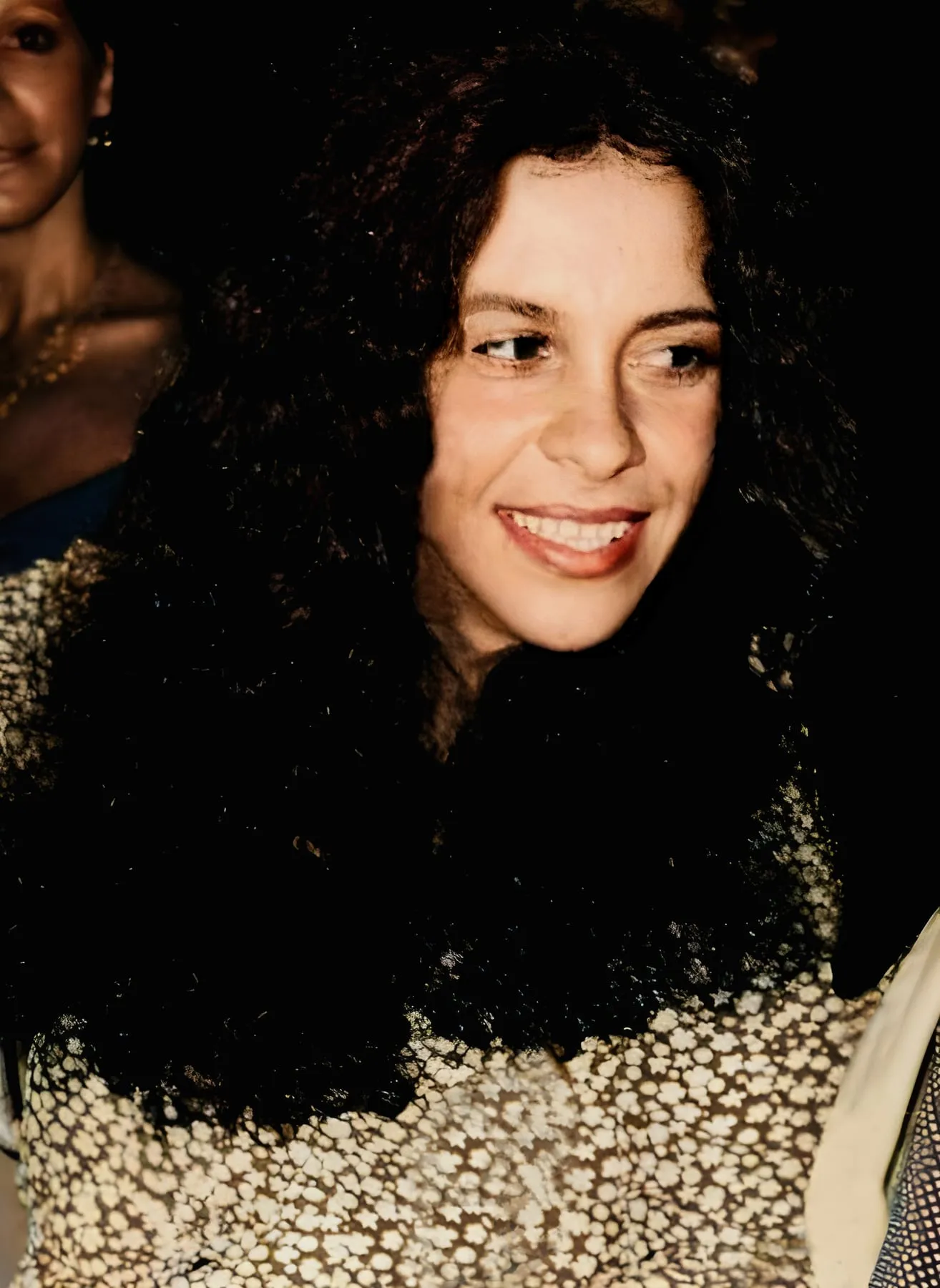
Photo by Unknown author Unknown author , licensed under Public domain · Wikimedia Commons
Rank #413
Gal Costa
From Wikipedia
Gal Maria da Graça Costa Penna Burgos, known professionally as Gal Costa, was a Brazilian singer of popular music. Twelve-time Brazilian Music Awards winner, she was one of the main figures of the tropicalia music scene in Brazil in the late 1960s and appeared on the acclaimed compilation Tropicália: ou Panis et Circencis (1968). She was described by The New York Times as "one of Brazil's greatest singers."
Discography & Previews
Browse through and click an album to open and play 30-second previews streamed from Apple Music.


Aquarela do Brasil
1980 · 12 tracks

Minha voz
1982 · 11 tracks
- 1 Minha Voz, Minha Vida ↗ 3:40
- 2 Azul ↗ 3:44
- 3 Musa Cabolca ↗ 4:11
- 4 Dom de Iludir ↗ 3:33
- 5 Solar ↗ 2:26
- 6 Borzeguim ↗ 4:51
- 7 Bloco do Prazer ↗ 3:03
- 8 Verbos do Amor ↗ 4:22
- 9 Luz do Sol ↗ 4:06
- 10 Pegando Fogo ↗ 2:38
- 11 Groupie / Músicas Incidentais: Meu Bem Meu Mal / Domingo No Parque / Baila Comigo / Folhetim / Alegria, Alegria / Bem Me Quer, Mal Me Quer / a Banda / Realce ↗ 6:22
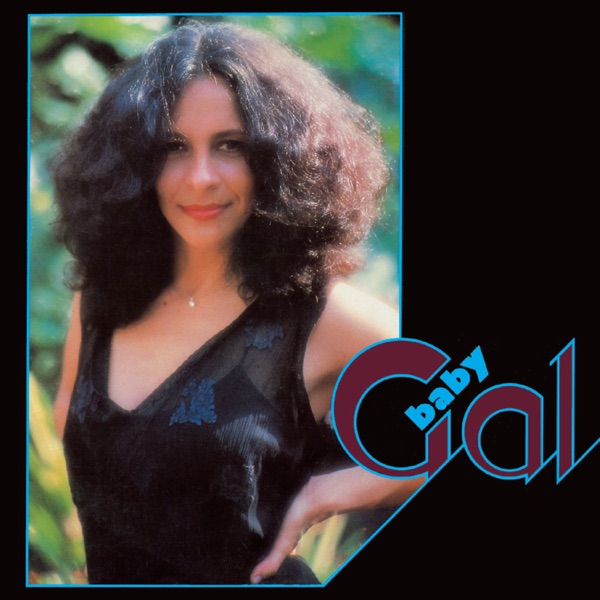

Profana
1984 · 10 tracks


Plural
1990 · 12 tracks
- 1 Salvador Não Inerte / Ladeira Do Pelô ↗ 2:47
- 2 A Verdadeira Baiana ↗ 3:38
- 3 Begin the Beguine (Begin the Beguine) ↗ 4:16
- 4 Fon-Fon ↗ 3:03
- 5 Eu Acredito ↗ 4:18
- 6 Holofotes ↗ 4:14
- 7 Cabelo ↗ 3:35
- 8 Brilho De Beleza ↗ 5:05
- 9 Alguém Me Disse ↗ 3:46
- 10 Nua Idéia (Leila Xii) ↗ 3:05
- 11 Zanzando ↗ 3:35
- 12 I Didn't Know What Time It Was ↗ 4:43

Gal
1992 · 14 tracks
- 1 Saudação Aos Povos Africanos / Ingena ↗ 0:31
- 2 Revolta Olodum ↗ 3:59
- 3 Coisas Nossas (São Coisas Nossas) ↗ 2:46
- 4 Tropicália ↗ 4:33
- 5 Laziest Gal in town ↗ 4:30
- 6 Raiz ↗ 3:37
- 7 Lá Aguibá Oxum Aurá Olu Adupé (Canto Em Loruba)/E D'Oxum ↗ 5:21
- 8 Comunidá ↗ 3:32
- 9 Saudação Aos Povos Africanos / Ingena (Interlúdio) ↗ 0:31
- 10 Cordas De Aço ↗ 3:18
- 11 Caminhos Cruzados ↗ 3:39
- 12 Feitio De Oração ↗ 4:39
- 13 Rumba de Jacarepaguá ↗ 4:12
- 14 Saudação Aos Povos Africanos / Ingena (Final) ↗ 0:40

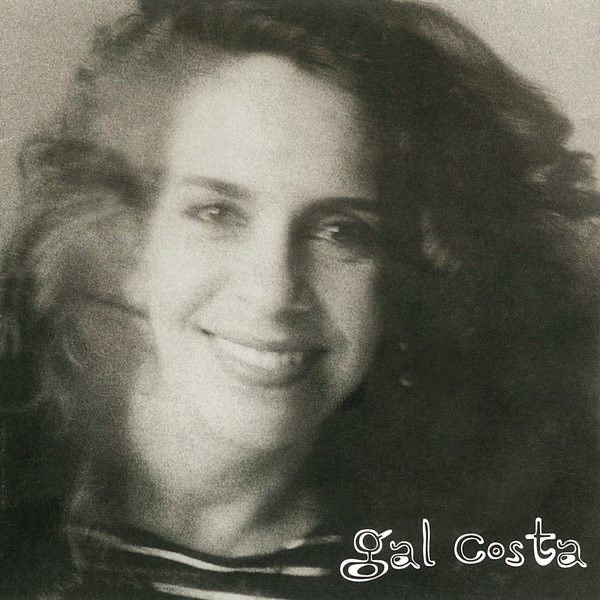
Aquele frevo axé
1998 · 14 tracks
- 1 Imunização Racional ↗ 4:41
- 2 A Voz do Tambor ↗ 3:51
- 3 Aquele Frevo Axé ↗ 3:52
- 4 Esquadros ↗ 3:40
- 5 Assum Branco ↗ 4:10
- 6 Amor de Juventud ↗ 5:34
- 7 Águarte Agôra ↗ 5:12
- 8 Qui Nem Jiló ↗ 3:43
- 9 Você ↗ 3:46
- 10 Você Não Gosta de Mim ↗ 5:05
- 11 Habib ↗ 4:51
- 12 Quase um Segundo ↗ 4:04
- 13 Calling You ↗ 4:09
- 14 Sertão ↗ 1:53
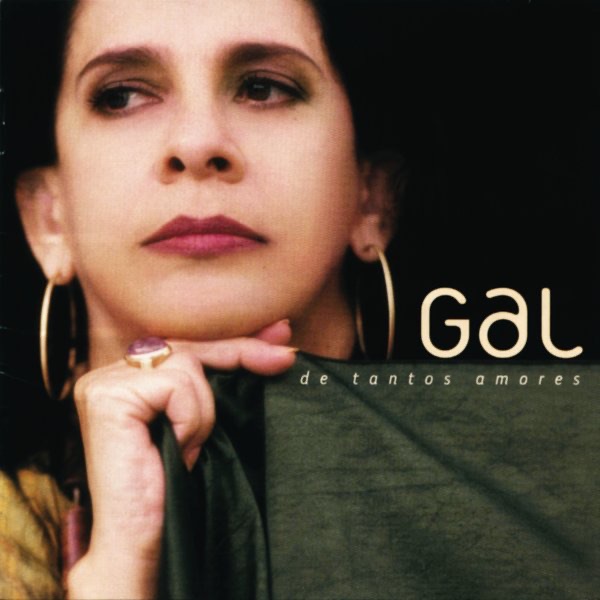
Gal de tantos amores
2001 · 13 tracks
- 1 Outra Vez ↗ 5:03
- 2 A Última Estrofe ↗ 4:29
- 3 Que Pena (Ela Já Não Gosta Mais de Mim) ↗ 3:34
- 4 Dama Sofisticada (Sophisticated Lady) ↗ 3:51
- 5 Folhetim ↗ 3:47
- 6 Contigo Aprendí (Contigo Aprendí) ↗ 4:04
- 7 India (Índia) ↗ 3:31
- 8 Abandono ↗ 3:08
- 9 Que Maravilha ↗ 3:29
- 10 Apaixonada ↗ 3:44
- 11 O Amor (Sobre o Poema de Vladimir Maiakovski) ↗ 4:29
- 12 Força Estranha ↗ 5:14
- 13 Caminhos do Mar ↗ 4:15
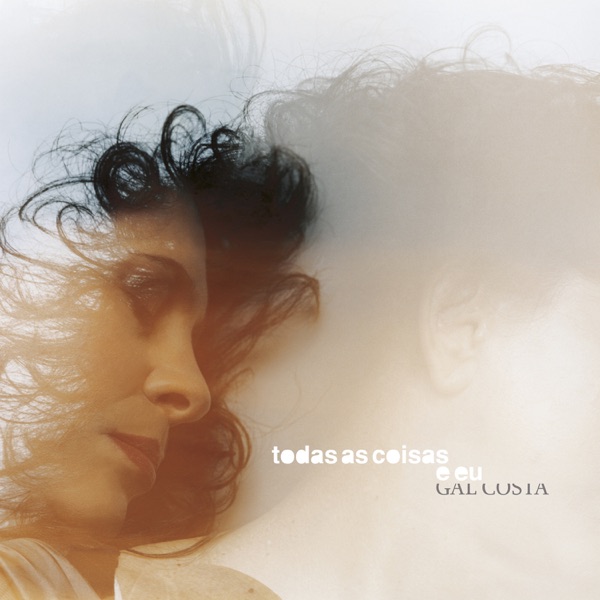
Todas as coisas e eu
2003 · 15 tracks
- 1 Linda flor (Ai, yo yo) ↗ 4:39
- 2 Pot-Pourri: Sábado em Copacabana / Copacabana ↗ 3:47
- 3 Nossos momentos ↗ 3:35
- 4 Pra machucar meu coração ↗ 3:34
- 5 Dono dos teus olhos ↗ 2:24
- 6 Brigas ↗ 3:53
- 7 Fim de caso ↗ 3:43
- 8 Nervos de aço ↗ 3:47
- 9 Alguém como tu ↗ 2:48
- 10 Ave Maria no morro ↗ 3:20
- 11 Chora tua tristeza ↗ 3:05
- 12 Kalu ↗ 2:36
- 13 Folhas secas ↗ 3:41
- 14 E daí (Proibição inútil e ilegal) ↗ 3:10
- 15 Pot-Pourri: O orvalho vem caindo / Fita amarela / Até amanhã / Palpite infeliz ↗ 4:27

Hoje
2005 · 14 tracks
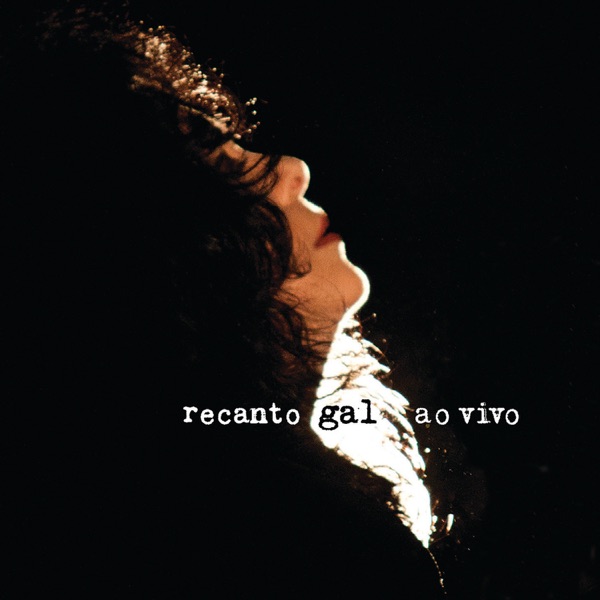
Recanto
2011 · 23 tracks
- 1 Da Maior Importância (Ao Vivo) ↗ 5:39
- 1 Deus É o Amor (Ao Vivo) ↗ 3:41
- 2 Tudo Dói (Ao Vivo) ↗ 2:07
- 2 Dom de Iludir (Ao Vivo) ↗ 1:48
- 3 Recanto Escuro (Ao Vivo) ↗ 4:37
- 3 Neguinho (Ao Vivo) ↗ 4:25
- 4 Divino Maravilhoso (Ao Vivo) ↗ 3:59
- 4 O Amor (Ao Vivo) ↗ 4:02
- 5 Folhetim (Ao Vivo) ↗ 3:54
- 5 Baby / Inclusão: Diana (Ao Vivo) ↗ 4:49
- 6 Mãe (Ao Vivo) ↗ 4:19
- 6 Vapor Barato (Ao Vivo) ↗ 6:12
- 7 Segunda (Ao Vivo) ↗ 4:19
- 7 Um Dia de Domingo (Ao Vivo) ↗ 5:35
- 8 Minha Voz, Minha Vida (Ao Vivo) ↗ 2:02
- 8 Miami Maculelê (Ao Vivo) ↗ 4:19
- 9 Barato Total (Ao Vivo) ↗ 4:03
- 9 Mansidão (Ao Vivo) ↗ 4:38
- 10 Autotune Autoerótico (Ao Vivo) ↗ 3:46
- 10 Força Estranha (Ao Vivo) ↗ 4:12
- 11 Cara do Mundo (Ao Vivo) ↗ 3:15
- 11 Meu Bem, Meu Mal (Ao Vivo) ↗ 3:22
- 12 Modinha para Gabriela (Ao Vivo) ↗ 2:21

Estratosférica
2015 · 22 tracks
- 1 Sem Medo Nem Esperança (Ao Vivo) ↗ 3:18
- 1 Por um Fio (Ao Vivo) ↗ 2:52
- 2 Mal Secreto (Ao Vivo) ↗ 5:45
- 2 Três da Madrugada (Ao Vivo) ↗ 5:31
- 3 Jabitacá (Ao Vivo) ↗ 3:30
- 3 Sim Foi Você (Ao Vivo) ↗ 1:41
- 4 Não Identificado (Ao Vivo) ↗ 5:35
- 4 Como 2 e 2 (Ao Vivo) ↗ 3:52
- 5 Namorinho de Portão (Ao Vivo) ↗ 3:17
- 5 Pérola Negra (Ao Vivo) ↗ 5:01
- 6 Ecstasy (Ao Vivo) ↗ 3:11
- 6 Por Baixo (Ao Vivo) ↗ 3:13
- 7 Casca (Ao Vivo) ↗ 3:37
- 7 Arara (Ao Vivo) ↗ 3:27
- 8 Dez Anjos (Ao Vivo) ↗ 3:36
- 8 Estratosférica (Ao Vivo) ↗ 4:15
- 9 Acauã (Ao Vivo) ↗ 3:28
- 9 Os Alquimistas Estão Chegando (Ao Vivo) ↗ 6:43
- 10 Cabelo (Ao Vivo) ↗ 3:55
- 10 Meu Nome É Gal (Ao Vivo) ↗ 5:36
- 11 Quando Você Olha pra Ela (Ao Vivo) ↗ 4:36
- 12 Cartão Postal (Ao Vivo) ↗ 3:34

A pele do futuro
2018 · 13 tracks
- 1 Sublime ↗ 4:43
- 2 Palavras do Corpo ↗ 4:00
- 3 Vida Que Segue ↗ 3:50
- 4 Cuidando de Longe (feat. Marília Mendonça) ↗ 3:40
- 5 Livre do Amor ↗ 4:49
- 6 Puro Sangue (Libelo do Perdão) ↗ 4:31
- 7 Realmente Lindo ↗ 3:30
- 8 Viagem Passageira ↗ 4:04
- 9 Cabelos e Unhas ↗ 3:05
- 10 Dentro da Lei ↗ 3:00
- 11 Minha Mãe (feat. Maria Bethânia) ↗ 4:41
- 12 Mãe de Todas as Vozes ↗ 3:16
- 13 Abre-Alas do Verão ↗ 3:32

Nenhuma Dor
2021 · 10 tracks
- 1 Avarandado (feat. Rodrigo Amarante) ↗ 3:53
- 2 Só Louco (feat. Silva) ↗ 3:57
- 3 Paula e Bebeto (feat. Criolo) ↗ 3:11
- 4 Pois É (feat. António Zambujo) ↗ 1:52
- 5 Meu Bem, Meu Mal (feat. Zé Ibarra) ↗ 4:25
- 6 Juventude Transviada (feat. Seu Jorge) ↗ 3:58
- 7 Baby (feat. Tim Bernardes) ↗ 3:57
- 8 Coração Vagabundo (feat. Rubel) ↗ 2:37
- 9 Negro Amor (feat. Jorge Drexler) ↗ 4:07
- 10 Nenhuma Dor (feat. Zeca Veloso) ↗ 2:39
-
 DomingoGal Costa196712 tracks
 -
 GalGal Costa19699 tracks
 - Gal CostaGal Costa19699 tracks
-
 ÍndiaGal Costa19739 tracks
 -
 Gal canta CaymmiGal Costa197610 tracks
 -
 Água vivaGal Costa197812 tracks
 -
 Aquarela do BrasilGal Costa198012 tracks
 -
 Minha vozGal Costa198211 tracks
 -
 Baby GalGal Costa198310 tracks
 -
 ProfanaGal Costa198410 tracks
 -
 Bem bomGal Costa198510 tracks
 -
 Lua de mel como o diabo gostaGal Costa198710 tracks
 -
 PluralGal Costa199012 tracks
 -
 GalGal Costa199214 tracks
 -
 O sorriso do gato de AliceGal Costa199311 tracks
 -
 Aquele frevo axéGal Costa199814 tracks
 -
 Gal de tantos amoresGal Costa200113 tracks
 -
 Todas as coisas e euGal Costa200315 tracks
 -
 HojeGal Costa200514 tracks
 -
 RecantoGal Costa201123 tracks
 -
 EstratosféricaGal Costa201522 tracks
 -
 A pele do futuroGal Costa201813 tracks
 -
 Nenhuma DorGal Costa202110 tracks
Deep Dive
Overview
Gal Costa was a Brazilian popular music singer who stood at the center of one of the most artistically fertile moments in twentieth-century music: the tropicália movement of the late 1960s. Over a career spanning from the mid-1960s until 2022, she recorded more than thirty studio albums and became one of Brazil’s most decorated performers, winning the Brazilian Music Award twelve times. The New York Times described her as “one of Brazil’s greatest singers,” a judgment grounded not in nostalgia but in the breadth and sophistication of her artistic reach—from bossa nova through psychedelic rock, from samba to the experimental fusion that defined an entire era.
Formation Story
Gal Maria da Graça Costa Penna Burgos was born in Salvador, Bahia, in 1945, into a musical landscape shaped by the rich vernacular traditions of northeastern Brazil. She came of age during the early 1960s, a period when bossa nova was reshaping the international perception of Brazilian music and when younger artists were beginning to question the boundaries between tradition and modernism. Her entry into professional music occurred during a moment of creative ferment, when the conventions of samba and the sophistication of bossa nova were being challenged by a generation eager to synthesize folk idioms, avant-garde composition, and rock instrumentation.
Breakthrough Moment
Gal Costa’s initial recordings in 1967 with Domingo established her as a serious vocalist with classical training and interpretive depth. However, her definitive breakthrough came through her association with the tropicália movement, the vanguard aesthetic that emerged in Brazil in 1968 as a radical rethinking of popular music’s role in national culture. The landmark compilation Tropicália: ou Panis et Circencis (1968) positioned her alongside figures of equal stature in this movement. Her subsequent albums Gal and Gal Costa (both 1969) consolidated her standing as a leading voice of the era, demonstrating a vocal range and emotional intelligence that could anchor both experimental arrangements and intimate interpretations.
Peak Era
The early 1970s represented Costa’s most creatively vital period. The albums Legal (1970) and Índia (1973) showcased her expanding artistic vocabulary and her willingness to explore psychedelic textures, modal harmony, and rhythmic complexity without abandoning the melodic directness essential to Brazilian popular music. During this stretch, she worked with some of the most adventurous producers and arrangers in Brazilian music, expanding her reach into international markets while remaining rooted in national musical traditions. The consistency of her output through the 1970s and early 1980s—releasing albums almost annually, each one a distinct statement—kept her at the forefront of Brazilian music during a period when the country itself was undergoing profound social and political change.
Musical Style
Gal Costa’s voice was a supple, expressive instrument capable of both intimate whisper and soaring assertion. Her phrasing drew deeply from bossa nova’s rubato elasticity while also accommodating the more emphatic attack required by psychedelic rock arrangements. She worked across multiple genres without losing stylistic coherence: bossa nova, samba, psychedelic rock, and música popular brasileira (MPB) became not separate compartments but overlapping territories in a unified artistic vision. Her interpretations of both original compositions and standards were marked by careful attention to lyrical nuance and harmonic possibility. She could render a song in a stark, almost folk arrangement or embed it in dense orchestration, yet her voice—warm, flexible, intelligent—remained the constant anchor. This stylistic breadth reflected both her training and her aesthetic philosophy: Brazilian music, in her view, was not a fixed tradition but a living conversation between roots and innovation.
Major Albums
Tropicália: ou Panis et Circencis (1968)
A compilation assembling the leading voices and instrumentalists of the tropicália movement, this album stands as the definitive document of the moment that reshaped Brazilian music; Costa’s presence alongside other major figures underscored her status as a central figure in the movement.
Legal (1970)
A high point of Costa’s early solo work, this album consolidated her artistic identity in the post-tropicália landscape, balancing experimental arrangements with melodic strength and vocal sophistication.
Índia (1973)
Exploring themes of indigenous Brazilian culture and spiritual questioning, this album deepened Costa’s engagement with psychedelic textures and rhythmic innovation while maintaining the accessibility that defined her broad appeal.
Gal tropical (1979)
Released at a moment when Brazilian music was fragmenting into competing modernisms, this album restated Costa’s mastery of the intersection between tropicália’s legacy and the emerging sounds of the 1980s.
Mina d’água do meu canto (1995)
A later-career album that demonstrated Costa’s enduring artistry and her capacity to remain creatively vital across changing musical landscapes, without chasing trends.
Signature Songs
- “Baby” (from Baby Gal, 1983) — A showcase for Costa’s intimate vocal delivery and her ability to convey emotional complexity through small gestures of phrasing.
- Selections from Tropicália: ou Panis et Circencis (1968) — Her contributions to the tropicália compilation remain the definitive statements of her role in the movement.
- “Minha voz” (from Minha voz, 1982) — An introspective work that placed her voice at the center of reflection on identity and artistic practice.
- “Água viva” (from Água viva, 1978) — Demonstrating her range across rhythmic territories and emotional registers.
Influence on Rock
Gal Costa’s influence extended well beyond Brazil’s borders and well beyond her immediate historical moment. By legitimizing psychedelic rock, avant-garde production, and experimental harmony as natural extensions of Brazilian popular music rather than foreign impositions, she helped establish a template for how non-Anglophone rock could maintain cultural specificity while engaging with the global rock idiom. Her work in tropicália demonstrated that rock instrumentation and psychedelic textures need not strip away regional identity or melodic sophistication. Subsequent generations of Brazilian and Latin American musicians working at the intersection of popular tradition and avant-garde practice—whether in rock, electronic music, or genre-fluid contexts—inherited a landscape partly shaped by her willingness to integrate radical experimentation with deep roots in national musical culture. Her career also modeled a particular kind of artistic longevity for female performers in rock and popular music: one grounded in consistent creative development rather than nostalgia or repetition of early successes.
Legacy
By the time of her death in 2022, Gal Costa had become recognized as one of the towering figures in twentieth-century Brazilian music, her contributions to tropicália securing her place in the historical record alongside the movement’s most celebrated figures. Her catalog of more than thirty studio albums—spanning psychedelic rock, bossa nova, samba, and experimental pop—remains a testament to an artist who never ceased exploring new artistic territory. Streaming platforms and digital reissues have made her entire discography available to global audiences, introducing new generations to the sophistication and warmth of her interpretations. Her influence on Brazilian popular music and on rock music’s international trajectory, though often less visible than that of some of her contemporaries, was profound and enduring: she proved that the female voice in tropicália and in the broader landscape of 1960s-70s experimental music could be not merely an ornament but an intellectual and emotional force equal to any instrumental or compositional voice. Her career stands as a sustained argument for artistic growth, stylistic risk, and the deep wells of Brazil’s musical traditions.
Fun Facts
- Gal Costa won the Brazilian Music Award twelve times over her career, establishing her as one of the most honored singers in the country’s history.
- She continued recording and performing into her late seventies, demonstrating artistic vitality across more than five decades of professional work.
- Her album Our Moments (2007) brought her work to English-speaking audiences directly, extending her reach beyond the Portuguese-language market in which she had built her reputation.
- The tropicália movement, which made her an international name, lasted only a few years as a coherent movement before scattering into individual artistic trajectories; Costa’s career proved more durable than the movement itself.