

Photo by Dominique , licensed under CC BY 3.0 · Wikimedia Commons
Rank #496
Gary Jules
From Wikipedia
Gary Jules Aguirre Jr. is an American singer-songwriter, known primarily for his cover version of the Tears for Fears song "Mad World", which he recorded with his friend Michael Andrews for the film Donnie Darko. It became the UK Christmas number-one single of 2003.
Discography & Previews
Browse through and click an album to open and play 30-second previews streamed from Apple Music.

Gary Jules
2006 · 12 tracks
- 1 Falling Awake ↗ 5:11
- 2 The Devil Keeps Grinning ↗ 4:30
- 3 Gone Daddy ↗ 4:19
- 4 Serpent-In-Claw ↗ 3:49
- 5 Little Greenie ↗ 3:10
- 6 There's a Hole In the Sky ↗ 3:34
- 7 Whiskey for Everybody ↗ 3:28
- 8 Wichita ↗ 4:02
- 9 Andalucia ↗ 4:33
- 10 Dustcloud and the Honeybees ↗ 3:25
- 11 Road Song Blues ↗ 2:17
- 12 One Little Light ↗ 3:34

-
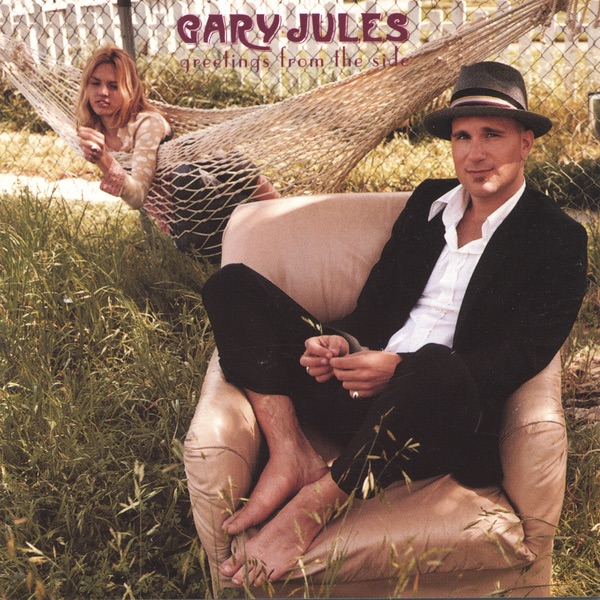
 Greetings From the SideGary Jules199811 tracks
 -
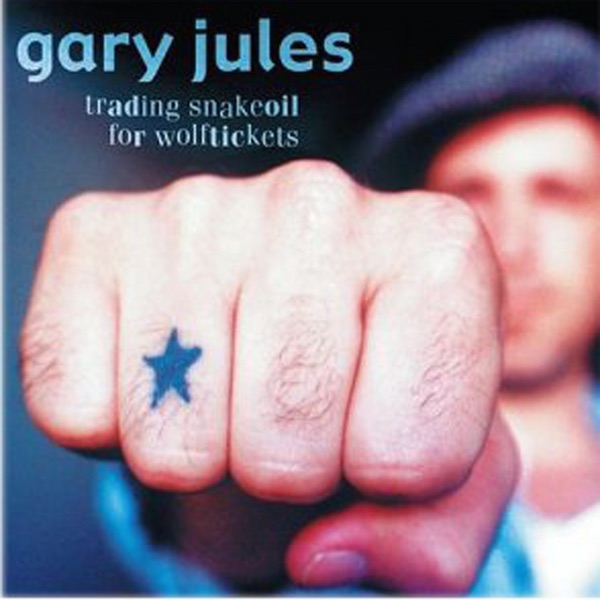
 Trading Snakeoil for WolfticketsGary Jules200111 tracks
 -
 Gary JulesGary Jules200612 tracks
 -
 Bird.Gary Jules20089 tracks
Deep Dive
Overview
Gary Jules Aguirre Jr. is an American singer-songwriter whose career spans decades in rock and pop music. Though he has released multiple studio albums over his active recording period, Jules remains best known to mainstream audiences for a single transformative project: his sparse, melancholic cover of the Tears for Fears composition “Mad World,” recorded in collaboration with producer and musician Michael Andrews for the 2001 film Donnie Darko. That recording, released as a single, ascended to the UK Christmas number-one position in 2003, cementing Jules’ place in alternative and indie music history and introducing his distinctive vocal approach to listeners worldwide.
Formation Story
Gary Jules began his musical journey in the late 1960s, emerging from the American singer-songwriter tradition that gained prominence during the folk and soft-rock era. Born in 1969, he came of age during a period when the boundaries between pop, rock, and alternative music were increasingly fluid. His early work reflected the introspective, lyric-driven sensibilities that defined the singer-songwriter archetype, positioning him within a lineage that valued emotional authenticity and compositional craft over commercial polish. Jules’ path into music was shaped by the cultural landscape of the 1990s, when independent and alternative artists gained unprecedented visibility through film soundtracks, college radio, and emerging digital distribution channels.
Breakthrough Moment
Gary Jules’ breakthrough came not through original material but through his reimagining of an existing song. In 2001, he recorded “Mad World” with producer Michael Andrews for the indie film Donnie Darko. The cover stripped away the synth-pop sheen of the original 1985 Tears for Fears version, replacing it with a haunting arrangement built on Jules’ haunting, introspective vocal delivery. Released as a single, the track gained traction through the growing cult following surrounding the film. By late 2003, “Mad World” had climbed the UK charts, ultimately reaching the number-one position on the Christmas singles chart—a striking achievement for an alternative cover of a decades-old song, and proof of the track’s emotional resonance across demographic boundaries.
Peak Era
Jules’ creative peak extended from the late 1990s through the mid-2000s, a period that encompassed both his early original albums and the global success of “Mad World.” His studio work during this span—particularly Trading Snakeoil for Wolftickets (2001) and the self-titled Gary Jules (2006)—showcased his range as a songwriter and interpreter. The self-titled album arrived in the wake of “Mad World“‘s chart success, allowing him to capitalize on his newfound visibility while maintaining the introspective, often sparse production that characterized his artistic voice. This era established Jules as a serious voice in contemporary singer-songwriter music, capable of moving audiences through both original compositions and thoughtful reinterpretations of existing material.
Musical Style
Gary Jules’ sound is rooted in the singer-songwriter tradition, emphasizing lyrical depth, emotional directness, and often minimal instrumentation. His vocal approach is notably restrained and conversational, prioritizing clarity and emotional nuance over technical display. The arrangements across his albums tend toward the spare and atmospheric, creating intimate listening experiences that place the listener close to the narrator’s emotional perspective. His cover of “Mad World” exemplifies this aesthetic: by stripping away production elements and foregrounding his voice and understated instrumentation, Jules transformed a synth-pop song into something closer to a contemporary folk or indie-rock ballad. This sensibility carries through his original work, which blends elements of pop music structure with the authenticity and introspection associated with rock-oriented singer-songwriters.
Major Albums
Greetings From the Side (1998)
Jules’ debut album established his voice as a singer-songwriter working in contemporary pop and rock styles, introducing the sparse aesthetic that would define his later work.
Trading Snakeoil for Wolftickets (2001)
Released the same year as the “Mad World” cover, this album demonstrated Jules’ capabilities as a composer and interpreter of his own material alongside his collaborative work.
Gary Jules (2006)
Jules’ self-titled third album arrived in the wake of “Mad World“‘s international success and solidified his position as a serious voice in alternative and indie music circles.
Bird. (2008)
This later studio album continued Jules’ exploration of the singer-songwriter idiom, maintaining the intimate production values and emotional directness of his earlier work.
Signature Songs
- “Mad World” (with Michael Andrews) — The haunting cover that became a UK Christmas number-one in 2003 and introduced Jules to mainstream audiences worldwide.
Influence on Rock
Gary Jules’ primary influence on rock and popular music stems from demonstrating the continued power of the cover song as artistic statement rather than commercial shortcut. “Mad World” proved that a thoughtful, stripped-down reinterpretation of an existing composition could resonate with contemporary audiences and even eclipse the original in cultural reach. His approach—emphasizing emotional authenticity and minimalist production—influenced how subsequent singer-songwriters approached both original material and covers. Within the broader context of 2000s indie and alternative music, Jules represented the continuing vitality of intimate, acoustic-centered songwriting at a moment when electronic production and digital distribution were reshaping the music industry.
Legacy
Gary Jules’ legacy rests primarily on “Mad World,” a song that has become synonymous with the Donnie Darko film and continues to circulate widely across streaming platforms, film and television licensing, and cultural memory. The track’s enduring presence in popular culture—featured in countless media placements and covered by additional artists—testifies to Jules’ role in creating a cultural artifact that transcended the indie music underground. His steady output of original studio albums across three decades, from Greetings From the Side through Bird. and beyond, demonstrates a commitment to the singer-songwriter craft that extends well beyond a single hit. Jules remains active as a musician and maintains an official web presence, continuing to record and perform for audiences who value the introspective, emotionally direct approach to rock and pop music that has characterized his career.
Fun Facts
- Gary Jules’ cover of “Mad World” was recorded with producer and collaborator Michael Andrews specifically for Richard Kelly’s indie film Donnie Darko, which achieved cult status long after its initial theatrical release.
- The “Mad World” single’s ascent to the UK Christmas number-one position in 2003 represented a rare triumph for an alternative cover in a chart category typically dominated by pop and novelty songs.
- Jules has maintained an independent artist presence through his official website, reflecting the shift toward direct artist-to-fan engagement that became increasingly important in the 2000s.