
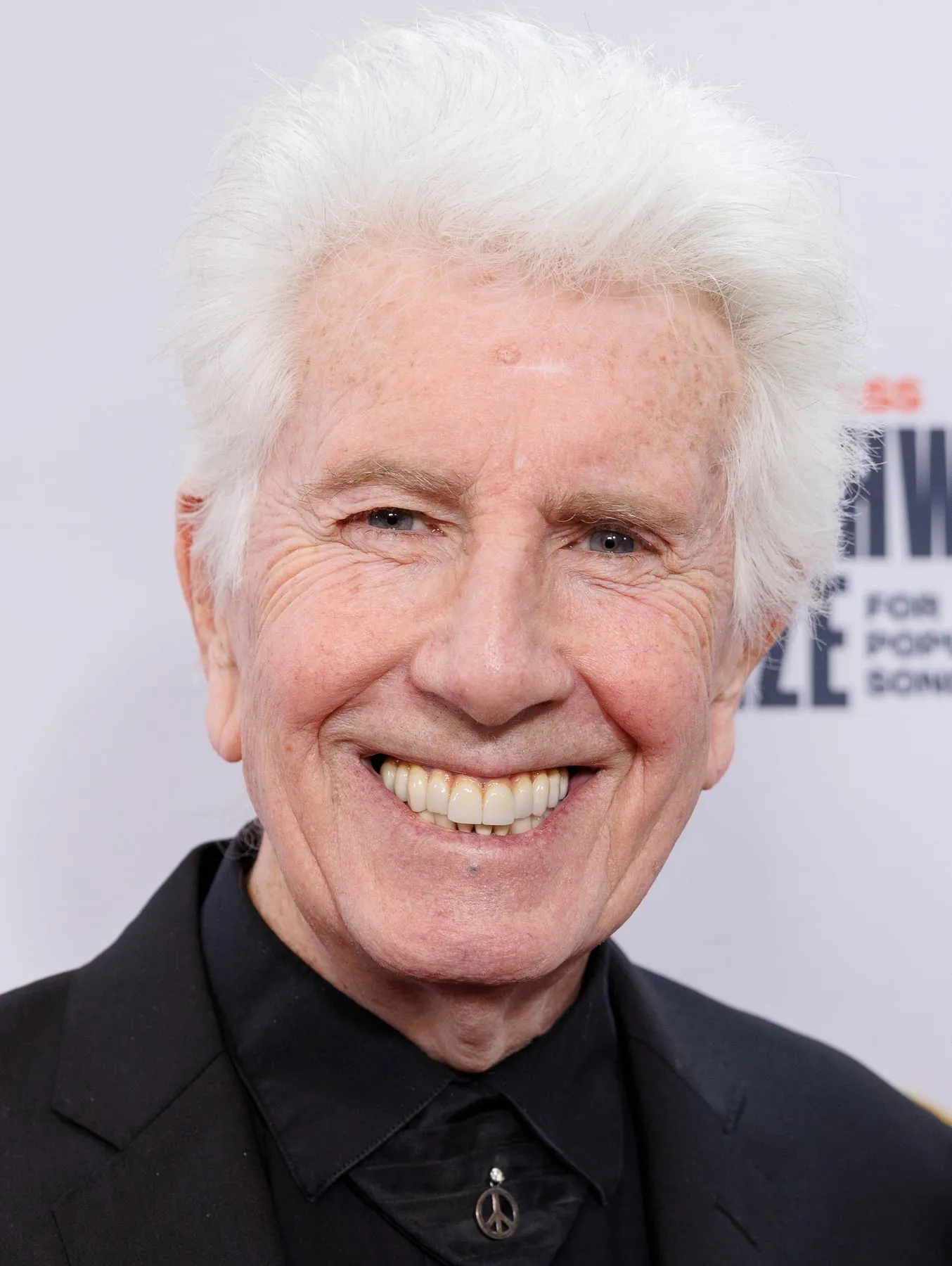
Photo by Library of Congress Life , licensed under CC0 · Wikimedia Commons
Rank #265
Graham Nash
From Wikipedia
Graham William Nash is a British and American musician, singer and songwriter. He is known for his light tenor voice and for his contributions as a member of the Hollies and Crosby, Stills & Nash.
Discography & Previews
Browse through and click an album to open and play 30-second previews streamed from Apple Music.
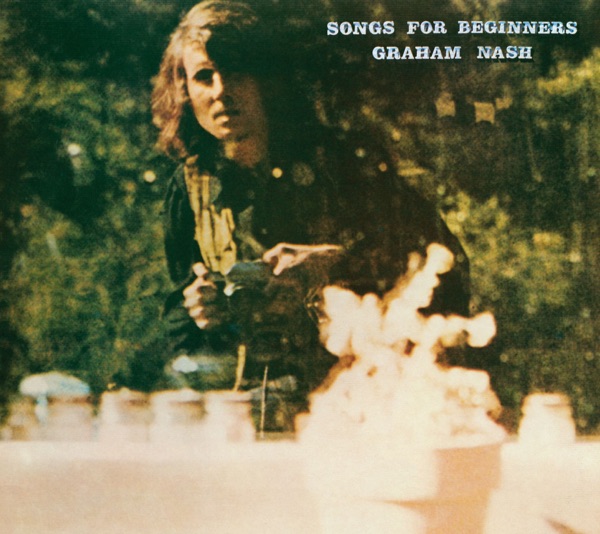
Songs for Beginners
1971 · 11 tracks


This Path Tonight
2016 · 13 tracks
- 1 This Path Tonight ↗ 4:27
- 2 Myself at Last ↗ 5:18
- 3 Cracks in the City ↗ 3:41
- 4 Beneath the Waves ↗ 4:01
- 5 Fire Down Below ↗ 3:28
- 6 Another Broken Heart ↗ 4:57
- 7 Target ↗ 3:35
- 8 Golden Days ↗ 3:38
- 9 Back Home ↗ 4:48
- 10 Encore ↗ 3:52
- 11 Mississippi Burning ↗ 2:44
- 12 Watch out for the Wind ↗ 3:07
- 13 The Last Fall ↗ 4:21

Now
2023 · 13 tracks
- 1 Right Now ↗ 3:07
- 2 A Better Life ↗ 3:30
- 3 Golden Idols ↗ 3:16
- 4 Stars & Stripes ↗ 3:22
- 5 Love of Mine ↗ 2:47
- 6 Theme From Pastoral ↗ 0:47
- 7 In a Dream ↗ 2:14
- 8 Stand Up ↗ 3:03
- 9 It Feels Like Home ↗ 3:45
- 10 Buddy's Back ↗ 2:44
- 11 Follow Your Heart ↗ 3:38
- 12 I Watched It All Come Down ↗ 3:15
- 13 When It Comes To You ↗ 3:13
-
 Songs for BeginnersGraham Nash197111 tracks
 -
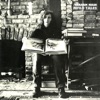 Wild TalesGraham Nash197310 tracks
 -
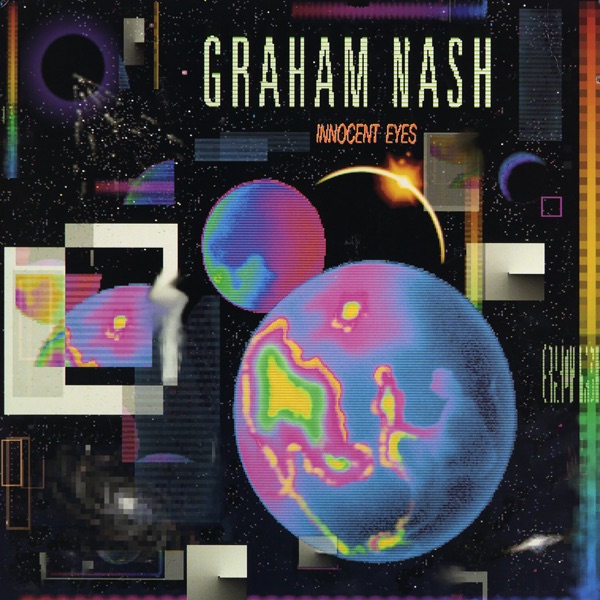
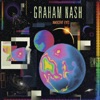 Innocent EyesGraham Nash198610 tracks
 -
 This Path TonightGraham Nash201613 tracks
 -
 NowGraham Nash202313 tracks
Deep Dive
Overview
Graham Nash is a British and American musician and songwriter whose tenure across three major rock acts—The Hollies, Crosby, Stills & Nash, and his extensive solo career—has established him as one of rock music’s most durable and harmonically gifted voices. His light tenor and gift for melodic songwriting positioned him at the center of some of the genre’s most consequential group efforts, and his solo work, spanning from 1971 to the present day, demonstrates a sustained commitment to introspective singer-songwriter craft and social consciousness.
Formation Story
Born in 1942 in Manchester, England, Graham Nash came of age during the British Invasion’s fertile early years. He emerged from the mid-1960s pop-rock scene as a member of The Hollies, a band that achieved considerable commercial success with their blend of rock and pop sensibility. By the late 1960s, Nash’s songwriting had grown more ambitious and introspective, a shift that eventually led him to depart the group in pursuit of collaborative and solo work. His move to the United States marked a turning point; once there, he was drawn into the orbit of California’s singer-songwriter movement and the folk-rock establishment that would define the 1970s.
Breakthrough Moment
Nash’s solo breakthrough arrived with his debut album Songs for Beginners in 1971, released on Atlantic Records. The record introduced listeners to his mature songwriting voice and established the template for his solo work: introspective lyrics paired with acoustic guitar and lush arrangements. Released during a fertile period for solo artists formerly of successful bands, Songs for Beginners positioned Nash as a serious voice in his own right rather than merely an alumnus of earlier success. The album’s success proved that his career could flourish independently, even as his collaborative work with David Crosby and others remained a central part of his musical identity.
Peak Era
The 1970s and early 1980s represented Nash’s most prolific solo period. He released Wild Tales in 1973, consolidating the artistic direction established by his debut, and continued recording through the 1980s with Innocent Eyes in 1986. Throughout this era, Nash balanced solo work with ongoing involvement in collaborative projects, demonstrating his ability to function across multiple musical contexts simultaneously. These decades saw him develop as both a recording artist and a performer capable of sustaining a career on the strength of his songwriting and vocal presence, even as the wider rock landscape shifted.
Musical Style
Nash’s voice—a light, agile tenor—became his most recognizable trademark. His approach to songwriting emphasizes clarity of lyrical expression and sophisticated harmonic sensibility, rooted equally in rock, pop, and folk traditions. As a solo artist, he favored acoustic-based arrangements, often built around fingerpicked guitar and orchestral strings, creating an introspective and often cinematic production style. His work in the studio showed careful attention to vocal layering and harmonic texture, drawing on the lessons learned from his years recording vocal harmonies in group settings. While his solo output has occasionally incorporated jazz fusion elements, Nash’s core identity remains that of a melodic rock songwriter with a poet’s attention to lyrical detail.
Major Albums
Songs for Beginners (1971)
Nash’s debut solo album established his identity as a serious singer-songwriter. The record features his most introspective material and demonstrates his capacity to sustain a full album on the strength of his songwriting and vocal interpretation.
Wild Tales (1973)
His second solo effort deepened the artistic direction of his debut, with a collection of compositions that ranged from intimate acoustic pieces to fuller arrangements that showcased his evolving studio approach.
Innocent Eyes (1986)
Recorded in the mid-1980s, this album reflected Nash’s continued commitment to the singer-songwriter form during a period when the broader rock landscape was shifting toward new production techniques and aesthetics.
Songs for Survivors (2002)
Released at the beginning of the 21st century, this album demonstrated that Nash remained an active composer and recording artist, maintaining his presence as a creative force in his fifth decade of professional work.
Signature Songs
- “Military Madness” — A political statement that typified Nash’s socially conscious songwriting and his willingness to address contemporary issues through his music.
- “Teach Your Children” — While primarily associated with Crosby, Stills & Nash, the song’s composition and themes reflect Nash’s songwriting philosophy and collaborative spirit.
- “Our House” — A warm, intimate domestic portrait that showcased Nash’s gift for converting personal experience into universal song.
- “Marrakesh Express” — A folk-rock travel narrative that demonstrated his ability to blend narrative storytelling with melodic pop sensibility.
Influence on Rock
Nash’s influence extends across three distinct phases of rock history. His work with The Hollies helped define British pop-rock in the 1960s; his participation in Crosby, Stills & Nash established him as a voice in the folk-rock supergroup movement of the early 1970s; and his solo work contributed to the legitimacy and longevity of the singer-songwriter form during its commercial and artistic peak. His careful, harmonically sophisticated approach to vocal arrangement influenced subsequent generations of rock musicians working in collaborative contexts. Nash demonstrated that a musician could sustain meaningful creative work across multiple projects and decades without sacrificing artistic integrity or coherence of vision.
Legacy
Graham Nash’s career has now spanned more than five decades, a longevity that places him among rock’s most enduring figures. His solo discography, including later albums such as This Path Tonight (2016) and Now (2023), testifies to his continued engagement with composition and recording in his eighth and ninth decades of life. Beyond chart success or commercial metrics, Nash’s legacy rests on his demonstration that a melodic gift, coupled with serious songwriting and a willingness to collaborate across musical boundaries, can sustain a career of genuine artistic consequence. His work remains available across streaming platforms and through physical reissues, ensuring that subsequent generations encounter his contributions to rock music’s vocal and compositional traditions.
Fun Facts
- Nash’s move from Manchester to California in the late 1960s positioned him at the center of one of rock music’s most significant geographic and cultural migrations, from British Invasion epicenter to the California singer-songwriter movement.
- His tenure across The Hollies, Crosby, Stills & Nash, and his solo work makes him one of rock music’s most significant voices in three distinct musical contexts, spanning virtually every major subgenre of rock from pop to folk to rock supergroup recordings.
- Nash has maintained his official web presence at grahamnash.com throughout the digital era, reflecting his engagement with direct communication to audiences independent of traditional media gatekeeping.