
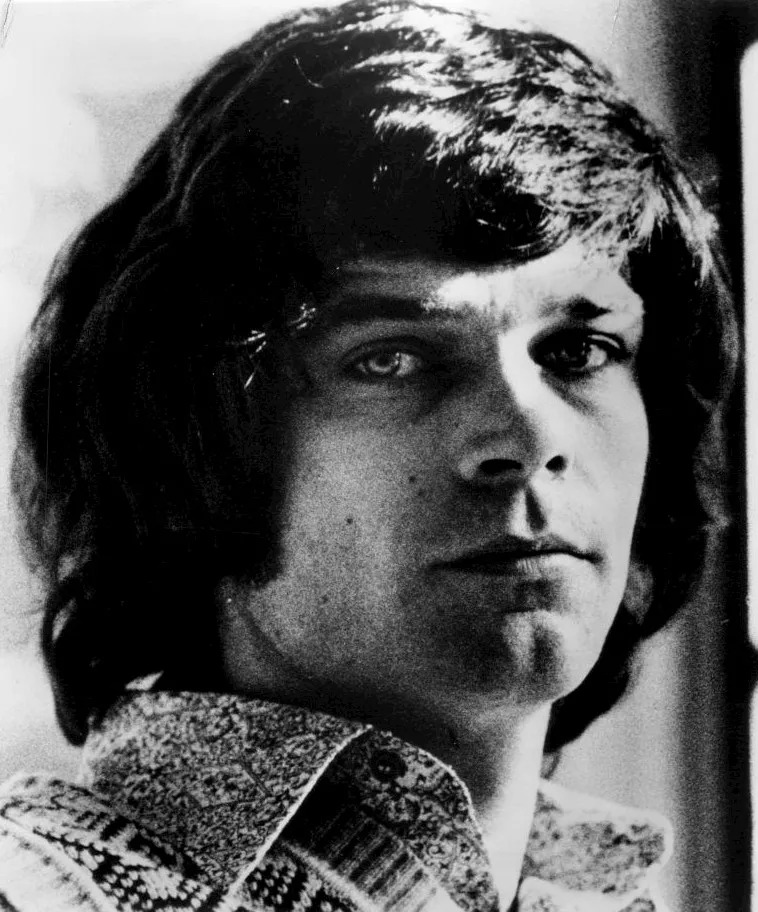
Photo by William Morris Agency-management , licensed under Public domain · Wikimedia Commons
Rank #340
B. J. Thomas
From Wikipedia
Billy Joe Thomas was an American singer widely known for his country, contemporary Christian, and pop hits of the 1960s, 1970s, and 1980s.
Discography & Previews
Browse through and click an album to open and play 30-second previews streamed from Apple Music.

Tomorrow Never Comes
1966 · 12 tracks
- 1 Plain Jane ↗ 2:43
- 2 My Home Town ↗ 2:19
- 3 Ashes Of Dreams You Let Die ↗ 2:38
- 4 Tomorrow Never Comes ↗ 2:47
- 5 Baby Cried ↗ 2:22
- 6 Mystery Of Tomorrow ↗ 2:22
- 7 Gonna Send You Back To Georgia ↗ 2:23
- 8 The Rains Came ↗ 2:42
- 9 I Don't Have A Mind Of My Own ↗ 2:14
- 10 Daddy ↗ 2:45
- 11 Candy Baby ↗ 2:28
- 12 Walkin' Back ↗ 2:16
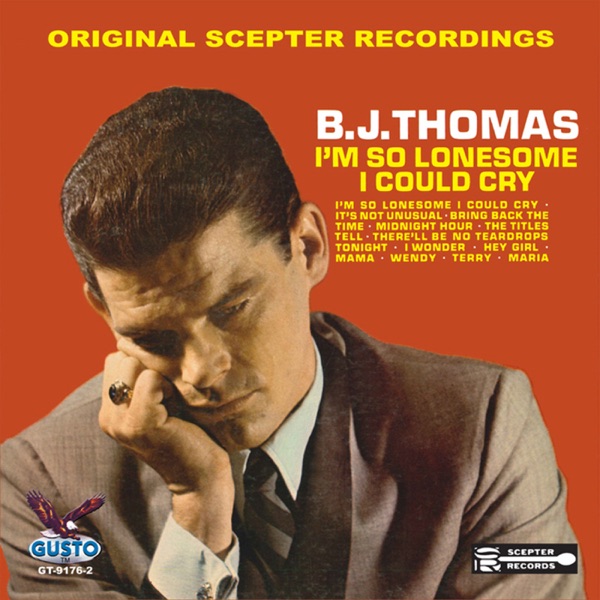
I’m So Lonesome I Could Cry
1966 · 12 tracks
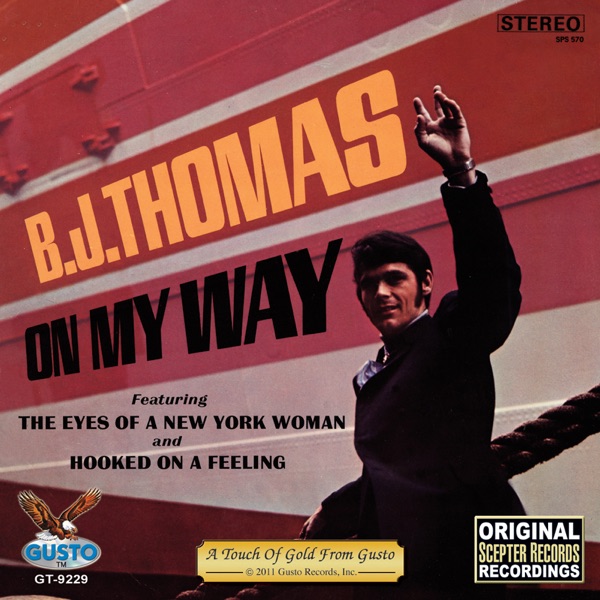
On My Way
1968 · 10 tracks

Raindrops Keep Fallin’ on My Head
1969 · 10 tracks
- 1 Little Green Apples ↗ 3:53
- 2 Raindrops Keep Fallin' On My Head ↗ 3:04
- 3 This Guy's In Love With You ↗ 3:43
- 4 If You Ever Leave Me ↗ 2:36
- 5 Guess I'll Pack My Things ↗ 3:39
- 6 If You Must Leave My Life ↗ 2:55
- 7 The Greatest Love ↗ 3:03
- 8 Do What You Gotta Do ↗ 3:28
- 9 Mr. Mailman ↗ 2:22
- 10 Suspicious Minds ↗ 5:50
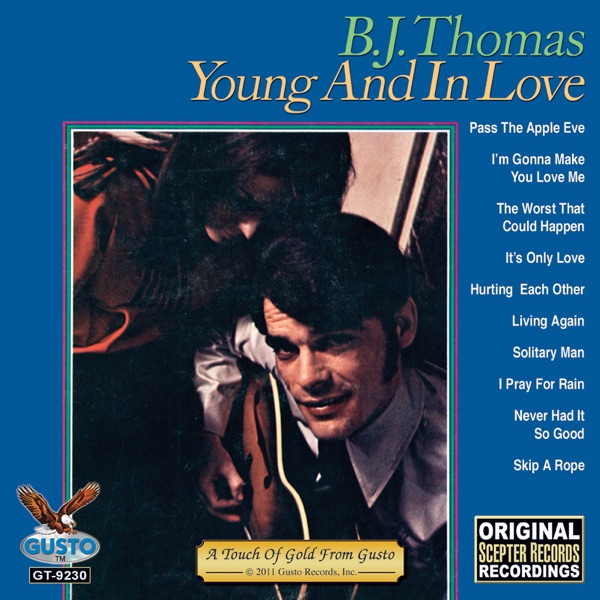
Young and in Love
1969 · 10 tracks


Everybody’s Out of Town
1970 · 10 tracks

Billy Joe Thomas
1972 · 12 tracks
- 1 That's What Friends Are For ↗ 3:55
- 2 Rock and Roll Lullaby ↗ 4:10
- 3 Happier Than the Morning Sun ↗ 4:36
- 4 Roads ↗ 3:02
- 5 Sweet Cherry Wine ↗ 2:57
- 6 A Song for My Brother ↗ 4:09
- 7 A Fine Way to Go ↗ 3:44
- 8 Just As Gone ↗ 3:28
- 9 I Get Enthused ↗ 2:27
- 10 Are We Losing Touch ↗ 3:34
- 11 We Have Got to Get Our Ship Together ↗ 4:32
- 12 The Stories We Can Tell ↗ 3:04
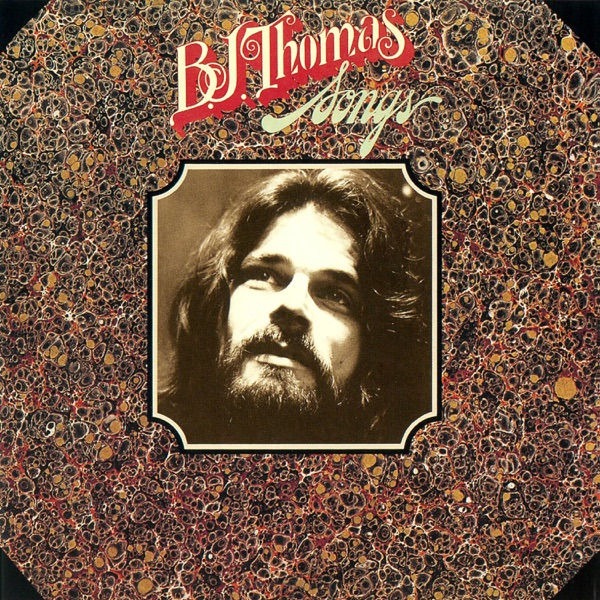
Songs
1973 · 11 tracks
- 1 Songs ↗ 3:43
- 2 Early Morning Hush ↗ 2:38
- 3 Down On The Street ↗ 2:56
- 4 I've Been Alone Too Long ↗ 3:32
- 5 Too Many Mondays ↗ 4:28
- 6 We're Over ↗ 3:09
- 7 Sunday Sunrise ↗ 3:53
- 8 Talkin' Confidentially ↗ 3:12
- 9 Goodbye's A Long, Long Time ↗ 3:47
- 10 Honorable Peace ↗ 4:11
- 11 People Sure Act Funny ↗ 3:17

Reunion
1975 · 10 tracks
- 1 (Hey Won't You Play) Another Somebody Done Somebody Wrong Song ↗ 3:26
- 2 Real Life Blues ↗ 2:50
- 3 Crying ↗ 2:38
- 4 I Finally Got It Right This Time ↗ 2:18
- 5 Doctor God ↗ 3:12
- 6 Beautiful Things for You ↗ 2:57
- 7 Sea of Love ↗ 2:50
- 8 Maybe It's Time to Go ↗ 3:37
- 9 City Boys ↗ 2:26
- 10 Who Broke Your Heart and Made You Write That Song ↗ 3:25

Home Where I Belong
1976 · 10 tracks
B.J. Thomas
1977 · 14 tracks
- 1 Hooked On a Feeling (Re-Recorded Version) ↗ 2:47
- 2 Raindrops Keep Falling On My Head (Re-Recorded Version) ↗ 2:58
- 3 Another Somebody Done Somebody Wrong Song (Re-Recorded Version) ↗ 3:32
- 4 I Just Can't Help Believing (Re-Recorded Version) ↗ 3:15
- 5 I'm So Lonesome I Could Cry (Re-Recorded Version) ↗ 3:10
- 6 No Love At All (Re-Recorded Version) ↗ 3:24
- 7 No Other Baby (Re-Recorded Version) ↗ 4:43
- 8 Rock and Roll Lullaby (Re-Recorded Version) ↗ 4:01
- 9 To Be Loved (Re-Recorded Version) ↗ 2:35
- 10 What's Forever For (Re-Recorded Version) ↗ 3:41
- 11 Back Against the Wall (Re-Recorded Version) ↗ 3:57
- 12 Ballyhoo Days (Re-Recorded Version) ↗ 3:22
- 13 Best Thing That Ever Happened to Me (Re-Recorded Version) ↗ 4:06
- 14 You Call That a Mountain (Re-Recorded Version) ↗ 3:14

Happy Man
1978 · 10 tracks

You Gave Me Love (When Nobody Gave Me a Prayer)
1979 · 10 tracks
- 1 Using Things and Loving People ↗ 3:31
- 2 Jesus on My Mind ↗ 3:22
- 3 You Gave Me Love ↗ 3:30
- 4 The Faith of a Little Child ↗ 4:23
- 5 I'm Gonna See Jesus ↗ 2:47
- 6 Lord I'm Just a Baby ↗ 2:53
- 7 What Your Love Did for Me ↗ 3:08
- 8 I Need to Be Still (And Let God Love Me) ↗ 2:47
- 9 Love Has Arrived ↗ 3:11
- 10 He's Walking in My Shoes ↗ 3:10

Amazing Grace
1981 · 10 tracks

Peace in the Valley
1982 · 10 tracks

Love Shines
1983 · 10 tracks
- 1 Love Shines ↗ 3:09
- 2 He's Got Religion ↗ 3:31
- 3 Best Friend ↗ 3:30
- 4 Born to Fly ↗ 3:42
- 5 They See God There ↗ 3:00
- 6 He's Coming Back (In a Blaze of Glory) ↗ 2:57
- 7 Teach Me to See ↗ 3:37
- 8 Pray for Me ↗ 3:23
- 9 That's What's Wrong with the World Today ↗ 3:13
- 10 Let's All Go Down to the River ↗ 2:41

All Is Calm, All Is Bright
1985 · 10 tracks
- 1 Silent Night, Holy Night ↗ 2:45
- 2 O Little Town of Bethlehem ↗ 3:29
- 3 Away in a Manger ↗ 2:27
- 4 It Came Upon a Midnight Clear ↗ 3:15
- 5 Joy to the World ↗ 2:20
- 6 The First Noel ↗ 3:37
- 7 Hark! The Herald Angels Sing ↗ 3:01
- 8 O Come, All Ye Faithful ↗ 2:54
- 9 Where Is the Christ in Christmas ↗ 3:32
- 10 Back Home ↗ 3:29

Midnight Minute
1989 · 10 tracks
- 1 Half a Heart ↗ 3:32
- 2 Don't Leave Love (Out There All Alone) ↗ 4:56
- 3 Midnight Minute ↗ 4:06
- 4 Second Chances ↗ 4:13
- 5 One Last One More Time ↗ 5:20
- 6 Someone Like You ↗ 4:16
- 7 Young Hearts ↗ 4:05
- 8 If It Takes All Night ↗ 4:25
- 9 One Woman ↗ 4:21
- 10 As Long as We Got Each Other (with Dusty Springfield) [Theme from 'Growing Pains'] ↗ 4:20

Back Against the Wall
1992 · 10 tracks
- 1 What I See in Her Is You ↗ 4:20
- 2 A Southern Girl on a Summer Night ↗ 3:57
- 3 You Make Me Feel Brand New ↗ 5:06
- 4 Now That Love Is on Our Side Again ↗ 4:01
- 5 Back Against the Wall ↗ 6:43
- 6 I'm so Glad I'm Standing Here Today ↗ 5:00
- 7 Two Wrongs Made It Right ↗ 3:58
- 8 Man to Conquer All ↗ 3:50
- 9 Let Me Be Your Shelter ↗ 4:58
- 10 On the Wings of Forever ↗ 3:15

Precious Memories
1995 · 10 tracks

Christmas Is Coming Home
1997 · 11 tracks
- 1 When Christmas Comes This Year ↗ 4:39
- 2 Be It Unto Me ↗ 5:18
- 3 Christmas Is Coming Home (Duet with Kathy Troccoli) ↗ 4:29
- 4 Tennessee Christmas ↗ 4:47
- 5 On This Holy, Holy Night (Duet with Jonathan Pierce) ↗ 6:04
- 6 Wake Up, It's Christmas Morning ↗ 5:06
- 7 Take a Walk Through Bethlehem ↗ 4:10
- 8 Let There Be Peace On Earth (Duet with Tabitha Fair) ↗ 4:28
- 9 Precious Promise ↗ 4:18
- 10 Grown-Up Christmas List ↗ 5:14
- 11 Silent Night ↗ 3:56
Country Christmas
2002 · 20 tracks
- 1 Tender Tennessee Christmas ↗ 3:54
- 1 Grown-up Christmas List ↗ 4:18
- 2 White Christmas ↗ 2:10
- 2 Santa Claus is Coming to Town ↗ 2:29
- 3 Lone Star Christmas ↗ 3:05
- 3 Silent Night ↗ 3:34
- 4 Till the Season Comes Round Again ↗ 3:29
- 4 On This Christmas Night ↗ 2:25
- 5 Little Drummer Boy ↗ 3:17
- 5 God Bless the Children ↗ 2:54
- 6 The Christmas Song ↗ 5:45
- 6 I'll Be Home for Christmas ↗ 3:46
- 7 The Greatest Gift of All ↗ 2:56
- 7 Have Yourself a Merry Little Christmas ↗ 2:06
- 8 He Would Be King ↗ 2:27
- 8 The Christmas Song ↗ 3:35
- 9 O Holy Night ↗ 2:52
- 9 Rudolph the Red Nosed Reindeer ↗ 2:57
- 10 Christmas to Christmas ↗ 3:03
- 10 Tennessee Christmas ↗ 4:20
-
 Tomorrow Never ComesB. J. Thomas196612 tracks
 -
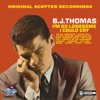 I’m So Lonesome I Could CryB. J. Thomas196612 tracks
 -
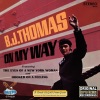 On My WayB. J. Thomas196810 tracks
 -
 Raindrops Keep Fallin’ on My HeadB. J. Thomas196910 tracks
 -
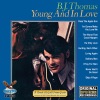 Young and in LoveB. J. Thomas196910 tracks
 -
 Most Of AllB. J. Thomas197010 tracks
 -
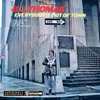 Everybody’s Out of TownB. J. Thomas197010 tracks
 -
 Billy Joe ThomasB. J. Thomas197212 tracks
 -
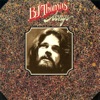 SongsB. J. Thomas197311 tracks
 -
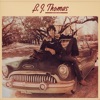 ReunionB. J. Thomas197510 tracks
 -
 Home Where I BelongB. J. Thomas197610 tracks
 -
 B.J. ThomasB. J. Thomas197714 tracks
 -
 Happy ManB. J. Thomas197810 tracks
 -
 You Gave Me Love (When Nobody Gave Me a Prayer)B. J. Thomas197910 tracks
 -
 Amazing GraceB. J. Thomas198110 tracks
 -
 Peace in the ValleyB. J. Thomas198210 tracks
 -
 Love ShinesB. J. Thomas198310 tracks
 -
 All Is Calm, All Is BrightB. J. Thomas198510 tracks
 -
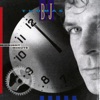 Midnight MinuteB. J. Thomas198910 tracks
 -
 Back Against the WallB. J. Thomas199210 tracks
 -
 Precious MemoriesB. J. Thomas199510 tracks
 -
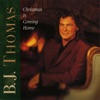 Christmas Is Coming HomeB. J. Thomas199711 tracks
 -
 Country ChristmasB. J. Thomas200220 tracks
Deep Dive
Overview
B.J. Thomas was an American vocalist who achieved sustained commercial success across country, pop, and contemporary Christian music over a career spanning from the mid-1960s through the early 2020s. Born Billy Joe Thomas in 1942, he became a fixture of the American songbook during an era when genre boundaries were more porous than ever, recording albums for major labels including Scepter, ABC, MCA, and Columbia Records. His ability to move fluently between idioms—from mainstream pop ballads to country weepers to gospel-inflected spiritual material—marked him as a singular voice in post-war American popular music, less a rock innovator than a skilled interpreter of songs designed for radio play and emotional resonance.
Formation Story
Billy Joe Thomas grew up in Oklahoma during the 1950s, a decade that saw country, rhythm and blues, and emerging rock and roll beginning their slow collision. The child of parents who fostered his early exposure to music, he was drawn naturally toward singing and the performance arts. By the early 1960s, while still a teenager, Thomas was working on local Oklahoma radio and in regional clubs, learning the craft of pleasing an audience and interpreting material across genres. His entry into professional recording came through Paramount Records in 1966, when he cut his first album, Tomorrow Never Comes, followed quickly by I’m So Lonesome I Could Cry. These early efforts situated him in the country and country-pop market, establishing the template he would refine over the next decade: a warm, soulful baritone capable of delivering both uptempo novelties and plaintive ballads with equal conviction.
Breakthrough Moment
Thomas’s leap to mainstream recognition came in 1969 with the album Raindrops Keep Fallin’ on My Head, a collection that demonstrated his facility with pop sophistication while retaining country sincerity. That same year saw the release of Young and in Love, evidence of his expanding repertoire. The early 1970s proved his most commercially potent period, as he moved between labels (Scepter to ABC and beyond) and continued releasing material with frequency. Albums like Most Of All (1970) and Everybody’s Out of Town (1970) kept him visible in the marketplace, while his willingness to record country-identified material—B.J. Thomas Country (1972)—showed he was not chasing a single audience but instead serving multiple constituencies within the larger American listening public.
Peak Era
The mid-to-late 1970s marked Thomas’s most artistically and commercially sustained period. Between 1975 and 1977, he released Help Me Make It (To My Rockin’ Chair), Reunion, Home Where I Belong (1976), and Everybody Loves A Rain Song (1977), albums that demonstrated his maturity as an interpreter and his evolving interest in spiritual and introspective material. Home Where I Belong in particular signaled a deepening engagement with contemporary Christian themes, a direction he would pursue more deliberately in the 1980s. By the late 1970s, Thomas had become a seasoned professional capable of anchoring both pop radio and country radio simultaneously, a feat that required both vocal skill and the judgment to choose material that could speak to both audiences without seeming artistically compromised.
Musical Style
Thomas’s sound was grounded in the warm, expressive baritone that formed his primary instrument. He approached songs with the interpretive sensibility of a traditional pop vocalist—one who understood phrasing, dynamic control, and emotional sincerity—but employed that skill in service of country ballads, pop confections, and ultimately gospel material. His production contexts ranged from lush orchestral arrangements suited to adult contemporary radio to sparse, acoustic setups that emphasized his vocal character and the song’s lyrical content. Unlike rock performers whose identities often hinged on a particular sonic signature or rebellious stance, Thomas was a chameleonic figure, his artistry defined less by a single unchanging sound than by his ability to inhabit and give credible voice to whatever material he undertook. This flexibility—sometimes a liability in rock criticism—was precisely what allowed him to maintain relevance across changing radio formats and shifting cultural tastes.
Major Albums
Raindrops Keep Fallin’ on My Head (1969)
This album established Thomas as more than a regional country performer, presenting him to a wider pop audience and showcasing his ability to navigate sophisticated pop arrangements while maintaining the emotional authenticity that characterized his delivery.
Most Of All (1970)
Released at the start of his most prolific decade, Most Of All consolidated Thomas’s dual appeal to country and pop listeners, balancing uptempo material with introspective ballads.
Home Where I Belong (1976)
This album marked Thomas’s deepening engagement with contemporary Christian material, a direction that would occupy an increasingly significant portion of his output through the 1980s and beyond, signaling a personal and artistic evolution.
B.J. Thomas Country (1972)
A deliberate return to country-identified material, this album demonstrated Thomas’s commitment to honoring his musical roots even as he pursued broader pop success, reinforcing his credibility within country radio.
Signature Songs
- Raindrops Keep Fallin’ on My Head — The title track from his breakthrough album, a lush pop ballad that became his signature and reached millions of listeners through radio play.
- I’m So Lonesome I Could Cry — An early recording that established his country credentials and vocal expressiveness.
- Home Where I Belong — A spiritual-themed ballad reflecting his growing involvement with contemporary Christian music.
- Everybody Loves A Rain Song — A mid-career single that balanced commercial accessibility with genuine emotional warmth.
Influence on Rock
While B.J. Thomas was not a rock innovator in the tradition of figures who reshaped the genre’s vocabulary or performance style, he represented an important throughline in American popular music: the skilled, versatile vocalist who could move between genres and formats while maintaining a coherent artistic identity. His success demonstrated that rock and roll’s ascendance had not eliminated the market for sophisticated pop balladry or country-inflected material; rather, these categories continued to evolve and find audiences. Thomas’s career showed how deeply the categories of “rock,” “country,” and “pop” overlapped in practice, even as they remained distinct as marketing and radio-format categories. His later turn toward contemporary Christian music reflected the genre’s emerging commercial importance in the 1970s and 1980s, a development he helped legitimize through his crossover credibility.
Legacy
B.J. Thomas remained active as a recording and touring artist well into his later decades, continuing to release material throughout the 2010s, including The Living Room Sessions (2013) and In Remembrance - Love Songs and Lost Treasures (2021), released in the year of his death. His long career—spanning from the mid-1960s to 2021—testified to his professional reliability and the loyalty of his audience across country, pop, and Christian radio formats. Though he never achieved the canonical status or critical reassessment granted to certain rock figures, Thomas’s body of work remains a substantial record of American popular music across five decades, preserving the sound and sensibility of mainstream radio during an era of genuine stylistic plurality.
Fun Facts
- Thomas recorded for multiple major labels over his career, including Scepter, ABC, MCA, and Columbia Records, reflecting both his marketability and the music industry’s perception of his adaptability across formats.
- His album output was extraordinarily prolific, with over forty studio releases documented between 1966 and 2021, averaging nearly one per year during his peak decades.
- Beyond his solo career, Thomas maintained an official website documenting his work and availability, a relatively early adoption of the internet for artist presence among performers of his generation.
- His engagement with contemporary Christian music, formalized through recordings on the Myrrh Records label, reflected a genuine spiritual commitment that shaped his material and public identity from the mid-1970s onward.