

Photo by Adambroachphotography , licensed under CC BY-SA 3.0 · Wikimedia Commons
Rank #487
Hank Williams Jr.
From Wikipedia
Randall Hank Williams, known professionally as Hank Williams Jr. or Bocephus, is an American singer-songwriter and musician. His musical style has been described as a blend of rock, blues, and country. He is the son of country musician Hank Williams and the father of musicians Sam Williams, Holly Williams and Hank Williams III, and the grandfather of Coleman Williams. He is also the half-brother of Jett Williams.
Discography & Previews
Browse through and click an album to open and play 30-second previews streamed from Apple Music.
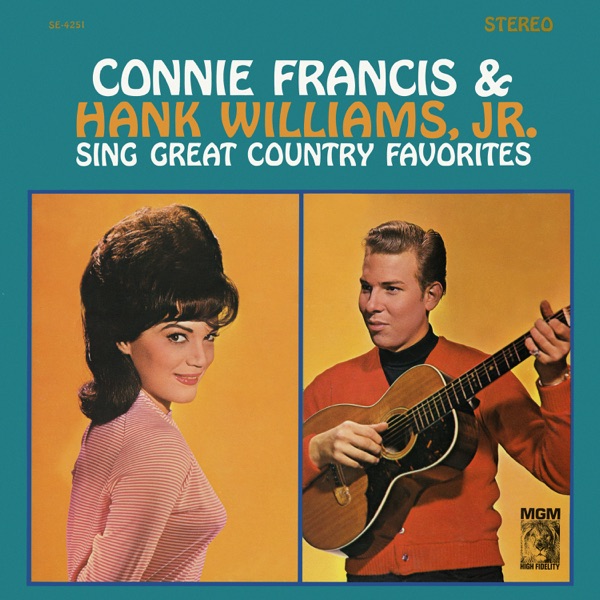
Sing Great Country Favorites
1964 · 14 tracks
- 1 Send Me The Pillow That You Dream On ↗ 2:36
- 2 Wolverton Mountain ↗ 3:02
- 3 Please Help Me I'm Falling ↗ 2:37
- 4 Singing The Blues ↗ 2:10
- 5 Walk On By ↗ 2:14
- 6 If You've Got The Money, I've Got The Time ↗ 2:28
- 7 Mule Skinner Blues ↗ 2:58
- 8 Making Believe ↗ 2:21
- 9 Blue, Blue Day ↗ 1:59
- 10 No Letter Today ↗ 2:41
- 11 Bye, Bye Love ↗ 2:29
- 12 Wabash Cannonball ↗ 2:23
- 13 Mule Skinner Blues (Alternate Take) ↗ 2:51
- 14 No Letter Today (Alternate Take) ↗ 2:41

Hank Williams Jr. Sings the Songs of Hank Williams
1964 · 12 tracks
- 1 Long Gone Lonesome Blues ↗ 2:37
- 2 Your Cheatin' Heart ↗ 2:10
- 3 I'm So Lonesome I Could Cry ↗ 2:32
- 4 I'm A Long Gone Daddy ↗ 2:30
- 5 Cold, Cold Heart ↗ 2:27
- 6 Hey, Good Lookin' ↗ 2:07
- 7 You Win Again ↗ 2:54
- 8 Moanin' The Blues ↗ 2:18
- 9 I Can't Help It ↗ 2:40
- 10 There'll Be No Teardrops Tonight ↗ 2:31
- 11 Jambalaya ↗ 2:15
- 12 Mansion On The Hill ↗ 2:37

Again
1966 · 12 tracks
- 1 My Sweet Love Ain't Around ↗ 2:42
- 2 I'll Be A Bachelor 'Til I Die ↗ 2:37
- 3 Window Shopping ↗ 2:34
- 4 My Bucket's Got A Hole In It ↗ 2:31
- 5 I Can't Help It (If I'm Still In Love With You) ↗ 2:19
- 6 Howlin' At The Moon ↗ 2:38
- 7 My Son Calls Another Man Daddy ↗ 2:35
- 8 Moanin' The Blues ↗ 2:20
- 9 Kaw-Liga ↗ 2:36
- 10 Baby, We're Really In Love ↗ 2:31
- 11 Why Should We Try Anymore ↗ 2:40
- 12 I'll Never Get Out Of This World Alive ↗ 2:25

Blues My Name
1966 · 12 tracks
- 1 Salt Lake City ↗ 2:21
- 2 A Good Leavin' Alone ↗ 2:23
- 3 Weary Blues From Waitin' ↗ 2:32
- 4 Wrong Doin' Man ↗ 2:43
- 5 These Boots Are Made For Walkin ↗ 2:29
- 6 Cry, Cry Darling ↗ 2:37
- 7 It's Written All Over Your Face ↗ 2:34
- 8 When You're Tired Of Breaking Others Hearts ↗ 2:13
- 9 Blue's My Name ↗ 2:06
- 10 Low As A Man Can Go ↗ 2:37
- 11 Old Frank ↗ 3:10
- 12 So Easy To Forgive Her (But So Hard To Forget) ↗ 2:47

Country Shadows
1966 · 12 tracks
- 1 Standing In The Shadows ↗ 3:09
- 2 Almost Nearly But Not Quite Plumb ↗ 2:11
- 3 Guess What, That's Right, She's Gone ↗ 2:45
- 4 Is It That Much Fun To Hurt Someone ↗ 2:53
- 5 I Can Take Anything ↗ 2:36
- 6 Truck Drivin' Man ↗ 2:29
- 7 Endless Sleep ↗ 2:30
- 8 You're Runnin' My Life ↗ 2:06
- 9 Pecos Jail ↗ 2:40
- 10 In The First Place ↗ 2:48
- 11 I Went To All That Trouble For Nothin' ↗ 2:10
- 12 Going Steady With The Blues ↗ 2:14

All for the Love of Sunshine
1970 · 1 track
- 1 All For The Love Of Sunshine (Live On The Ed Sullivan Show, November 8, 1970) ↗ 2:31

Eleven Roses
1972 · 10 tracks

After You / Pride's Not Hard To Swallow
1973 · 10 tracks
- 1 After You ↗ 3:07
- 2 Name Dropper ↗ 2:55
- 3 I Love You A Thousand Ways ↗ 2:36
- 4 One Out of Three Ain't Bad ↗ 1:55
- 5 She Went A Little Bit Farther ↗ 2:25
- 6 Pride's Not Hard to Swallow ↗ 3:09
- 7 I Can't Cry Back In ↗ 2:31
- 8 Country Music (Those Tear Jerking Songs) ↗ 1:54
- 9 A Picture of Me (Without You) ↗ 2:14
- 10 Knoxville Courthouse Blues ↗ 2:52

Living Proof
1974 · 10 tracks
- 1 Angels Are Hard To Find ↗ 3:11
- 2 Before You Fell Out Of Love With Me ↗ 3:10
- 3 Getting Over You ↗ 2:40
- 4 Where She Left Off ↗ 3:13
- 5 She Was Just Something To Do ↗ 3:11
- 6 I'll Think Of Something ↗ 2:22
- 7 I Just Don't Like This Kind Of Livin' ↗ 3:02
- 8 All I Had To Do ↗ 3:46
- 9 Confused ↗ 2:40
- 10 How Long Will You Keep Coming Back To Me ↗ 2:57

Bocephus
1975 · 65 tracks
- 1 A Country Boy Can Survive (Y2K Version) ↗ 3:58
- 1 All My Rowdy Friends (Have Settled Down) [Alternate Version] ↗ 4:01
- 1 Keep Your Hands To Yourself (Live) ↗ 2:37
- 2 Family Tradition ↗ 4:01
- 2 I've Been Down ↗ 3:43
- 2 Walk This Way (Live) ↗ 3:48
- 3 To Love Somebody ↗ 3:09
- 3 La Grange ↗ 5:23
- 3 Heaven Can't Be Found ↗ 3:14
- 4 Old Flame New Fire ↗ 2:38
- 4 Leave Them Boys Alone ↗ 3:35
- 4 Thanks a Lot ↗ 2:55
- 5 Only Daddy That'll Walk the Line ↗ 3:18
- 5 Blue Jean Blues ↗ 4:07
- 5 All My Rowdy Friends (Have Settled Down) [Live Solo Version] ↗ 2:33
- 6 I've Got Rights ↗ 3:36
- 6 Midnight Rider ↗ 2:50
- 6 A Country Boy Can Survive (Live) ↗ 7:19
- 7 I Just Ain't Been Able ↗ 2:37
- 7 Now I Know How George Feels (Alternate Version) ↗ 2:49
- 7 You're Gonna Be a Sorry Man ↗ 3:53
- 8 Whiskey Bent and Hell Bound ↗ 3:11
- 8 All My Rowdy Friends Are Coming Over Tonight ↗ 2:58
- 8 Tuesday's Gone ↗ 5:47
- 9 Outlaw Women ↗ 3:03
- 9 Major Moves ↗ 3:35
- 9 Mannish Boy ↗ 5:57
- 10 (I Don't Have) Anymore Love Songs ↗ 2:26
- 10 Ain't Misbehavin' ↗ 4:36
- 10 Finders Are Keepers ↗ 3:01
- 11 O.D.'d In Denver ↗ 2:42
- 11 Lawyers, Guns & Money ↗ 3:13
- 11 There's a Tear In My Beer ↗ 2:53
- 12 Come and Go Blues ↗ 4:05
- 12 This Ain't Dallas ↗ 2:45
- 12 Big Mamou ↗ 4:50
- 13 The Conversation ↗ 3:55
- 13 Two Old Cats Like Us ↗ 2:37
- 13 Man To Man ↗ 2:56
- 14 Old Habits ↗ 3:05
- 14 Country State of Mind ↗ 4:01
- 14 Stoned At the Jukebox ↗ 3:00
- 15 Kaw-Liga ↗ 4:24
- 15 Mind Your Own Business ↗ 2:30
- 15 T'ain't Nobody's Bizness ↗ 2:43
- 16 If You Don't Like Hank Williams ↗ 2:54
- 16 Secret Agent Man ↗ 2:47
- 16 Lone Wolf ↗ 3:52
- 17 Dixie On My Mind ↗ 2:38
- 17 Wild Dogs ↗ 4:10
- 17 If It Will It Will ↗ 3:21
- 18 Texas Women ↗ 2:29
- 18 My Name Is Bocephus (Live) ↗ 3:52
- 18 Hotel Whiskey ↗ 3:49
- 19 Ramblin' Man ↗ 3:38
- 19 Workin' For MCA ↗ 1:44
- 19 Low Down Blues ↗ 2:36
- 20 Waitin' On the Tables To Turn ↗ 2:40
- 20 I Really Like Girls / Rock & Roll Music (Live) ↗ 4:02
- 20 Naked Women and Beer ↗ 3:30
- 21 A Country Boy Can Survive ↗ 4:18
- 21 House of the Rising Sun ↗ 3:26
- 22 Born To Boogie ↗ 2:46
- 22 The Blues Man ↗ 4:20
- 23 Honky Tonk Women (Live) ↗ 3:37

The New South
1977 · 11 tracks
- 1 Feelin' Better ↗ 3:59
- 2 Montgomery In the Rain ↗ 3:56
- 3 Looking At the Rain ↗ 3:40
- 4 You're Gonna Change (Or I'm Gonna Leave) ↗ 3:57
- 5 How's My Ex Treating You ↗ 3:03
- 6 Uncle Pen ↗ 3:24
- 7 Once and for All ↗ 3:17
- 8 Storms Never Last ↗ 3:28
- 9 New South ↗ 4:19
- 10 Tennessee ↗ 2:22
- 11 Long Way to Hollywood ↗ 2:59

One Night Stands
1977 · 11 tracks
- 1 One Night Stands ↗ 4:13
- 2 Mobile Boogie ↗ 2:36
- 3 Angels Get Lonesome Sometimes ↗ 2:59
- 4 I'm Not Responsible ↗ 3:24
- 5 Building Memories ↗ 2:35
- 6 Honey, Won't You Call Me ↗ 2:50
- 7 She's Still the Star (On the Stage of My Mind) ↗ 2:31
- 8 All By Myself ↗ 3:07
- 9 Cherokee ↗ 2:58
- 10 Daddy (I Need You Tonight) ↗ 3:17
- 11 It's Different With You ↗ 3:07
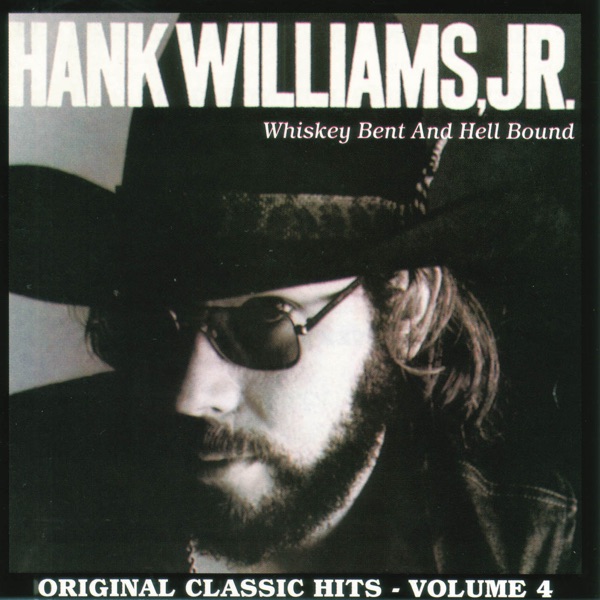
Whiskey Bent and Hell Bound
1979 · 10 tracks
- 1 Whiskey Bent and Hell Bound ↗ 3:08
- 2 Tired of Being Johnny B. Good ↗ 2:35
- 3 Outlaw Women ↗ 3:02
- 4 (I Don't Have) Anymore Love Songs ↗ 2:24
- 5 White Lightnin' ↗ 2:21
- 6 Women I've Never Had ↗ 2:54
- 7 O.D.'D In Denver ↗ 2:40
- 8 Come and Go Blues ↗ 4:06
- 9 Old Nashville Cowboys ↗ 3:05
- 10 The Conversation ↗ 3:52

Family Tradition
1979 · 10 tracks


The Pressure Is On
1981 · 10 tracks
- 1 A Country Boy Can Survive ↗ 4:15
- 2 The Coalition to Ban Coalitions ↗ 2:09
- 3 Tennessee Stud ↗ 3:27
- 4 Ramblin' In My Shoes ↗ 3:14
- 5 The Pressure Is On ↗ 4:13
- 6 All My Rowdy Friends (Have Settled Down) ↗ 4:00
- 7 I Don't Care (If Tomorrow Never Comes) ↗ 2:42
- 8 Weatherman ↗ 3:40
- 9 Everytime I Hear That Song ↗ 3:15
- 10 Ballad of Hank ↗ 3:22
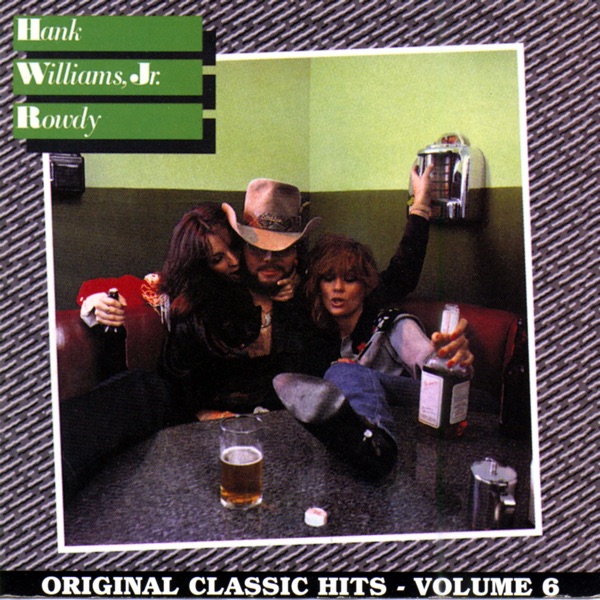

High Notes
1982 · 10 tracks
- 1 If Heaven Ain't a Lot Like Dixie ↗ 2:45
- 2 Whiskey On Ice ↗ 2:44
- 3 High and Pressurized ↗ 2:24
- 4 I Can't Change My Tune ↗ 3:15
- 5 The South's Gonna Rattle Again ↗ 3:30
- 6 Ain't Makin' No Headlines (Here Without You) ↗ 3:05
- 7 I've Been Down ↗ 3:43
- 8 If You Wanna Get to Heaven ↗ 2:21
- 9 Norwegian Wood (This Bird Has Flown) ↗ 3:31
- 10 Honky Tonkin' ↗ 2:19

Strong Stuff
1983 · 10 tracks
- 1 Gonna Go Huntin' Tonight ↗ 2:38
- 2 La Grange ↗ 5:22
- 3 A Whole Lot of Hank ↗ 2:56
- 4 Made In the Shade ↗ 4:35
- 5 Leave Them Boys Alone ↗ 3:37
- 6 The Girl On the Front Row At Fort Worth ↗ 2:39
- 7 The Homecoming Queen ↗ 4:22
- 8 Blue Jean Blues ↗ 4:08
- 9 Twodot Montana ↗ 2:40
- 10 In the Arms of Cocaine ↗ 4:08
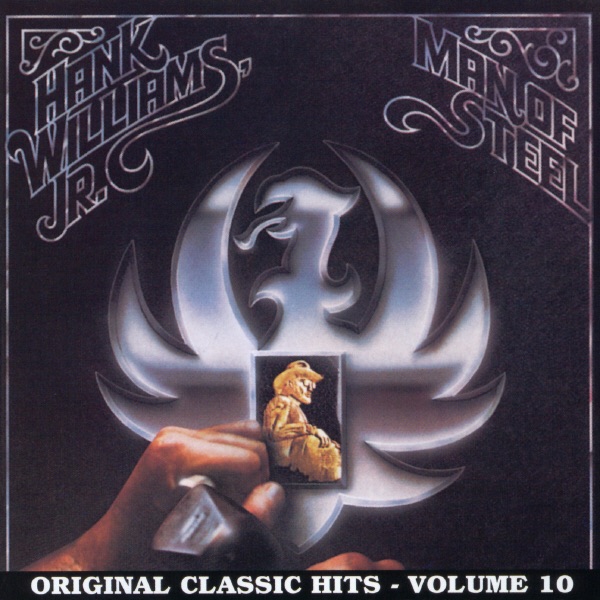
Man of Steel
1983 · 10 tracks

Major Moves
1984 · 10 tracks


Montana Café
1986 · 10 tracks
- 1 Country State of Mind ↗ 3:58
- 2 Montana Cafe ↗ 4:13
- 3 My Girl Don't Like My Cowboy Hat ↗ 2:15
- 4 When Something Is Good (Why Does It Change) ↗ 3:25
- 5 Harvest Moon / St. Louis Blues ↗ 5:02
- 6 You Can't Judge a Book (By Looking At the Cover) ↗ 4:01
- 7 My Name Is Bocephus ↗ 4:43
- 8 Loving Instructor ↗ 2:44
- 9 Fat Friends ↗ 2:02
- 10 Mind Your Own Business ↗ 2:28


Wild Streak
1988 · 10 tracks
- 1 Wild Streak ↗ 3:02
- 2 If the South Woulda Won ↗ 3:19
- 3 What You Don't Know (Won't Hurt You) ↗ 4:31
- 4 You're Gonna Be a Sorry Man ↗ 3:53
- 5 Love M.D. ↗ 4:14
- 6 Early In the Morning and Late At Night ↗ 2:29
- 7 I'm Just a Man ↗ 3:17
- 8 Social Call ↗ 4:36
- 9 You Brought Me Down to Earth ↗ 3:33
- 10 Tuesday's Gone ↗ 5:48


Maverick
1991 · 10 tracks
- 1 Come On Over to the Country ↗ 3:06
- 2 Lyin' Jukebox ↗ 2:27
- 3 Wild Weekend ↗ 3:48
- 4 The Count Song ↗ 4:06
- 5 I Know What You've Got Up Your Sleeve ↗ 2:38
- 6 Hotel Whiskey (Featuring Clint Black) ↗ 3:49
- 7 Fax Me a Beer ↗ 2:47
- 8 Low Down Blues ↗ 2:18
- 9 A Little Less Talk and a Lot More Action ↗ 3:21
- 10 Cut Bank, Montana ↗ 4:42

Pure Hank
1991 · 10 tracks
- 1 If It Will It Will ↗ 3:24
- 2 Angels Are Hard To Find ↗ 3:25
- 3 Kiss Mother Nature Goodbye ↗ 3:45
- 4 (I've Got My) Future On Ice ↗ 3:04
- 5 Be Careful Who You Love (Arthur's Song) ↗ 4:34
- 6 Memphis Belle ↗ 3:28
- 7 Honky Tonk Train ↗ 3:32
- 8 Hollywood Honeys ↗ 2:59
- 9 Just To Satisfy You ↗ 3:13
- 10 Simple Man ↗ 6:04

Out of Left Field
1993 · 10 tracks

America (The Way I See It)
1998 · 11 tracks
- 1 Cajun Baby ↗ 2:39
- 2 Rainin' In My Heart ↗ 2:55
- 3 Standing In the Shadows ↗ 3:07
- 4 It's All Over But the Crying ↗ 2:36
- 5 I'd Rather Be Gone ↗ 2:41
- 6 Living Proof ↗ 3:36
- 7 Ain't That a Shame ↗ 2:20
- 8 Hank ↗ 2:40
- 9 The Last Love Song ↗ 2:43
- 10 Rainy Night In Georgia ↗ 3:03
- 11 I've Got a Right to Cry ↗ 2:34

Stormy
1999 · 10 tracks
- 1 They All Want to Go Wild (And I Want to Go Home) ↗ 3:14
- 2 I'd Love to Knock the Hell Out of You ↗ 3:07
- 3 Gibbonsville Gold ↗ 5:01
- 4 Where Would We Be Without Yankees ↗ 3:20
- 5 Naked Women and Beer ↗ 4:02
- 6 I Like It When It's Stormy ↗ 3:47
- 7 Southern Thunder ↗ 5:00
- 8 Hank Hill Is the King ↗ 2:46
- 9 All Jokes Aside ↗ 4:07
- 10 Sometimes I Feel Like Joe Montana ↗ 4:02

Almeria Club
2002 · 13 tracks
- 1 Last Pork Chop ↗ 3:23
- 2 Go Girl Go ↗ 3:22
- 3 The 'F' Word ↗ 3:21
- 4 If the Good Lord's Willin' (And the Creeks Don't Rise) ↗ 4:44
- 5 X-Treme Country ↗ 3:08
- 6 Last Pork Chop (Acoustic) ↗ 4:25
- 7 Big Top Women ↗ 3:11
- 8 The Cheatin' Hotel ↗ 5:13
- 9 Outdoor Lovin' Man ↗ 4:05
- 10 Almeria Jam ↗ 2:03
- 11 Tee Tot Song ↗ 3:56
- 12 Cross On the Highway ↗ 7:10
- 13 America Will Survive (Studio Version) ↗ 4:53

I'm One of You
2003 · 11 tracks
- 1 Amos Moses ↗ 4:25
- 2 Liquor To Like Her ↗ 2:55
- 3 Just Enough To Get In Trouble ↗ 3:43
- 4 I'm One Of You ↗ 3:29
- 5 What's On The Bar ↗ 3:47
- 6 Games People Play ↗ 3:56
- 7 Waylon's Guitar ↗ 3:12
- 8 Why Can't We All Just Get A Longneck? / Jambalaya ↗ 4:47
- 9 American Offline ↗ 3:11
- 10 Guitar Money ↗ 3:45
- 11 Devil In the Bottle ↗ 4:53

127 Rose Avenue
2009 · 11 tracks
- 1 Farm Song ↗ 3:51
- 2 Red, White & Pink Slip Blues ↗ 3:57
- 3 High Maintenance Woman ↗ 4:28
- 4 Mighty Oak Tree ↗ 3:15
- 5 Forged By Fire ↗ 3:54
- 6 Last Driftin' Cowboy ↗ 3:05
- 7 127 Rose Avenue ↗ 4:09
- 8 All the Roads ↗ 3:09
- 9 Sounds Like Justice ↗ 3:57
- 10 Long Gone Lonesome Blues ↗ 6:06
- 11 Gulf Shore Road ↗ 4:10

A Country Boy Can Survive (Box Set)
2016 · 61 tracks
- 1 Family Tradition ↗ 3:59
- 1 If Heaven Ain't a Lot Like Dixie ↗ 2:44
- 1 Born To Boogie ↗ 2:42
- 1 Intro: Hank Williams, Junior Junior (Live) ↗ 2:00
- 2 Whiskey Bent and Hell Bound ↗ 3:09
- 2 Gonna Go Huntin' Tonight ↗ 2:35
- 2 Heaven Can't Be Found ↗ 3:10
- 2 My Name Is Bocephus (Live) ↗ 3:51
- 3 Women I've Never Had ↗ 2:51
- 3 Leave Them Boys Alone ↗ 3:33
- 3 Young Country ↗ 3:29
- 3 Workin' for Mca (Live) ↗ 1:31
- 4 Outlaw Women ↗ 3:00
- 4 Queen of My Heart ↗ 3:45
- 4 If the South Woulda Won ↗ 3:18
- 4 I Really Like Girls (Live) ↗ 3:43
- 5 Kaw-Liga ↗ 4:22
- 5 The Conversation ↗ 3:51
- 5 My Name Is Bocephus ↗ 4:40
- 5 If You Don't Like Hank Williams (Live) ↗ 3:11
- 6 Old Habits ↗ 3:02
- 6 Man of Steel ↗ 4:34
- 6 Early In the Morning and Late At Night ↗ 2:27
- 6 Sweet Home Alabama (Live) ↗ 2:14
- 7 Dinosaur ↗ 3:18
- 7 Attitude Adjustment ↗ 2:54
- 7 There's a Tear In My Beer ↗ 2:50
- 7 Spoken Intro: La Grange (Live) ↗ 8:42
- 8 The Blues Man ↗ 4:18
- 8 All My Rowdy Friends Are Coming Over Tonight ↗ 2:55
- 8 All My Rowdy Friends Are Coming Over for Monday Night Football ↗ 2:17
- 8 Trouble In Mind / Short Haired Women (Live) ↗ 5:38
- 9 Texas Women ↗ 2:26
- 9 Major Moves ↗ 3:32
- 9 Finders Are Keepers ↗ 2:58
- 9 The Conversation (Live) ↗ 1:48
- 10 Dixie On My Mind ↗ 2:35
- 10 I'm for Love ↗ 2:56
- 10 Ain't Nobody's Business ↗ 2:40
- 10 Man of Steel (Live) ↗ 1:06
- 11 All My Rowdy Friends (Have Settled Down) ↗ 3:57
- 11 This Ain't Dallas ↗ 2:43
- 11 Good Friends, Good Whiskey, Good Lovin' ↗ 3:02
- 11 I'm for Love (Live) ↗ 0:53
- 12 A Country Boy Can Survive ↗ 4:15
- 12 Ain't Misbehavin' ↗ 4:33
- 12 Hog Wild ↗ 3:30
- 12 If Heaven Ain't a Lot Like Dixie (Live) ↗ 1:07
- 13 Honky Tonkin' ↗ 2:16
- 13 Country State of Mind ↗ 3:59
- 13 America Will Survive ↗ 4:51
- 13 All My Rowdy Friends (Have Settled Down) [Live] ↗ 2:29
- 14 The American Dream ↗ 2:18
- 14 Mind Your Own Business ↗ 2:28
- 14 A Country Boy Can Survive (25th Anniversary Remix) ↗ 4:19
- 14 House of the Rising Sun (Live) ↗ 3:25
- 15 Red, White & Pink Slip Blues ↗ 4:14
- 15 The Ride (Live) ↗ 2:44
- 16 All for the Love of Sunshine (feat. Mike Curb Congregation) ↗ 3:46
- 16 A Country Boy Can Survive (Live) ↗ 4:58
- 17 Family Tradition / Hey, Good Lookin' (Live) ↗ 4:16

Rich White Honky Blues
2022 · 12 tracks
- 1 .44 Special Blues ↗ 1:59
- 2 Georgia Women ↗ 4:05
- 3 My Starter Won't Start ↗ 3:15
- 4 Take Out Some Insurance ↗ 3:58
- 5 Rich White Honky Blues ↗ 3:56
- 6 Short Haired Woman ↗ 4:54
- 7 Fireman Ring The Bell ↗ 5:28
- 8 Rock Me Baby ↗ 3:58
- 9 I Like It When It's Stormy ↗ 3:19
- 10 Call Me Thunderhead ↗ 4:04
- 11 TV Mama ↗ 4:05
- 12 Jesus, Won't You Come By Here ↗ 2:51

Send Me Some Lovin' and Whole Lotta Lovin'
— · 10 tracks
- 1 Send Me Some Lovin' ↗ 2:01
- 2 Someone To Give My Love To ↗ 3:15
- 3 The Only Daddy That Will Walk The Line ↗ 2:34
- 4 Why Should We Try Anymore ↗ 3:12
- 5 Stop And Think It Over ↗ 2:33
- 6 Whole Lotta Loving ↗ 2:18
- 7 You're Gonna Change (Or I'm Gonna Leave) ↗ 2:16
- 8 I'm Walkin' ↗ 2:23
- 9 Together Again ↗ 2:28
- 10 Then You Can Tell Me Goodbye ↗ 2:48
-
 Sing Great Country FavoritesHank Williams Jr.196414 tracks
 -
 Hank Williams Jr. Sings the Songs of Hank WilliamsHank Williams Jr.196412 tracks
 -
 AgainHank Williams Jr.196612 tracks
 -
 Blues My NameHank Williams Jr.196612 tracks
 -
 Country ShadowsHank Williams Jr.196612 tracks
 -
 All for the Love of SunshineHank Williams Jr.19701 track
 -
 Eleven RosesHank Williams Jr.197210 tracks
 -
 After You / Pride's Not Hard To SwallowHank Williams Jr.197310 tracks
 -
 Living ProofHank Williams Jr.197410 tracks
 -
 BocephusHank Williams Jr.197565 tracks
 -
 The New SouthHank Williams Jr.197711 tracks
 -
 One Night StandsHank Williams Jr.197711 tracks
 -
 Whiskey Bent and Hell BoundHank Williams Jr.197910 tracks
 -
 Family TraditionHank Williams Jr.197910 tracks
 -
 Habits Old and NewHank Williams Jr.198010 tracks
 -
 The Pressure Is OnHank Williams Jr.198110 tracks
 -
 RowdyHank Williams Jr.198110 tracks
 -
 High NotesHank Williams Jr.198210 tracks
 -
 Strong StuffHank Williams Jr.198310 tracks
 -
 Man of SteelHank Williams Jr.198310 tracks
 -
 Major MovesHank Williams Jr.198410 tracks
 -
 Five‐OHank Williams Jr.198510 tracks
 -
 Montana CaféHank Williams Jr.198610 tracks
 -
 Born to BoogieHank Williams Jr.198710 tracks
 -
 Wild StreakHank Williams Jr.198810 tracks
 -
 Lone WolfHank Williams Jr.199010 tracks
 -
 MaverickHank Williams Jr.199110 tracks
 -
 Pure HankHank Williams Jr.199110 tracks
 -
 Out of Left FieldHank Williams Jr.199310 tracks
 -
 Hog WildHank Williams Jr.199510 tracks
 -
 America (The Way I See It)Hank Williams Jr.199811 tracks
 -
 StormyHank Williams Jr.199910 tracks
 -
 Almeria ClubHank Williams Jr.200213 tracks
 -
 I'm One of YouHank Williams Jr.200311 tracks
 -
 127 Rose AvenueHank Williams Jr.200911 tracks
 -
 A Country Boy Can Survive (Box Set)Hank Williams Jr.201661 tracks
 -
 Rich White Honky BluesHank Williams Jr.202212 tracks
 -
 Send Me Some Lovin' and Whole Lotta Lovin'Hank Williams Jr.—10 tracks
Deep Dive
Overview
Randall Hank Williams Jr., known professionally as Hank Williams Jr. or by his stage name Bocephus, emerged as one of the most distinctive voices in American rock and country music. Born into the shadow of his father, the legendary country pioneer Hank Williams, he carved out an independent path by fusing rock, blues, and country into a volatile, high-energy hybrid that would define Southern rock and outlaw country for decades. His prolific recording career—spanning from 1964 to the present day—produced dozens of studio albums and positioned him as a bridge between traditional country and the harder-edged aesthetics of rock and blues.
Formation Story
Born in 1949, Hank Williams Jr. grew up in a household defined by his father’s towering legacy and early death. Rather than abandon music, he inherited his father’s instrumental gifts and cultural footprint, recording his first albums in the mid-1960s. His early recordings, including Sing Great Country Favorites and Hank Williams Jr. Sings the Songs of Hank Williams (both 1964), positioned him as a steward of country tradition. Throughout the late 1960s, he remained rooted in his father’s idiom, releasing albums like My Own Way (1967) and Songs My Father Left Me (1969) that honored the Nashville sound while he developed his own artistic voice. These formative years saw him working across multiple record labels, including MGM Records and later Warner Bros., as he experimented with the boundaries of country music.
Breakthrough Moment
Hank Williams Jr.’s transition from traditionalist to rock-influenced innovator accelerated in the mid-to-late 1970s. The 1975 album Bocephus—recorded under his stage name—marked a significant pivot toward a more electric, rebellious sound. That same year, Hank Williams, Jr. and Friends demonstrated his willingness to collaborate beyond the confines of pure country. The real turning point came with Whiskey Bent and Hell Bound (1979) and the follow-up Family Tradition (1979), which announced his full embrace of outlaw country and Southern rock sensibilities. These albums stripped away the last vestiges of his early traditionalism, replacing them with raw electric guitar, harder vocal delivery, and lyrical themes that prioritized personal freedom and lived experience over polished Nashville narratives. The success of these releases established him as a major figure in the emergent outlaw and Southern rock movements.
Peak Era
The period from 1979 through the mid-1980s represented Hank Williams Jr.’s creative and commercial peak. Whiskey Bent and Hell Bound, Family Tradition, and the subsequent albums Habits Old and New (1980), The Pressure Is On (1981), and Rowdy (1981) solidified his reputation as a fearless, uncompromising artist. High Notes (1982), Strong Stuff (1983), and Man of Steel (1983) demonstrated sustained commercial appeal and artistic ambition. This era saw him balancing his blues-rock edge with country roots, drawing on the raw energy of Southern culture while maintaining the melodic sensibility inherited from his father. The albums released through this decade showcased a mature artist in command of multiple styles—he could deliver hard-charging rockers, introspective blues numbers, and country ballads with equal conviction. His prolific output and willingness to push genre boundaries made him a significant presence in American rock and country radio throughout the 1980s.
Musical Style
Hank Williams Jr.’s sound evolved significantly across his career, moving from restrained country balladry toward a more aggressive fusion of rock, blues, and country. His vocal delivery—initially understated and reverential to his father’s shadow—grew rougher and more confident as he matured, taking on a raspy, lived-in quality that conveyed experience and hard living. His guitar work reflected this trajectory as well: early albums leaned toward acoustic and clean electric textures typical of 1960s country studios, while later recordings embraced heavier electric tones, blues-influenced riffs, and the kind of instrumental density associated with Southern rock acts. The production values shifted correspondingly, with his 1960s and early 1970s work maintaining the polished Nashville studio sound, while Whiskey Bent and Hell Bound onward incorporated rawer, more amplified arrangements that pushed country toward rock. Lyrically, he moved away from universal country themes toward more personal, autobiographical material and social commentary, embracing the outlaw country ethos that rejected mainstream country’s commercial polish. This blend of country instrumentation, rock aggression, and blues sensibility—rooted in Wikidata’s description of his styles as encompassing Southern rock, country rock, neotraditional country, and blues rock—became his signature voice.
Major Albums
Whiskey Bent and Hell Bound (1979)
This album marked his definitive break with country traditionalism, introducing the electric guitar intensity and lyrical rebelliousness that would define his mature period. It established the template for his 1980s work: raw energy, blues-influenced guitar, and unpolished vocal delivery.
Family Tradition (1979)
Released the same year, this album drove home his new artistic direction, claiming his right to forge his own path rather than merely inherit his father’s legacy. The title track became emblematic of his willingness to redefine what Hank Williams meant in a rock context.
The Pressure Is On (1981)
Demonstrating sustained momentum, this album showed that his shift toward rock and blues was no one-off experiment. It balanced harder-edged material with moments of vulnerability, confirming his range as a mature artist.
High Notes (1982)
Released at the height of his commercial success, High Notes showcased his ability to craft radio-friendly rock-country hybrids without sacrificing artistic integrity. The album proved he could appeal to both rock and country audiences simultaneously.
Born to Boogie (1987)
This mid-to-late career album demonstrated his enduring commitment to the blues-rock fusion that had defined him since the late 1970s, confirming that his stylistic choices were permanent rather than passing.
Signature Songs
- Family Tradition — The title track from the 1979 album that became his artistic manifesto, asserting his right to break from country convention and live by his own rules.
- Whiskey Bent and Hell Bound — The opening statement of his rock-inflected vision, establishing the hard-edged guitar and defiant attitude that would characterize his 1980s output.
- Bocephus — A self-titled track from his 1975 album that announced his stage name and signaled his readiness to step fully into his own identity separate from his father’s.
- My Own Way — A 1967 single that foreshadowed his later artistic independence, even during his more country-oriented early years.
Influence on Rock
Hank Williams Jr.’s fusion of country and rock contributed significantly to the development of Southern rock as a category and helped legitimize the outlaw country movement of the 1970s and 1980s. By demonstrating that country music could be loud, electric, and rebellious without losing its roots, he opened doors for subsequent generations of artists who wanted to move between rock and country idioms without full commitment to either. His willingness to embrace rock’s aggression while maintaining country instrumentation and vocal sensibilities influenced how rock and country could coexist in a single artist’s work. The blues-rock component of his sound—present from his earliest recordings but amplified during his peak era—showed how country artists could incorporate African-American blues traditions authentically rather than superficially. His prolific output and genre flexibility made him a reference point for artists seeking to navigate the cultural and commercial terrain between rock and country radio formats.
Legacy
Hank Williams Jr. remains an enduring presence in American music, with a recording career spanning more than five decades from 1964 to the present. His later albums—including 127 Rose Avenue (2009), Old School New Rules (2012), It’s About Time (2016), and Rich White Honky Blues (2022)—demonstrate his continued commitment to recording and touring. His influence extends beyond his own substantial discography: his three musician children—Sam Williams, Holly Williams, and Hank Williams III—have carried forward his legacy in their own work, and his grandson Coleman Williams represents the fourth generation of the Williams musical dynasty. The breadth of his recording catalog, documented across numerous labels including Warner Bros., Curb Records, and Nash Icon Records, ensures his work remains accessible to both longtime fans and new listeners discovering his particular synthesis of rock, blues, and country. His official website continues to maintain an active presence in the digital age, reflecting his status as a living link to both country’s Golden Age and rock’s outlaw era.
Fun Facts
- Hank Williams Jr.’s stage name “Bocephus” became so central to his identity that he recorded and released albums under that moniker, particularly Bocephus (1975), which marked a turning point in his artistic evolution.
- His prolific recording schedule throughout the 1970s and 1980s saw him releasing multiple albums per year at times, demonstrating a work ethic and creative output that rivaled that of his contemporaries in rock and country music.
- The album Luke the Drifter, Jr. appeared twice in his catalog (1968 and 1970), suggesting reworked or reissued material that underscores how actively he was developing and refining his sound during this formative period.
- He recorded a collaboration album, Singing My Songs, credited to “Johny Cash” in 1970, reflecting the cross-pollination between outlaw and traditional country artists during the era.