
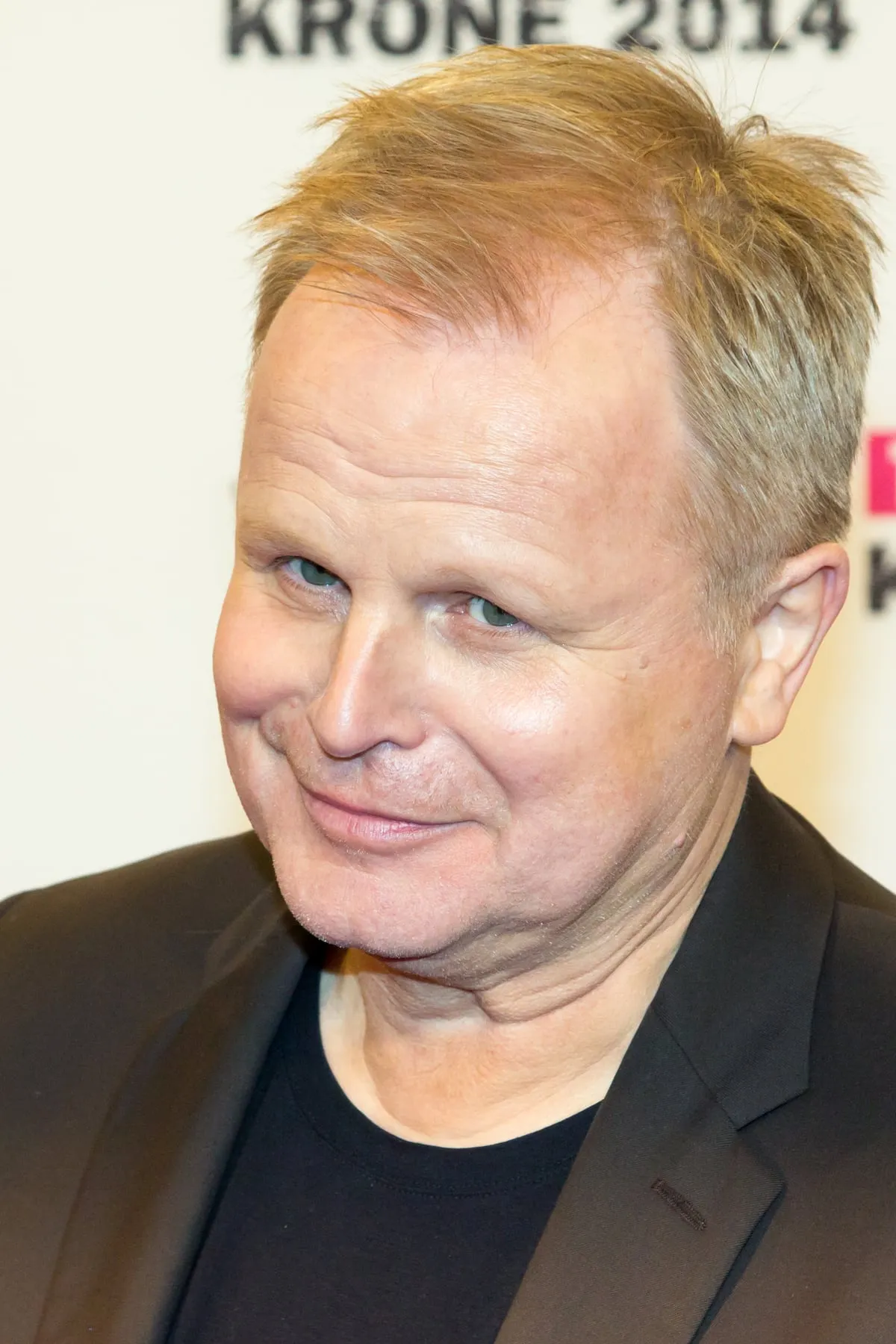
Photo by Superbass , licensed under CC BY-SA 4.0 · Wikimedia Commons
Rank #448
Herbert Grönemeyer
From Wikipedia
Herbert Arthur Wiglev Clamor Grönemeyer is a German singer, musician, producer, composer and actor, popular in Germany, Austria and Switzerland.
Discography & Previews
Browse through and click an album to open and play 30-second previews streamed from Apple Music.


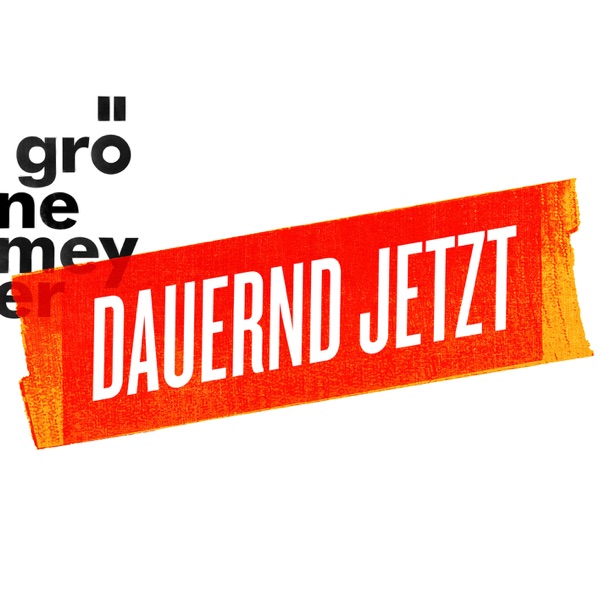
Dauernd Jetzt
2014 · 16 tracks
- 1 Morgen ↗ 4:03
- 2 Wunderbare Leere ↗ 3:45
- 3 Uniform ↗ 3:33
- 4 Fang mich an ↗ 4:03
- 5 Roter Mond ↗ 3:59
- 6 Der Löw ↗ 3:39
- 7 Unter Tage ↗ 3:36
- 8 Verloren ↗ 3:29
- 9 Unser Land ↗ 4:06
- 10 Ich lieb mich durch ↗ 4:01
- 11 Einverstanden ↗ 3:13
- 12 Feuerlicht ↗ 3:47
- 13 Pilot ↗ 3:13
- 14 Neuer Tag (Live) ↗ 3:37
- 15 Annäherung ↗ 3:16
- 16 Fang mich an (Hoopieshnoopie Remix) ↗ 4:49

Tumult
2018 · 13 tracks
- 1 Sekundenglück ↗ 3:59
- 2 Taufrisch ↗ 3:18
- 3 Mein Lebensstrahlen ↗ 3:20
- 4 Doppelherz / İki Gönlüm ↗ 3:38
- 5 Bist du da ↗ 3:55
- 6 Fall der Fälle ↗ 4:38
- 7 Warum ↗ 3:30
- 8 Leichtsinn und Liebe ↗ 3:50
- 9 Der Held ↗ 3:17
- 10 Verwandt ↗ 4:34
- 11 Wartezimmer der Welt ↗ 4:31
- 12 Und immer ↗ 3:35
- 13 Lebe mit mir los ↗ 3:22
-
 LuxusHerbert Grönemeyer19909 tracks
 -
 ChaosHerbert Grönemeyer199310 tracks
 -
 Dauernd JetztHerbert Grönemeyer201416 tracks
 -
 TumultHerbert Grönemeyer201813 tracks
Deep Dive
Overview
Herbert Arthur Wiglev Clamor Grönemeyer is a German singer, musician, producer, composer, and actor who emerged as one of the most commercially successful and culturally significant rock artists in German-speaking Europe. Born in 1956, Grönemeyer built a career spanning nearly five decades, initially gaining prominence in the late 1970s and maintaining broad popularity across Germany, Austria, and Switzerland. His work straddles pop rock and soft rock, characterized by introspective lyricism sung in German and an evolving production sensibility that has adapted across multiple eras without abandoning his core identity.
Formation Story
Grönemeyer was born in 1956 in Germany during a period of postwar cultural reconstruction. He came of age during the 1970s, a transformative decade for German popular music in which rock and pop idioms—previously dominated by Anglo-American artists—began to find authentic local expression. Rather than pursuing a path as a session musician or band member, Grönemeyer charted a solo course from the outset, positioning himself as a singer-songwriter and frontman in the European pop-rock mold. This choice proved decisive: his early work in the late 1970s established him as an artist with his own voice rather than as part of a collective project.
Breakthrough Moment
Grönemeyer’s commercial and artistic breakthrough came with his fourth album, 4630 Bochum, released in 1984. The album’s title references the postal code of his hometown, signaling a turn toward more personal, geographically rooted songwriting. 4630 Bochum resonated widely across German-speaking territories, establishing him as a major force in the region’s rock landscape. The album’s success was neither fleeting nor tied to a single hit; it reflected a deepening connection between artist and audience built through his earlier releases and cemented his status as a serious recording artist with durable commercial appeal.
Peak Era
The mid-1980s through the early 1990s marked Grönemeyer’s most commercially dominant period. Albums including Sprünge (1986), Ö (1988), What’s All This (1988), Luxus (1990), and Chaos (1993) demonstrated both consistency and willingness to evolve sonically. During this span, he refined his approach to production and arrangement, moving beyond his initial guitar-driven rock orientation toward more layered, contemporary sounds while retaining the emotional directness that characterized his lyrics. His status as a major concert draw and recording artist was firmly established by the early 1990s, making him one of the most reliably successful artists in the German music industry.
Musical Style
Grönemeyer’s sound is rooted in pop rock and soft rock, genres that emphasize accessibility and emotional clarity over technical virtuosity or extreme sonic experimentation. His vocal approach—singing primarily in German—carries a conversational quality suited to introspective, often socially conscious lyrical content. Early albums showcased relatively straightforward rock production, with electric guitars and traditional rock instrumentation. Over time, his records incorporated broader production techniques, layered arrangements, and more sophisticated studio craftsmanship, reflecting trends in European pop rock during the 1980s and 1990s. The evolution was gradual rather than radical; across his discography, certain constants persist: an emphasis on the primacy of the melody and lyric, a preference for emotional authenticity over spectacle, and a rootedness in German language and culture despite the international currency of rock music itself.
Major Albums
4630 Bochum (1984)
The album that elevated Grönemeyer to major-artist status in German-speaking Europe, marked by its introspective focus on urban life, personal identity, and regional belonging.
Sprünge (1986)
Demonstrated his ability to sustain commercial and critical momentum while refining his production approach and expanding his sonic palette.
Luxus (1990)
A career high point showcasing mature songwriting and sophisticated arrangements, affirming his status as a serious recording artist.
Mensch (2002)
A major release that reestablished his presence after the late-1990s, demonstrating continued relevance and appeal across his established fanbase.
Unplugged № 2: Von allem anders (2025)
His most recent release, continuing his career well into his seventh decade and demonstrating his ongoing commitment to recording and artistic expression.
Signature Songs
- “Bochum” — The title track from 4630 Bochum, a meditation on hometown identity and personal roots that became his most widely recognized song.
- “Männer sind Schweine” — A notable track from his output addressing gender and social dynamics with characteristic wit and directness.
- “Bleibt alles anders” — From the 1998 album of the same name, exemplifying his evolved songwriting and production sensibility.
- “Spuren” — A track from his broader catalog that showcases his emotional introspection and melodic gift.
Influence on Rock
Grönemeyer’s influence operates primarily within German-language rock and pop music rather than across the broader English-language rock canon. His career demonstrated that a rock artist working exclusively in German could achieve sustained commercial success and artistic credibility without subordinating his language or cultural identity to English-language market pressures. He helped establish a template for the singer-songwriter working in a non-English language, proving that authenticity to local culture and language need not limit international (or at least pan-European) reach. His example encouraged subsequent generations of German-language artists to pursue serious rock and pop careers without defaulting to English as a prerequisite for legitimacy.
Legacy
Herbert Grönemeyer stands as one of the most commercially enduring and culturally significant German rock artists of the late twentieth and early twenty-first centuries. With a recording career spanning from 1979 to the present, he has maintained relevance through multiple decades and shifts in production technology and musical fashion. His records remain fixtures in German, Austrian, and Swiss popular culture, and his concerts continue to draw audiences well into his later career. The durability of his appeal—rooted in emotional authenticity, melodic clarity, and a refusal to chase trends at the expense of his core artistic identity—positions him as a model of sustained creative integrity within the commercial rock tradition. His ongoing recording activity, including the 2025 release Unplugged № 2: Von allem anders, demonstrates his continued engagement with his craft and audience.
Fun Facts
- Grönemeyer’s full given name—Herbert Arthur Wiglev Clamor Grönemeyer—reflects the international, cosmopolitan background of his family and early life.
- In addition to his career as a recording artist and performer, he has worked as a composer and producer, extending his influence beyond his own discography.
- His records have been released across multiple major labels, including EMI Records and his own Grönland Records, demonstrating both mainstream success and independent entrepreneurship.
- The postal code reference in 4630 Bochum transformed a technical identifier into a cultural emblem, illustrating how his songwriting mining local, personal detail resonated with broader audiences.